







Does steel structure belong to civil engineering? What is the relationship between them?
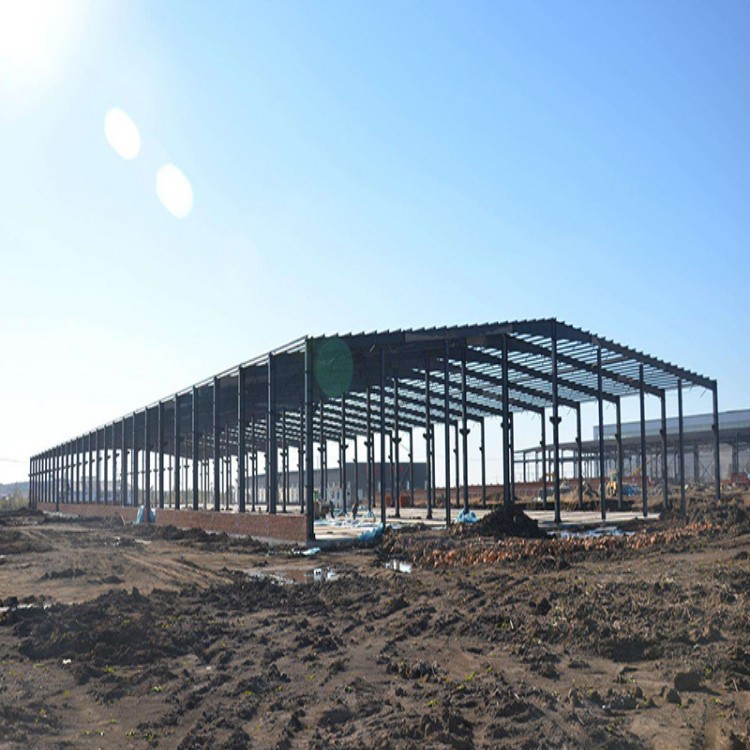
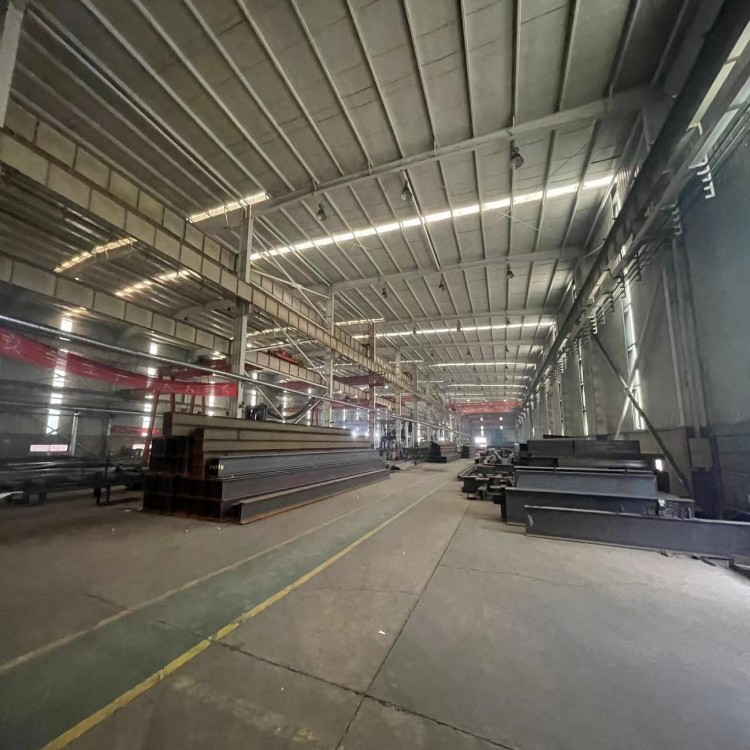
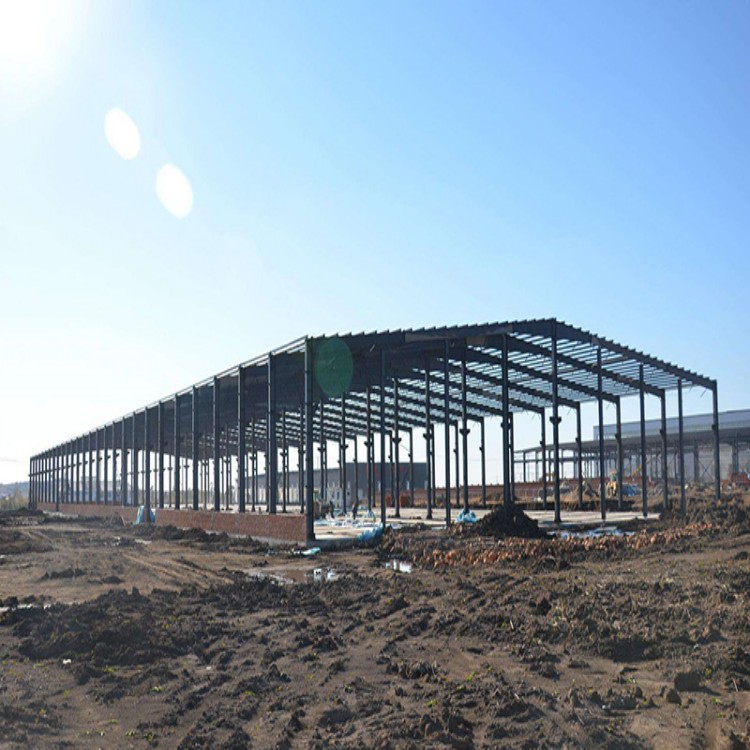
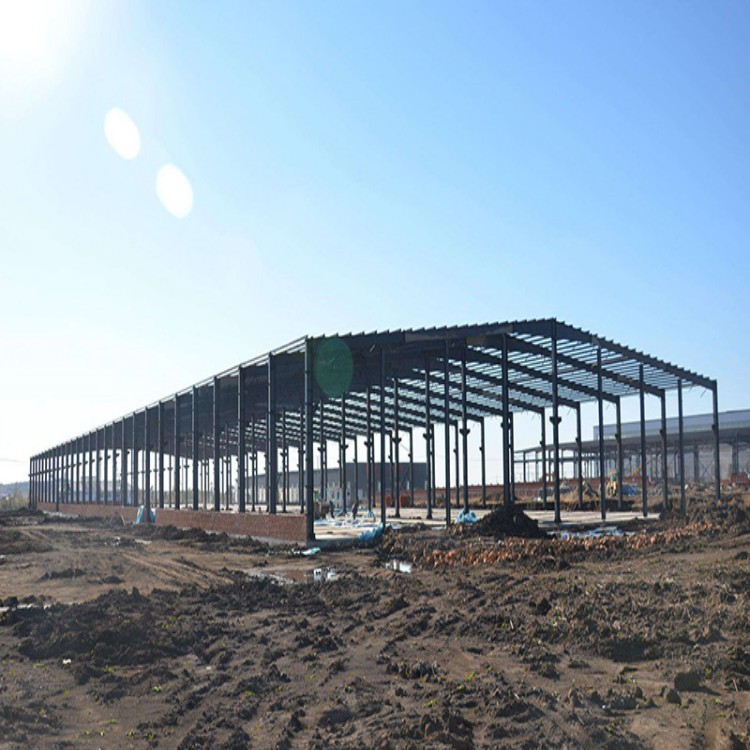
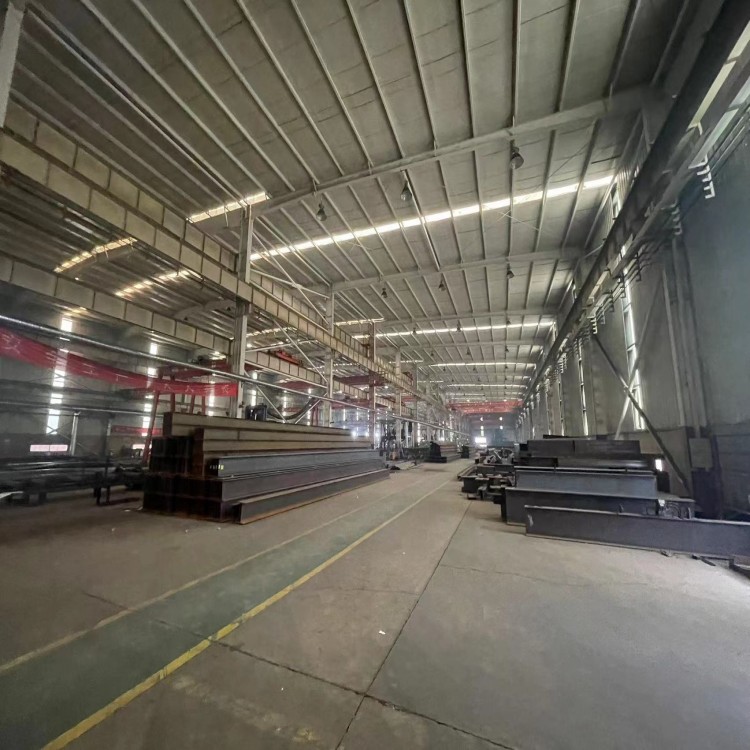
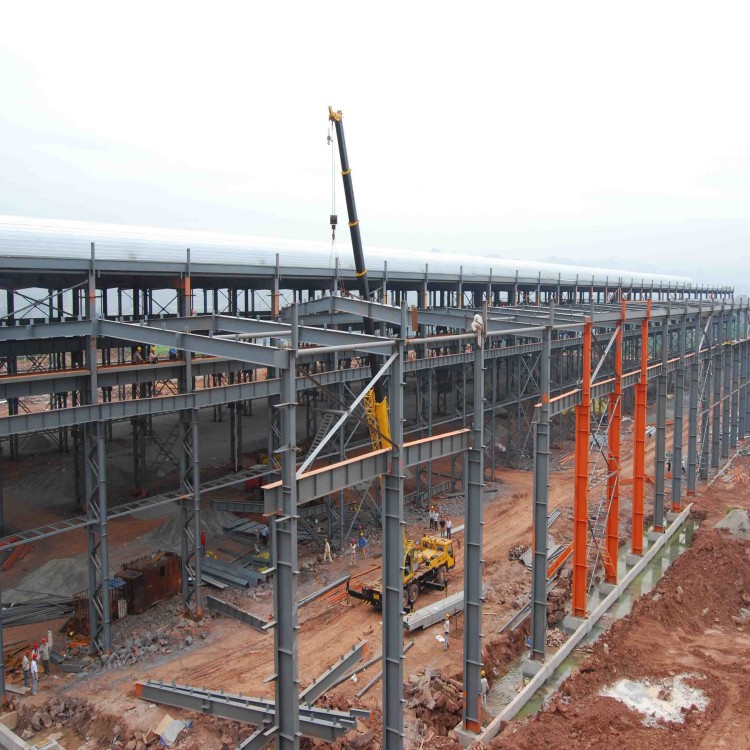
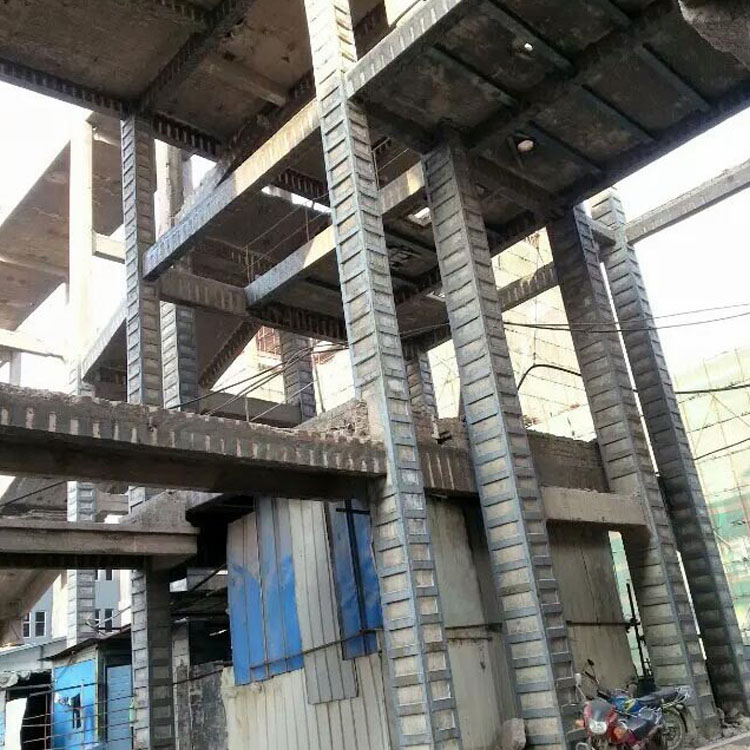
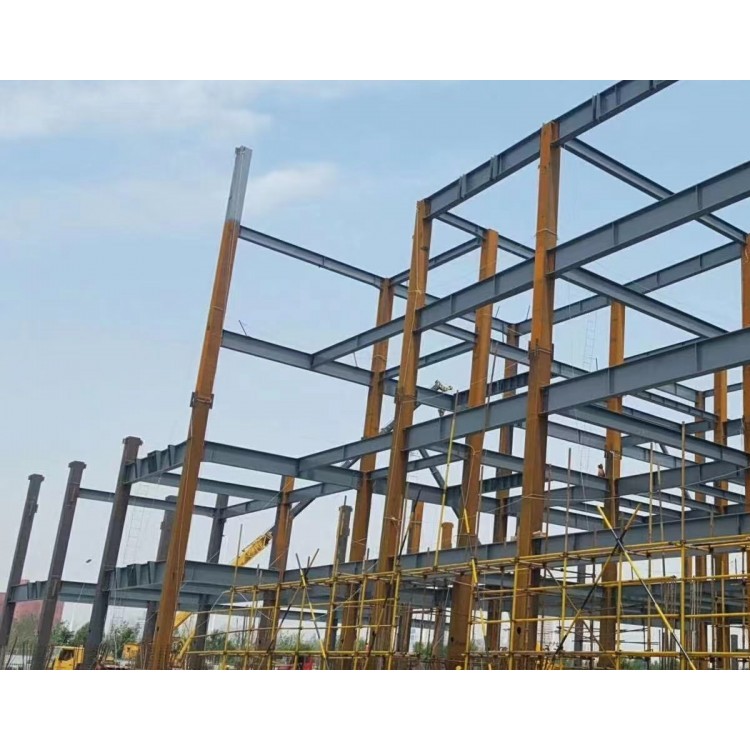
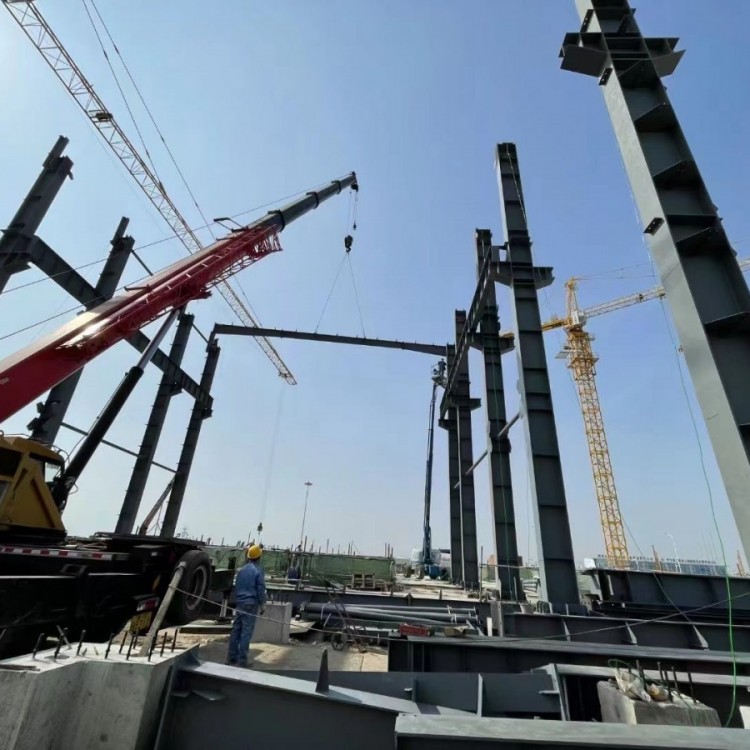
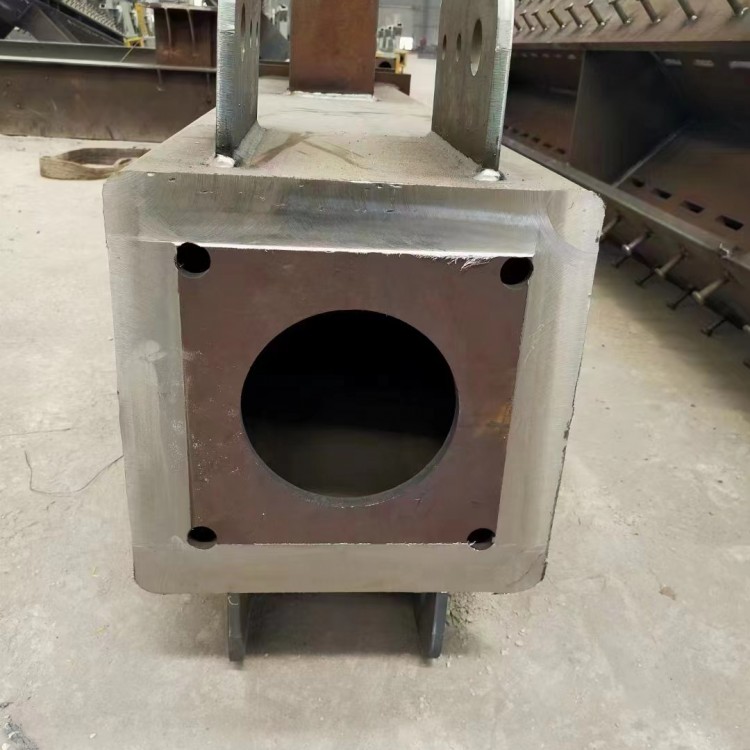
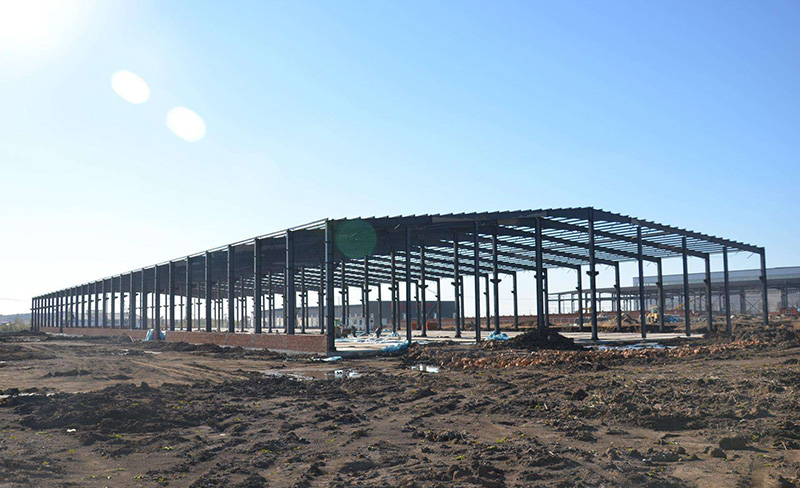
Introduction: Steel structure engineering is a type of civil engineering. It primarily consists of steel components, mainly composed of steel beams, columns, trusses, etc., made from sections and plates. These components are typically connected by welds, bolts, or rivets. It is one of the main types of building structures. Due to its light weight and ease of construction, it is widely used in large factories, stadiums, and ultra-high-rise buildings.
Structural steel is primarily composed of steel beams, columns, trusses, and other components made from sections and plates, representing a type of building structure. It is assembled through welds, bolts, or rivets between various components or parts, and is widely used in large factories, stadiums, and other fields due to its light self-weight and ease of construction. So, does structural steel fall under civil engineering? What is the relationship between them??。
The relationship between steel structure and civil engineering
1Structural steel engineering falls under civil engineering.
Structural steel engineering primarily utilizes steel for construction, composed mainly of steel beams, columns, trusses, and other components made from sections and plates. These components are typically connected by welds, bolts, or rivets. It is one of the main types of building structures. Due to its light weight and ease of construction, it is widely used in large factories, stadiums, and ultra-high-rise buildings.
2Civil Engineering
On-site civil engineering and construction projects encompass the general term for civil engineering and architectural engineering. It is an engineering discipline that constructs various facilities and places for human activities such as living, production, and protection. It covers construction of buildings, roads, railways, airports, bridges, water conservancy, ports, tunnels, water supply and drainage, and protective structures within various categories including above ground, underground, land, water, and underwater. This includes all technical activities such as surveying, design, construction, maintenance, and management during the engineering construction process, as well as the materials, equipment, and items consumed in the construction process. Using energy-saving walls with good thermal insulation, heat insulation, and sound insulation can achieve50%Energy-saving standards.
Section 2: Characteristics of Steel Structures
1Fold-resistant, the roofs of most low-rise villas are sloping, thus the roof structure generally employs a triangular truss system made of cold-formed steel components. After the structural panels and gypsum boards are sealed, the light steel components form an extremely sturdy structure."Batten structure system"This structural system boasts enhanced seismic resistance and the ability to withstand horizontal loads, suitable for seismic intensities of8Areas above 80 degrees.
2Collapsible wind resistance; lightweight, high-strength, structurally rigid steel construction with excellent deformation capability. The self-weight of the building is only one-fifth of that of brick-and-concrete structures, capable of withstanding wind speeds of up to...70Hurricane of Rice, protecting lives and property.
3Foldable durability: The light steel structural residential structure is fully composed of cold-formed thin-walled steel components. The steel frame is manufactured using corrosion-resistant high-strength cold-rolled galvanized steel plates, effectively preventing the effects of rust on the steel plates during construction and use, thereby extending the service life of the light steel components. The structural lifespan can reach100Year.
4Collapsible thermal insulation, utilizing glass fiber cotton as the main thermal insulation material, offers excellent heat preservation and insulation properties. The thermal insulation boards used for exterior walls effectively prevent the walls from...“Cold Bridge”The phenomenon achieves a better thermal insulation effect.100mmLeft and right thicknessR15Thermal resistance of the insulating cotton can be equivalent to1mThick brick walls.
5Collapsible noise insulation; sound insulation is an important indicator for evaluating residential properties. Windows installed in the light steel system all use double-glazed glass, offering excellent sound insulation with noise reduction capabilities.40Decibels above;Walls composed of light steel studs, thermal insulation materials, and gypsum boards offer excellent soundproofing properties.60Decibels.
6Healthiness, dry construction techniques, reduced environmental pollution from waste, recyclable steel structural materials for buildings, and most of the other accessory materials are also recyclable, aligning with current environmental awareness.;All materials are green building materials, meet ecological environmental requirements, and are beneficial to health.
7Folding comfort, lightweight steel walls use an energy-saving system with a breathing function, adjustable for indoor air humidity and dryness.;The roof features ventilation, allowing for the creation of a circulating air space above the interior, ensuring adequate ventilation and heat dissipation within the roof.
8Collapsible and quick to set up, suitable for all dry construction work, unaffected by environmental or seasonal changes. One building300A building of approximately 100 square meters5A worker30It takes 5 business days to complete the entire process from foundation to decoration.
9Foldable and environmentally friendly, the materials are recyclable, truly achieving green and pollution-free production.
10Collapsible energy-saving design, utilizing energy-efficient walls for excellent thermal insulation, heat preservation, and soundproofing effects.50%Energy-saving standards.