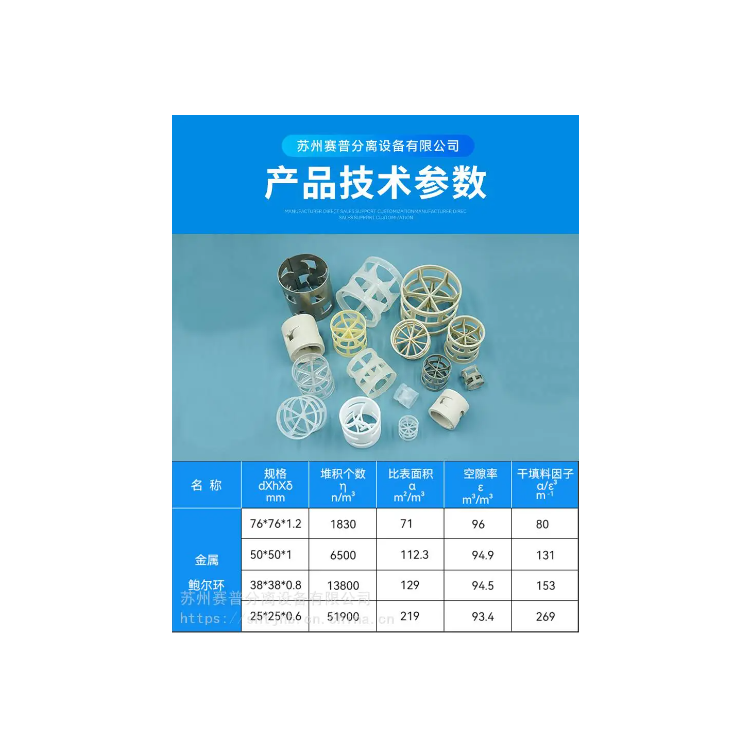

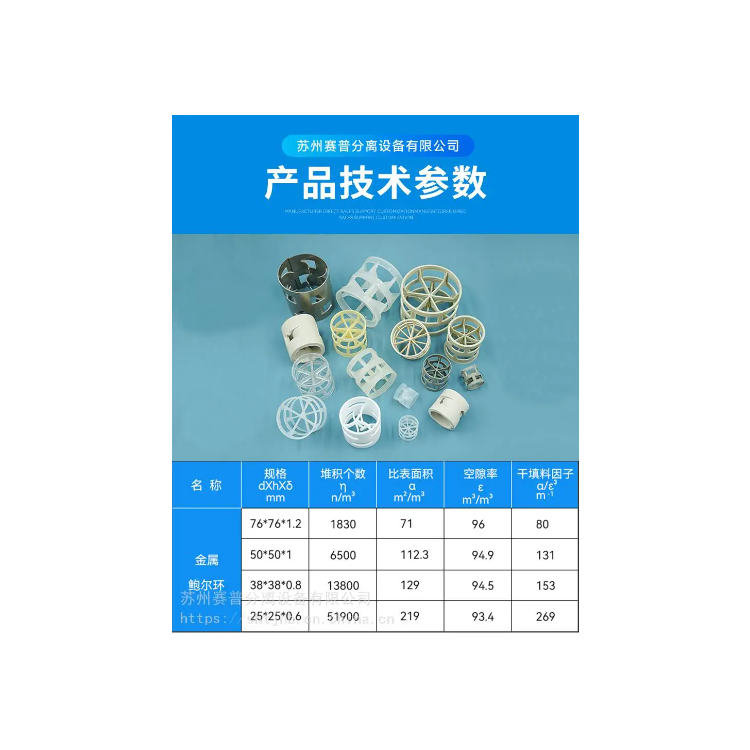







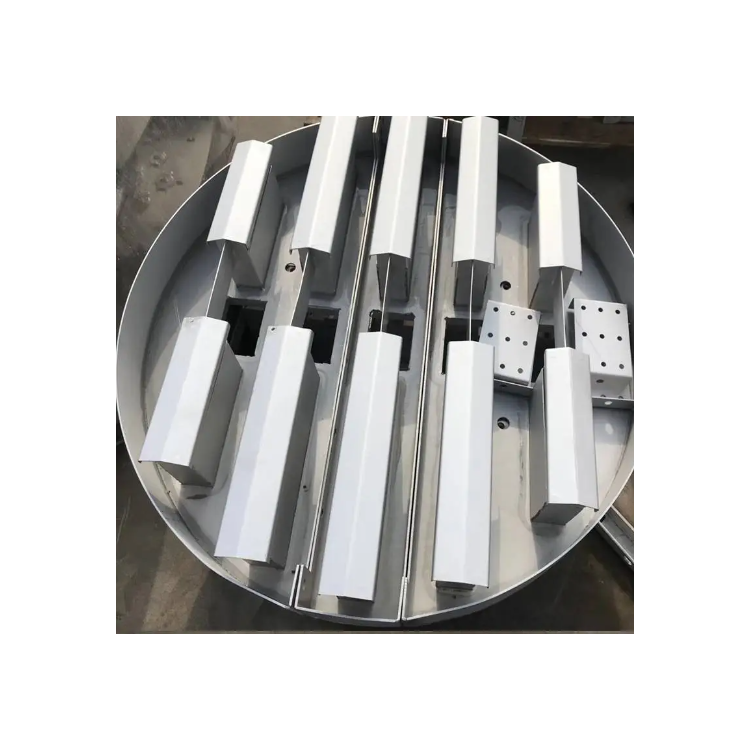
Plastic FillerMaterials include: Polyethylene (PE), Polypropylene (PP), Reinforced Polypropylene (RPP), Polyvinyl Chloride (PVC),Chlorinated Polyvinyl Chloride (PVC)(CPVC) andPolyvinylidene fluoride(PVDF) and others. It boasts excellent corrosion resistance, large voids, high flow rates, low resistance, low energy consumption, low operating costs, lightweight, easy to install and dismantle, and is reusable. Particularly suitable for medium and low-temperature (60-150 degrees) extraction, absorption, and washing towers in industries such as oil, chemicals, chlorine alkali, coal gas, and environmental protection.
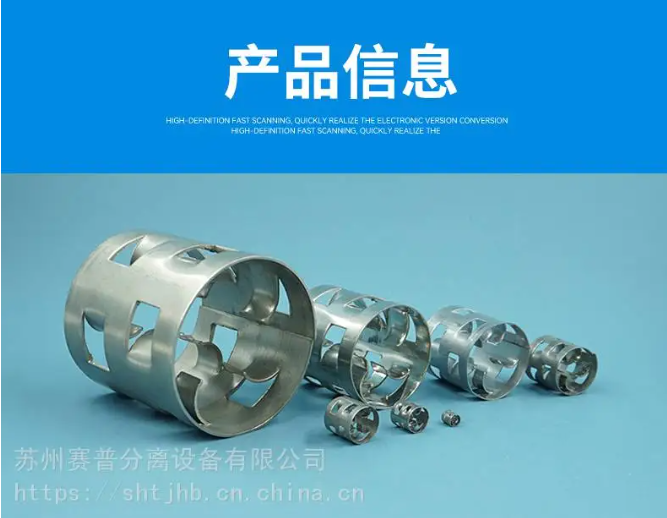
Plastic loose-fill materials: Available options include Paul rings, sawback rings, saddle rings, step rings, Herringbone rings, conjugate rings, flat rings, floral rings, hollow float balls, multifaceted balls, cage balls, and covered balls, etc.
Plastic fillers offer good corrosion resistance, capable of withstanding the erosion from general inorganic acids, bases, and organic solvents. They have excellent heat resistance and can be used continuously at temperatures below 100°C. These fillers are lightweight, cost-effective, and possess good toughness, making them impact-resistant and less prone to breakage, suitable for thin-walled structures. They are highly efficient in flow and low in pressure drop, commonly used in absorption, desorption, extraction, and dust removal equipment. The drawback of plastic fillers is their poor surface wettability, which can be improved through appropriate surface treatment.