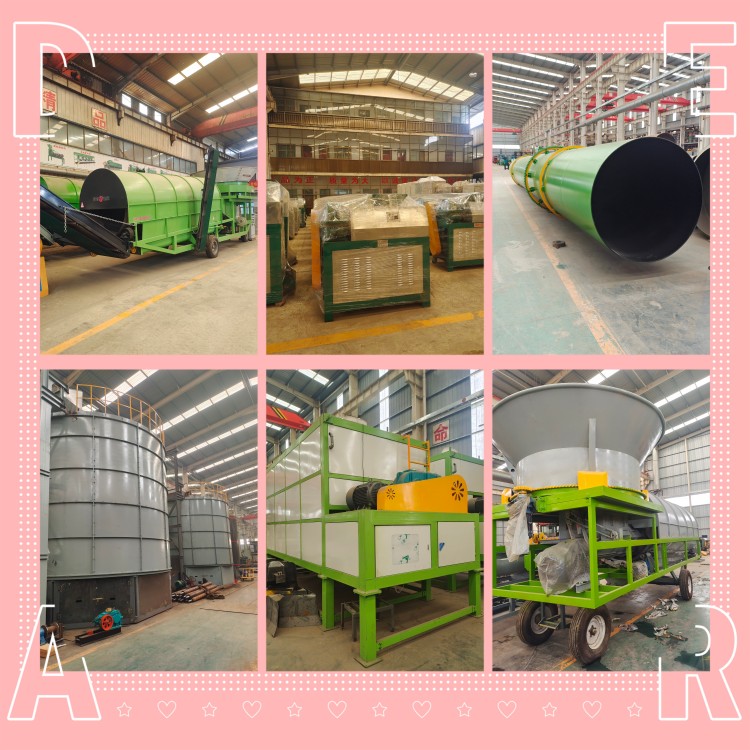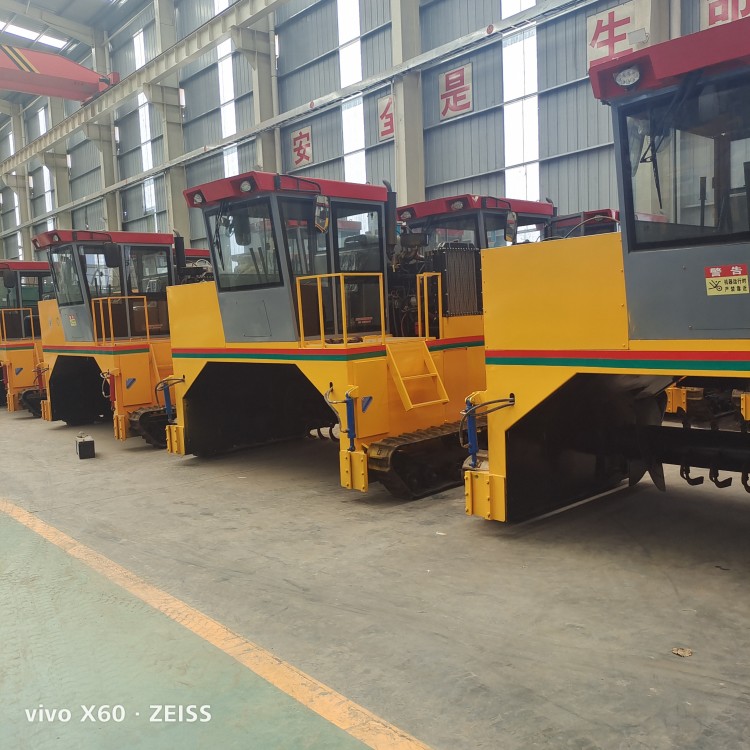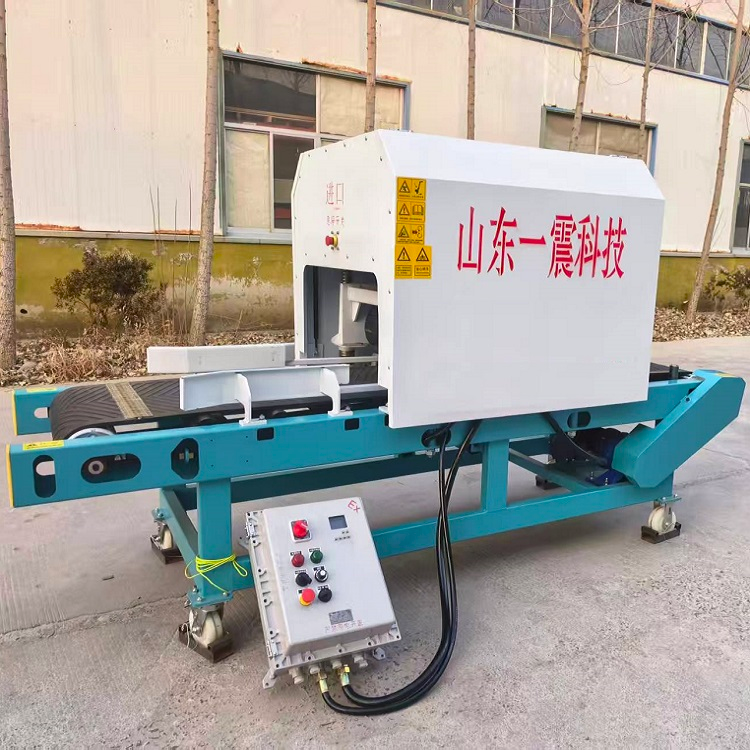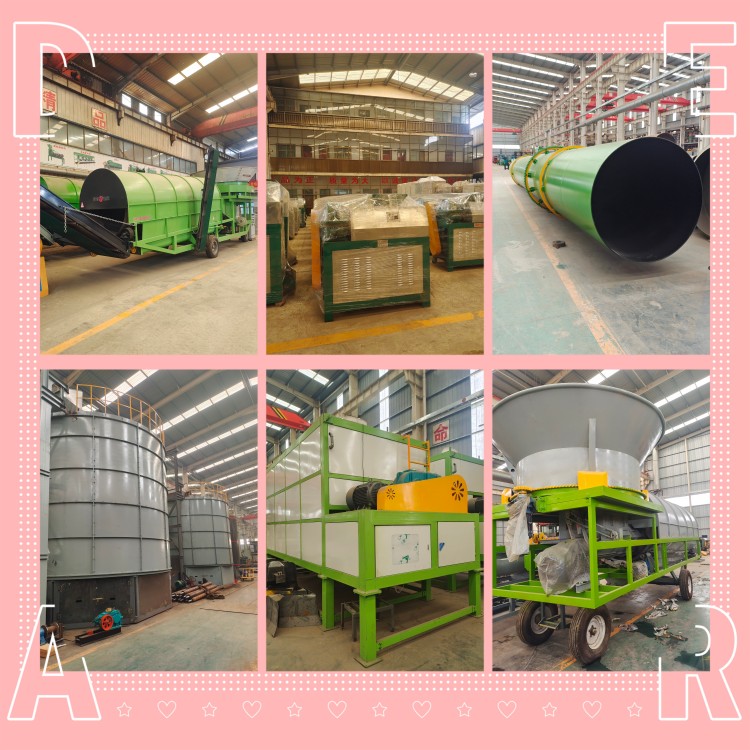








Organic fertilizer: Let me introduce the production process and workflow.
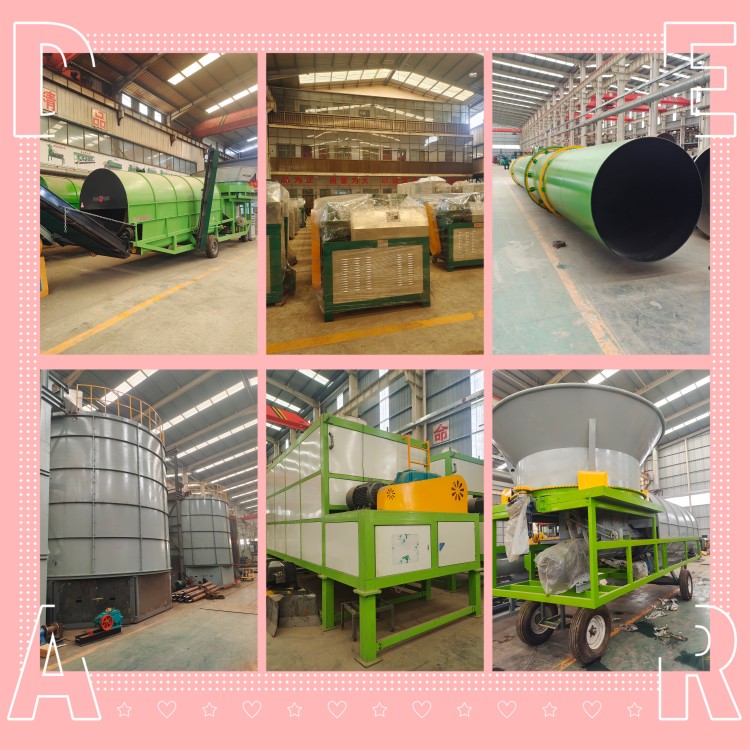
Bio-organic Fertilizer Production Equipment, Before introducing the bio-organic fertilizer equipment, let's discuss the characteristics and production methods of bio-organic fertilizer. The national standard for bio-organic fertilizer specifies that each gram of fertilizer must contain 200 million beneficial microorganisms, which poses a challenge for producers as high-temperature production can kill these beneficial microorganisms, resulting in non-compliant products.
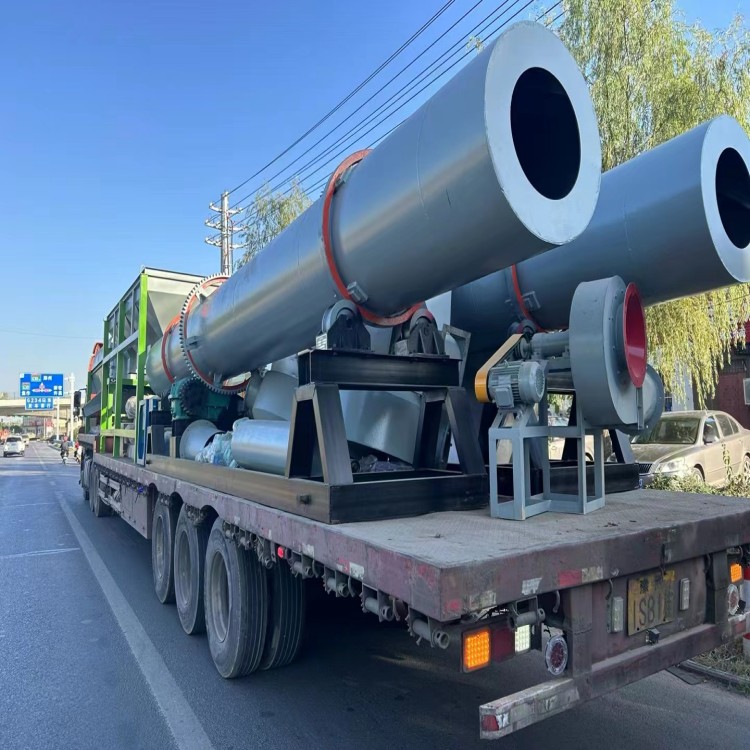
In pursuit of product compliance while achieving sufficient drying temperatures to boost production, the traditional solution involves extending the drying equipment on the biological organic fertilizer production line, utilizing low-temperature and high-airflow production. This approach not only increases equipment costs but also necessitates a larger production facility, leading to substantial additional investments and production challenges. To address this issue, the company's engineers collaborated with numerous clients to analyze the problem. Based on years of practical experience, through bold exploration and innovation, they have finally developed a simple and easy-to-operate multifunctional granulation process. This process is efficient due to its rapid granulation speed, high sphericity, and high yield rate.
I. Raw Material Decontamination:
One-stage aerobic fermentation - Two-stage anaerobic fermentation
1. Material Ratio: Mix 1.5 tons of fresh pig manure (approx. 2.5 tons of fresh excrement) with 1 kg of fermentation agent. The agent should be blended with rice bran (or substitute like corn bran, corn flour, etc.) at a 1:5 ratio, then evenly spread and mixed into the manure pile. Add straw or mushroom waste to adjust the carbon-nitrogen ratio.
2. Material Piling. When making piles, do not make them too small or too low, as this can affect fermentation. The height should be between 1.5 to 2 meters, width 2 meters, and length over 2 to 4 meters for better fermentation results.
3. Temperature Requirements: The startup temperature should be above 15℃ for optimal performance (operable year-round,不受seasonal influence, try to ferment indoors or in greenhouses during winter).
4. Moisture Requirements: The moisture content of the fermentation material should be controlled around 65%. Both too high and too low moisture levels are不利于 fermentation; insufficient water leads to slow fermentation; excessive water causes poor aeration, slow temperature rise, and produces an odor. Method for adjusting material moisture: If the moisture is too high, add straw, sawdust, mushroom residue, dry clay powder, etc. Method for determining the appropriate moisture level: Grasp a handful of material with your hand, and there should be a watermark in the finger creases but no dripping; it should scatter upon hitting the ground.
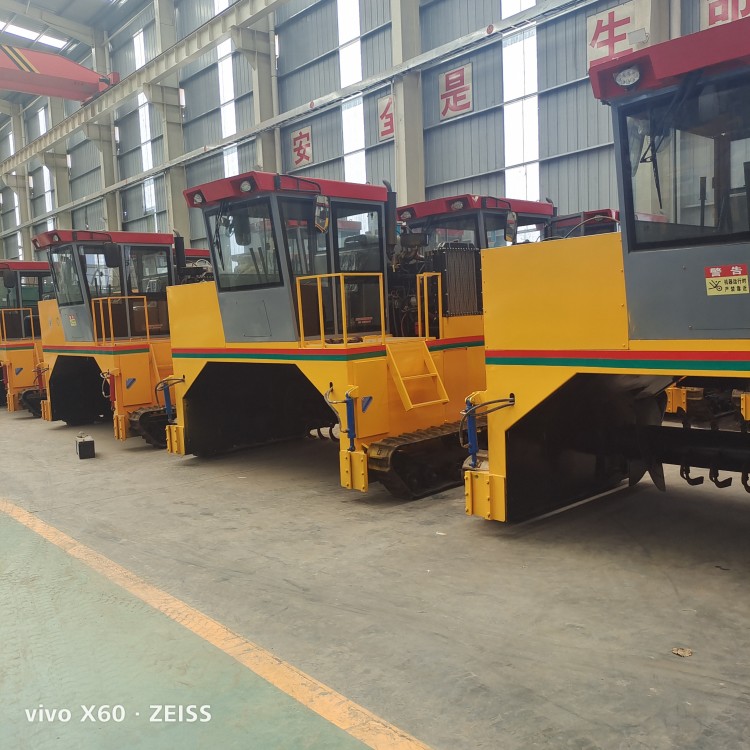
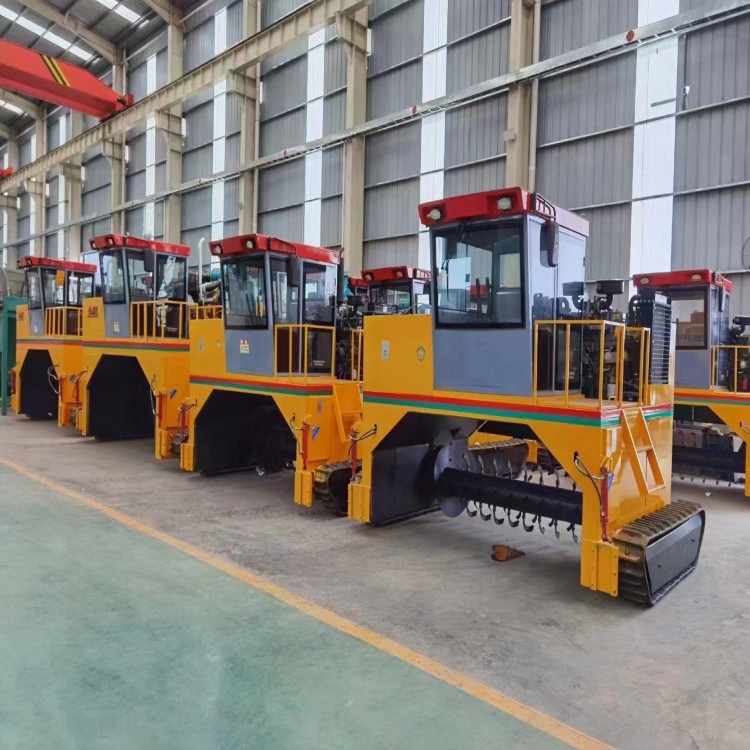
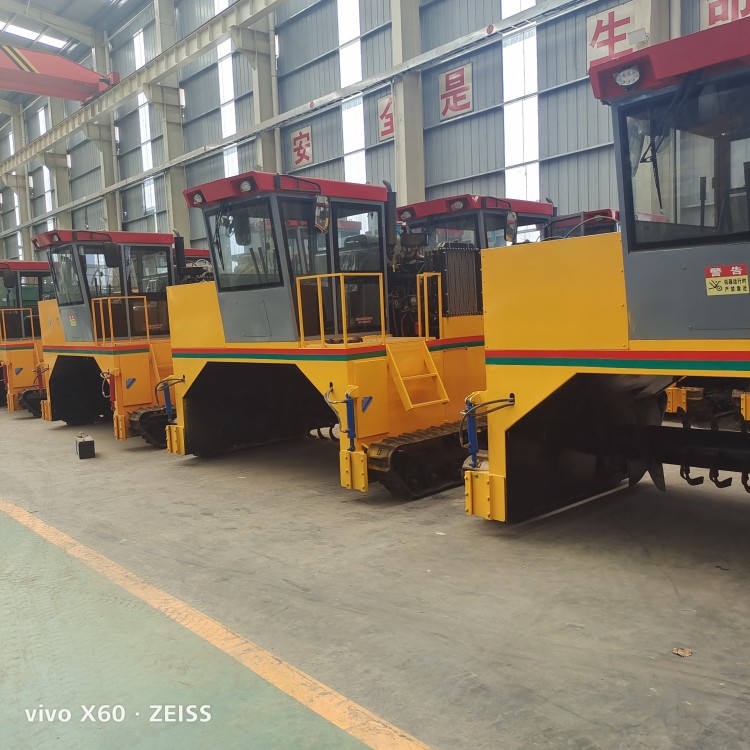
5. Turn piles for aeration. Pay attention to proper aeration and turning piles during the fermentation process (turn several times when the temperature reaches 75℃ or above), controlling the temperature around 65℃. High temperatures can affect the nutrients.
6. Fermentation complete. Generally, fermentation is finished within a week. The material turns dark brown, and the temperature starts to drop to room temperature, indicating that fermentation is complete. If there is an excessive amount of auxiliary materials like sawdust, wood shavings, or rice hulls, the fermentation time should be extended to allow for full decomposition.
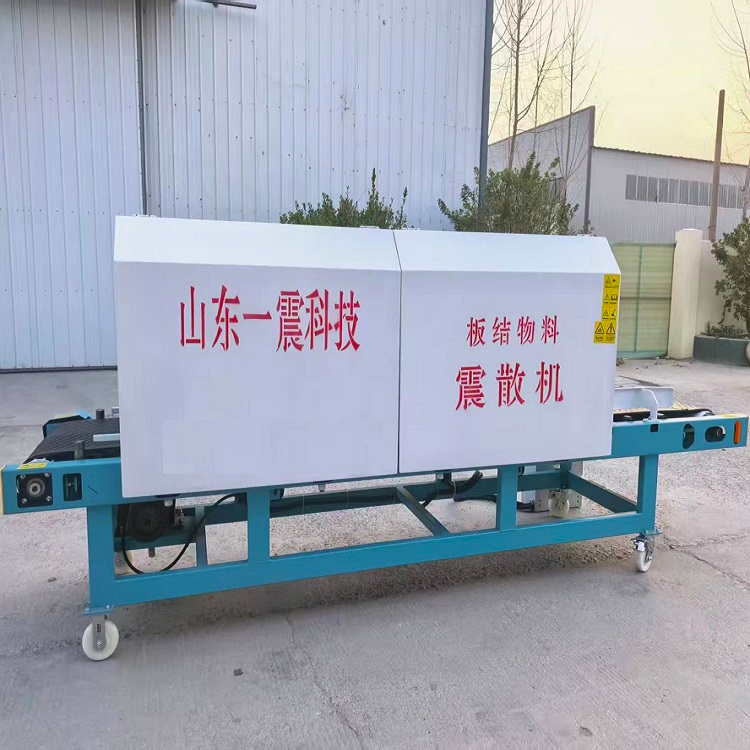
The secondary astringency fermentation is known as the so-called post-aging stage, also referred to as secondary fermentation. After 7 days, the material can be decomposed and enter the post-aging stage. Before entering the post-aging stage, when the material moisture content drops to 30%, it is ready for pre-processing before granulation in the granulation workshop.