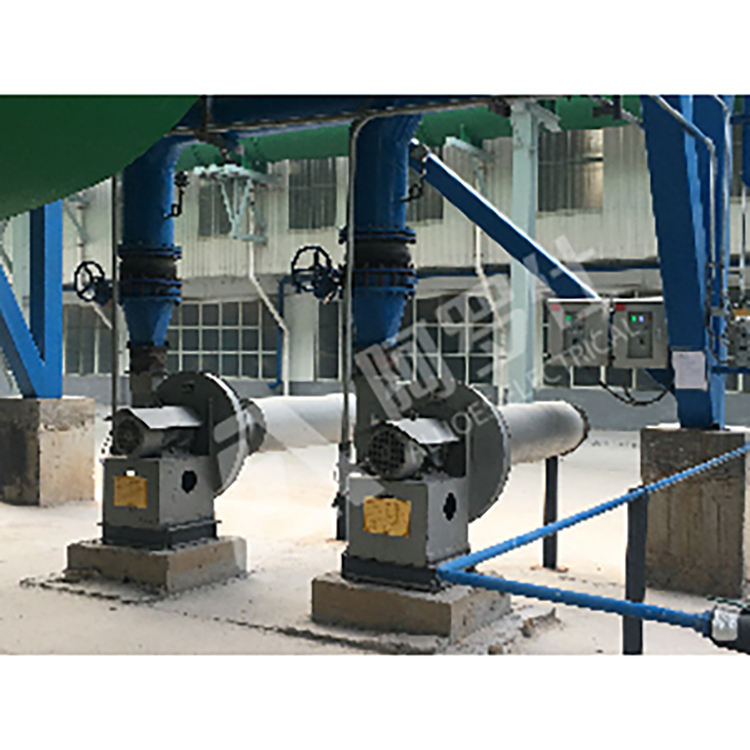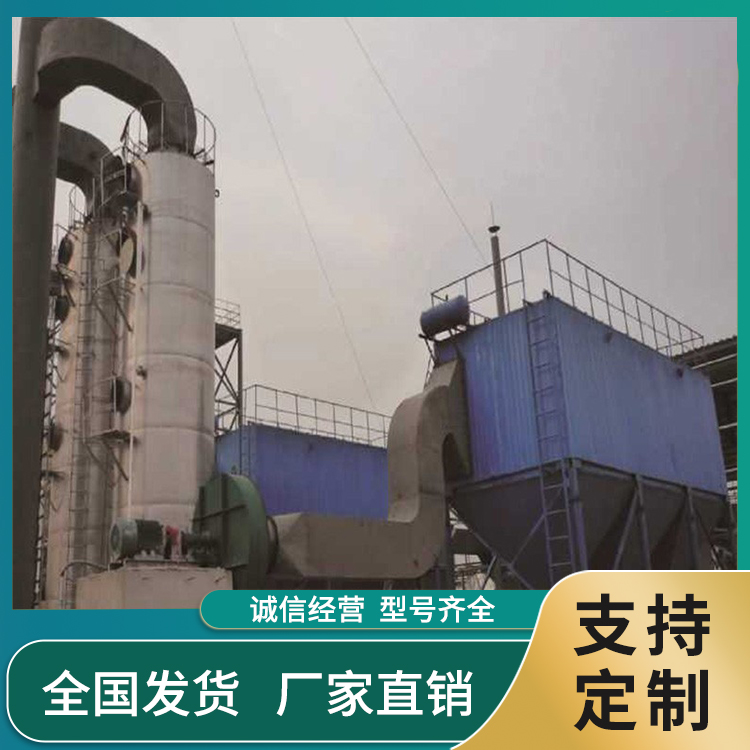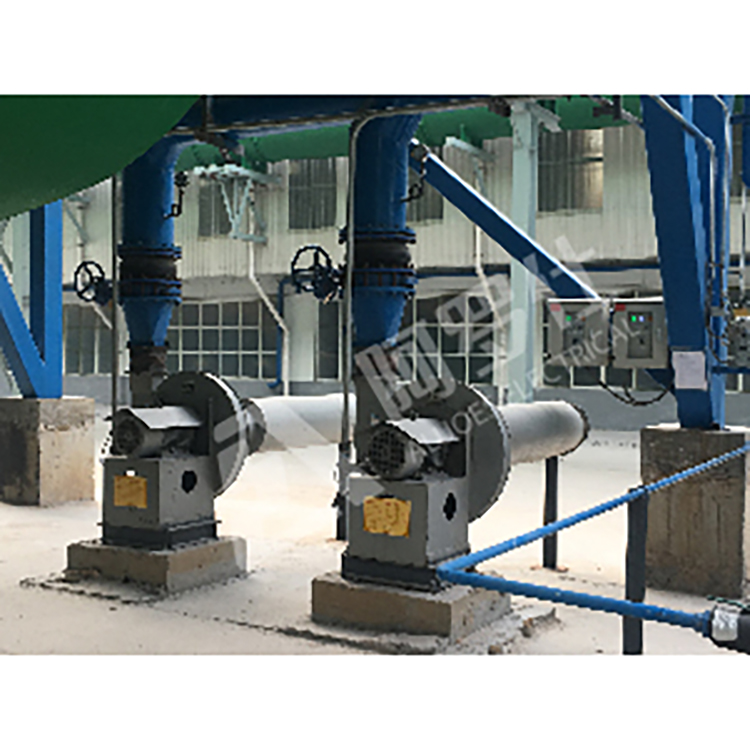


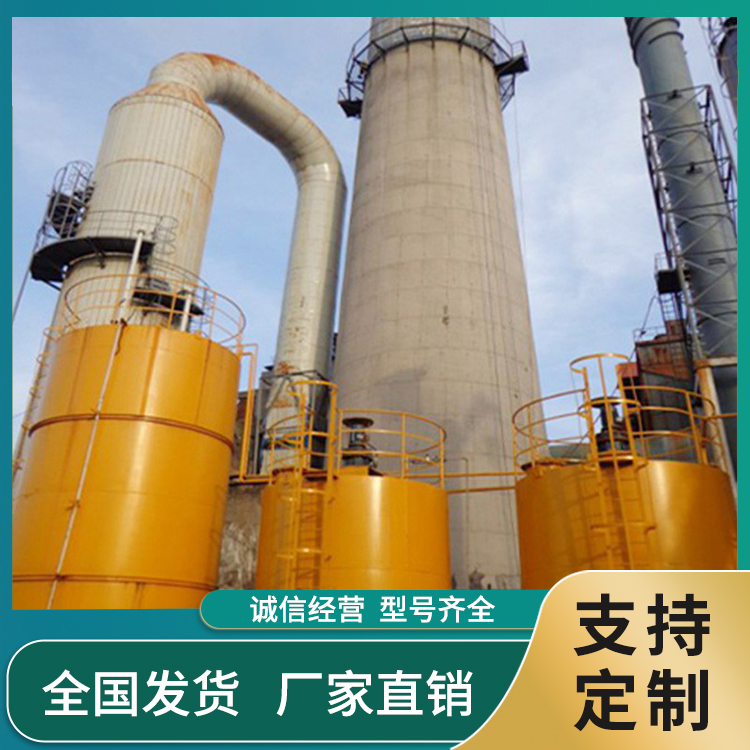






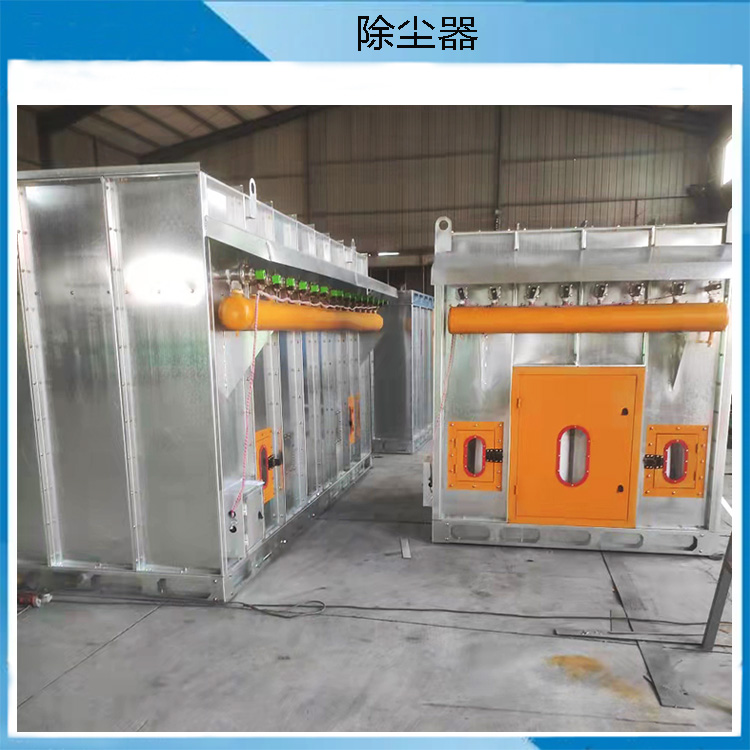



The dust removal equipment, a bag dust collector, in the workshop operates on the principle that the dusty gas enters through the upper air inlet of the ash hopper. Under the action of the baffle, the air flow rises, slowing down, and part of the larger dust particles are separated by inertial force and fall into the ash hopper. The dusty gas then enters the middle body where it is filtered and purified through the filter bags, with the dust being trapped on the outer surface of the bags. The purified gas then enters the upper body and is exhausted through the outlet. As the dust on the surface of the filter bags accumulates, the pressure difference between the inlet and outlet of the bag dust collector increases. When the resistance of the bag dust collector reaches the set value, the control system sends a cleaning command, and the cleaning system begins to work. First, the solenoid valve receives the signal and immediately opens, releasing the compressed air in the upper air chamber of the small diaphragm. Due to the change in force at both ends of the small diaphragm, the exhaust passage closed by the small diaphragm is opened, and the compressed air in the upper air chamber of the large diaphragm is exhausted through this passage. The change in force at both ends of the large diaphragm causes the large diaphragm to move, opening the closed outlet and allowing the compressed air in the gas bag to be blown into the bag through the output pipe and the jet pipe, achieving the cleaning process. When the control signal stops, the solenoid valve closes, and the small and large diaphragms are subsequently reset, stopping the jetting. The key component, the lifespan of the bag dust collector, is the most concerned issue for users. The company can provide filter bags and pulse valves according to customer requirements.