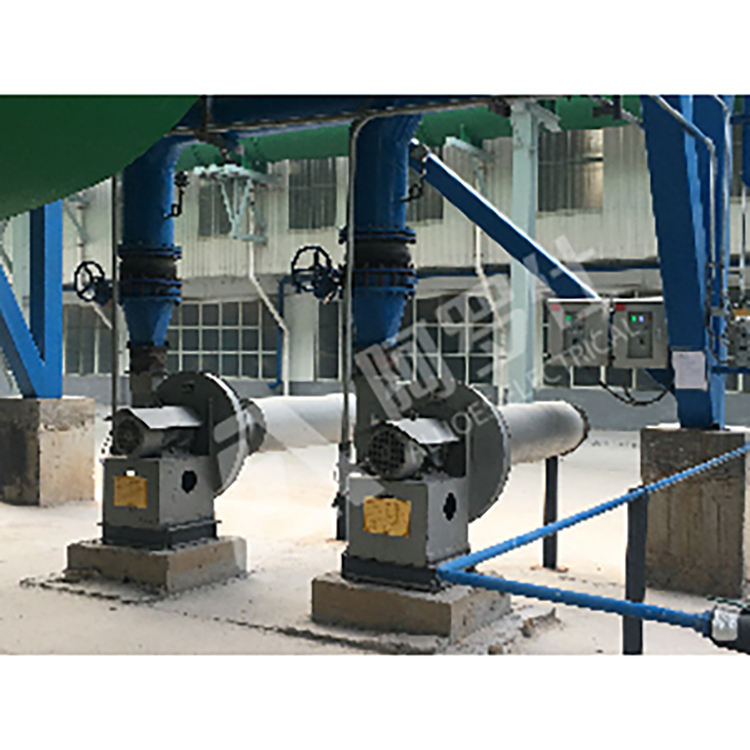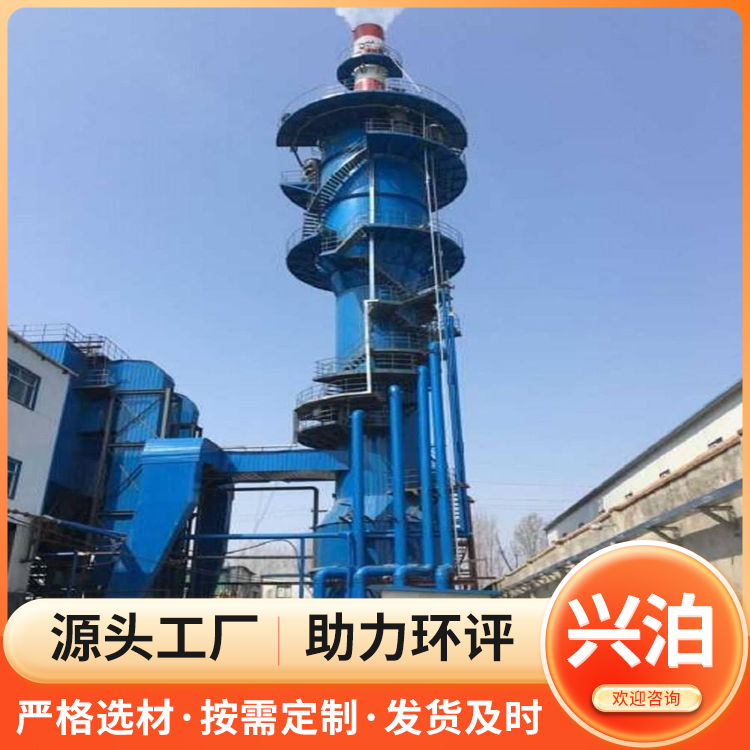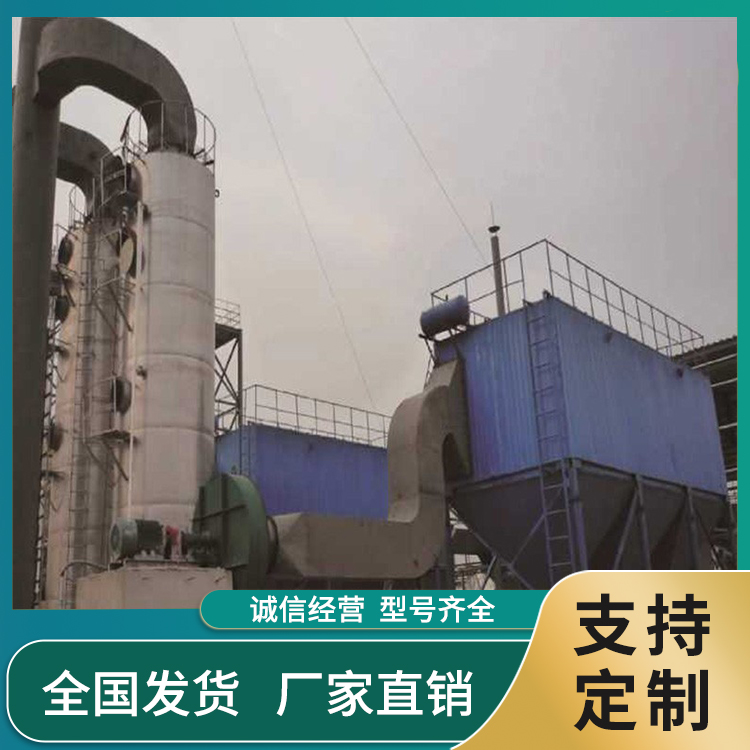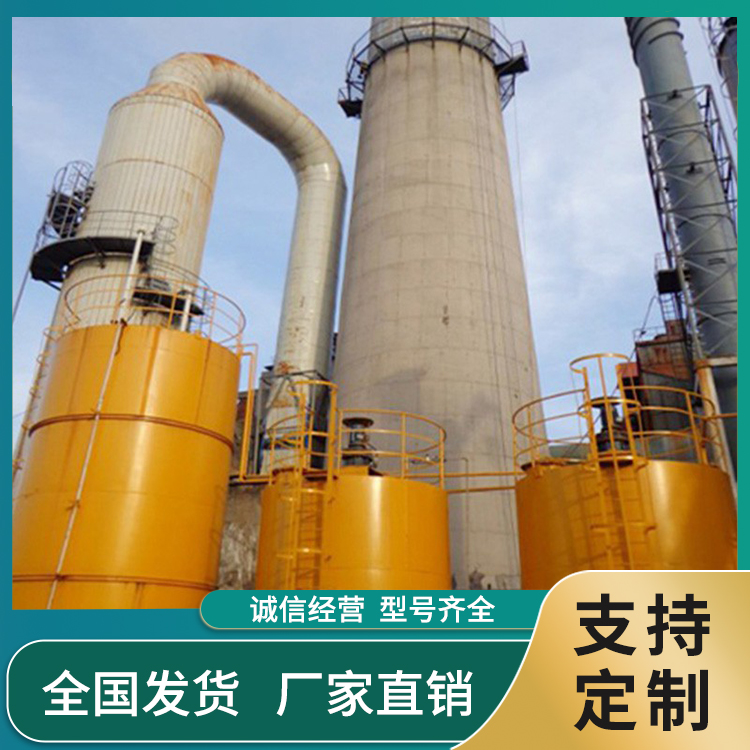








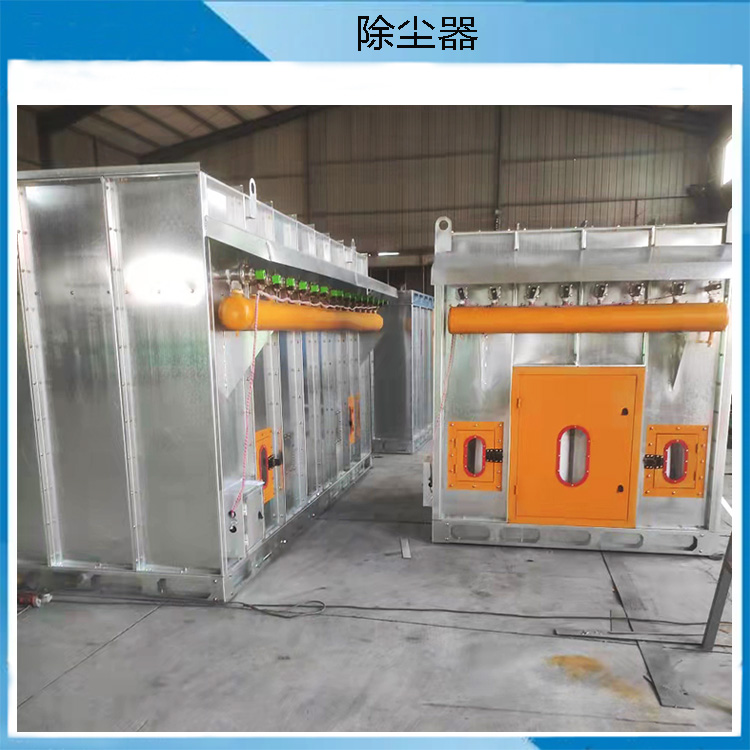


Baghouse dust collectors are widely used across various industrial sectors, including steel, non-ferrous metallurgy, chemical industry, machinery, building materials, power, light industry, textiles, grain, and transportation.The pulse-jet bag dust collector is a commonly used dust removal equipment.
The pulse bag dust collector consists of parts such as the ash hopper, upper, middle, and lower housing sections, which are divided into separate compartments. During operation, dusty gas enters the ash hopper via the inlet duct, with coarse dust particles falling directly to the bottom of the hopper. Fine dust particles are carried upward with the gas and enter the middle and lower housing sections, where they accumulate on the outer surface of the filter bags. The filtered gas then enters the upper housing section to the clean gas manifold-exhaust duct and is exhausted to the atmosphere by the exhaust fan. The cleaning process involves first shutting off the clean gas outlet duct of the compartment, causing the bags to be in a state without gas flow (separate compartment stop airflow cleaning). Then, the pulse valve is opened to use compressed air for pulse-jet cleaning, with the valve closure time long enough to ensure that the dust detached from the filter bags after the jetting settles into the ash hopper, preventing the dust from reattaching to the surface of adjacent bags. This ensures thorough cleaning of the filter bags and is controlled automatically by a programmable controller for the exhaust valve, pulse valve, and ash discharge valve, etc.。
Baghouse dust collectors have the following advantages:
High dust removal efficiency, generally reaching 99%, capable of capturing fine dust particles larger than 0.3 micrometers, meeting strict environmental protection requirements.
(2) Stable performance. Bag dust collectors are minimally affected by changes in working conditions such as air volume, dust content in gases, and temperature.
(3) Dust treatment is easy. The bag filter is a dry purification device that does not require water, thus eliminating issues with wastewater treatment or sludge handling. The collected dust is easily recyclable.
(4) Flexible usage. Air volume handling ranges from several hundred cubic meters per hour to tens of thousands per hour, and can be installed as a small unit directly indoors or nearby, or constructed as a large dust removal chamber.
(5) Simple structure, stable operation, low initial investment, and easy maintenance.