

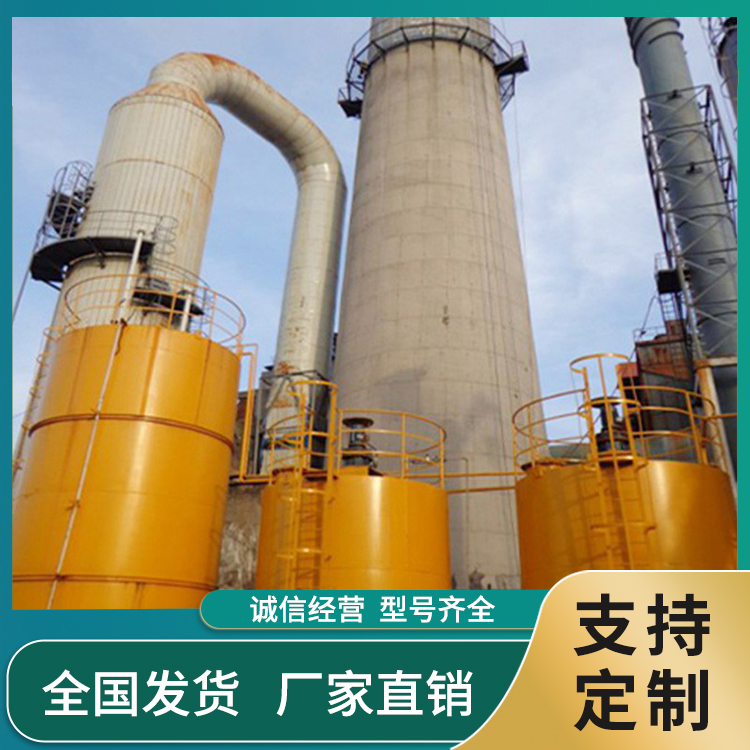








There are currently two major sources of air pollution in northern China.One is the pollution from coal heating, and the other is the secondary particulate matter pollution caused by the newly emerged wet flue gas desulfurization.
Coal, when burned in a boiler, undergoes oxidation-reduction reactions, releasing a substantial amount of heat. This heat is then transferred through heat exchange, raising the temperature of cold water and converting it into steam. Simultaneously, numerous ash and a large volume of flue gas are produced.
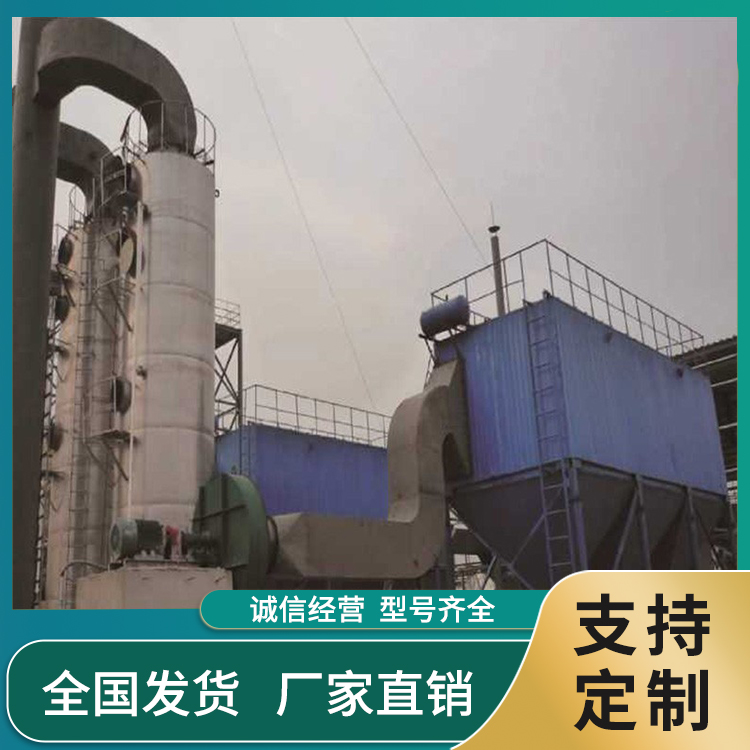
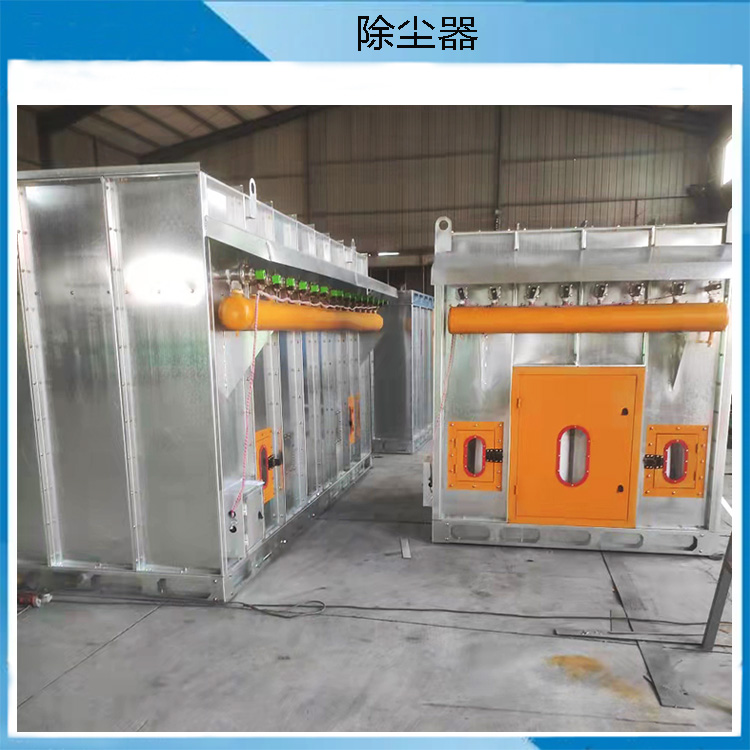
The pulse bag dust collector is composed of parts such as the ash hopper, upper, middle, and lower cabinets, with the upper, middle, and lower cabinets being separated into separate compartments. The dusty gas enters the ash hopper through the inlet duct, where coarse dust particles fall directly to the bottom, while fine dust particles are carried upwards into the middle and lower cabinets with the gas flow. Dust accumulates on the outer surface of the filter bags, and the filtered gas enters the upper cabinet to the clean gas manifold-duct, then discharged into the atmosphere by the exhaust fan. The cleaning process involves first cutting off the clean gas outlet duct of the compartment, causing the bags in the compartment to be in a state without gas flow (separate compartment stop wind cleaning). Then, the pulse valve is opened to use compressed air for pulse blowing cleaning. The closing time of the cutoff valve is sufficient to ensure that the dust detached from the filter bags after blowing settles into the ash hopper, avoiding the phenomenon of dust re-attaching to the surface of adjacent filter bags after detaching from the surface of the filter bags. This ensures thorough cleaning of the filter bags and is programmatically controlled by a control instrument for the exhaust valve, pulse valve, and ash discharge valve, etc.Automatic ControlA commonly used dust removal equipment in boiler combustion.