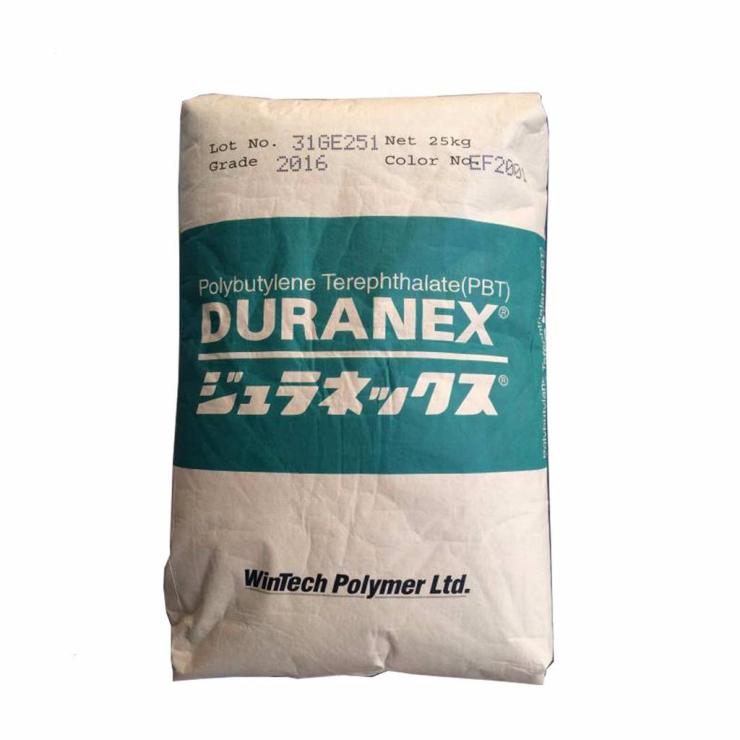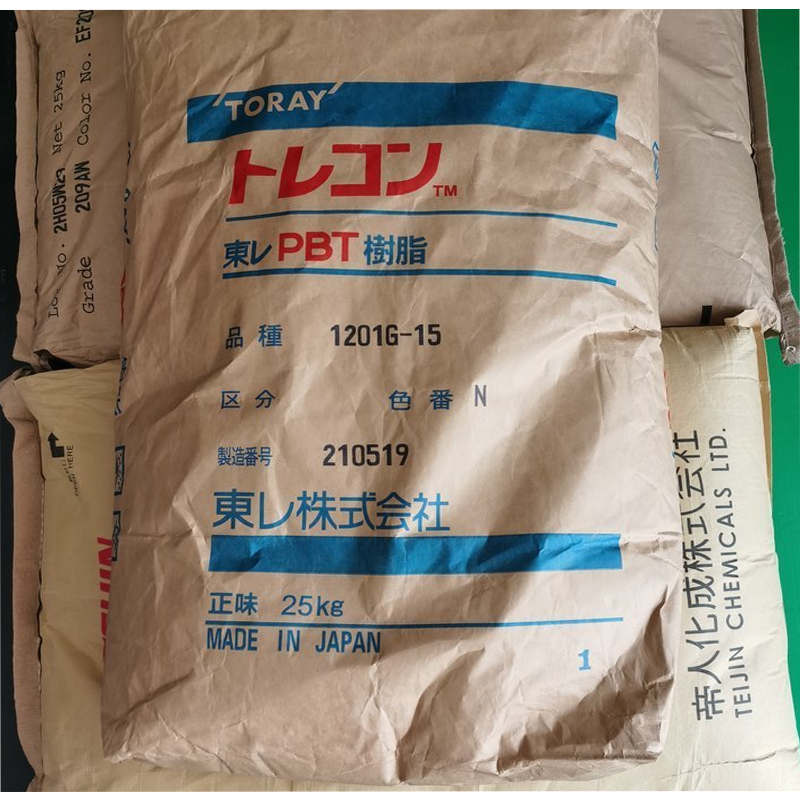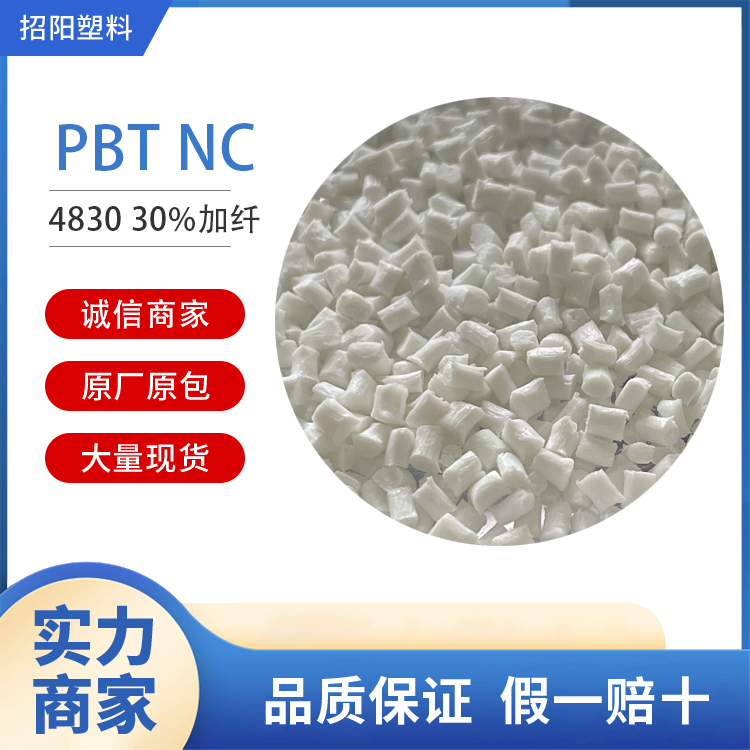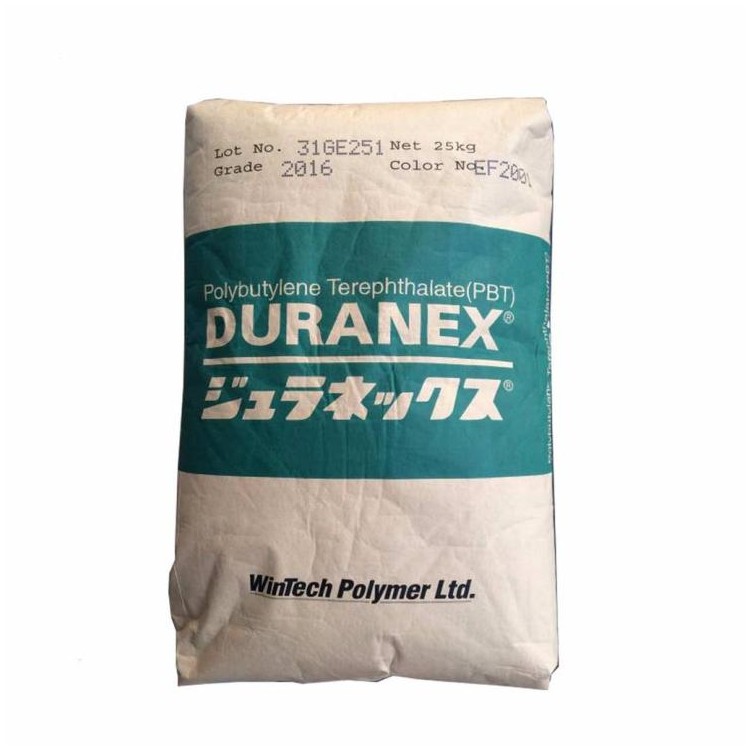
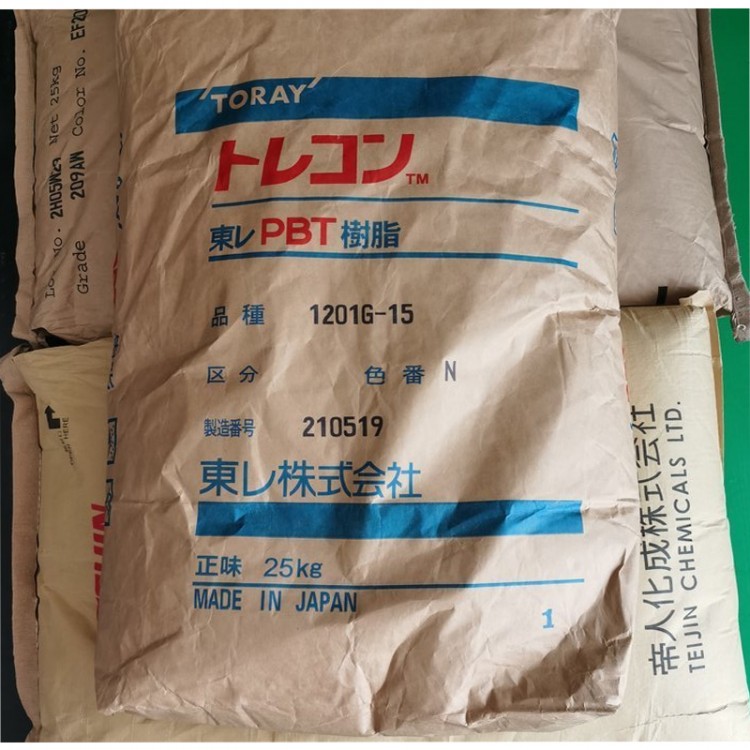
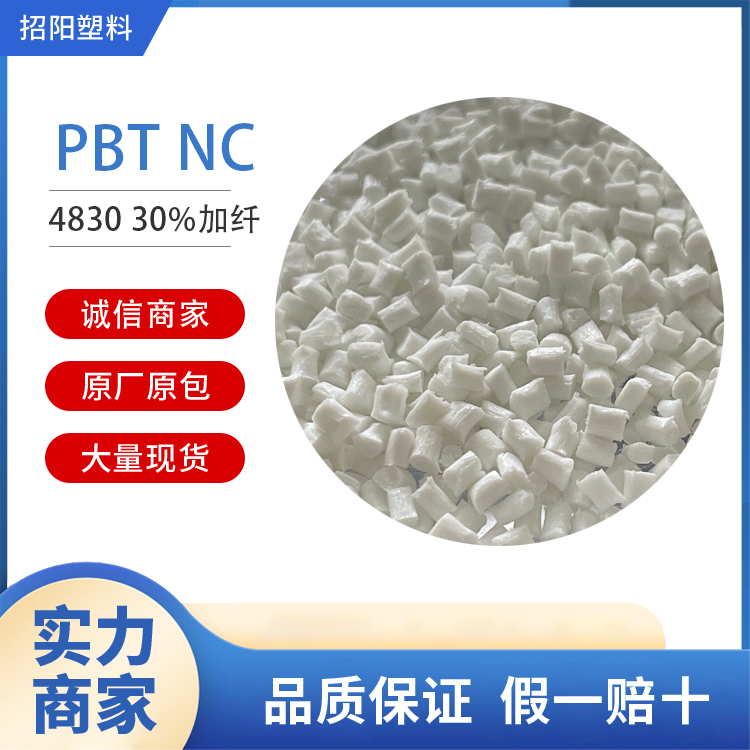
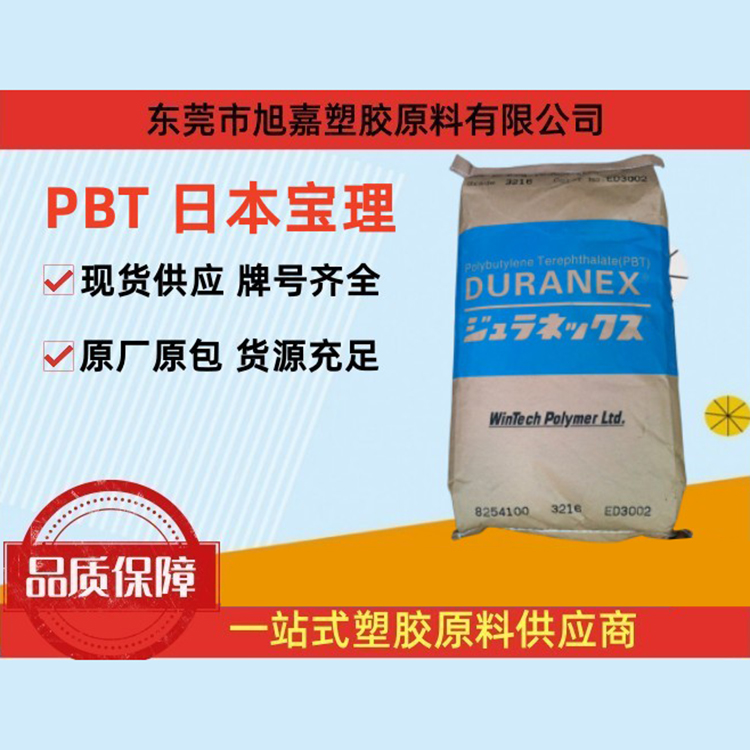







Polybutylene terephthalate (PBT) is a polyester made by polycondensation of terephthalic acid and 1,4-butanediol, an important thermoplastic polyester, and one of the five major engineering plastics. PBT is a milky white, semi-transparent to opaque, semi-crystalline thermoplastic polyester with high heat resistance. It is not resistant to strong acids or bases, can withstand organic solvents, is flammable, and decomposes at high temperatures. PBT is widely used in automotive, machinery, precision instrument components, electronic appliances, textiles, and other fields. Most PBT resins are processed into compounds for use, modified with various additives, and blended with other resins to achieve excellent heat resistance, flame retardancy, electrical insulation, and good processing properties.
| Physical Properties | Rated Value | Unit system | Testing Method |
Density | 1.43 | g/cm³ | ISO 1183 |
Absorption rate (23°C, 24 hr) | 0.20 | % | ISO 62 |
| Mechanical Properties | Rated Value | Unit System | Testing Method |
Tensile stress | 59.0 | MPa | ISO 527-2 |
Breakage Rate | 20 | % | ISO 527-2 |
Bending Modulus | 2850 | MPa | ISO 178 |
Bend Strength | 98.0 | MPa | ISO 178 |
| Impact Resistance | Rated Value | Unit System | Testing Method |
Simply Supported Beam Notch Impact Strength | 4.6 | kJ/m² | ISO 179/1eA |
| Thermal performance | Rated Value | Unit System | Testing Method |
Hot deformation temperature (1.8 MPa, as-annealed) | 82.0 | °C | ISO 75-2/A |
Linear Coefficient of Thermal Expansion | Internal methods | ||
Flow: 23 to 55°C | 1.0E-4 | cm/cm/°C | |
Horizontal: 23 to 55°C | 1.0E-4 | cm/cm/°C |
| Electrical Performance | Rated Value | Unit System | Test Method |
Volume resistivity | 4.0E+16 | ohm·cm | IEC 60093 |
Dielectric Strength (3.00 mm) | 24 | kV/mm | IEC 60243-1 |
Leakage Tracking Index | 250 | V | IEC 60112 |