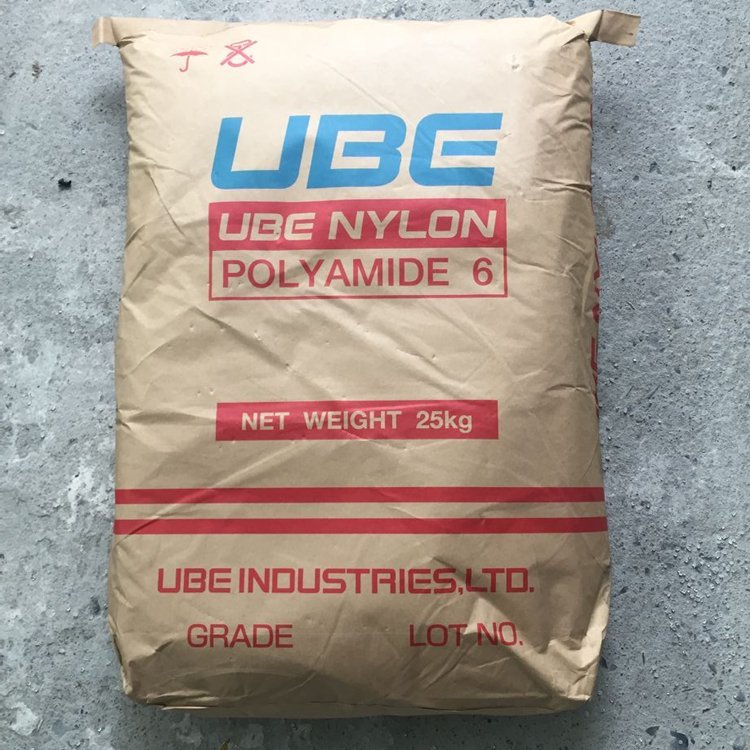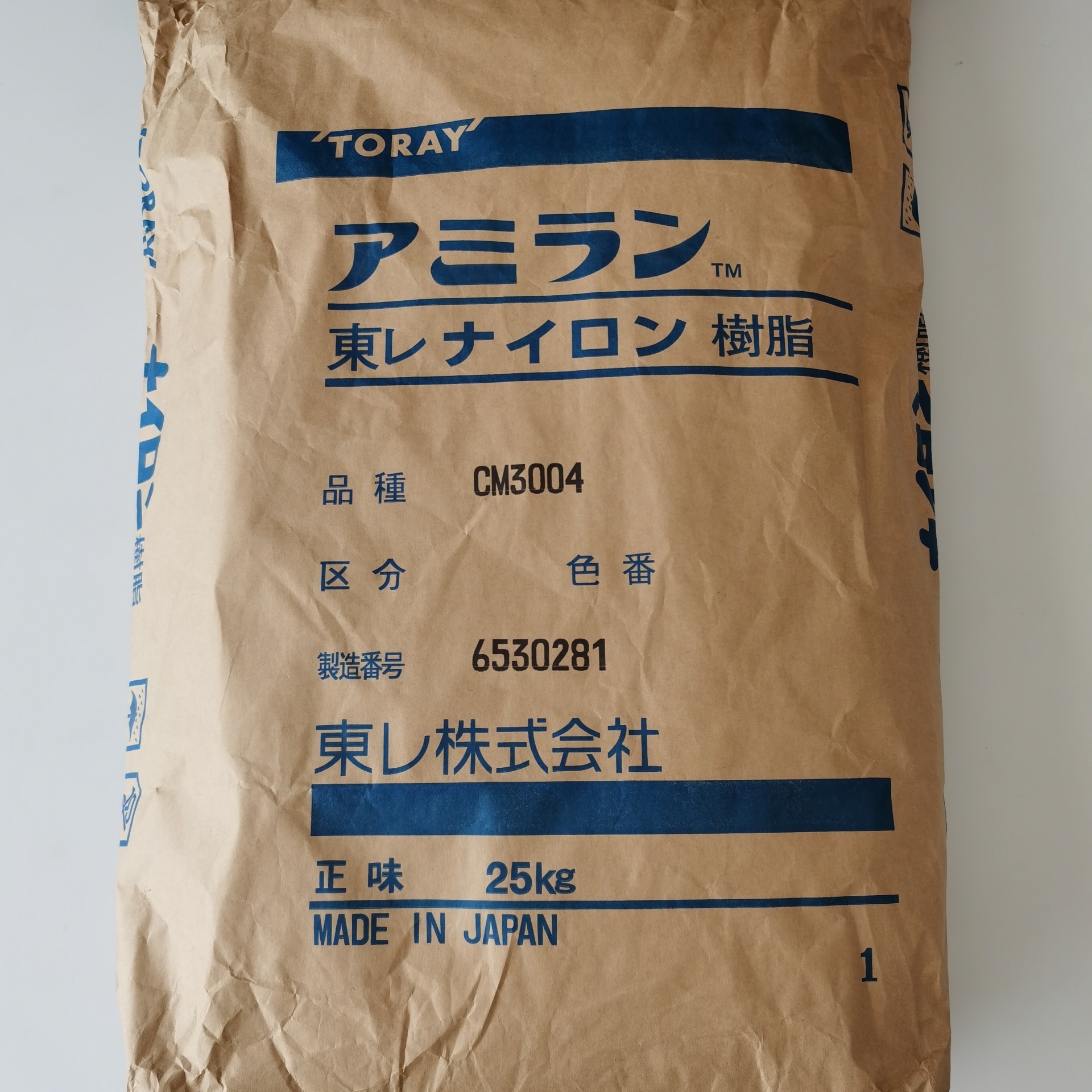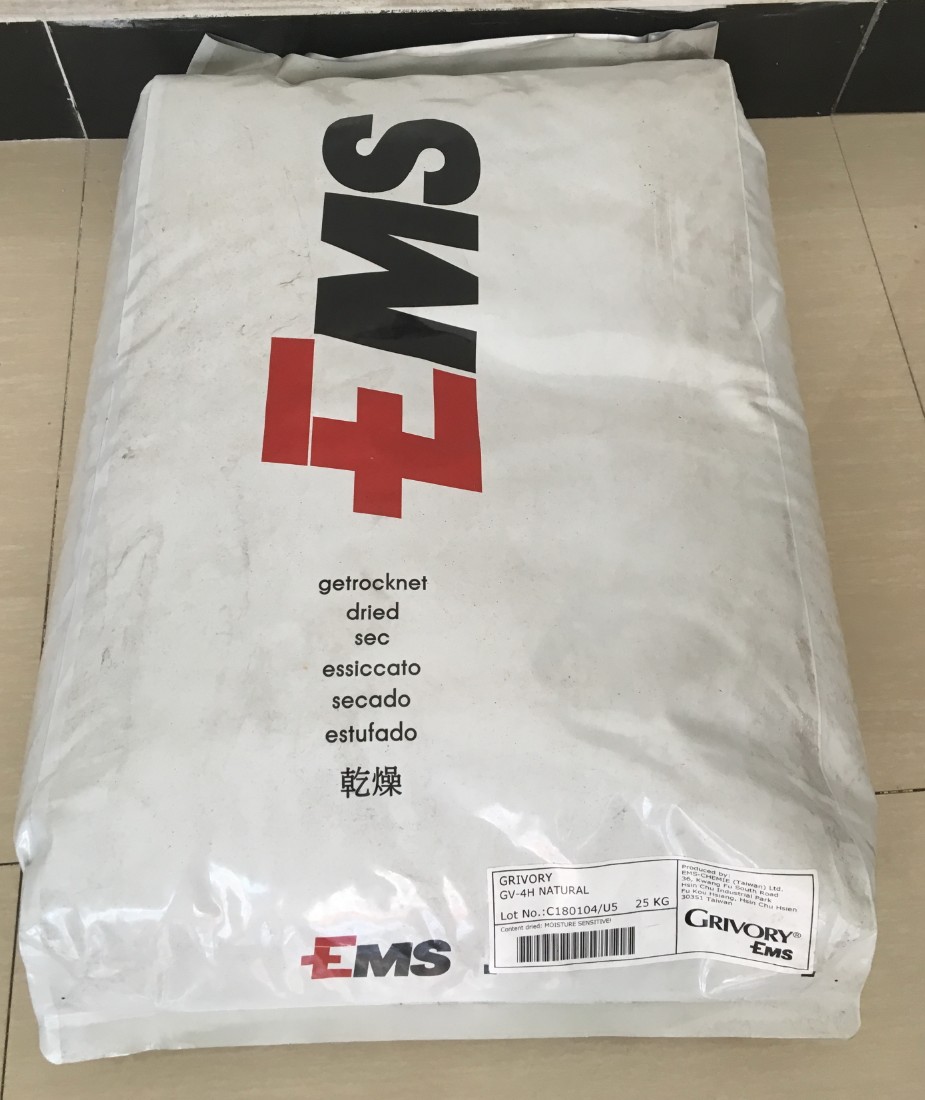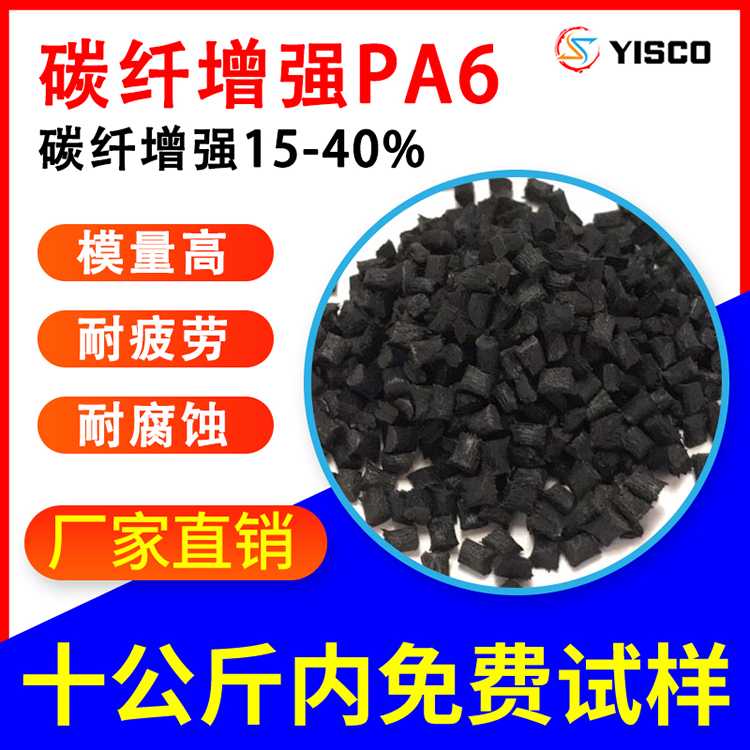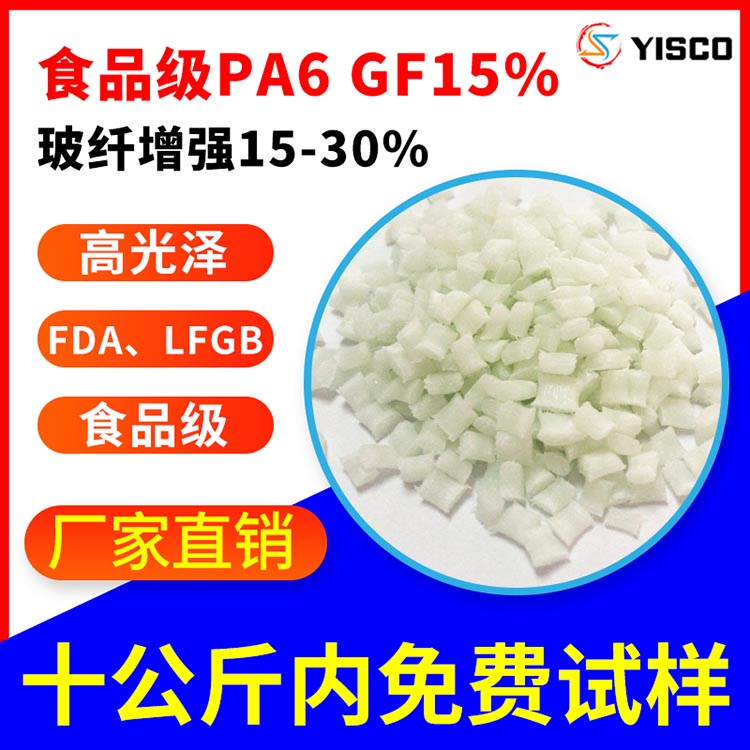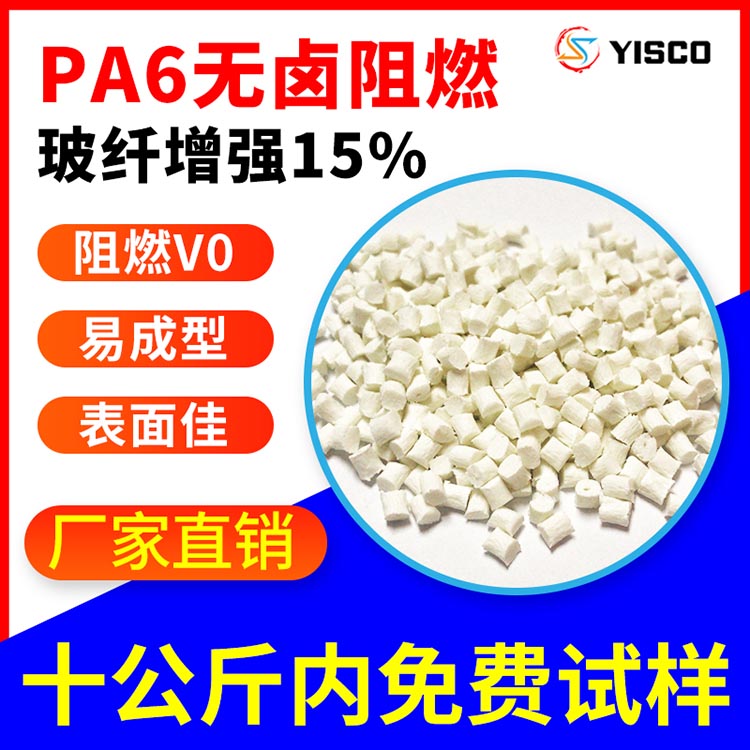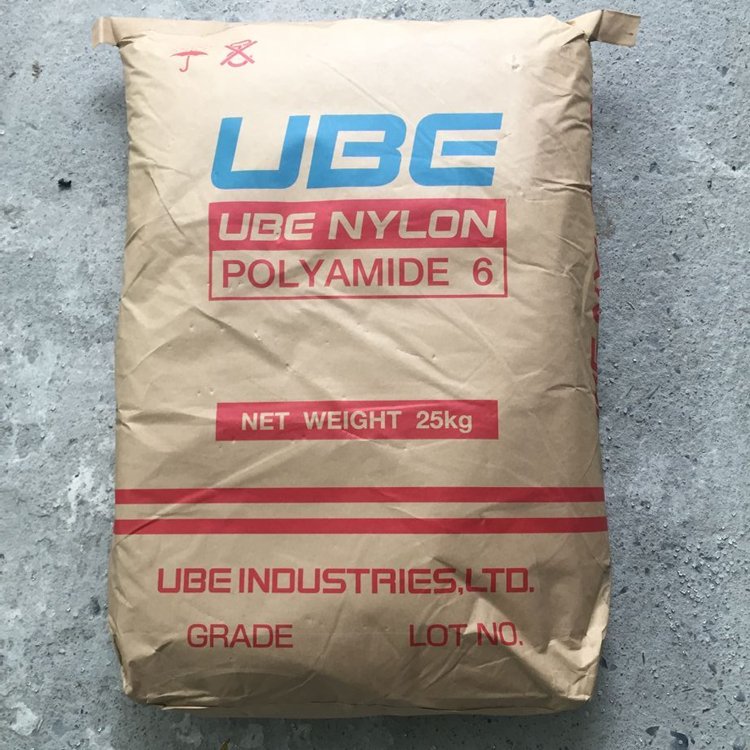
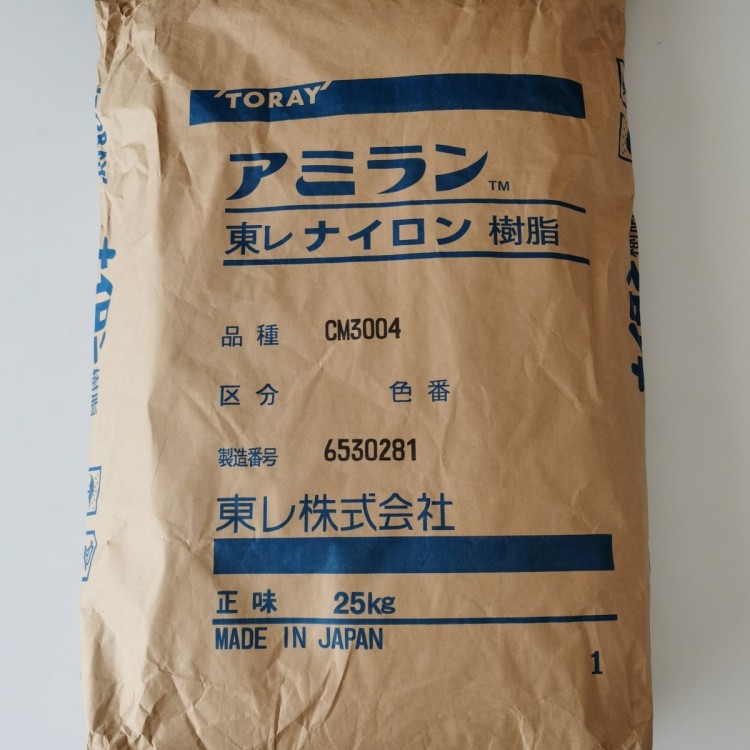







PA6 shares similar chemical and physical properties with PA66, but has a lower melting point and a wider processing temperature range. It offers better impact and solvent resistance than PA66, but also has higher moisture absorption. Since many quality characteristics of plastic parts are affected by moisture absorption, it's crucial to consider this when designing products with PA6. To enhance the mechanical properties of PA6, various modifiers are often added. Glass fiber is the most common additive, and synthetic rubbers like EPDM and SBR are sometimes added to improve impact resistance. PA6 is widely used in the automotive industry, where it's an important and rapidly growing market. PA6 boasts excellent overall properties, low density, ease of molding, high design freedom, heat insulation, and significant cost advantages in mold and assembly. PA6 is not only high in tensile strength and impact resistance but also has high heat deflection temperature, heat resistance, low friction coefficient, wear resistance, self-lubrication, and excellent oil and chemical resistance. It is particularly suitable for reinforcement and modification with glass fiber or other materials to enhance material properties and grades, meeting the needs of final components and customers.