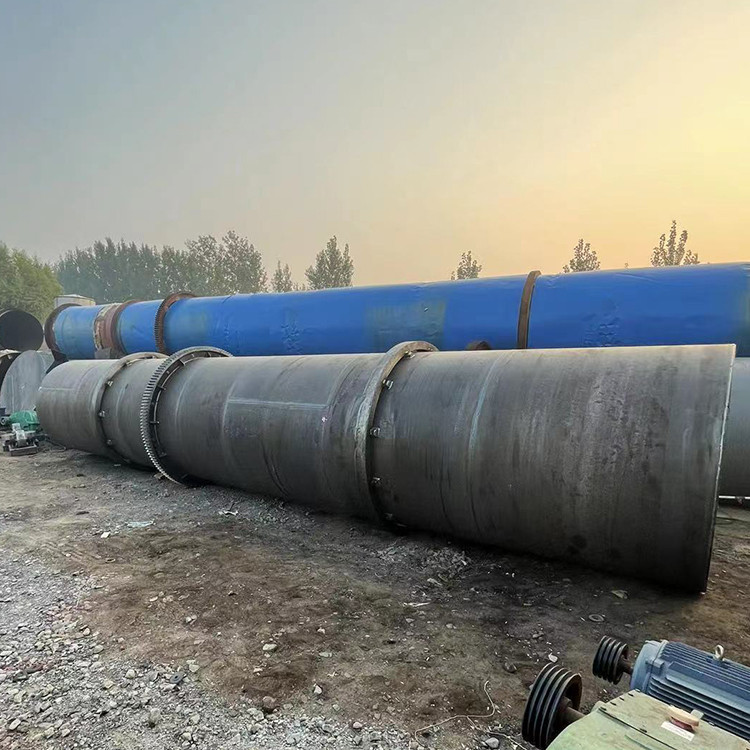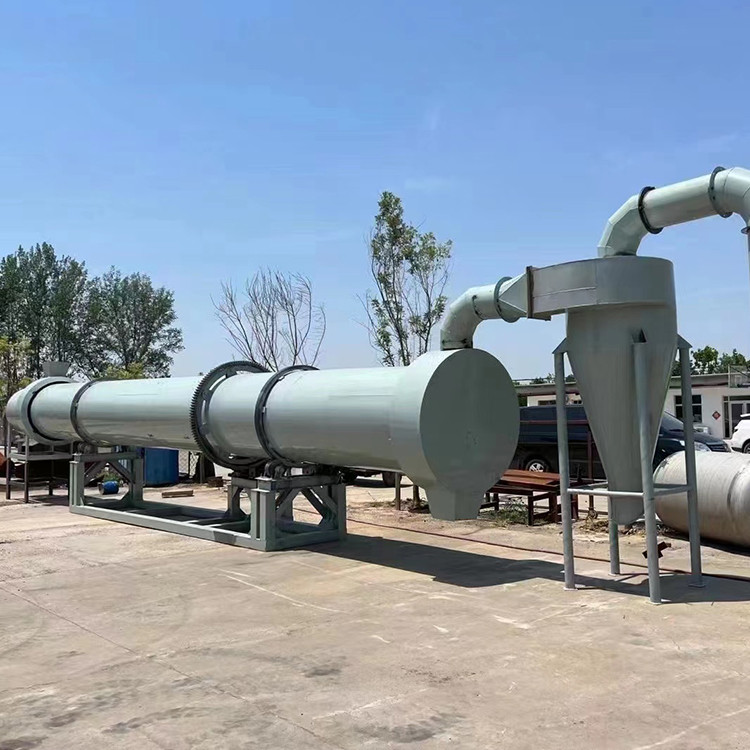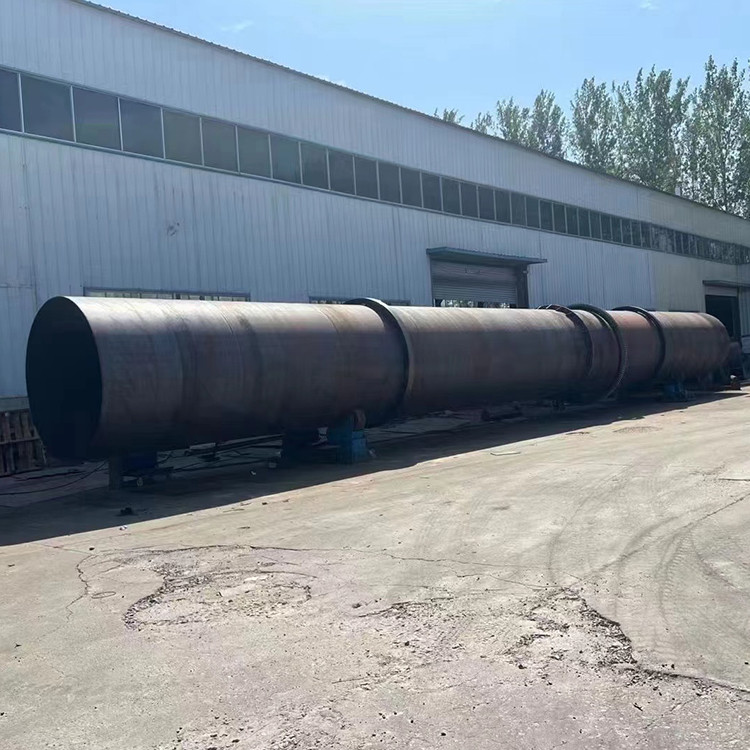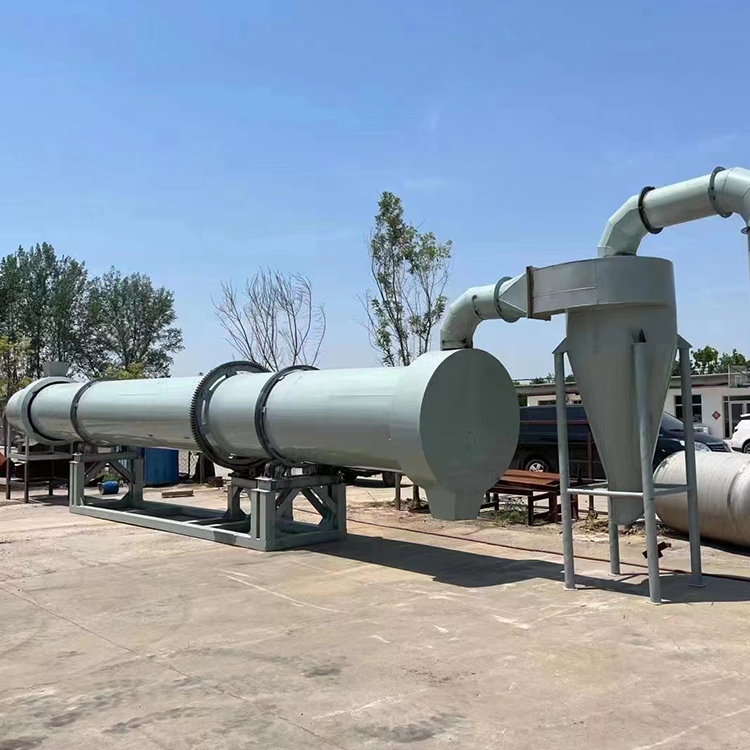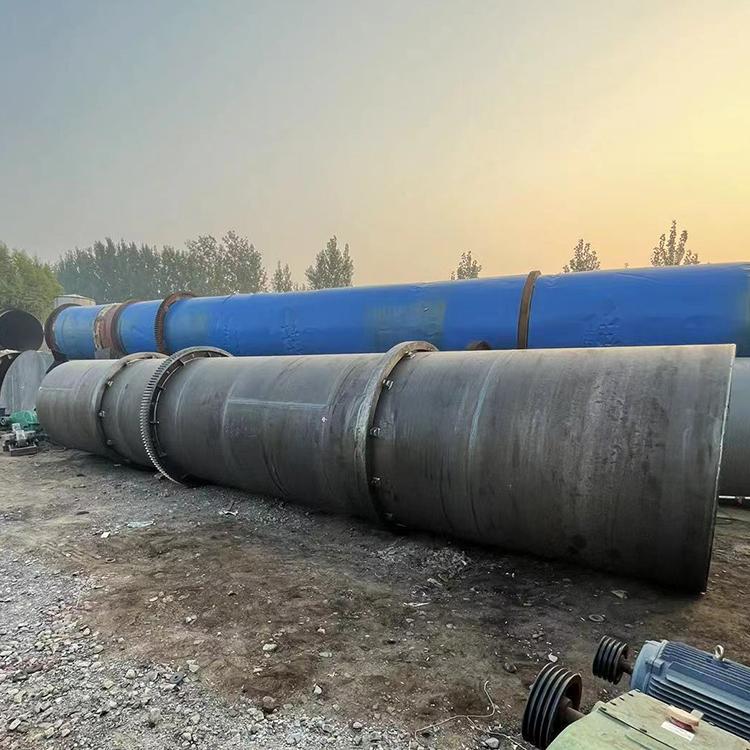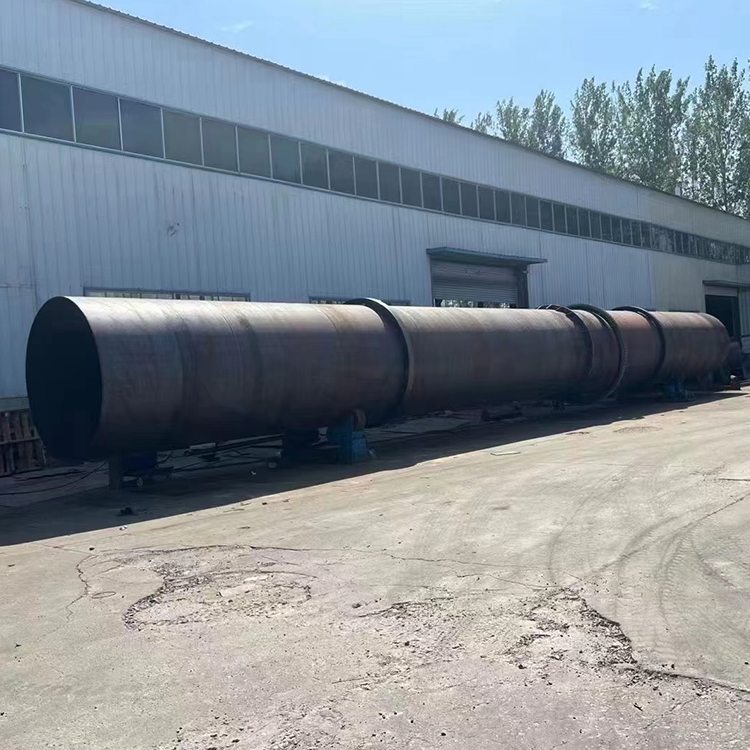

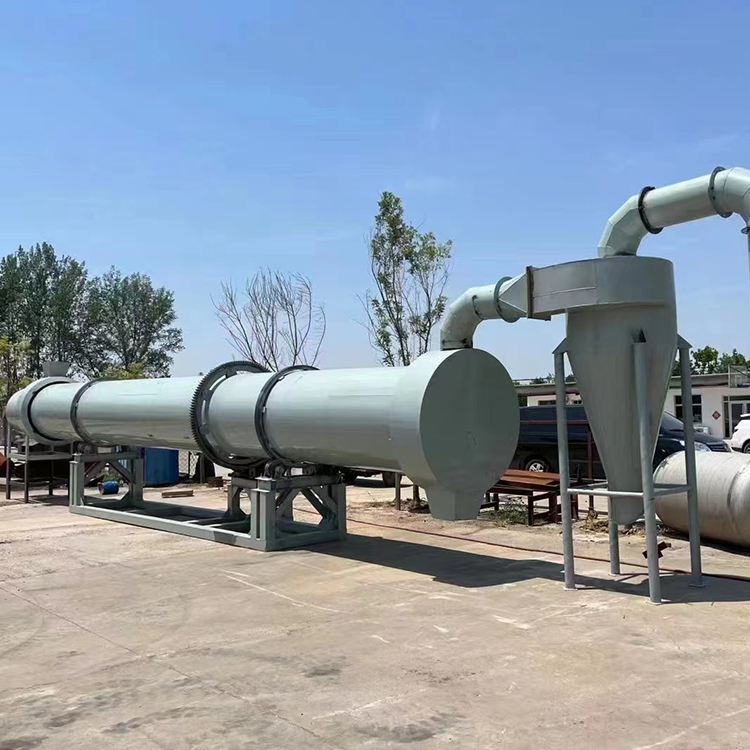

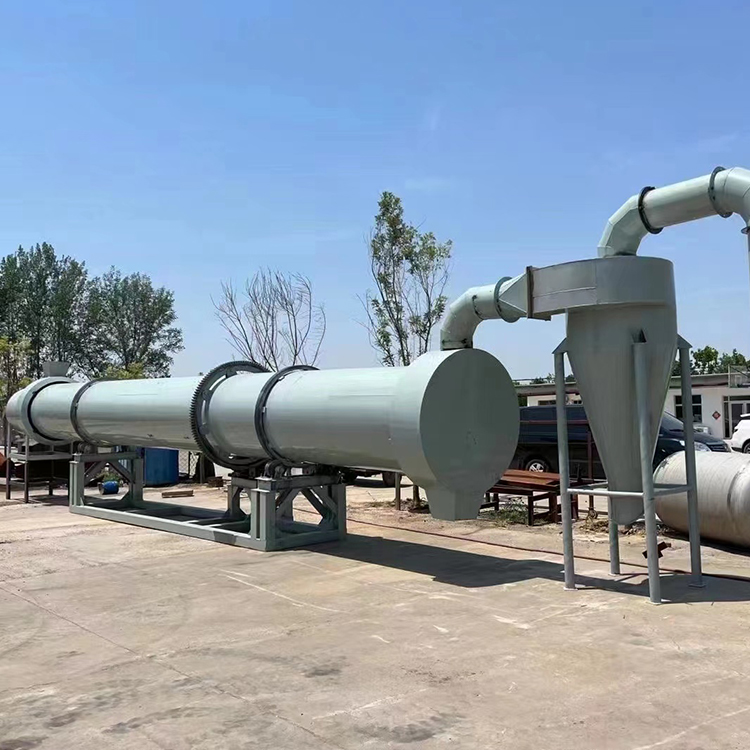
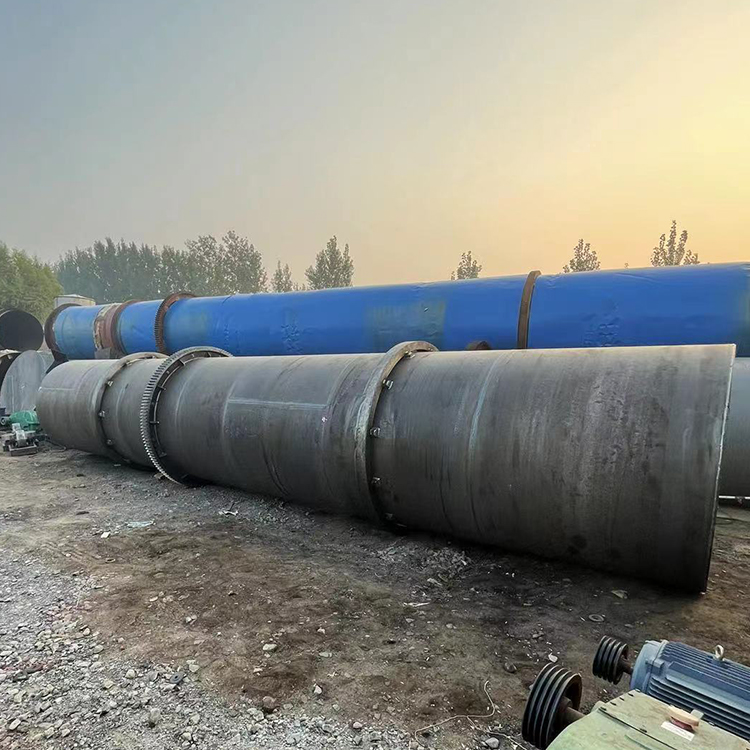
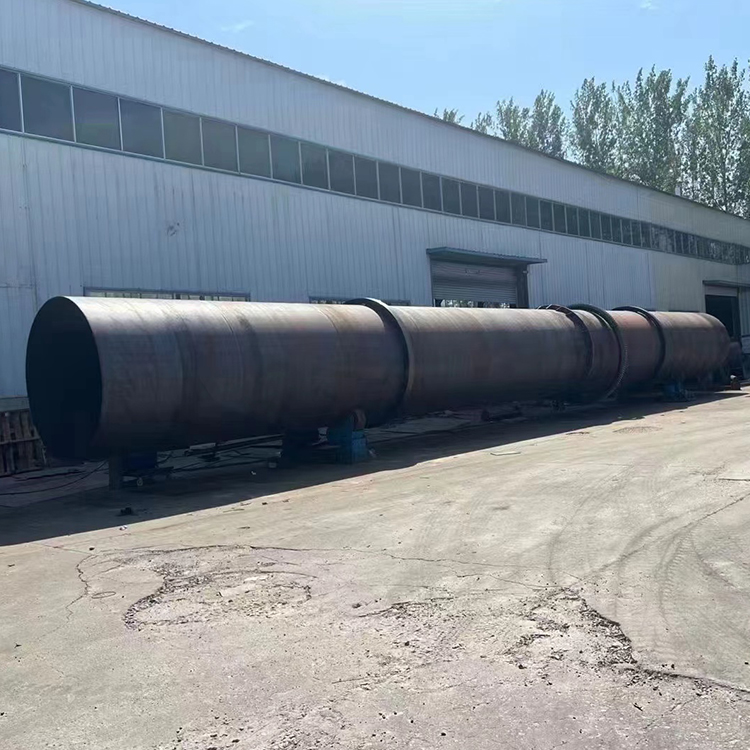











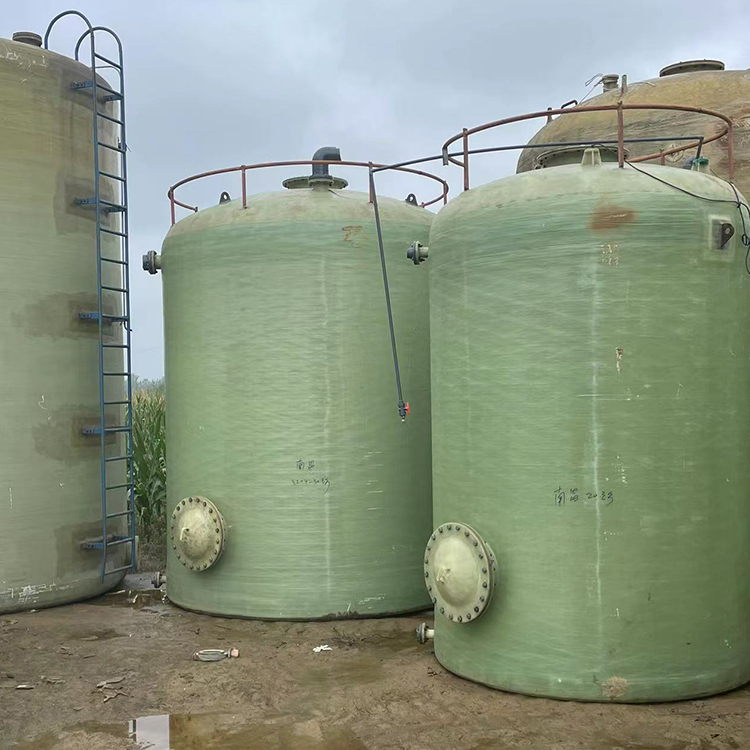

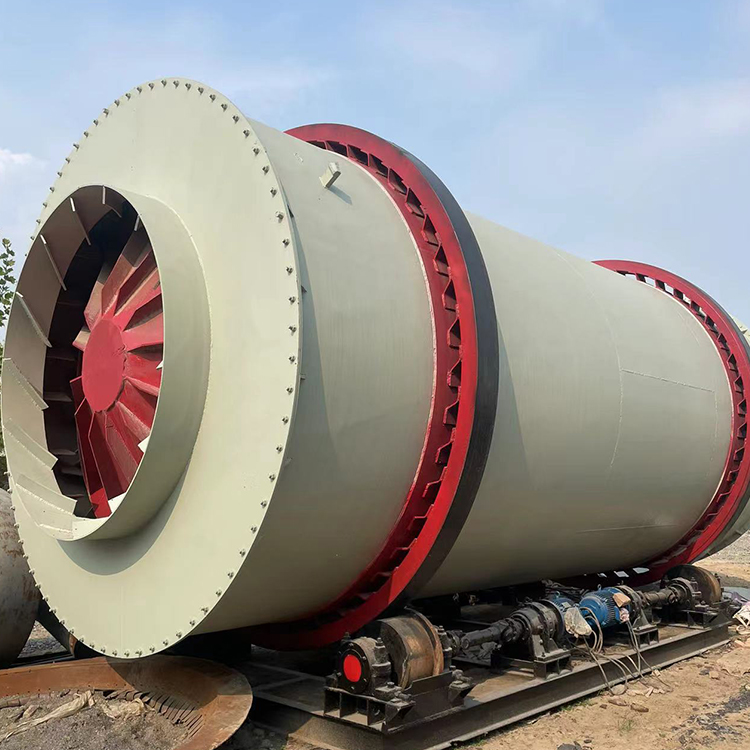
The drum dryer is one of the traditional drying equipment, featuring stable operation, high flexibility in operation, strong adaptability, and great processing capacity. It is widely used in metallurgy, building materials, chemicals, coal washing, fertilizer, ore, sand, clay, kaolin, and sugar industries.
Application Range: Drum Dryer
Chemical, mining, metallurgy, and related industries, such as ores, slag, coal, metal powders, clay, diatomite, and kaolin.
2. Agricultural, feed, and fertilizer industries, including straw, forage, leaves, fish meal, corn sauce, starch residue, distiller's grains, fruit pomace, soy sauce residue, sugarcane bagasse, peat, sludge, waste from aquatic products, food processing waste, slaughterhouse waste, organic fertilizers, inorganic fertilizers, phosphate fertilizers, and ammonium sulfate.
3. Drying required for powdered and granular materials, such as various crystals, light calcium carbonate, activated clay, magnetic powder, graphite, inorganic mud, kaolin, lime slurry, ore mud, phosphate slag, and bauxite residue from aluminum plants.
Tumble dryer with wall thickness options of 6mm, 8mm, 10mm, 12mm, 14mm, and so on.
Tumble dryer specifications include: 0.9m x 10m, 1m x 10m, 1.2m x 12m, 1.5m x 12m (14m, 16m), 1.8m x 18m, 2.2m x 12m (14m, 16m, 18m, 20m, 22m), 2.4m x 18m, 24m (28m), and more.
Comprehensive accessories included, with magnetic rings, motors, and reducers, all standard equipment.
The drum dryer boasts high production capacity and continuous operation capabilities; its simple structure results in few malfunctions, easy operation, and low maintenance costs, with stable performance. It has a wide application range, capable of drying powdery, granular, strip, and block-like materials, offering great operational flexibility, allowing for fluctuations in output without compromising product quality.
The drum dryer is generally suitable for granular materials and can also be used to dry sticky paste-like materials or materials with high moisture content by partially blending them. Its advantages include high production capacity, wide applicability, low flow resistance, a large allowable operating fluctuation range, and ease of operation.