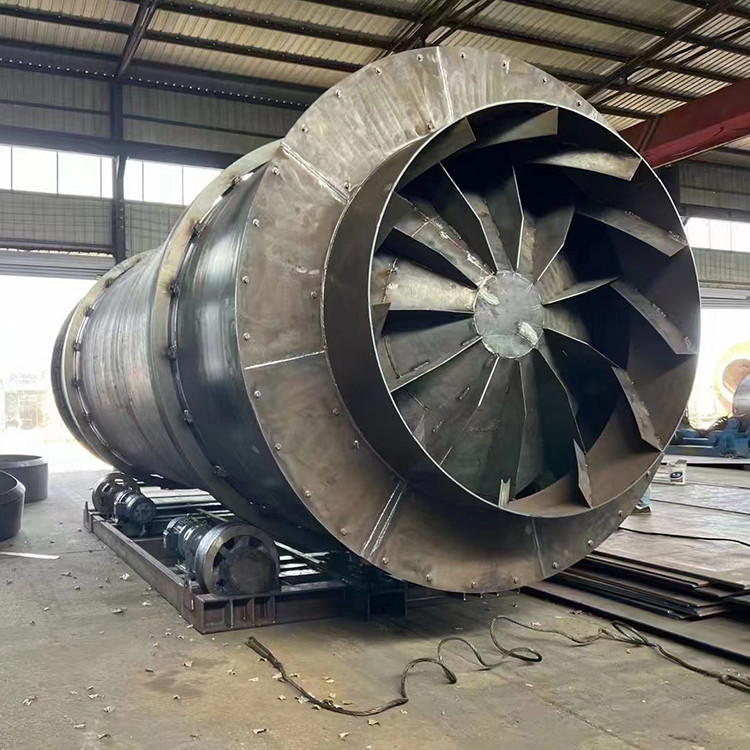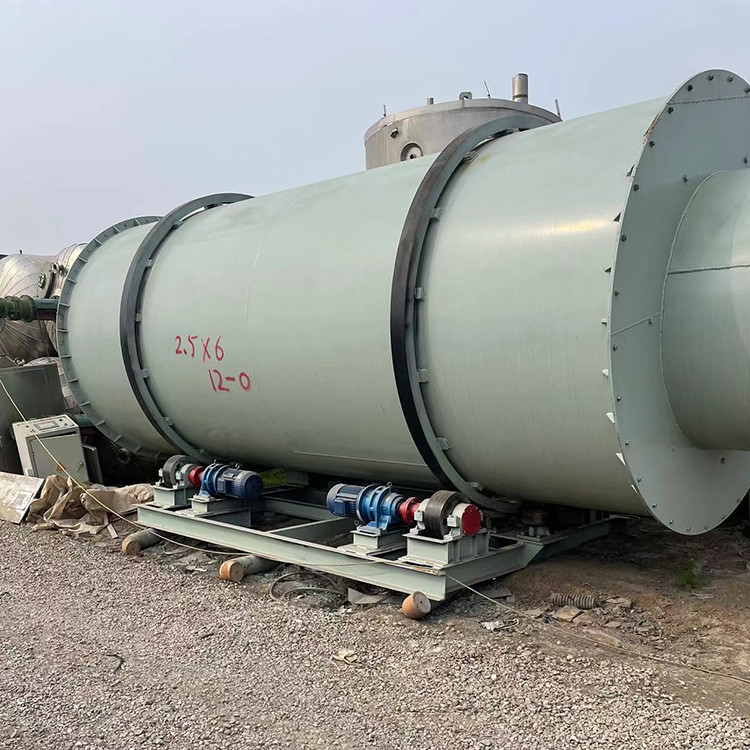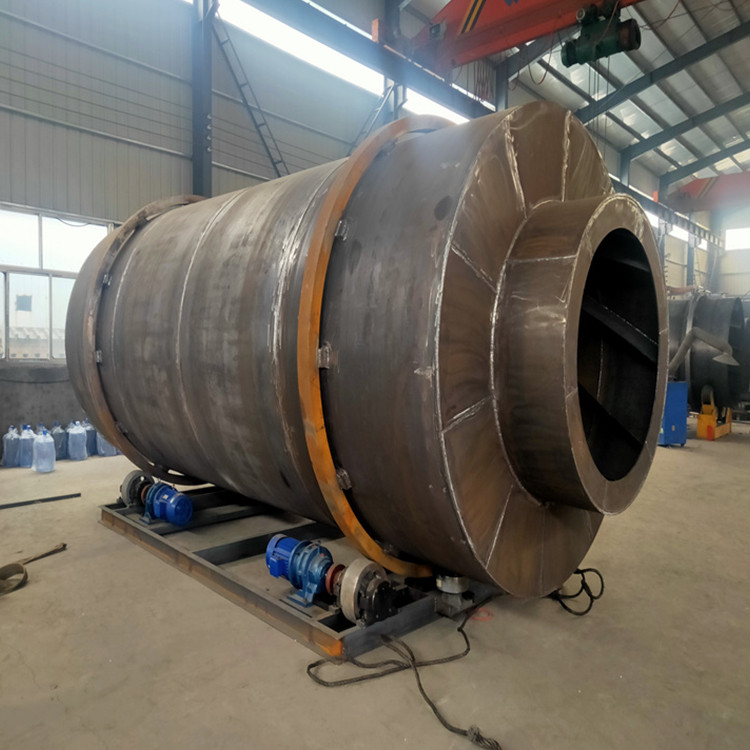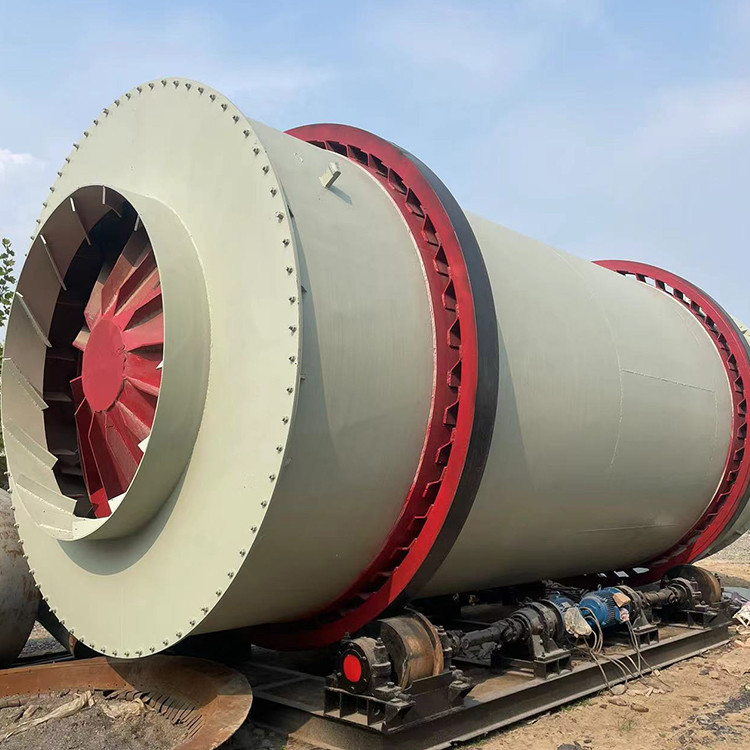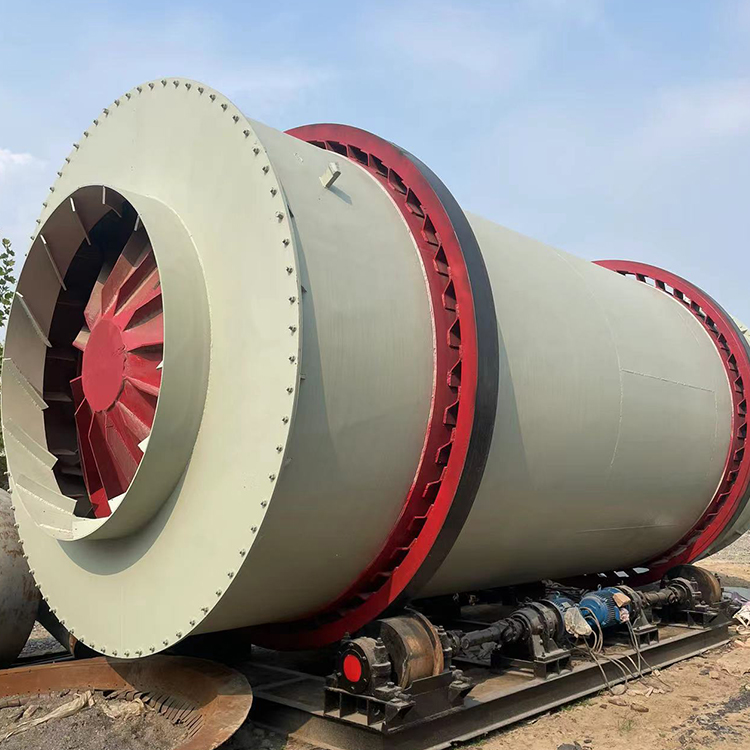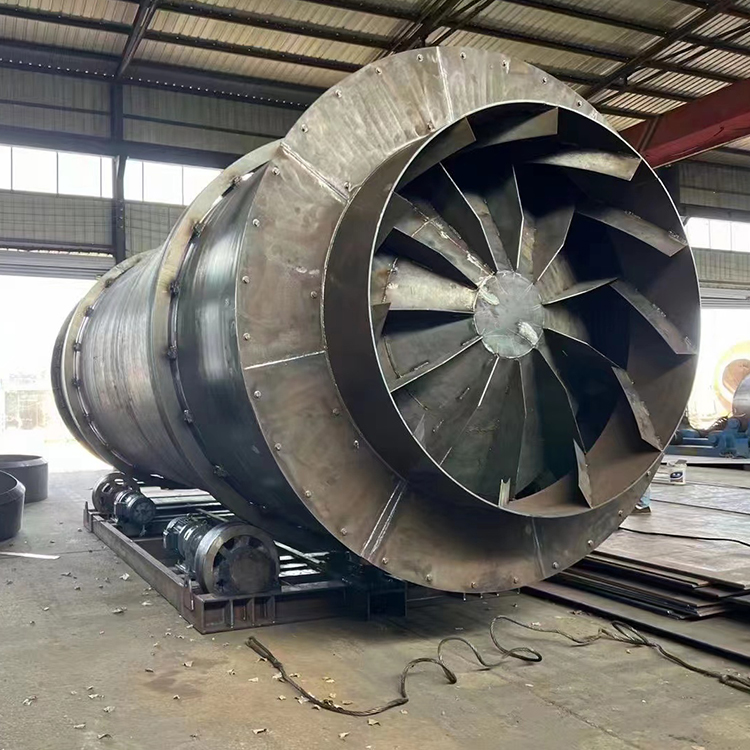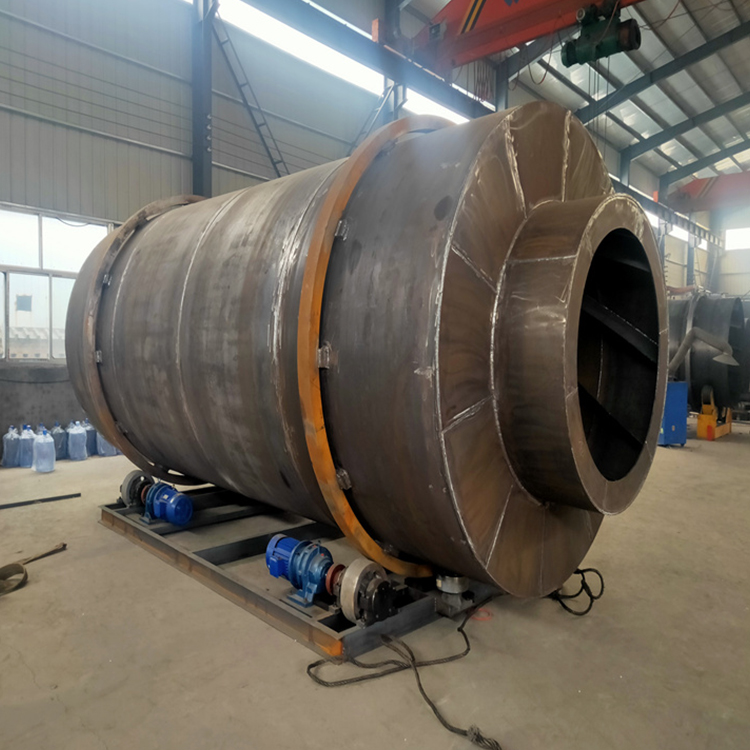

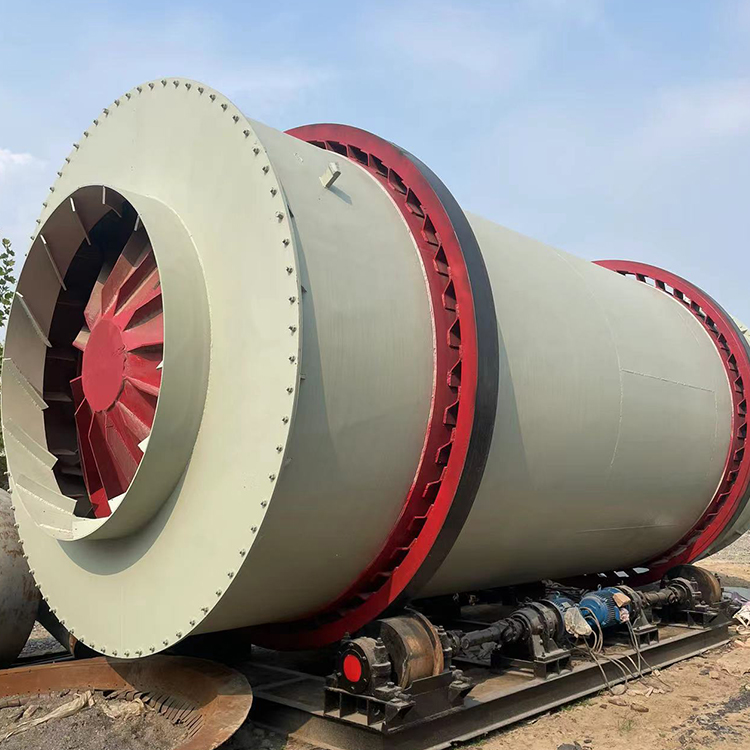

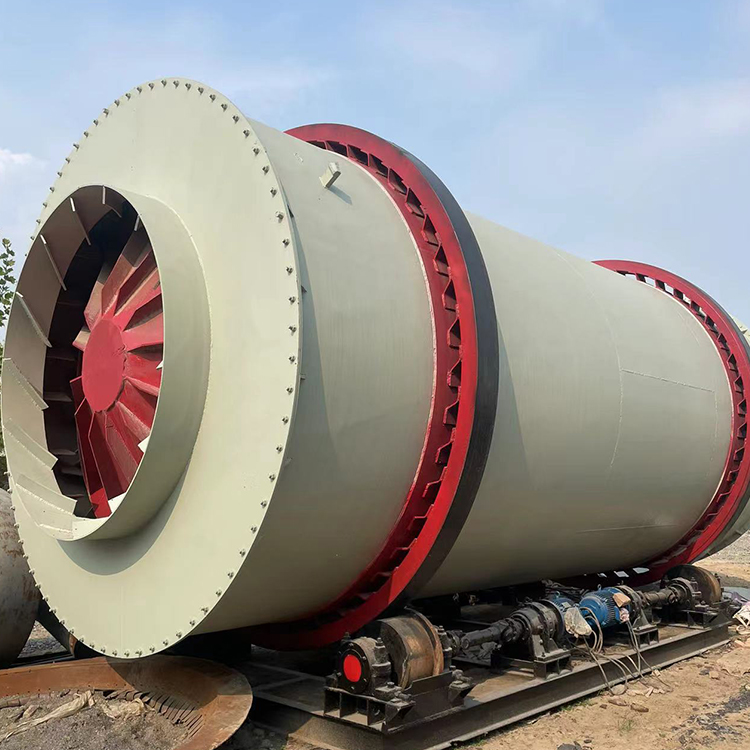












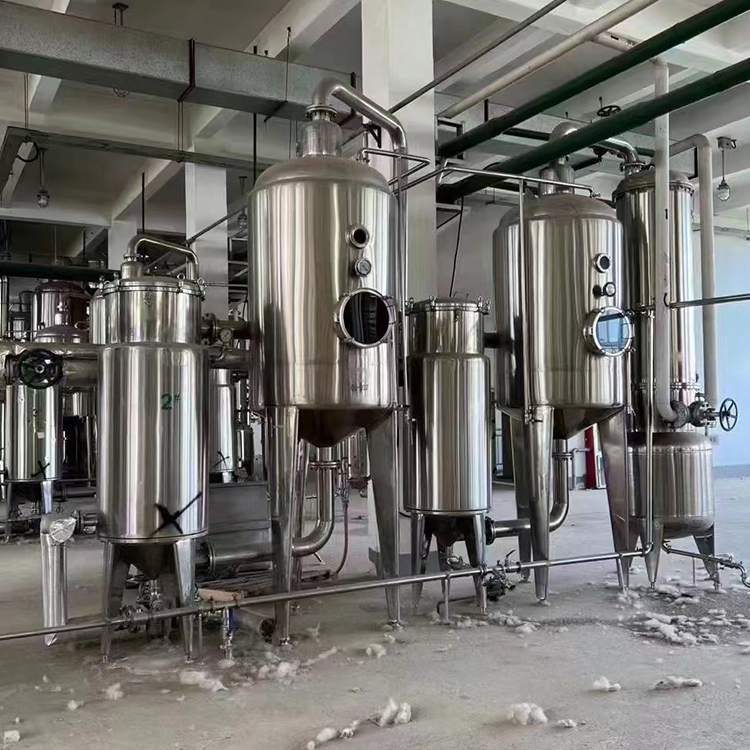
Product Introduction: The Three-Circuit Drying Machine, also known as a high-efficiency three-tube drying machine. The overall structure is composed of three interlocked conical drums welded in different directions and sequences. This special structural form determines the output size, hence the name of this new type of drying machine is also Three-Circuit Drying Machine.
Application Fields: Building Materials, Chemical Industry, Casting, etc.
Applicable Materials: Yellow sand, river sand, processed sand, quartz sand, slag, fly ash, mineral concentrate powder, etc.
Performance Features
Manufactured with wear-resistant manganese plate, 3-4 times more wear-resistant than ordinary steel plate.
2. The initial moisture content of the material is 15%, with the final moisture content guaranteed to be below 0.5-1%. It is a commonly used product in various drying processes, such as cement plant slag powder and dry mortar production lines.
3. Increases heat efficiency by over 40% compared to traditional single-tube dryers.
4. Fuel can be used with white coal, bituminous coal, coal gangue, oil, and gas. It is capable of drying materials such as lumps, granules, and powders with a size of 20-40mm or less.
5. Reduces floor space by approximately 60% compared to single-tube dryers. Civil construction investment cuts by about 60%, and installation is convenient.
Working Principle
Material enters the inner layer of the three-pass dryer through the feeding device. Under the scraper in the inner layer, the material is continuously lifted and scattered in a spiral motion to achieve heat exchange. The material moves to the other end of the inner layer and enters the middle layer for countercurrent drying. In the middle layer, the material is repeatedly lifted and falls in a two-step-forward-one-step-backward manner. The material in the middle layer absorbs both the heat emitted by the inner drum and the heat of the middle drum, thereby extending the drying time and reaching a dry state. Then, the material falls from the other end of the middle layer into the outer layer. In the outer drum, the material moves in a rectangular multi-loop pattern. Material that has achieved the drying effect is quickly transported out of the drum under the action of hot air. Wet material that has not reached the drying effect cannot move quickly due to its own weight. The material is fully dried within this rectangular scraper, thereby achieving the drying purpose.