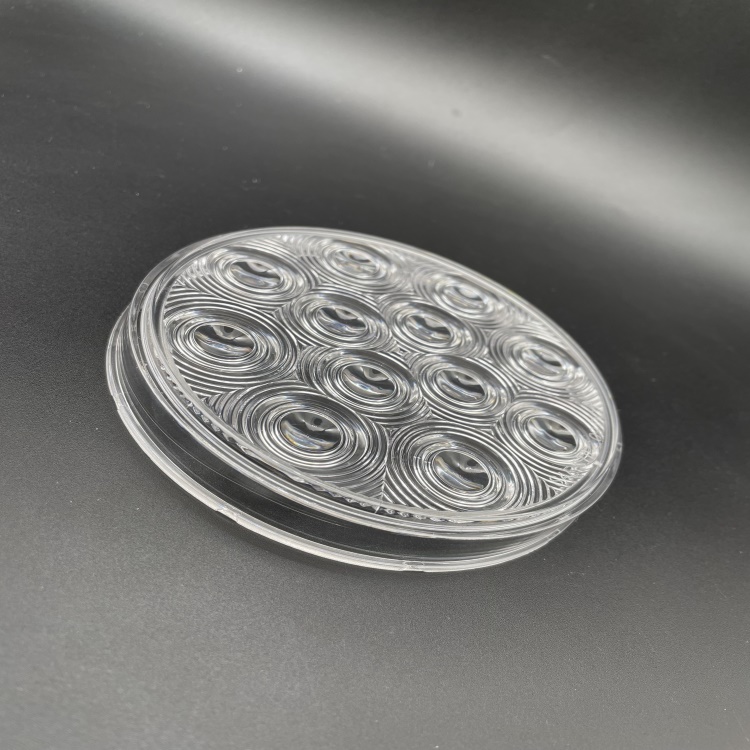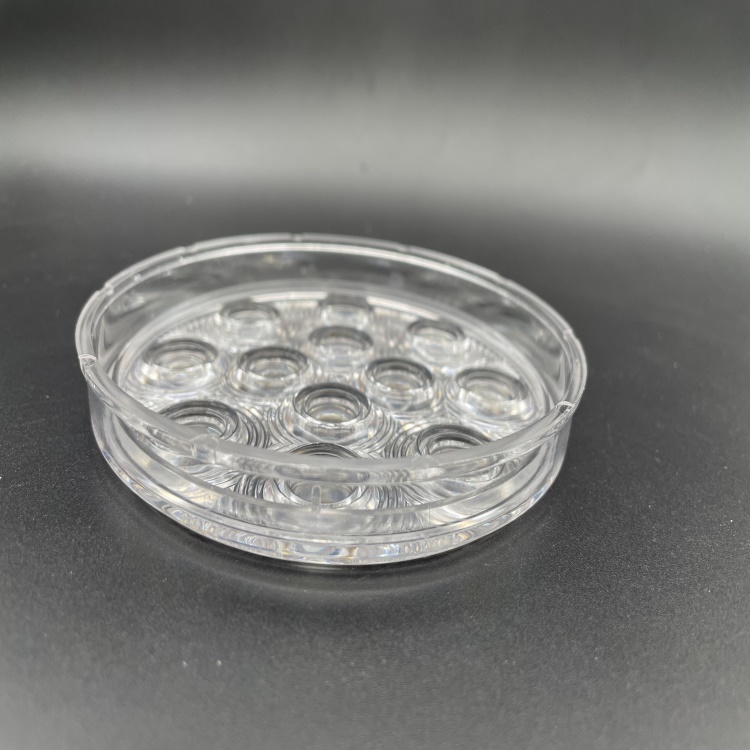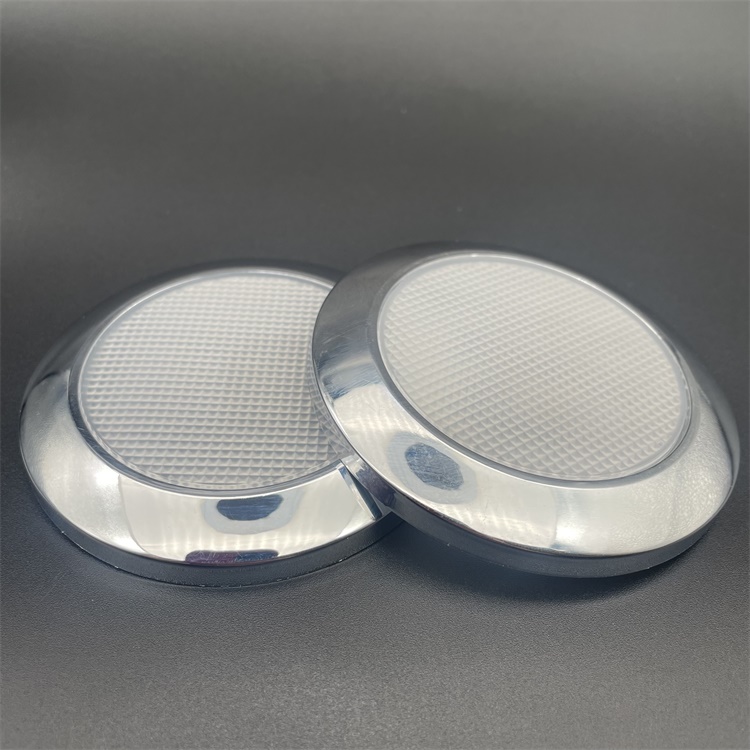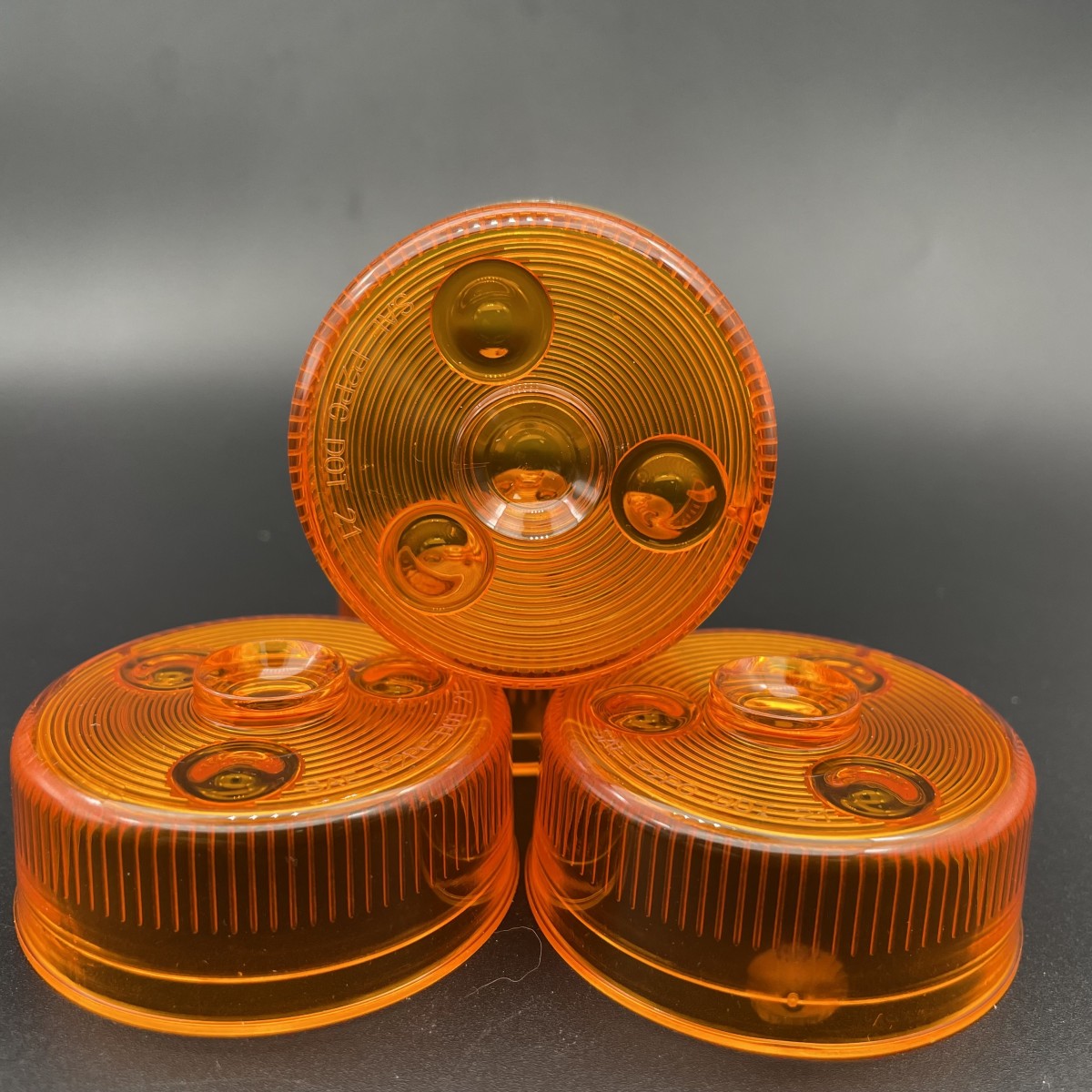







Plastic processing, also known as plastic molding, encompasses various techniques for converting synthetic resins or plastics into finished plastic products, representing a significant production sector in the plastic industry. Primarily using ethylene as the main raw material, along with copolymers of propylene, 1-butene, and hexene, the polymers are obtained through slurry polymerization or gas phase polymerization under the action of catalysts. The resulting polymers undergo flash vaporization, separation, drying, and granulation to produce uniformly sized finished products. This includes processes such as extrusion of sheet materials, film extrusion, tube or profile extrusion, blow molding, injection molding, and rotomolding. Below, we'll introduce the processing methods for plastic products:
One, Extrusion: Grades for extrusion production generally have a melt index (MI) less than 1 and a medium to wide melt volume fraction distribution (MWD). During processing, a low MI provides suitable melt strength. Grades with a wider MWD are more suitable for extrusion, as they offer higher production speeds, lower die pressure, and reduced melt fracture tendencies.
Two, Blow Molding: More than 1/3 of HDPE sold in the U.S. is used for blow molding purposes. This ranges from bottles for bleach, motor oil, detergents, milk, and distilled water to large refrigerators, car fuel tanks, and drums. The characteristics of blow molding grades, such as melt strength, ES-CR, and toughness, are similar to those used for sheet and thermoforming applications, so similar grades can be used.
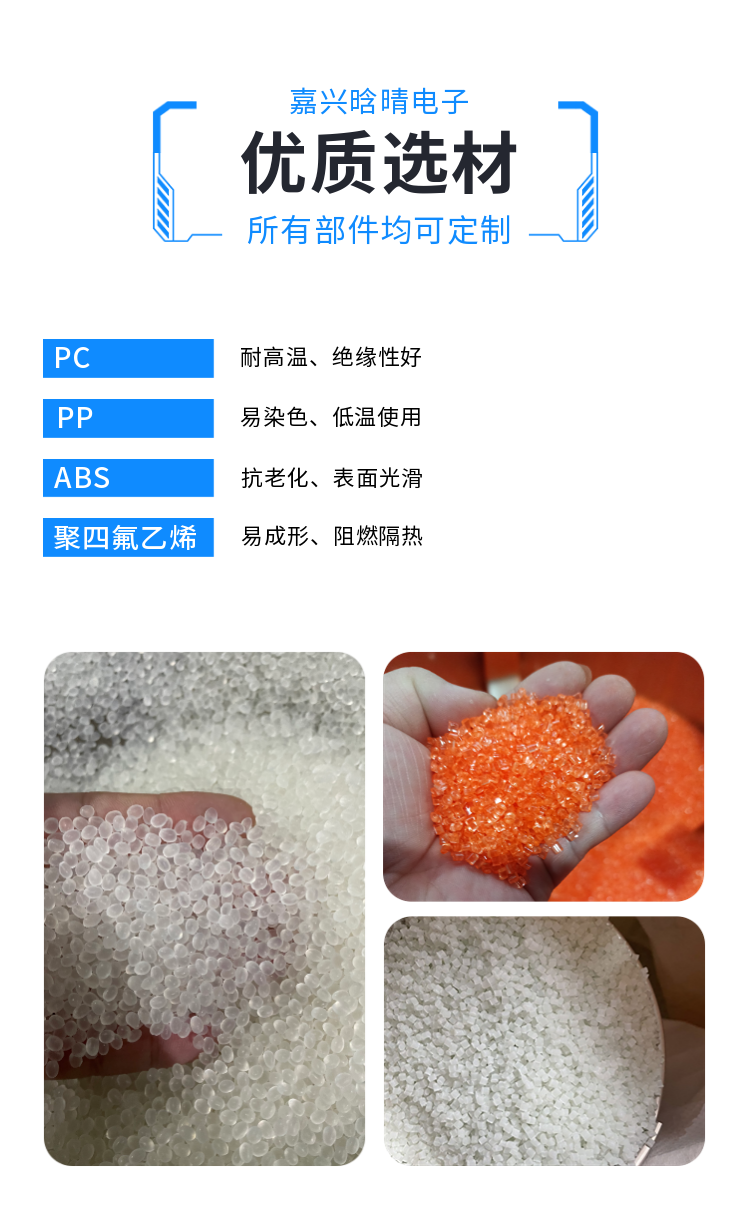
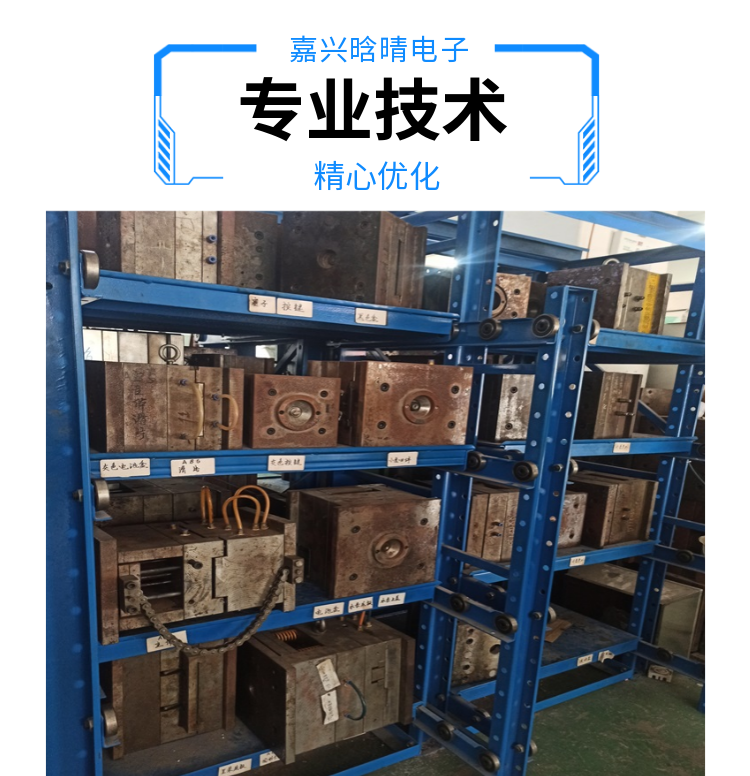
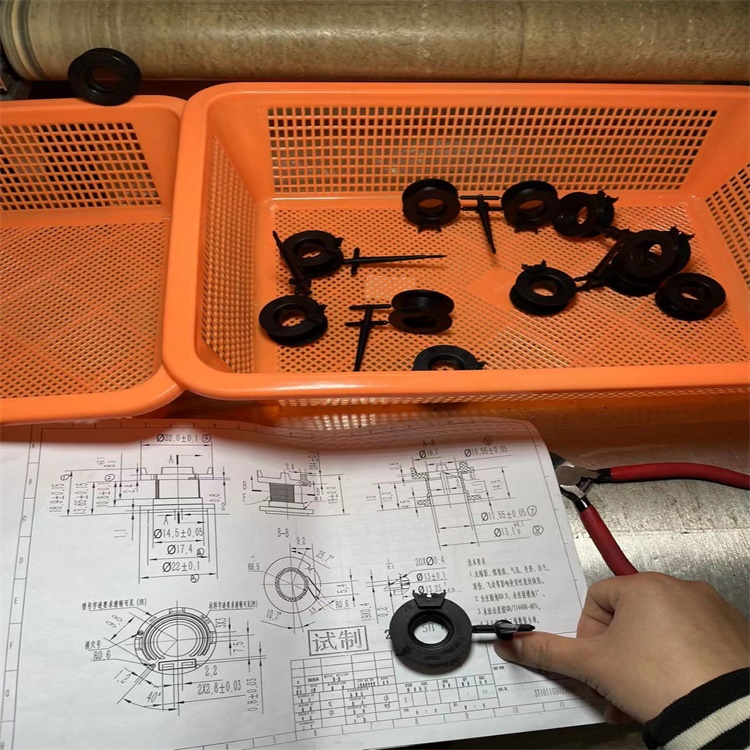
Three, Injection Molding: HDPE has countless applications, ranging from reusable thin-walled beverage cups to 5-gal cans, accounting for 1/5 of domestically produced HDPE. Injection molding grades typically have a melt flow index of 5-10, including grades with lower toughness and lower flow and grades with higher flow and processability. Uses include household and food thin-walled packaging; tough, durable food and paint cans; high-anti-environmental stress cracking applications, such as small engine fuel tanks and 90-gal trash cans.
Four, Rotational Molding: Materials processed using this method are typically reduced to powdered form, allowing them to melt and flow during the thermal cycle. Rotational molding employs two types of PE: general-purpose and crosslinkable. General-purpose MDPE/HDPE usually has a density range of 0.935 to 0.945 g/cc, with a narrow MWD, providing high impact resistance and minimal warping, with a melt index range generally of 3 to 8. Higher MI grades are typically not suitable, as they lack the desired impact strength and resistance to environmental stress cracking for rotational molding products.
High-performance rotational molding applications leverage the unique properties of chemically cross-linkable grades. These grades offer good fluidity during a portion of the molding cycle, followed by cross-linking to form excellent resistance to environmental stress cracking, toughness, wear resistance, and weather resistance. They are suitable for large containers, ranging from 500-gal chemical storage tanks to 20,000-gal agricultural storage bins.
Five, Film: Processing of PE film generally uses common blowing film or extrusion processing methods. Most PE is used for films, with general low-density PE (LDPE) or linear low-density PE (LLDPE) being suitable. HDPE film grade is generally used where superior stretchability and good waterproofing are required. For example, HDPE film is commonly used for product bags, grocery bags, and food packaging.
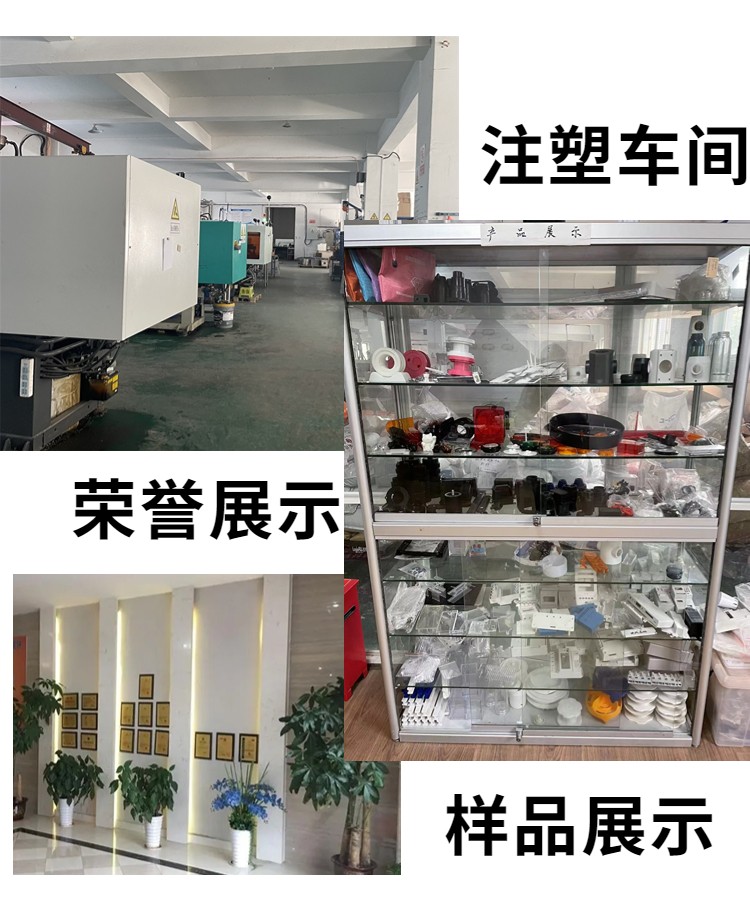
Jiaxing Injection Molding Factory, located in Xiuzhou Oil Car Port, Jiaxing, boasts over 30 types of injection molding equipment, with machine models ranging from 80 to 160 tons.
16 years of industry experience, a stable technical team, and one-stop service for design, mold-making, production, processing, assembly, and packaging
Our main factory is located in Jiaxing, offering plastic mold and plastic injection molding services to various regions in Jiaxing, including Jiashan, Haining, Haian, Pinghu, Tongxiang, Nanhua District, Xiuzhou District, and the Economic Development Zone. We guarantee quality and quantity, and deliver directly to your doorstep to alleviate your concerns.
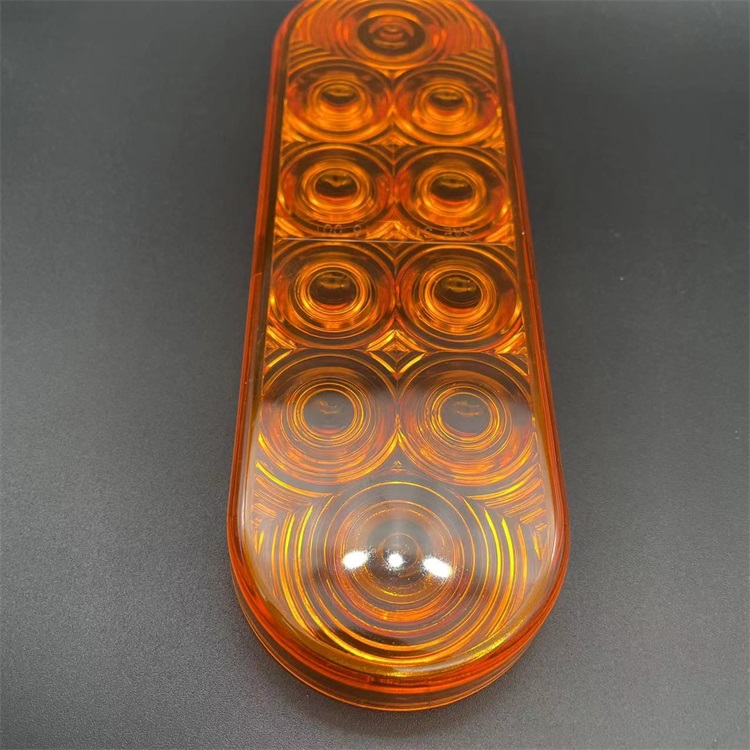
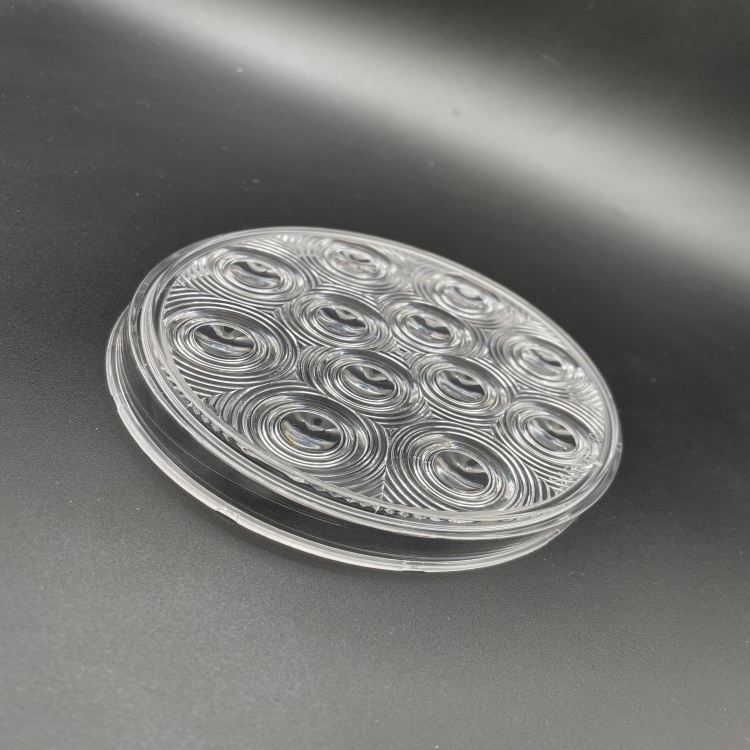
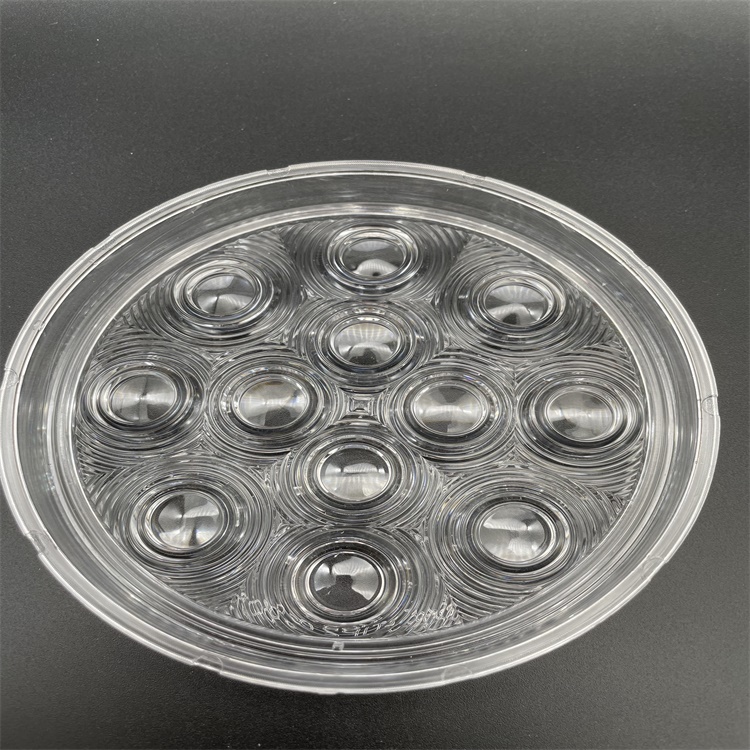
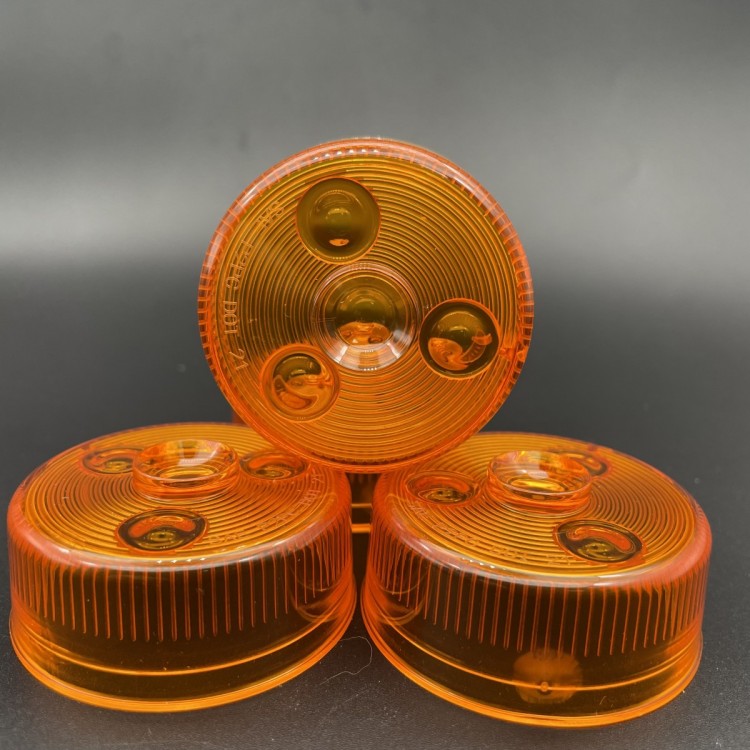
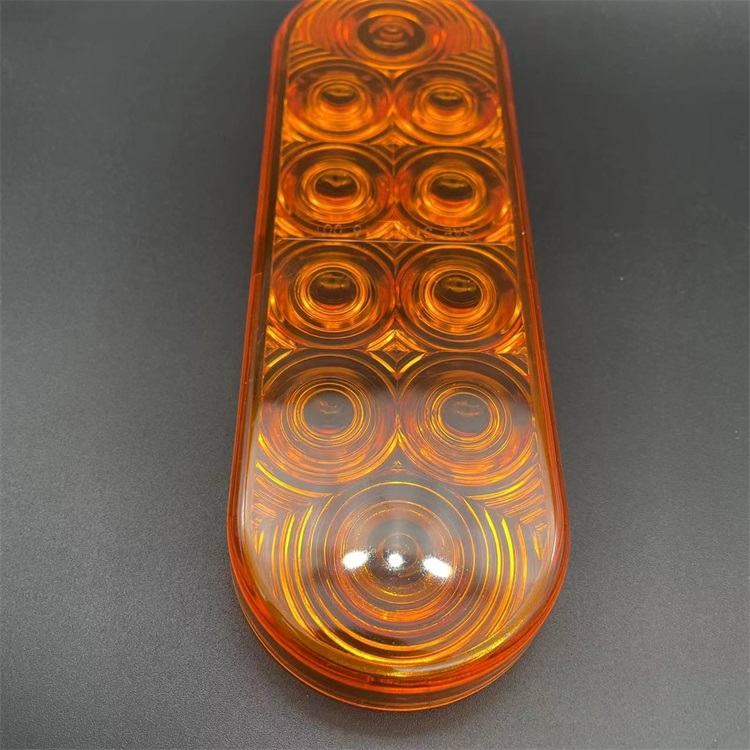
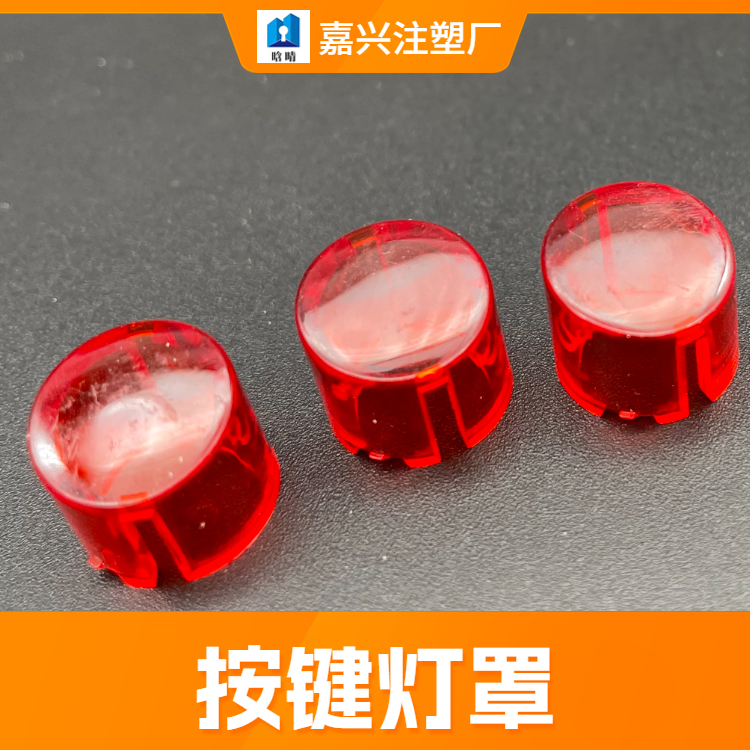
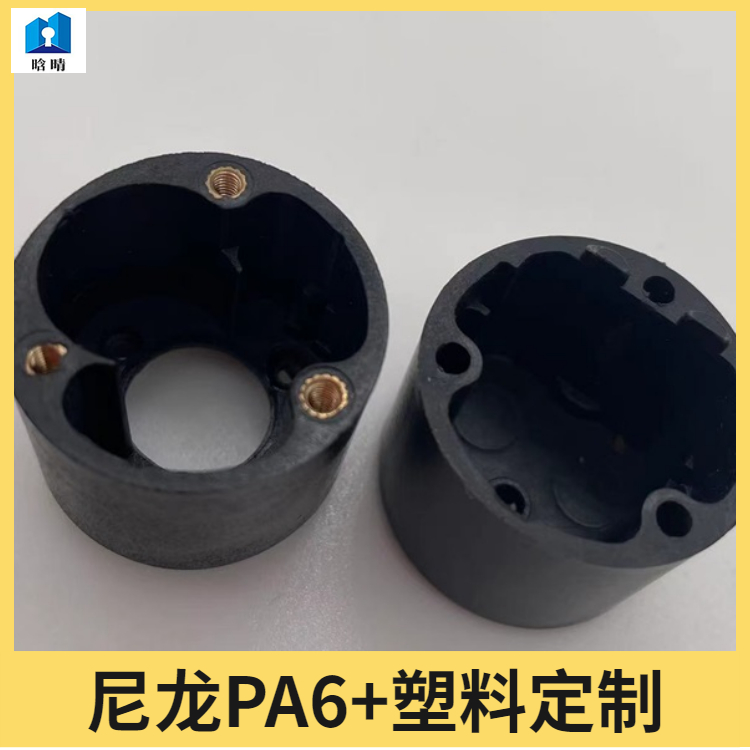
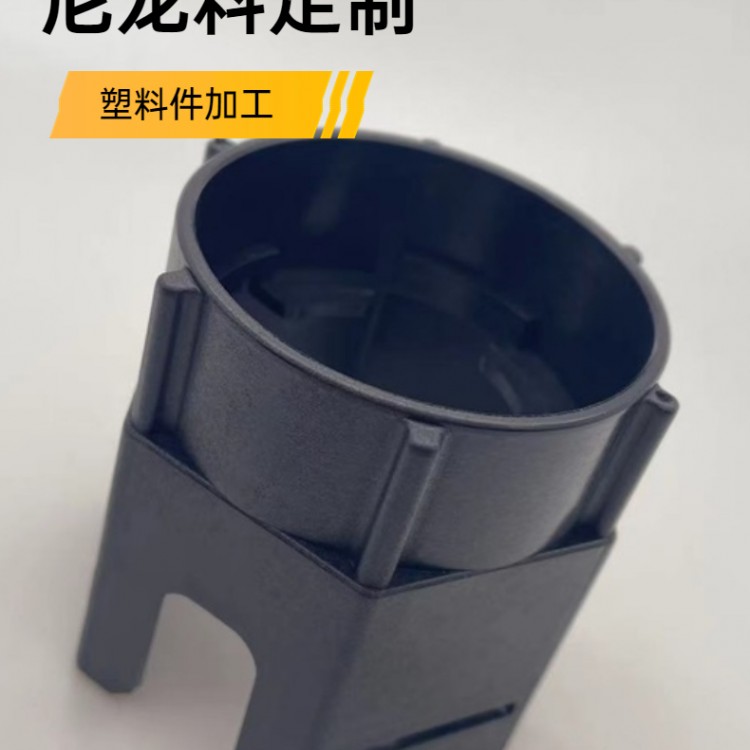
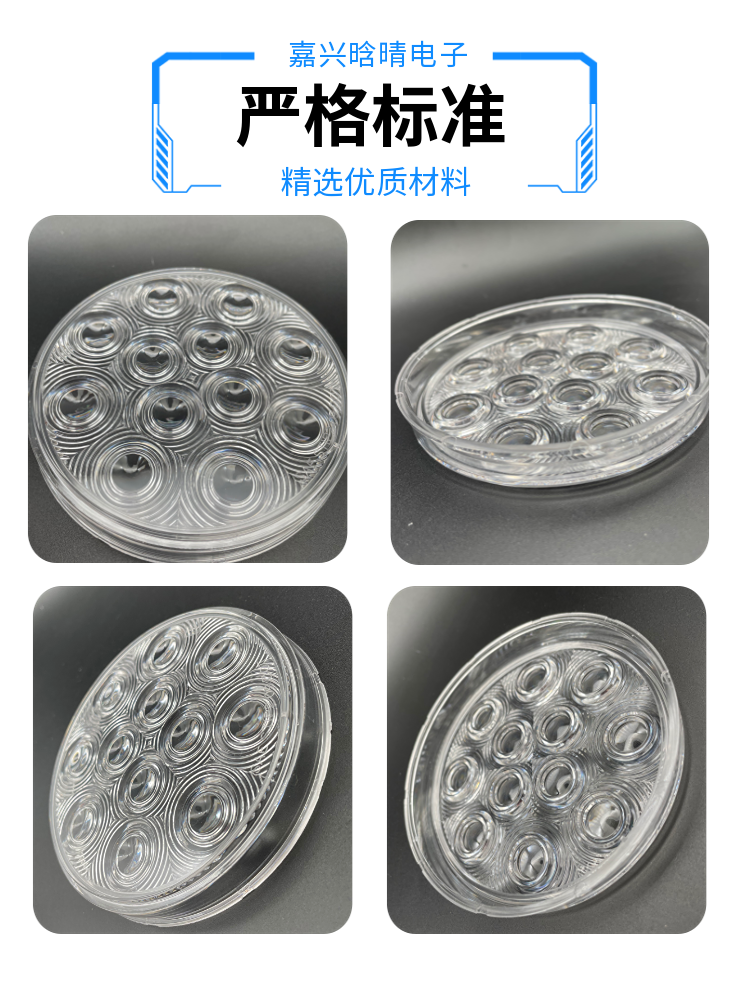
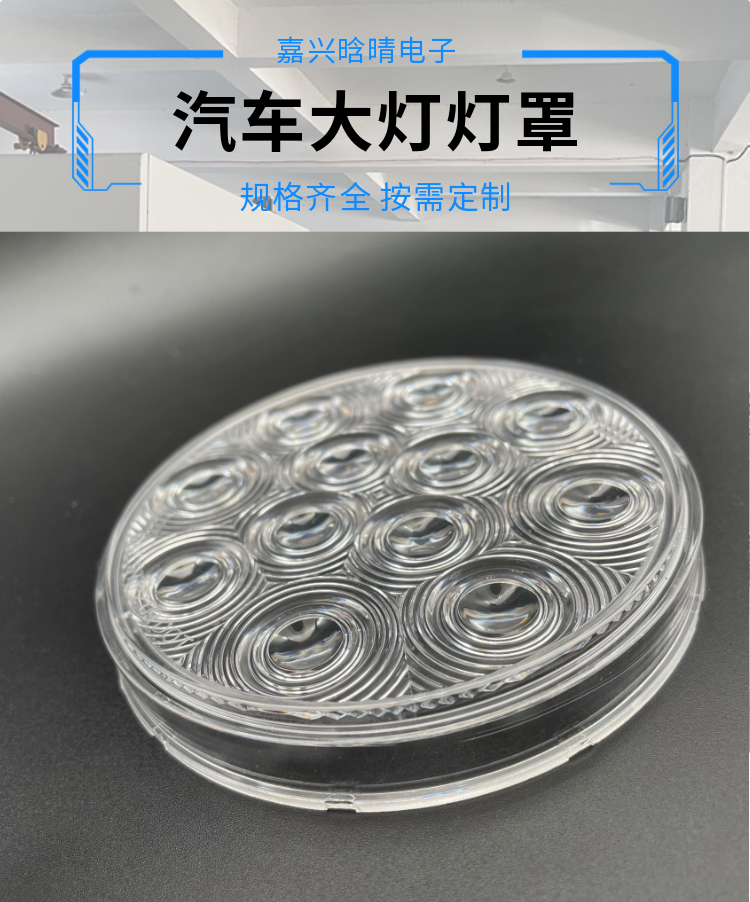
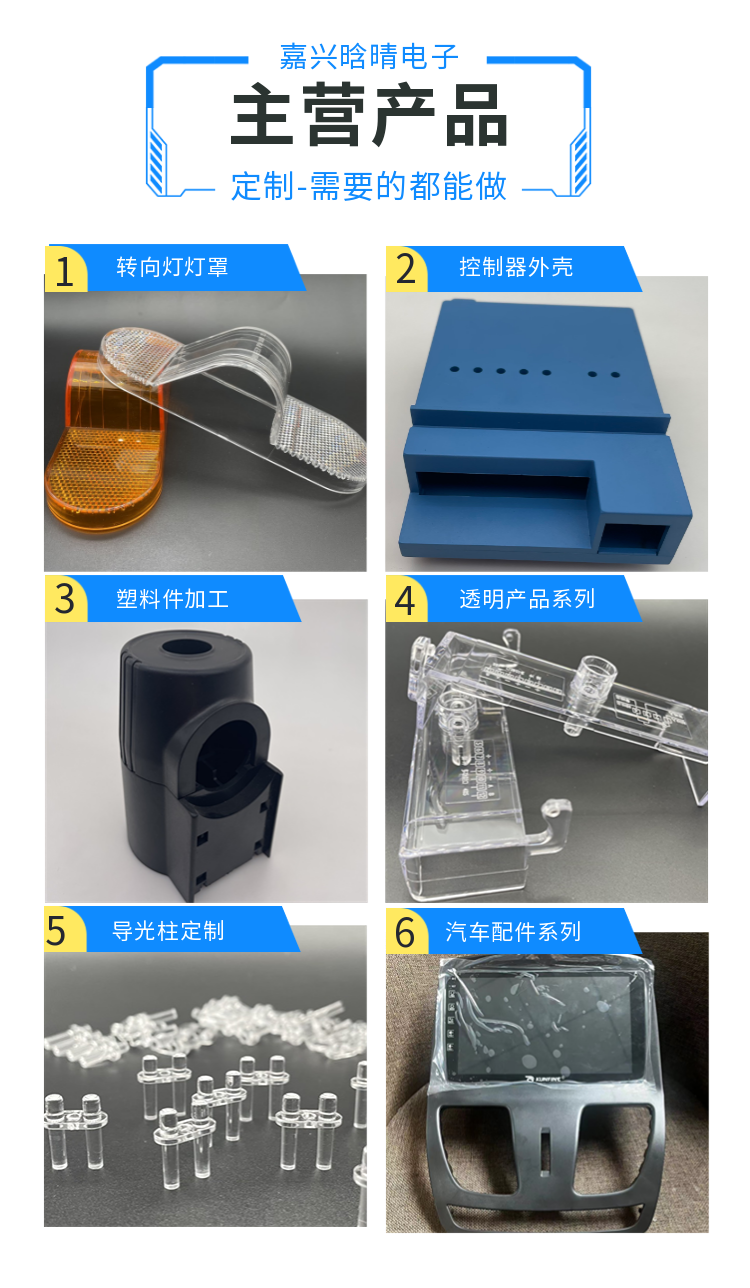
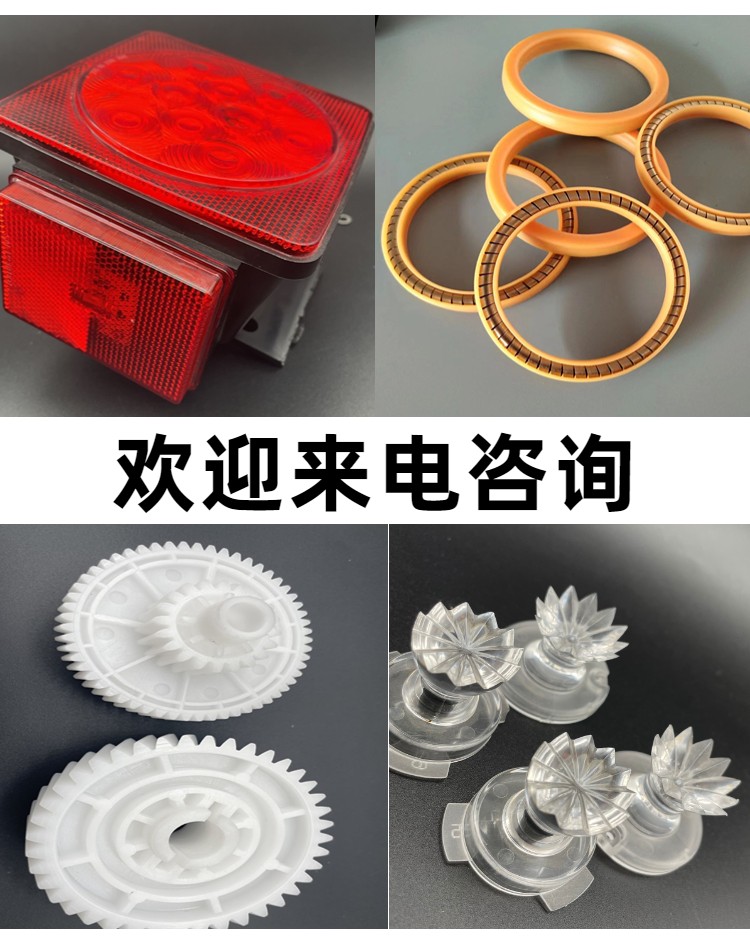
Our Main Business: Plastic Injection Molding, Plastic Product Molding Processing and Customization, Automotive Light Injection Molding, Light Guide Column Injection Molding Parts, Plastic Enclosures.
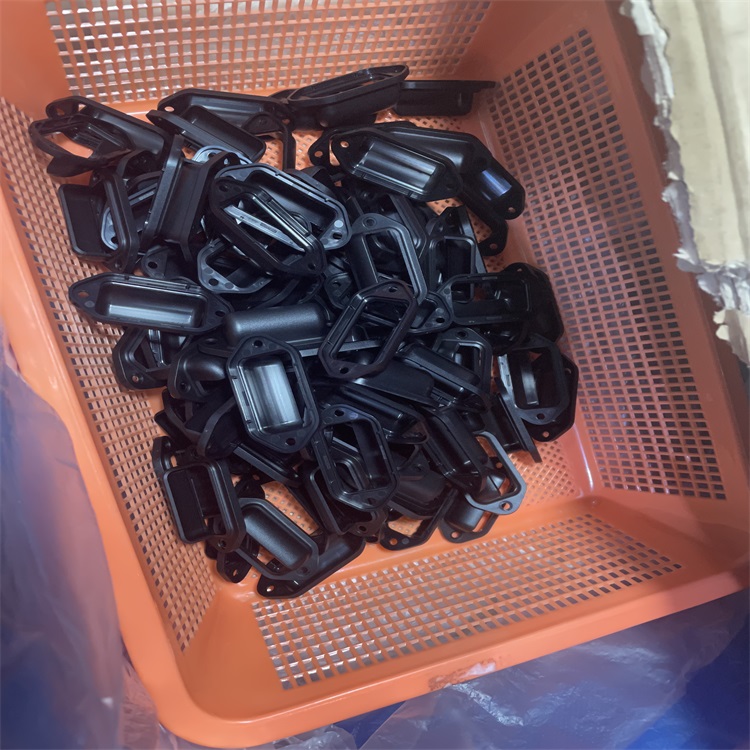
PVC molded parts, plastic boxes, electrical enclosures, plastic enclosures, plastic equipment housing processing, instrument enclosures, household plastic products.
Custom plastic packaging products, plastic items, electrical and electrical equipment, electrical instruments and meters, control panel enclosures, injection molds.
Our business philosophy: Meet the needs of the market and customers with fair prices; establish a foothold in the Jiaxing market with integrity. Compare quality at the same price, and service at the same quality. Adhering to the business approach of low profit for high turnover and long-term cooperation, we aim to save the cost of injection parts for all our new and old customers.
We aim to meet our customers' needs and truly save them every penny, which is also our company's advantage!