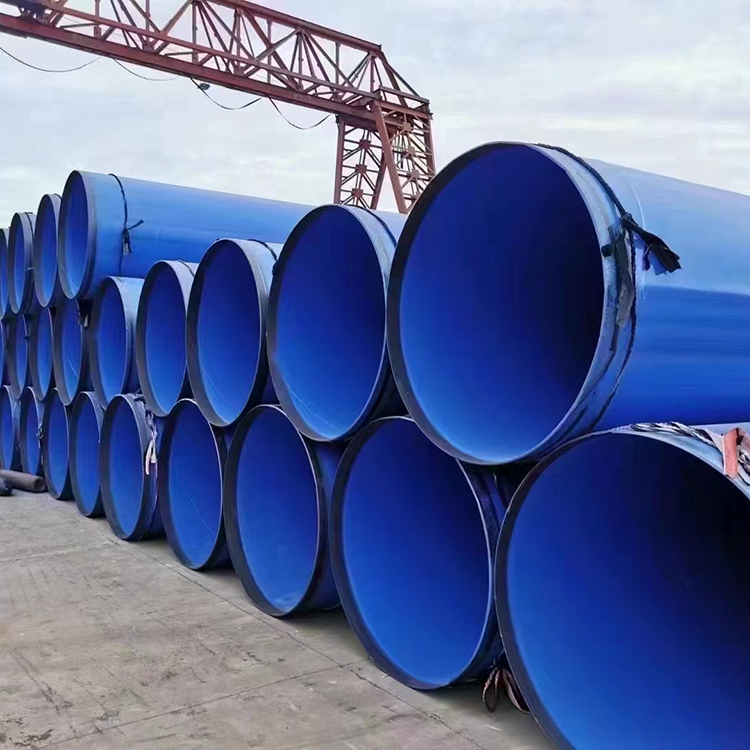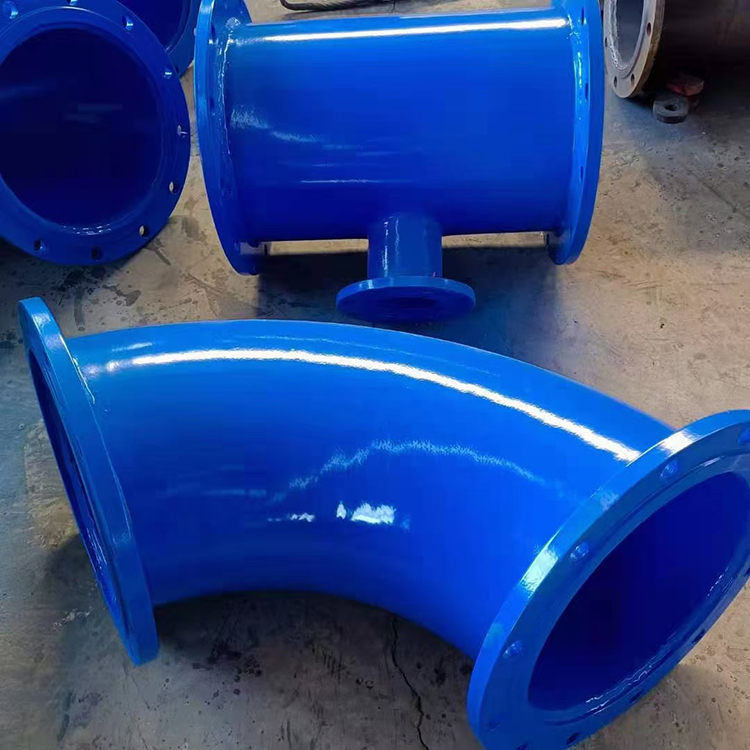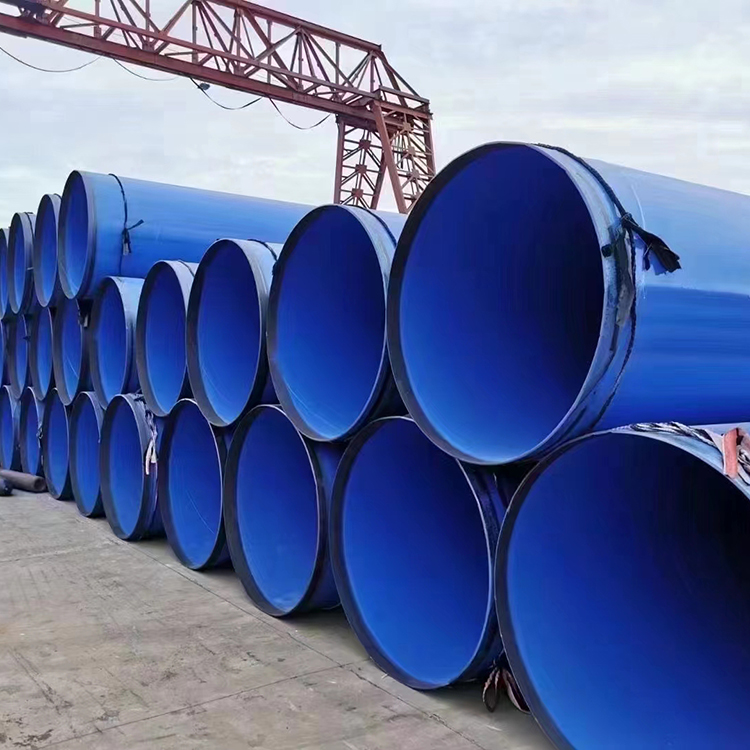


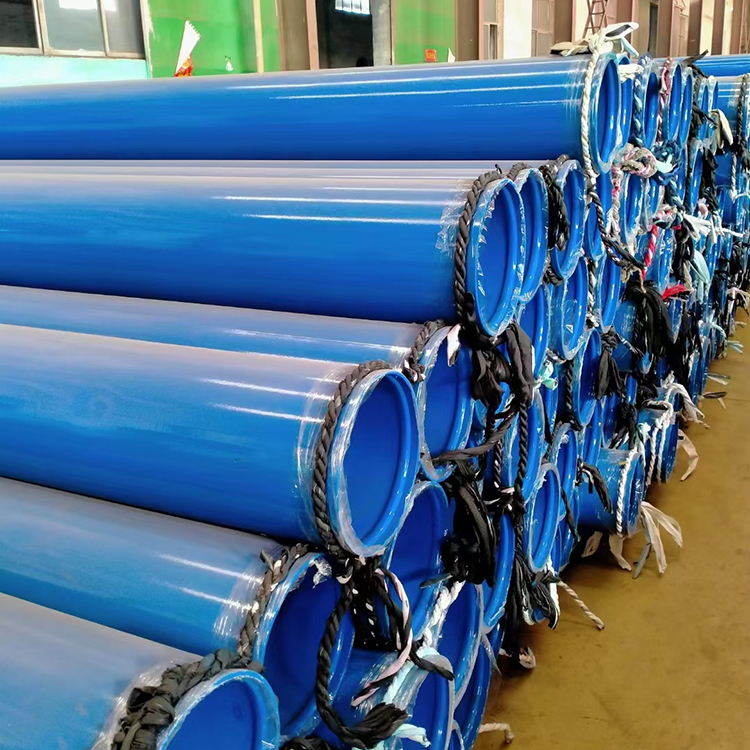
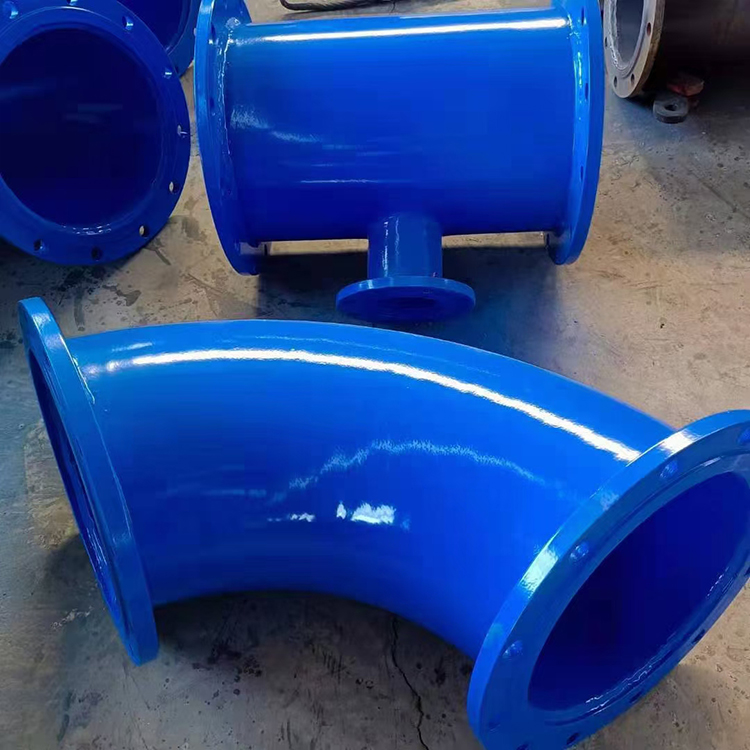











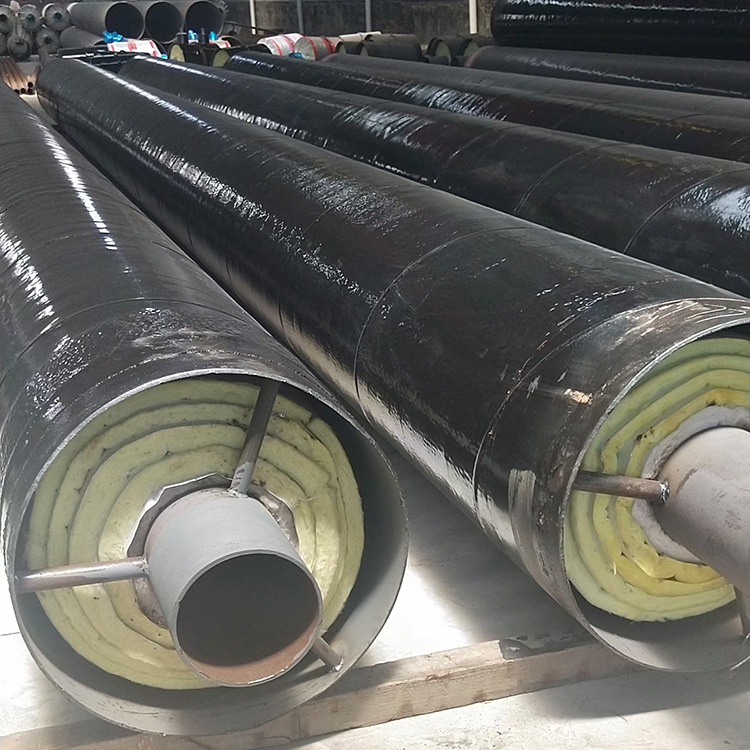
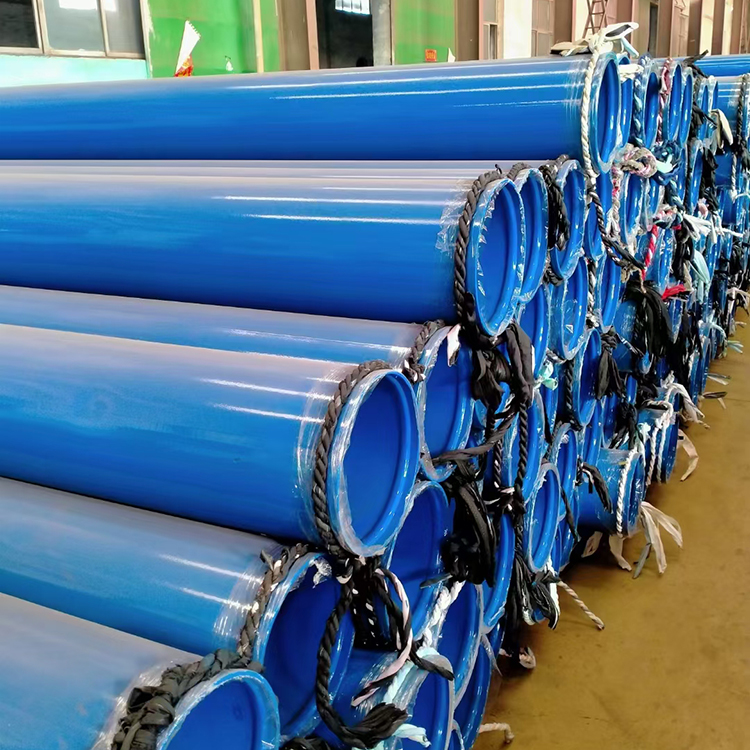
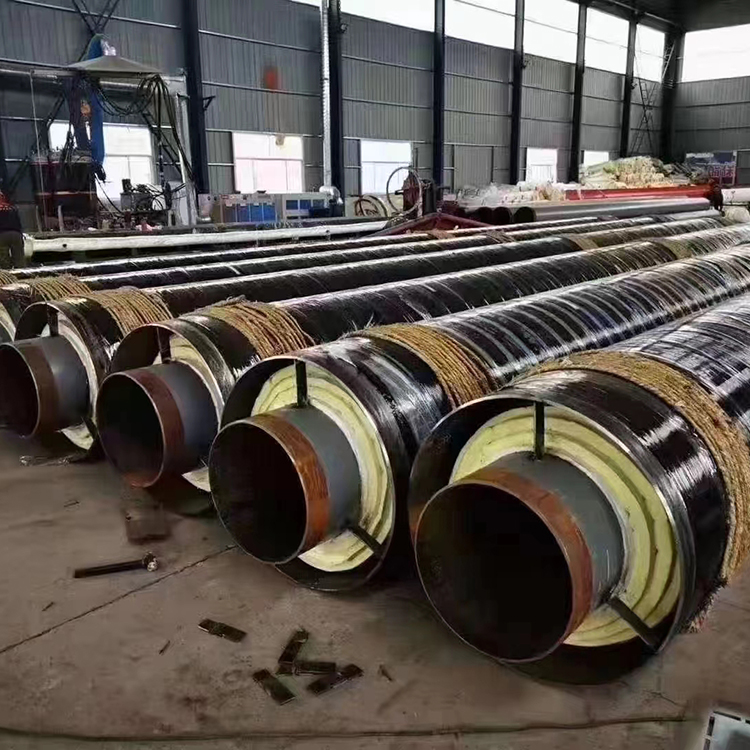
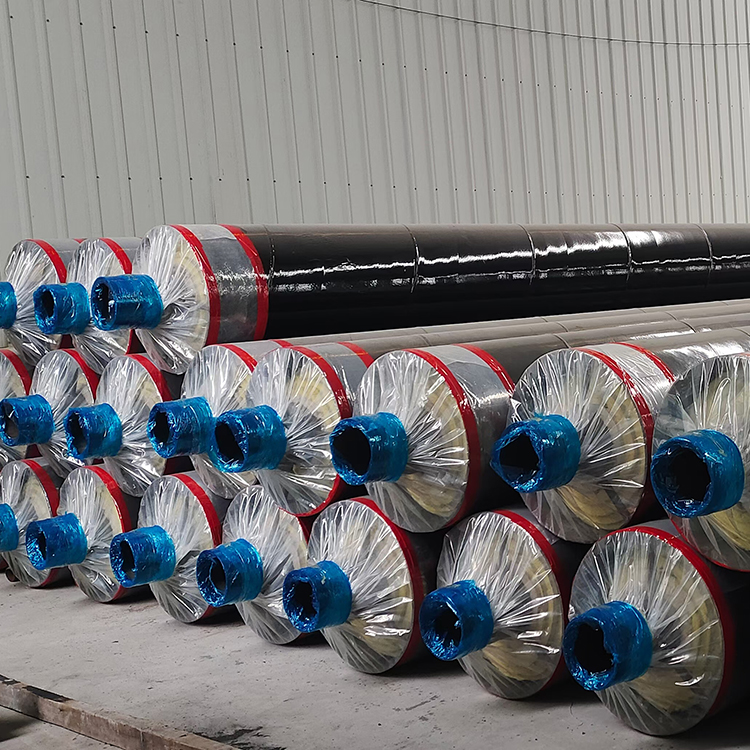
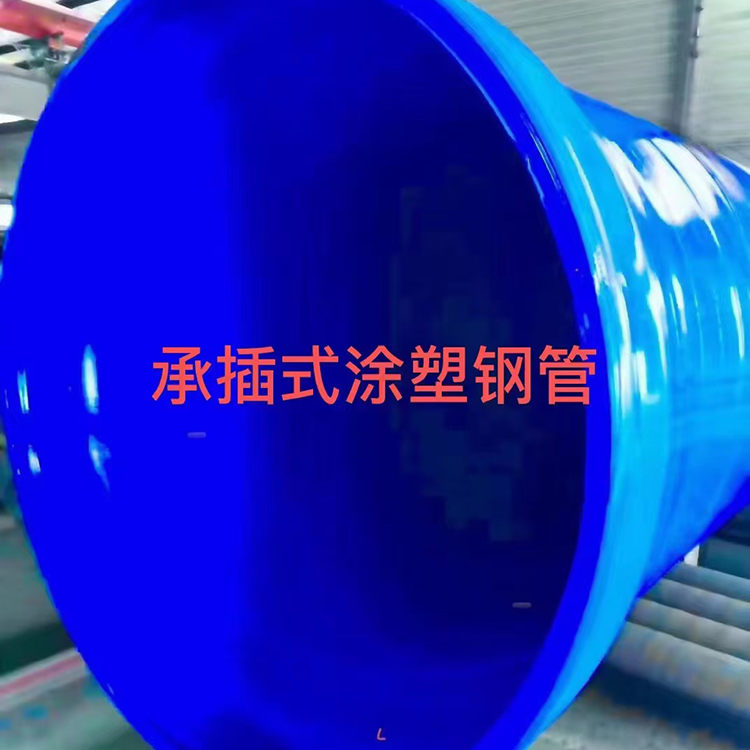
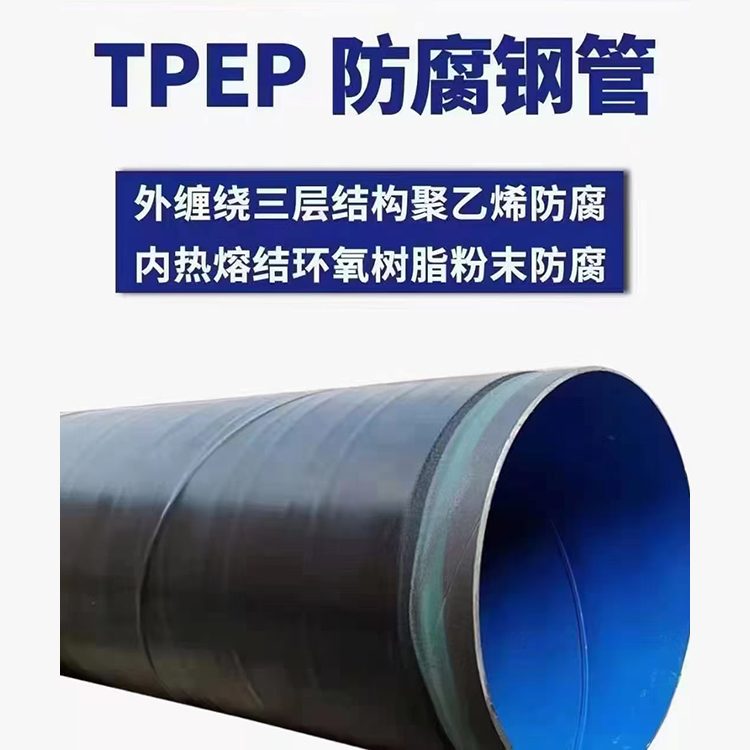
Internally and externally coated spiral steel pipes are a new type of pipeline material developed through years of research and testing. They are based on spiral steel pipes, coated with modified epoxy resin powder on both inner and outer walls. The coated layer has strong adhesion with steel, excellent corrosion resistance, and functions in reducing friction, preventing corrosion, withstanding pressure, and antimicrobial properties. It offers good chemical and water resistance and is generally not constrained by the transported medium, eliminating concerns about leakage, seepage, or cracking. It is widely used in fluid transmission for construction water supply, firefighting, petroleum, gas, chemicals, sewage treatment, mining, and agricultural irrigation, replacing traditional materials like cast iron and steel pipes that are energy-intensive, prone to rust and scaling, have short lifespans, and are heavy to transport. Technical parameters of internally and externally coated composite steel pipes: Coating Material: Epoxy resin Common Color: White Coating Thickness: 200um-500um Coating Method: External and internal spraying or external galvanized internal spraying Product Specifications: DN15-DN1200 Environmental Temperature: -30℃ to 80℃ Standard Pressure: 0.1Mpa-2.5Mpa (Note: Customization is available upon customer request for steel pipe material, wall thickness, dimensions, and pressure resistance) Connection Methods: Threaded, socket, sleeve, grooved, flanged, etc. Application Areas: Municipal, water supply and drainage, sewage, chemicals, thermal power, reclaimed water, etc. Characteristics of internally and externally coated steel pipes with epoxy resin: This composite steel pipe uses thermosetting melt epoxy resin powder to coat the surface of the steel pipe, resulting in a smooth and attractive finish with strong corrosion and water resistance. The smooth inner wall prevents microbial growth during use, reducing the resistance of the transmitted fluid.
Internal and external plastic-coated spiral steel pipes (such as epoxy resin coated pipes, polyethylene coated pipes, etc.) effectively prevent the destruction caused by plant roots and soil environmental stress from long-term underground burial. After surface frost protection treatment, they can be used in an environment as low as -30°C. Their service life is 1 to 2 times longer than that of similar products. Steel-plastic composite pipes (such as epoxy resin coated pipes, polyethylene coated pipes, etc.) - News on the application of internal and external plastic-coated steel pipes comes as the Ministry of Construction issued a notice banning the use of galvanized steel pipes as water supply pipes and promoting the application of new plastic pipe materials. There are many types of plastic water supply pipes on the market. Over the years, plastic pipes have shown some problems and shortcomings. Due to their high linear expansion coefficient, some soft plastic pipes are not suitable for indoor exposed installation, as they may deform due to thermal expansion and contraction, affecting aesthetics; their temperature and pressure resistance gradually decreases with the increase in the temperature of the transmitted medium and the length of service; plastic water supply pipes are not suitable for outdoor exposed installation as they are prone to UV radiation from sunlight, accelerating aging; some large-diameter plastic pipes are not suitable and economical due to their material consumption and difficulty in controlling connection quality. The application of steel-plastic composite pipes in the water supply field has outstanding advantages.