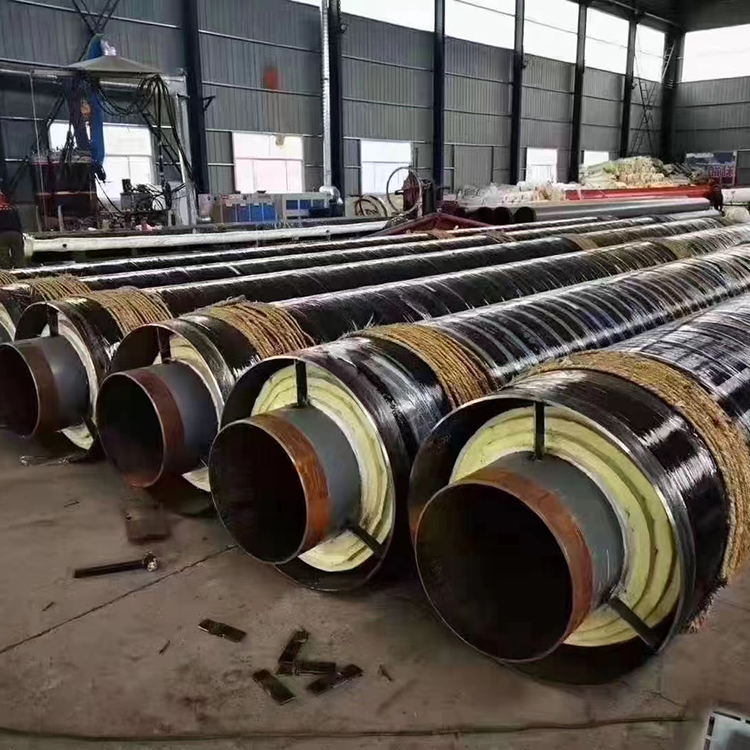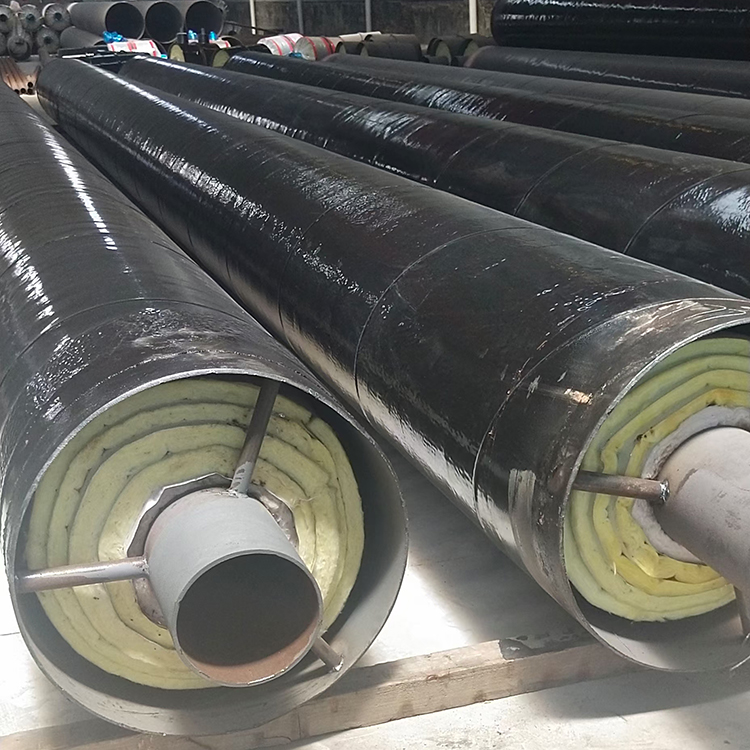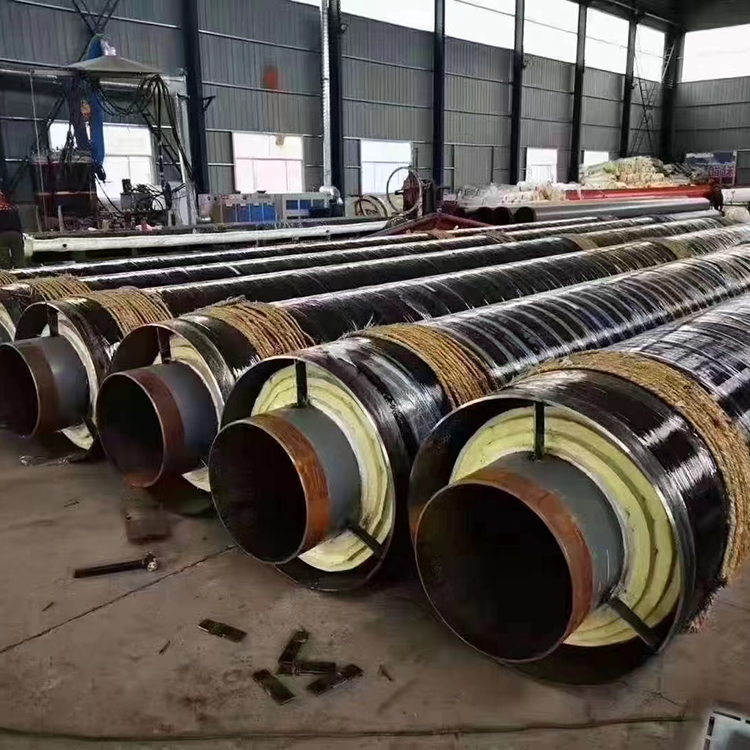

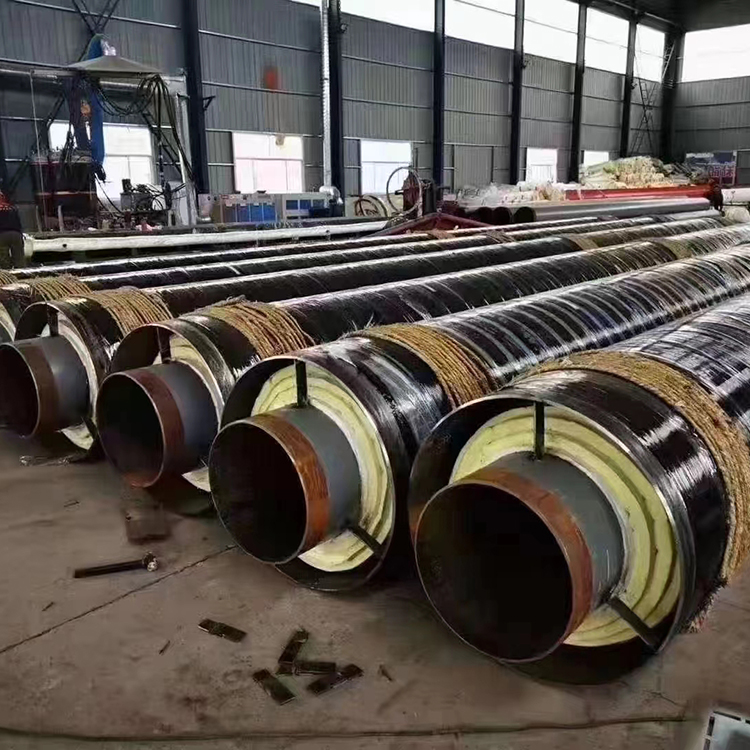

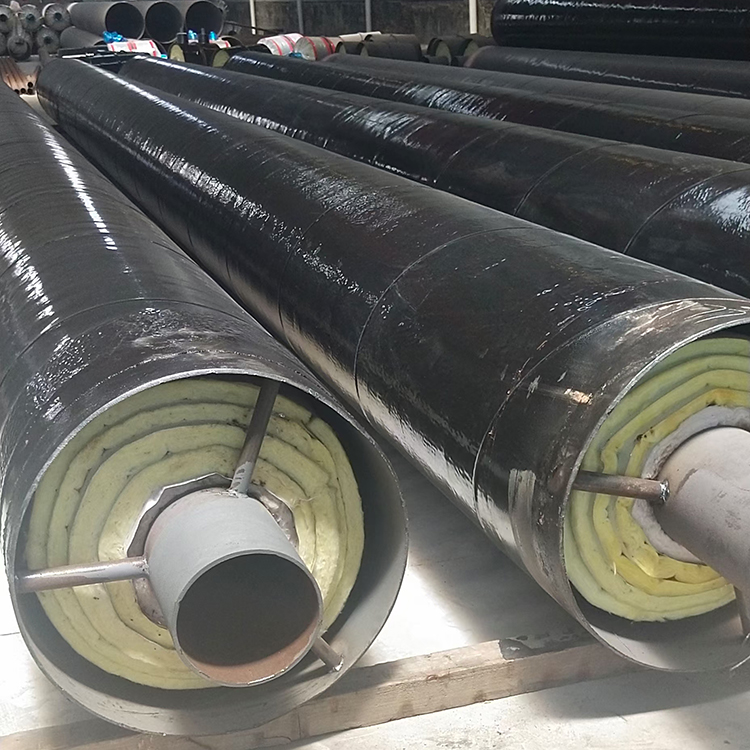












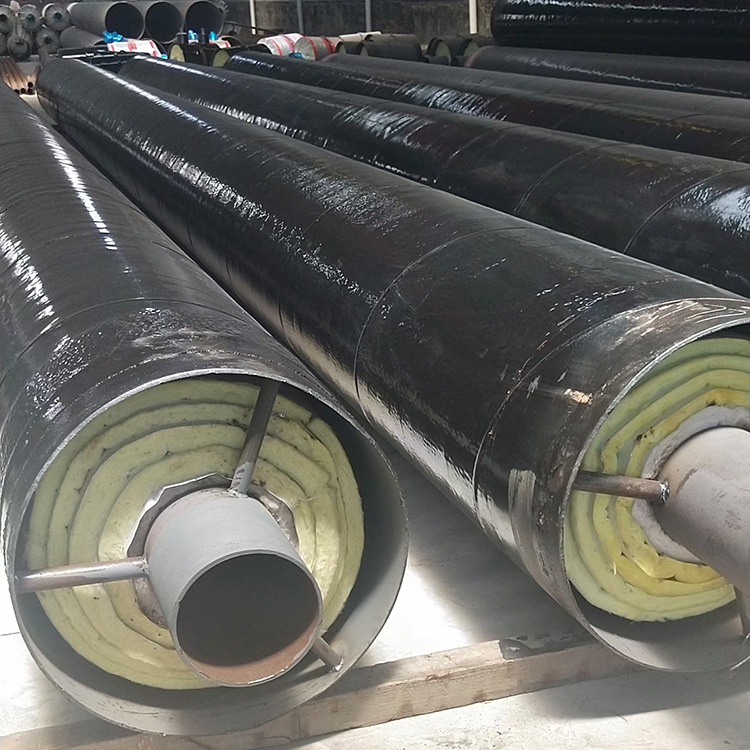
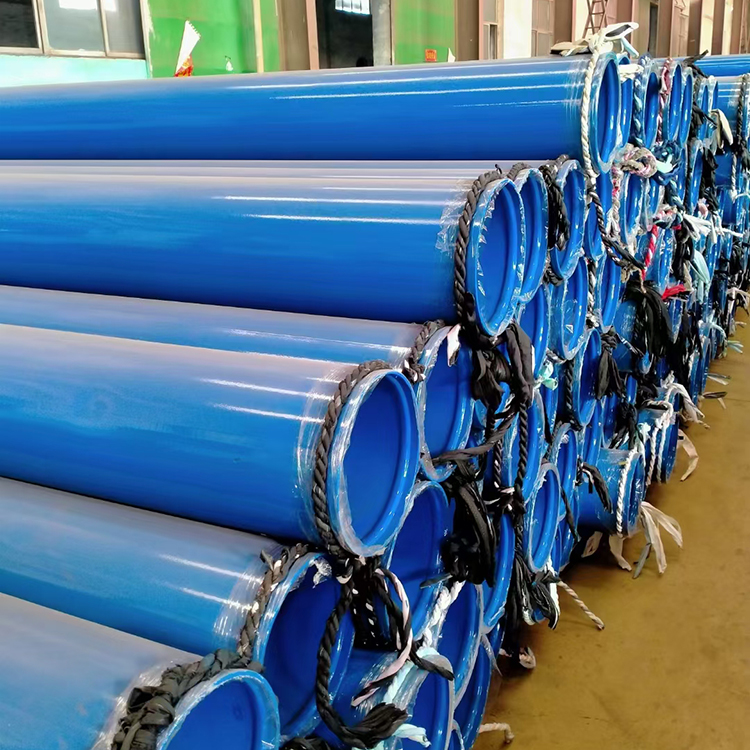

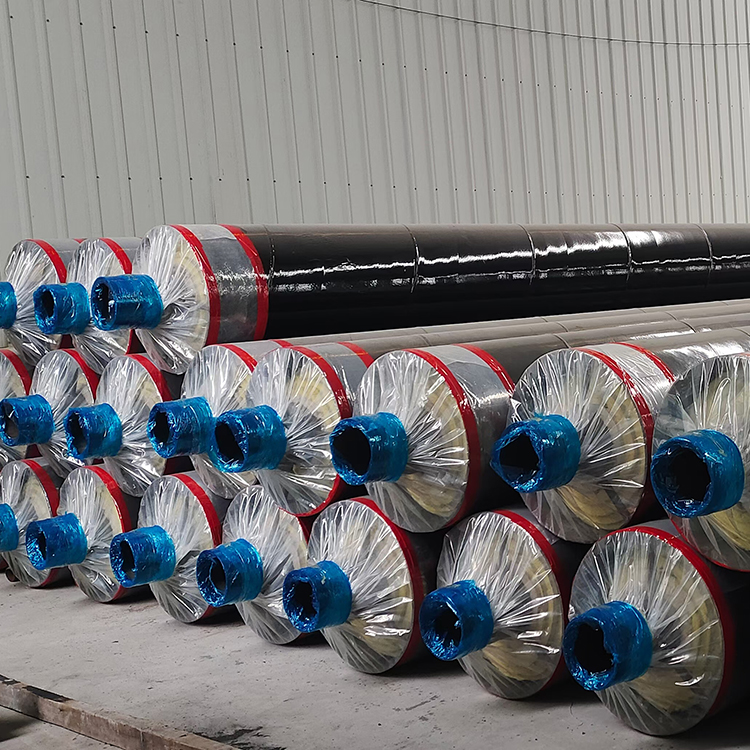
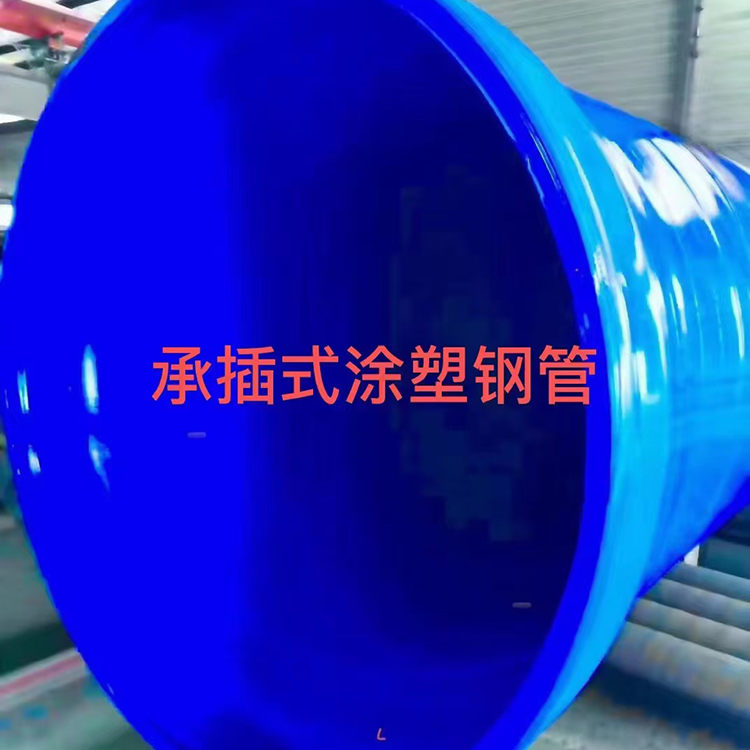
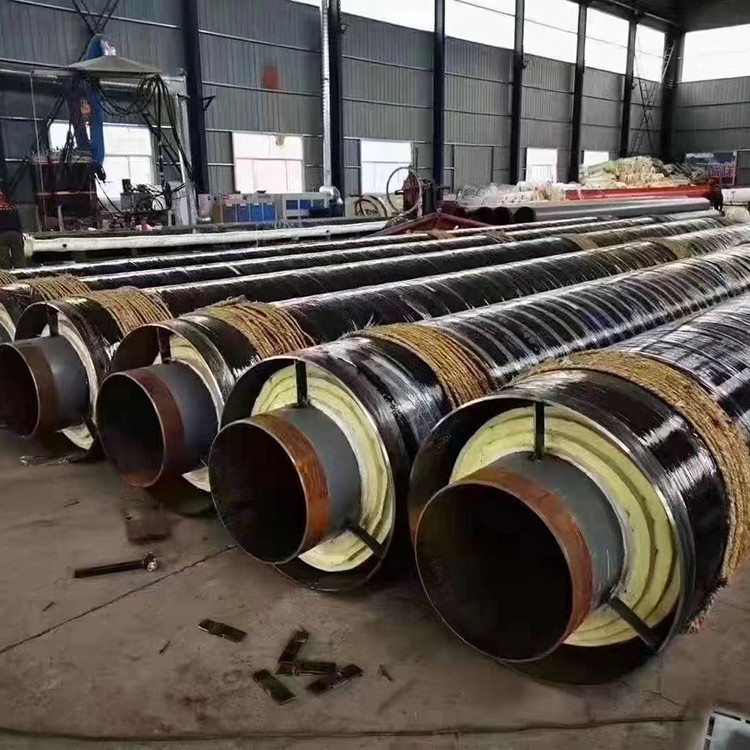
Steel-clad steel steam-insulated pipes have a wide range of market applications, growing with the vigorous development of urban centralized heating and combined heat and power generation. The technology for thermal pipelines has been widely adopted domestically. The buried laying method is favored for its excellent insulation effect, high energy-saving efficiency, minimal land use without affecting urban planning, ease of installation, short construction period, long service life, and low maintenance costs. Since its introduction, it has gained widespread popularity. The types of outer protective sleeves for buried steam-insulated pipes commonly used in China are "plastic-clad steel" and "steel-clad steel." The technical route for steel-clad steel burial involves replacing brick or concrete trenches with steel sleeves on the traditional trench laying basis. The sliding interface of the pipeline is between the pipeline support and the inner wall of the steel sleeve. Buried steam pipelines; buried; external fixation; internal fixation. In recent years, there have been many attempts to use buried steam pipelines in northern cities. When steam pipelines cross main urban roads or involve environmental beautification issues, the buried laying method can effectively address these problems. It has gained more widespread application due to its fast construction progress, good insulation performance, low construction cost, and material savings. As a new phenomenon, the construction department has not yet formulated formal standards for detailed regulations on buried steam pipelines.
Steel-clad steel-insulated pipe manufacturers offer direct-burial steam pipelines with several features. As a new material in the heating industry, direct-burial steam pipelines are gaining wider application due to their fast construction progress, excellent insulation performance, low construction cost, and material savings. Since there are no design specifications for high-temperature steam pipelines, the insulation structures and fixing methods vary among manufacturers. This article discusses several common features of direct-burial steam pipelines available in the market.