









SP- Penetrating Liquid Hardener
Product Code: SP-6305
Short construction period
2. Non-toxic and environmentally friendly, with excellent alkaline resistance and non-slip properties.
3. UV protection, dust-proof, and excellent sealing.
Enhanced surface hardness and wear resistance for reinforced concrete.
5. Strong anti-seepage, oil-resistant, chemical corrosion-resistant, extends the service life of concrete.
6. Polished to achieve a high level of luster, creating a mirror-like finish on the concrete surface.
7. Penetrates concrete more deeply and completely, able to penetrate through the cement surface to the matrix.
8. Mitigate the adverse reactions of concrete, prevent aging and cracking due to expansion.
9. Achieves A2 fire rating with VOC ≤ 30g/L, it is a green and environmentally friendly water-based inorganic floor product.
Product Introduction:
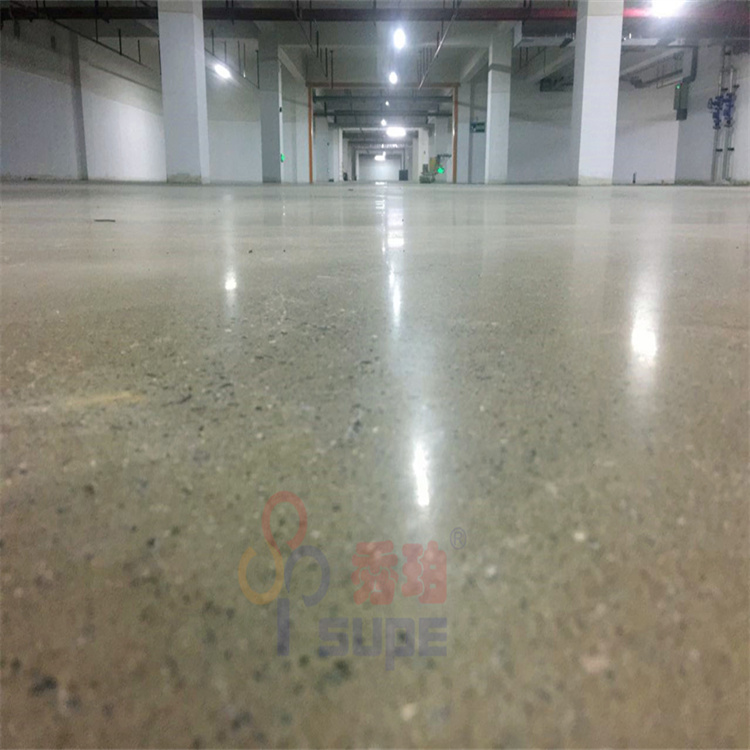
Penetrating liquid hardener is a colorless and transparent liquid that is easy to apply, non-toxic (VOC-free), non-flammable, highly penetrating, and capable of permanently sealing concrete. The Xiupu penetrating liquid hardener formula is primarily made from imported modified silicate raw materials, supplemented with wetting dispersants, catalysts, stabilizers, pH regulators, and surface-active additives. It is a high-penetrating, low alkaline concrete hardener that prevents concrete expansion and cracking caused by ASR (Alkali Silica Reaction). It is an active reactive type of active chemical copolymer that effectively penetrates the concrete to seal and harden, forming a permanent crystalline chemical reaction bond, continuously increasing the hardness and strength of the concrete. After multiple polishing, it achieves a solid-as-steel, dense and clean surface, and becomes even more lustrous with use.
Application Scope:
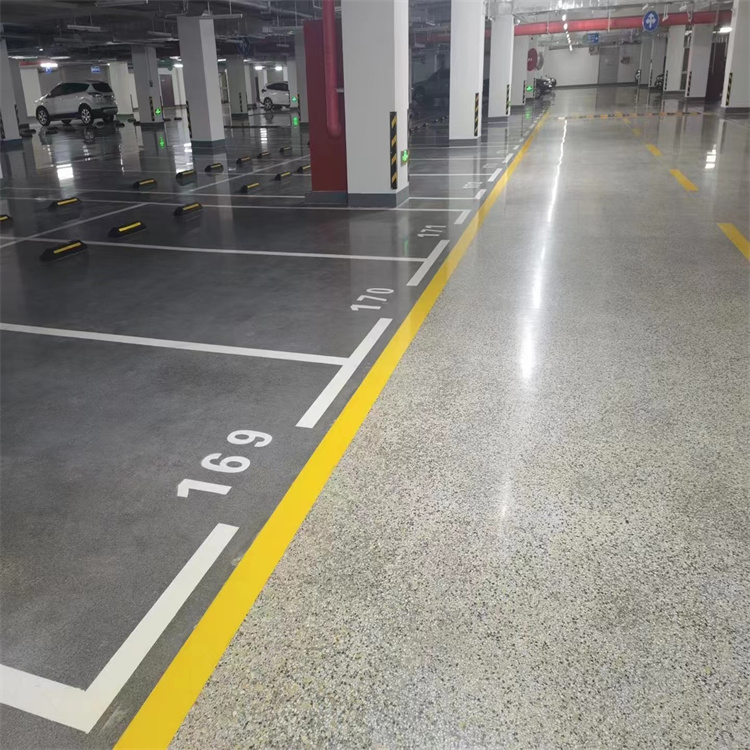
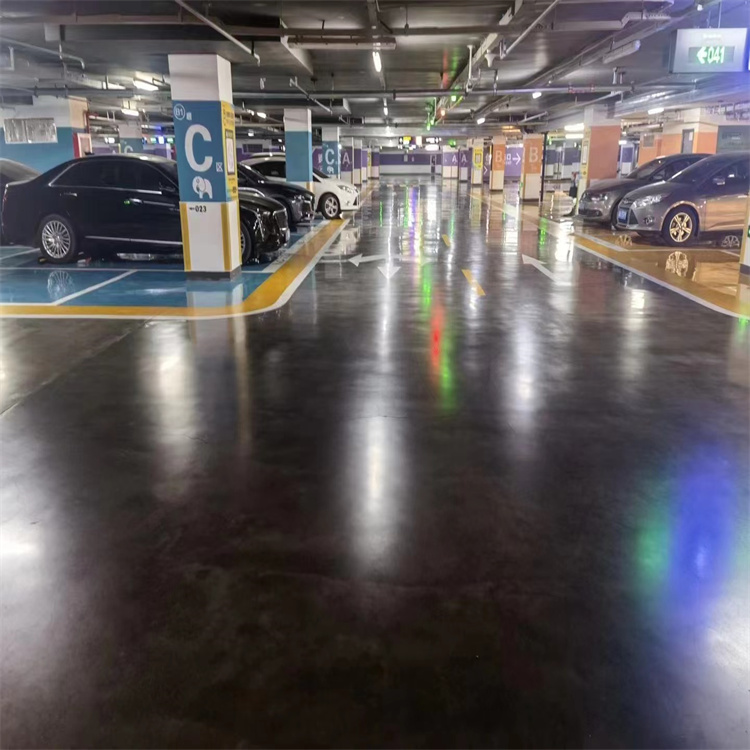
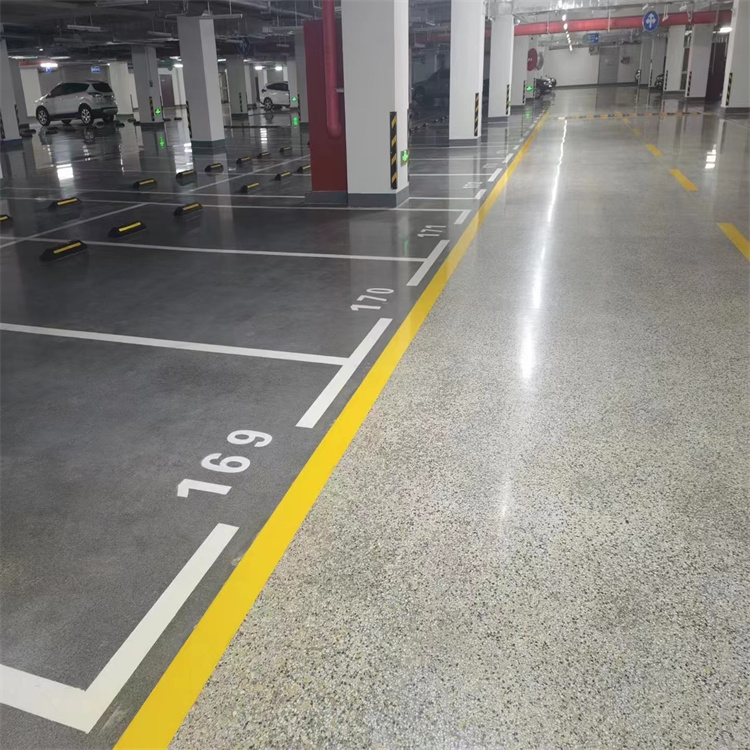
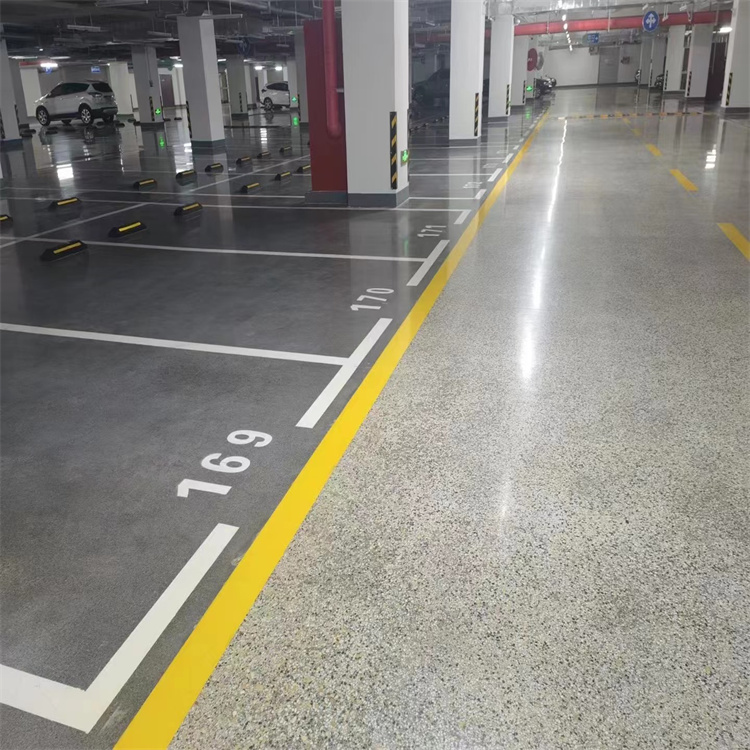
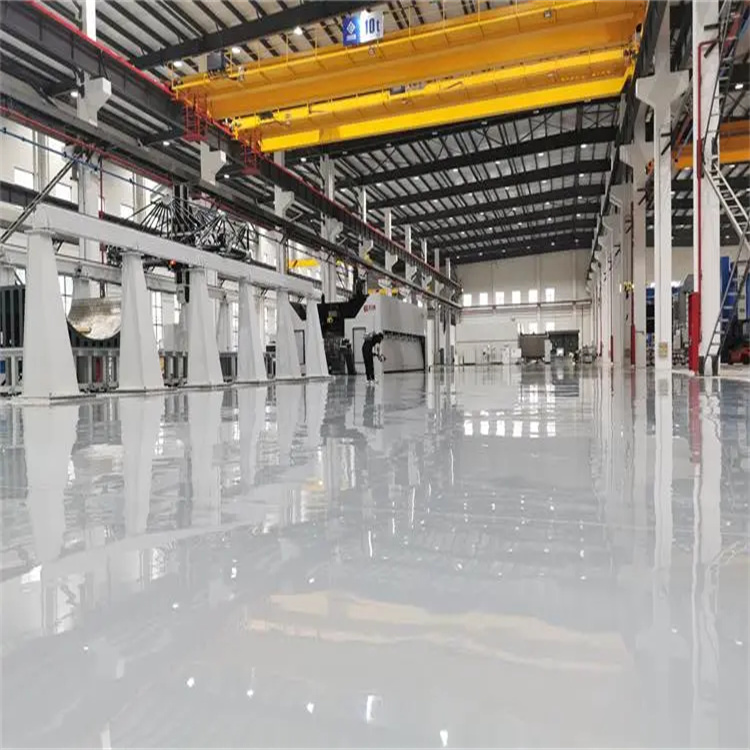
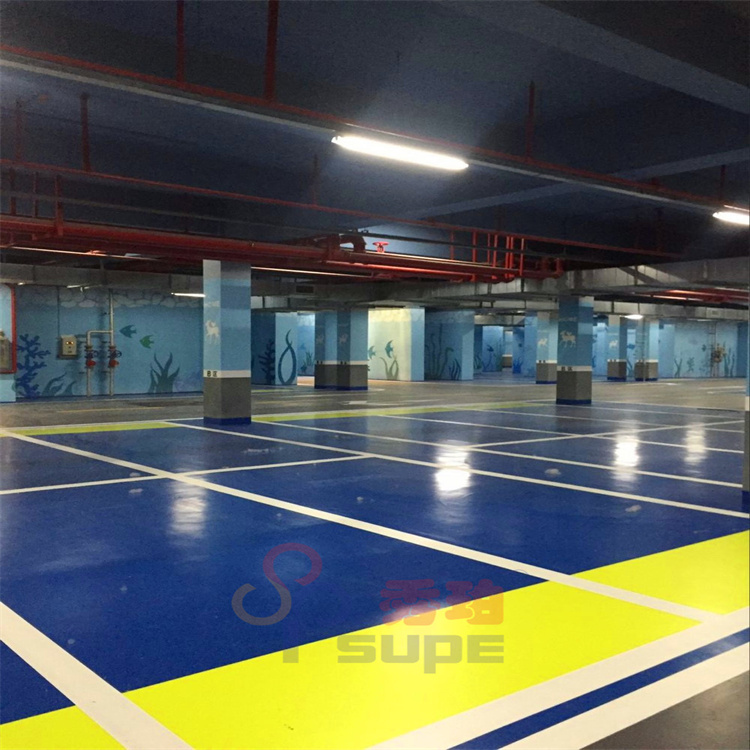
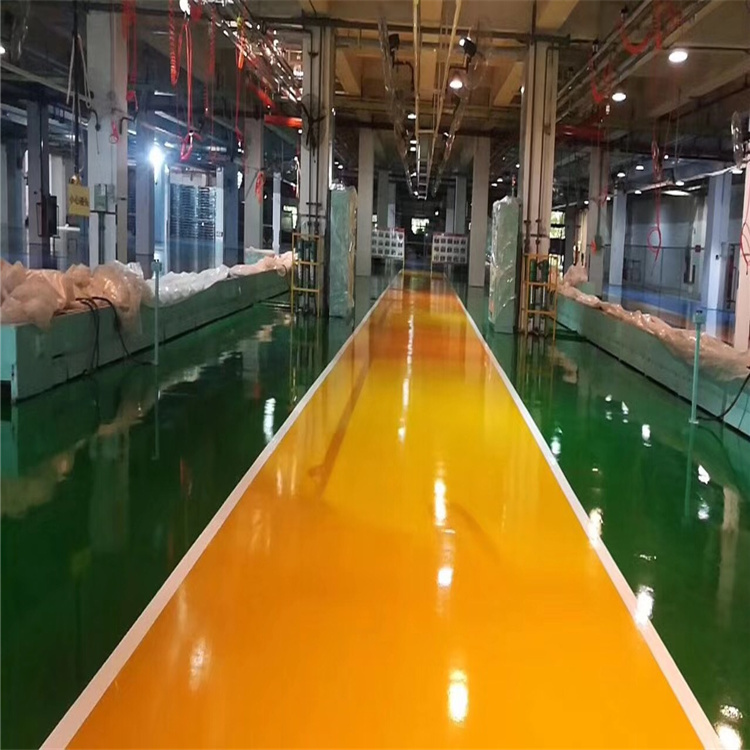
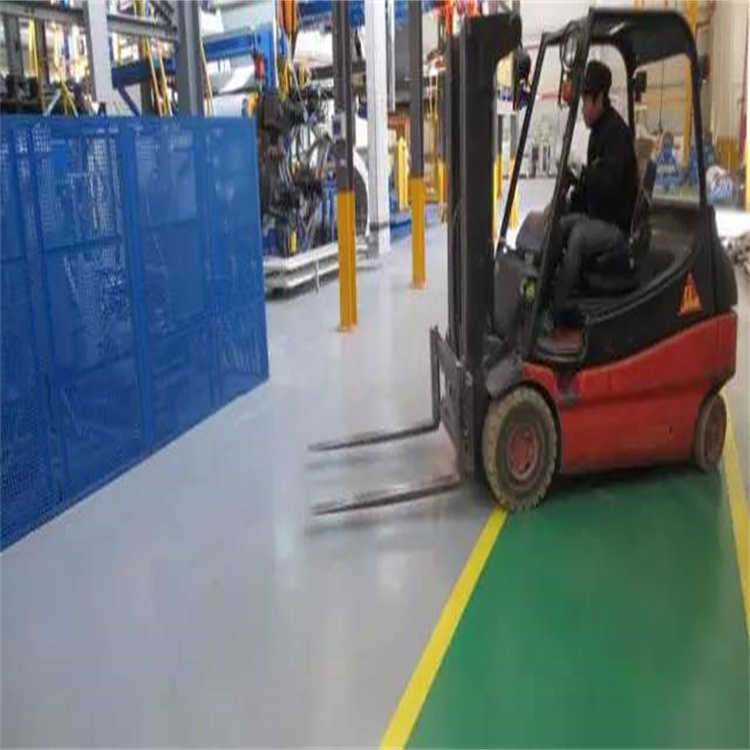
Penetrating liquid hardeners are primarily used for new and old concrete floors, concrete blocks, abrasion-resistant granular surfaces, mortars, terrazzo, and more, to extend the lifespan of the floor and enhance its wear resistance, impermeability, hardness, and luster. They can also be used for preparing the base surface for painted floors and epoxy coatings. (Widely applicable in mechanical, electronic, pharmaceutical, food processing workshops, large supermarkets, parking lots, sports centers, schools, hotels, residential areas, docks, and other facilities.)
● Main Technical Parameters: [Specific data see inspection report]
Item
Technical Specifications
Appearance
Colorless, transparent, uniform liquid
pH
≥11
24-hour surface absorbency
≤5mm
24-hour surface water absorption rate reduction
≥80%
Wear resistance ratio
≥140%
VOC
≤30g/L
Note: 1. The above technical specifications are measured under standard conditions (25°C, 60% humidity) for reference only.
2. The drying speed varies significantly under different temperatures and humidity levels, and is also affected by factors such as film thickness, ventilation conditions, and underlying coatings. Generally, as the temperature rises, the drying time decreases; conversely, as the temperature falls, the drying time increases.

● Installation Instructions:
Ensure environmental temperature during construction is between 4-40°C and avoid excessively humid conditions. Make sure the construction site is well-ventilated and dust-free, but avoid strong winds to prevent dust from affecting the appearance. Before construction, inspect the floor's flatness, strength, and defects to determine the specific construction plan based on the ground conditions. Conduct a small-scale (about 2 square meters) trial run of the plan before formal construction. Cover and protect non-construction buildings within the construction area prior to the start of work.
Theoretical Consumption: 0.2 kg/m² (single coat); (Consumption is for reference only, actual consumption in specific projects may vary due to ground conditions, environmental conditions, construction techniques, color, and other factors. Please refer to on-site measurements for assessment.)
Application Method: Spraying or directly pouring the material onto the ground.
Diluent: Dilution rate 0-10% (pure water, generally not recommended to dilute)
Tool Cleaning: Water
Construction Tools: Sprayers or watering cans, high-speed polishers, vacuum cleaners, slow-speed floor washers, ultra-fine fiber floor applicators, long-handled mops with pads, etc.
Drying Time: 1~4 hours (at 25°C, 60% humidity. Actual drying time may vary depending on the construction environment's temperature and humidity.)
Step:
Concrete crack and pothole repair - Open ground, level, coarse grind (wet grind) - Remove dust and debris from the ground - Apply or pour an infiltrative liquid hardener - Clean sprayer and other tools - Fine grind the ground - High-speed polishing - Curing.
1. Concrete crack repairs
When dealing with old concrete, if there are cracks or large holes, first preprocess the concrete with a hand grinder and vacuum cleaner. Clean the affected area, then fill the gaps with cement repair mortar, transparent epoxy mortar, or similar materials. Allow 7 days for curing. This step is not required for new concrete surfaces.
2. Open ground, level, coarse grind (wet grind)
Level and grind the floor with a floor planer first, followed by a grinding machine. Begin with a metal grinding head (50 grit, for uneven old concrete floors), then proceed with resin grinding disks. Grind from low to high grit (wet grinding), sequentially from 50 grit to 100 grit, then wet grind up to 300 grit. New concrete floors typically do not require a metal grinding head.
3. Remove dust and debris from the ground
After coarse grinding, remove dust and debris during the ground drying process.
4. Spraying or Pouring Penetrating Liquid Hardener
First, fill the penetrative liquid hardener into a sprayer and then apply it evenly (if certain areas absorb it quickly, apply a second coat), or pour the material directly onto the ground. The total amount used is 0.20kg/m2. Use a dust mop to spread the concrete sealant evenly, keeping the ground moist for over 30 minutes (the exact time depends on the current temperature), during which you can use a brush with appropriate stiffness or a dust mop to brush back and forth to aid absorption. If the hardener becomes too thick or even dry during this period, spray a small amount of misty water on the ground and use a brush or dust mop to push back and forth to dilute the excess hardener and promote further penetration. Ensure the material has penetrated for 2-4 hours before proceeding with subsequent construction.
5. Clean sprayers and other tools
After applying the penetrating liquid hardener, immediately rinse the sprayer and other tools with water.
6. Fine ground surface
Once the ground area is partially dried, use a professional polishing machine with a 500-grit resin grinding disc for 1-2 rounds of water polishing. Wash off the unpenetrated material with water to prevent crystallization on the surface of the material that has not fully penetrated.
Once the surface is completely dry, grind evenly and slowly with resin sandpapers (dry grinding) in the order of 500, 800, 1500, 2000, and 3000 grits according to brightness requirements. Sand each grit size twice to three times both vertically and horizontally.
7. High-speed polishing
After the surface is completely dry, use a high-speed polishing machine (with a polishing pad) to polish the surface at high speed.
8. Maintenance
It is recommended to frequently clean the newly paved surface with a weak alkaline cleaner or water in the first 1-3 months, as regular cleaning can accelerate the reaction process, leading to early completion of the sealing and hardening of the floor and the appearance of luster. It is best to avoid acidic cleaners and other substances from remaining on the surface. Oil stains and colored liquids should be wiped off promptly to prevent possible marking on the surface.
● Packaging Specifications:
Single-component, 5kg/bucket or 20kg/bucket