










Photo and Description DetailsProduct details
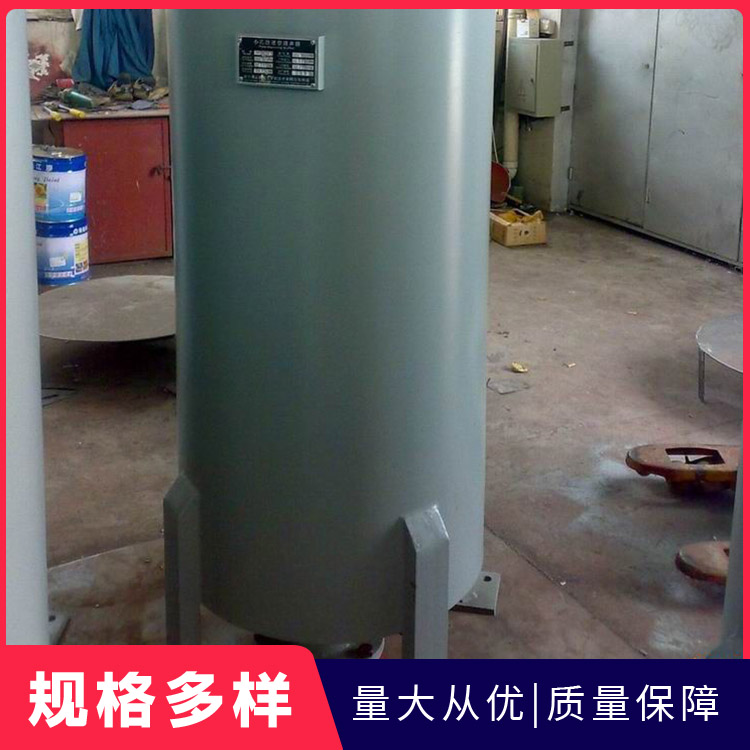
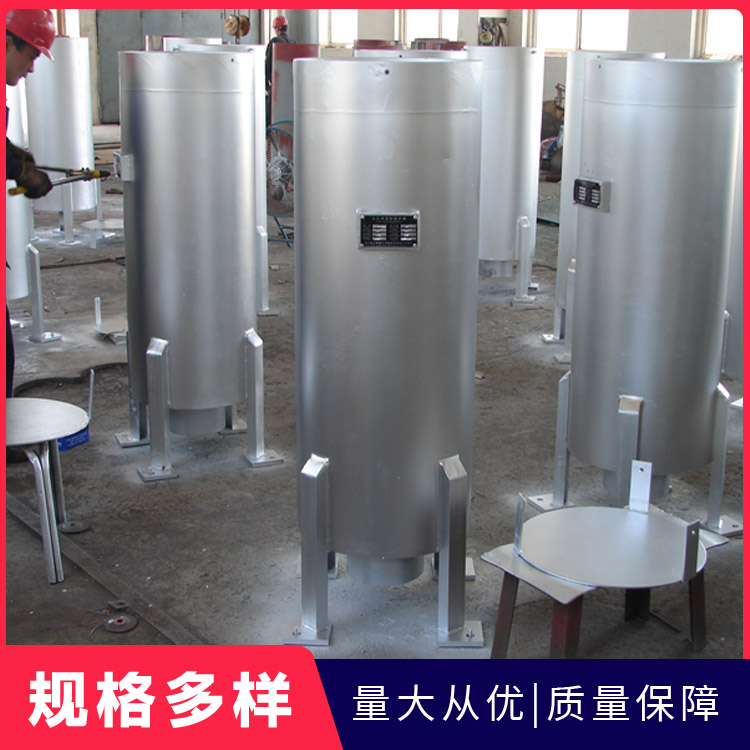
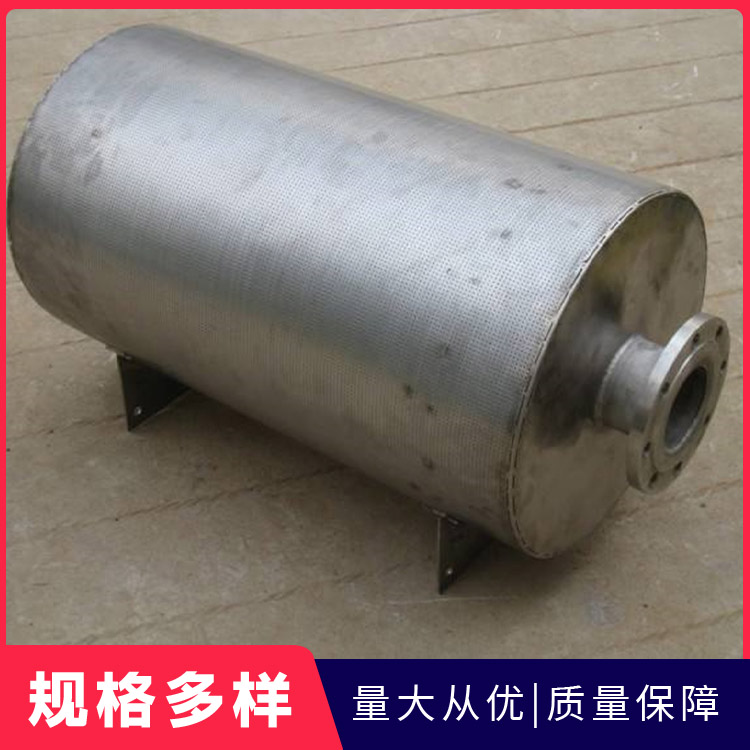
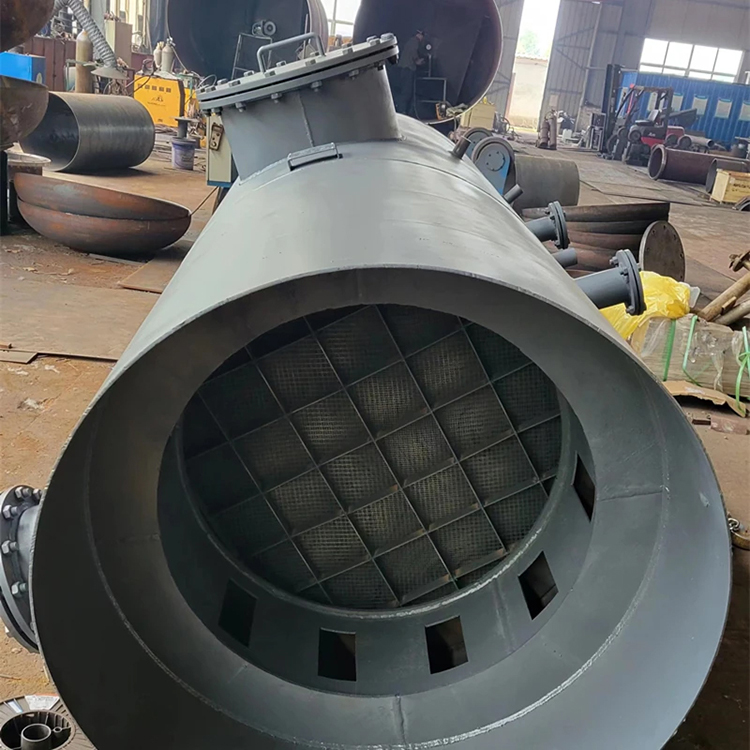
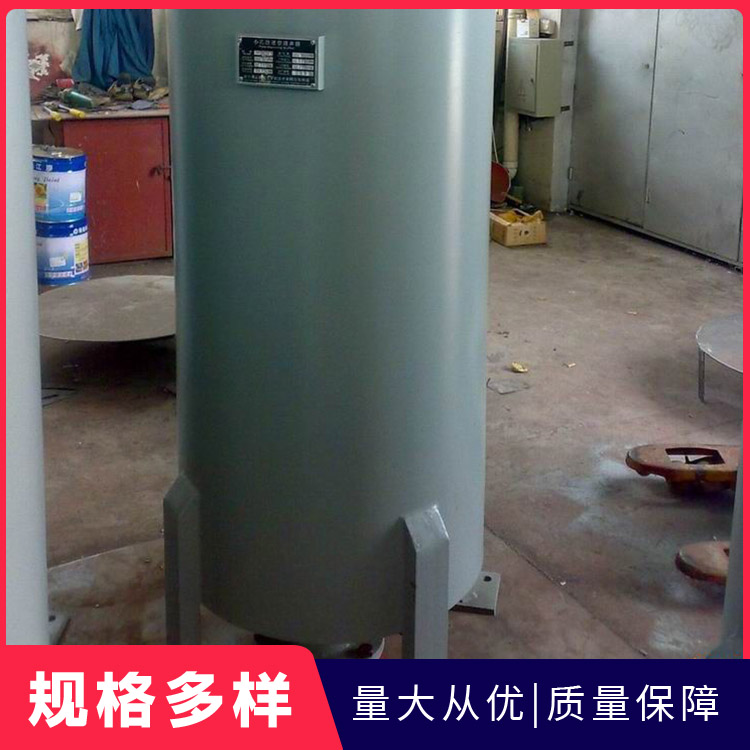
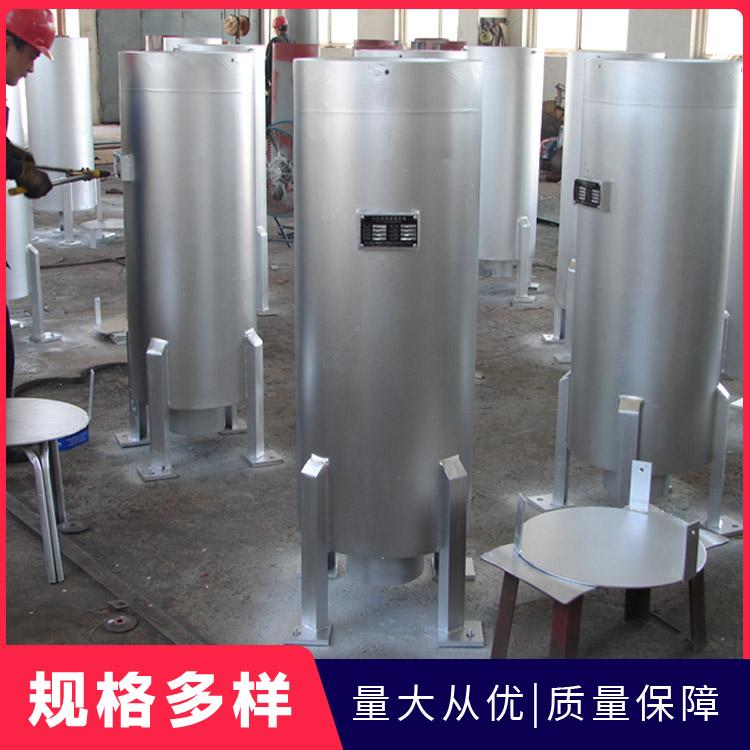
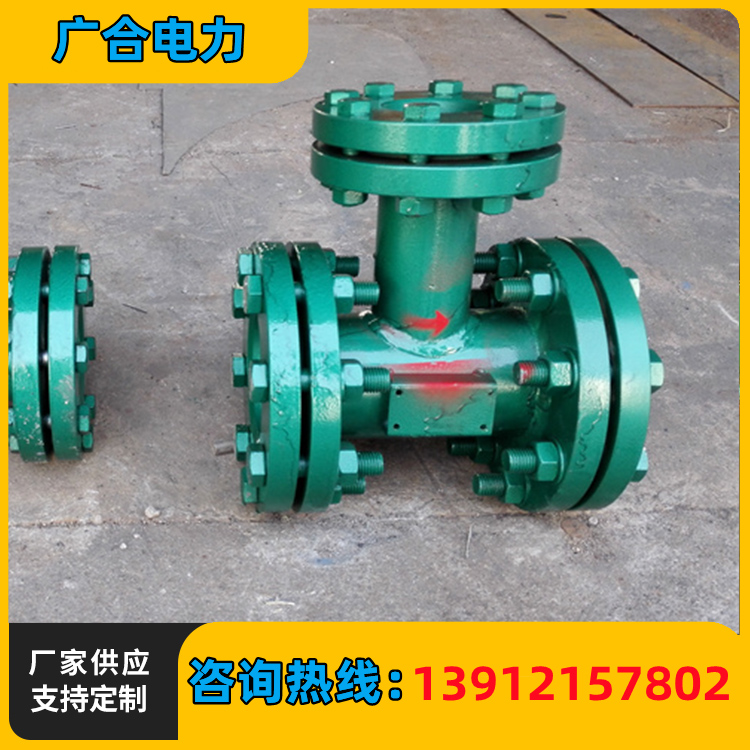
Two-phase steam-water separator
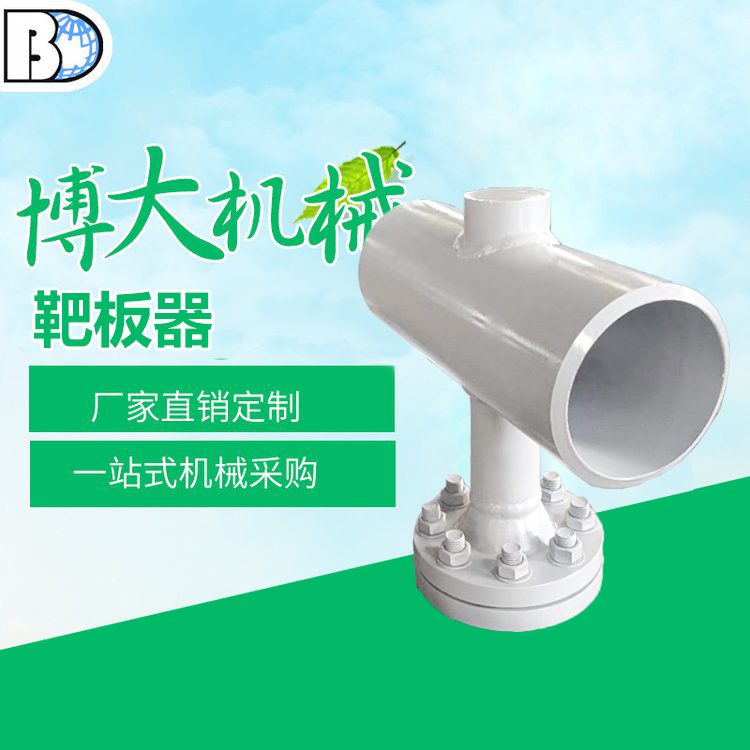
Two-phase Steam-Liquid Flow Regulator Overview
During the operation of a thermal power generating set, to enhance the efficiency of the steam system and ensure the safe and economic operation of steam equipment, it is essential to strive to improve the quality of the steam as much as possible. However, in actual steam systems, condensate and air (including other non-condensable gases) are often present, affecting the efficiency and safety of the steam system. We should endeavor to frequently and promptly remove condensate and air from the steam (including other non-condensable gases), tap into the potential of the existing equipment, and achieve the goal of energy conservation and efficiency improvement. In this aspect, there is a significant gap between domestic and international practices. For example, each generating set imported from Japan's Mitsubishi and Hitachi companies has over 200 steam automatic drain valves. European, American, and Russian generating sets also have a substantial number of drain valves. In contrast, domestic similar generating sets are almost impossible to find a single drain valve. In some areas with a high amount of condensate, cutoff valves are used for draining, and it is stipulated that manual operation of the valve's opening and closing be carried out at certain time intervals. Due to the inability to determine the specific condition of the condensate, it usually results in either the accumulation of condensate or waste of steam. Why is the discrepancy so great? This is related to Japan's lack of energy resources. Taking the thermal power generating set in Japan as an example and comparing it with domestic sets, we find two main reasons:
1.1 Related to the country's energy policy and philosophy
Our previous notion was one of "vast territory and abundant resources," but in recent years, while we are reversing this perspective, people have gained new insights into energy conservation. However, thermal power plants have long focused solely on safe production, neglecting economic operation, leading to insufficient emphasis on energy conservation efforts, with devices like steam traps often being overlooked. Due to Japan's lack of energy resources, the sense of energy crisis has prompted Japan to place a high priority on energy conservation and efficiency across all sectors. Steam traps are a type of energy-saving product, and their application in steam systems is widespread and numerous (for example, at the Sanhe Power Plant in Hebei Province, two Mitsubishi 300MW units installed nearly five hundred steam traps). There are specific incentive policies for the application of energy-saving products like steam traps, and the sense of energy crisis has driven Japan to prioritize energy conservation and efficiency efforts in all fields.
1.2 Inadequate Understanding of the Performance of the Drainage Valve
We've found that some power plants have removed many drain valves and sealed off the drain pipe openings due to leaks in the valves affecting their output. A significant number of people in China believe that "the more drain valves installed, the more leak points there will be." Consequently, some power plants prefer to use stop valves or ball valves instead of drain valves, mockingly calling the automatic drain valves "automatic water leakers," which is why automatic drain valves are less commonly used in domestic power units.
Two-phase steam-water separator
The ZTQ series of steam-liquid two-phase flow drain valves are a new generation of products independently developed by our company, which have achieved significant breakthroughs in the realization of basic principles. The unique design of the phase change tube (signal tube) directly connected to the main body and the dual-throat structure have resolved issues such as poor level control accuracy and inaccurate signals in early products. Additionally, they have reduced steam volume adjustments, weakened erosion and vibration in the downstream pipeline, and particularly show more pronounced effects in units of 300MW and above, including 600MW and beyond.
The automatic liquid level regulation system is primarily composed of a regulator and a phase change tube. The regulator's signal port is directly connected to the controlled container via the phase change tube. The sampling of the automatic liquid level regulation system's signals is conducted directly within the controlled container.
The regulator consists of a gas chamber and a valve core, which features a gradual expansion structure. This segmented dual-throat unique design allows for more accurate signal collection, higher control sensitivity, and significantly wider adjustment range.
Two-phase steam-liquid trap working principle
The two-phase steam and liquid flow traps are obstructed by the specially designed front valve core, entering the valve cavity. The liquid level inside the container slowly rises to the interface of the phase change pipe, where the phase change pipe transitions from a steam signal to a liquid signal. At this point, the front trap and the liquid phase pipe trap mix together, flowing towards the specially designed rear throat (the rear valve core controls the expansion end). As the throat area is set to remain constant, when the liquid level rises to the required normal level, the trap discharge volume increases; when the liquid level drops, the steam volume signal increases, entering the regulator. This reduces the effective flow area of the throat trap, decreasing the trap discharge volume, thereby controlling the water level. The amount of steam in the regulator determines the trap discharge volume, while the steam volume adjustment is determined by the liquid level in the heater, collected through the phase change pipe (signal pipe), to achieve the purpose of regulating the water level.
Two-phase Flow Desuperheater Technical Characteristics
Two-phase flow desuperheaters have different structures:
The original similar product features an integral valve core. The ZTQ (type steam-liquid two-phase flow trap uses a segmented valve core, thereby changing the steam intake method from a small hole arrangement to a ring-type intake, significantly improving the regulating characteristics.
The original similar products adjust the steam pipe valve core internally using steam signals. During the high-load section of the steam-liquid two-phase flow trap, it employs liquid signals, while during low load, it uses steam signals. This thus reduces the adjusted steam volume, diminishing the cavitation and vibration in the downstream pipeline.
Type steam-liquid two-phase flow trap control
The original similar products collect steam signals from the signal tube, which enter the regulator through small holes. This process involves many steps and high resistance, leading to inaccurate steam signals and delayed signals, thereby affecting the regulator's control accuracy.
The steam-liquid two-phase flow desuperheater collects directly within the controlled vessel (without a signal cylinder), where the vapor and liquid phases are fully mixed in the mixing chamber. This reduces the time to achieve thermal and pressure equilibrium, resulting in accurate signals.
Two-phase flow desuperheaters are adaptable to a wider range of operating conditions.
At full load and high flow rates, both the existing similar products and the HY-K8 type gas-liquid two-phase flow trap can meet production requirements. At low load and low flow rates, the drainage pressure and air pressure inside the regulator of the existing similar products are almost balanced. Due to the presence of small steam holes, the steam pressure is attenuated, resulting in the steam pressure inside the valve core being slightly lower than the drainage pressure. The steam signal is weakened, thus reducing the drainage resistance and impairing the regulating performance.
The two-phase steam-water separator maintains accurate steam signals and stronger steam drainage resistance at low loads due to its structural changes, with a ring-type steam intake that is unaffected by steam pressure. The steam pressure entering the regulator is higher than the drainage pressure, ensuring excellent regulating performance. Moreover, it exhibits smaller and more stable liquid level fluctuations.
Remove the signal bell and replace it with a direct signal pipe to collect steam signals; installation is simpler, and the on-site pipeline layout is more concise.
The HY-K8 type steam-liquid two-phase flow trap has been expanded in its application range, making it more suitable for unstable conditions such as shaft seal heaters, connected expansion vessels, and for equipment with low flow and pressure, such as in petrochemical and metallurgical enterprises.
Two-phase flow desuperheater technical device composition
i. Phase Change Tube (Signal Tube): It is used to collect vapor and liquid phase signals based on the level of liquid.
ii. Self-regulating level controller: The primary equipment for controlling liquid levels.
iii. Bypass Valve: A gate valve designed to correct errors caused by inaccurate parameter provision.
IV. Inlet Valve: Gate valve.
Thermal-hydraulic Two-phase Flow Regulator ⅴ. Steam Valve: Gate valve.
Heater
ⅶ. Short Connector
Features of steam-liquid two-phase flow trap:
i. Strong self-regulating capacity for liquid level
Adjustment capability, suitable for peak load units and equipment with significant operating conditions changes, water level fluctuations controlled within ±50mm of the normal water level.
ii High reliability, maintenance-free:
No mechanical moving parts, no pneumatic or electrical control systems, with advanced design principles, high reliability, and a standout feature of being maintenance-free.
III. Leak-free, high safety:
This device features a fully enclosed structure with no moving leakage points. It undergoes strict pressure testing and flaw detection inspections in accordance with national standards before shipment.
iv. Longevity:
The core is made of stainless steel material, capable of meeting the long-term operation requirements of the equipment, with a designed lifespan of 10 years.
v. Mitigate cavitation phenomena:
The level control is stable, significantly alleviating the phenomenon of cavitation and vibration within the pipeline.
ⅵ Easy to Install:
This unit does not require an electrical control system, simplifying the system and making it easy for on-site installation.
ⅶ Versatile applicability:
Varying process conditions and high flow rates make this range of heat exchangers and expansion equipment suitable for a wide array of applications.Proper Selection of Two-Phase Steam-Water Separator When selecting a trap, do not simply choose based on high discharge capacity. Pay special attention to: "It is strictly forbidden to use a trap solely based on pipe diameter." Instead, it must be selected according to the trap selection principles and the specific conditions of the condensate system. Generally, the following three aspects should be considered. Firstly, select the type of trap based on the heating equipment and the requirements for draining condensate. For heating equipment that requires rapid heating and strict control over heating temperature, it is necessary to prevent condensate from accumulating in the equipment. As soon as water is present, it should be drained, so a mechanical trap capable of discharging saturated water should be chosen. This type of trap, which drains water as soon as it appears, can promptly eliminate the adverse effects caused by water accumulation in the equipment, and quickly increase and ensure the required heating efficiency. For heating equipment with a large heating surface but less strict requirements for heating speed and temperature control, condensate accumulation can be permitted, such as in steam heating traps and process heating pipeline traps. In such cases, a thermostatic trap should be used. For medium and low-pressure steam transmission pipelines, the condensate generated in the pipes must be drained quickly and completely to prevent water hammer accidents. An increase in water content in the steam lowers its temperature, which may not meet the process requirements of steam-using equipment. Therefore, mechanical traps should be selected for medium and low-pressure steam transmission pipelines.
In recent years, the operation and management levels of domestic thermal power plants have been continuously improving, but there is still a certain gap compared to advanced foreign countries, especially in terms of energy conservation. Steam is the main carrier of functional transmission in thermal power plants. How to enhance steam quality and improve steam thermal efficiency is an effective way for "innovation and tapping potential" and "energy conservation and efficiency improvement." Steam automatic drain valves are indispensable for the steam system. Therefore, gaining a deeper understanding of drain valves, selecting and applying them correctly, holds significant practical importance for both technicians and managers.
Although installing TLV valves requires significant investment in existing unit retrofits, new construction, or expansion projects, statistics from overseas sources indicate that the energy-saving benefits typically recoup the cost of the traps within six months. Therefore, it can be said that installing traps in steam systems is actually a high-yield investment.
In industries such as petrochemical, chemical, textile, light industry, and electricity, steam is extensively used. Issues like promptly removing condensate from the steam system, reducing steam leaks, and improving the thermal efficiency of steam-using equipment have garnered widespread attention. The steam trap is the primary device for addressing these problems. Also known as a drain valve or an automatic drain discharger, the steam trap is a device used in steam heating equipment or steam transmission pipelines, serving to automatically block steam and drain water. Two-phase flow steam trap.