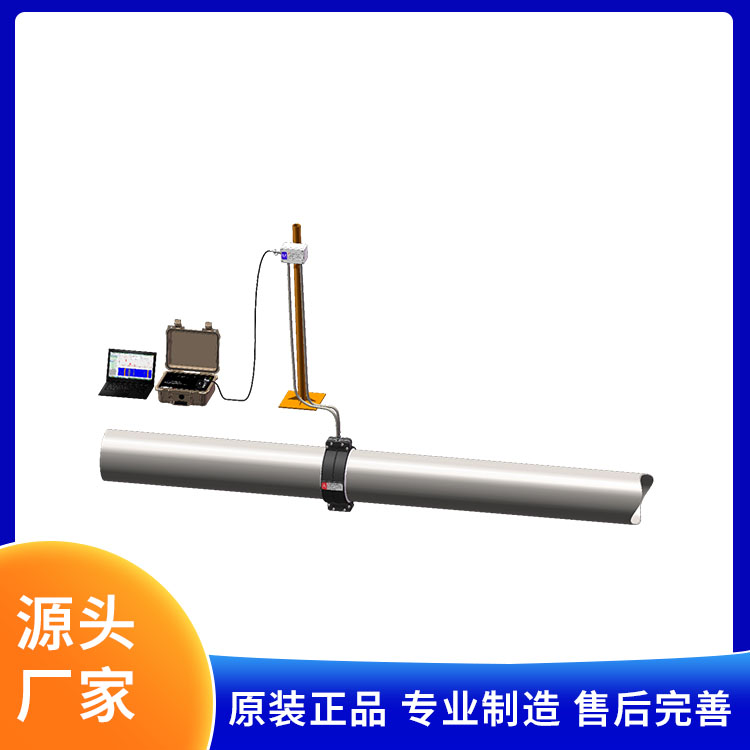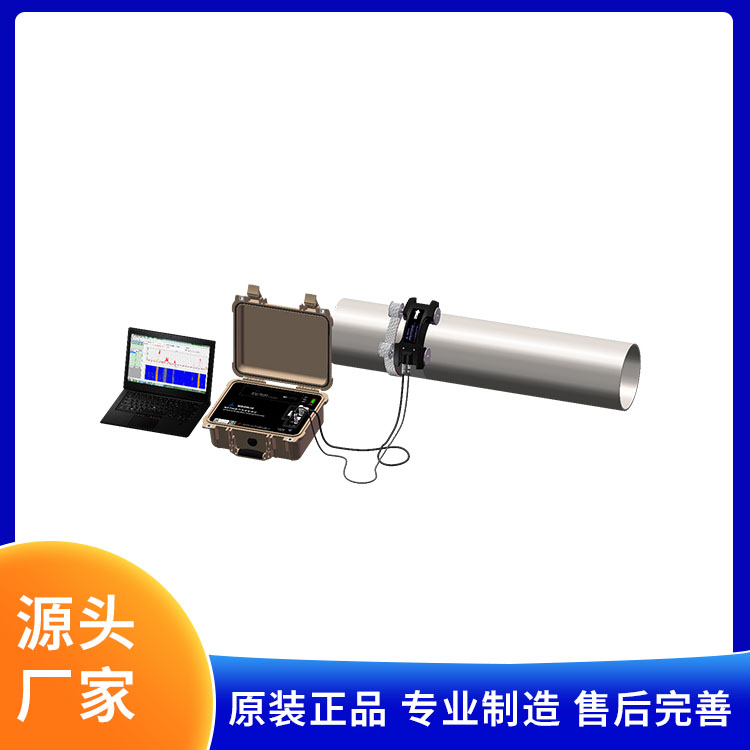


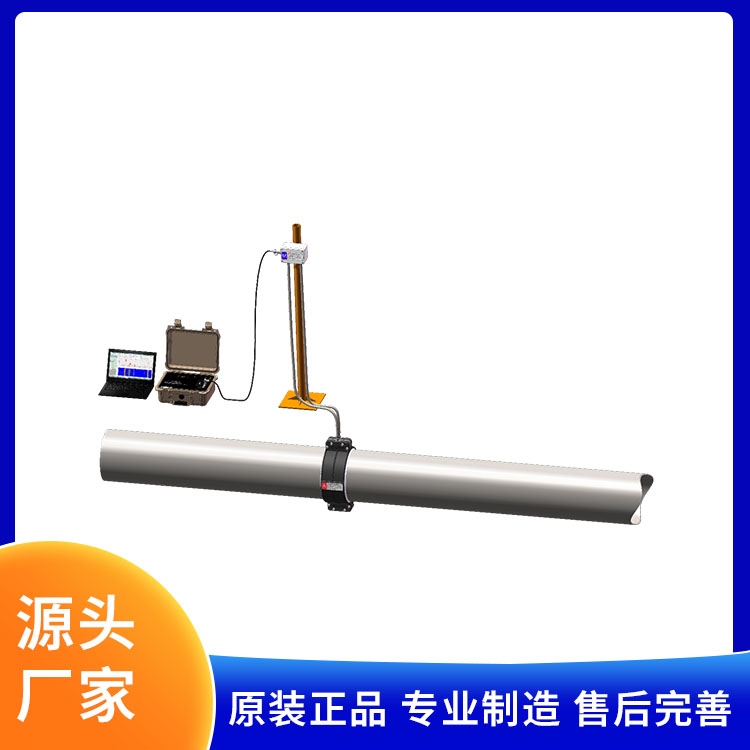
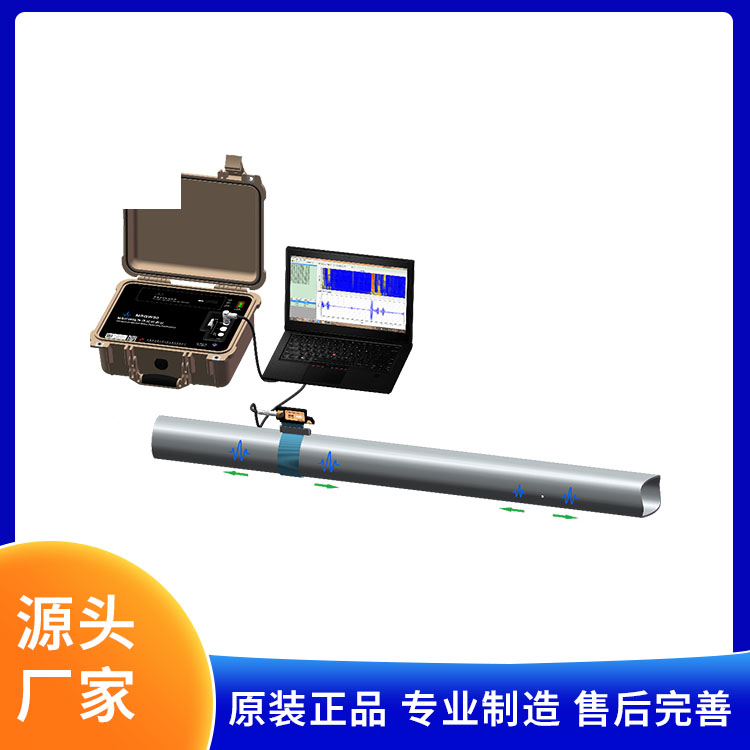







The 90-degree design of the right-angle surface probe allows for detection in hard-to-reach areas. The right-angle probe is part of the removable stainless steel shaft surface probe series, with a smaller coil and housing diameter, specifically designed for higher frequency detection. They are commonly used to detect surface cracks and fissures.

Advantages and Features
Extremely suitable for detecting minute defects.
Accessible to probes that cannot reach standard areas.
The curved portion at the head aids in inspecting the area surrounding the fastener.
Can utilize PowerlInk technology.
A variety of shaft and bend sizes are available for selection.
We offer bridge or reflective configurations.
Applicable
Inspect aircraft rivets through paint layers.
We can inspect aircraft structures, components, and engines.
Stress corrosion cracks in stainless and carbon steel materials are detected through the paint layer.
Surface crack detection for manufacturing and transportation equipment.
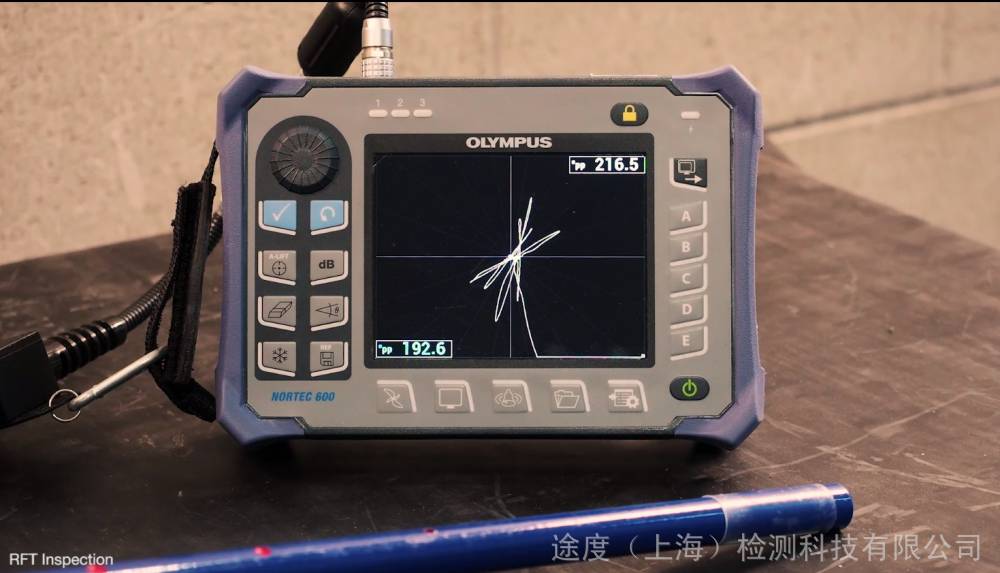
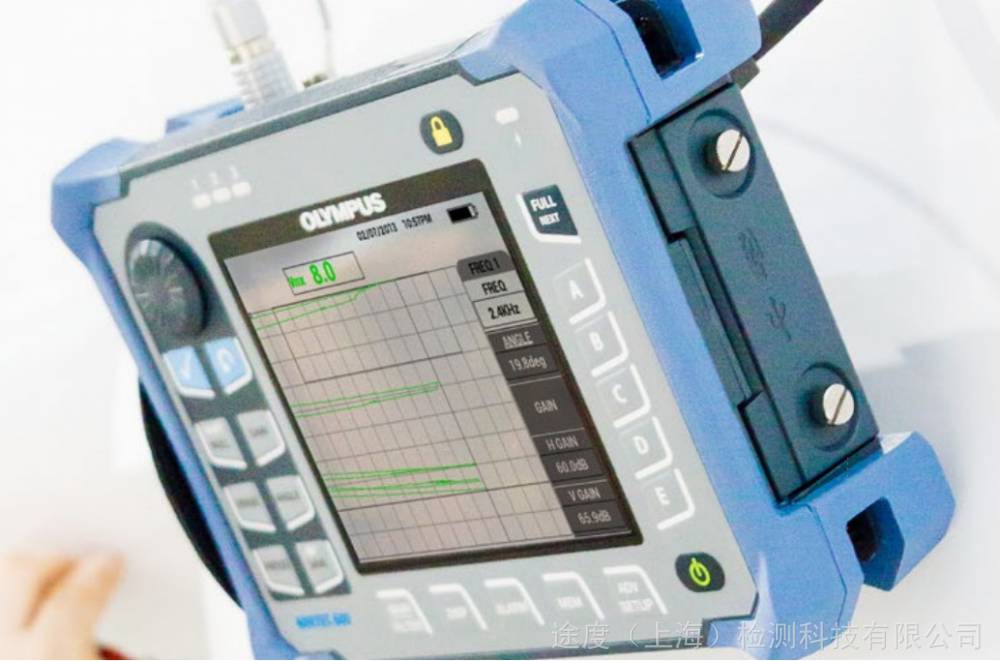
These probes are compatible with the NORTEC 600.
The lightweight NORTEC 600 series eddy current flaw detector is feature-rich, including automatic internal coil balancing and a VGA output connector. Various model analyzers also include features such as conductivity and coating thickness measurement, compatibility with rotating scanners, and dual-frequency operation.
Bridge Probe
When using tri-axis (Fischer*) or PowerlWhen connecting the ink connector, the internal reference coil ensures a match with the detection coil.
Shielded coils achieve higher resolution.
Cracks detected in all directions.
Widely used probe types globally.
High-value options.
As shown, the Olympus bridge probe offers a clear strong signal.

All brands are trademarks or registered trademarks of their respective owners or third-party entities.
Reflective probe -- also known as a transmit-receive probe or drive-pickup probe
Provide a response similar to that of a bridge probe.
We offer stackable or concentric drive and pickup coils.
Can detect cracks in various directions.
Withstanding temperature variations.
Operates over a broad frequency range.
Bridge-type differential probe
Suitable for detecting smaller defects, such as fatigue cracks.
Sensitivity to direction.