














Explosion-proof junction boxes, Aluminum alloy explosion-proof junction boxes, Explosion-proof junction boxes manufacturer
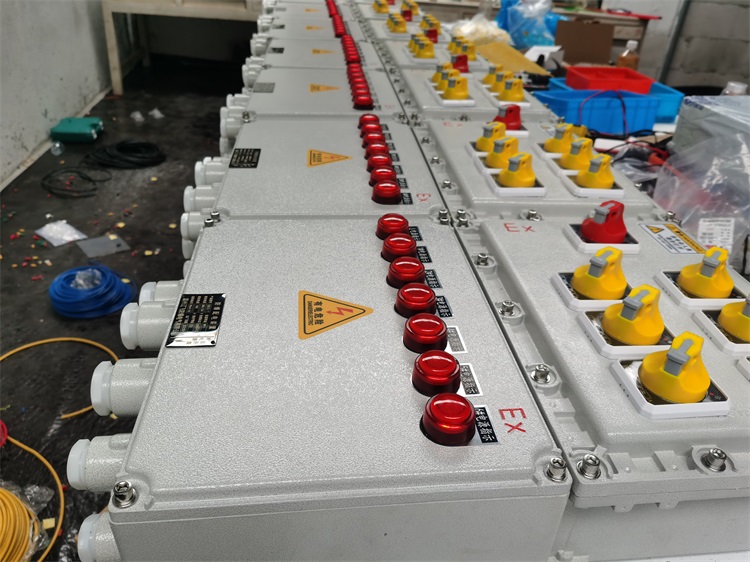
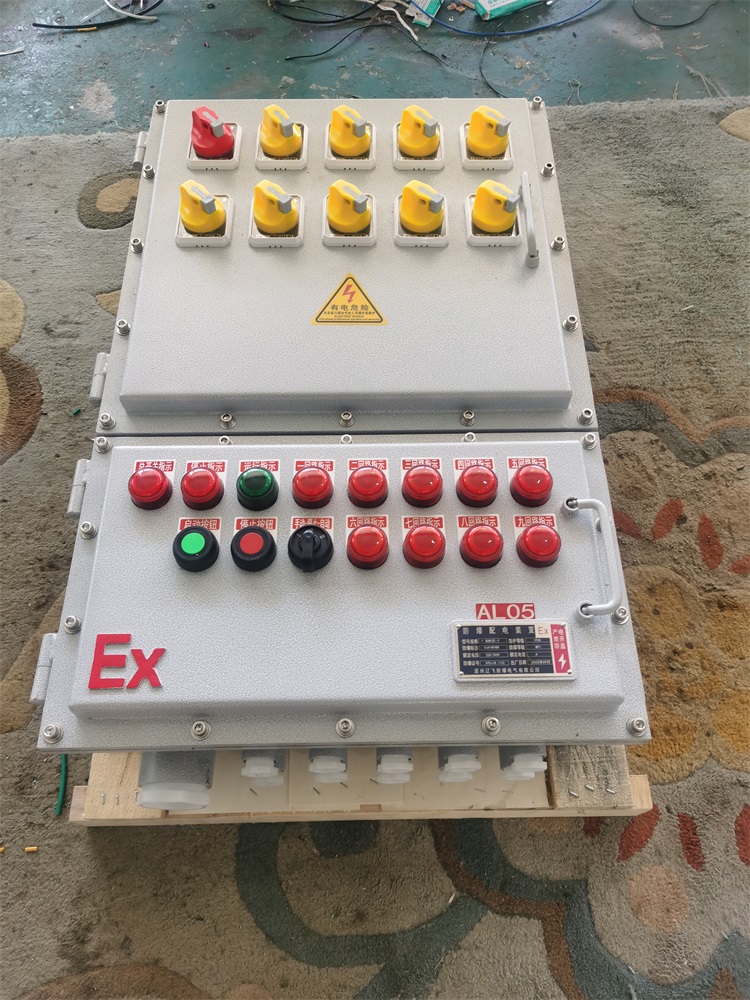
Proper Use of Explosion-Proof Distribution Boxes: 1. There are multiple distribution boxes in an explosion-proof distribution box, which should be equipped with a main switch and parallel switches. Each branch switch should not accommodate two or more electrical devices, and should not use two or more operations. 2. Uniform lighting, the distribution box should be installed with or other types of switches. The installation of contactors, switches, and other electrical equipment in explosion-proof distribution boxes should be flexible, with reliable contacts and no severe burn marks. 3. Explosion-proof distribution boxes should be securely installed for easy operation and maintenance. 4. Distribution boxes should be installed on a level ground, with no items stacked on the ground. 5. The进出口 of the distribution box should be located at the bottom or side of the box, with the power outlet passing through pipes and waterproof elbows. 6. The wiring in the distribution box should be well-insulated, securely installed, and the terminal connections should be bolted or tightly fastened.
Voltage Meter Concept: A voltage meter is an instrument used to measure voltage. The common voltage meter, known as a voltmeter, is symbolized by 'V'. It contains a permanent magnet within a sensitive galvanometer, with a coil made of wire connected in series between the two terminals of the galvanometer. The coil is placed in the magnetic field of the permanent magnet and is connected to the meter's pointer through a transmission mechanism. A voltage meter is a relatively high resistor, ideally considered an open circuit.
Explosion-proof lighting distribution box application range
1. Suitable for hazard gas areas in Zones 1 and 2.
2. Suitable for Class IIA, IIB, IIC T1-T6 groups of gases or steam environments.
3. Suitable for indoor and outdoor use (IP54, IP65×)
4. Suitable for flammable dust environments.
5. Suitable for hazardous environments in oil exploration, storage, chemical industry, pharmaceuticals, textiles, dyeing and finishing, as well as facilities.
6. Power distribution for lighting or power lines.
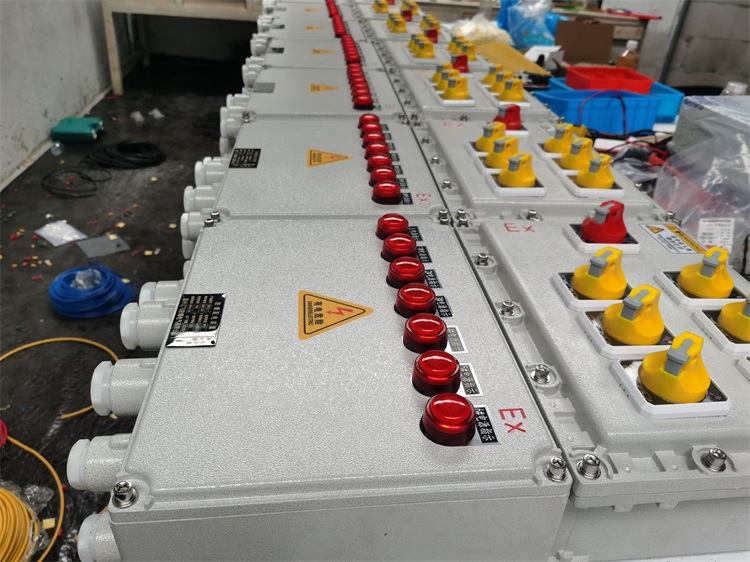
Explosion-proof junction boxes, Aluminum alloy explosion-proof junction boxes, Explosion-proof junction boxes manufacturer, Explosion-proof distribution box product features
1. This product's housing is made of 304 stainless steel,焊接with a mirror finish, offering reliable performance and an aesthetically pleasing appearance.
2. This product is an improved explosion-proof model, capable of accommodating explosion-proof buttons, indicator lights, ammeters, switches, voltmeters, and other instruments and control components.
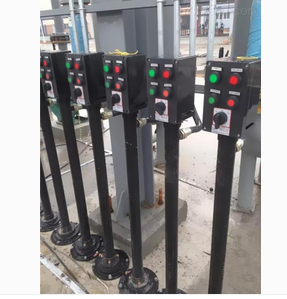
3. Available in *standard designs, options include wall-mounted, pillar, and flat styles.
4. Available with protective housing upon customer request, featuring a display of the internal control components and offering superior outdoor protection.
All fasteners are made of corrosion-resistant 304 stainless steel.
6. Wiring methods available include steel pipes, cables, or explosion-proof flexible hoses.
7. Available for special customization to meet customer requirements.
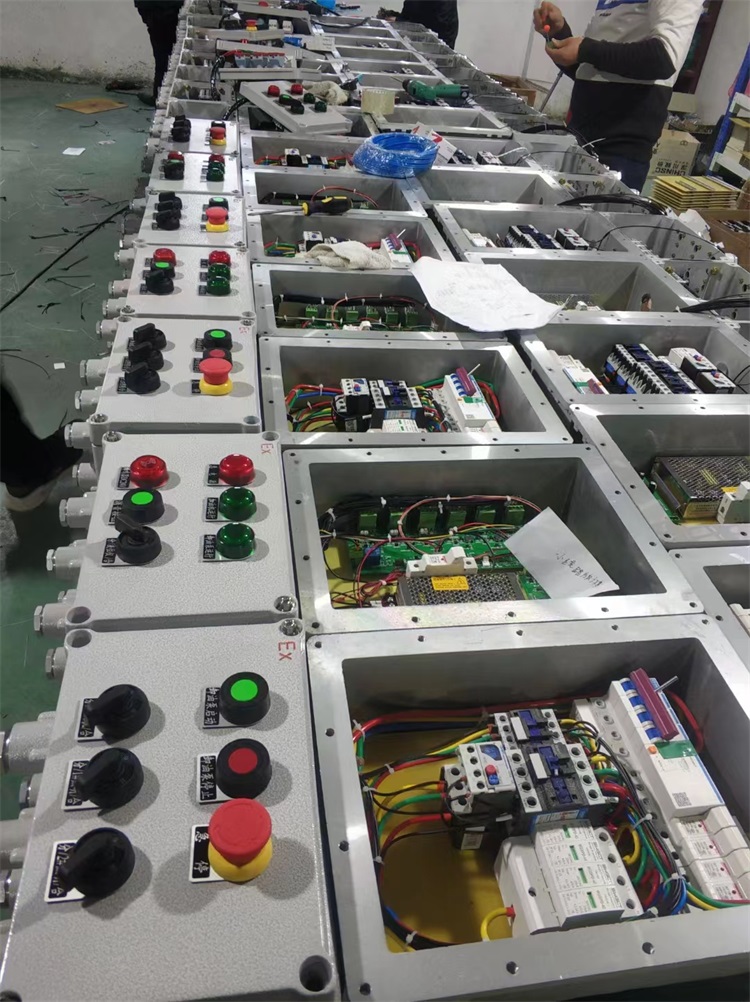
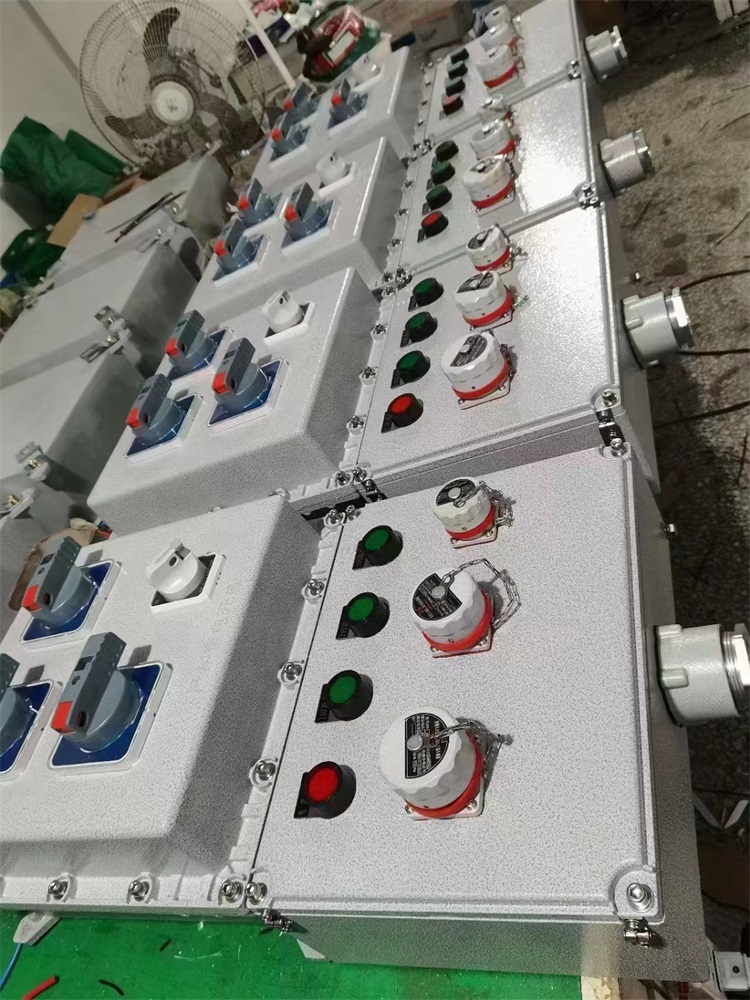
Explosion-proof junction boxes, Aluminum alloy explosion-proof junction boxes, Manufacturer's explosion-proof junction box operation: 1. Determine the installation location and method of the lamps according to the actual lighting needs of the work site, then prepare cables of the appropriate length to the 220V power connection point; 2. First, unscrew the fixing screws on the junction chamber, pull out the wiring part of the junction box, and install according to the product manual and actual conditions; 3. When replacing bulbs, first disconnect the power supply, then use a hex wrench to unscrew the fixing screws on the housing, use a large screwdriver or other tool to loosen the lamp cover 6 turns, and then carefully remove the lamp cover by hand, unscrew the old bulb, and replace it with a new one. Surge protection devices installed at branch distribution equipment supplying power to critical or sensitive electrical equipment. These SPDs provide more comprehensive absorption of the remaining surge energy from the surge discharge devices at the user's power supply entrance, offering excellent protection against transient overvoltages. The surge protection devices used here require a surge capacity of 40KA/phase or more, and the restricted voltage should be less than 2000V. We call them CLASS II surge protection devices. Generally, achieving the second level of protection in the user's power supply system is sufficient to meet the requirements of electrical equipment operation. To completely eliminate minor transient overvoltages, an integrated surge protection device can be used within the power supply section of the electrical equipment. The surge protection devices used here require a surge capacity of 20KA/phase or less, and the restricted voltage should be less than 1800V. For some particularly important or sensitive electronic equipment, equipped with