




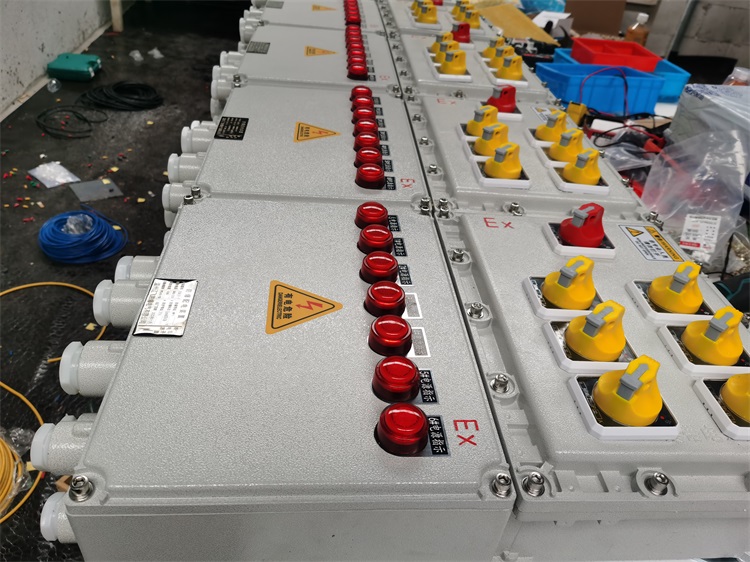
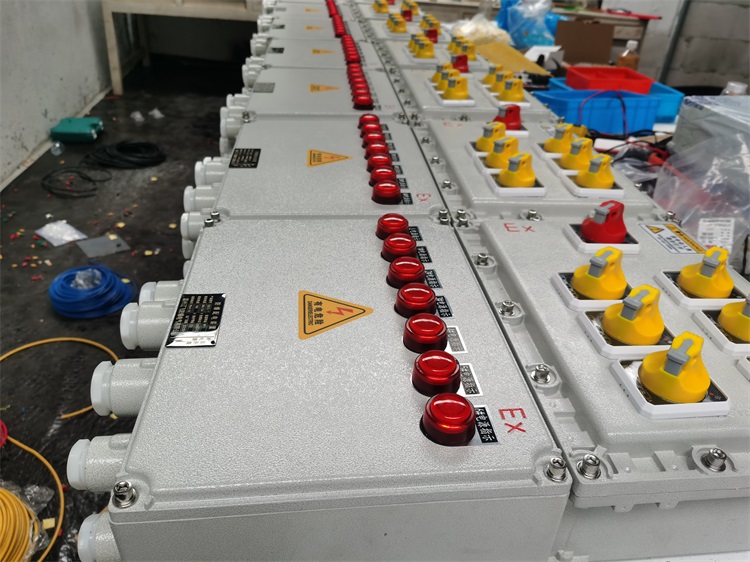













Explosion-proof Distribution Box, Aluminum Alloy Explosion-proof Distribution Box, Proper Operating Steps for Explosion-proof Distribution Boxes and Distribution Cabinets: 1. Based on the specific lighting requirements at the work site, determine the installation location and method of the lighting fixtures, and then prepare cables of appropriate lengths with three cores according to the distance to the 380V switch power supply contact points; 2. First, remove the fixed screws from the wiring cavity, pull out the wiring part of the terminal, and install according to the product manual and specific conditions; 3. When replacing light bulbs, first disconnect the power supply, then use a hex wrench to remove the fixing screws on the cover, use a large screwdriver or other tools to loosen the light cover by turning it 6 times, and then carefully remove the light cover by force, unscrew the old bulb, and replace it with a new one. The function of the explosion-proof distribution box is significant; if the explosion-proof box fails due to improper operation, the consequences can be severe. Features of the explosion-proof distribution box include: 1. Aluminum alloy die-cast housing with electrostatic powder coating for aesthetic appearance; 2. Equipped with C65N, NC100H, and S25□S high-interrupting miniature circuit breakers, M611 or GV2 motor protectors, 3VE1 air switch CM1 plastic shell circuit breakers, and signal lights, among other components; 3. Composite design, with the switch box using explosion-proof structure, busbar box and outgoing cable box using increased safety structure, all cavities are sealed with gaskets for excellent waterproof and dustproof performance; 4. Features overload and short-circuit protection, with the option to add leakage protection as required; 5. Modular structure, allowing various circuits to be freely assembled as needed; 6. Optional accessories such as surge protectors, ammeters, voltmeters, etc., can be added according to requirements; 7. Pipe or cable wiring; 8. Available in wall-mounted and floor-standing options.
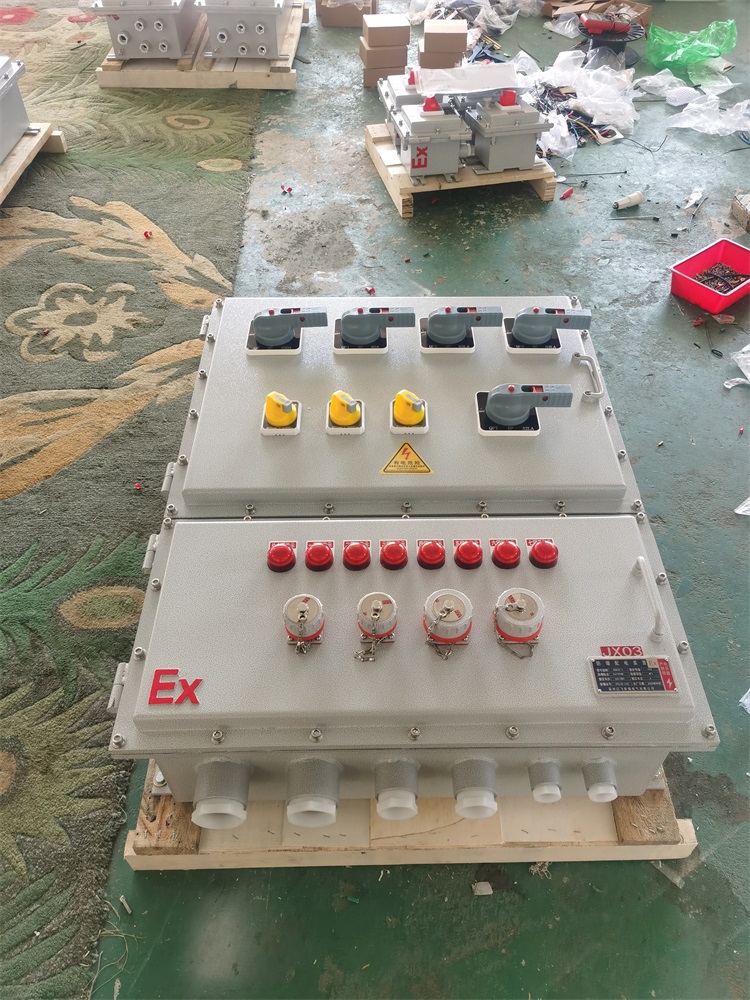
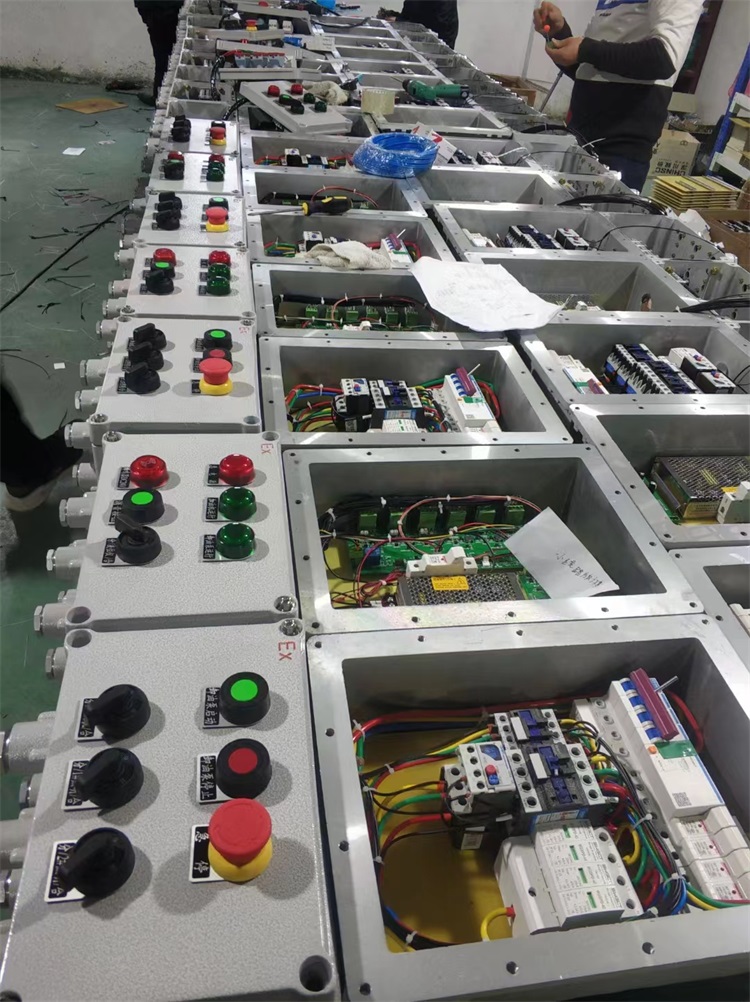
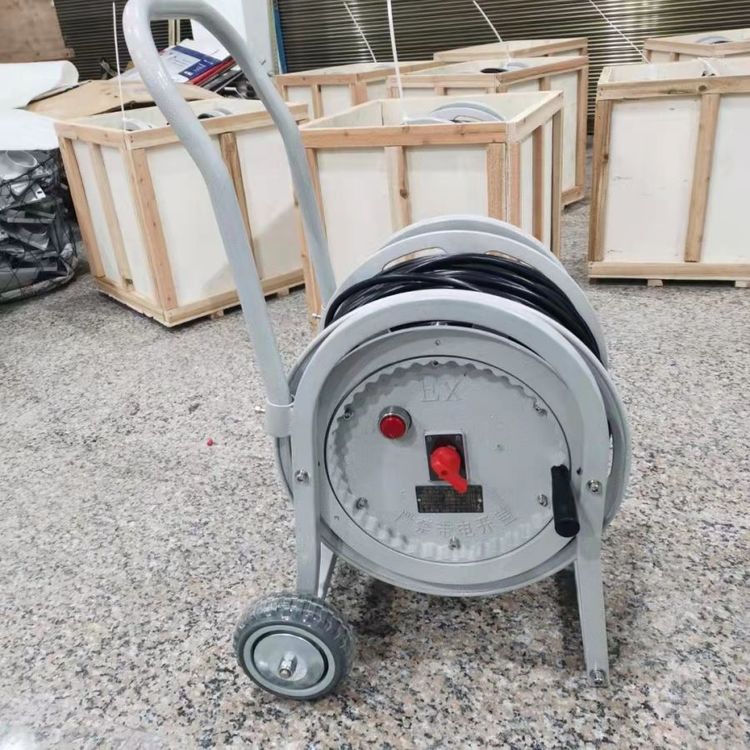
1. Explosion-proof distribution boxes are made from non-flammable materials.
2. Production sites and offices with low risk of electric shock can install open-type distribution boards.
3. In workshops with high electric shock risk or poor working environments, such as processing workshops, foundries, forges, heat treatment, boiler rooms, woodworking shops, etc., enclosed cabinets should be installed.
4. In hazardous areas with conductive dust or where flammable and explosive gases are produced, explosion-proof electrical equipment must be installed.
5. All electrical components, instruments, switches, and wiring in the distribution box should be neatly arranged, securely mounted, and easy to operate.
6. The bottom surface of the panel (box) for on-site installation should be 5~10 mm above the ground.
7. The center height of the operating handle is generally 1.2 to 1.5 meters.
8. There are no obstructions within a range of 0.8 to 1.2 meters in front of the box.
9. Reliable protection line connection.
10. No exposed live electrical wires allowed outside of the box.
11. Electrical components that must be mounted on the outer surface of the box or on the distribution board must have reliable protection.
Explosion-proof Distribution Box, Aluminum Alloy Explosion-proof Distribution Box, As China's economic construction develops rapidly and the scale of industrial production grows, the issue of explosion-proof becomes increasingly significant. A wide variety of explosion-proof electrical products with different functions and types are widely used in industries such as oil, chemical, coal, etc. Strict adherence to national laws, regulations, and standards is required in the selection, installation, use, and maintenance of explosion-proof electrical equipment. The secondary winding of a current transformer is not allowed to be open-circuited, and the secondary side of a voltage transformer is not allowed to be short-circuited. Before connecting the secondary wiring, it is necessary to familiarize yourself with the following drawings: (1) Schematic Diagram (indicating the working principle and interaction of each circuit. The drawing not only shows the connection method of each component in the secondary circuit but also indicates the connections related to the primary circuit) (2) Layout Diagram (3) Terminal Strip Diagram (4) Installation Wiring Diagram
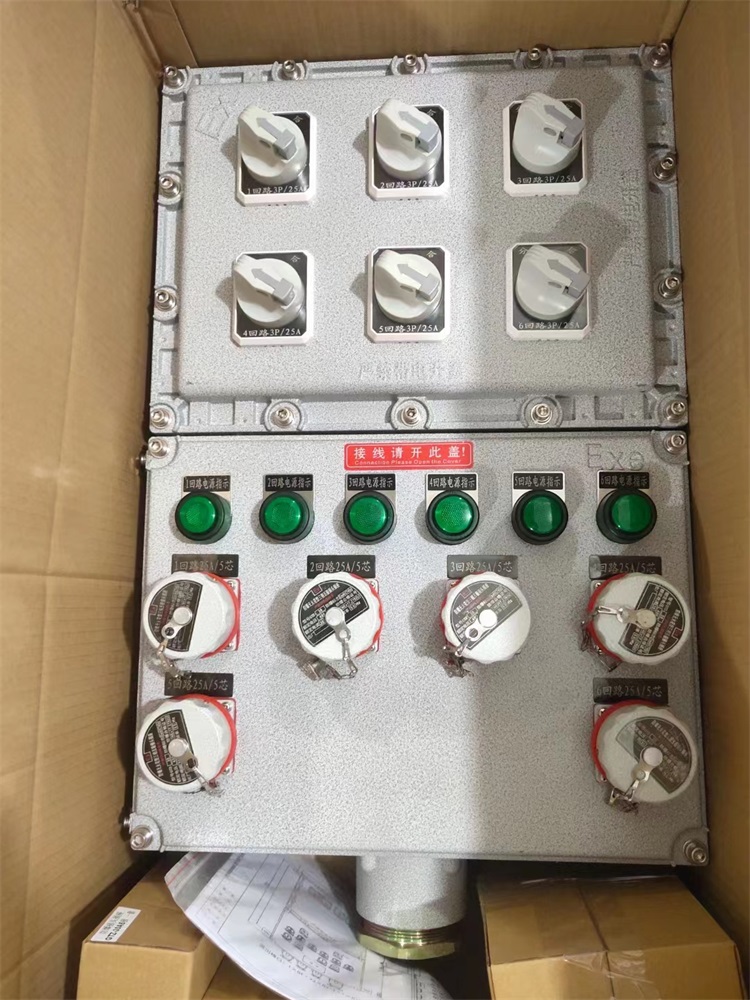
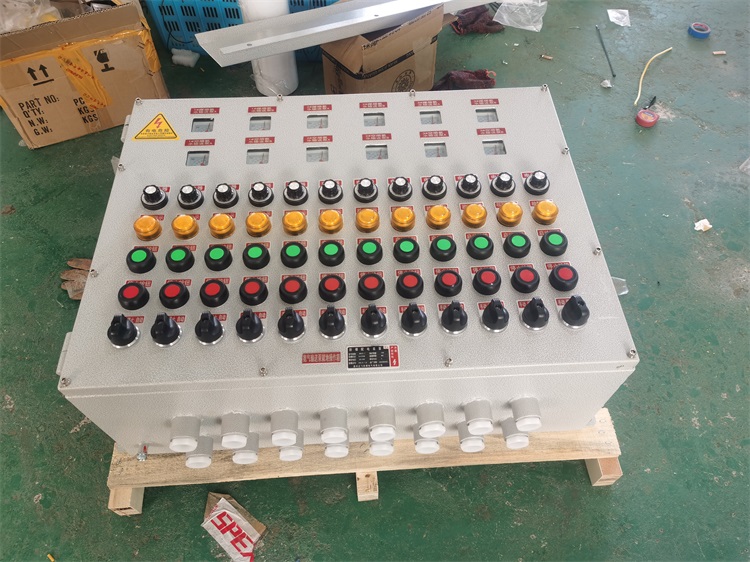
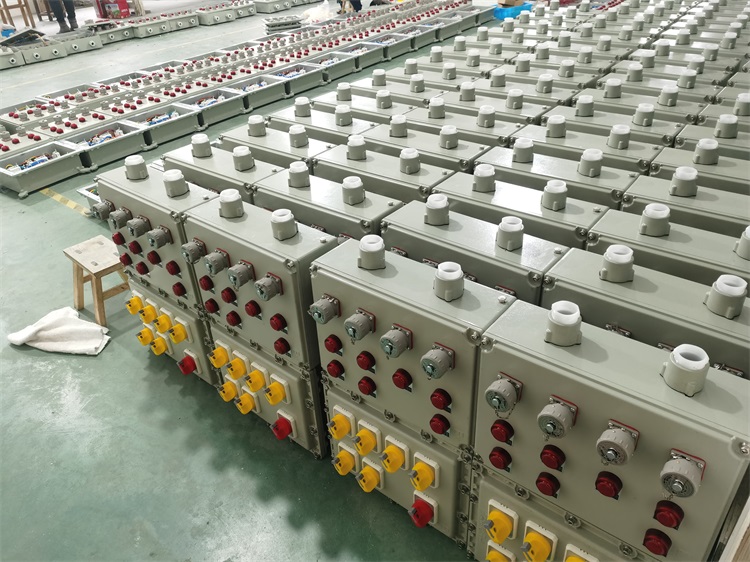
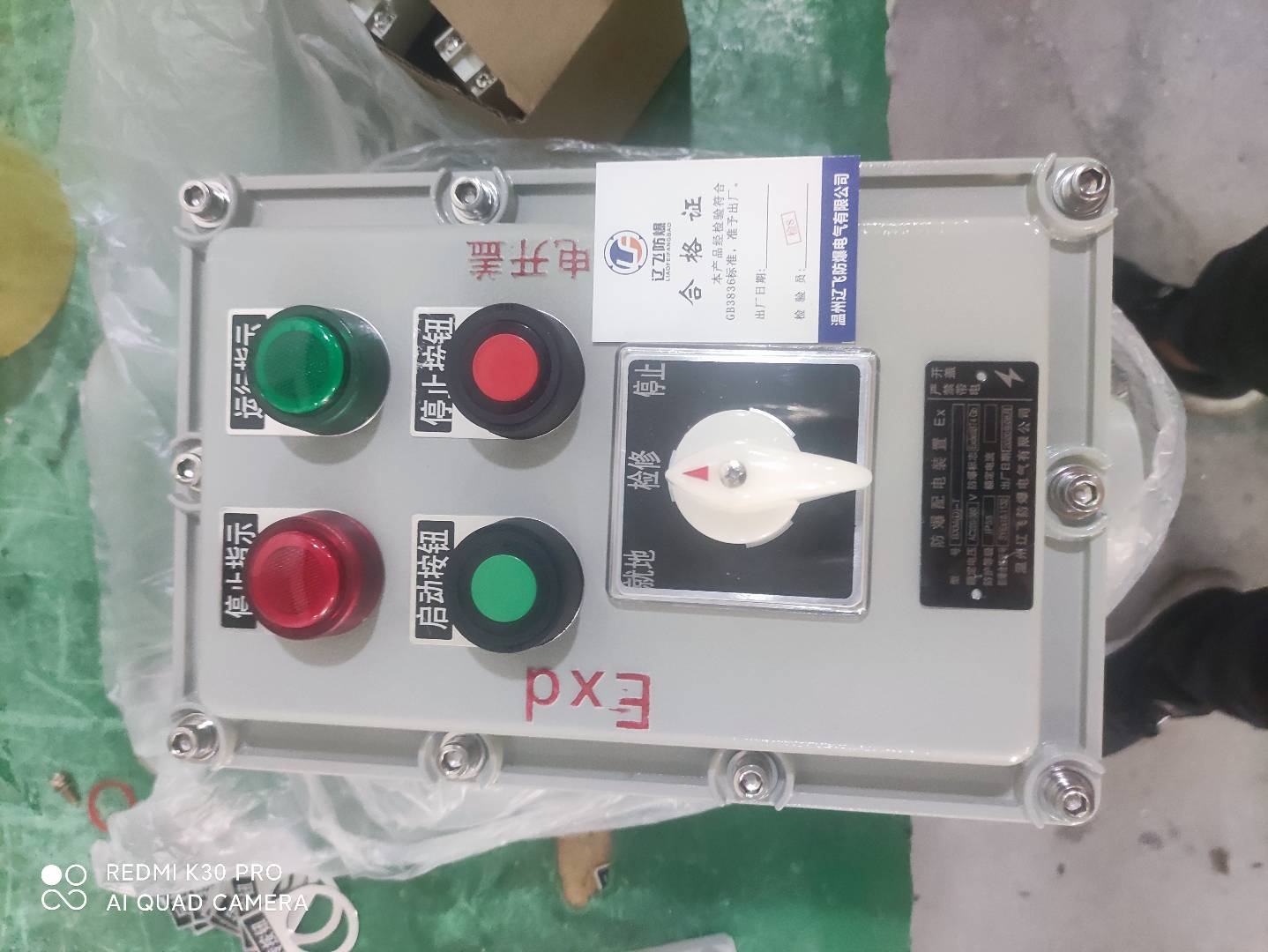
Explosion-proof Distribution Box, Aluminum Alloy Explosion-proof Distribution Box, Explosion-proof Distribution Box Model, Stainless Steel Explosion-proof Lighting and Power Distribution Box - This represents the second distribution of electrical energy, categorizing it as a level 2 distribution equipment. After the second distribution, electrical energy may undergo a third distribution through local distribution boxes, which are considered level 3 distribution equipment. It is generally not advisable to have too many levels of distribution equipment, as this reduces reliability indices, but it is also not suitable to have too few, as common faults can have a significant impact. Residential buildings commonly use level 3 distribution equipment, while larger-scale operations may have level 4. With the installation method of pre-buried concealed distribution boxes in civil construction, when installing anchoring pieces or nuts, the wall structure should align with the construction straight line.




















