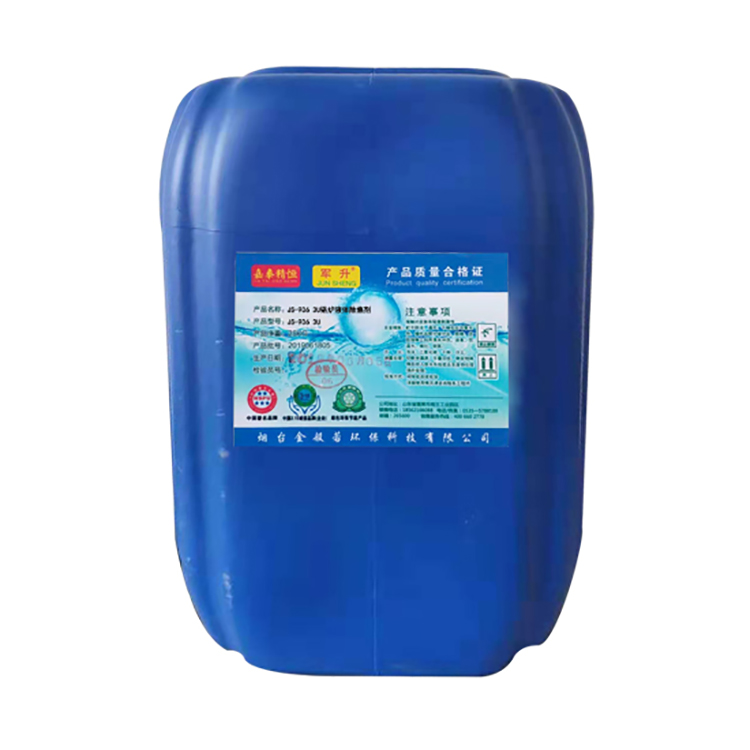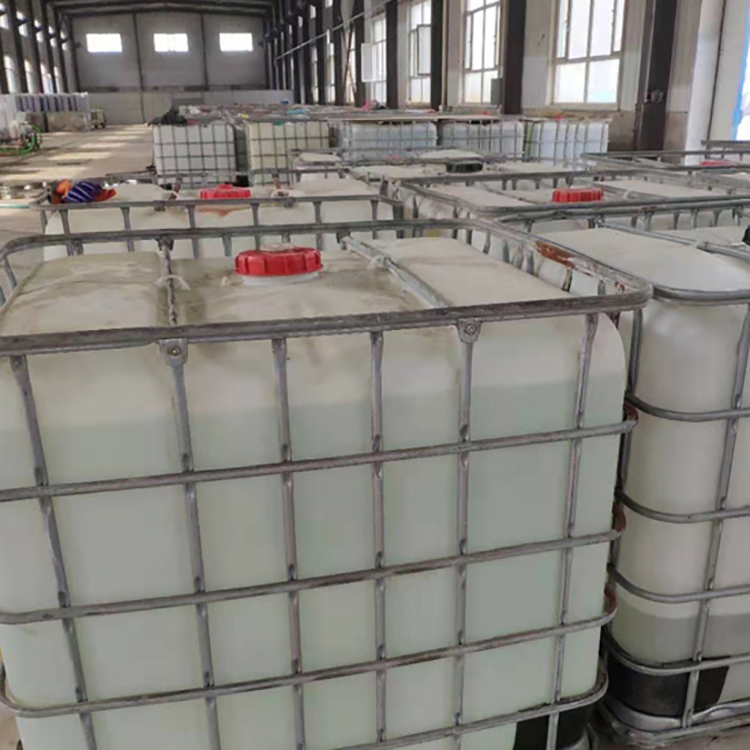













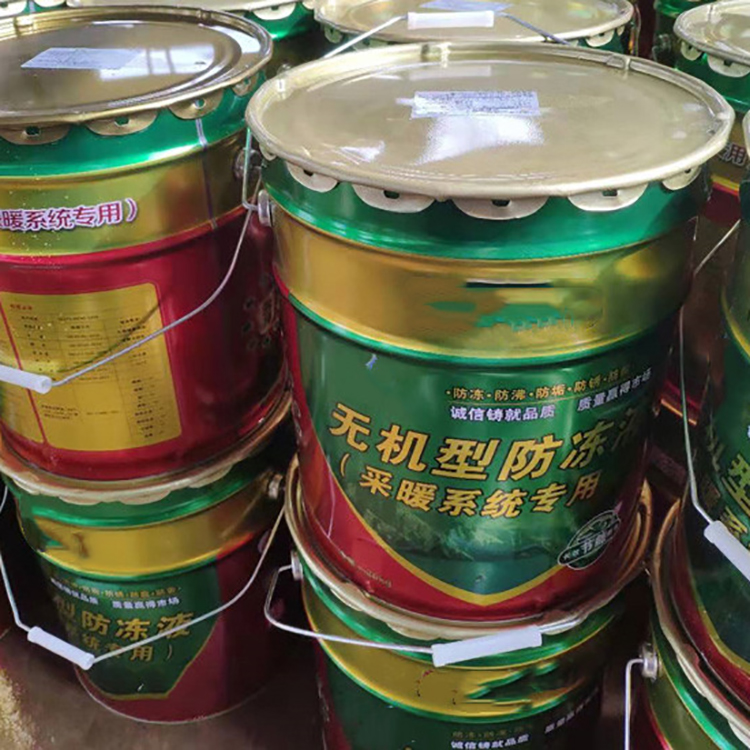
Rail Coal Transportation Antifreeze (Liquid)
Overview:
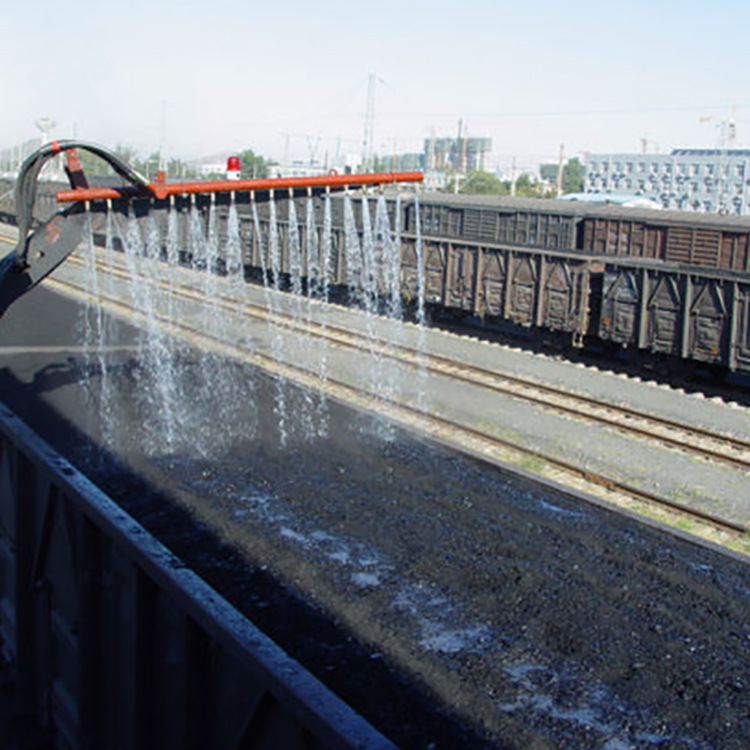
During the cold season or in cold regions, transporting water-containing bulk materials, such as coal and refined ore powder from mining operations, can freeze to the car bodies, rendering them inoperable. This necessitates thawing in a thawing room before unloading, which is not only time-consuming but also resource-intensive, reducing vehicle efficiency and increasing transportation costs, potentially delaying production. Our company has developed a rail coal transportation anti-freezing fluid in response to customer needs. This non-flammable, cost-effective, and stable-quality product is suitable for large-scale use. By mixing this anti-freezing fluid with water in a specific ratio, it ensures that the car bodies remain unfrozen under outdoor conditions for extended periods, solving the freezing issue between the water-containing bulk materials and the car bodies during the winter. This allows for smooth unloading without the need for thawing rooms, saving energy, shortening the car body turnover cycle, reducing labor intensity, and lowering transportation costs. It is an affordable and effective anti-freezing measure for the transportation of coal, ore powder, and other bulk materials.
I. Working Principle
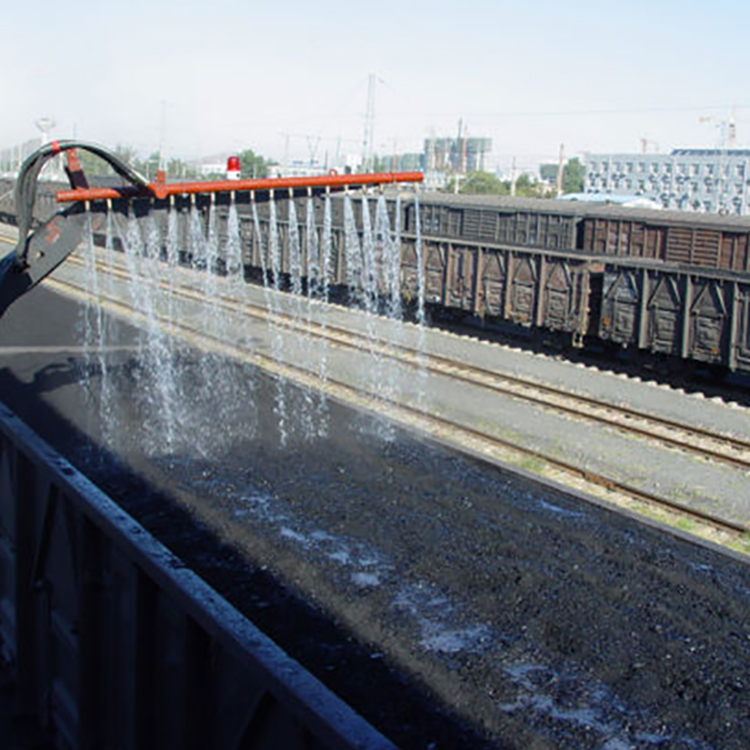
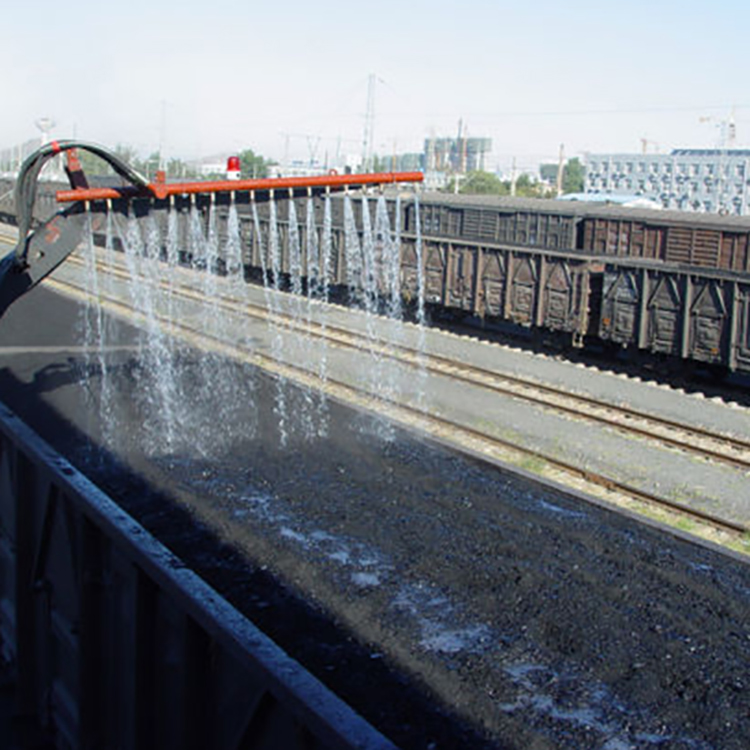
Railroad Coal Transport Antifreeze (Liquid) is widely used for preventing freezing in cold seasons and high-altitude regions during the transportation of bulk materials in railcars. This antifreeze is a large molecular compound formed by multiple monomers and polar materials, with a low freezing point as low as -50°C. It contains components such as calcium chloride antifreeze powder, volatile inhibitor, natural high molecular weight thickener, corrosion inhibitor, preservative, and dust inhibitor. When applied to the surface of railcars, it uniformly disperses in the side and bottom of the carriage, combining with the moisture-containing bulk material (coal) inside, maintaining a freezing point below -45°C. Using this antifreeze ensures that railcars do not freeze with moisture-containing bulk materials when exposed to the open air, solving the freezing issue of moisture-containing bulk materials like iron ore powder during winter. This allows for the seamless unloading without the need for thawing rooms, saving energy, shortening the cycle time of railcar turnover, reducing labor intensity, and lowering transportation costs.
II. Key Features
Low freezing point: This product boasts excellent anti-freezing properties with a low freezing point as low as -50°C. Even when combined with moisture in the material, the resulting compound's freezing point remains below -45°C, ensuring that the contact surface does not freeze in harsh environments.
Low volatility: Due to the addition of volatility inhibitors, the product's specific gravity increases, resulting in low fluidity. After application, the effective antifreeze components remain intact for an extended period, even if the water content is lost, the antifreeze effect remains unchanged.
Good viscosity: Contains natural high molecular materials that can swell into a colloidal solution in antifreeze. It has thickening, adhesive, dispersing, emulsifying, film-forming, suspending, adsorbing, and gelling properties, and can adhere evenly to the surfaces of trains and cars without running off easily.
Corrosion Protection: This product contains corrosion inhibitors and preservatives. After being sprayed with this product, the metal will form a dense oxide film on its surface within a short time, ensuring long-term corrosion resistance when in contact with the carriage metal, while also protecting the metal from being corroded by rain, snow, and other elements.
◎Dust Suppression: This product boasts strong penetration, forming an elastic coating layer on dust surfaces to effectively prevent dust from being dispersed by wind. Consequently, it can create a thick covering layer. The product can cross-link into a film at very low temperatures, meeting the requirements for use under conditions of significant temperature differences and low temperatures.
Low operational cost: Reduces the labor intensity of loaders, saves labor costs, and inhibits material loss. It solves the issue of secondary thawing after unloading due to insufficient thawing, and avoids the return of empty trucks with materials, as well as the weighing process, thereby lowering transportation costs and improving the utilization rate of trucks.
Section 3: Technical Specifications
Project Criteria
Main Component: Calcium Chloride Anti-Freeze Powder
Auxiliary Ingredients: Thickeners, Volatile Inhibitors, Corrosion Inhibitors, Antioxidants
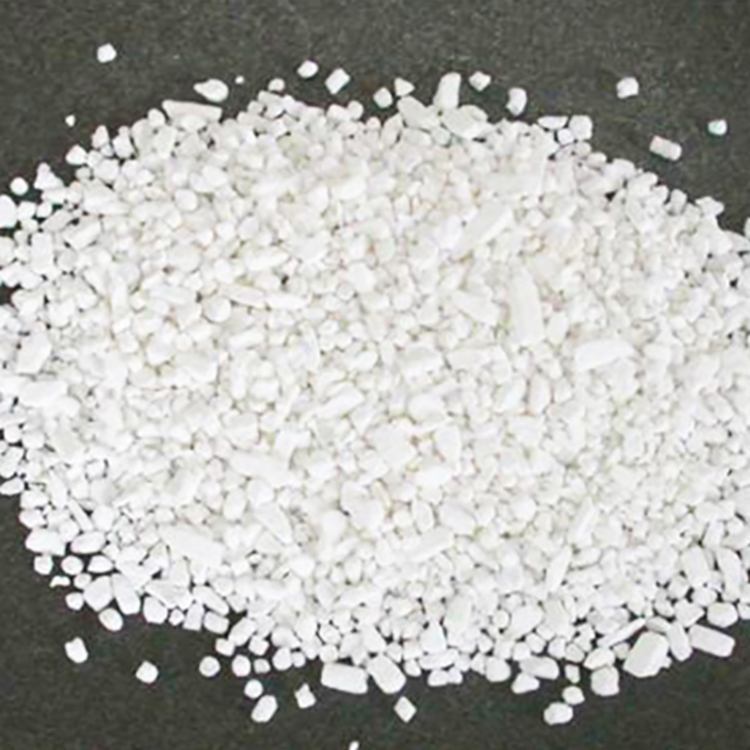
Appearance: White Solid
Storage Conditions: 2-8°C
Viscosity 6.00-9.00 mPa.s (20℃)
Boiling Point ≥ 100℃
Four: Usage Instructions
4.1. Raw Materials
A Agent Raw Material: Thickenant Inhibitor Antiseptic (Thickener, Volatile Inhibitor, Corrosion Inhibitor, Antiseptic Mixed Powder)
B Raw Material: Calcium Chloride (Antifreeze Powder)
4.2 Rail coal transport antifreeze (solid) mixing ratio exceeds the TB/T3208-2008 standard.
Ratio: A Material to B Material = 1:200
A raw material 1kg: matched with B raw material 200kg
4.3 Production Process:
Calculate the capacity of various components based on the actual production capacity of the tank. First, add approximately half of the total water volume (measured according to the agitator tank level indicator or flowmeter), then add B material to the water and start stirring: as B material dissolves completely under stirring and begins to release heat, gradually add A material while maintaining stirring until A material is fully dissolved.
4.4 If a large amount of foam is produced during stirring, continue to stir by adding 10ml of defoamer (supplied with the goods) for every 1m3 of antifreeze in the mixing tank until the foam is mostly eliminated.
4.5. Prior to product use or before storage in the tank, the mixture must be stirred again and the antifreeze density tested at an ambient temperature of approximately 20°C. The antifreeze meets the qualified standard when its density is measured at 1.275 ± 0.005 g/cm³ using a hydrometer. It can be used or stored: If the density does not meet this standard, add materials or water according to the above proportions.
V. Instructions for Use
5.1 The antifreeze agent (solid) for railway coal transportation is to be dissolved in water in a ratio, with a 2:8 mass ratio of water to antifreeze agent, the freezing point of the antifreeze solution is ≥-13℃. Due to the moisture content in coal, the freezing point usually increases by about 5℃ to 7℃. When the antifreeze solution is sprayed onto the rail car, it is suitable for environmental temperatures ≥-8℃. When the solid powder antifreeze agent is dissolved in water in a 3:7 mass ratio, the freezing point of the antifreeze solution is ≥-26℃. Considering the moisture content in coal, the freezing point usually increases by about 5℃ to 7℃. Spraying the antifreeze solution onto the rail car is suitable for environmental temperatures ≥-21℃. When the solid powder antifreeze agent is dissolved in water in a 5:9 mass ratio, the freezing point of the antifreeze solution is ≥-36℃. Taking into account the moisture content in coal, the freezing point usually increases by about 5℃ to 7℃. Spraying the antifreeze solution onto the rail car is suitable for environmental temperatures ≥-30℃.
WeChat Official Account

Scan to follow Official Account