













● Product Introduction:
| Product Features Number Unit Product Features Numeric Values Unit
| |||||
|
Attractiveness Rate
|
3.75
|
KHz
|
Dielectric Constant
|
3.8~4.2
|
KHz
|
|
Line shrinkage
|
≤0.3
|
%
|
Hardness
|
30±2
|
Shao's A
|
|
Water resistance
|
≥3
|
d
|
Water-resistant
|
90-110
|
℃
|
|
Oil resistance
|
≥3
|
d
|
Volume Resistance
|
1.35×10¹⁵
|
25℃ ohm-cm
|
|
Moisture and heat resistance
|
≥120
|
h
|
Surface Resistance
|
1.2×10¹⁴
|
25℃ ohm
|
|
Frost-resistant cyclic performance
|
≥15
|
Next
|
Voltage resistance
|
16~18
|
25℃ kv/mm
|
|
Mixed Viscosity
|
<4500
|
cps
|
Flame Retardant Rating
|
94V0
|
/
|
|
Operation Time
|
20-30
|
Min
|
Initial vulcanization time
|
1.5-2
|
h
|
|
Adheres well to metals.
| |||||
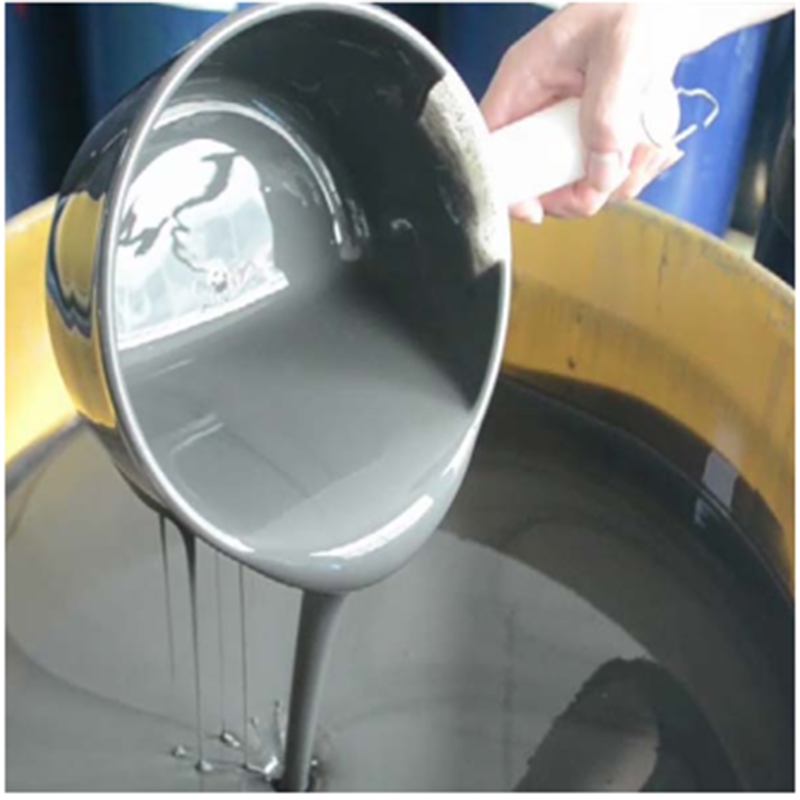
High-performance moisture-proof sealing materials are specifically designed for new eco-friendly sealing agents for outdoor terminal boxes, mechanism operation boxes, electric switchgear boxes, high and low voltage switch cabinets, control unit cabinets, outdoor ring network cabinets, and other similar enclosures. These materials feature low viscosity, good fluidity, and easy penetration, effectively preventing small animals and others from entering the enclosed cabinets from below, thereby reducing safety hazards. They achieve internal cabinet sealing and moisture-proofing, preventing damp air from cable interlayers or channels from infiltrating into the cabinets, providing robust protection for production and operational equipment.
● Process Used:
1. First, budget the material quantities. The density of the high molecular moisture-proof sealant is between 1.15-1.18, with a thickness typically of 0.8-1 cm, and the usage range per square meter is approximately 11 kg.
2. Ensure proper sealing of the container's sealing surface to prevent sealant from leaking out, thus avoiding waste; typically use silver electrical tape or fireproof putty to seal any leaks, then neatly arrange any excess wiring with tape.
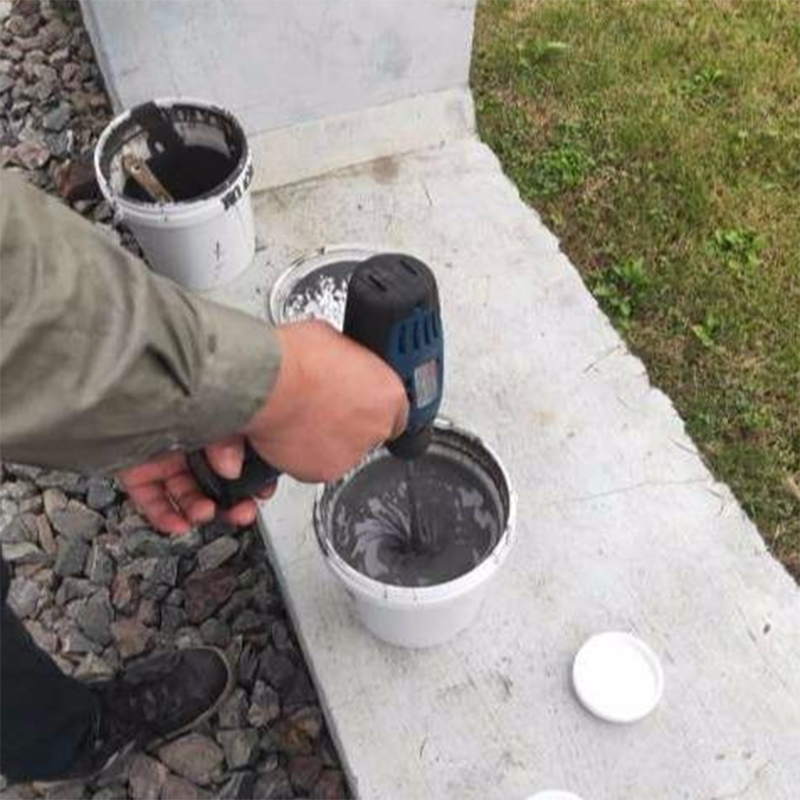
3. Mix A Agent by hand with a flashlight for 20-30 seconds to prevent settling, then pour B Agent into A Agent and mix for about 60 seconds. Apply to the target area. The standard operation time for the sealant is 20-30 minutes (adjustable), and it can self-level. If the box area is large, you can also use a trowel or brush to speed up the spreading of the sealant.
4. Allow the sealant to cure and set; the initial curing time is 1.5-2 hours, and the full curing time is 24 hours.
PS: Pay attention to sealing off any leaks during construction to prevent the loss of sealing agent material, which can lead to waste. Since environmental temperature and humidity can affect the operation time of the sealing agent, it is recommended to perform a small test before use. To extend the operation time, adjust the ratio of Agent B to 10:0.8, but not less than 0.7 (try to keep the ratio of Agent B under 1, as adding too much can accelerate the reaction time between Agents A and B, reducing fluidity), to avoid affecting the vulcanization effect.
● Cautionary Notes:
1. The rubber compound should be stored in a sealed container. Mixed rubber compound should be used up in one go to avoid waste.
2. This product is non-hazardous, but do not ingest or contact with eyes. In case of accidental ingestion or contact, rinse with plenty of water immediately or seek medical attention.
3. After storage for a period of time, the colloidal suspension may separate. Please stir well before use; this will not affect its performance.
● Packaging Specifications:
5.5 Kg/set (A Component 5 Kg + B Component 0.5 Kg)
220Kg/set (Component A: 200Kg + Component B: 20Kg)
Packaging available upon request.
● Storage and Transportation:
1. Storage period for high polymer sealing materials is six months (below 25℃). It is hereby declared that the company assumes no liability for any use of the product after the expiration date. Please use the product promptly after purchase.
2. These products are non-hazardous and can be transported as general chemicals.
3. After using the B agent, it must be sealed and stored properly. The adhesive components inside can hydrolyze and cause precipitation upon contact with air, which may affect the bonding performance.