













Pad Printing Adhesive Introduction:
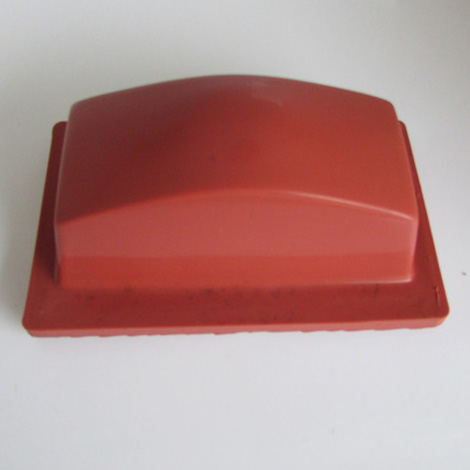
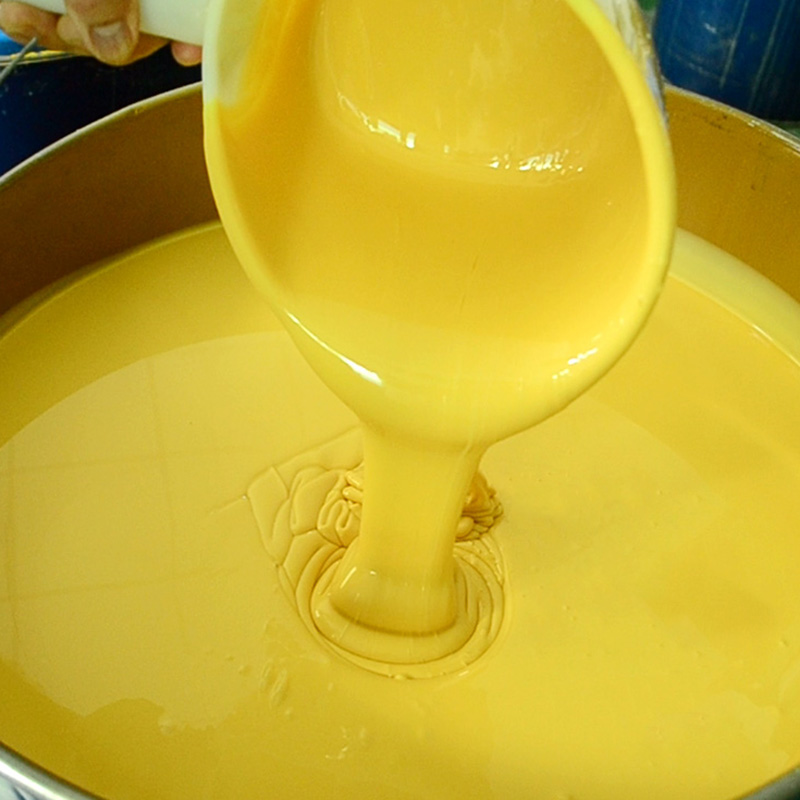
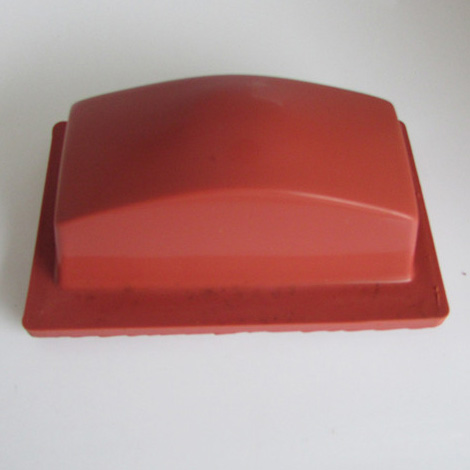
This product utilizes high-temperature-resistant new materials with Teflon, processed at high temperatures, offering benefits such as wear resistance, excellent printing quality, good elasticity, strong flexibility, and long service life. It ensures clear printing even on irregular surfaces with fine patterns. The ink adheres completely, is easy to transfer, and any residual ink is easy to clean. We offer a full range of specifications and are flexible to meet specific customer requirements.
Purpose of Transfer Printing Adhesive:
Primarily used for plastic toys, electroplated products, electronic toys, trademarks, and printing of irregular patterns. The pad printing rubber head acts as a carrier for the pattern on the steel plate, transferring the pattern onto the toy products.
Standard Parameters:
| Model
|
Color Color
|
Viscosity (cps)
|
Hardness (A°)
|
Tensile Strength strength (Mpa)
|
Tear Strength strength (KN/m)
|
Elongation (%)
|
Curing Agent Addition Ratio (%)
|
Operation Time / Pot Life (H)
|
Curing Time / Demolding Time time (H)
|
|
903
|
Red, yellow, white, green
|
29000-34000
|
25~28
|
》3.5
|
》24
|
》410
|
2-3
|
0.5
|
2-4
|
Instructions for Use of Pad Printing Adhesive Products
First, clean the mold with detergent, then dry the moisture inside the mold by wiping or blowing it, and apply a layer of release agent.
Two, the normal ratio of pad printing silicone and silicone oil is determined according to the customer's requirements. If the customer requires a larger area for the printed pattern and needs a soft silicone head, more silicone oil should be added. Conversely, if a harder silicone head is needed, no or less silicone oil should be added. Generally, the hardness of the pad printing head should be between 15A to -25A° for suitability. If too much silicone oil is added, the silicone head becomes too soft, the number of printing times becomes limited, and even the best silicone quality will be damaged by the silicone oil, leading to poor wear resistance, solvent resistance, and aging.
Section 3: General Normal Ratios: For 100 grams of silicone, add 30 grams of silicone oil. This is suitable for products with small metal stamping parts and patterns, or those with a smaller contact area. If a larger pressure contact surface or a soft rubber head is required, the ratio of silicone to silicone oil can be adjusted to 100:30 or 100:50. However, note that as the amount of silicone oil added increases, the rubber head becomes softer, and the number of pad printing cycles, wear resistance, and solvent resistance will decrease. Consequently, the number of pad printing operations will also decrease, leading to increased costs and material waste.
Four, the amount of hardener to be added and the chemical reaction of the silica gel are as follows: Take 100 grams of silica gel, 50 grams of silicone oil, then mix and stir them together. After the silicone oil and silica gel are thoroughly mixed, add the hardener at a rate of 2% to 3% of the total weight of the silica gel and silicone oil, and mix for another 2-3 minutes before vacuuming. The vacuuming time should not exceed 10 minutes, as prolonged vacuuming will cause the gel to solidify quickly, affecting the quality of the dispensing.