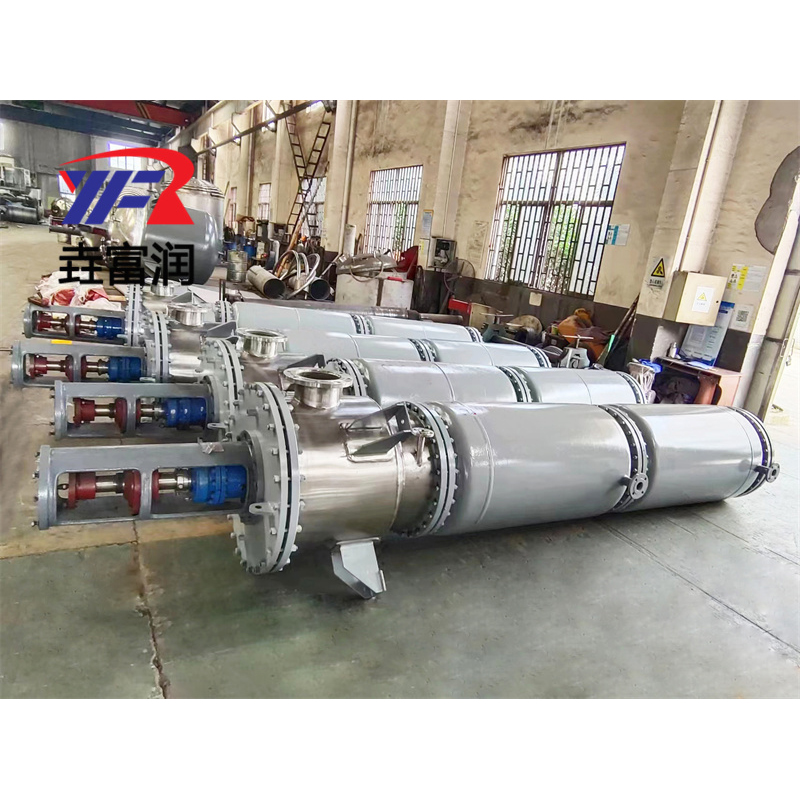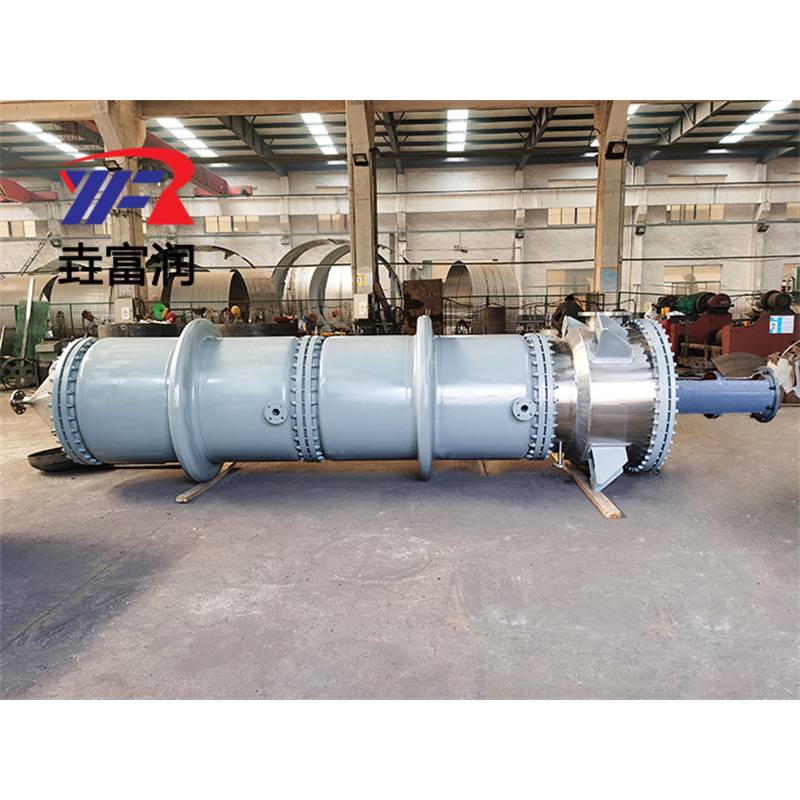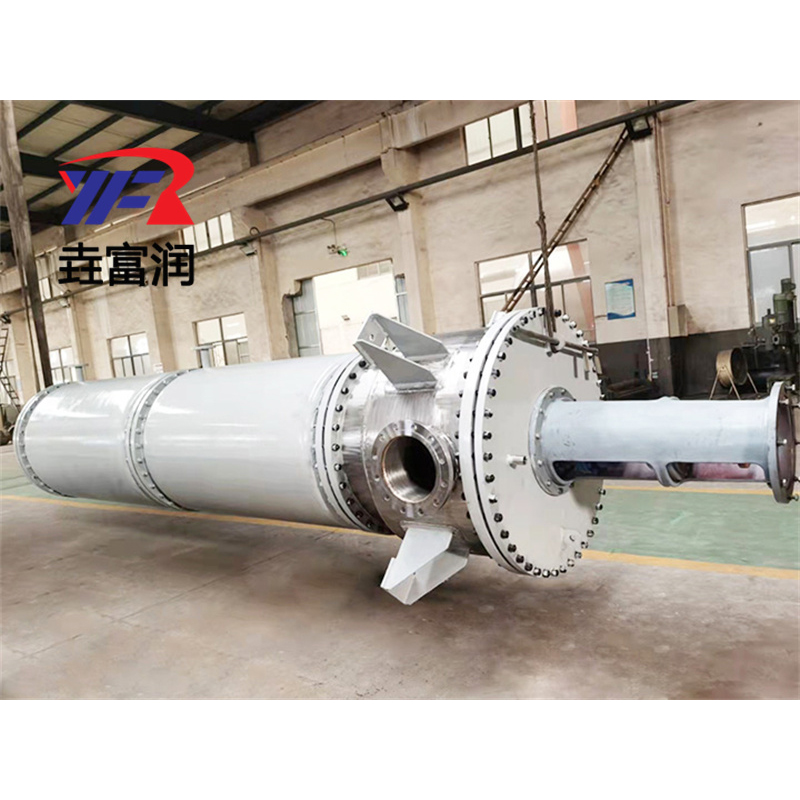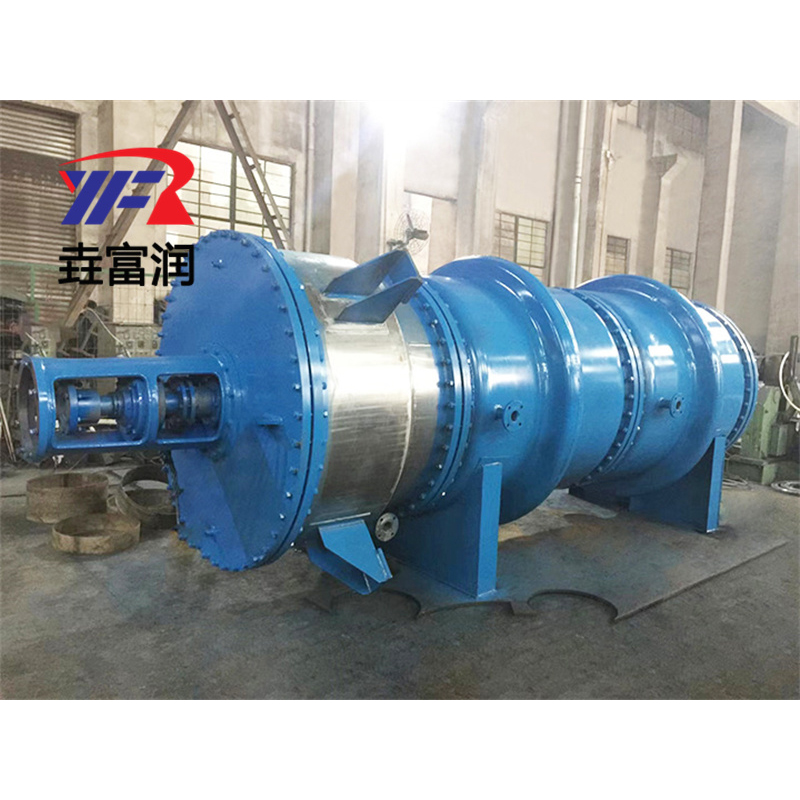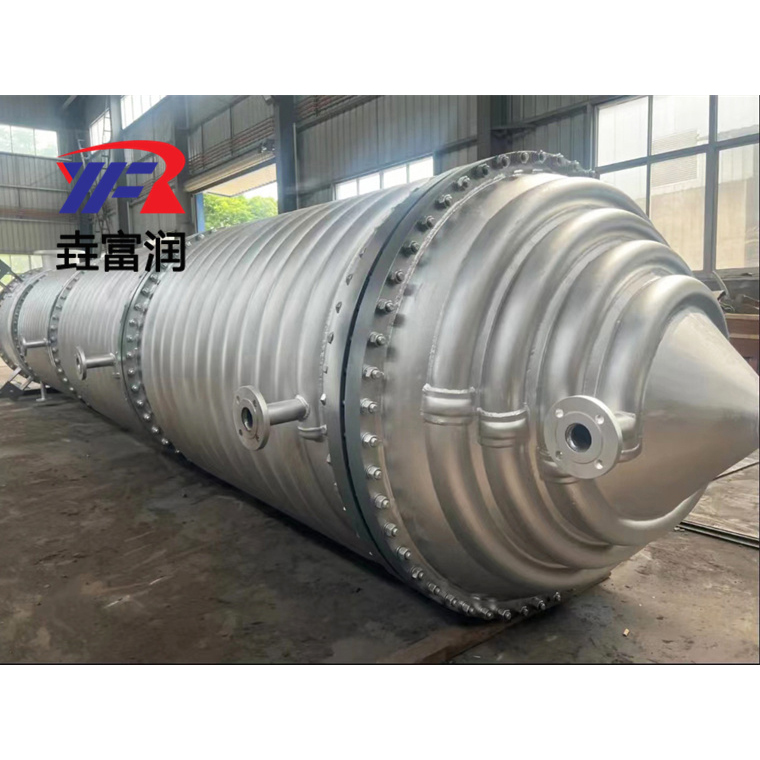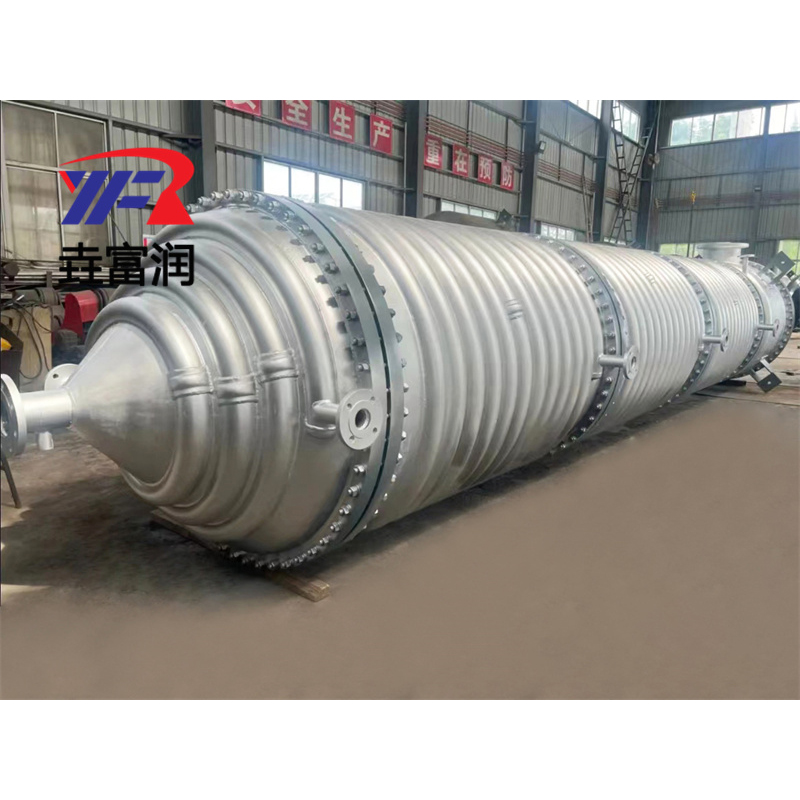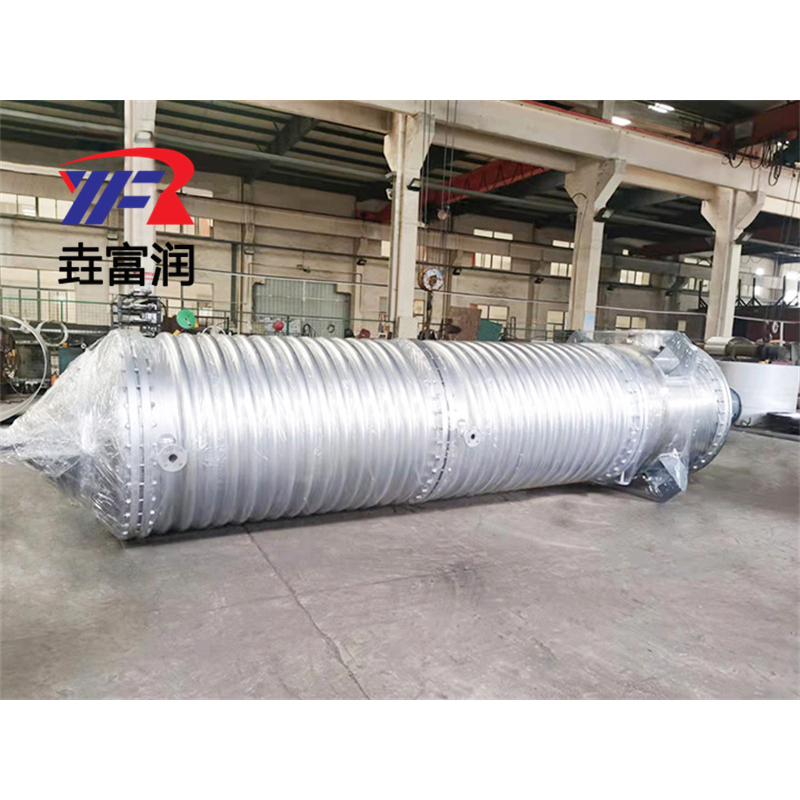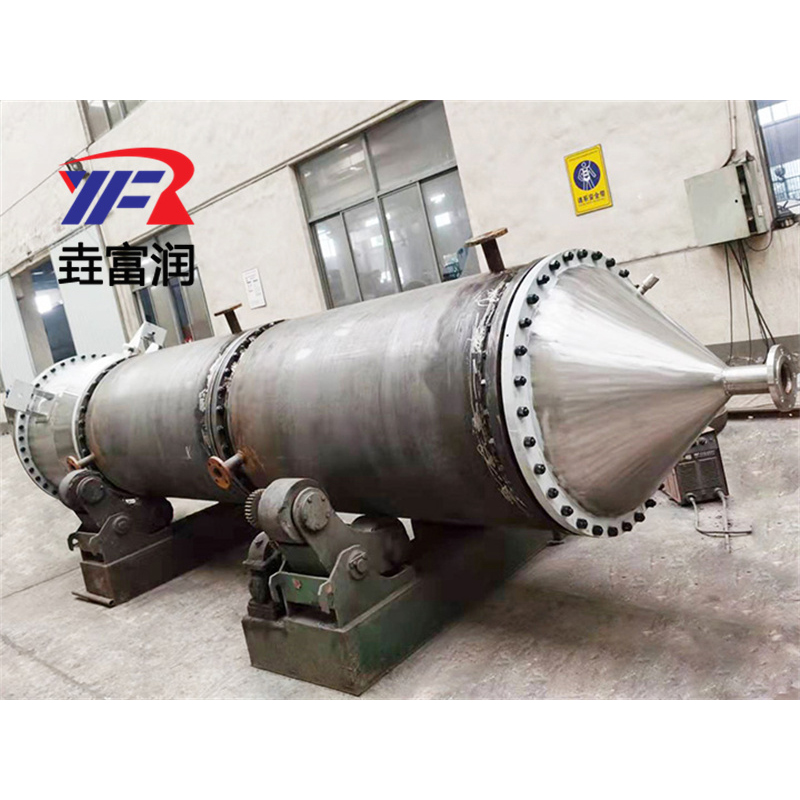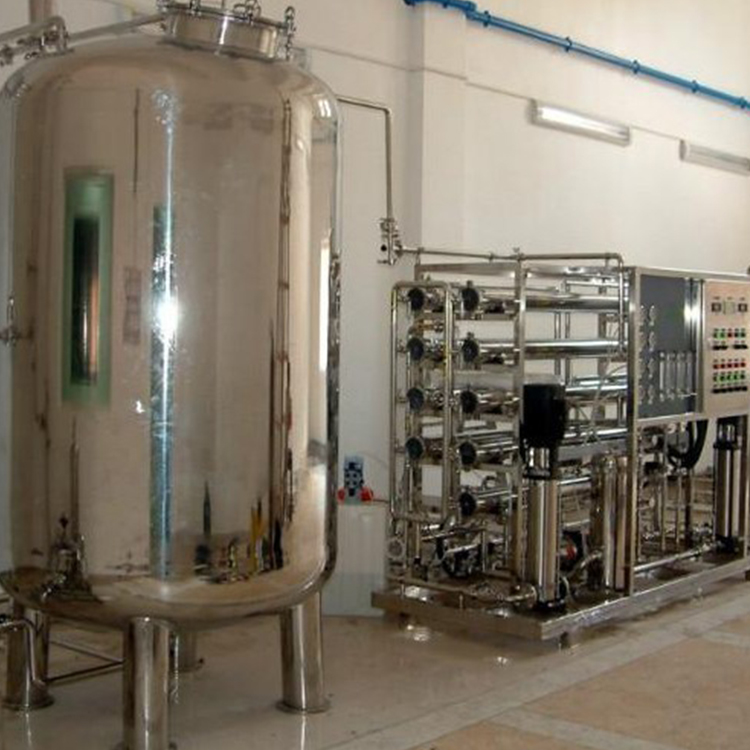

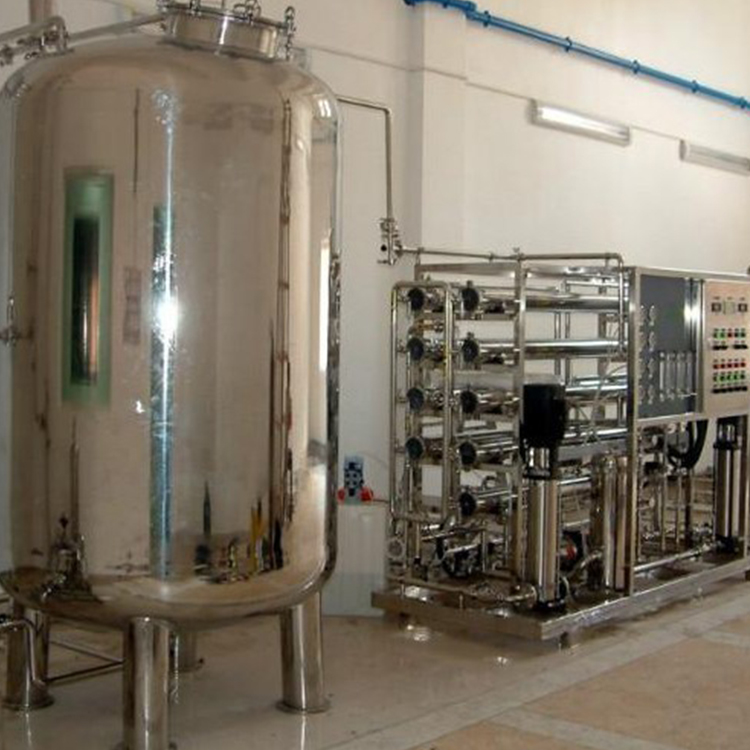
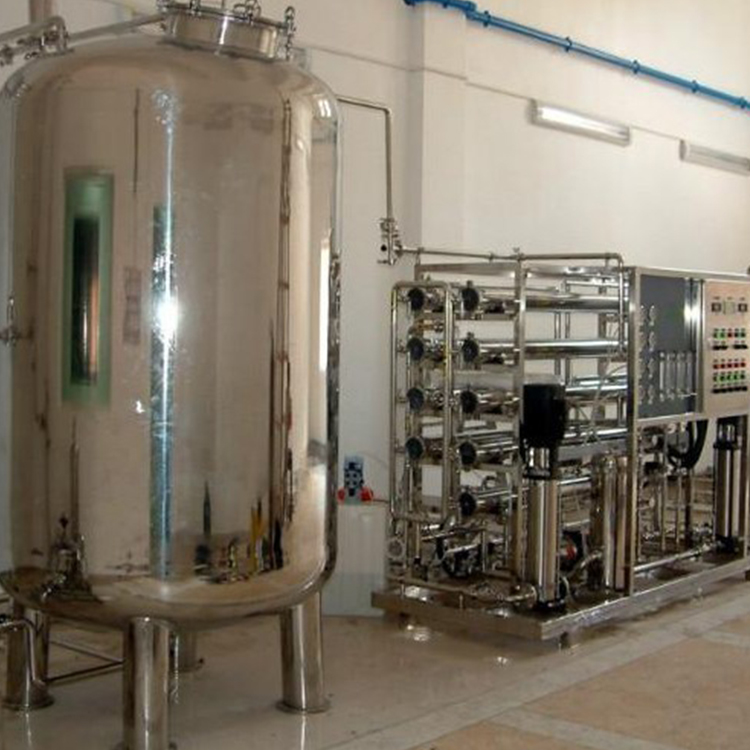
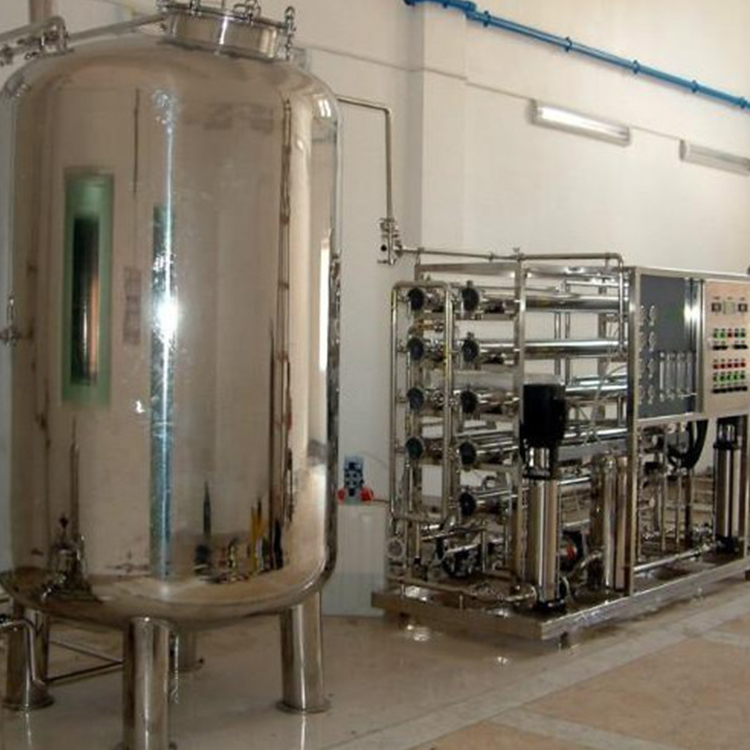


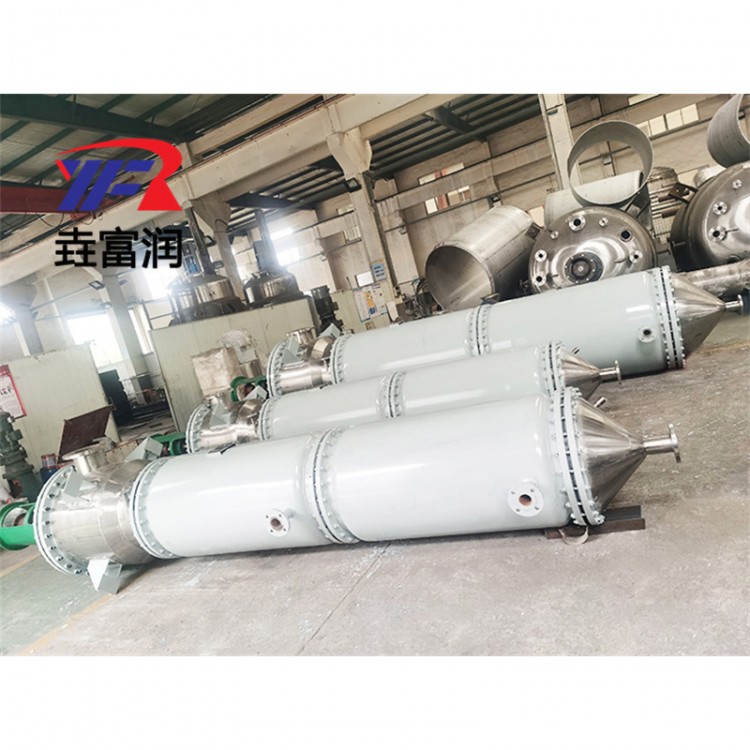
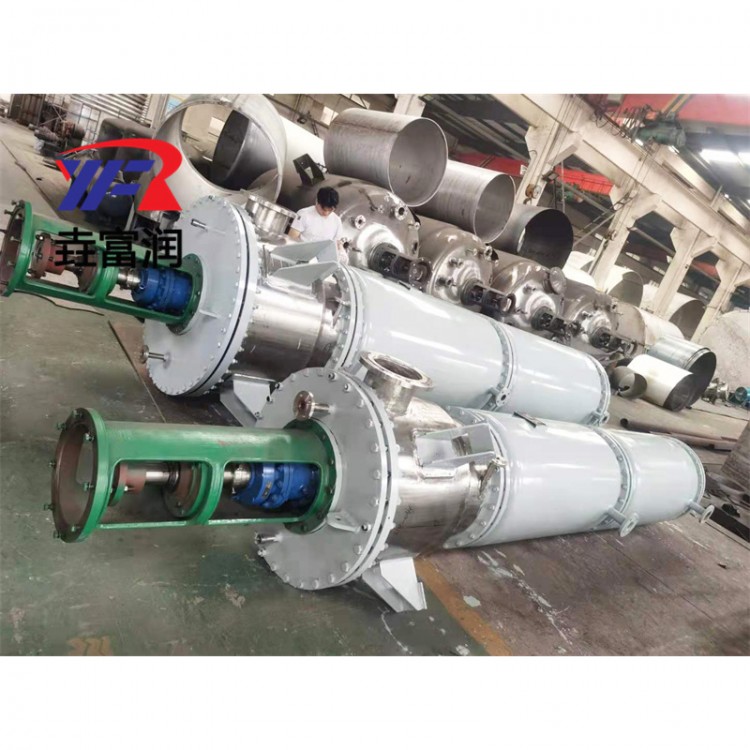
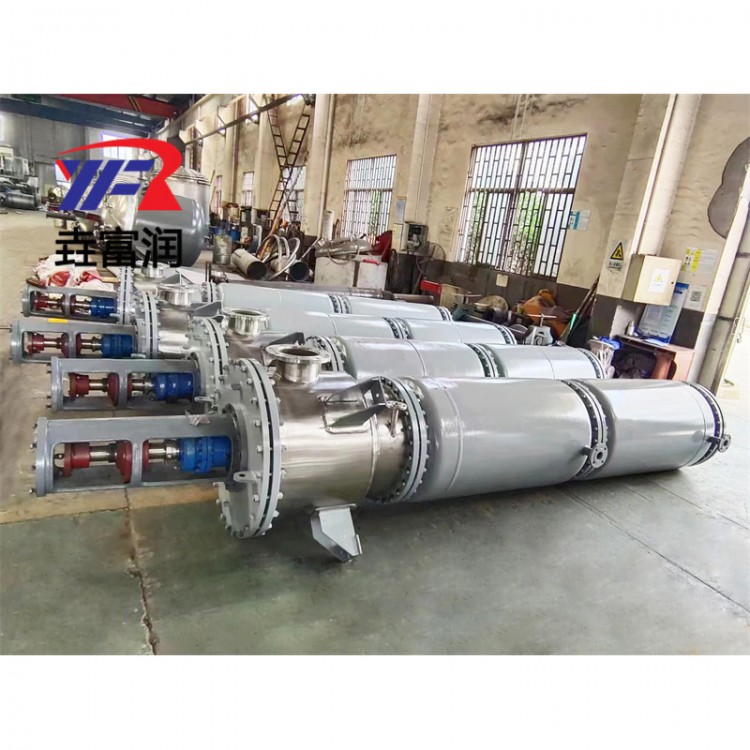
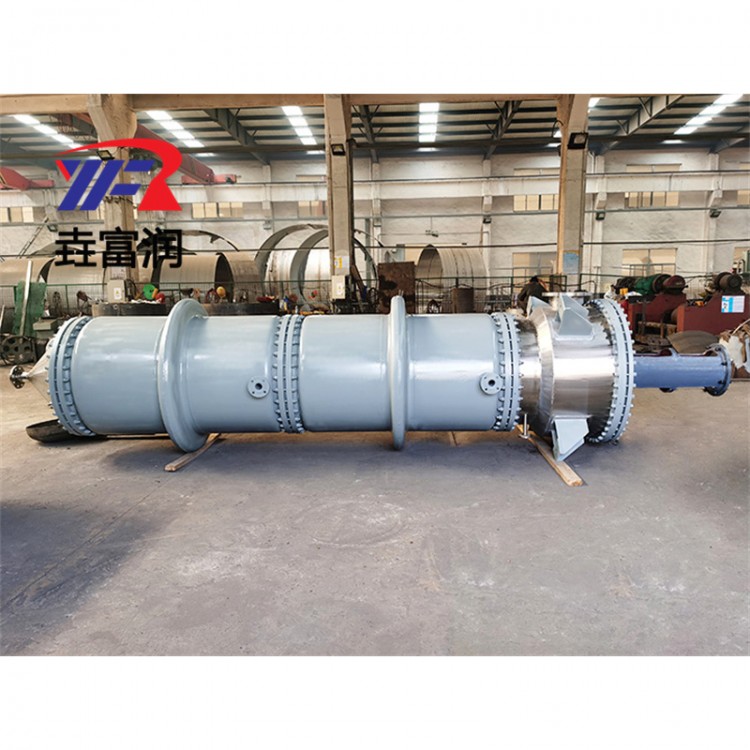





Juice Evaporation Concentrator
I. Applicable Scope
Single-effect or multi-effect falling film evaporators, suitable for continuous low-temperature concentration evaporation of milk, glucose, starch, xylose, chemicals, biotechnology, environmental protection engineering, and waste liquid recycling industries. They feature high heat transfer efficiency and short heat exposure time for materials, making them particularly suitable for thermally sensitive, adhesive, and foamy materials.
II. Equipment Composition
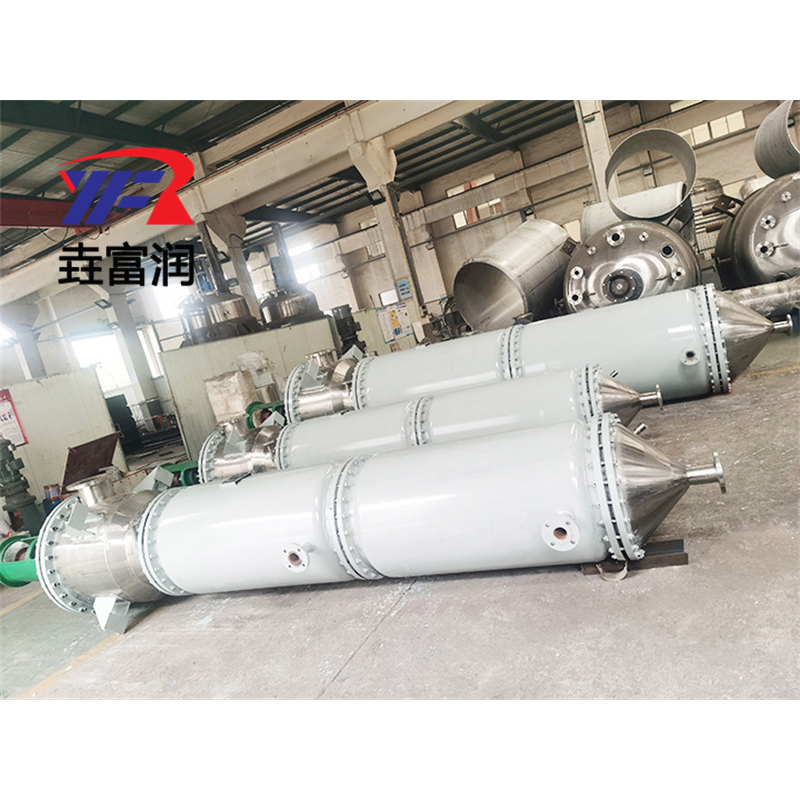
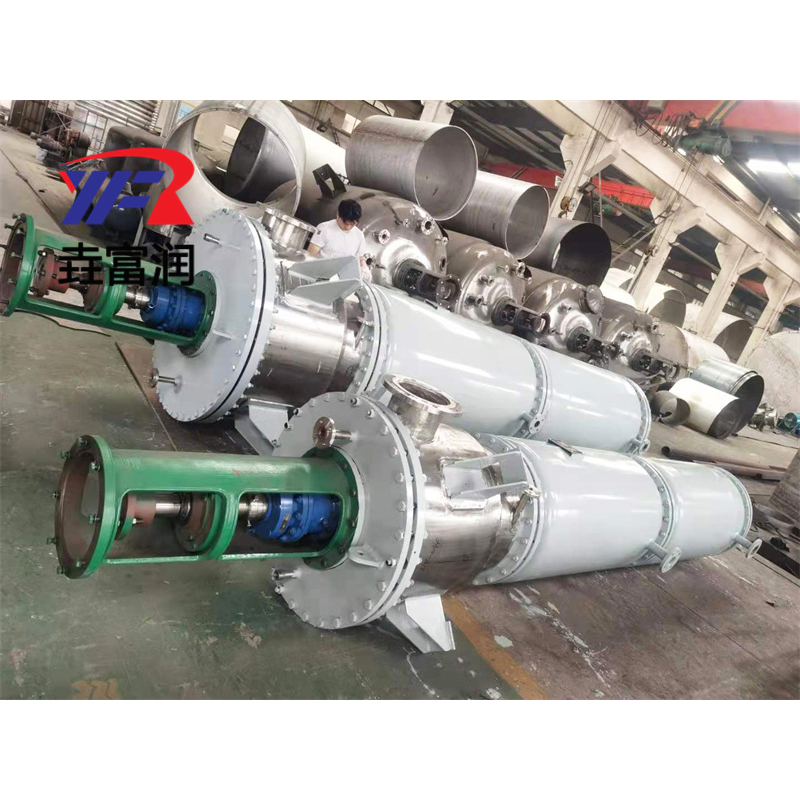
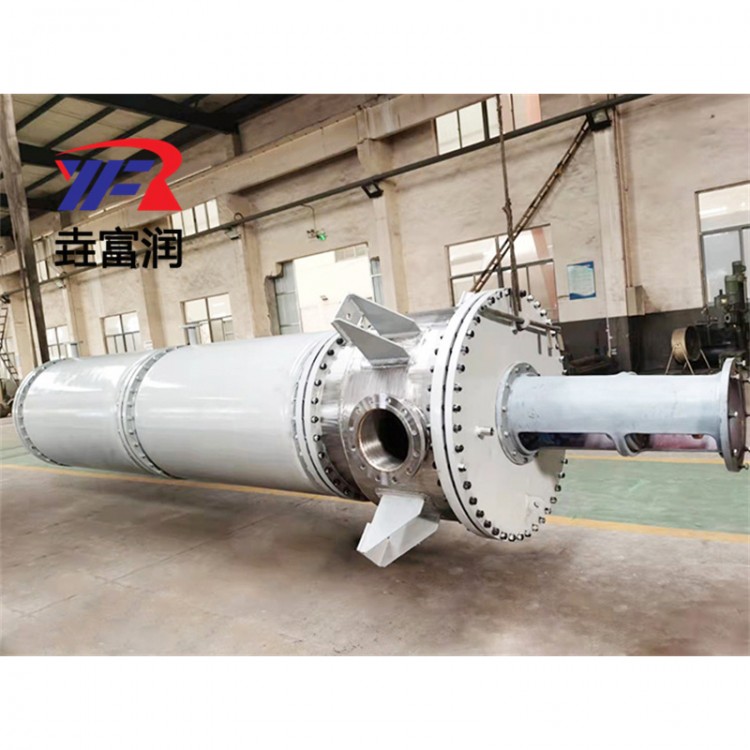
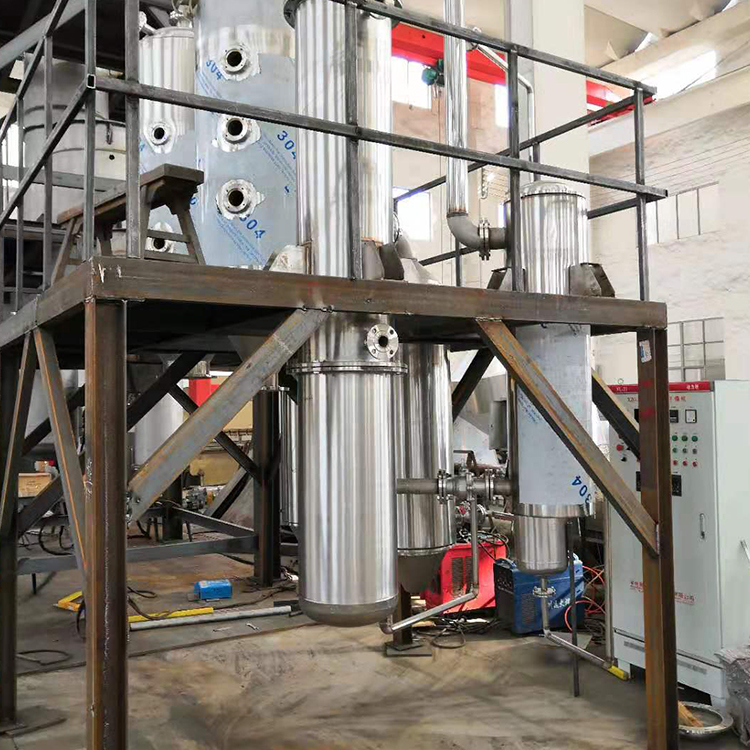
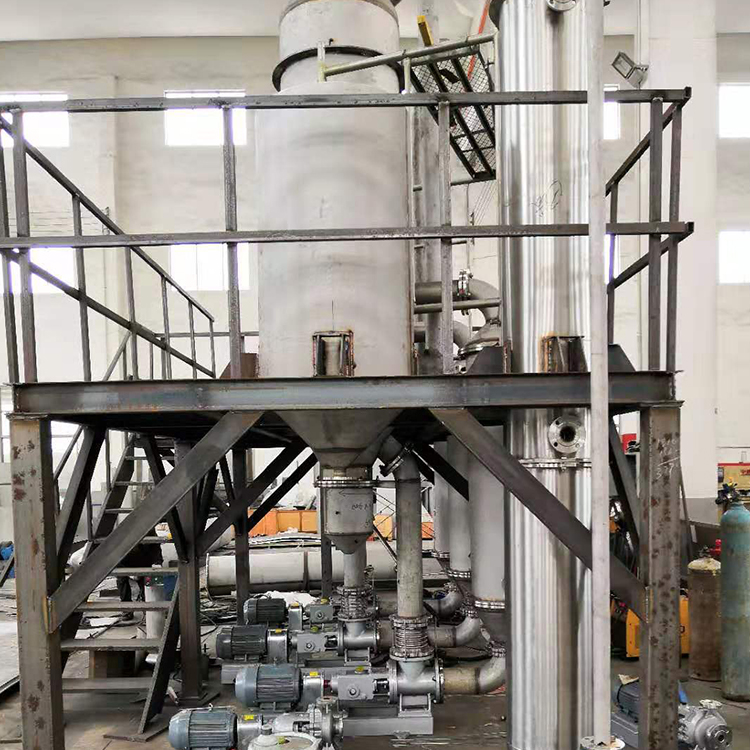
All-effect heating evaporators, all-effect separators, condensers, thermal pumps, sterilizers, insulation pipes, vacuum systems, all-effect liquid transfer pumps, condensate discharge pumps, operation platforms, electrical instrument control cabinets, valves, piping systems, etc.
III. Working Principle
The liquid is added to the heating chamber from the top and, after being distributed by the liquid distributor, flows downward in a film-like state under the action of gravity, vacuum induction, and air flow. It is heated and vaporized inside the tube, and the vaporized steam, along with the liquid, is drawn out from the bottom of the heating tube. After vapor-liquid separation, the concentrated liquid is obtained. The secondary steam evaporated from the liquid enters the next-effect evaporator for heating or is condensed in the condenser.
Four, Key Features
The entire heating system of the equipment boasts high heat transfer efficiency and short heating time due to even steam heating and liquid film flow evaporation of the material. Further equipped with a thermal pump, it offers additional advantages such as energy and cost savings, low steam consumption, and low cooling water circulation volume.
2. Material accelerates and pressurizes downwards along the inner wall of the tube, suitable for the evaporation and concentration of thicker liquid substances.
3. Due to the film-like evaporation of the material within each tube, the heating time for the liquid is exceptionally short, making it particularly beneficial for food evaporation and concentration, significantly preserving the nutritional content of the food.
4. The evaporation process, under vacuum, ensures both the hygiene requirements of the material and environmental protection standards, while significantly reducing the evaporation temperature. With the addition of a thermal pump, some of the secondary steam is re-injected and mixed with the main steam, saving primary steam. Moreover, the steam passing through the thermal pump enters the heating vessel in a jet mist form, rapidly diffusing and heating the liquid gently, making it suitable for concentrating heat-sensitive materials.
5. The equipment is suitable for the evaporation concentration of foamy materials. As the liquid forms a film and evaporates within the heating tubes, a vapor-liquid separation occurs. At the bottom of the vessel, most of the liquid is removed, leaving only a small portion along with all the secondary steam to enter the separator for enhanced separation. Throughout the process, there is minimal impact on the liquid, preventing the formation of foam.
6. For food evaporation concentration, the equipment can be equipped with sterilization function simultaneously. The material is first preheated, then enters the sterilizer, reaching above 94 degrees Celsius, maintaining for about 24 seconds, and then enters the first-effect evaporator. The material is rapidly flash-evaporated, with the temperature dropping instantly.
7. The equipment can be equipped with a CIP cleaning system for on-site cleaning, offering convenient operation of the entire unit with no blind spots.
8. Continuous feeding and discharging of materials for equipment.
9. Equipment is configurable with an automated system for automatic control of feed quantity, heating temperature, discharge concentration, cleaning, and also features protection measures for sensitive materials during power outages or malfunctions. Additional automated operations and controls for safety and alarms.
4. Technical Specifications
Specs/Model | Single-effect | Dual-effect | Triple-effect | Four-effect | Five Effects |
Evaporation Rate (Kg/h) | 300-2000 | 1200-4000 | 3000-15000 | 8000-50000 | 10000-65000 |
Feedstock Concentration % | Based on the client's material specifications | ||||
Material Concentration % | Based on the customer's material specifications | ||||
Steam Pressure (Mp) | ≥0.3 | ||||
Steam Consumption/Evaporation Rate (with Heat Pump) | 0.65 | 0.38 | 0.28 | 0.23 | 0.19 |
Cooling Water Consumption/Evaporation Rate (inlet water 20°C, outlet water 40°C) | 28 | 11 | 8 | 7 | 6 |
Evaporation Temperature (°C) | 45-90 | ||||
Sterilization Temperature (°C) | 90-110 | ||||