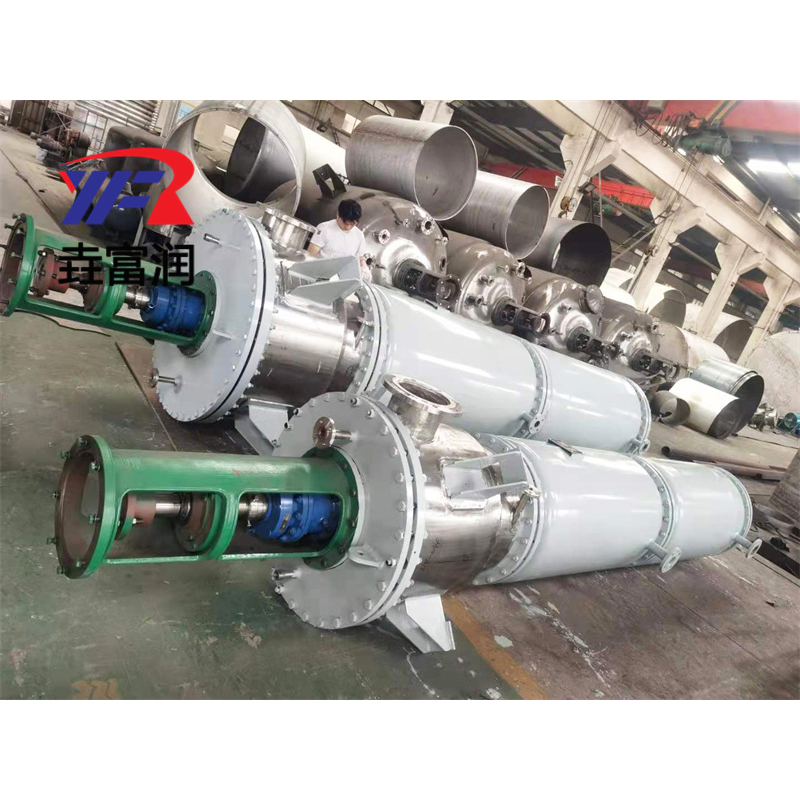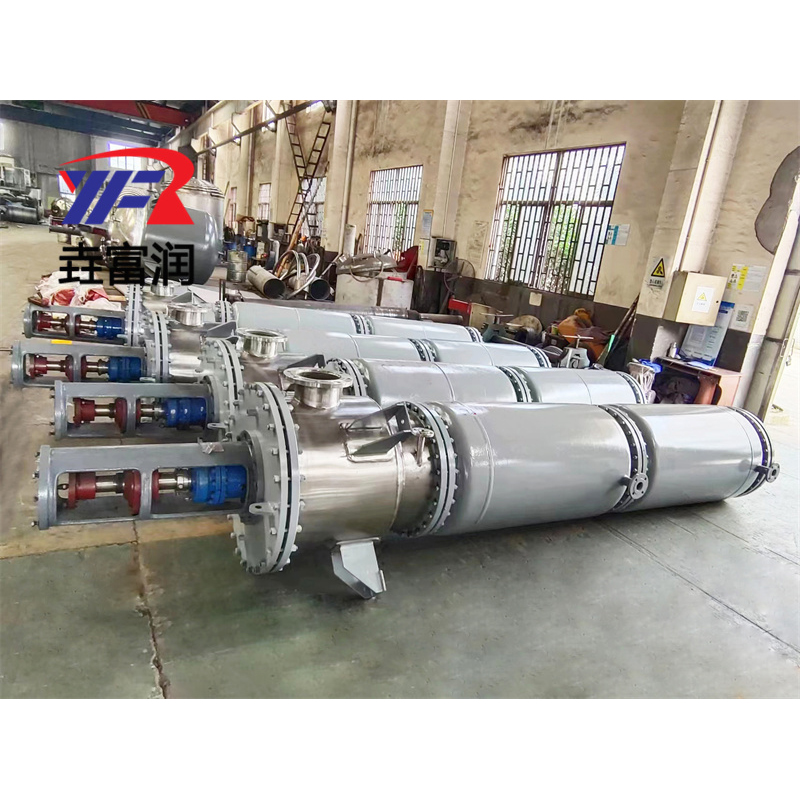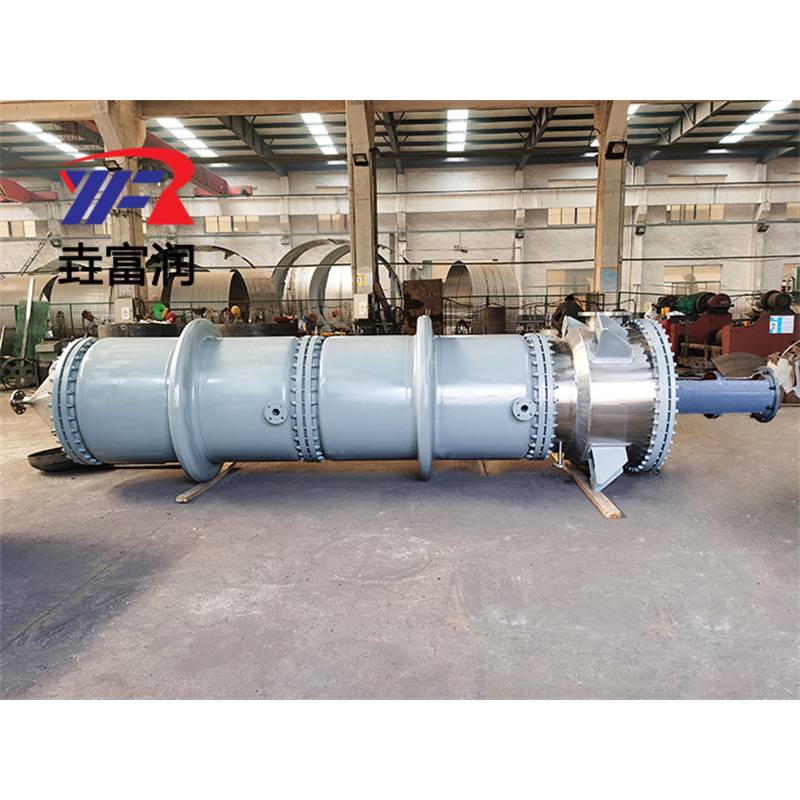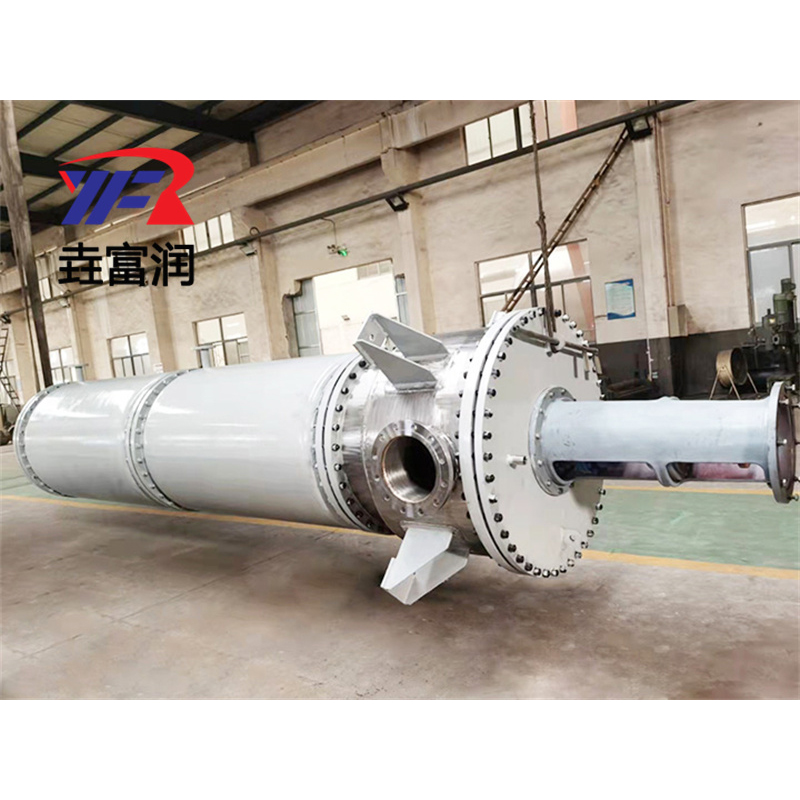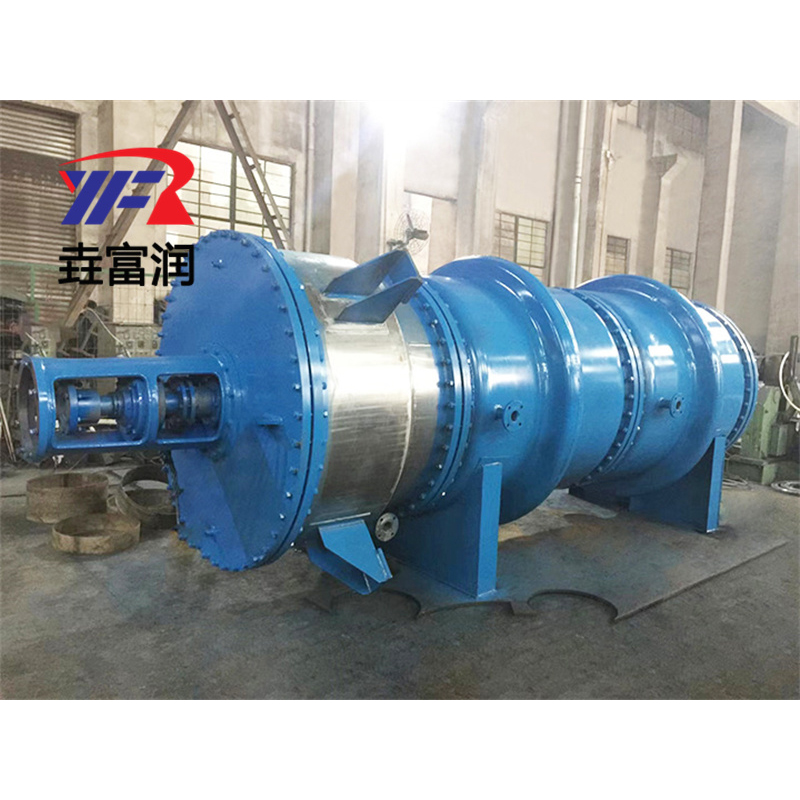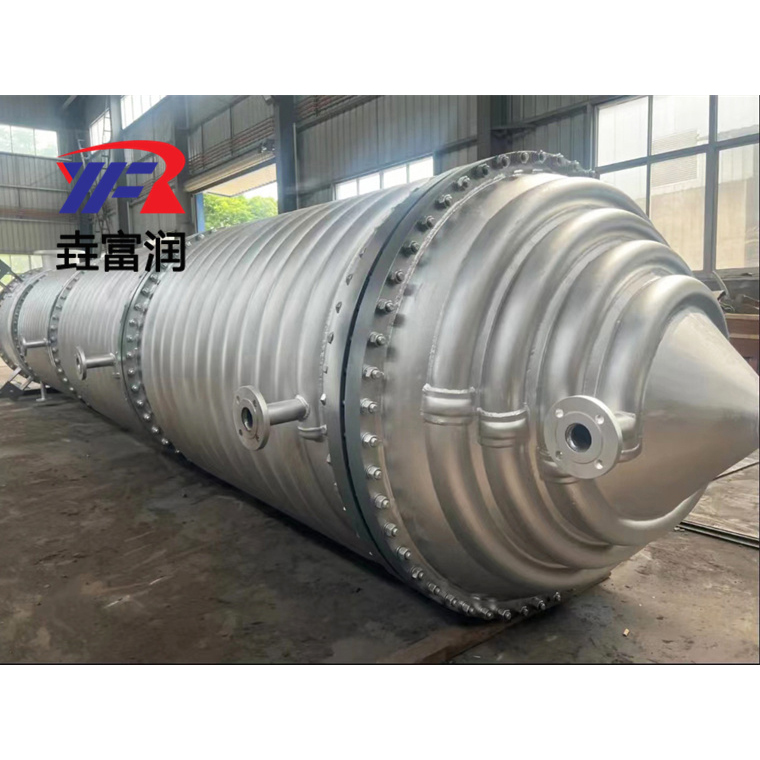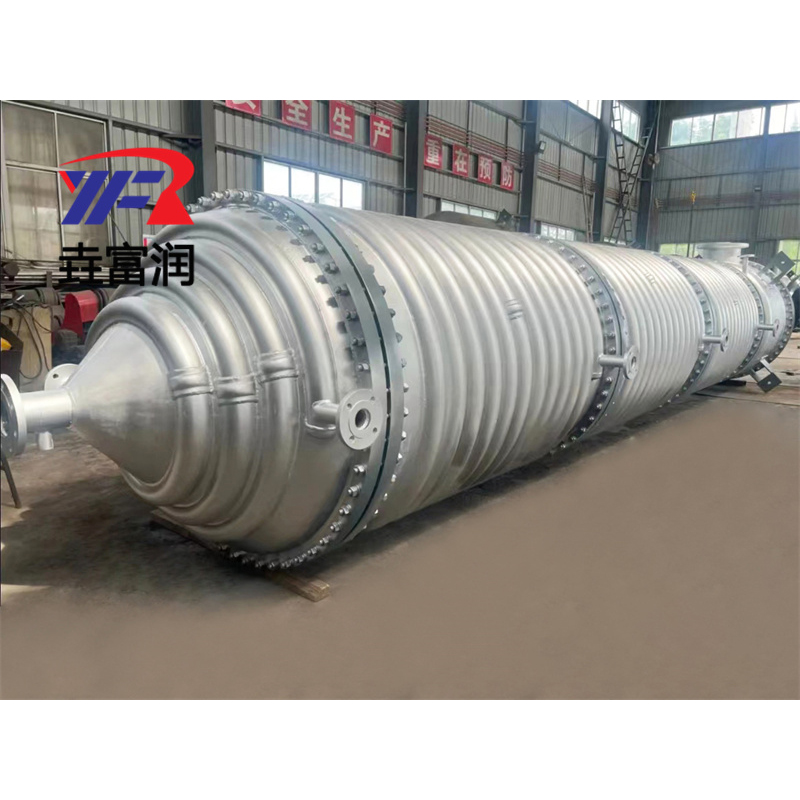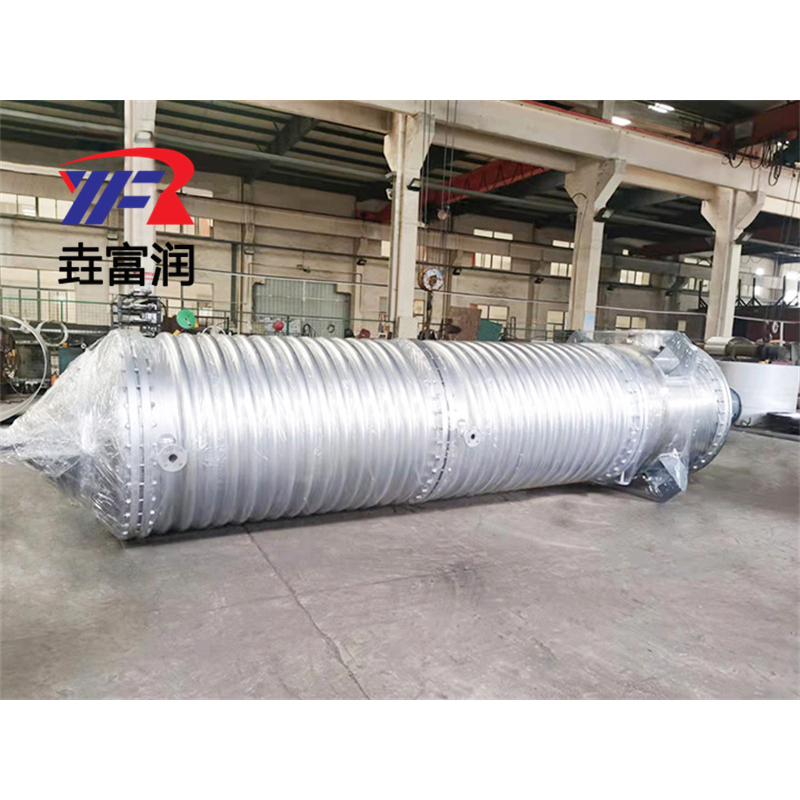








Multi-Effect Concentrator Product Description
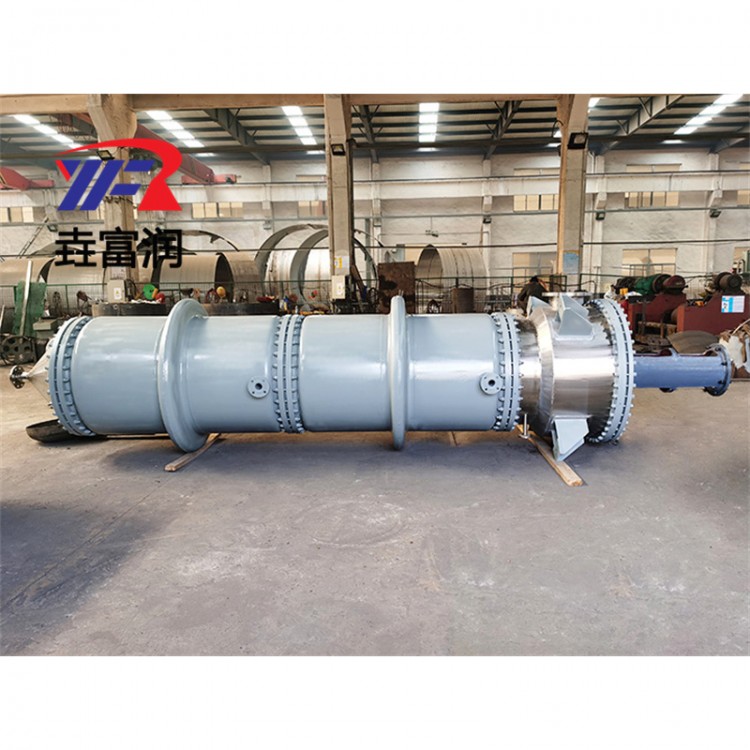
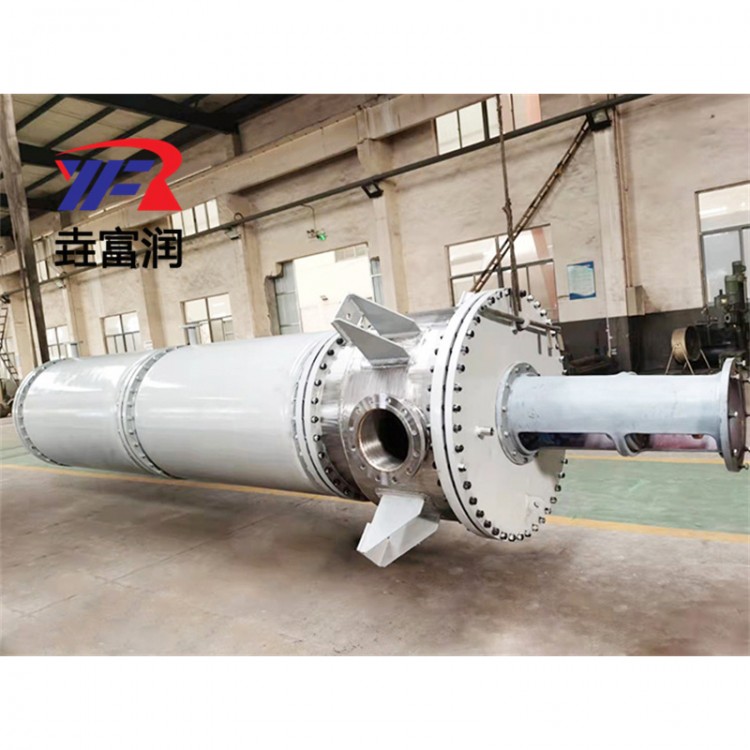
The multi-effect concentrator is a vacuum concentration unit equipped with multiple heating and evaporation chambers. It is primarily used for concentrating and distilling heat-sensitive materials in industries such as traditional Chinese and Western medicine, starch sugar, dairy products, biology, brewing, and chemicals. It commonly employs vacuum减压concentration technology, featuring a vacuum system for short concentration times, effectively reducing the degradation of active ingredients in heat-sensitive materials. It also allows for the full recycling of secondary steam. The contact parts of this equipment are made from high-grade stainless steel, offering excellent corrosion resistance and meeting GMP safety and hygiene standards.
Multi-functional Concentrator Structure Composition:
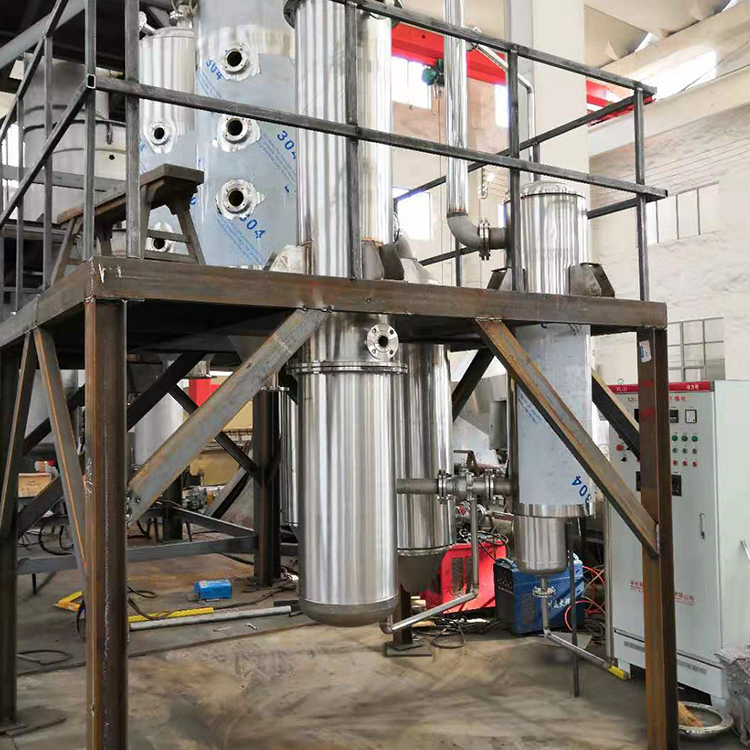
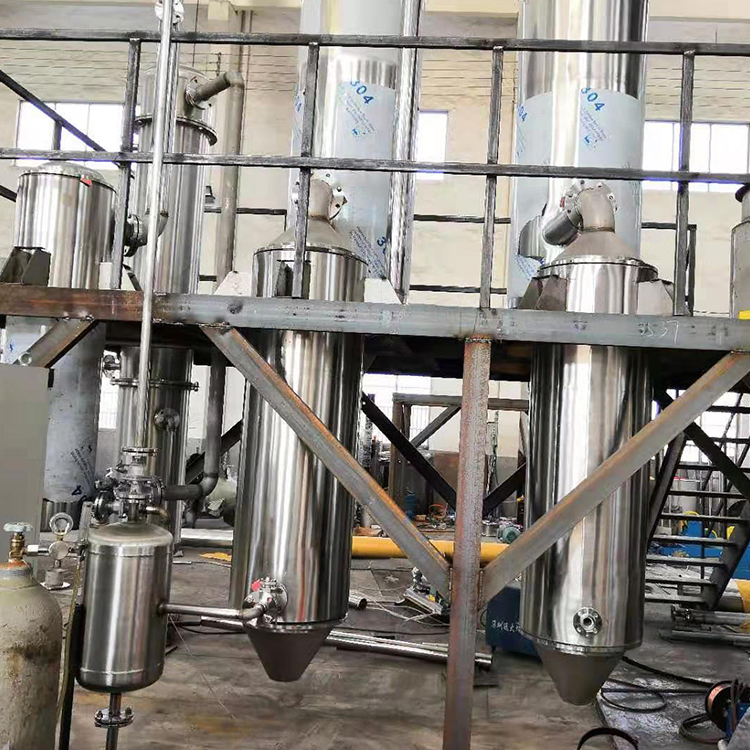
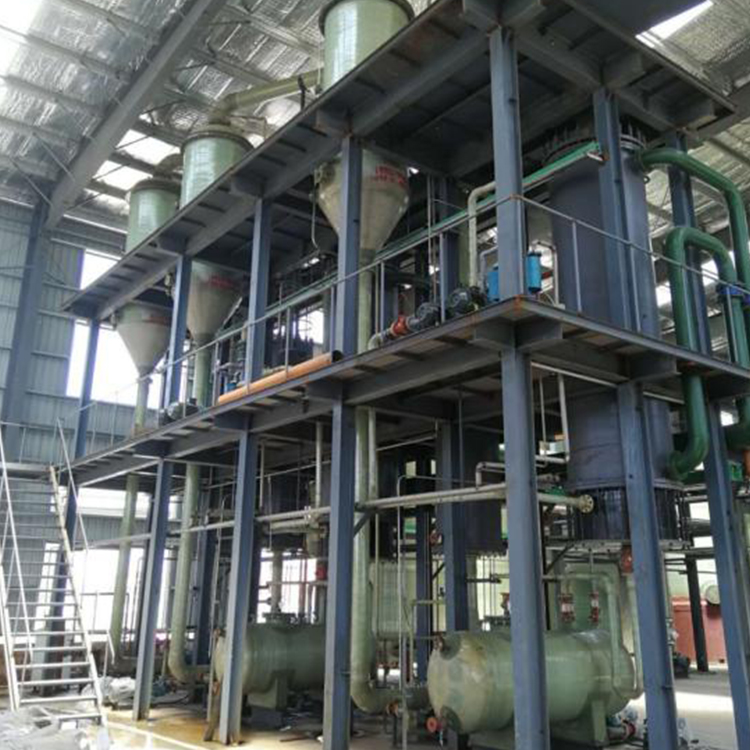
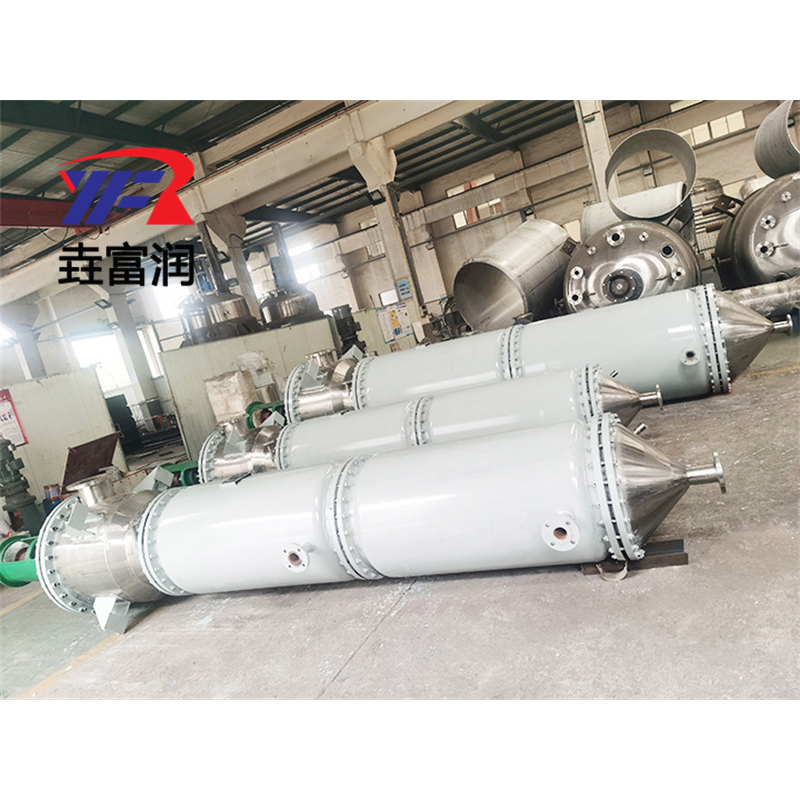
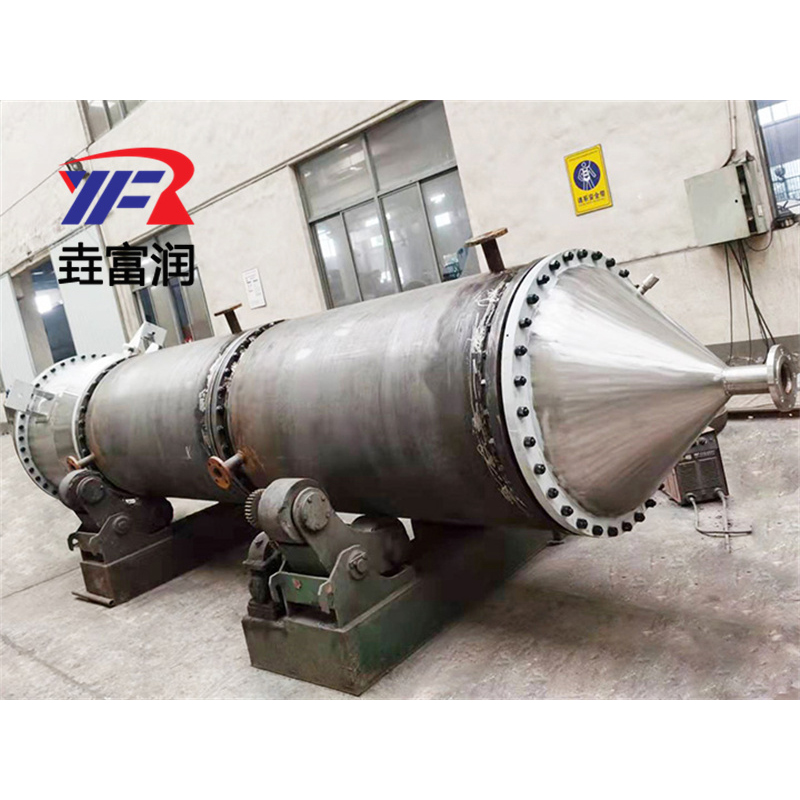
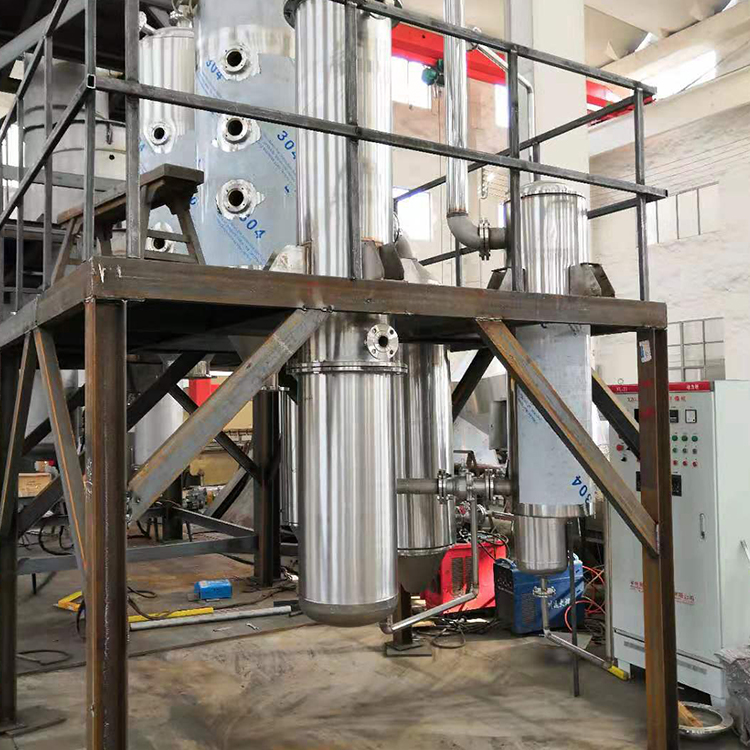
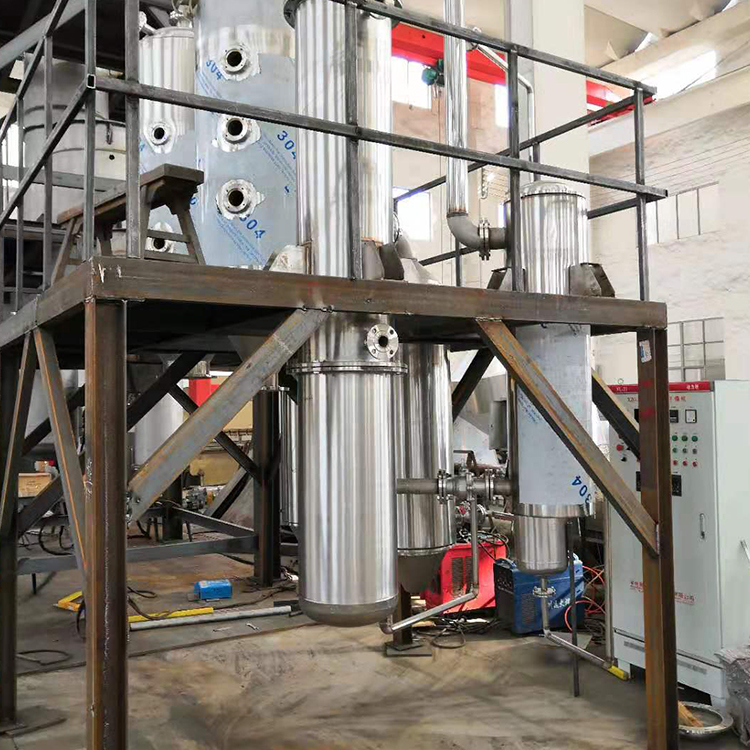
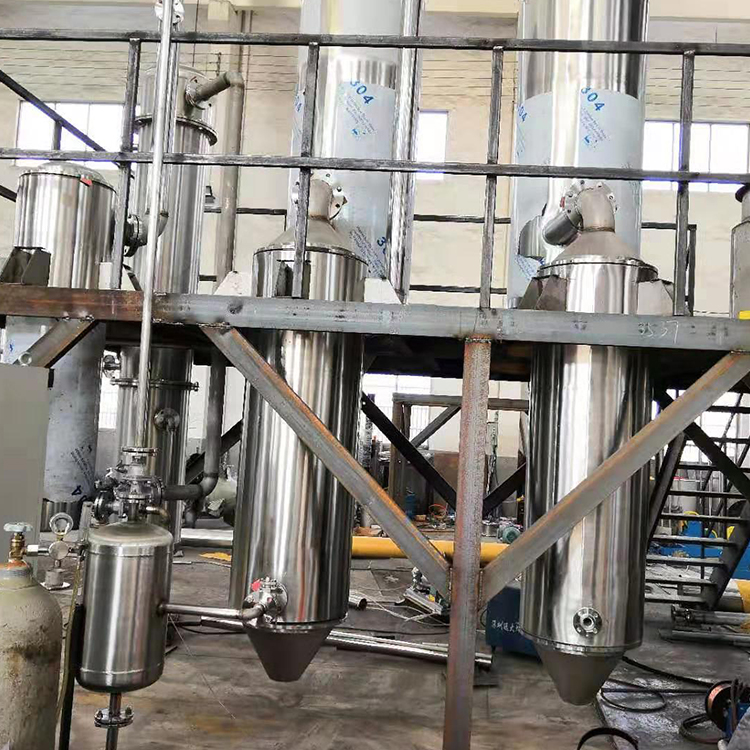
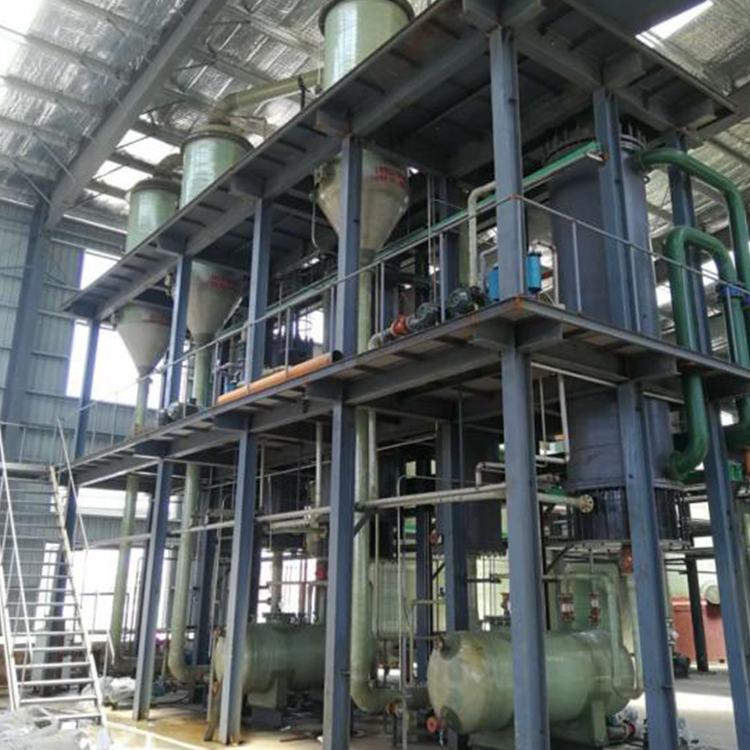
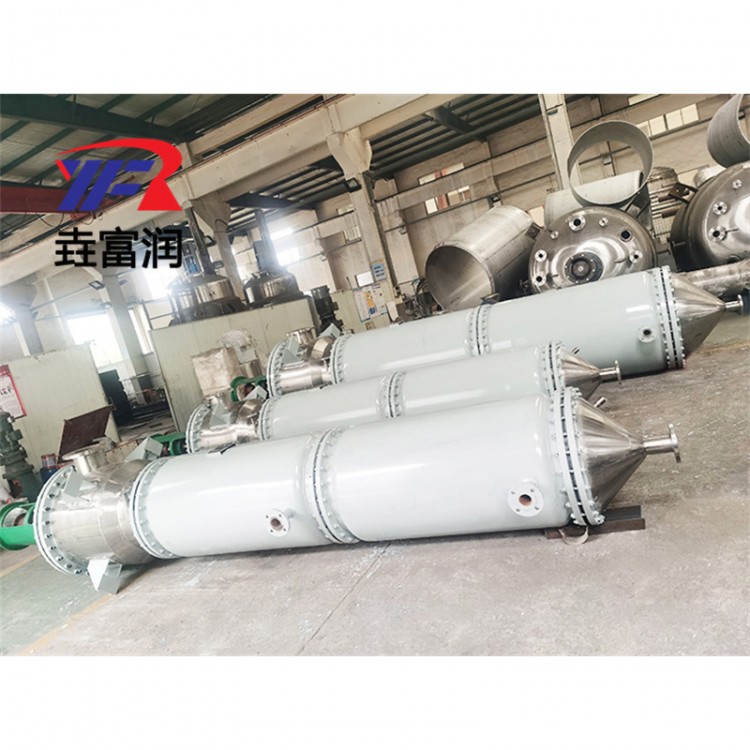
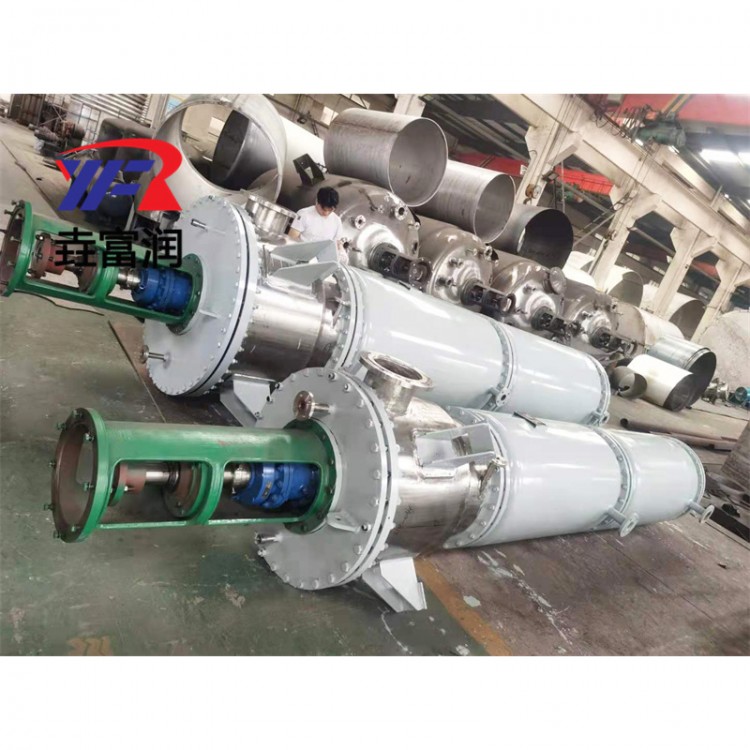
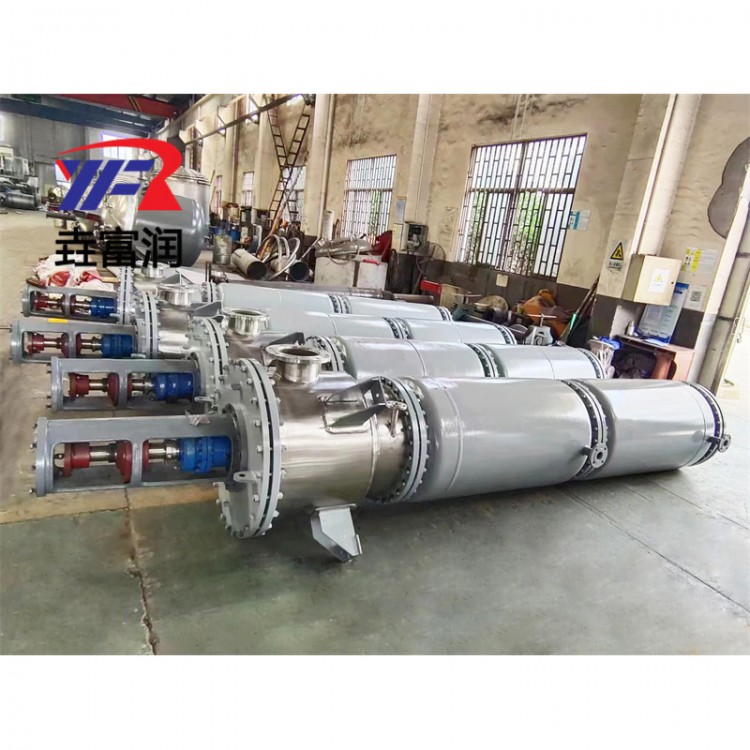
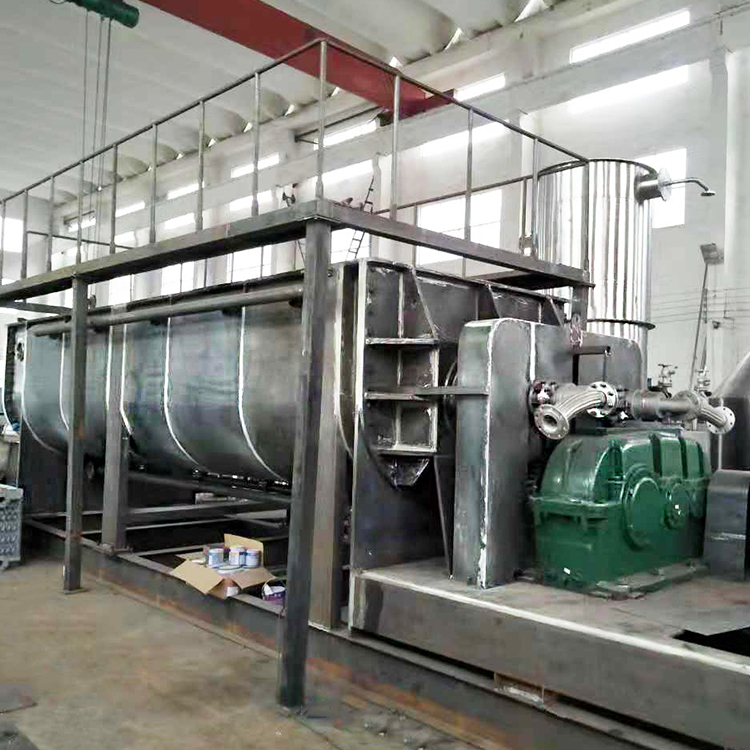
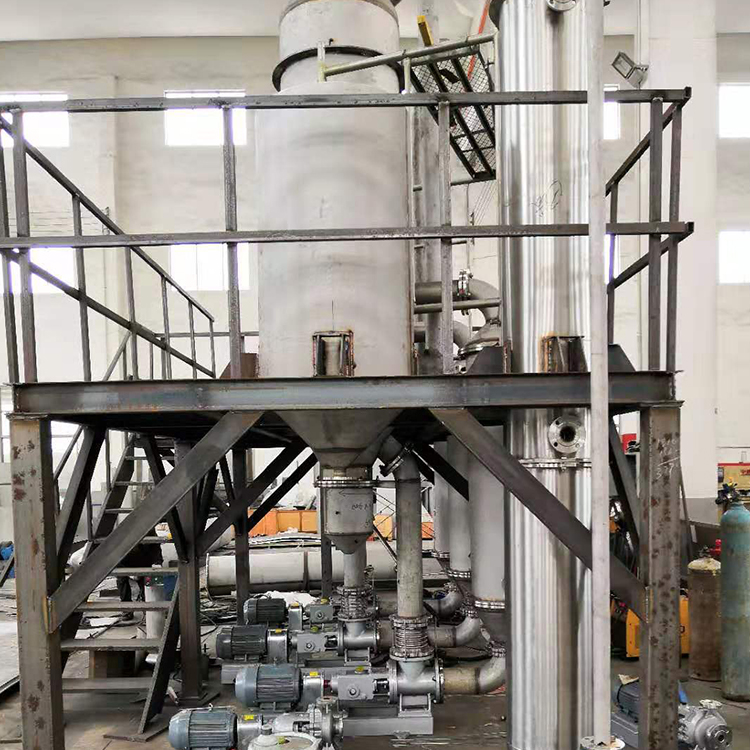
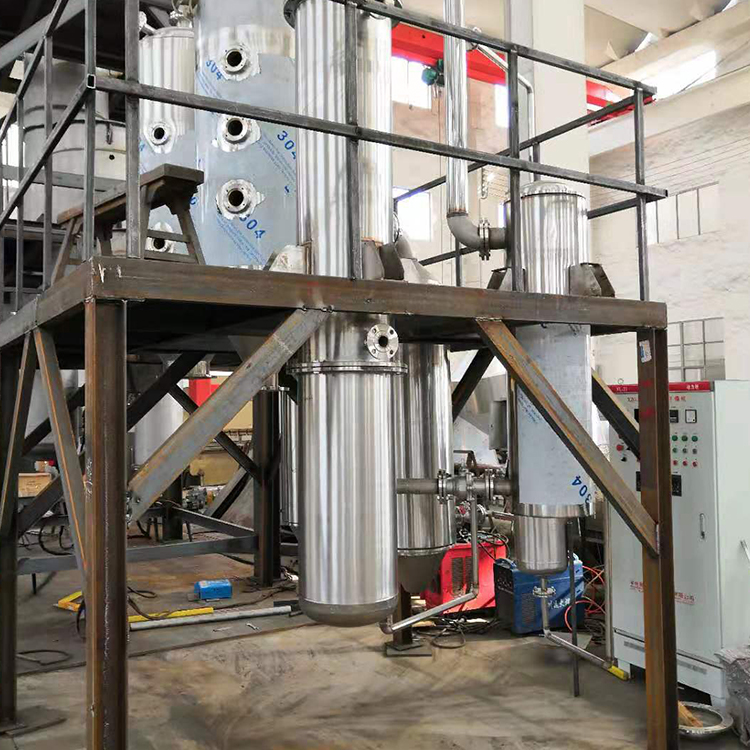
The equipment primarily consists of a multi-effect heating chamber, an evaporator, a concentration tank, a condenser, a vapor-liquid separator, a cooler, a receiver tank, etc. It is also equipped with a heating unit, a stirring device, a jacket or coil, a drive mechanism, a shaft seal, insulation medium, inlet (outlet) ports, supports, temperature sensors,CIP interfaces and components.
All multi-functional concentrator main equipment are made ofCrafted from high-grade SUS304/316L stainless steel, the inner cylinder wall is finished with mechanical polishing or electrolytic mirror polishing, the outer cylinder wall is insulated with full welded 304 structure, and the outer surface is treated with mirror or matte finish; the cylinder's external connection port features a hygienic quick-release joint, ensuring safety and hygiene with no dead corners, and meets the national GMP hygiene standards.
Multifunctional Concentrator Online Control System with a Color LCD Touch ScreenPLC full automatic control, capable of online detection and control of related parameters in the concentration process. The control system includes sterilization interface, parameter setting and correction, data curve graphs, data reports, concentration batch number setting, online animation, alarm devices, etc., which can be connected to a host computer, computer, and printer for remote monitoring, data storage, and printing.
Additionally, temperature control devices and temperature sensing holes are also included.CIP automatic rotating spray balls, defoamers, baffles, air distributors, temperature sensors, sight glass spotlights, level gauges, safety valves, and other equipment are user-friendly, simple, reliable, and highly secure.
Multi-functional Concentrator Structural Features:
1. The main unit of the multi-functional concentrator is made of high-grade SUS304/316L stainless steel, with both interior and exterior surfaces meticulously polished to prevent material adhesion, easy to clean, and resistant to scaling, clogging, sticking, and foaming.
2. The equipment features excellent heat transfer performance, high evaporation efficiency, and good energy-saving benefits. It employs multi-effect simultaneous evaporation, maximizing the utilization of secondary steam with lower energy consumption. The large condensation and cooling area ensures effective recovery. The slag discharge door utilizes a push-pull self-locking patented technology, with stainless steel rigid pipes for liquid discharge, ensuring safety and reliability with no leakage.
3. According to process requirements, various extraction operations such as vacuum and atmospheric pressure can be achieved simply by switching valves; adopts减压concentration operation, with low evaporation temperature. It can be equipped with a stirrer to enhance evaporation speed, prevent material sticking, reduce foam formation, and improve the concentration of the finished product.
4. Multi-functional operating features: (1) Recyclable alcohol concentration of about 80%; (2) Single, double, and triple-effect can be repeatedly and sequentially collected; (3) Achievable intermittent and continuous feeding.
5. The complete machine features a compact structure with minimal floor space; solvents are recirculated within the equipment, reducing the required amount by over 50%; low investment, high returns, and effective reduction of environmental pollution; in compliance with GMP standards.