
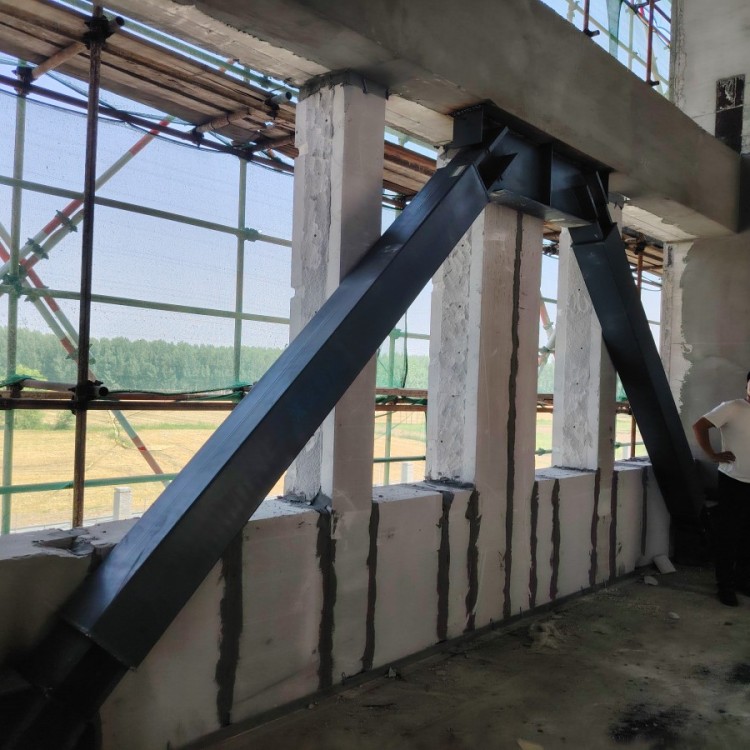
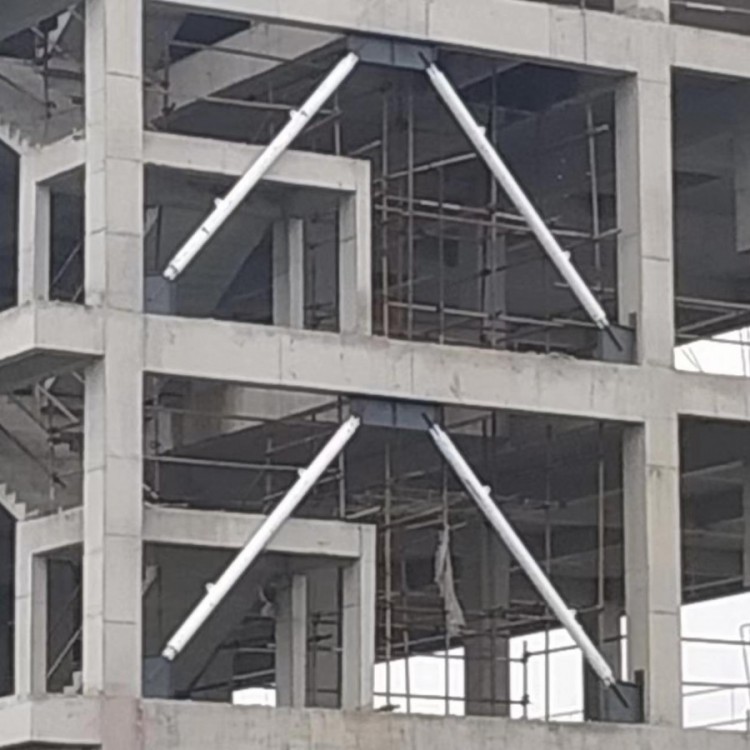
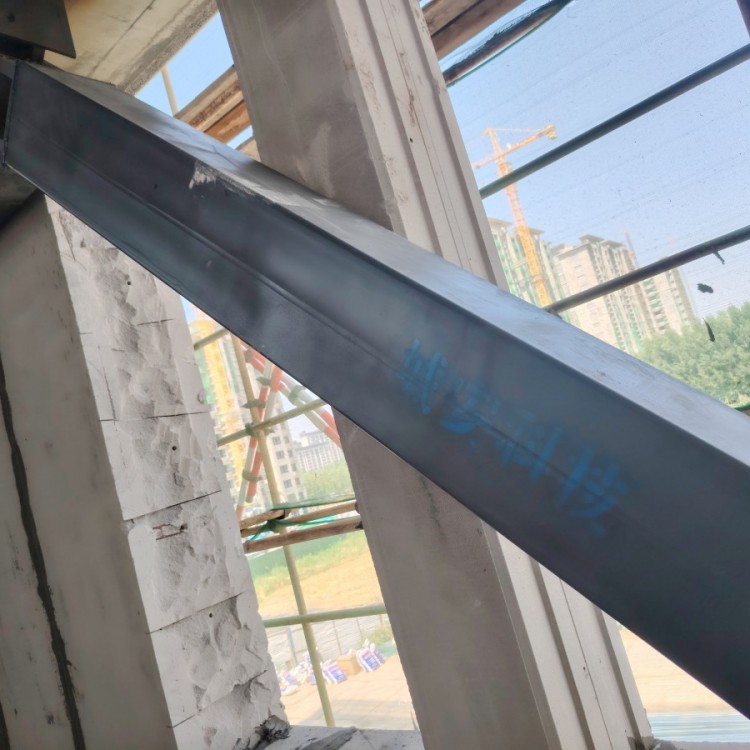







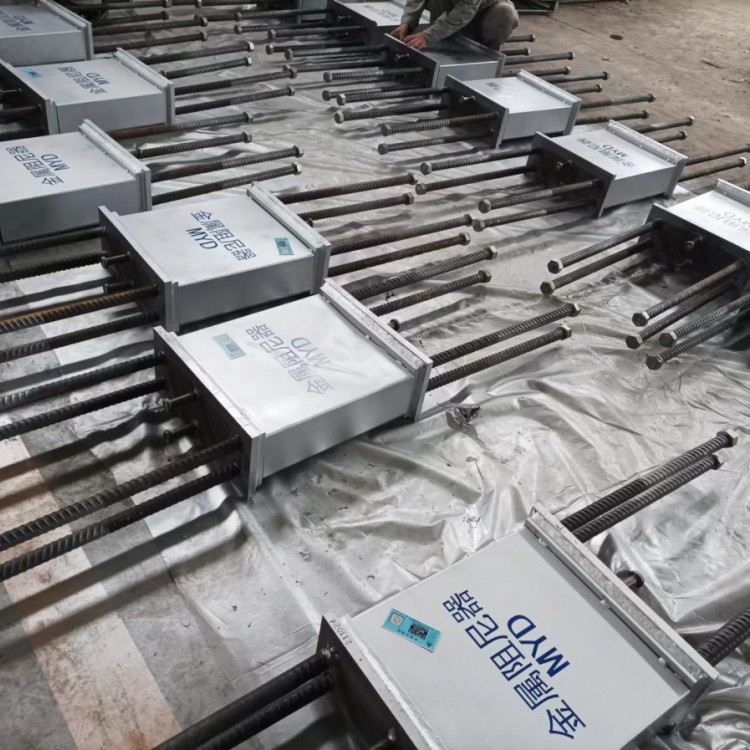
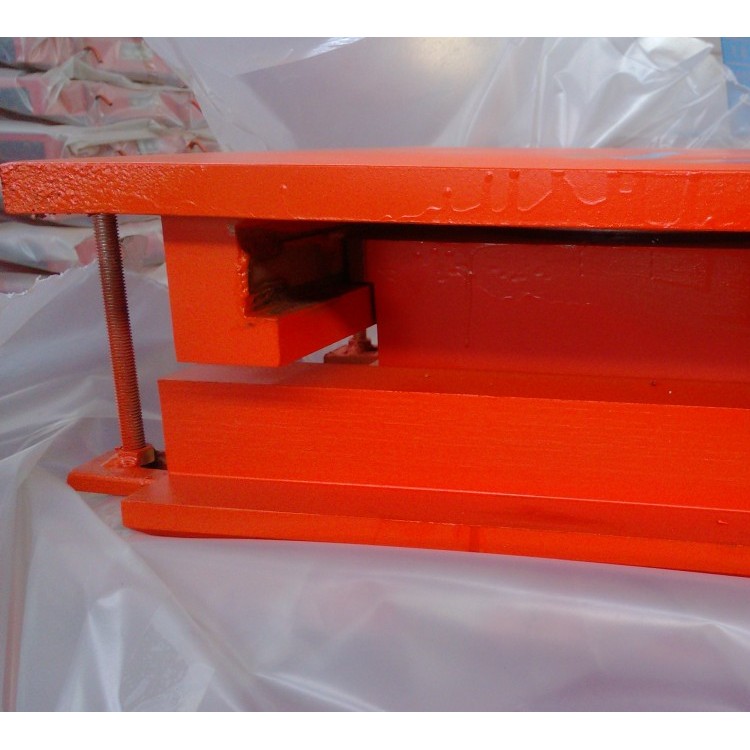
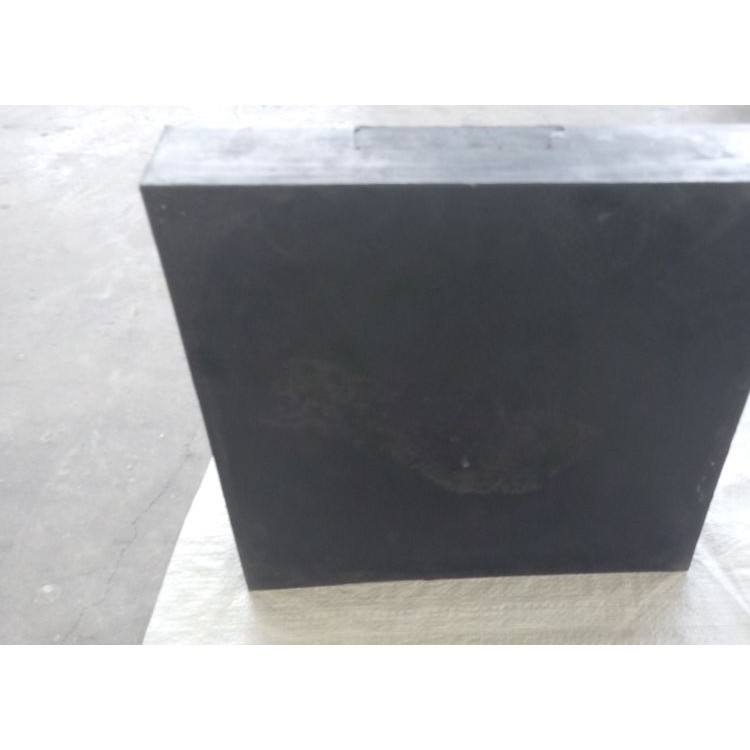
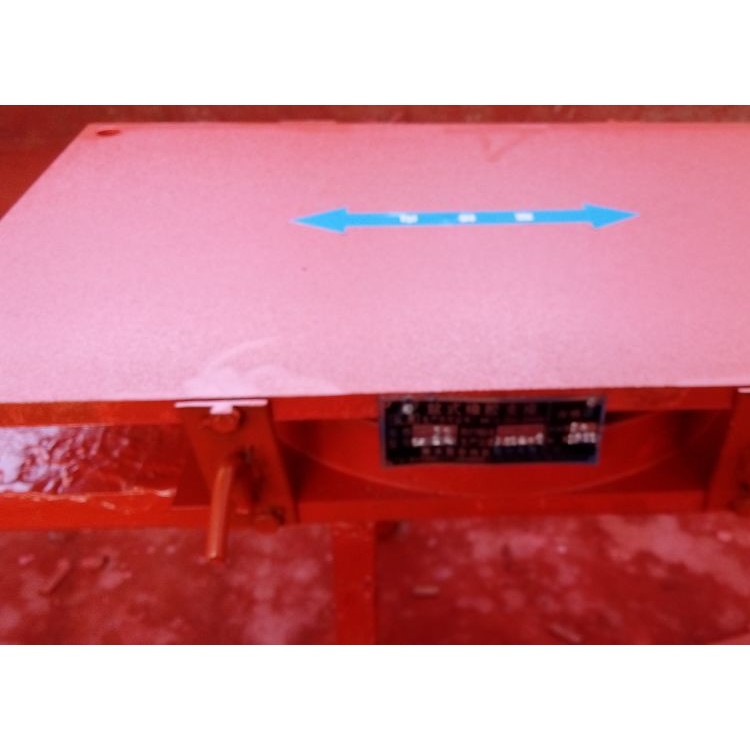
CitySafe Technology's Bent Restriction Support Features and Advantages
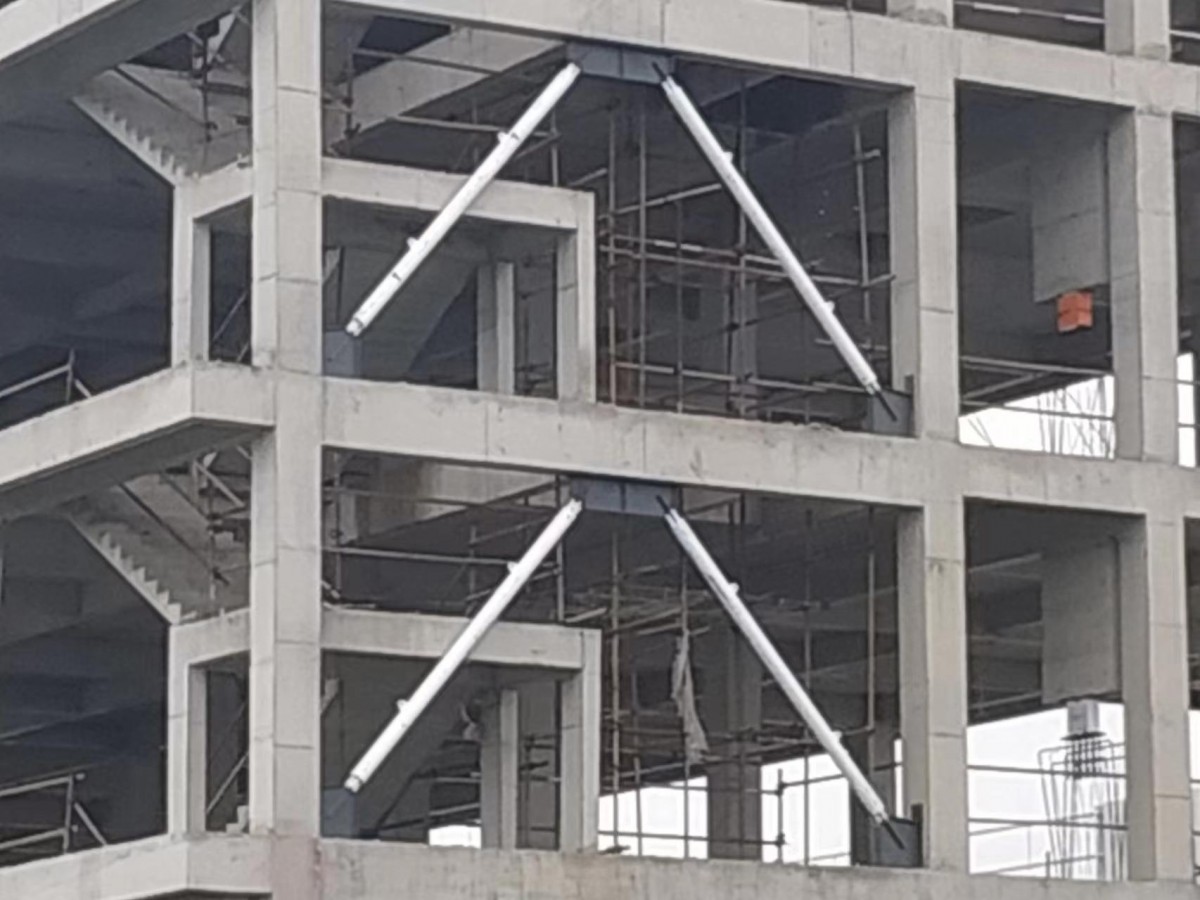
Due to the absence of stability issues under compression, the components have a load-bearing capacity 2 to 10 times greater than that of ordinary supports under wind loads and frequent earthquakes. The longer the supporting components, the more the load-bearing capacity increases. Under the same load-bearing conditions, the cross-sectional area of the buckling-restrained supports can be significantly reduced compared to ordinary supports, thereby decreasing the lateral stiffness of the structure, increasing the period, and reducing the seismic response of each mode by about 10% to 25%. For structures that are controlled by conditions involving seismic action, the reduction in seismic action theoretically allows for varying degrees of reduction in the cross-sectional area of the structural components, potentially reducing the overall cost of the structure by approximately 10% to 30%.
The buckling-restrained bracing has a clear yield load capacity and leads in energy dissipation upon moderate seismic activity, thus protecting critical main structure components like frame beams and columns from yielding under moderate seismic events. Generally, the plastic deformation caused by the buckling-restrained bracing is minimal, and after inspection, most can continue to be used.
The buckling-restrained bracing performs well in the elasto-plastic stage, featuring strong deformation capacity and good hysteresis performance, akin to an excellent energy-dissipating damper. It exhibits superior resistance to rare earthquakes compared to similar structures, ensuring structural safety during major seismic events. After a rare earthquake, the buckling-restrained bracing with significant yielding deformation can be easily replaced without affecting the building's use. In contrast, traditional frame beam ends with plastic hinges undergo energy-dissipating failure, and during removal of the damaged beam sections, extensive temporary supports must be set up or floor slabs removed, impacting the building's usability.
Buckling Restrained Bracing Products Definition and Installation
I. Definition of Buckling Restrained Bracing
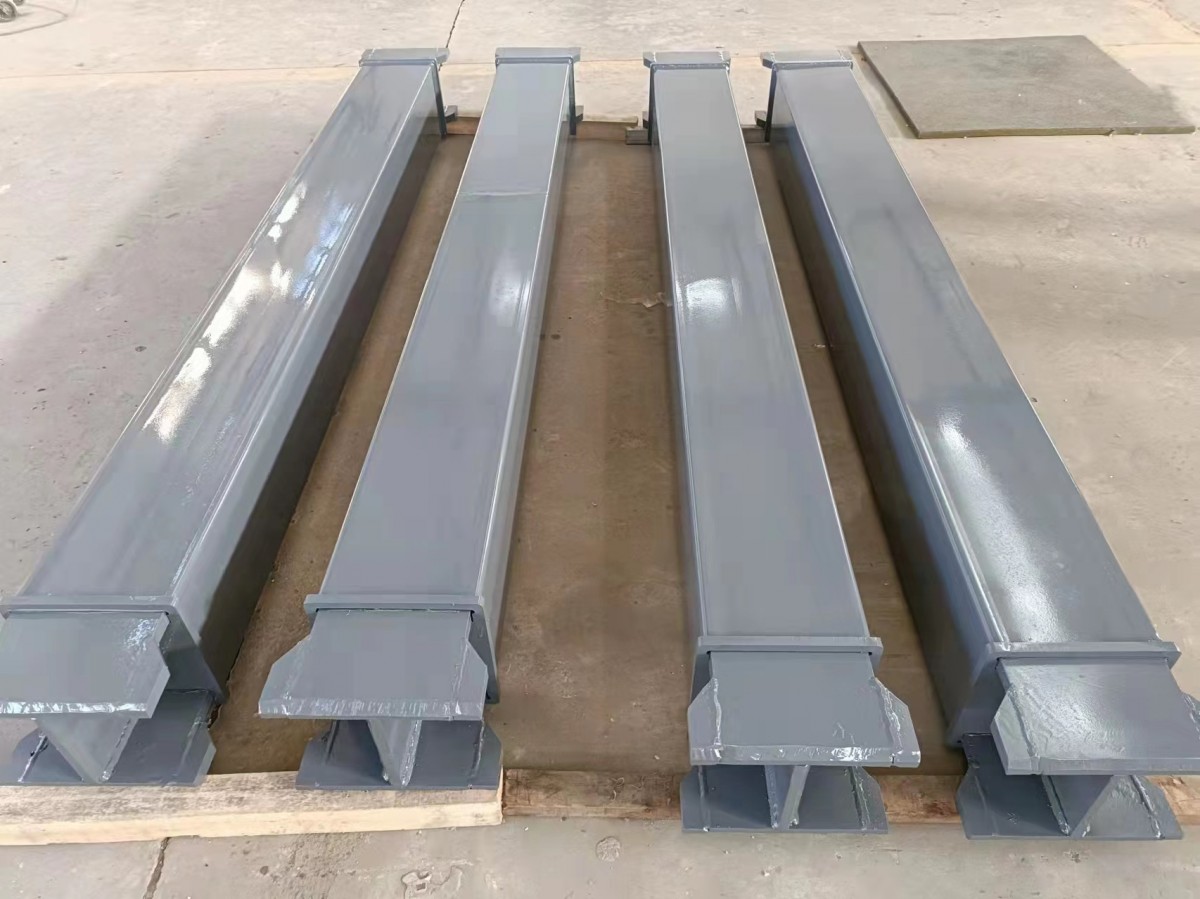
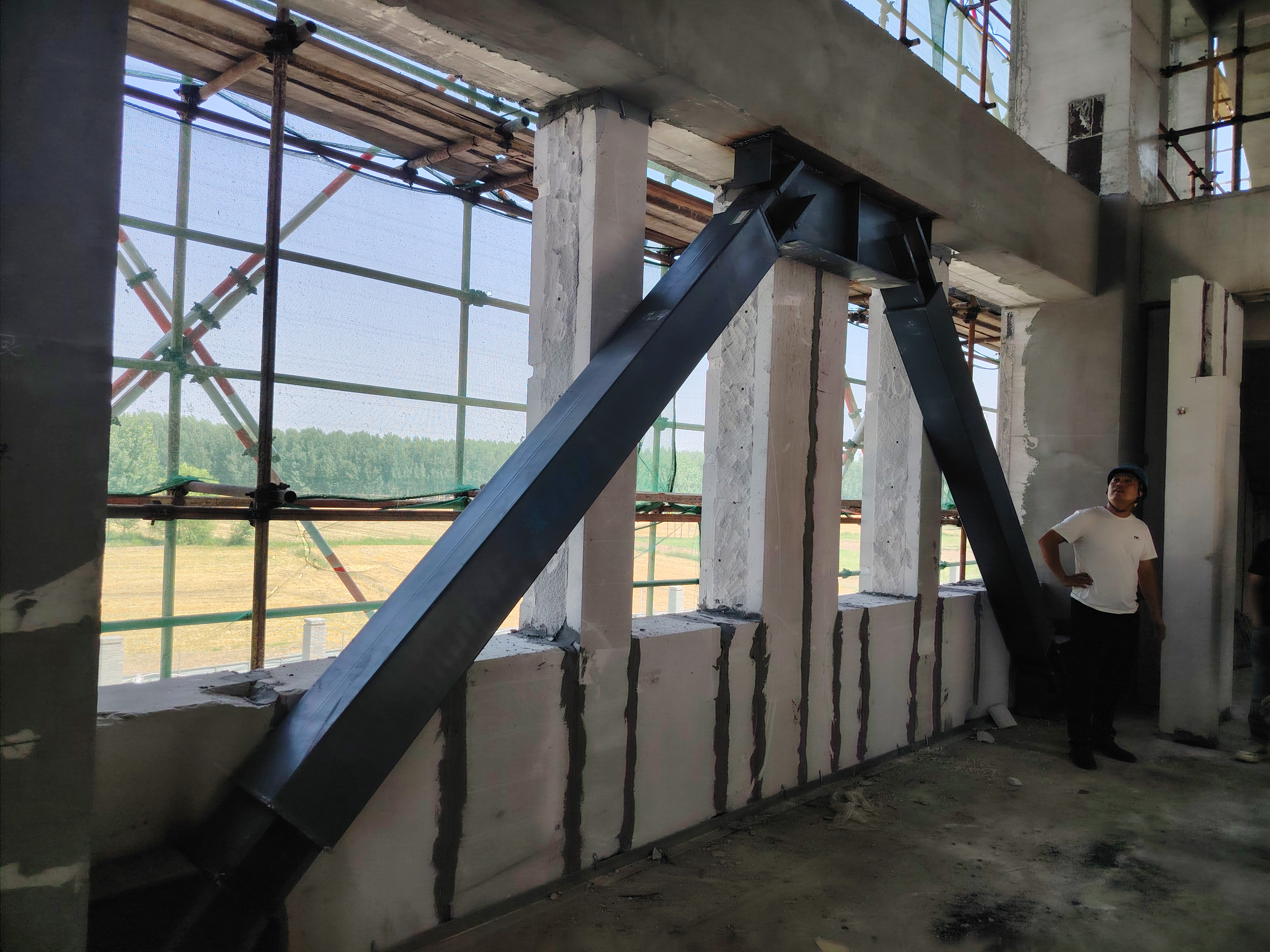
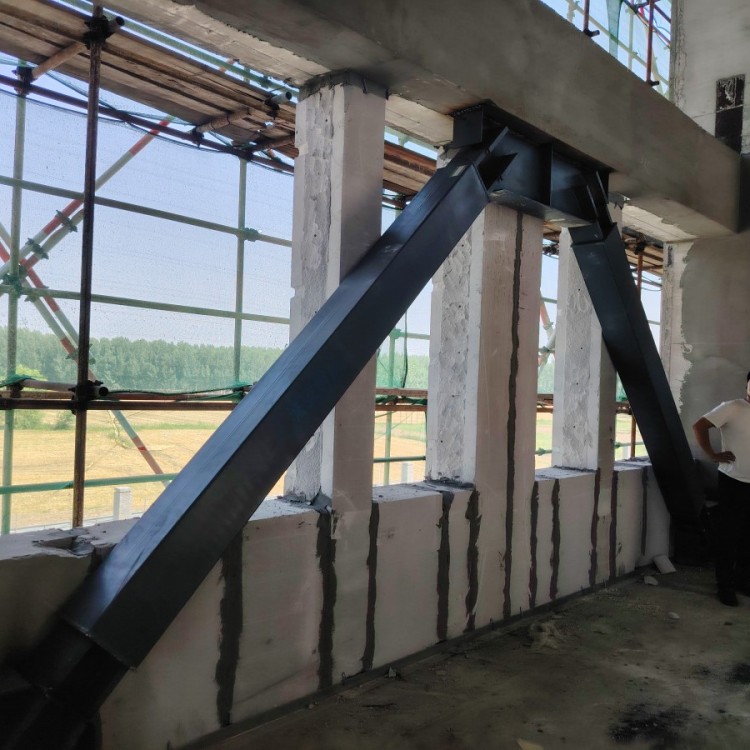
Standard supports are prone to buckling under compression and have poor hysteresis. To suppress compression buckling, a sleeve is set outside the support to form a buckling-restrained bracing. It consists of core material, a sleeve that restricts core material buckling, and non-adhesive material and filling material (if any) between the core material and the sleeve. The core steel support can slide freely relative to the restraint unit, and only the core steel support bears the load during operation.
II. Types of Buckling Restrained Bracing Components
There are two types of buckling-restrained bracing components: load-bearing and energy-absorbing. The energy-absorbing type yields and absorbs energy under seismic forces. When both increasing structural stiffness and bearing capacity, and yielding and absorbing energy under medium and large earthquakes are required, choose load-bearing energy-absorbing buckling-restrained bracing.
III. Technical Parameters of Main Materials
The yield strength ratio of the steel in the yield section of the core plate of the energy-absorbing type buckling-restrained bracing should not be greater than 0.8, the elongation should not be less than 30%, and the impact toughness should not be less than 27J (at room temperature). The yield strength fluctuation range is Q100LY (80~120 MPa), Q160LY (140-180 MPa), Q225LY (205~245MPa), Q235 (235~295MPa).
IV. Preparation for Buckling Restrained Bracing Installation
1) Before installing the buckling-restrained bracing, carefully study the drawings to understand the layout, dimension control requirements, and size and position relationships of the buckling-restrained bracing. Safety technical briefings should be organized for the workers by the relevant department.
2) When the buckling-restrained bracing components are delivered, they must be accompanied by a material list, product qualification certificate, and retest report. The material retest must be carried out in advance according to the design requirements, and the retest report must include a formal inspection report to ensure that all procedures are completed before construction.
3) Before the construction of the buckling-restrained bracing, it should be ensured that the installation and welding quality of the beams and columns in this layer have passed the inspection.
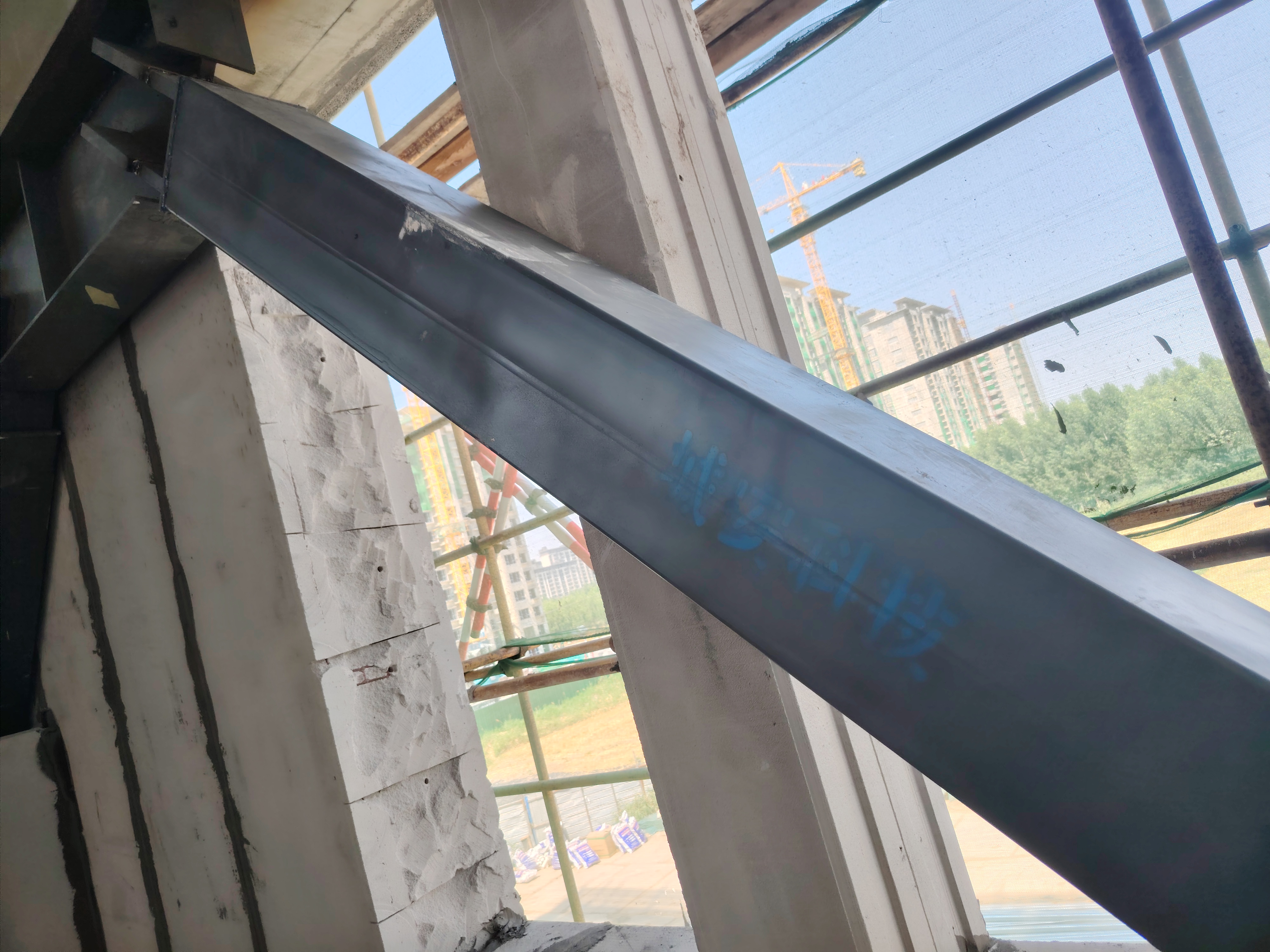
4) Clean the surface of all node plates at the installation location, remove cement slurry and rust spots, and grind them smooth. Check the anti-corrosion measures on the surface of the components.
V. Installation Process
1) According to the construction requirements, set up temporary supports at the locations where temporary supports need to be added. Temporary supports should be economic, safe, and effective, and installed as required.
2) According to the component number of the buckling-restrained bracing, place the buckling-restrained bracing at the corresponding installation location.
3) Measure the installation control dimensions of the buckling-restrained bracing (clear size between node plates) to ensure that the installation control dimensions of the buckling-restrained bracing are 10~20mm longer than the total length.
4) Remove the power lines, steel wires, and walkways, etc., that hinder installation in the铺设 area.