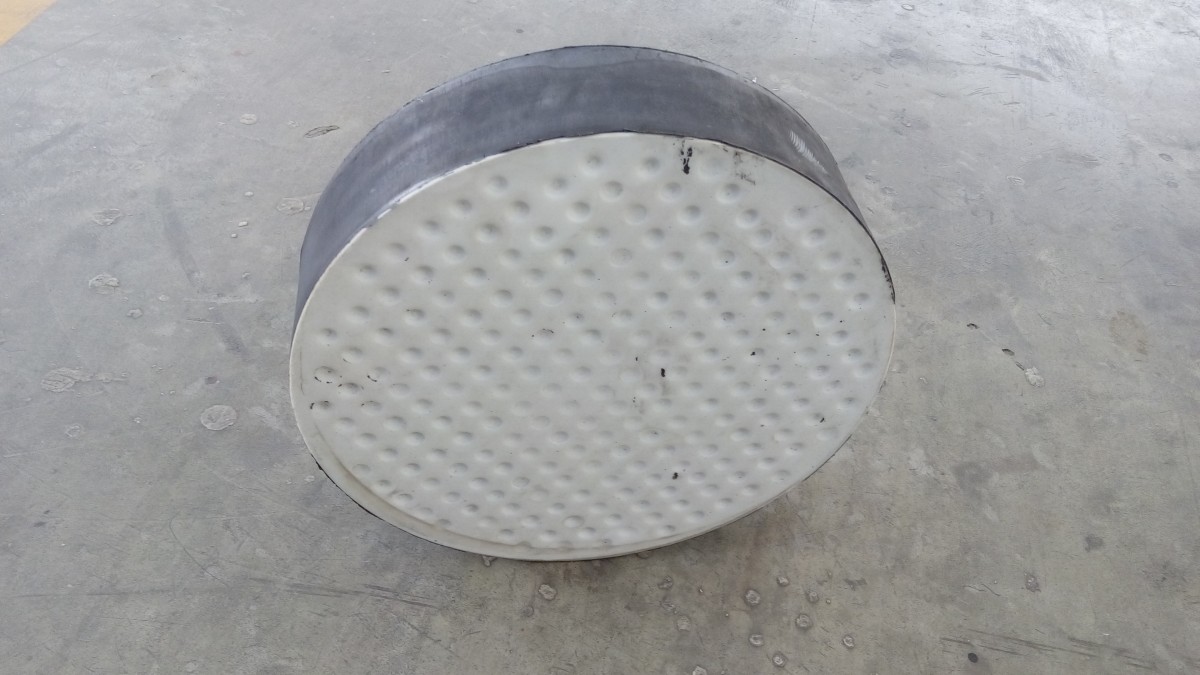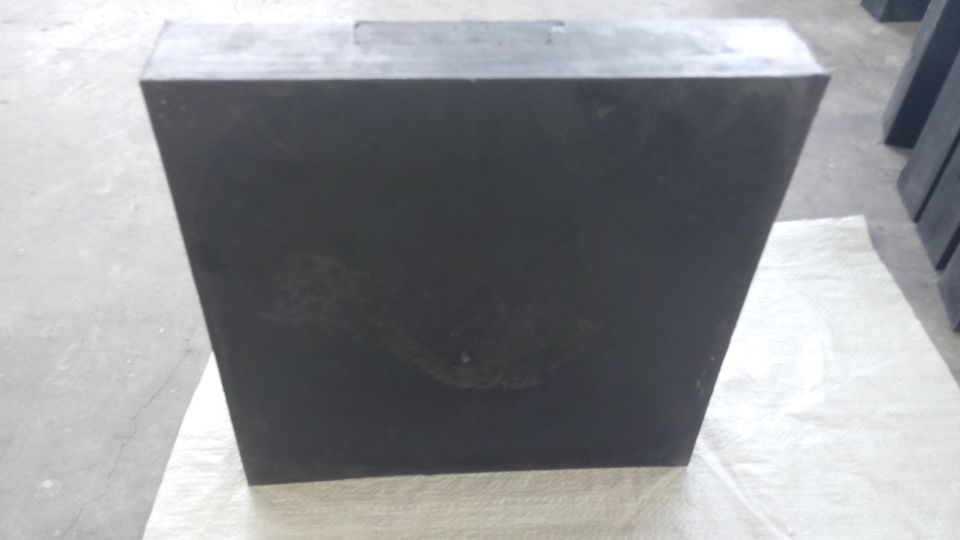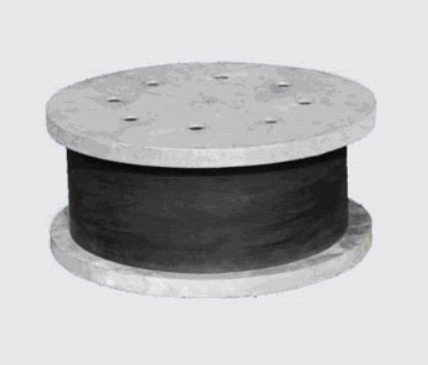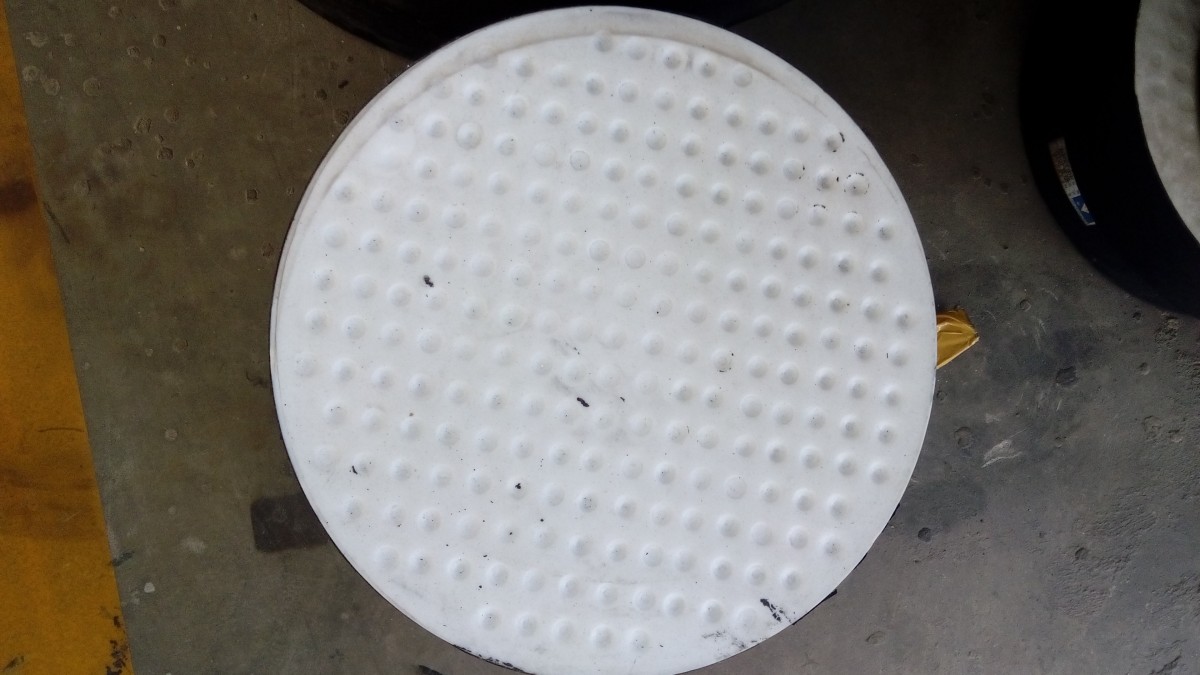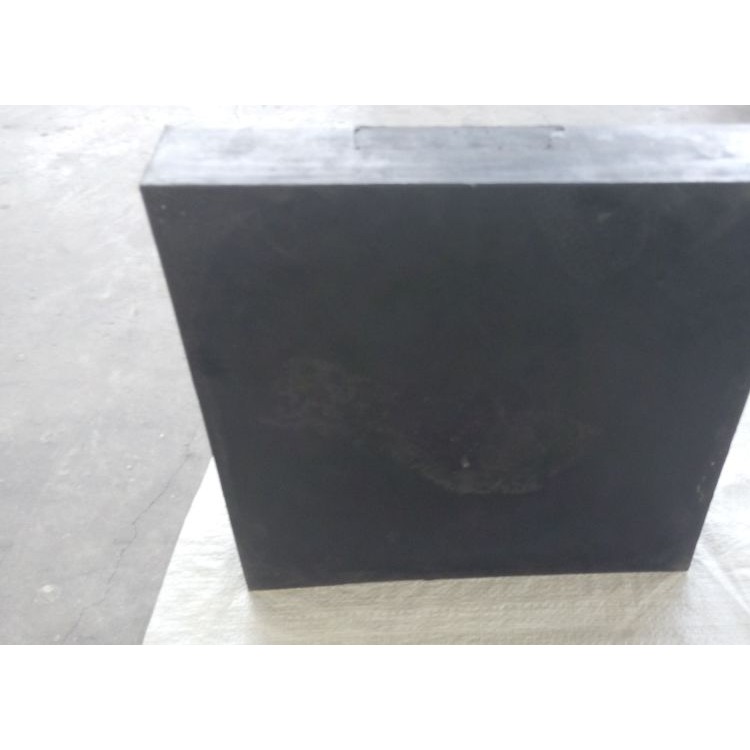

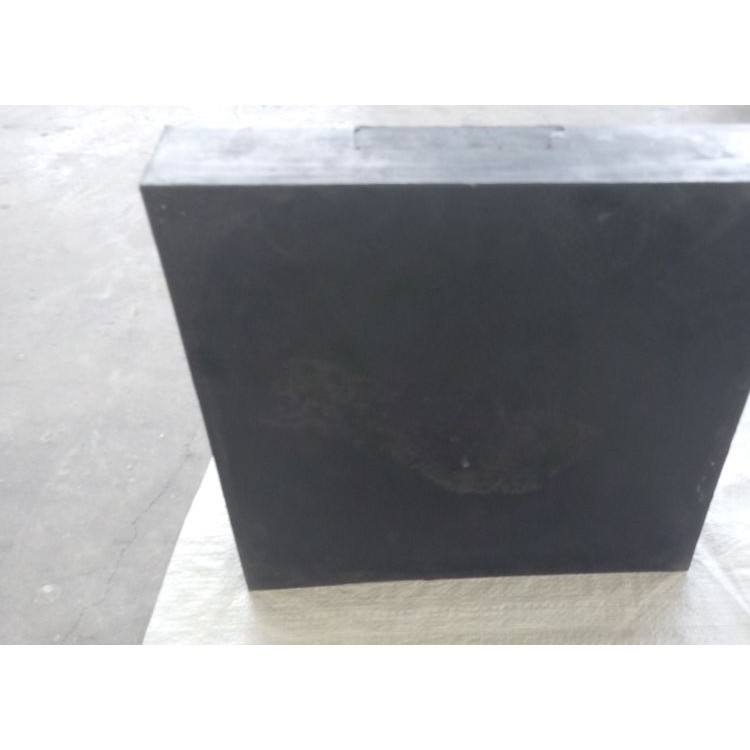
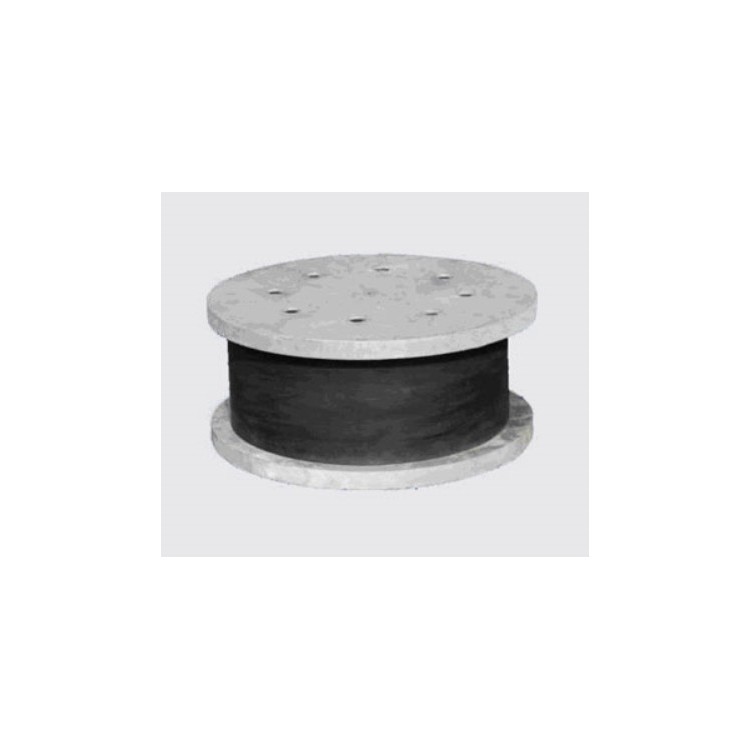







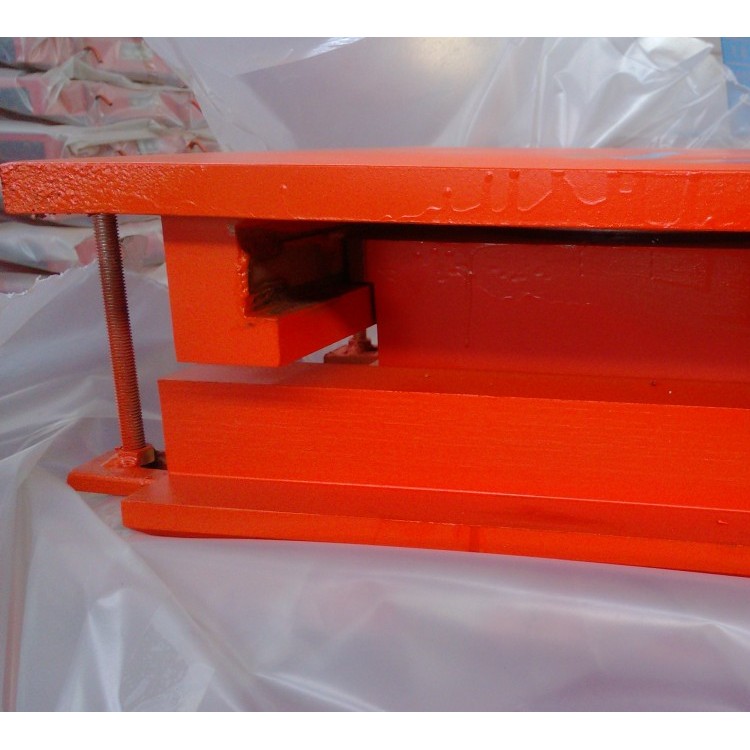
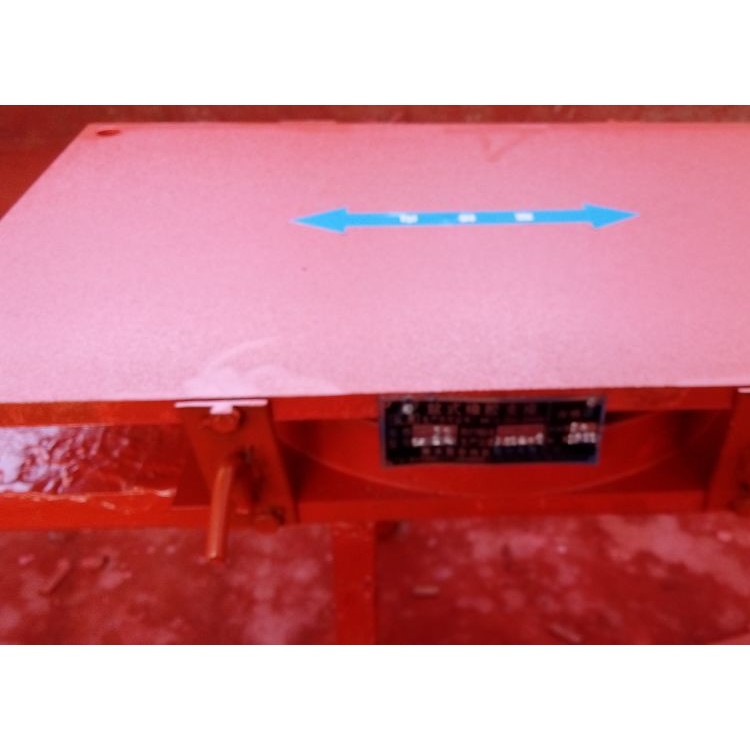
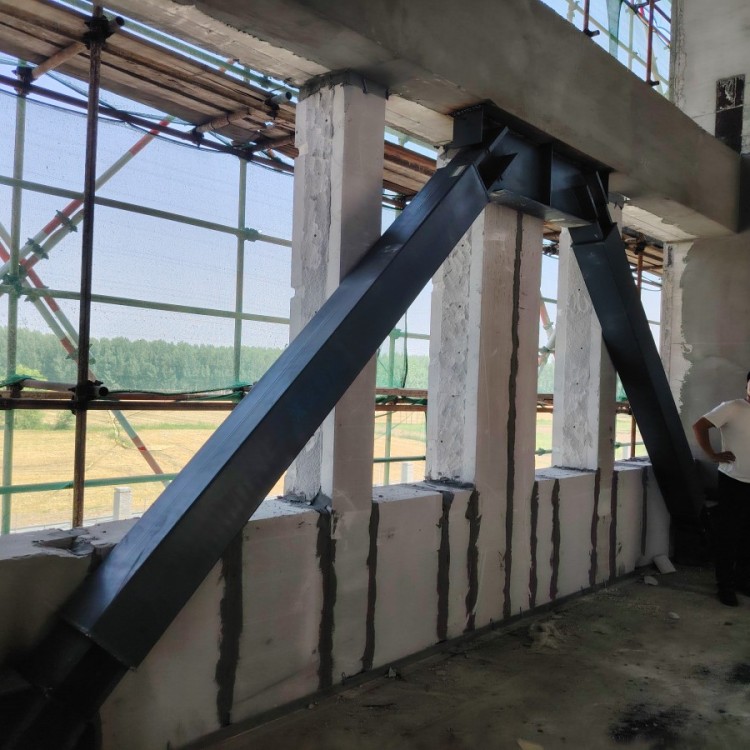
Laminated rubber bearing pads are a type of bridge bearing product made by inlaying, bonding, and vulcanizing multiple layers of natural rubber with thin steel plates. These rubber bearing pads have sufficient vertical stiffness to bear vertical loads and reliably transmit the pressure from the upper structure to the pier; they exhibit good elasticity to accommodate the rotation at the end of the beam; and they have significant shear deformation to meet the horizontal displacement of the upper structure..
Rubber supports are a general product made by vulcanizing and bonding multiple thin steel plates with multiple rubber sheets.,This product features sufficient vertical stiffness to reliably transfer the upward structural reactions to the pier.,The bracket has good elasticity.,To counteract the rotation of bridge end beams; also possesses a significant shear deformation capability to accommodate horizontal displacement of the upper structure.
The product currently adheres to the following three standards: Highway Industry Standards:JT/T4-2004 Highway Bridge Rubber Pad Support, Railway Industry Standard:TB/T 1893-2006 Railway Bridge Plate Type Rubber Support National Standard:GB 20668.4-2007 Rubber Support Bracket4Part: Standard Rubber SupportSimple structure, easy installation, steel-saving, low cost, easy maintenance, and easy replacement features. A layer is bonded to the surface of the plate-type support.1.5mm-3mmThick polytetrafluoroethylene sheet,It can be made into a PTFE slider rubber support, which, besides its vertical stiffness and elastic deformation,,Can withstand vertical loads and adapt to beam end rotation.,Due to the low coefficient of friction of polytetrafluoroethylene plates,The beam ends can slide freely on the PTFE plate surface.,Unrestricted horizontal displacement,Especially suitable for medium and small loads,Use for bridges with large displacement.
One,Rectangular (circular) rubber pad (1) Performance: This product is made by inlaying and bonding multi-layer rubber sheets with thin steel plates. It has sufficient vertical stiffness to bear vertical loads and can transfer The upward structural counterforce is reliably transmitted to the pier, featuring good elasticity to accommodate the rotation at the beam end; it also has significant shear deformation to meet the upper structure's requirements. Structural horizontal displacement. (2) Features: This product has been widely used in bridge construction, hydropower projects, and earthquake-resistant facilities for buildings. Compared to the original steel supports, it has the following structural... Simple to install; saves steel, offers low cost; easy maintenance and replacement; with a low building height, benefits bridge design and cost reduction; excellent seismic isolation, reducing the impact of live loads and seismic forces on the structure.
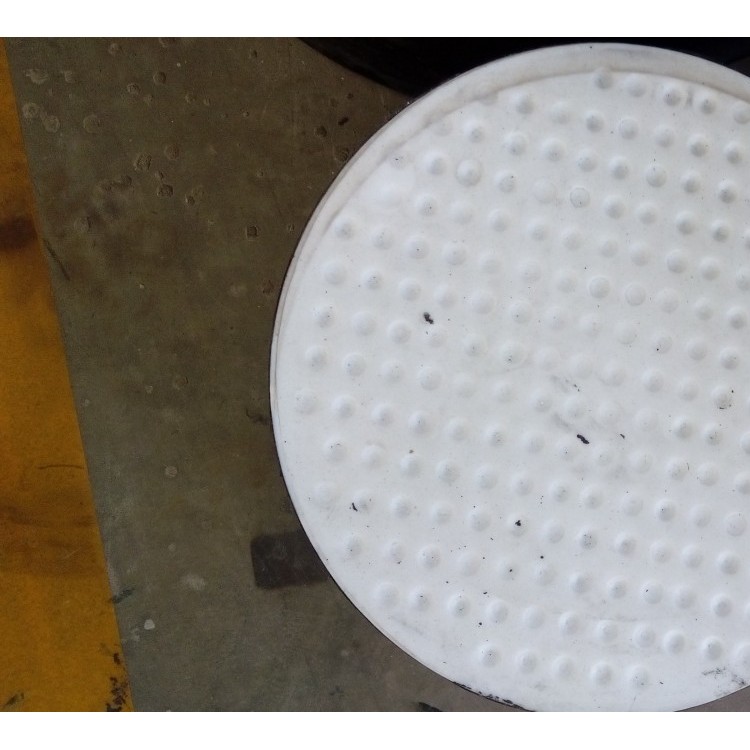
Part II: PTFE Plate-Type Rubber Support (1) Features: This product is a plate-type rubber support with a layer of thick adhesive1.5-3mmManufactured from PTFE plates. In addition to the vertical stiffness and elastic deformation of a standard rubber pad, it can withstand vertical loads and accommodate beam end rotation, thanks to the low friction coefficient between the PTFE and the stainless steel bottom plate of the beam.μ≤0.03) Allows unrestricted horizontal displacement of the bridge superstructure.Deck rubber supports are commonly used in small and medium-sized bridges on highways, and they are divided into ordinary deck rubber supports and PTFE deck rubber supports. The ordinary type bridge supports are suitable for spans less than30mLow-displacement bridge.Different flat shapes are suitable for different bridge spans.,Orthogonal bridge rectangular support;Curved bridges, skew bridges, and cylindrical pier bridges with circular supports.Four-fluoroethylene plate-type rubber supports are suitable for bridges with large displacements, such as structures with large spans, multi-span continuous spans, and simply supported continuous slabs..It can also be used for continuous beam jacking andTSlider in horizontal movement of beam.Rectangular and circular PTFE slab-type rubber supports have the same applications as rectangular and circular ordinary slab-type rubber supports.