


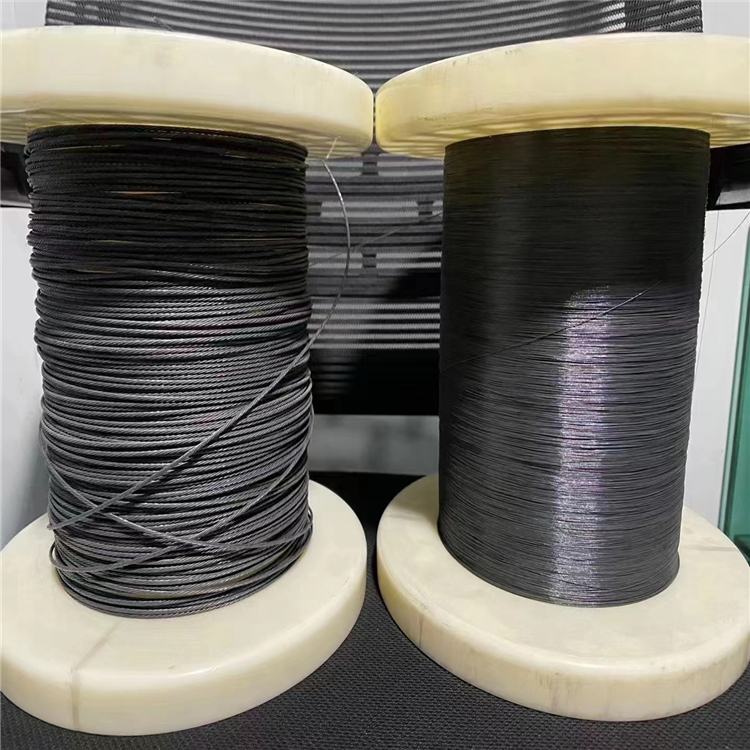
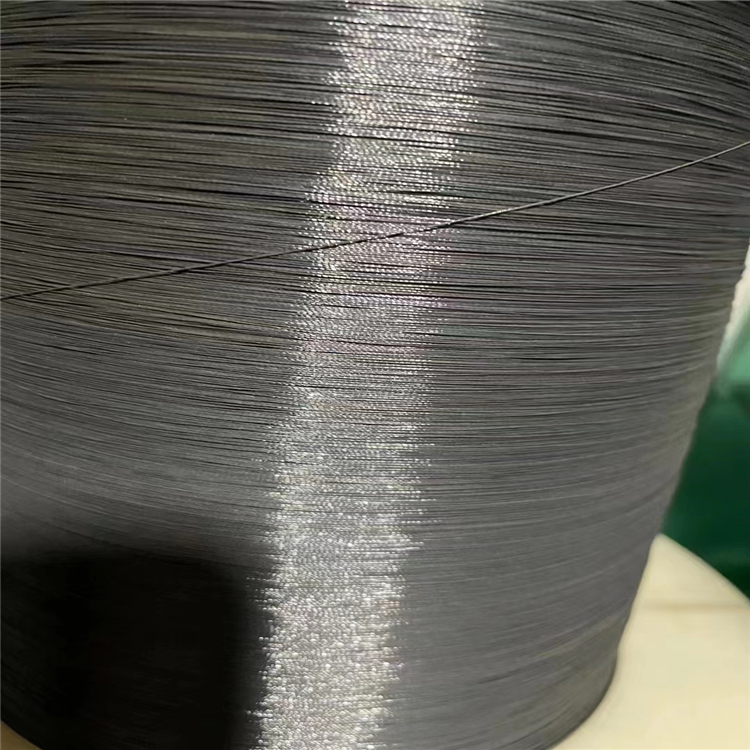













Nickel-titanium alloy is a shape-memory alloy, a special type of alloy that can automatically restore its original shape from plastic deformation at a specific temperature. It boasts an elongation of over 20%, a fatigue life of 1 x 10^7, and a damping characteristic 10 times higher than that of ordinary springs. Its corrosion resistance surpasses that of the best medical-grade stainless steel currently available. Therefore, it meets the demands of various engineering and medical applications, making it an exceptionally superior functional material.
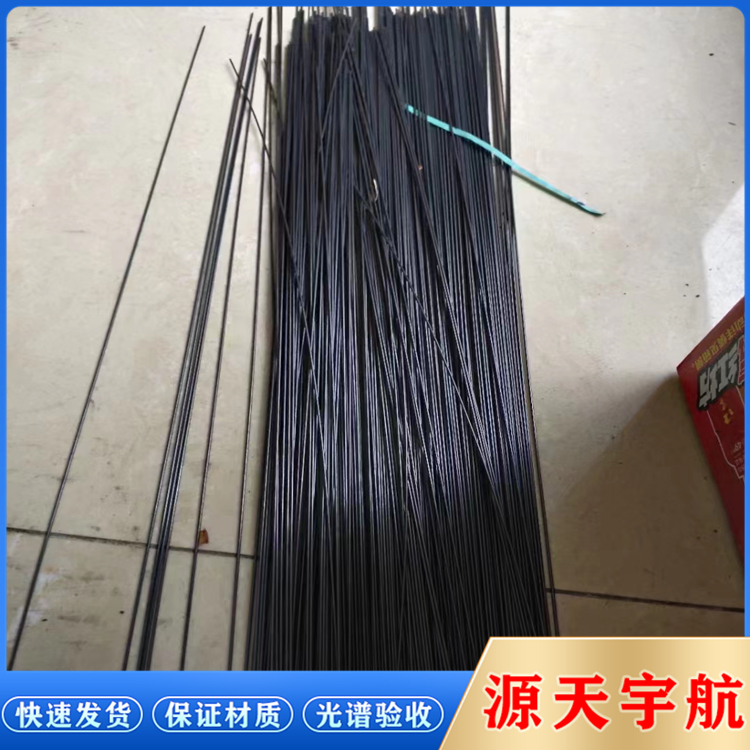
Memory alloys possess not only the unique shape-memory function but also excellent features such as wear resistance, corrosion resistance, high damping, and super elasticity.
Nickel-Titanium Wire Classification - Evans and Durning Classification Method
1) In 1940, gold wire, cobalt-chromium alloy wire, and stainless steel round wire
2) In 1960, Martensite Stabilized Alloys: Generally obtained by deforming nickel-titanium alloys in the martensite state. This type of wire has low stiffness, producing lighter orthodontic forces.
3) In 1980, China's and Japan's nickel-titanium alloy archwires were Austenitic Activation Alloys: they exhibit the Austenitic state in any condition, and do not have a Martensitic state induced by temperature, whether in the mouth or outside.

4) In 1990, martensitic activated nickel-titanium alloy: The TTR is below or very close to oral temperature, existing in a polyphase state at room temperature, making it easy to deform.
5) Graded thermodynamic: Enhanced thermodynamic nickel-titanium alloy: Raises the TTR temperature above body temperature, around 40°C, so that when the nickel-titanium archwire is placed inside the mouth, it remains in a multi-state, making the wire softer.

Nickel-titanium shape memory alloys deform under external forces but revert to their original shape once the force is removed, showcasing their superelastic characteristics. After experiencing superelastic deformation, nickel-titanium shape memory alloys undergo a martensitic phase transformation, while the removal of external forces leads to a reverse martensitic phase transformation.