



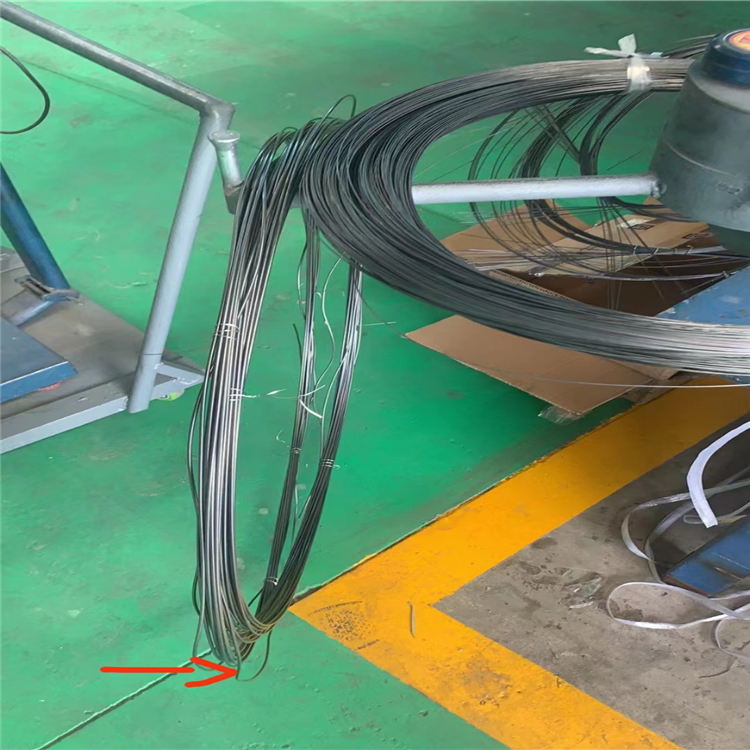
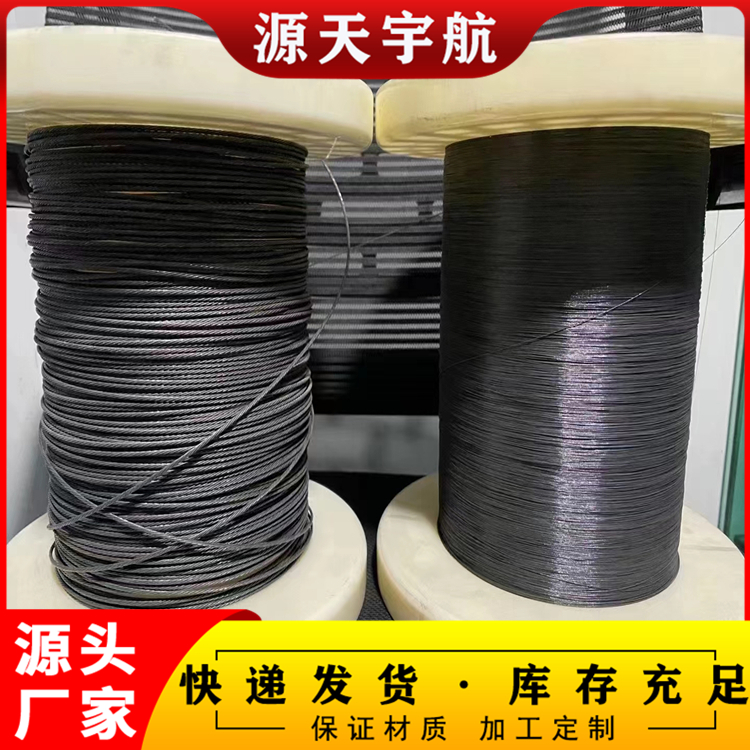













Nickel-titanium alloy production began in the 1940s, and until 1963, W. Buehler and others in American laboratories discovered that near-atomic ratio nitinol alloys exhibited shape-memory effects, sparking a surge in research into shape-memory alloys.
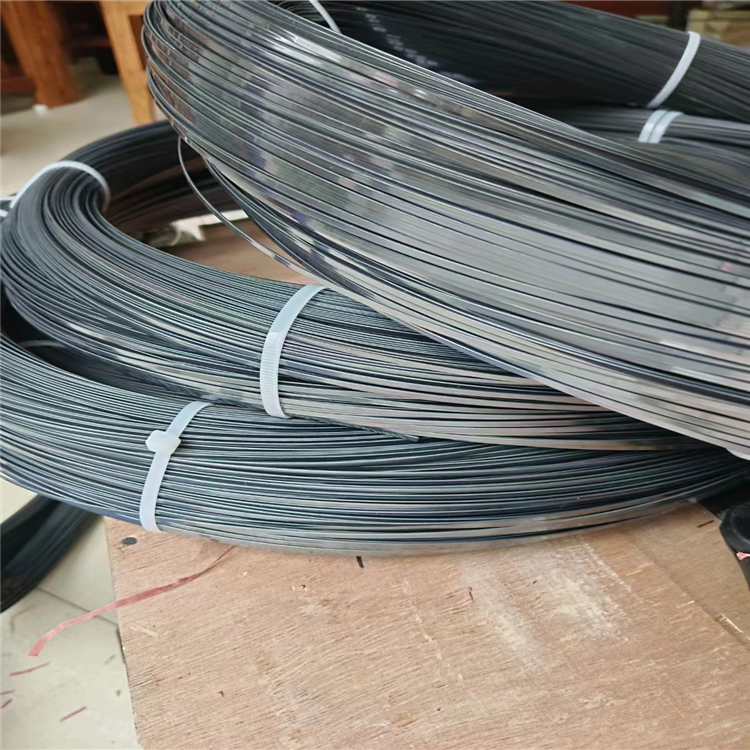
As research progresses, it has been discovered to possess numerous excellent properties, such as ultra-high elasticity, high specific strength, long fatigue life, high damping, corrosion resistance, wear resistance, and good biocompatibility. Consequently, NITI alloy can be widely applied in engineering fields such as aerospace, civil, mechanical, control, and electronic.
Nitinol alloy is primarily produced industrially through the casting method. This method uses sponge titanium as raw material, adding ni according to the alloy composition for melting, typically using equipment like electron beam, argon arc, and plasma beam melting. The process includes preparation of materials, electrode preparation, primary vacuum consumable melting, secondary melting, rough forging, secondary forging, rolling, or extrusion, ultimately resulting in finished bars or sheets. Due to the strong sensitivity of nickel-titanium alloys to composition and processing, the melting and processing control is challenging, leading to high processing costs and long production cycles, significantly raising the entry threshold for companies in the nickel-titanium alloy field. The yield of nitinol alloy obtained from the melting method is only 30-40%, greatly increasing its production costs and limiting its widespread application. Therefore, exploring new, low-cost, high-performance nitinol alloy preparation technologies has become an urgent issue in the development of shape-memory alloy technology.
In recent years, powder metallurgy technology has experienced rapid development. Powder metallurgy is a method of manufacturing metal products using metal powders as raw materials, involving shaping and sintering processes. It is a minimal or no-cutting machining technique that produces products with uniform properties. This process effectively reduces the production cost of titanium alloys and has unique advantages in producing porous materials, complex shapes, and small components. Consequently, it has attracted the attention of researchers both domestically and internationally.
The mature preparation methods for ni-ti alloy powder currently include gas atomization and rotating electrode methods. The ni-ti alloy is melted at high temperatures within a melting crucible, then either gas atomized using high-purity, high-pressure inert gas or centrifugally atomized by the rotating electrode method. The resulting powder has a spherical microstructure. However, this process is only suitable for small-scale production to meet experimental needs and is far from industrial production. The market price for such alloy powder is over 2000 yuan/kg, with imported powder reaching 4000 to 8000 yuan/kg, making it quite expensive and less practical.




















