








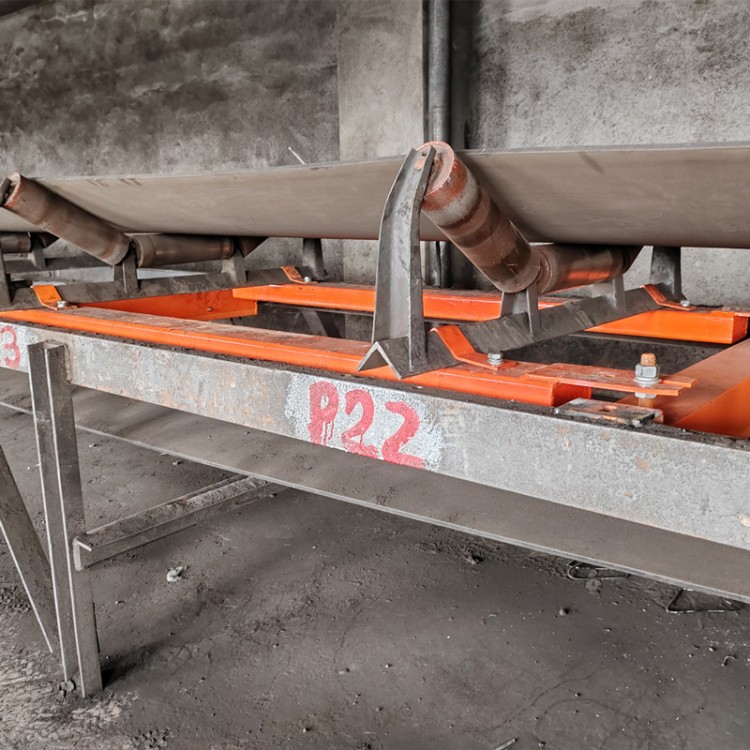
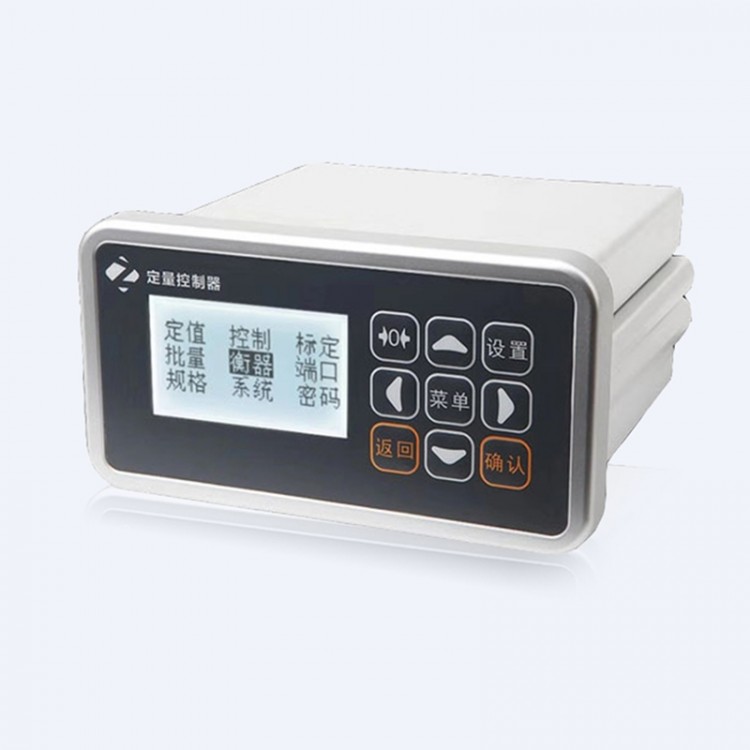

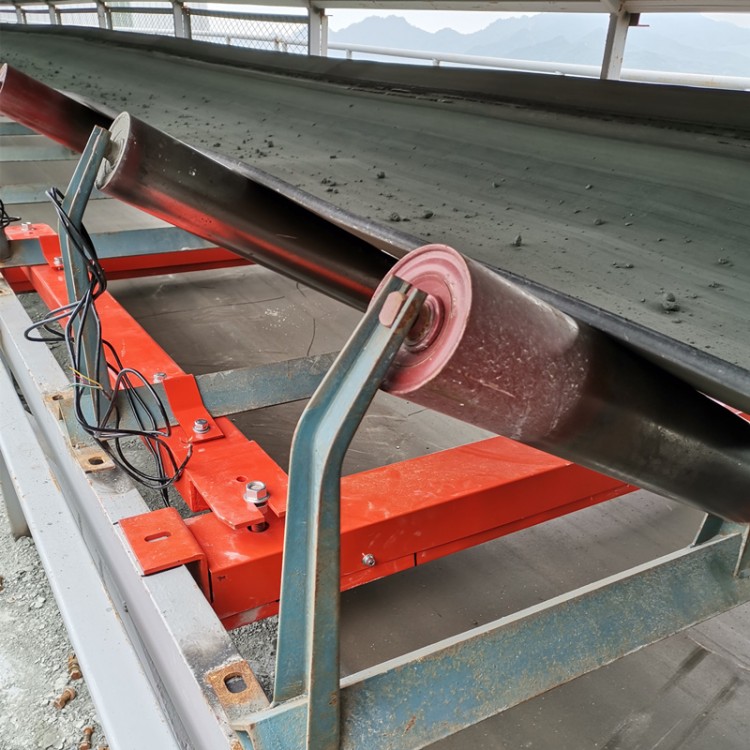
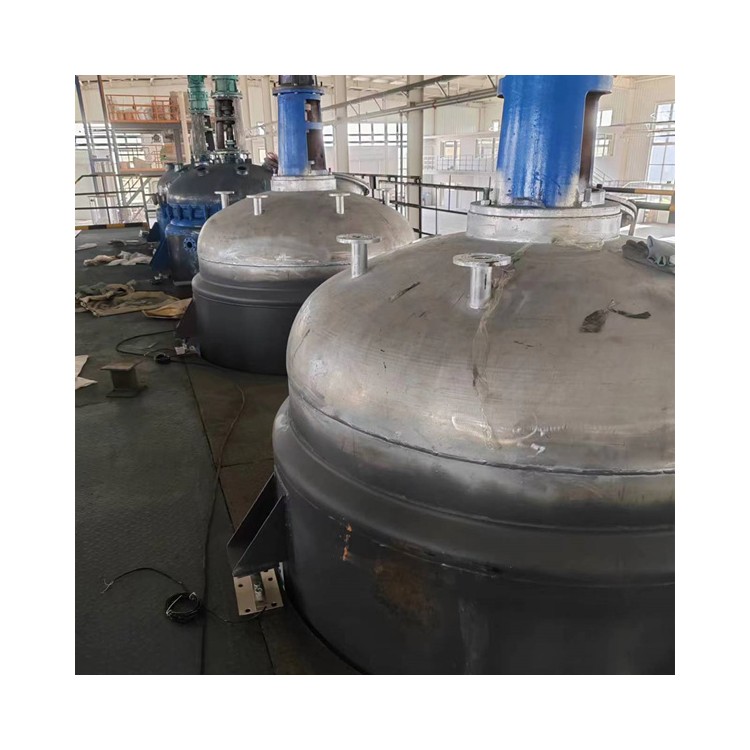
For factory applications connecting weight sensors to PLCs, we typically have two implementation methods: 1. Using weight sensors with a secondary meter and the PLC's analog input. Why the need for a secondary meter? Since the sensor bends under the weight of the object, it generates a mv-level voltage signal that the PLC cannot read directly, hence the need for a secondary meter for conversion. When it comes to conversion, everyone knows there will be losses. This loss is not significant, but it can greatly impact accurate measurement. In my previous work with 10g precision equipment, this loss had a significant impact on the results, so this method is somewhat cost-effective and doesn't require high demands on the PLC system, as 98% of PLCs in the world come with analog input functionality. However, the drawback is that it cannot be used when high precision is required. 2. The accurate but expensive method is to use weight sensors with a PLC weighing module for measurement. This method is accurate because the PLC is connected to its own module without any loss, and it also offers fast reading speeds, making it suitable for various complex scenarios. Its drawback, however, is that it places significant demands on the PLC system. Firstly, the PLC needs to use a weighing module, which is generally more expensive, and calibration is required before implementing a new weighing system.
A weighing sensor is a device that converts mass signals into measurable electrical signals for output. Weighing sensors are categorized into 8 types based on their conversion methods: photoelectric, hydraulic, electromagnetic force, capacitive, magnetic pole variation, vibration, gyroscope, and resistive strain.