








ElectricitySub-belt weigher: The intelligent "gatekeeper" for accurately controlling the feed flow into the mill in a mining plant.
In the core process of mineral processing, the efficiency and stability of the grinding operation directly determine the final concentrate grade, metal recovery rate, and overall operating costs. Accurate control of the ore flow into the grinding process is the key starting point for grinding optimization. The traditional reliance on manual experience or rough estimates has long been unable to meet the urgent demand for refined and intelligent production in modern mineral processing plants. Electronic belt scales, with theirHigh precision, real-time monitoring, and automated controlCapacity has become an indispensable "smart gatekeeper" for grinding flow control in beneficiation plants.
Traditional Pain Points: Cost Black Hole of Uncontrolled Traffic
· Strong dependency on manual experience: Material quantities are adjusted based on experience, with significant fluctuations, making stable supply challenging.
· Severe lag When issues are identified, substandard ore may have already entered the mill, leading to waste or affecting subsequent sorting.
· High energy and medium consumption: Unstable flow causes the mill to alternately "underfeed" (low efficiency) and "overfeed" (excessive grinding), significantly increasing electricity consumption and wear on steel balls and liners.
· Product Quality Fluctuations: The change in grinding rate directly affects the fineness of the grinding process, which in turn leads to fluctuations in the efficiency of subsequent operations like flotation or magnetic separation, ultimately making it difficult to stabilize the grade of the final concentrate.
Electronic BeltWeighing Scale: Precise Measurement and Intelligent ControlThe core
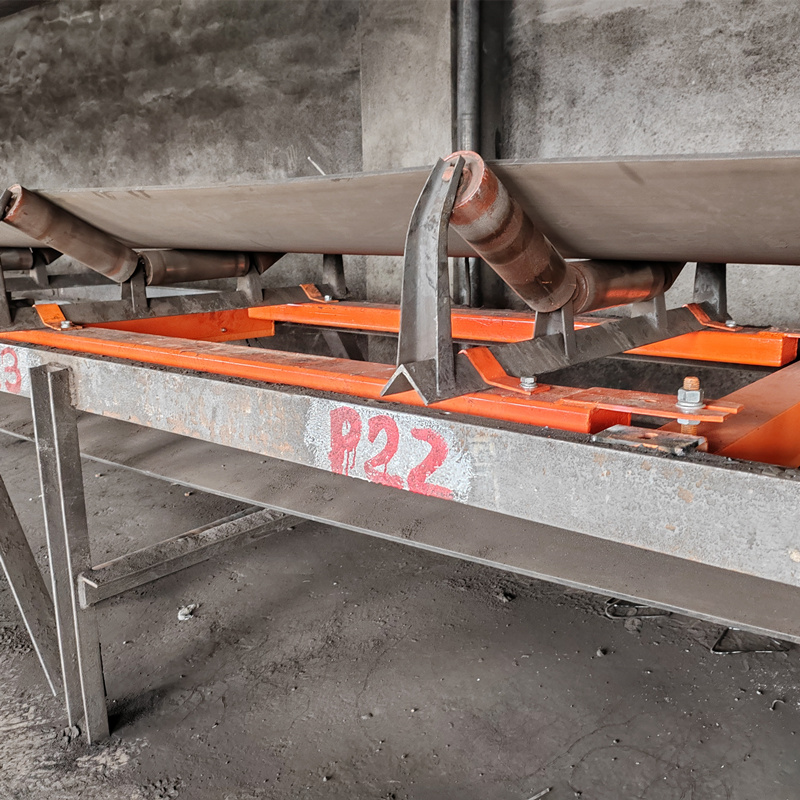
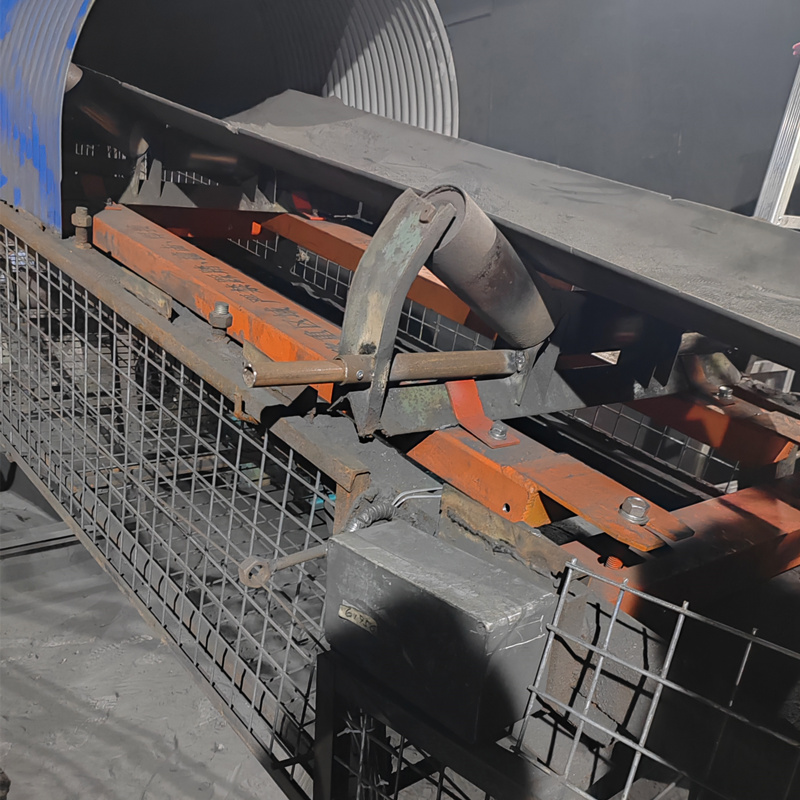
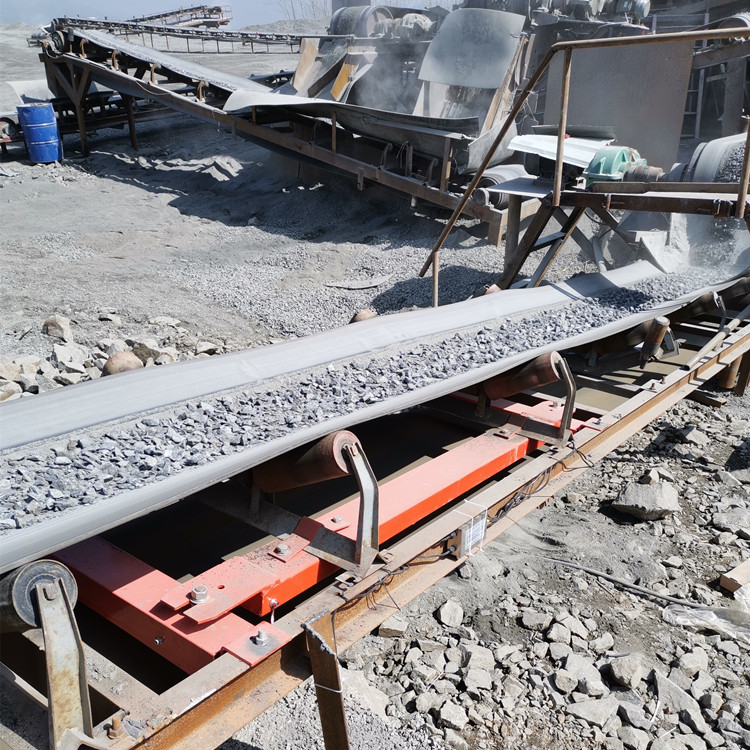
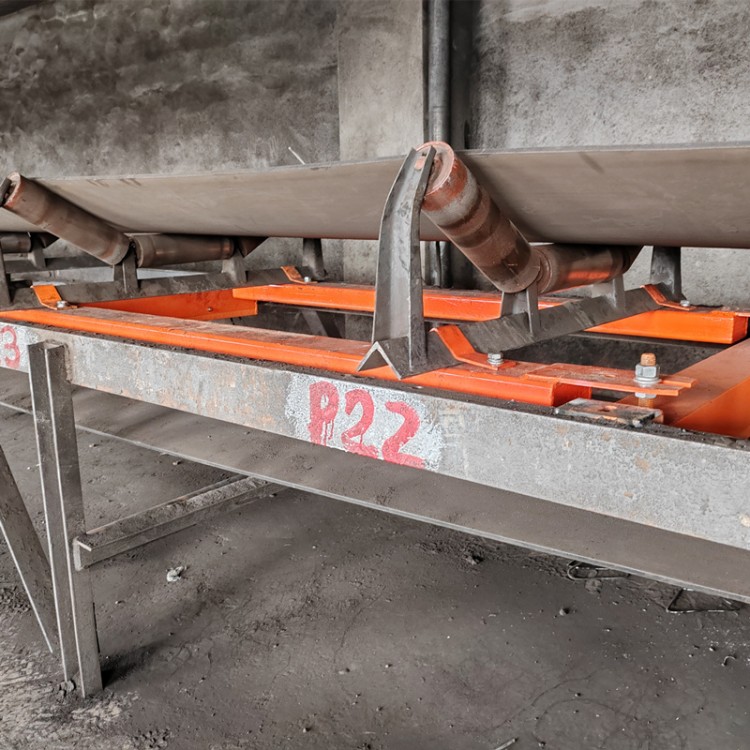
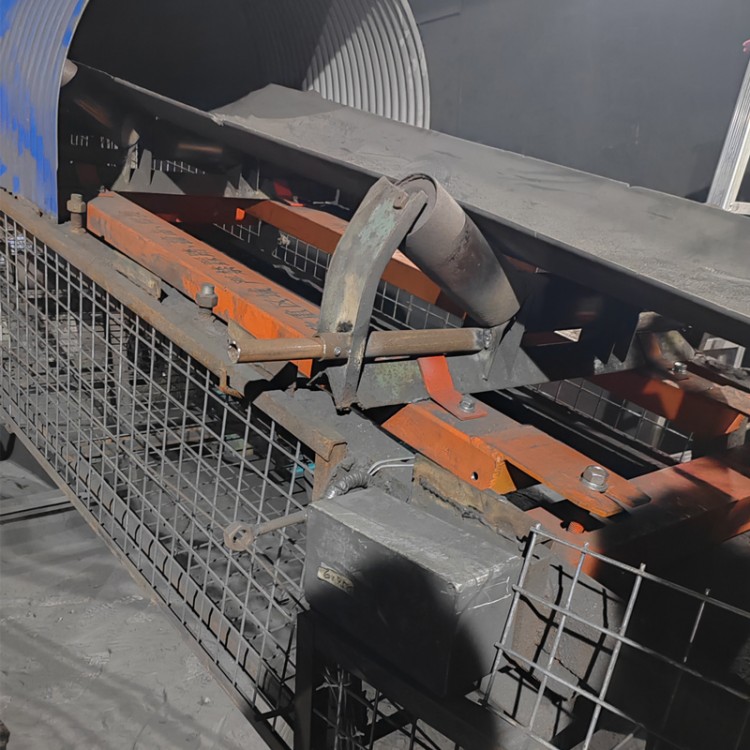
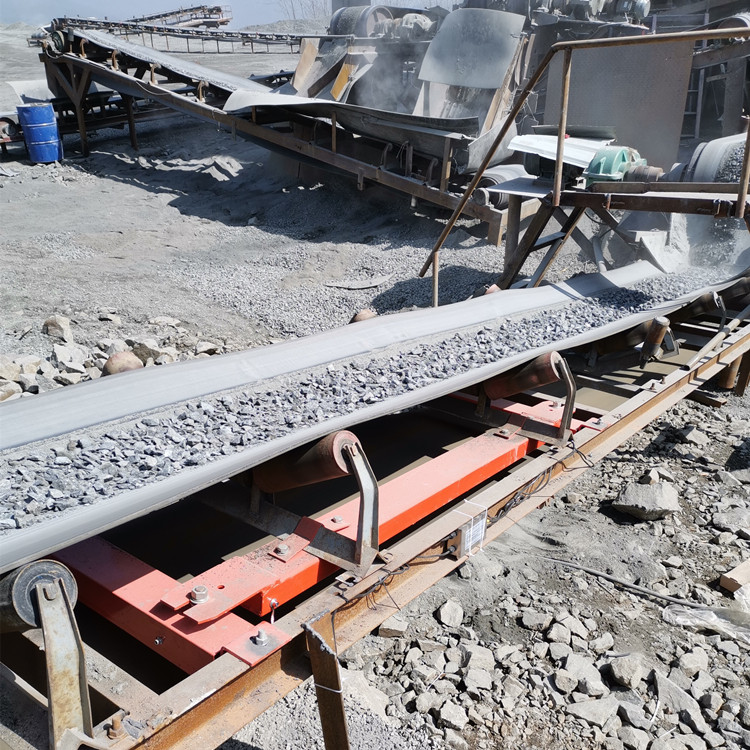
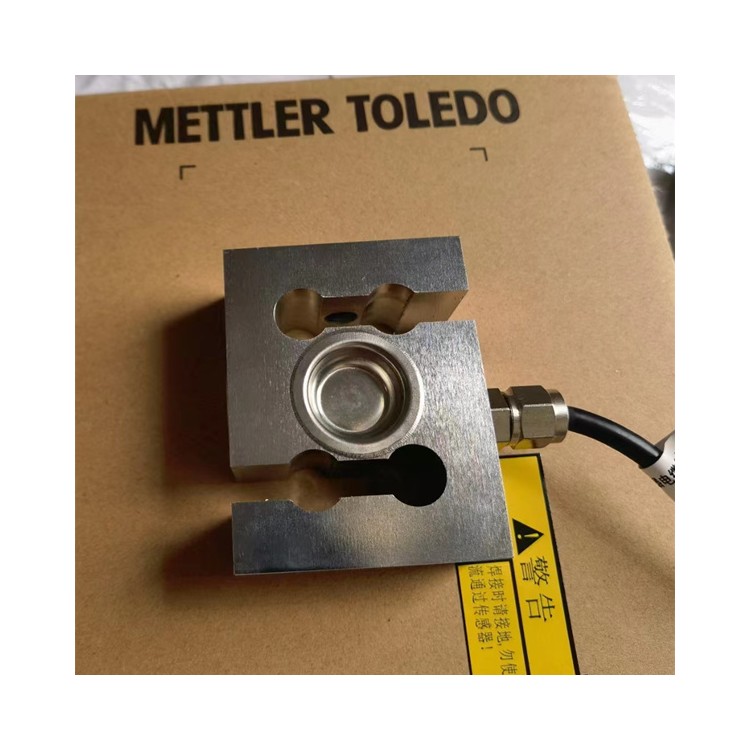
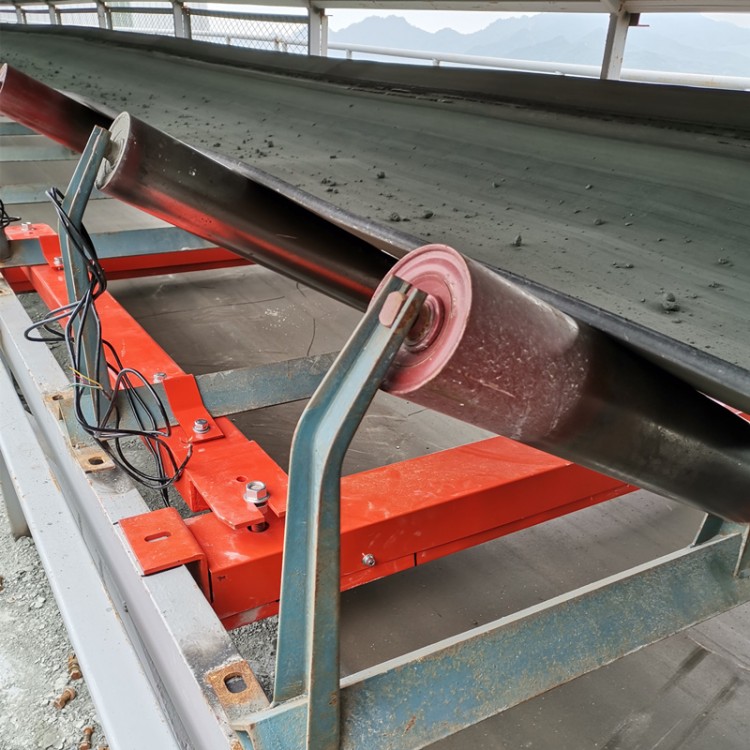
Electronic belt scale installed on the conveyor belt for feeding ore to the mill, measuring continuously and in real-time the material passing through the belt.Instant flow rate of ore and cumulative weightThe principle is based on the synchronous measurement of belt load and operating speed using precision sensors (such as weighing sensors, speed sensors), followed by high-speed computation through advanced instruments, outputting high-precision flow data.
Core application process in grinding flow control:
1. High-precision real-time monitoring: Electronic belt scale continuously monitors the ore weight and belt speed on the conveyor belt, accurately calculating the instantaneous flow rate (tons/hour) and cumulative amount fed into the mill.
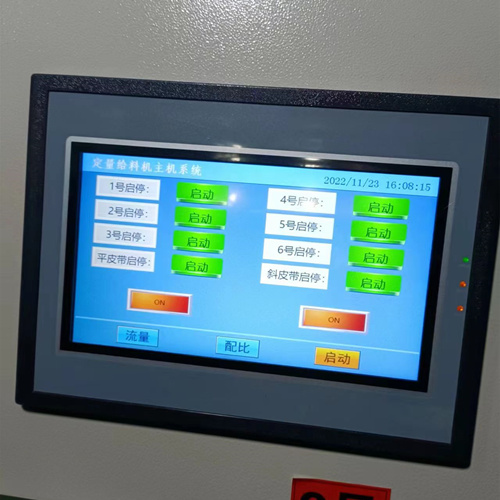
2. Data feedback to control system: Flow signals are transmitted in real-time to the mining plant's DCS (Distributed Control System) or PLC (Programmable Logic Controller).
3. Intelligent Closed-loop Adjustment: The control system compares the actual flow rate with the target flow rate set by the process.
4. Automatic Adjustment Execution: The control system automatically adjusts the feeding equipment speed or opening (such as vibration feeders, disk feeders, variable-frequency conveyors) based on deviations, establishing a closed-loop control to ensure the incoming mill flow is quickly and accurately stabilized around the set value.
Core Benefits of Deploying an Electronic Belt Scale:
· High grinding efficiency: A stable and appropriate feed flow is a prerequisite for the mill to be in operation (such as maintaining an appropriate filling rate), significantly increasing the ore processing volume per unit time, and avoiding "empty grinding" or "bloating."
· Energy and medium consumption reduction: Stabilized flow reduces the unnecessary work of the mill, directly lowering the electricity consumption per ton of ore. Additionally, it reduces over-grinding, significantly saving steel ball and lining consumption.
· Higher Product Quality Stability: A consistent feed rate ensures stable particle size distribution of the grinding product, creating conditions for subsequent processes like flotation, gravity separation, and magnetic separation, thereby enhancing the final concentrate grade and metal recovery rate.
· Precision in production management: Offer accurate and real-time data on ground ore quantities, providing a reliable basis for production scheduling, cost accounting, and process optimization, achieving digital and refined management.
· Enhanced automation levels: Reduce reliance on manual intervention, decrease labor intensity, and improve the continuity and reliability of the production process.
Key Selection and Application Points:
· Accuracy Grade: Choose an appropriate accuracy grade based on process control requirements (e.g., ±0.25% ~ ±0.5%).
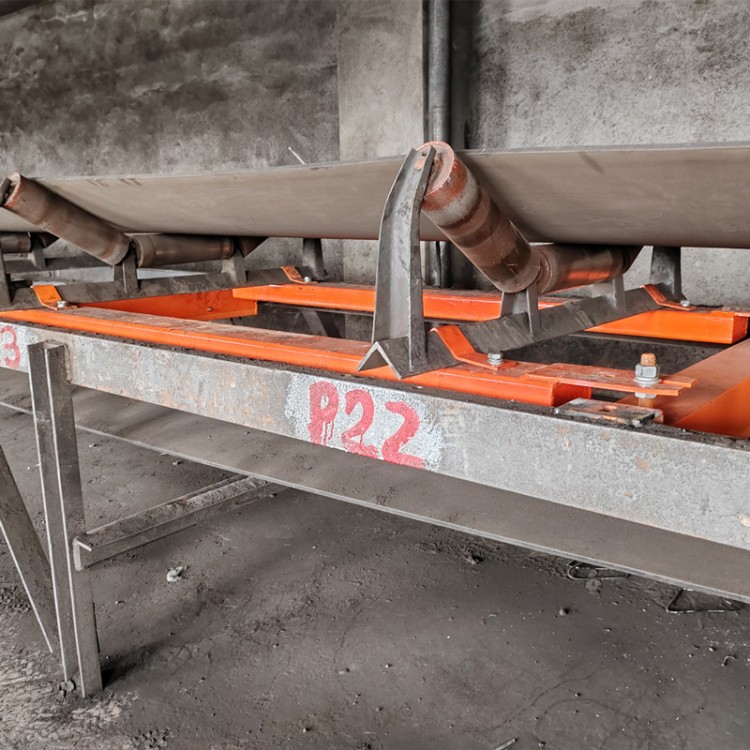
· Belt Conveyor Working Condition Adaptability: Considering factors such as belt tension, deviation, vibration, and environmental conditions (dust, humidity), select a sturdy weighing frame with high protection grade (such as suspended, double lever type).
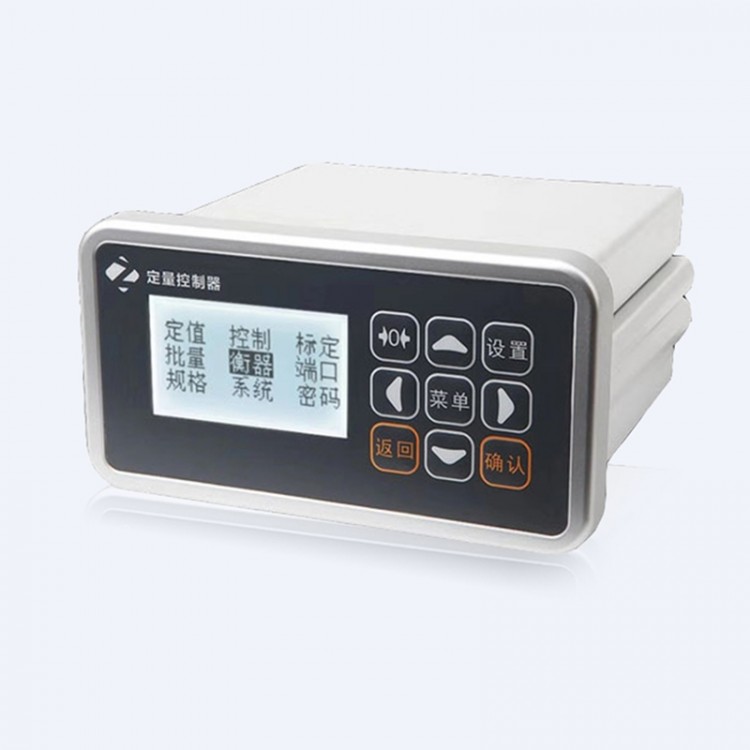
· Instrument Functions: The instrument should have high computing speed, multiple communication interfaces (4-20mA, RS485, IP, etc.), flow accumulation, alarm settings, data storage, and remote monitoring capabilities.
· Installation and Calibration: Strictly adhere to specifications for installation to ensure the weighing area is level and the idlers are aligned. Regularly perform physical calibration or chain code calibration to maintain long-term measurement accuracy.
· System Integration: Ensure seamless integration with DCS/PLC for stable and rapid closed-loop control.
Conclusion
In the increasingly competitive mining industry, the pressure to reduce costs and improve efficiency in beneficiation plants is constantly growing. As the "smart gatekeeper" for mill feed flow control, the electronic belt scale has far exceeded its value as a simple measuring tool. By achieving high-precision, automated, and closed-loop control of the mill feed flow, it effectively breaks through the key bottleneck of grinding optimization, bringing significant comprehensive benefits to beneficiation plants, including a leap in grinding efficiency, dual reduction in energy consumption and media, stable product quality, and refined and intelligent management. Investing in a reliable electronic belt scale system has become the essential path for modern beneficiation plants to move towards intelligent, efficient, and green production. Accurate measurement is the key to controlling the overall situation; stable flow is the foundation for efficient grinding.