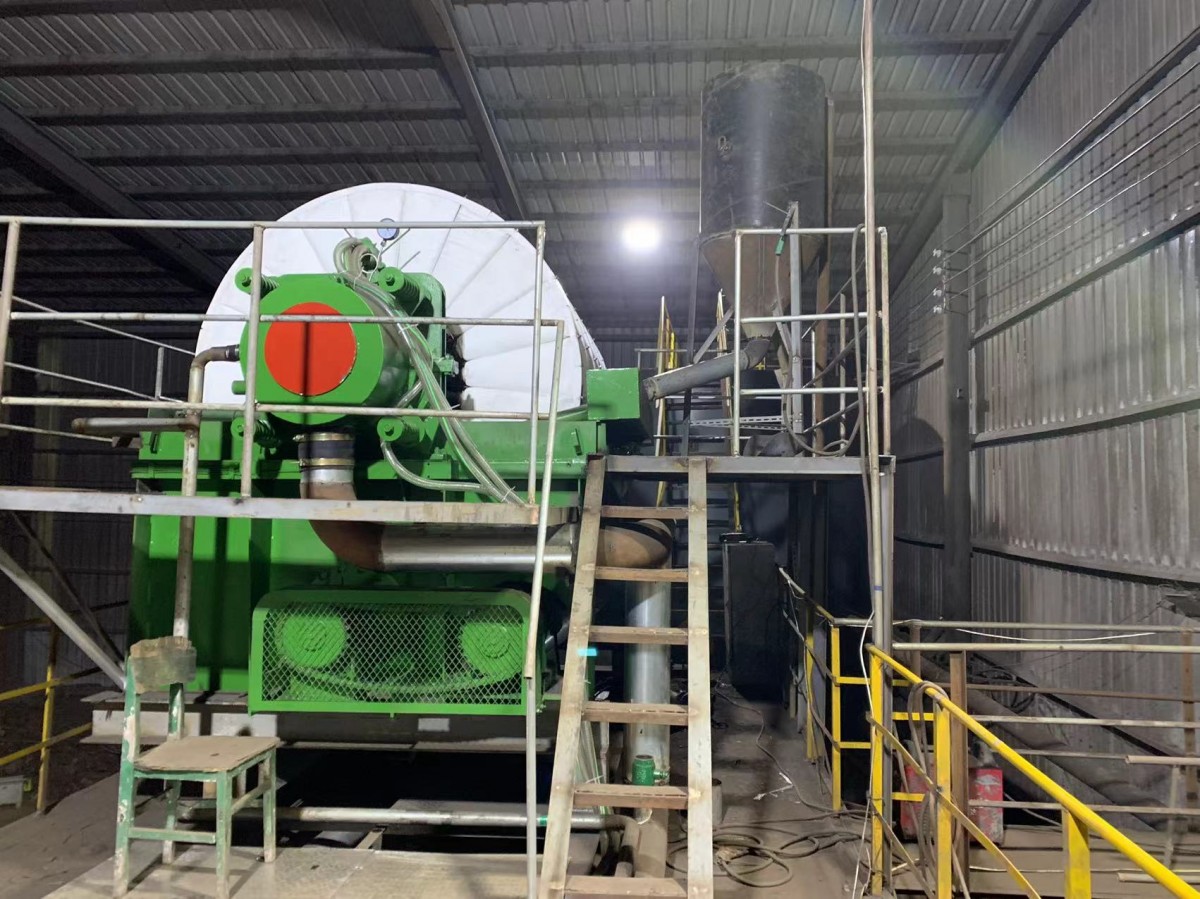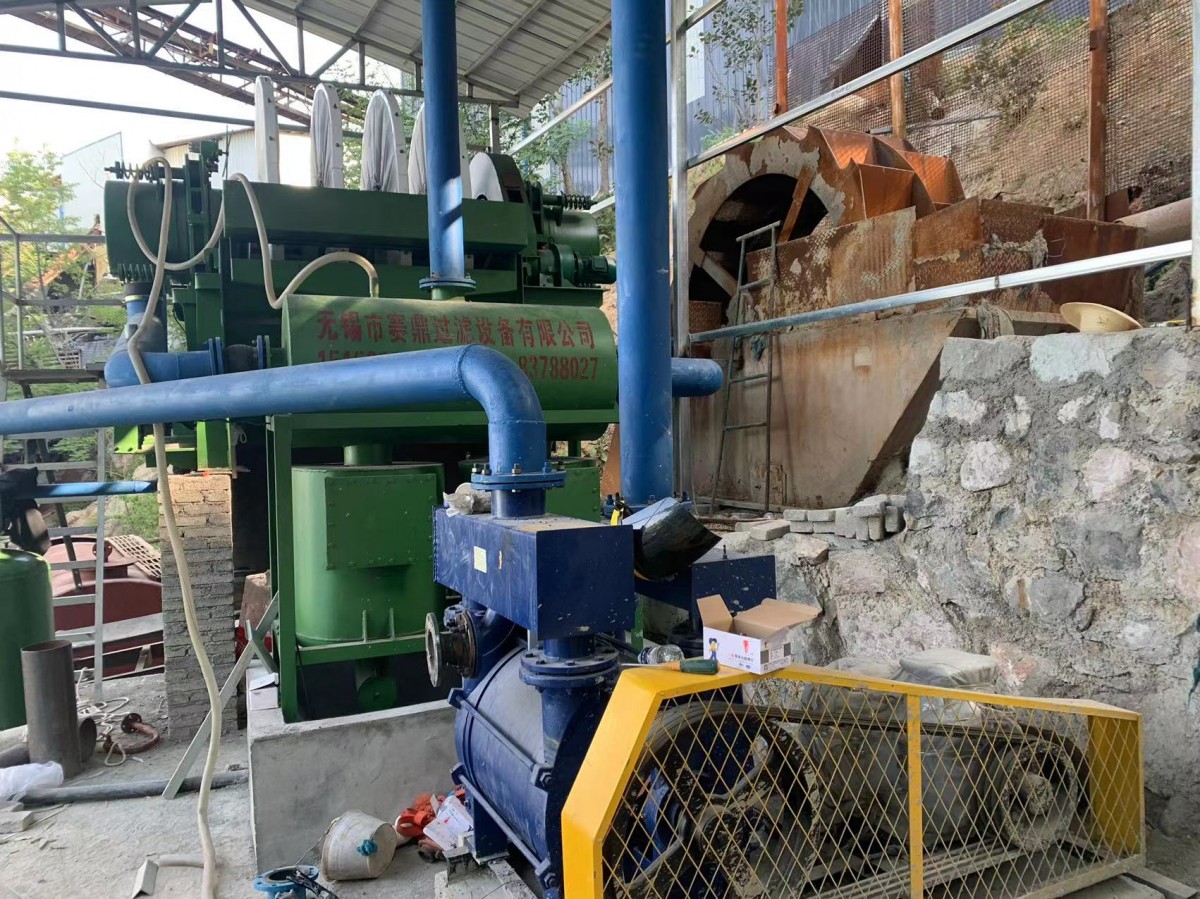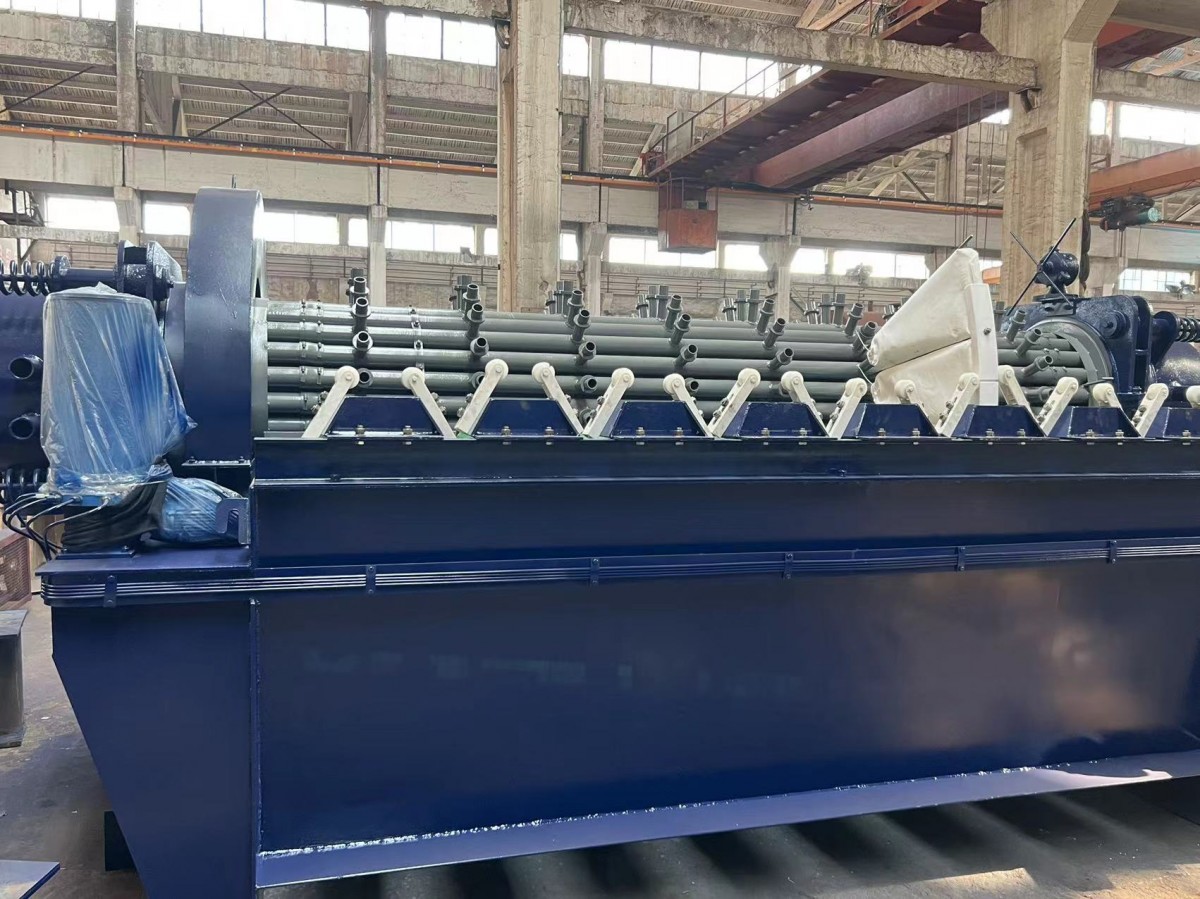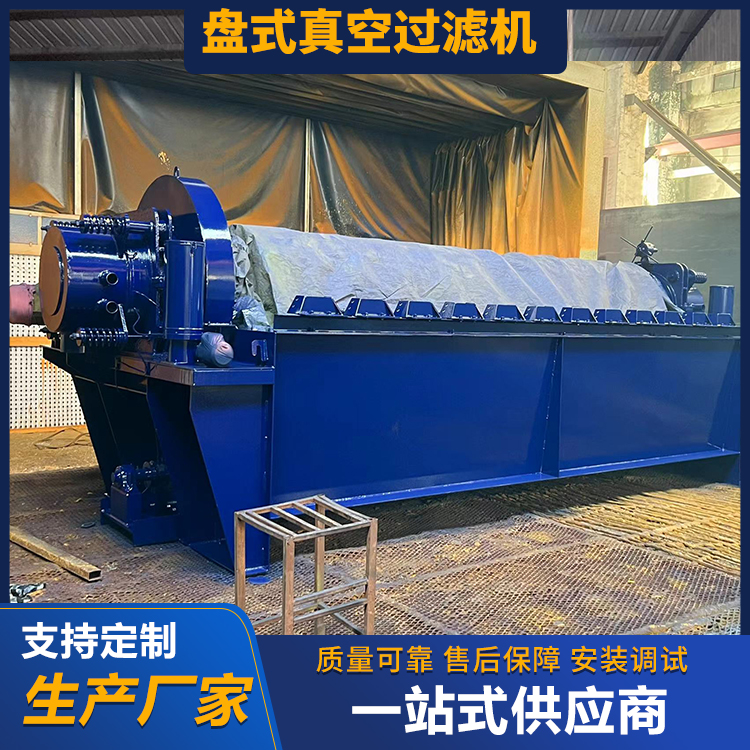

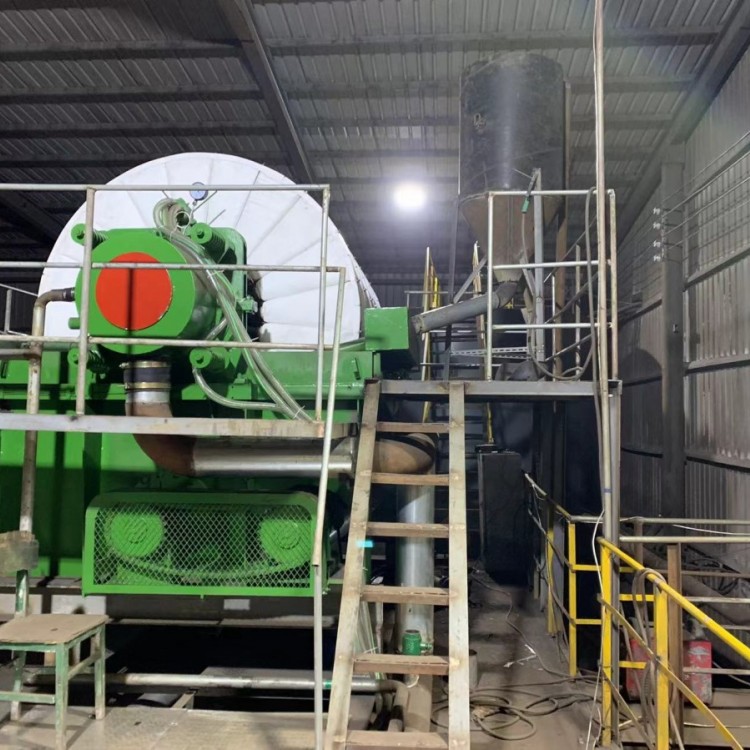

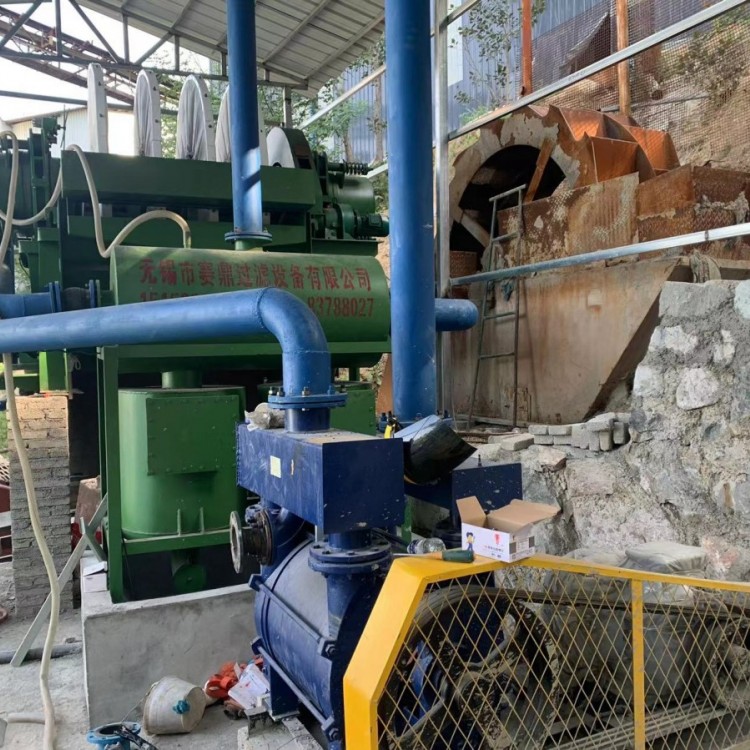







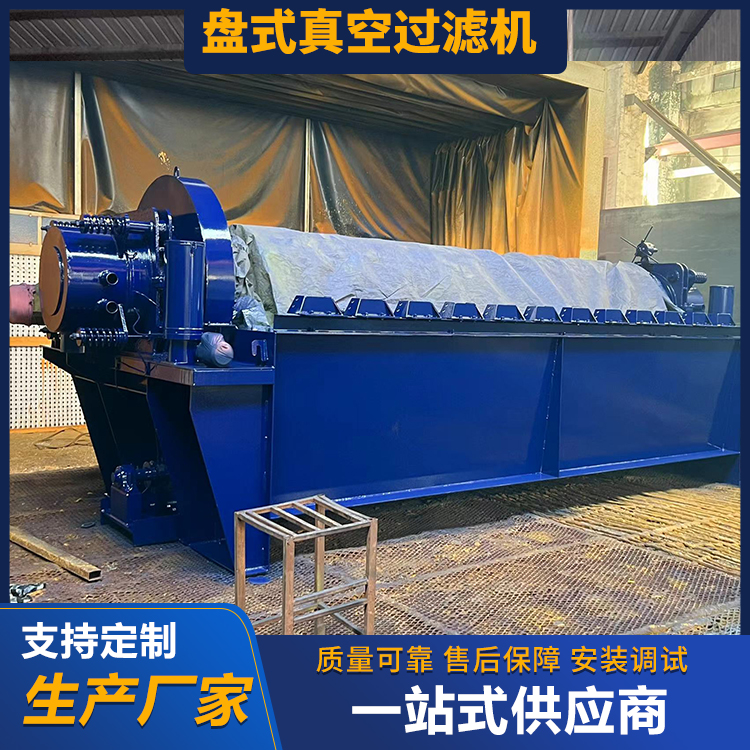
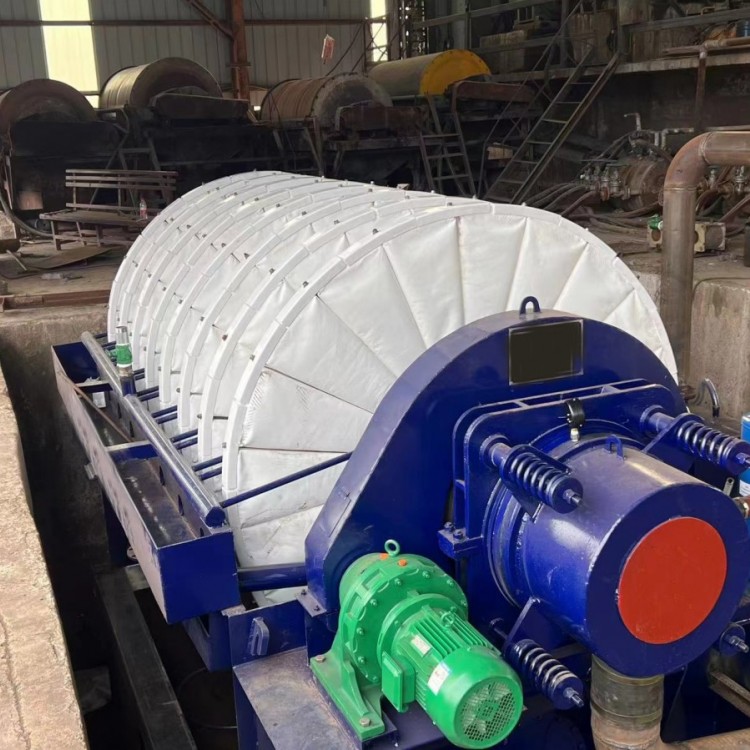
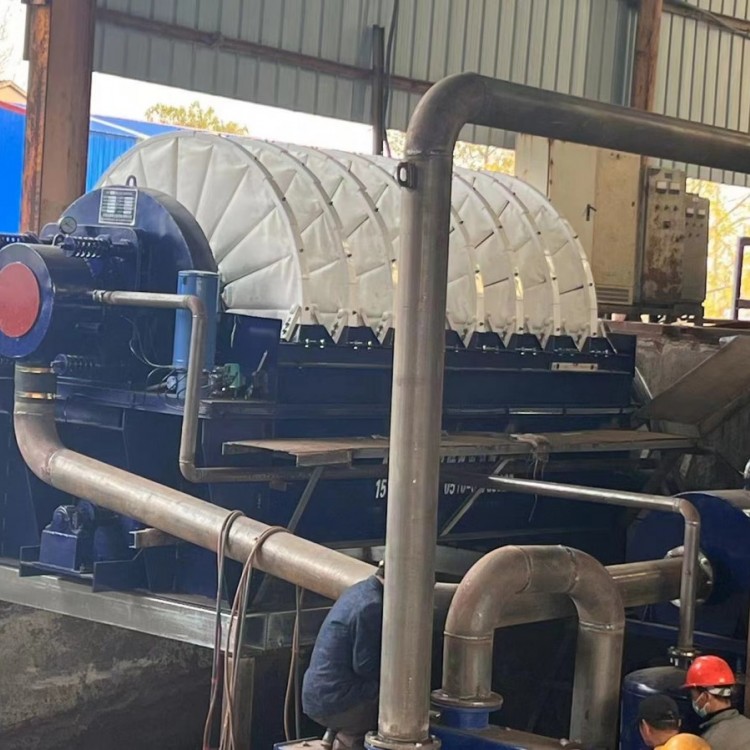


PGT (ZPG, GPT) Disc Type Vacuum Filter
The Disc Vacuum Filter, as a new type of filtration equipment, overcomes the issues of high energy consumption, harsh working conditions, frequent malfunctions, and high operation costs associated with the traditional intermittent pressure filter process. It achieves low moisture content in the filter cake, clear filtrate, and continuous production without reducing output while cleaning the filter cloth under high vacuum. With low investment cost and high production efficiency, it has been widely applied and推广 in the treatment of ore tailings.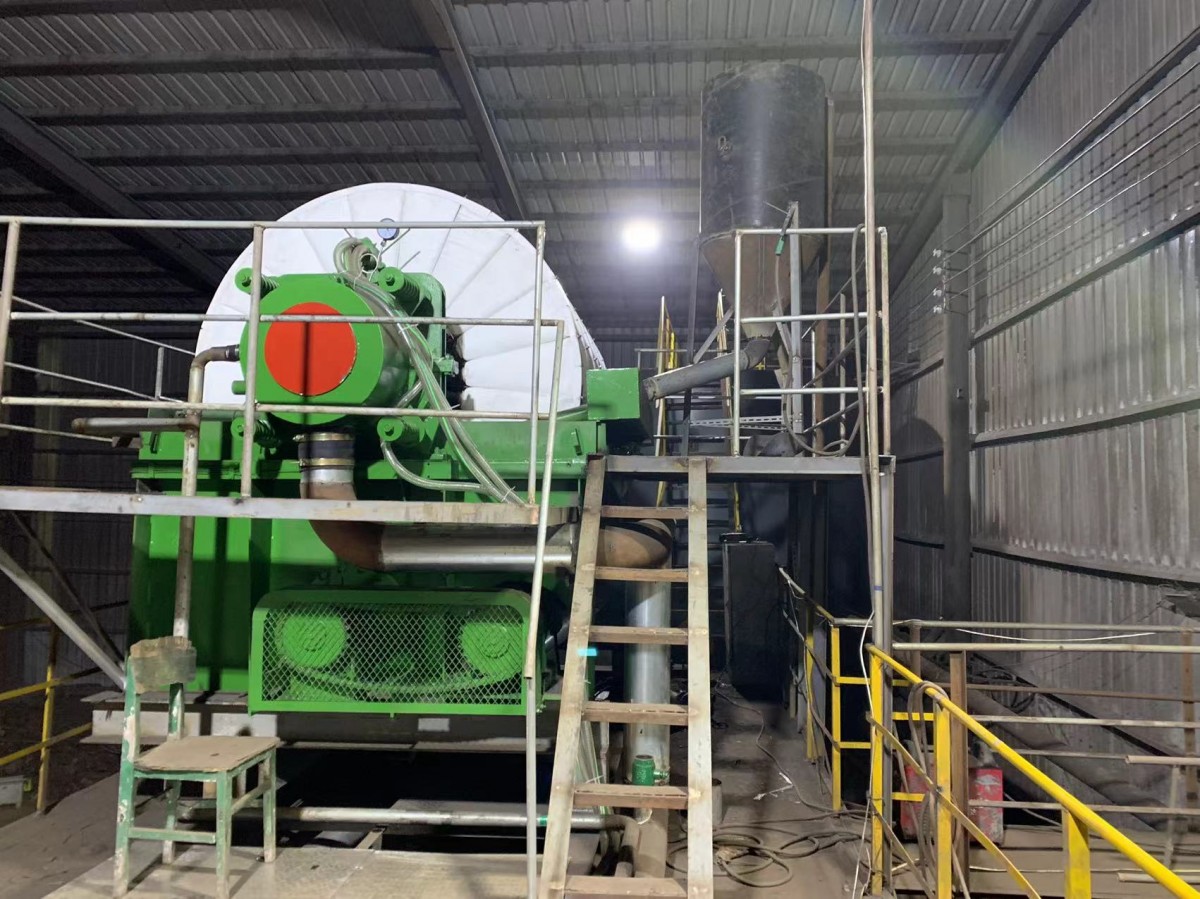 Tailings comprehensive treatment method
The tailings, containing a large amount of water from the mine, are thickened in a thickener before being fed into a disk vacuum filter for separation. The filter cake can be directly dried and stored, while the supernatant from the thickener and the filtrate from the filter are filtered and reused. If the particles are particularly fine, they are thickened with an appropriate amount of flocculant added via a dosing unit before being filtered in the disk vacuum filter.
Technical Features
The tank, serving as a container for material slurry and a load-bearing support for equipment, plays a crucial role in product stability due to its sturdy and durable structure. By adding an alumina polymer wear-resistant coating at the bottom of the tank, the issue of easy wear on the tank is fundamentally addressed.
2. Designed for tailings with high friction coefficients and large particle sizes, and fast settling speeds, the filter fan enhances its strength by utilizing high-strength wear-resistant materials and thickened wall thickness. This strengthens the surface's wear resistance, thereby increasing the lifespan of the filter fan.
3. The cross-section of the filtrate tube is large, and the cavity volume of the distribution head is substantial, enhancing the suction rate and the filtrate discharge efficiency.
4. Filter pipes are made of high-strength wear-resistant ceramic composite steel pipes or stainless steel pipes, which are resistant to corrosion.
Each filter vane is secured with a pressure plate, and the clamping bolts are made of stainless steel to prevent rust and facilitate easy removal.
6. The mixing employs Teflon sealing rings, combining water-tight and imported rope packing seals to ensure no leakage of minerals. Additionally, according to the particle size of the material, a dual composite form of mechanical and air mixing or a single method is selected to overcome the phenomenon of material sedimentation.
7. The control disc and friction disc are made of high-wear-resistant boron-phosphorus cast iron. The control disc features a involute form air passage. The discs are lubricated with yellow grease, providing a balance between rigidity and flexibility, excellent sealing, and a service life of over three years.
8. The dry oil pump provides centralized multi-point automatic lubrication to ensure the normal operation of the equipment.
9. As a filtration medium, filter cloths accumulate residue in their surface capillaries after use, which affects their filtration properties. Regular high-pressure cleaning is necessary to maintain their good air permeability. Our company's filter machines are equipped with an automatic filter cloth cleaning system. The cloths are cleaned on a continuous basis, ensuring cleaning while in operation. Additionally, the filter cloths are regenerated and recycled using hot water and alkali solutions to preserve their excellent air permeability and product dehydration efficiency.
10. Utilizes variable frequency speed control, adjusting according to material concentration and flow rate to achieve optimal working performance.
Application Scope
This series of disk vacuum filter is mainly used for desiccation of tailings from various mining processes, and is also suitable for river sludge, sediment from hydropower stations, construction materials, chemical industry, and other fine-grained materials.
WeChat Official Account

Scan to follow Official Account