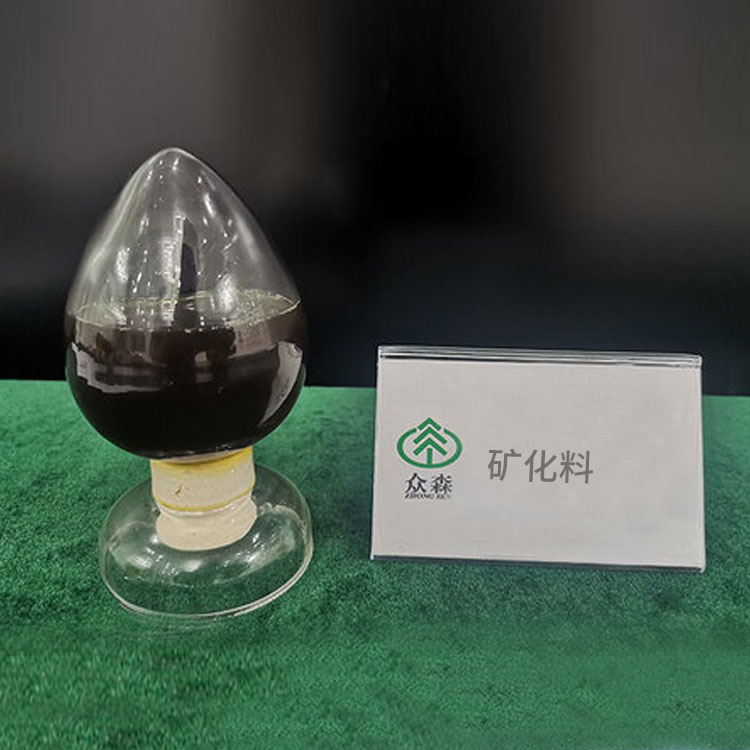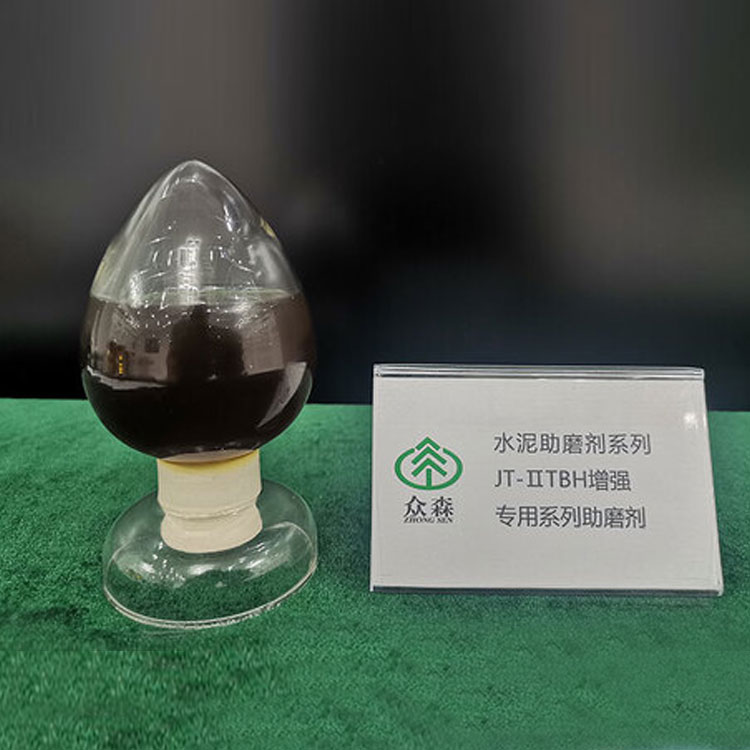







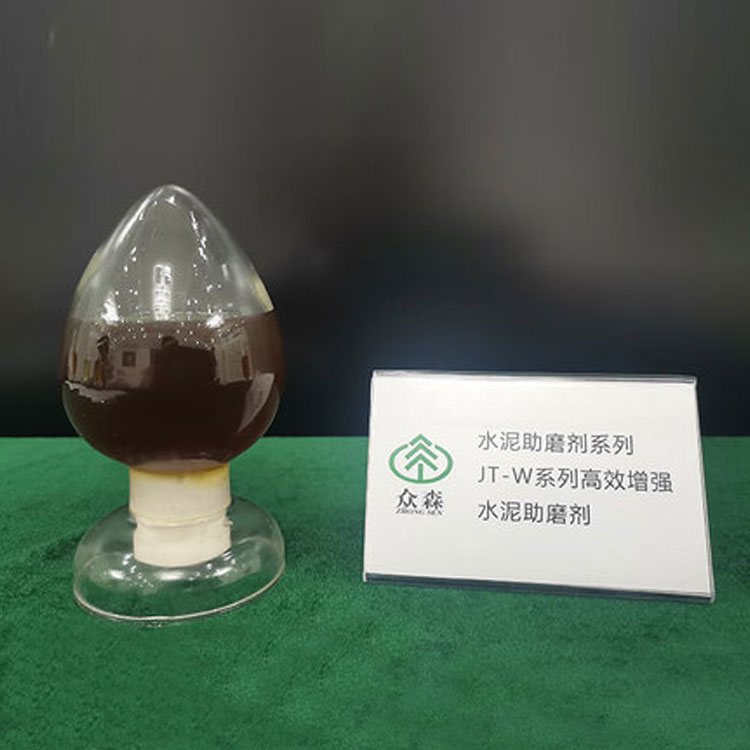

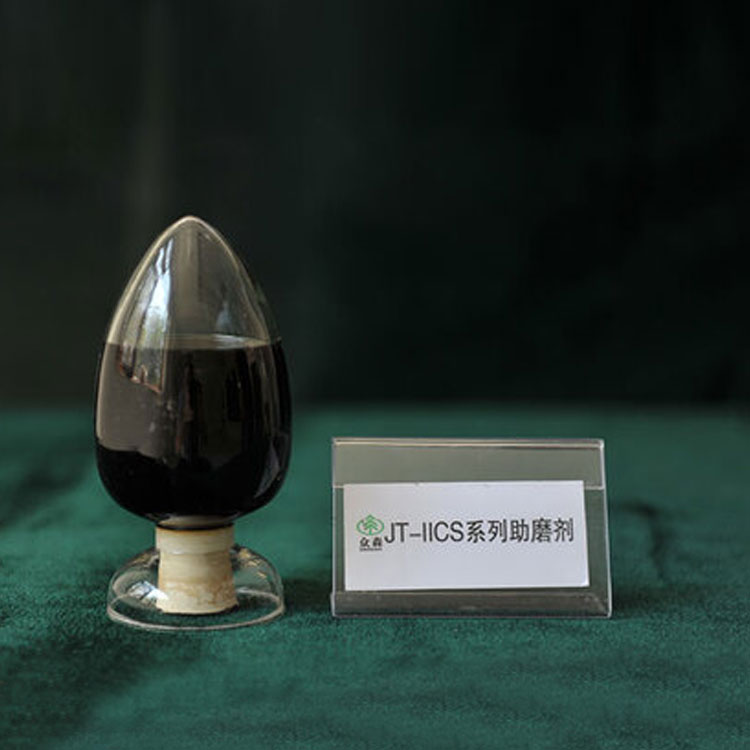
I. Product Features
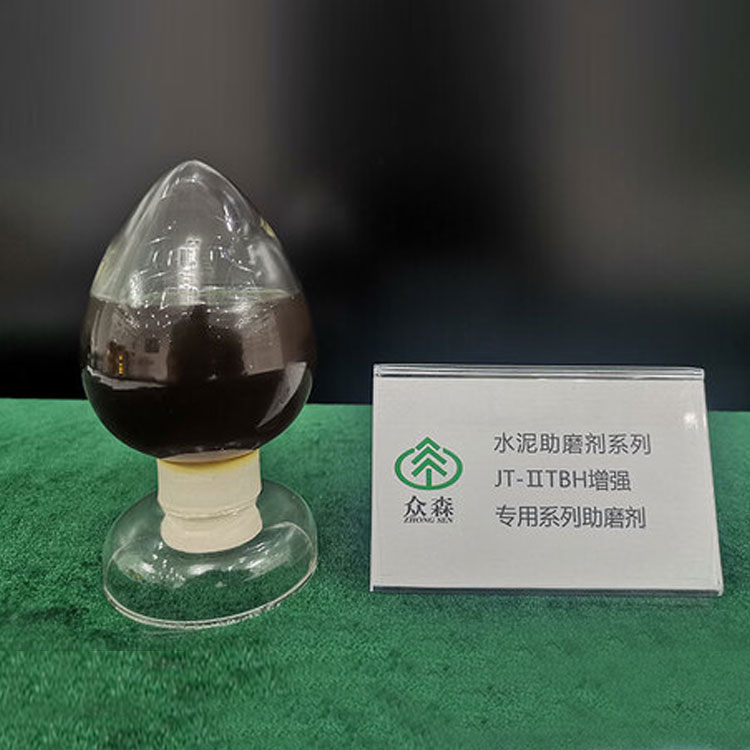
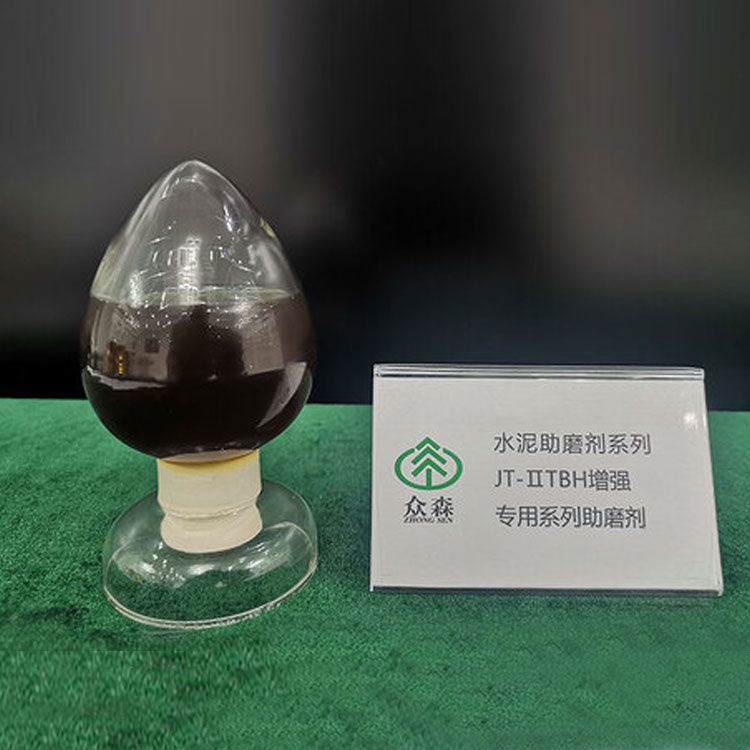
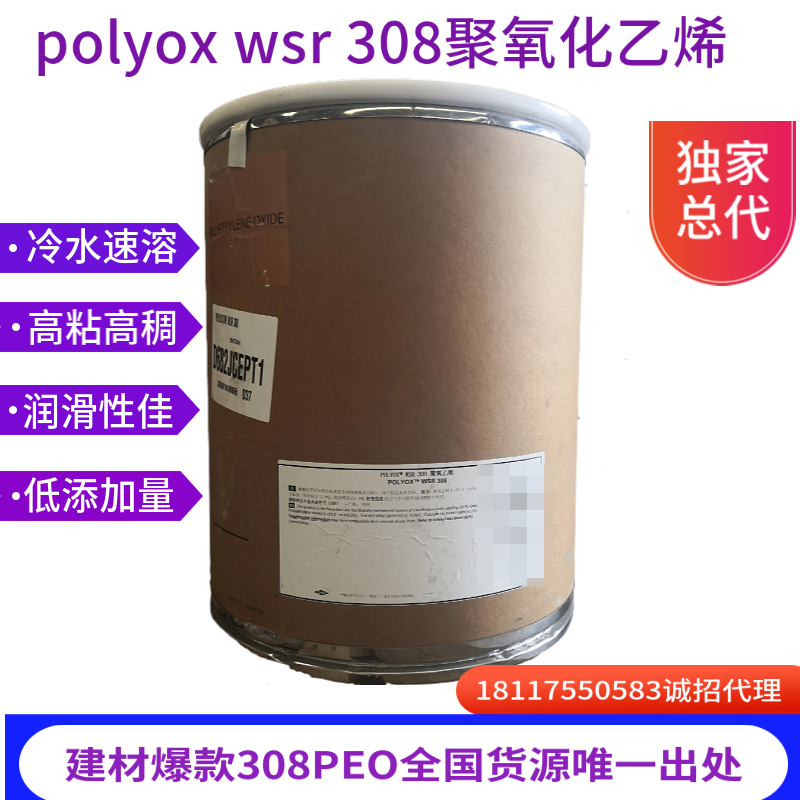
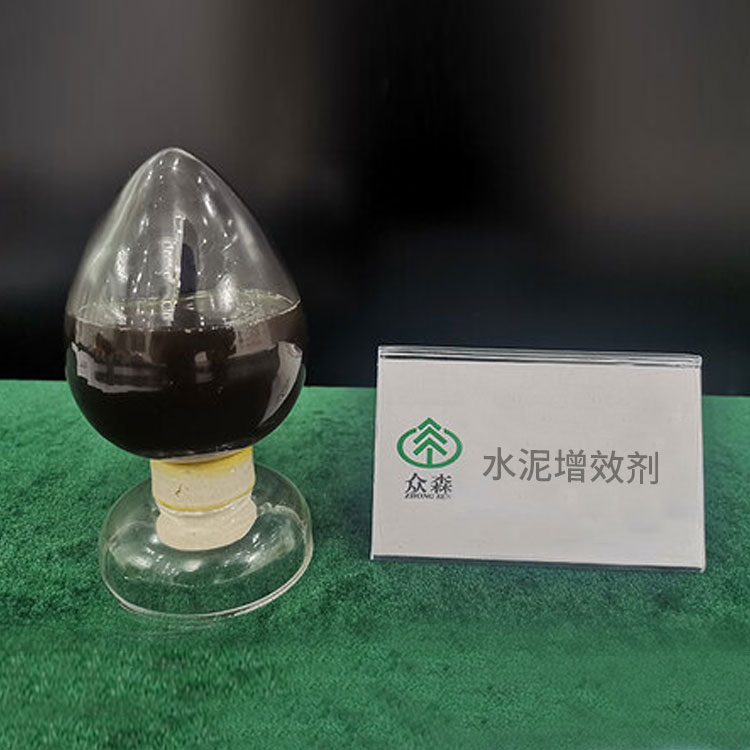
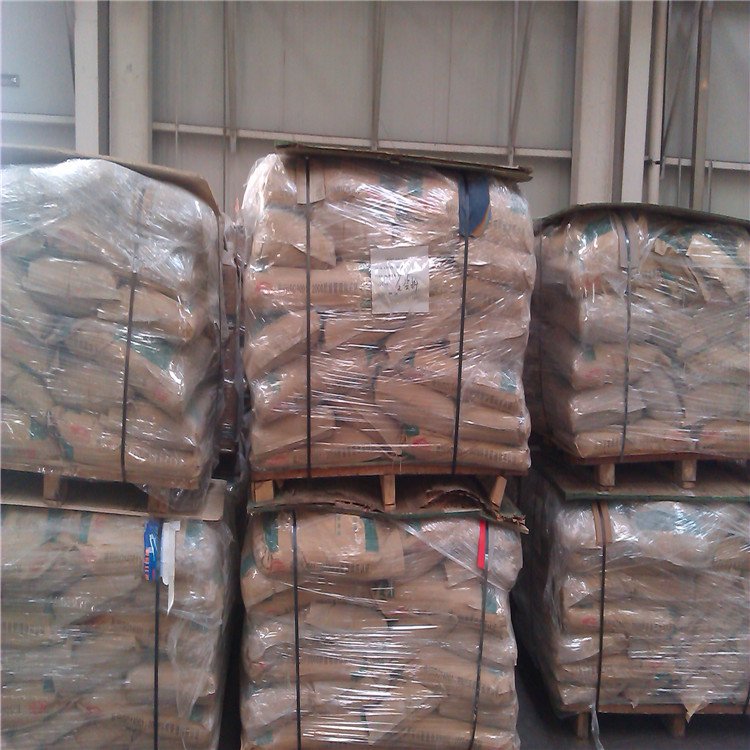
The product is available in three packaging options: tonnage, 250kg drums, and loose bulk.
Density: 1.25-1.30 (g/cm³) at 20°C
P H: 8.70-9.30 (20℃)
Solids Content: 45-55%
Recommended Dosage: 0.1-0.15 (%)
Section II: Applicability and Effectiveness
Primarily applicable to general silicate cement produced by blending gypsum dihydrate or mixed gypsum, especially composite silicate cement mainly composed of limestone or fly ash.
Using this aid-milling agent under the condition that the moisture content of the raw material does not exceed 2.0% can increase the hourly output of the mill and also reduce the amount of clinker used.
When the fineness of ground cement remains unchanged at 45μm sieve residue, the hourly output of the mill can be increased by approximately 10%.
Under the condition of maintaining the basic cement proportion unchanged, the compressive strength of cement can be increased by 1-3MPa for 3 days and by 3-4MPa for 28 days.
When the requirement for cement strength and the output of the mill remains essentially unchanged, 6%-8% of the clinker can be reduced, replaced by an equivalent amount of blended materials.
Can extend the cement setting time by 2-4 hours.

Section 3: Usage Examples
(Henan cement factory Ø3.2m x 13m open circuit mill)

Section 4: Characteristics of Cement Using This Aid-Milling Agent
The flowability of cement powder will increase.
2. The cement sand mortar fluidity is slightly increased.
3. The standard consistency water content has slightly decreased.
4. Setting time slightly extended by approximately 2 to 4 hours.
5. Suggest using a 45μm sieve to control the fineness of the cement after grinding; the sieve residue will decrease, but the specific surface area value may not necessarily increase.
V. Method of Addition During Use
When increasing the feeding height is required, a two-stage pumping method is generally used, as shown in the following illustration:

Directly use the metering pump to measure and add without the need to elevate the height.
We offer information on manufacturers of measuring equipment.
Feed Rate Monitoring and Control Method: Based on the mill's output and the amount of grinding aid added, calculate the mass of grinding aid to be added per minute (in grams). Use a graduated cylinder of 250-1000ml capacity, and randomly start timing for one minute from the spout where the grinding aid is being injected into the mill. Weigh the collected grinding aid. If the feed rate does not match the calculated amount, adjust the speed of the metering pump slightly until the specified requirements are met.
Six, Cautionary Notes
1. This grinding aid should be used after passing inspection. The acceptance inspection method is as follows: Using a cement without additives, mix it with a confirmed quality-assured grinding aid sample and a new grinding aid sample in appropriate quantities. Compare the 3-day and 28-day strengths of the mixed cement. If the strength of the cement mixed with the new grinding aid sample is not less than, or essentially the same as, the strength of the cement mixed with the retained sample, it is considered qualified.
2. When handling and storing this abrasive aid, prevent drops, impacts, external pressure, and exposure to high temperatures. The stacking height should not exceed two drums.
3. Before use, check the company's logo first, then open the cover. Confirm the product and model are correct before putting it into use.
4. This product has slight corrosiveness to the skin. In case of contact, rinse with clean water and do not ingest or consume.
5. When using this product, if the ambient temperature remains below 5℃ for consecutive 5 days, insulation measures should be taken to prevent crystallization of the product and ensure normal operation.
6. The shelf life for this series of products is 6 months.