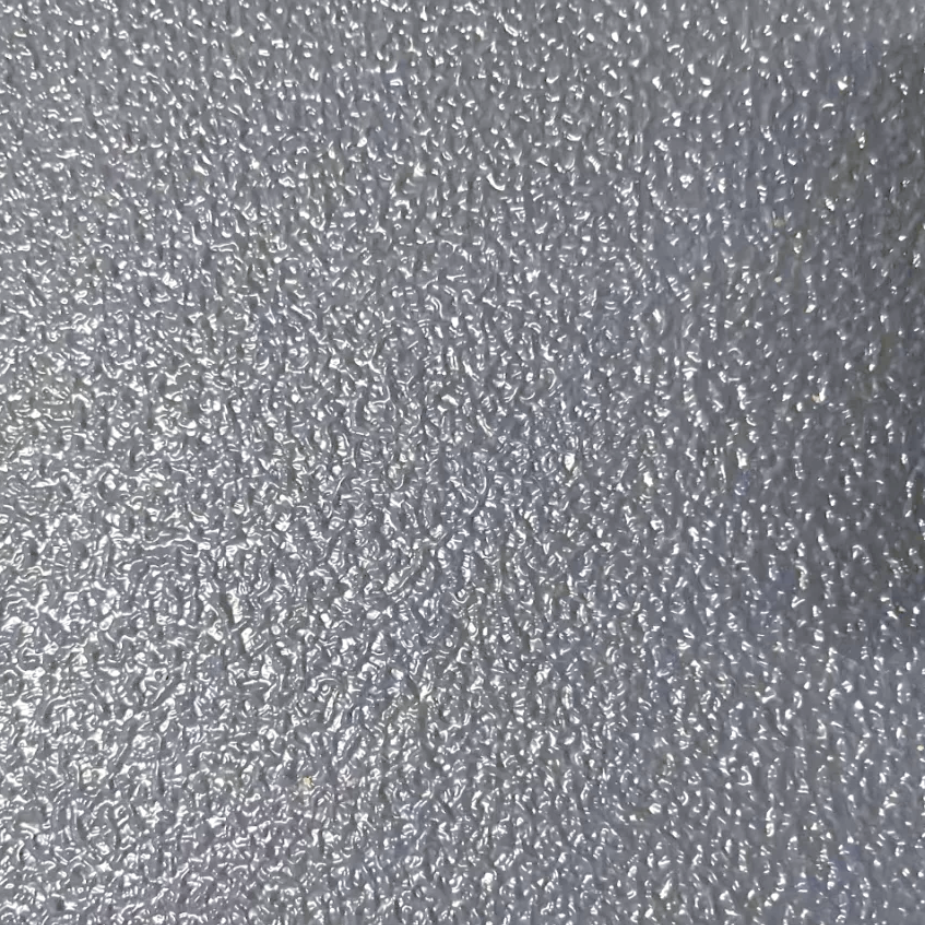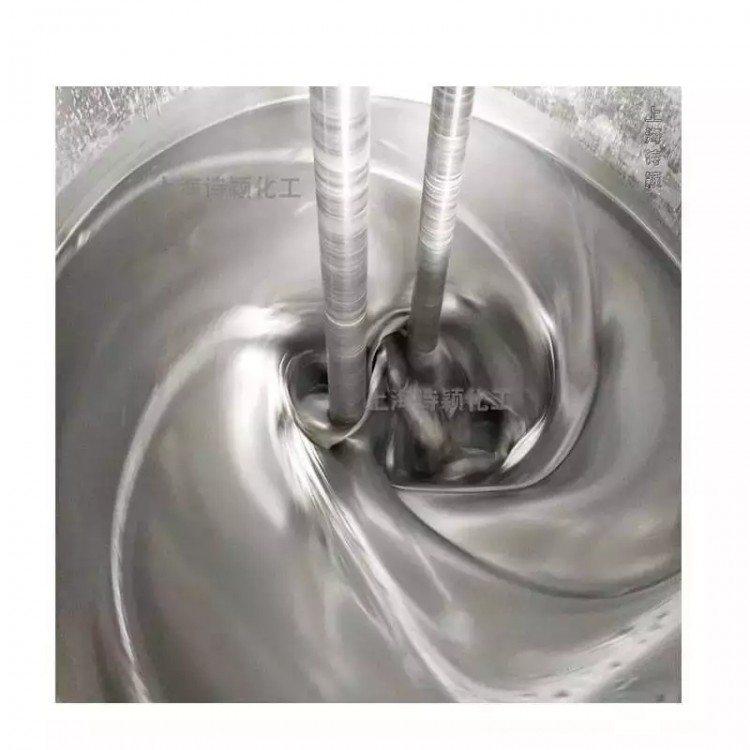

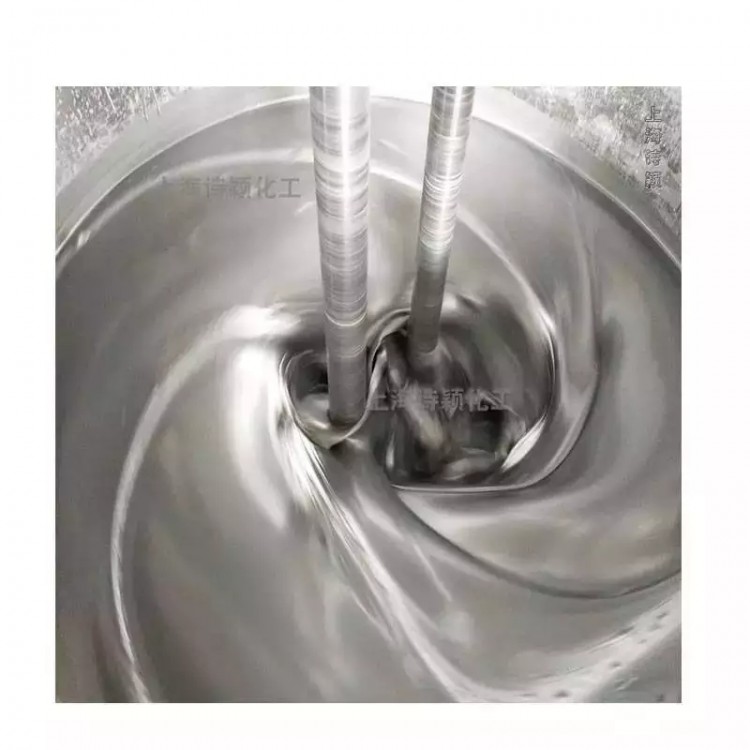



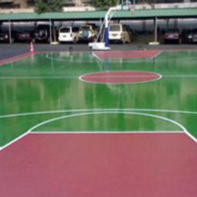
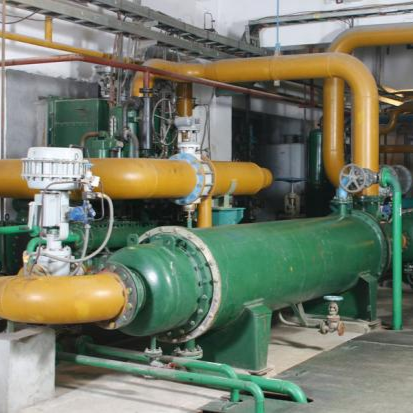






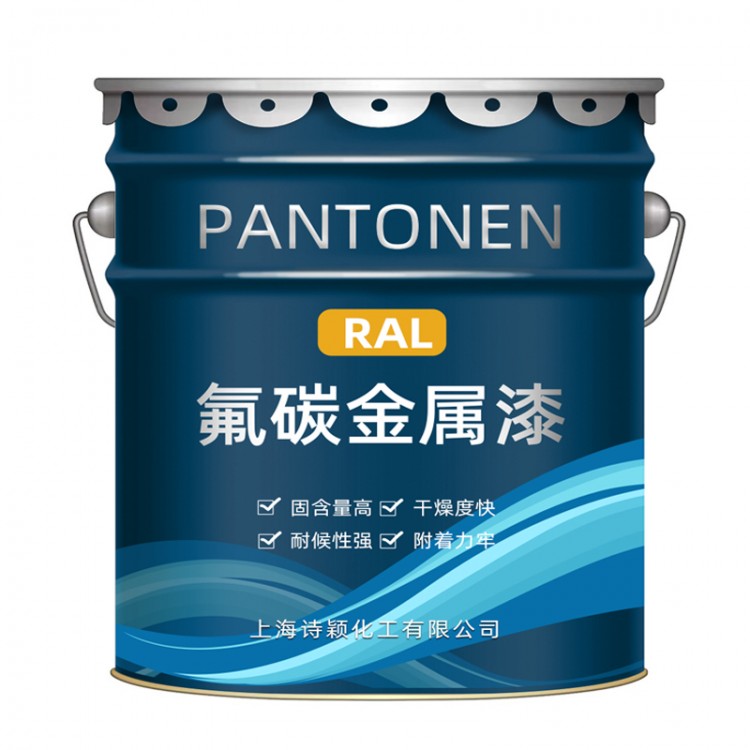
Organosilicone heat-resistant paint boasts oxidation resistance, hydrophobicity, excellent electrical properties, anti-mold properties, and weather resistance, such as grades W61-550, W61-650, etc. It is a single or two-component self-drying organic paint composed of pure organosilicone resins.

Application of Heat-Resistant Silicone Paint
Before applying heat-resistant silicone paint, start with the ingredients and adjust the paint viscosity using the matching thinner according to the manufacturer's instructions, the construction environment, and the workpiece requirements. Approximate thinner usage: airless spray, about 5%~10% (by paint weight, as applicable); air spray, about 15%~30%; brushing, about 10%~20%. Thinner usage may vary among different manufacturers and paint products. During application, always check the coating thickness according to experience and touch up as needed if it doesn't meet the specified requirements. Before the coating dries or before the next spray, protect the coating to prevent contamination or damage. After spraying, the coating surface should be free of runs, overspray, and should have even thickness and consistent color. Roughness, sagging, cracking, bubbling, peeling, and other defects are not allowed.
Under normal circumstances, silicone coatings are typically applied through spraying. When conducting spraying operations, the following points should be noted:
(1) All paint applications must meet the specified temperature and humidity requirements, including silicone coatings. The optimal environmental temperature for silicone coating application is 5~40°C, with a relative humidity of 25%~85%.
(2) Pay attention to installing an oil-water separator on the air compressor and to regularly drain the separator and compressor daily. This is very important.
(3) Prior to painting, cover areas that do not require painting, such as keyways, shaft holes, precision-machined surfaces, and certain special areas.
Before painting, strictly inspect the cleanliness and dryness of the painting tools. If contaminated, they must be treated to meet the corresponding requirements.
Painting.
(5) When adjusting paint, water is strictly prohibited; use a thinner to adjust the paint viscosity.
(6) After using the spray tools, they should be promptly cleaned to maintain cleanliness and dryness for next use. (7) Avoid human trampling and mechanical damage during handling on the surface of the coating.
(8) Preferably use environmentally friendly high solid content organic silicone coatings, especially those from brand-name paint manufacturing companies.
(9) Cure according to the drying conditions required for the organosilicate paint product to ensure film quality.

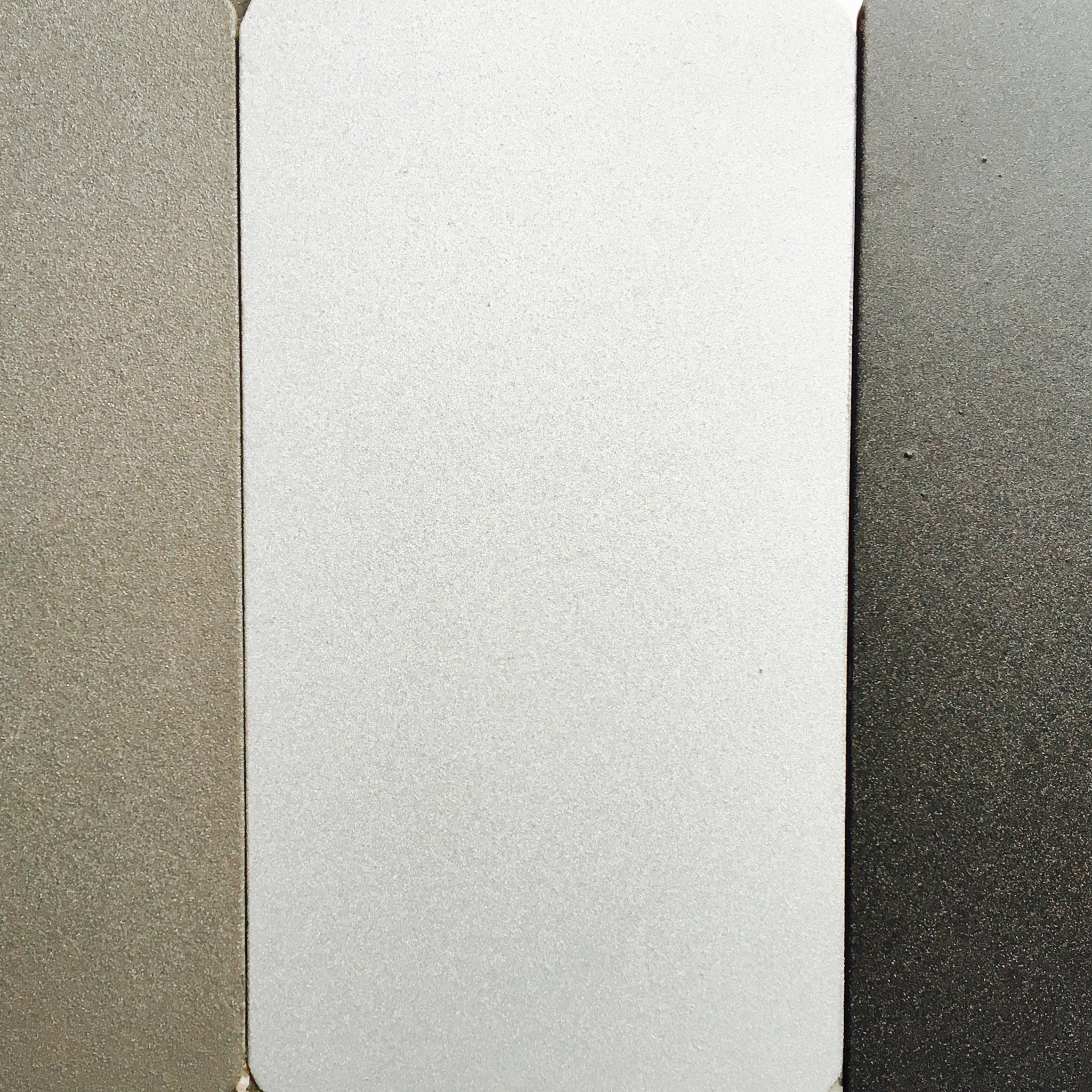
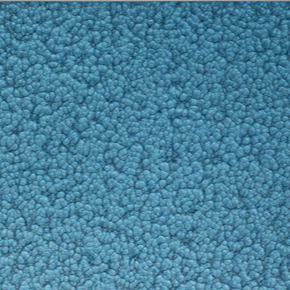
Organosilicone heat-resistant paint finish color
1. Silver
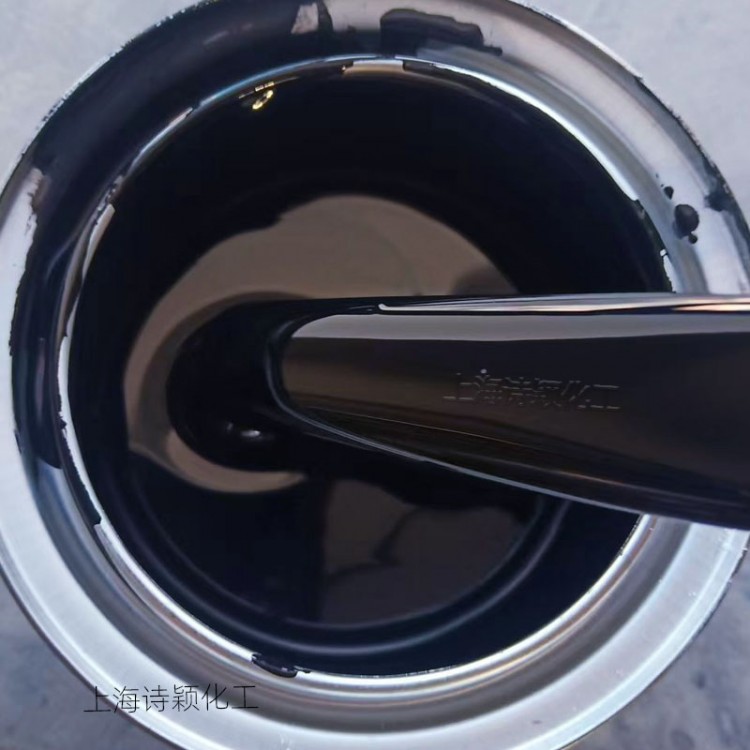
2. Black
3. Blue
Gray