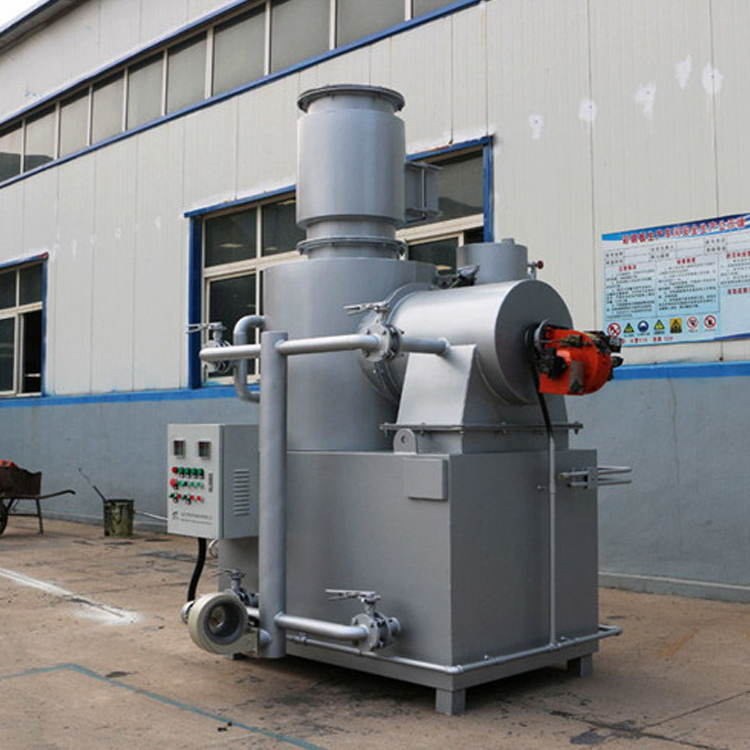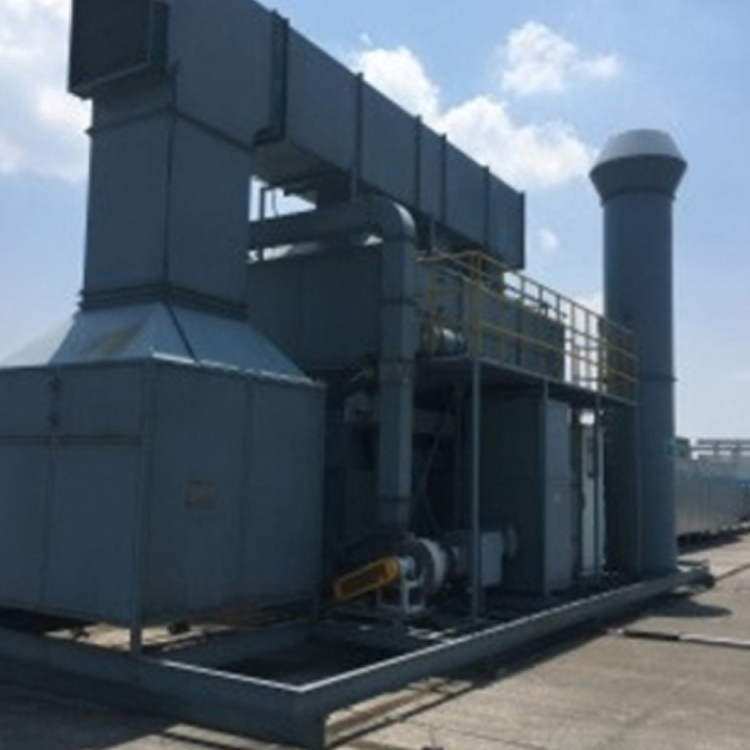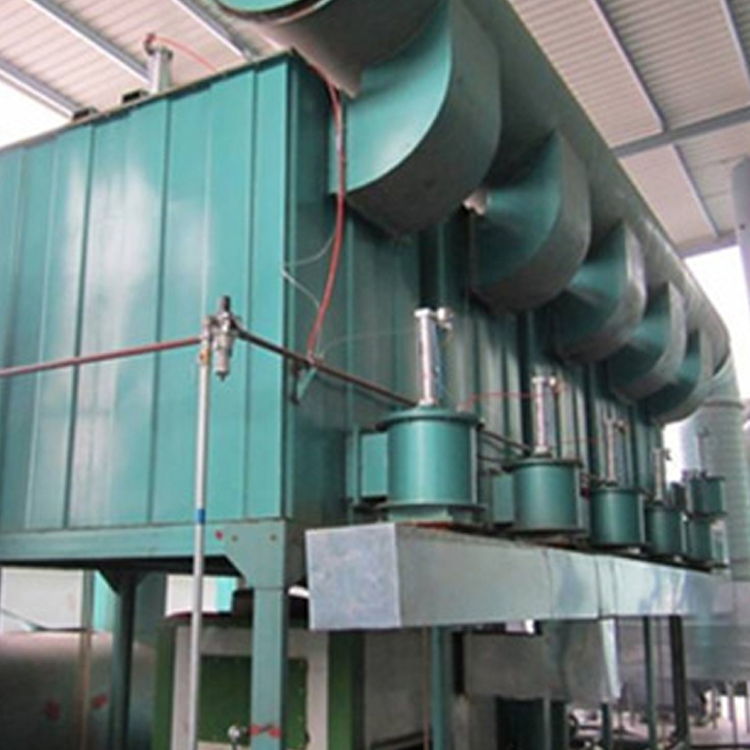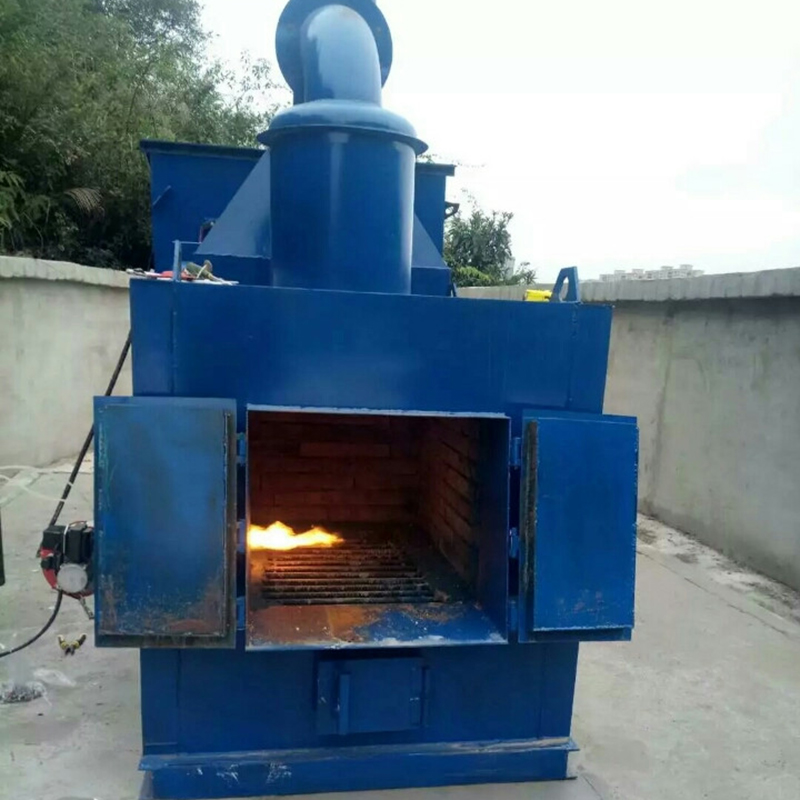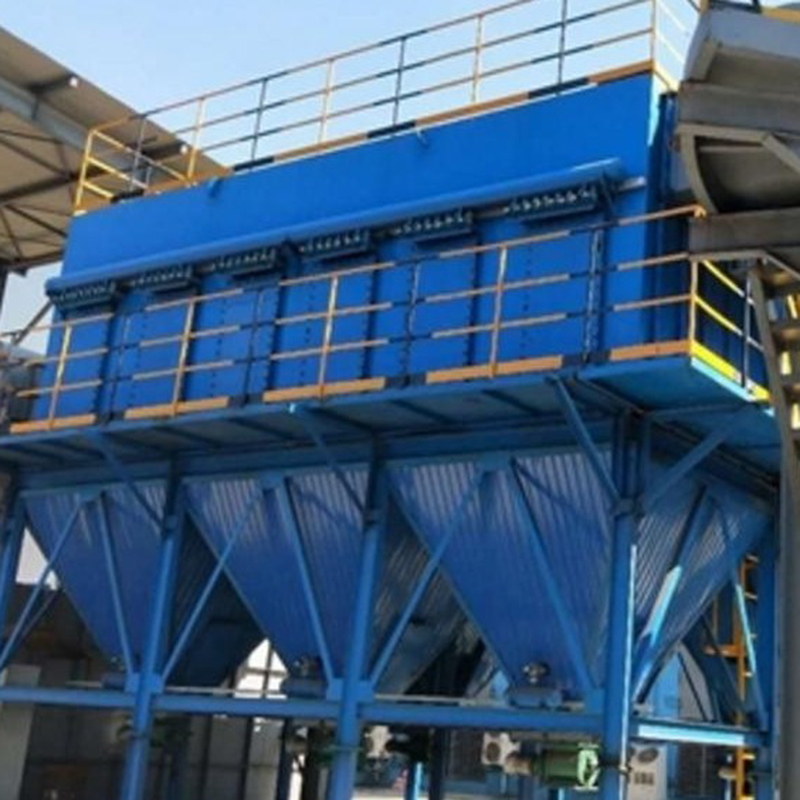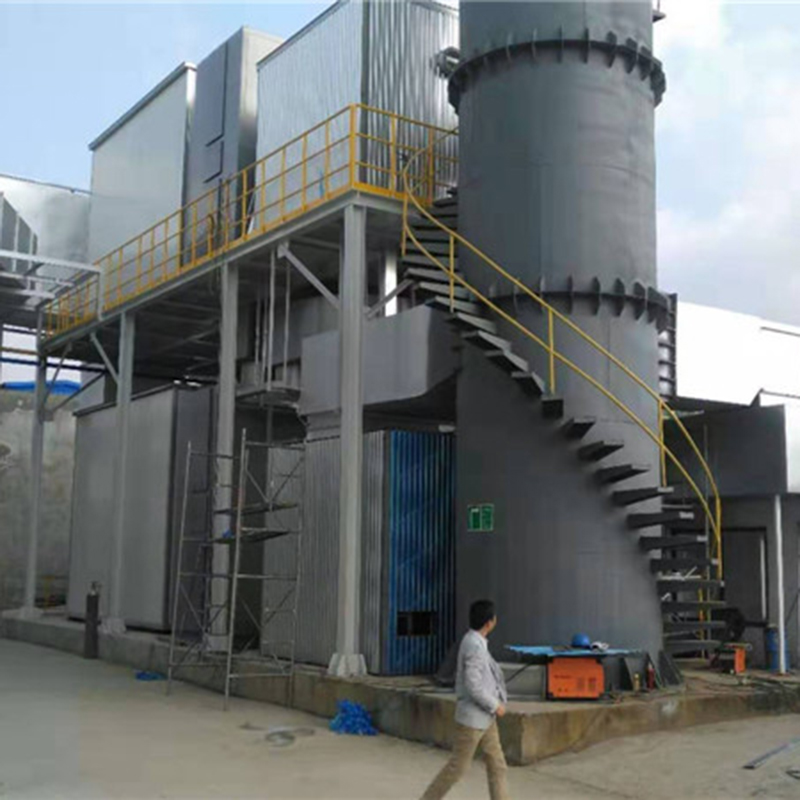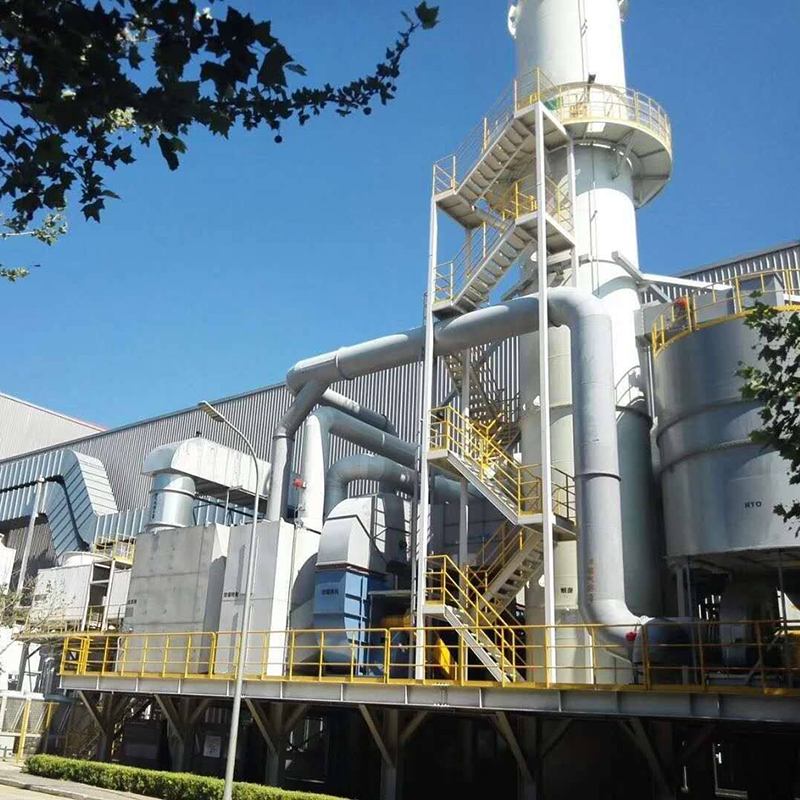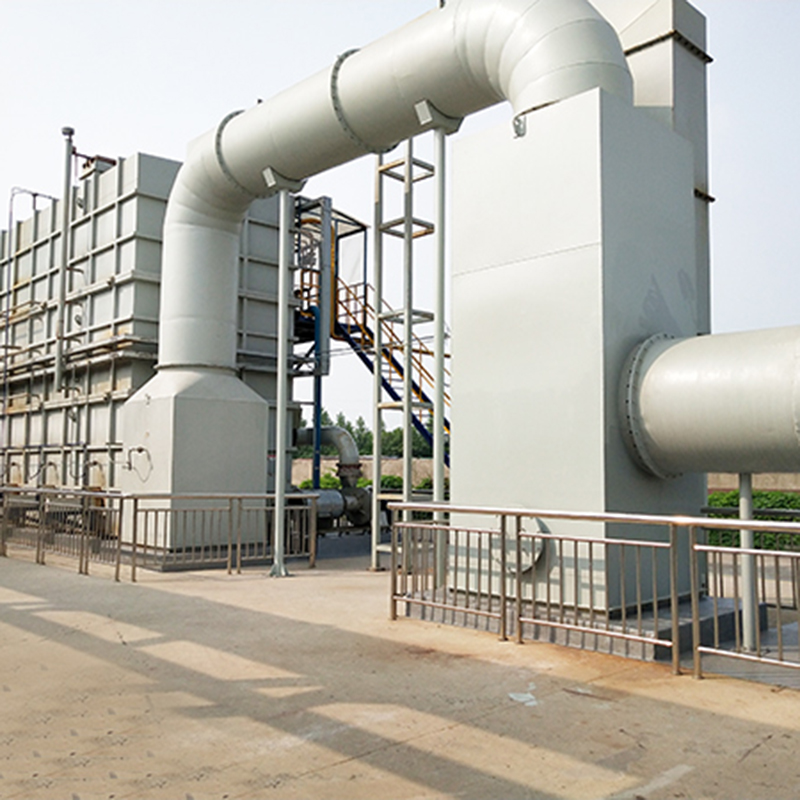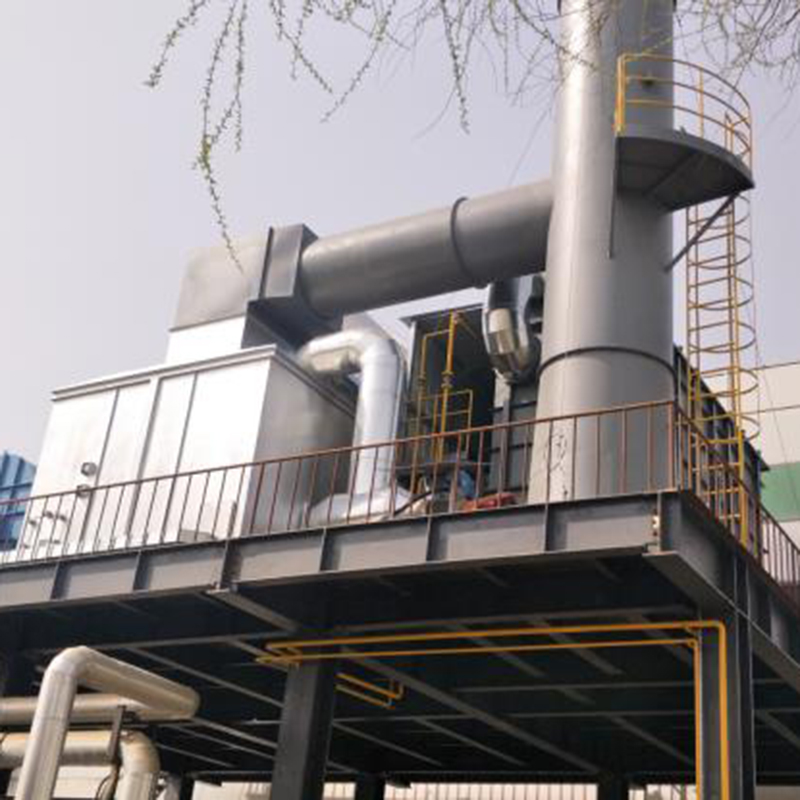

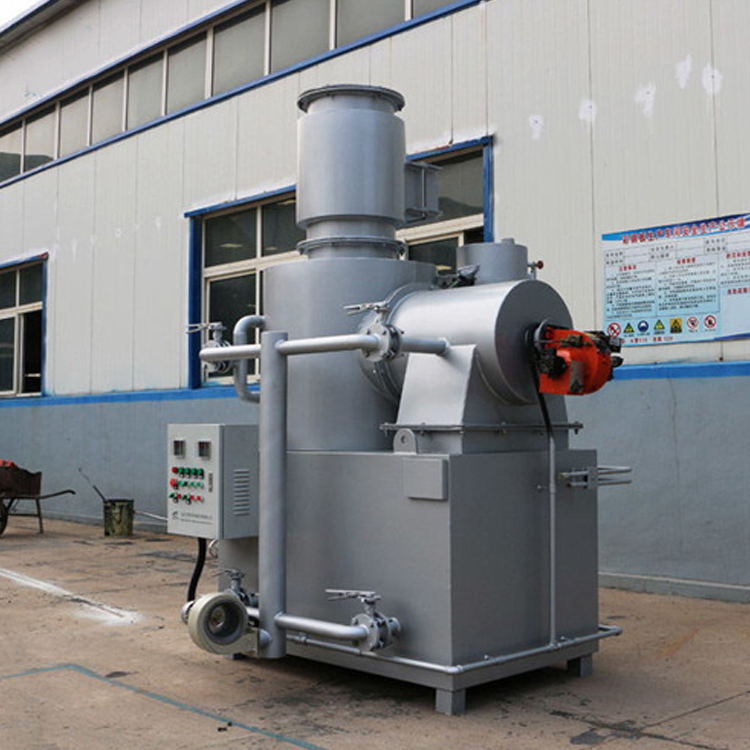

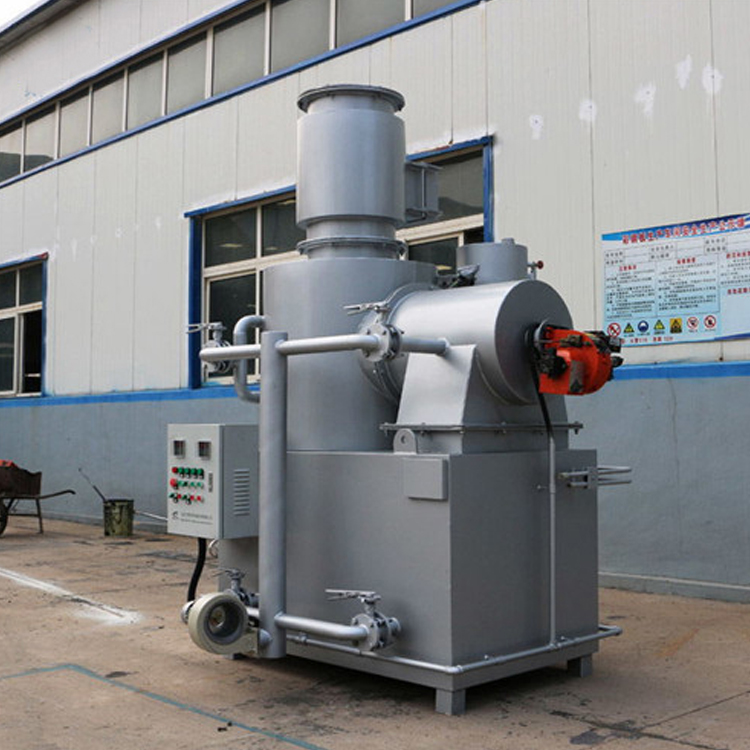
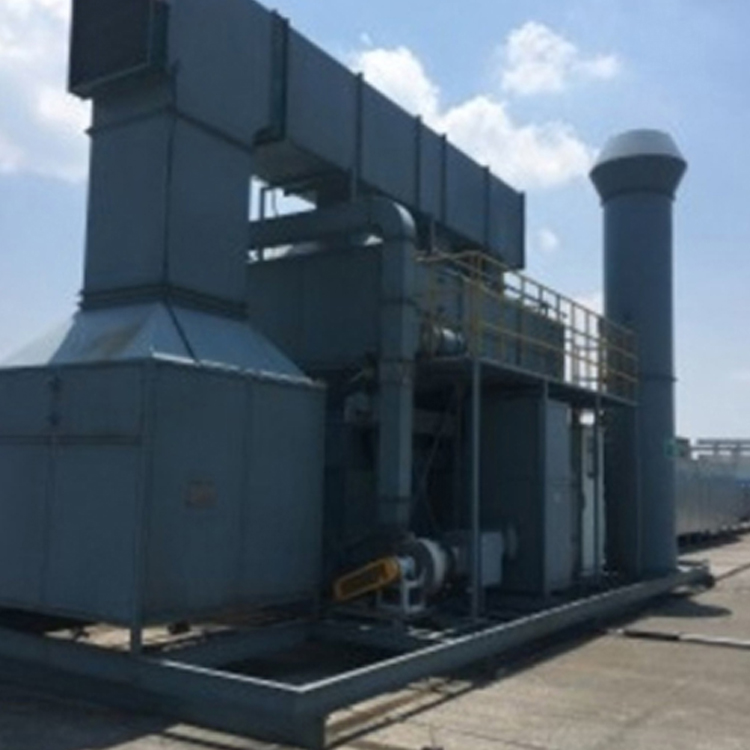


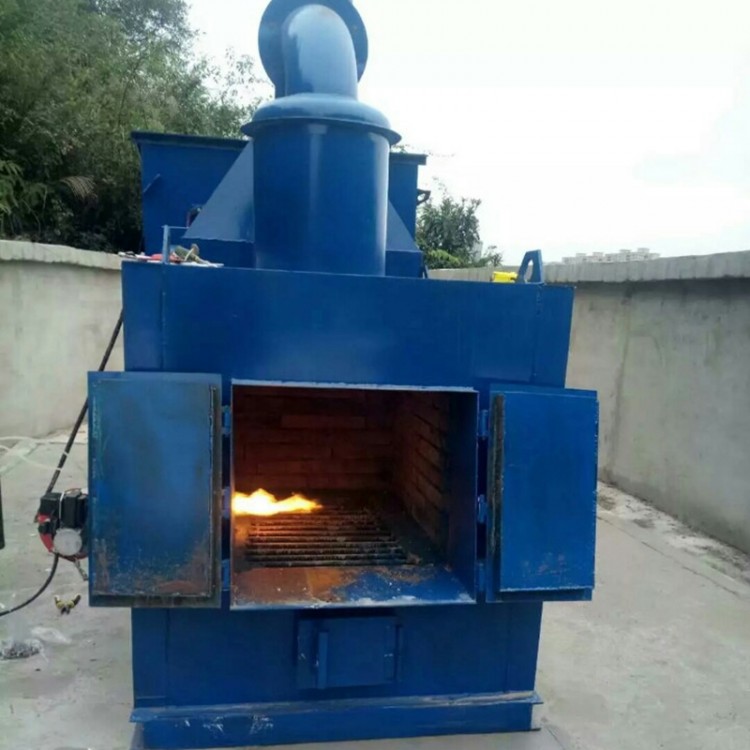
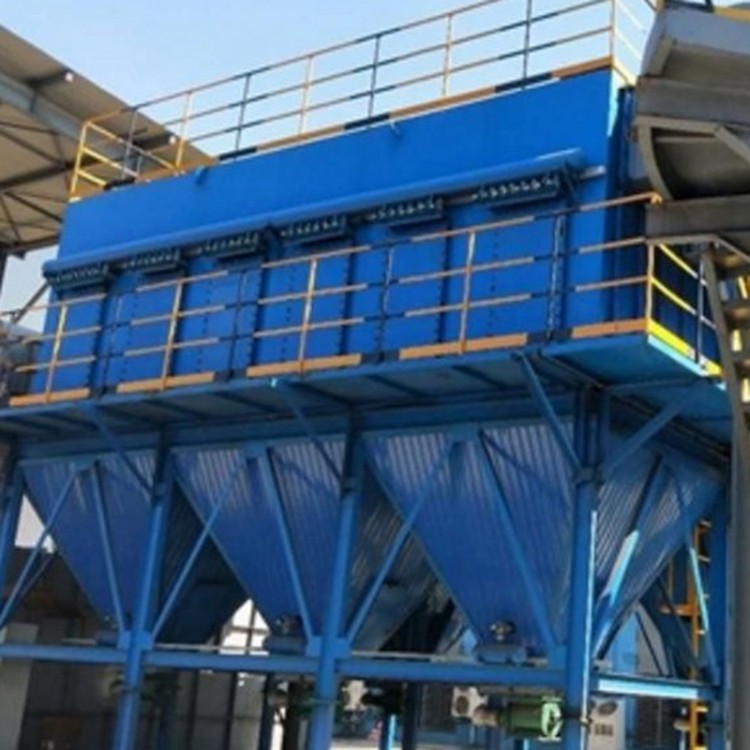





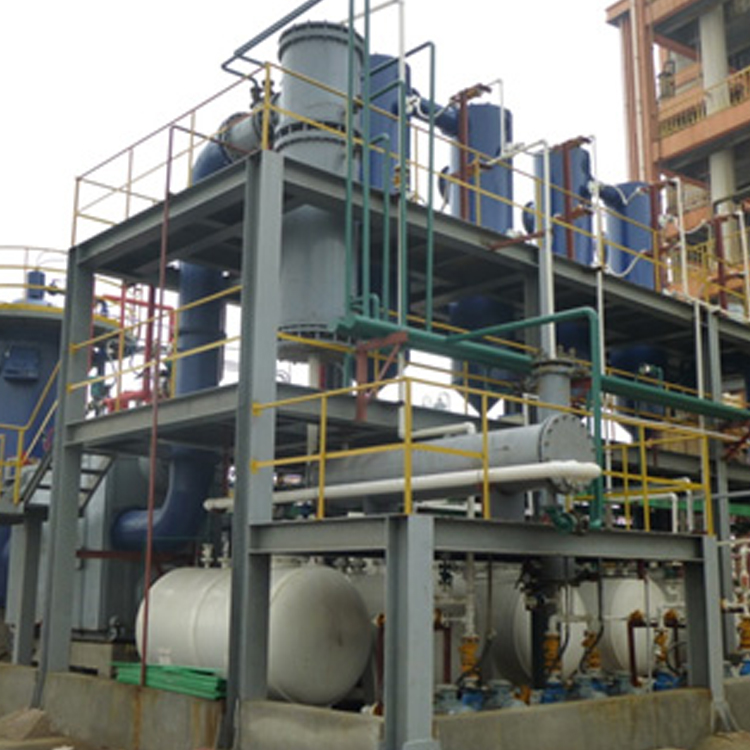
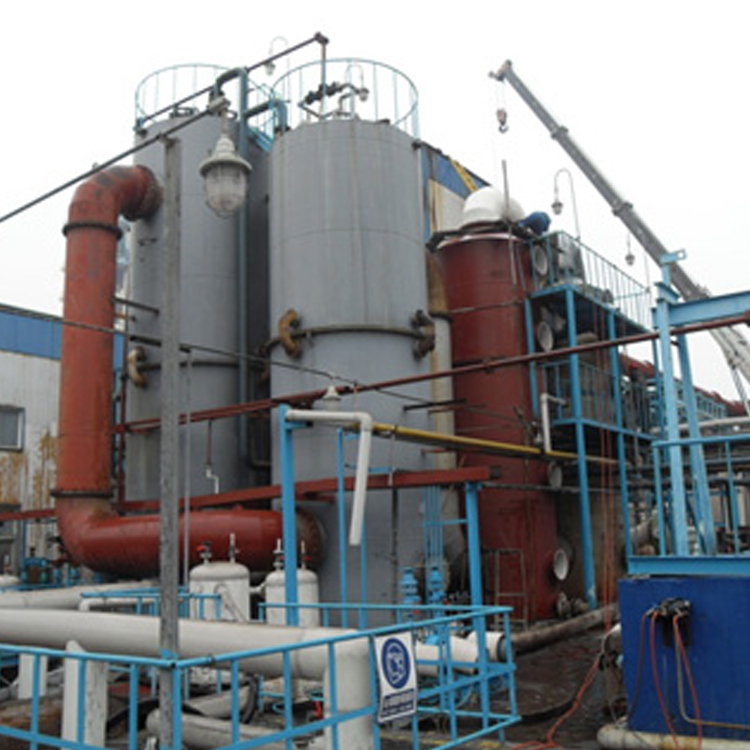

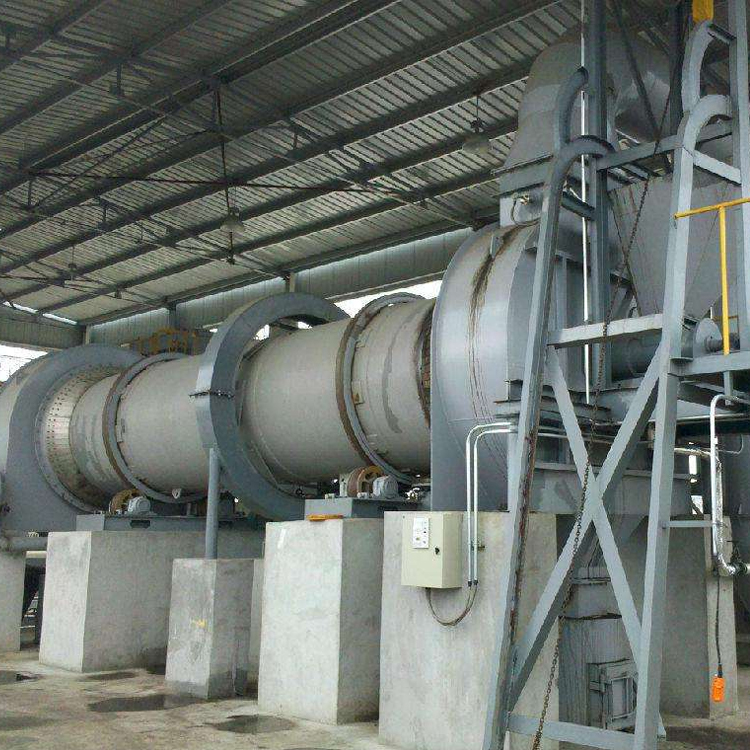
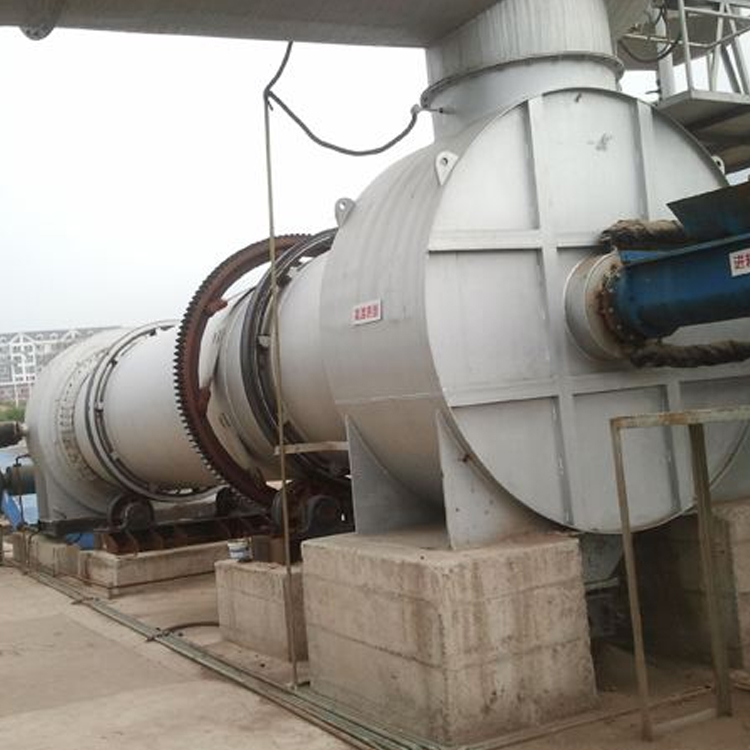

The composition of the small waste incineration furnace includes:
The furnace body, including primary combustion chamber, secondary combustion chamber, cyclone dust collector, chimney, flue, piping system, high-pressure blower, auxiliary pressure draft fan, primary combustion unit, secondary combustion unit, as well as electric control cabinet, temperature indicator, detection equipment, etc.
Combustion process and brief description:
Waste is manually fed into the primary combustion chamber of the furnace, initiating an automatic controlled combustion. Following the three T's principle of combustion (temperature, time, and vortex), the waste is fully oxidized, pyrolyzed, and combusted within the furnace chamber. The flue gas produced from incineration enters the secondary combustion chamber, where any unburned harmful substances are further destroyed. To ensure complete decomposition of unburned materials and meet emission requirements, the secondary combustion chamber is equipped with burners for additional combustion and a secondary air supply system. This system ensures adequate oxygen contact with the flue gas at high temperatures and adjusts the air supply based on the oxygen content of the flue gas exiting the secondary chamber. Temperature control within the secondary combustion chamber and the removal of larger particles through a dust collector achieve a combustion efficiency and destruction removal rate of over 99%. This results in a odorless, no-odorous, and smoke-free outcome, meeting national emission standards. The ash produced after combustion is manually removed, sifted, transferred, and buried.