



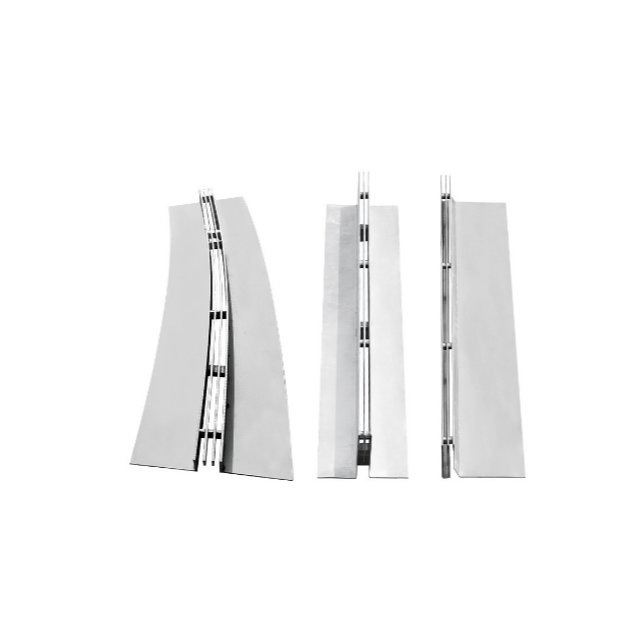







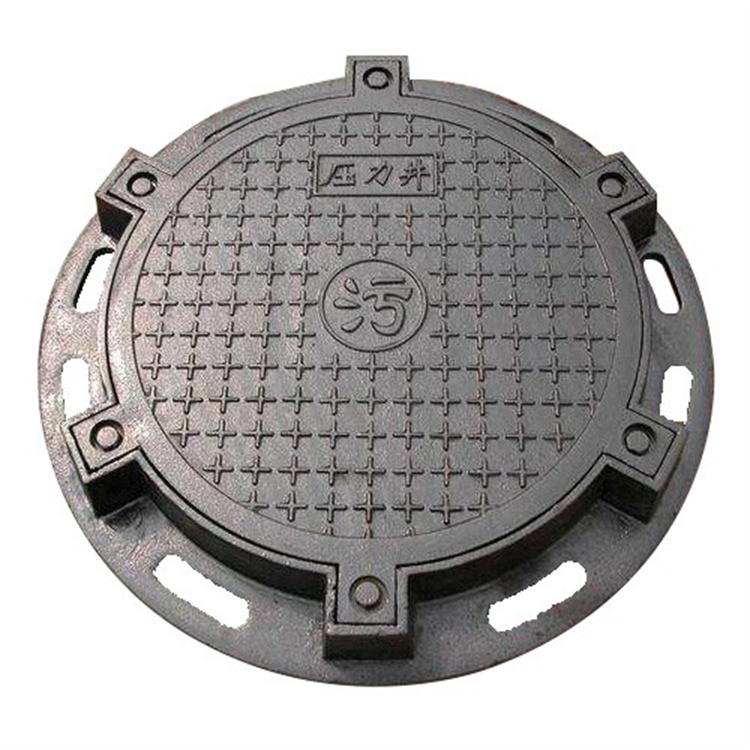

 Composite material molding processes offer flexibility, with strong designability in their structure and properties. The one-step molding method using molds to produce various components can enhance structural strength, and by designing different fiber types and arrangements, the performance of different parts of the components can be improved. By adjusting the composition, structure, and arrangement of the various components of the composite materials, it is possible to make components that can withstand different forces at different positions, and also to produce multifunctional composite materials that combine contradictory properties such as rigidity, toughness, and plasticity, which are advantages not available in traditional materials. In the application technology of composite material evacuation platforms and cable supports, the "designability" of the composite material properties plays a significant role.
The previously used metal materials have always been challenging to properly address their corrosion issues, such as various metal cable brackets and components being corroded by damp environments, acid rain, and salt雾. In the underground environments of Guangzhou, which has a distinct marine climate, the corrosion damage is even more pronounced. Coupled with the stray current corrosion in subway engineering, this significantly reduces the service life of metal materials.