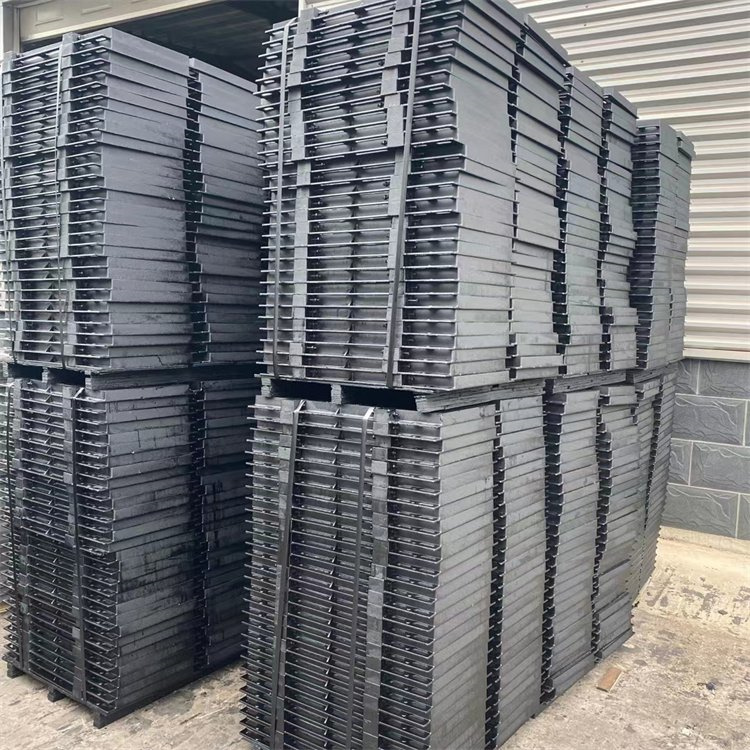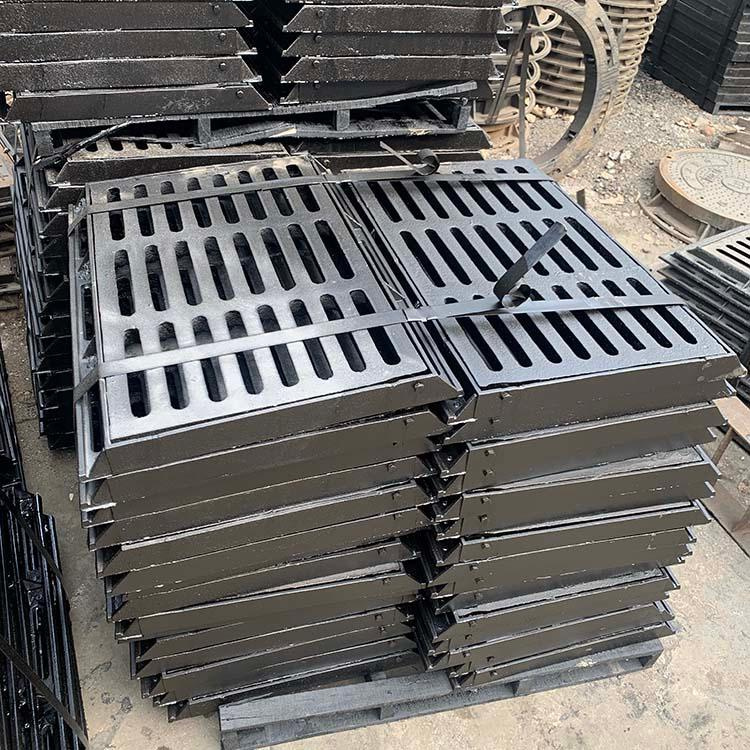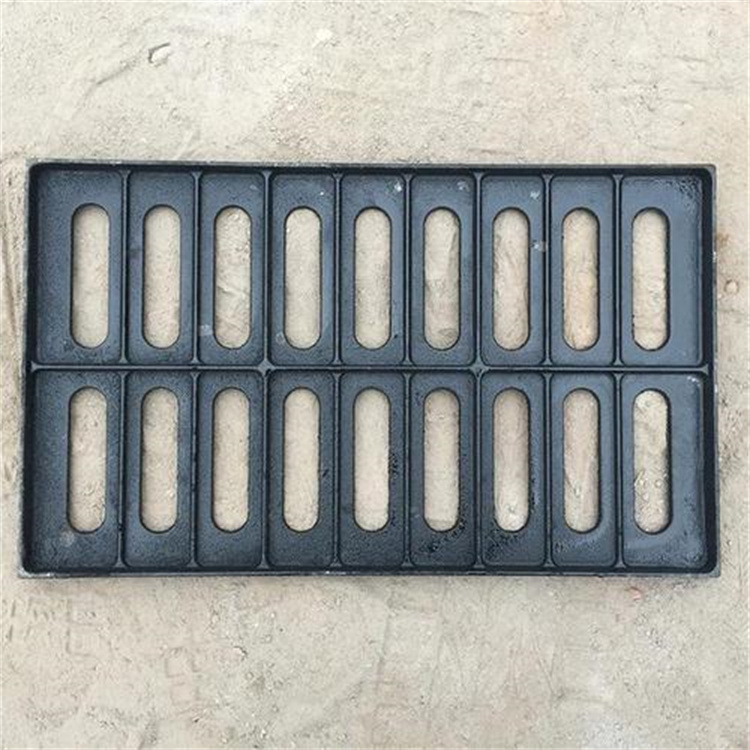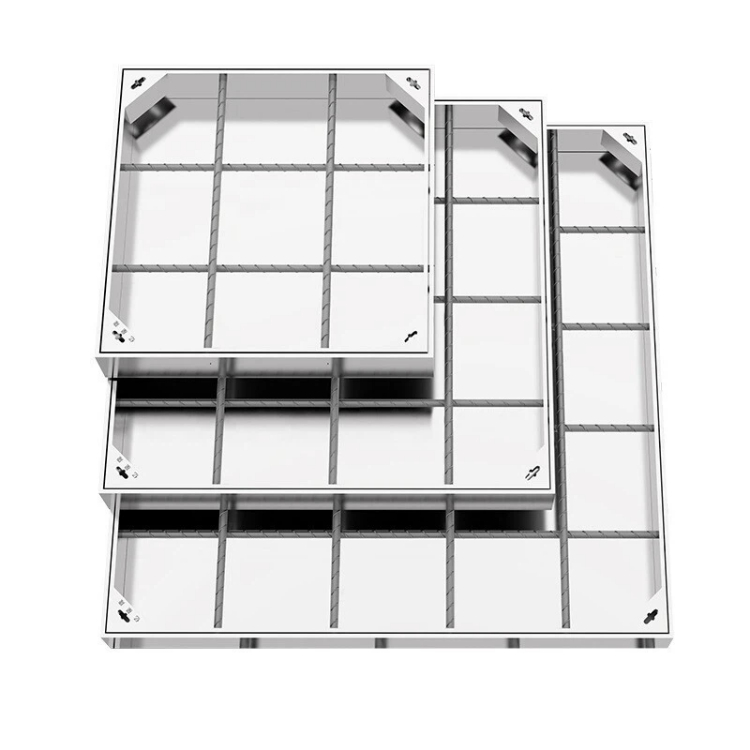












 Investment casting, also known as shell molding, involves bonding foam models similar in size and shape to the casting into a cluster, applying refractory coating, drying it, then burying it in dry sand and vibratory molding. Under vacuum, molten metal is poured, vaporizing the model, with liquid metal taking its place. After solidification and cooling, the casting is formed.
Investment casting has the following characteristics:
Casting quality is excellent with low cost. Material is not restricted and suitable for various sizes; high dimensional accuracy, smooth surface finish, reduces cleaning, saves machining; significantly fewer internal defects, dense structure.
Achieves large-scale, bulk production. Automated assembly lines ensure environmental friendliness. Significantly improves working conditions, reduces labor intensity, and minimizes energy consumption.