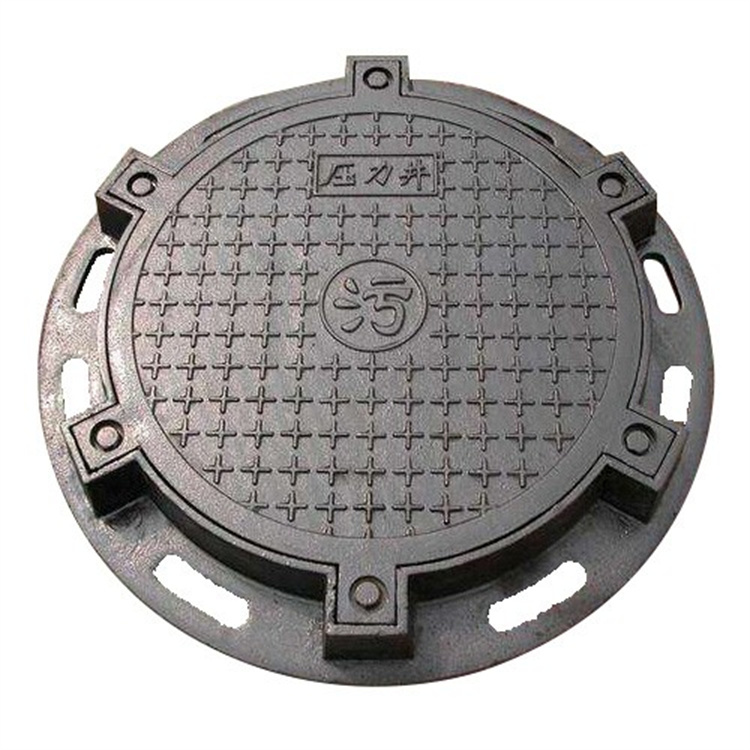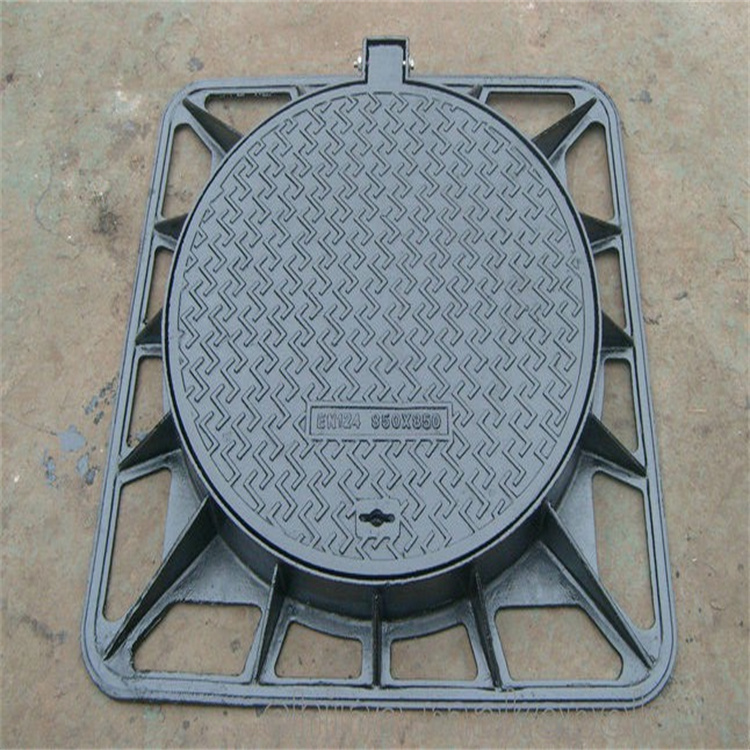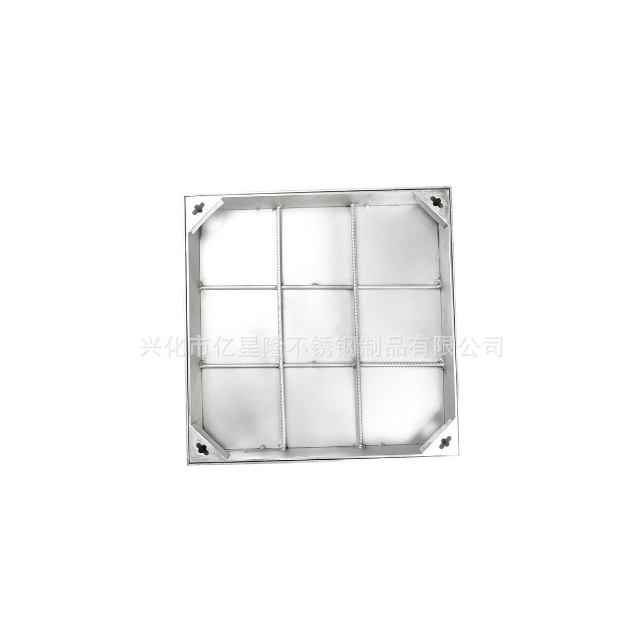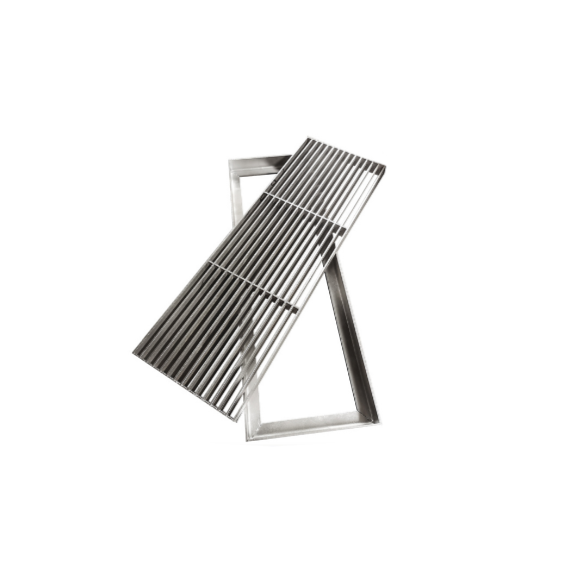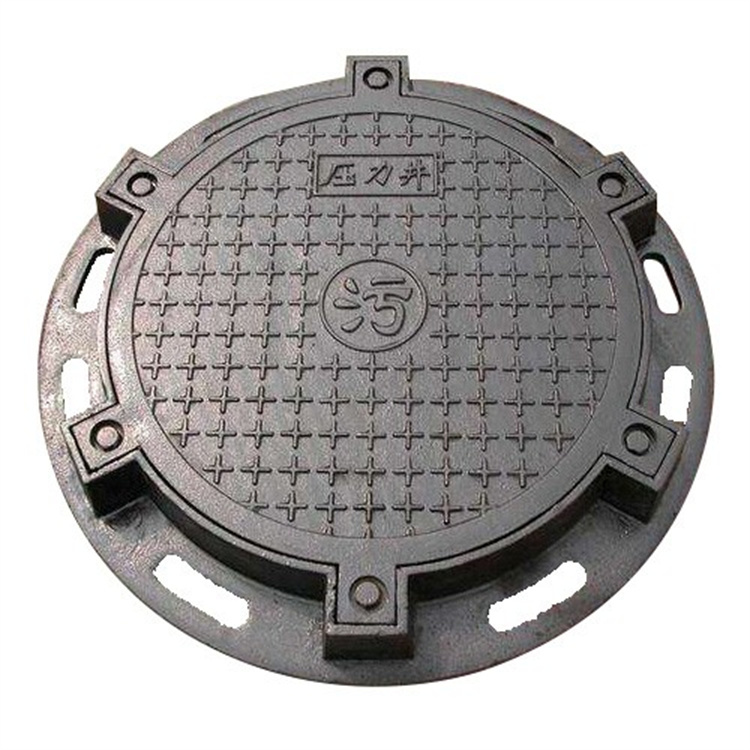



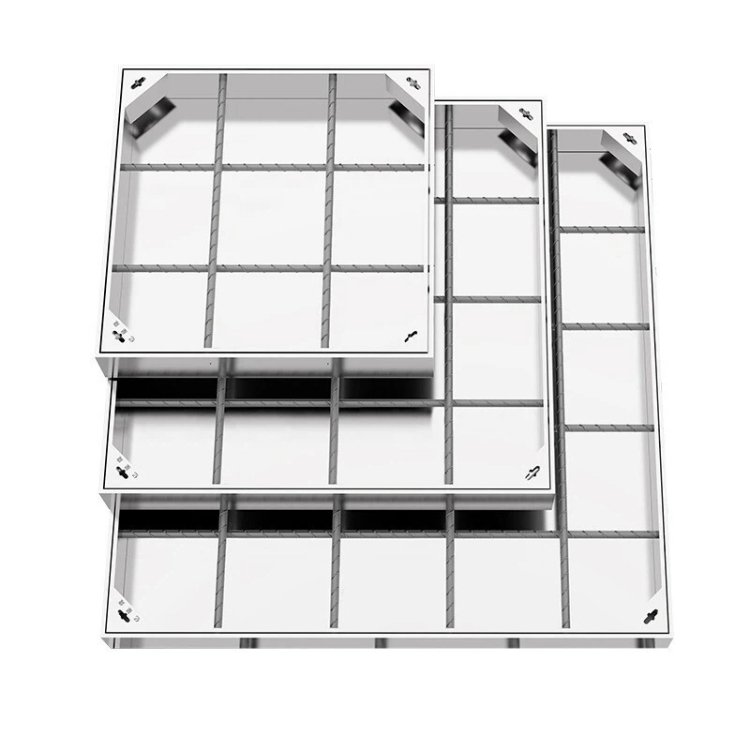
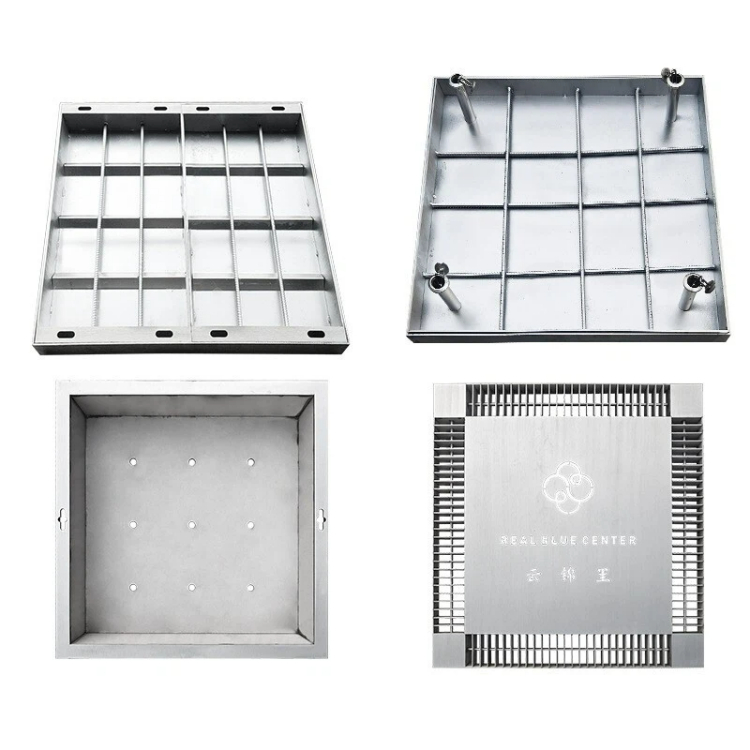
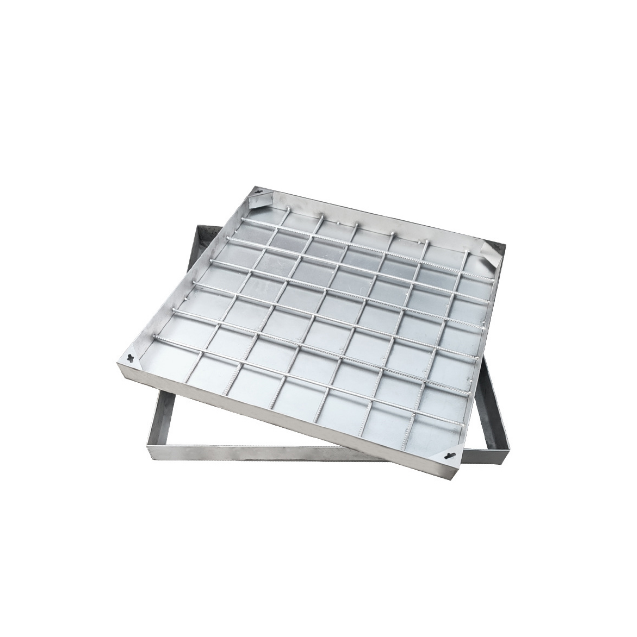
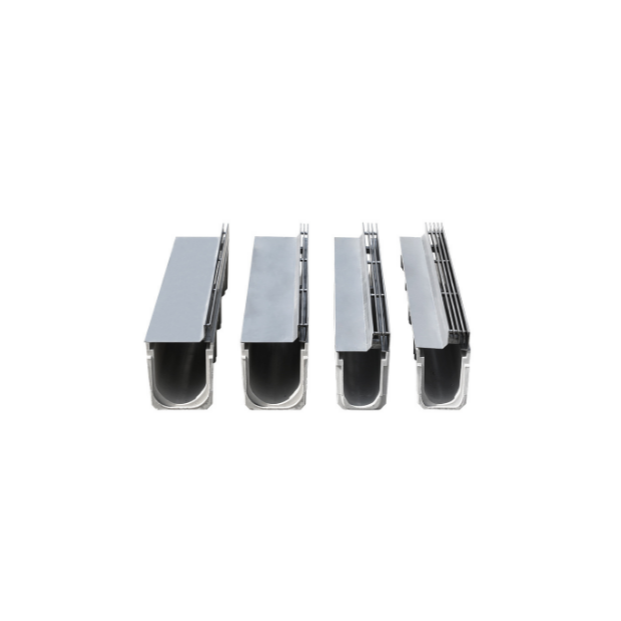







 Now, manhole covers are everywhere, and drivers who frequently hit the road are sure to notice that their wheels often run over them. This is also an invisible harm to the wheels. Many drivers avoid "harm" by taking detours around manhole covers, but some vehicles still end up hitting them. Why are manhole covers always placed where wheels are likely to run over them? Let's explain that below.
1. The city's drainage system has been on a large scale for decades, which carries a certain historical background. Previously, the locations and numbers of manhole covers were fixed, usually in inconspicuous places. With the widening of roads and the development of the economy, many previously unnoticed manhole covers have now come to light, causing inconvenience to drivers.
2. Urban roadways are typically designed with higher middles and lower sides. However, manholes are placed on both sides of the road, which facilitates drainage and prevents waterlogging. Vehicles often drive along the edges, so their wheels frequently pass over the manholes.
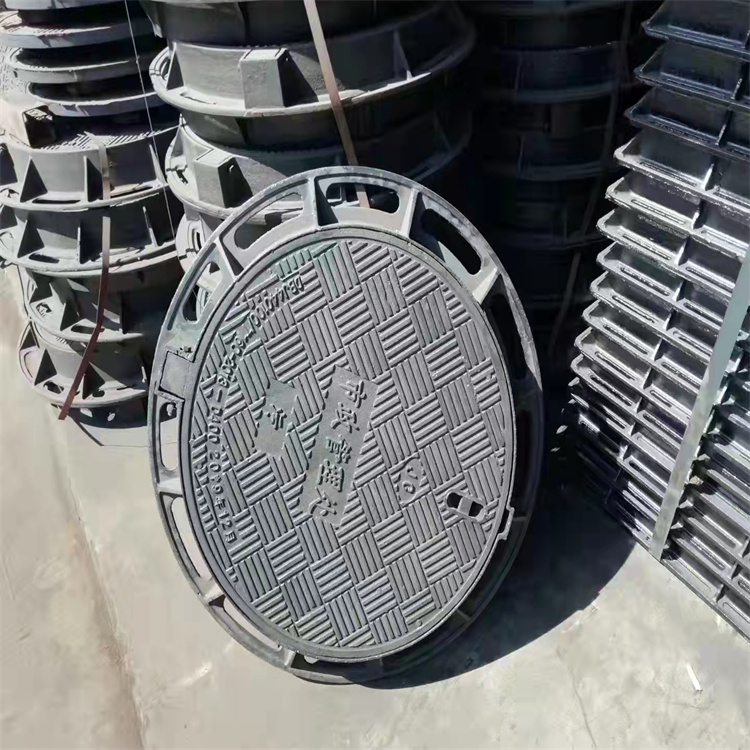
3. Additionally, there's the issue of the manhole cover size. Generally, manhole covers are set quite large, with some as large as one meter, and even larger. Our vehicle models typically measure around two meters, so the likelihood of wheels passing over them while driving is quite high. To avoid this, you would need to move your vehicle left or right, which is why owners might think it's intentionally set up this way.