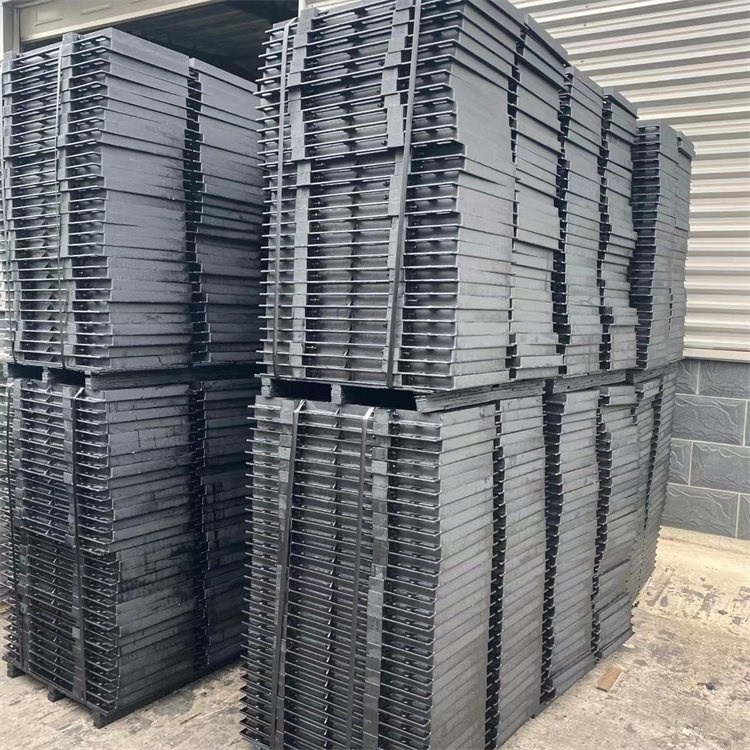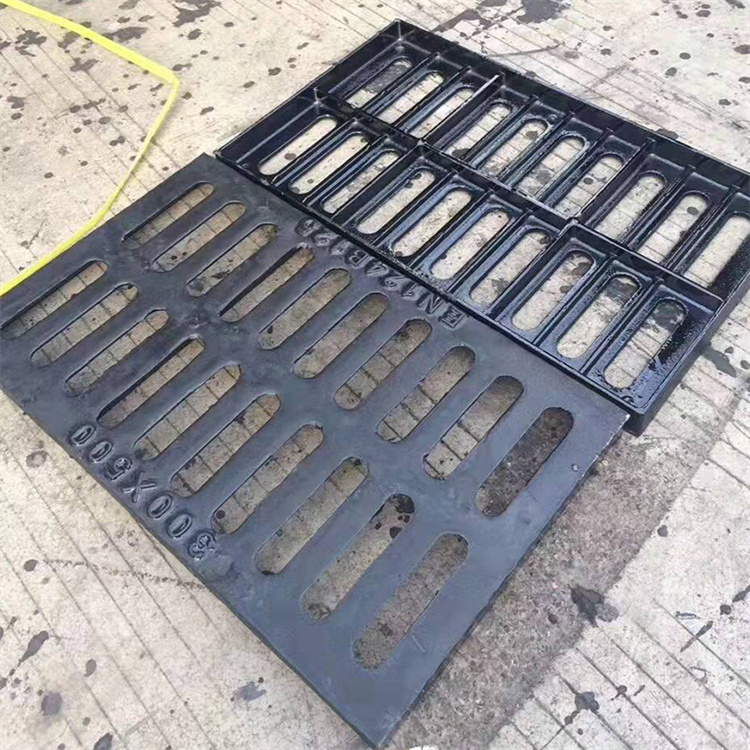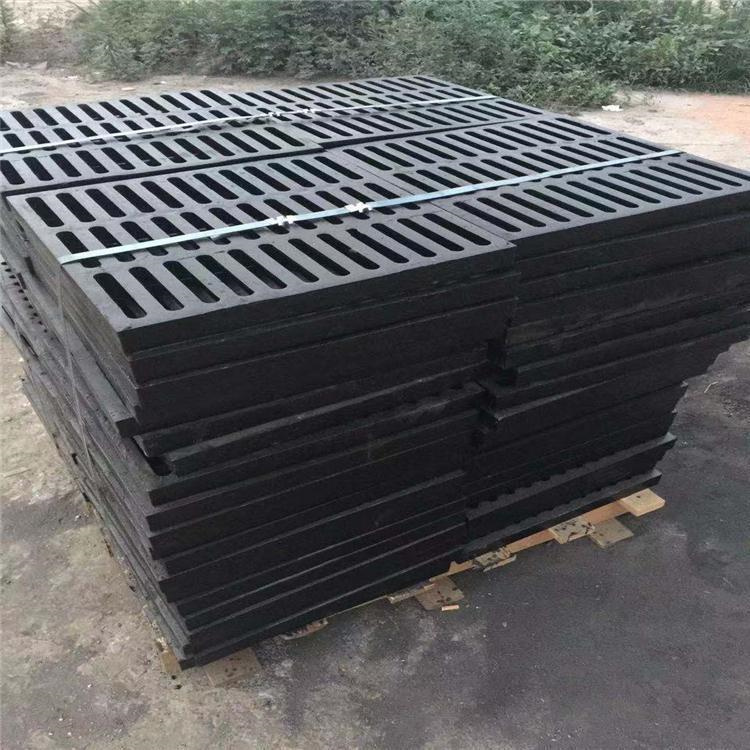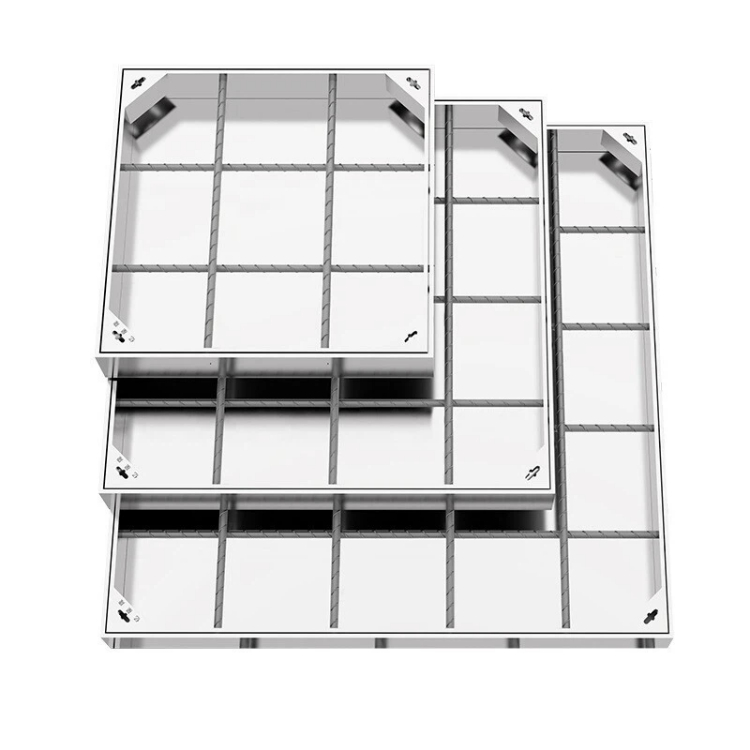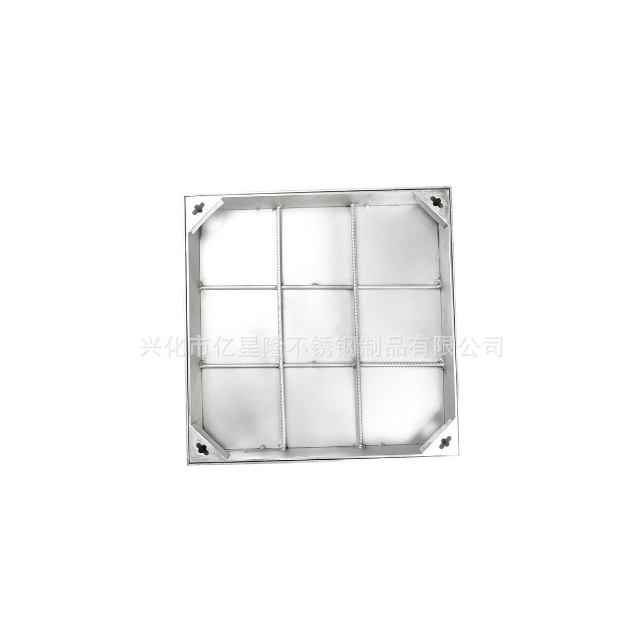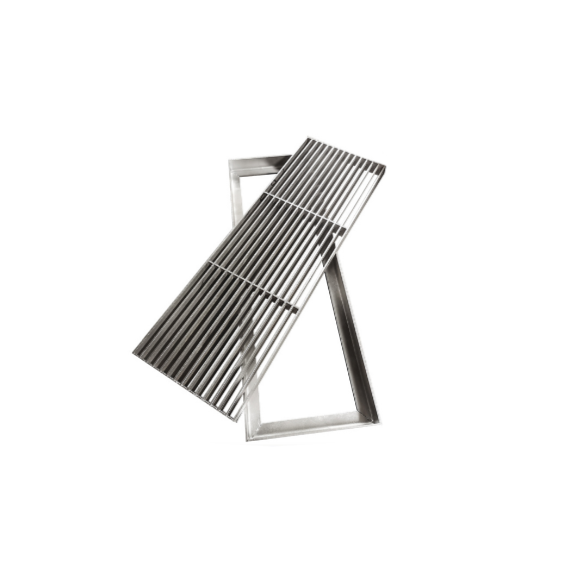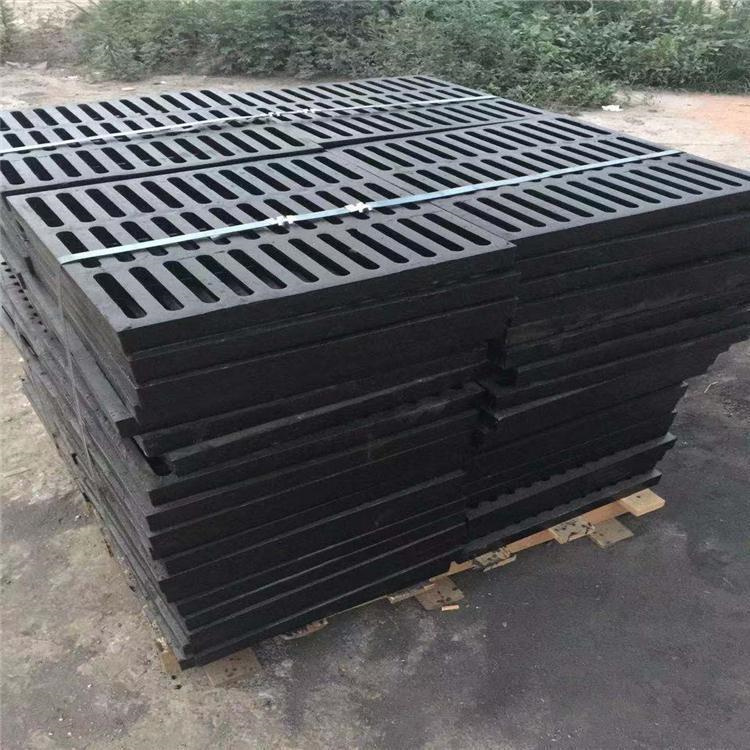


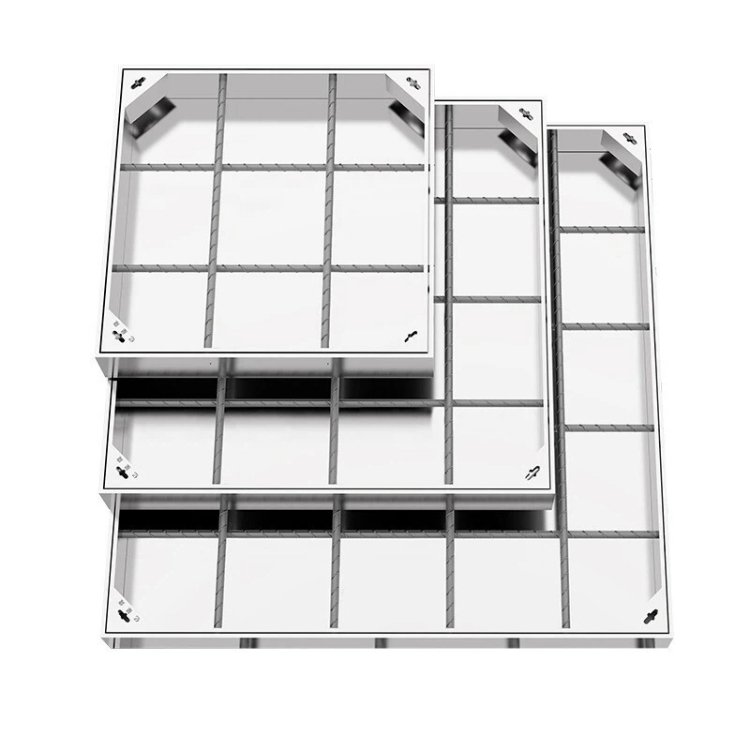
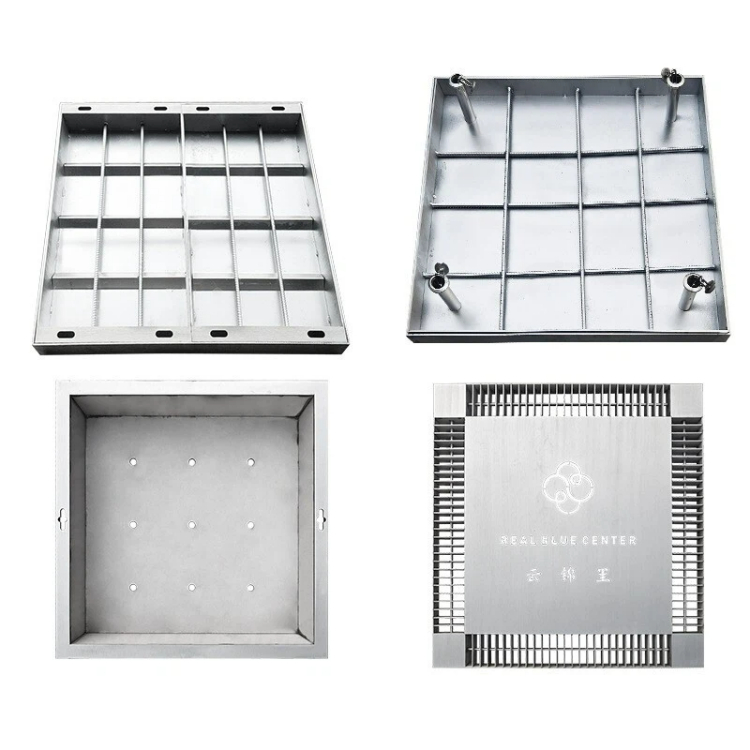
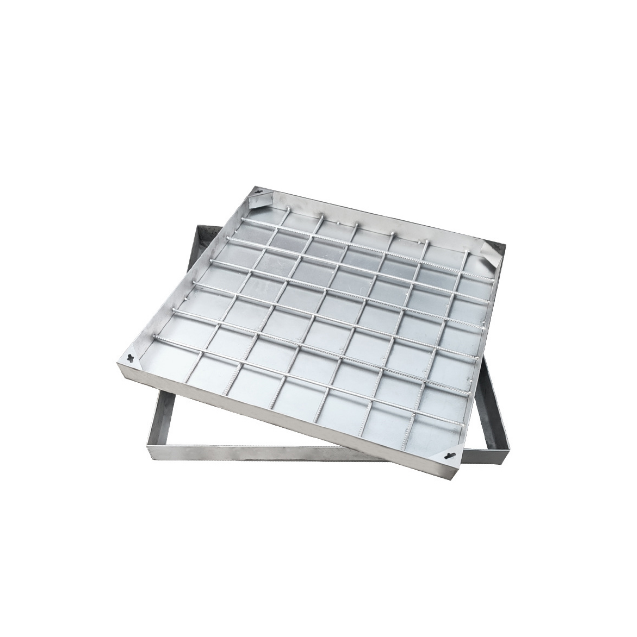
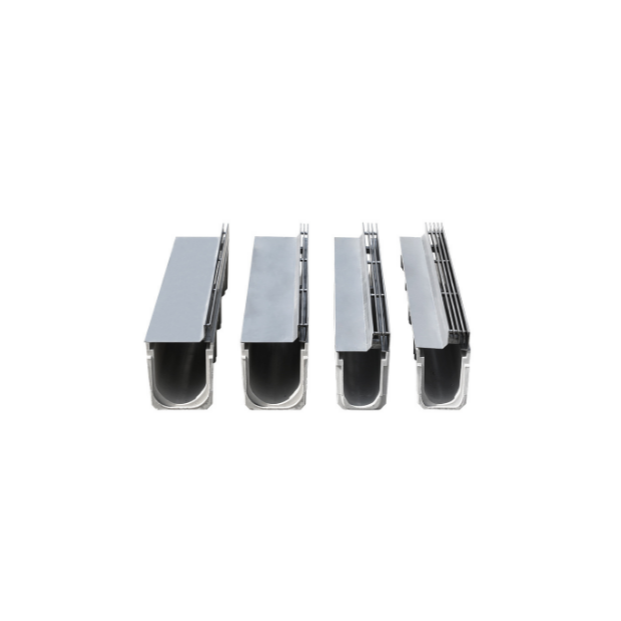
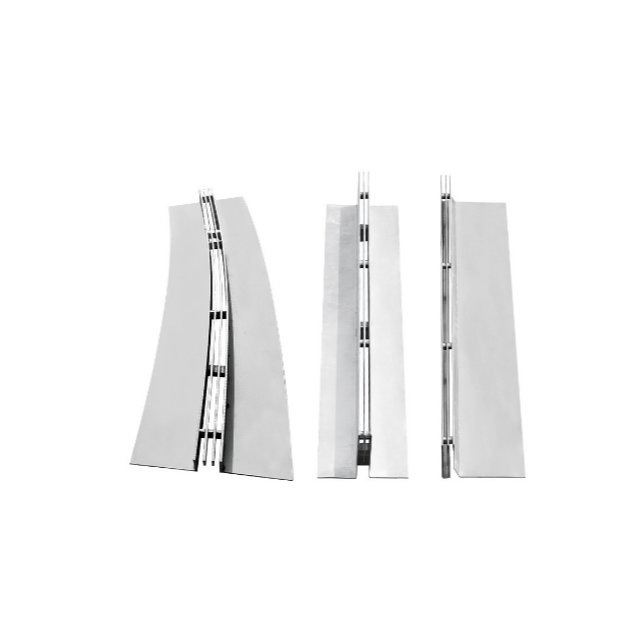







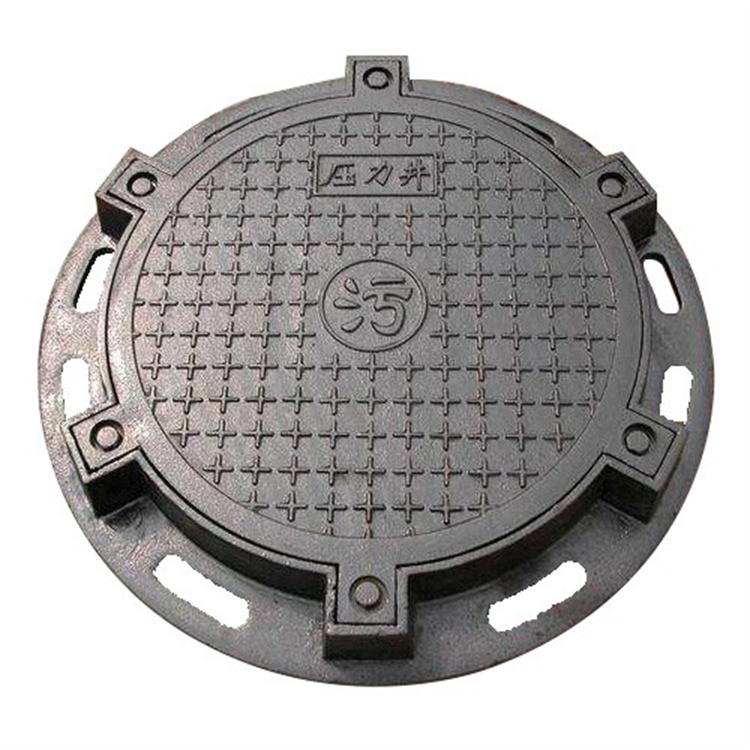
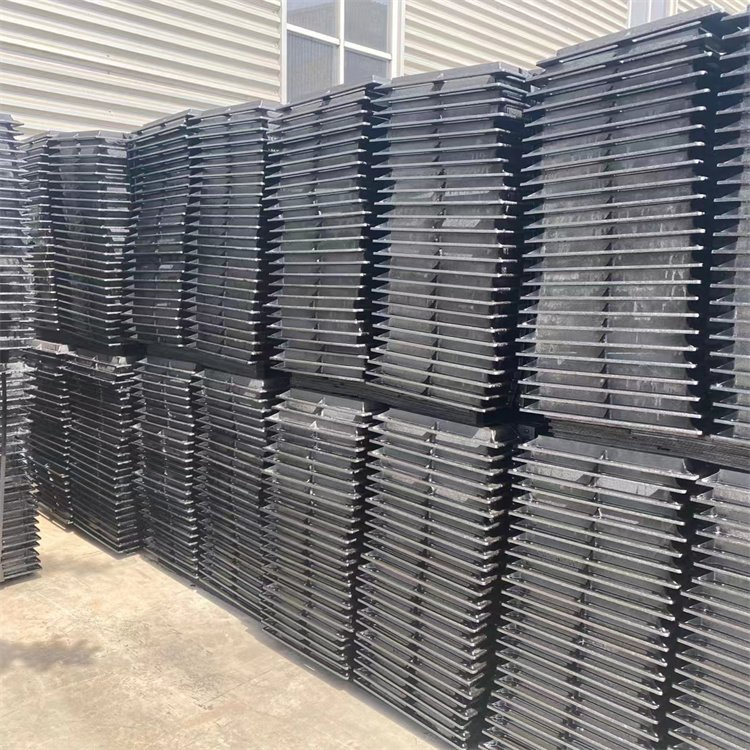
 Composite manhole covers offer high strength at a low price, and are aesthetically pleasing. They can be colored to any preference, and are easy to install, maintain, and identify. Due to their lack of recyclable value, they also address anti-theft concerns. Our country plans to gradually replace existing manhole covers with composite ones over the next three to five years, presenting significant market potential.
Fiber-reinforced composites are widely used and consumed in the composite materials field. For instance, materials made of carbon fiber and epoxy resin have several times higher specific strength and modulus of elasticity than steel and aluminum alloys, and also exhibit excellent chemical stability, low friction and wear resistance, self-lubrication, heat resistance, fatigue resistance, creep resistance, sound absorption, and electrical insulation properties. Graphite fiber-reinforced materials have an expansion coefficient close to zero when combined with resins. Another characteristic of fiber-reinforced materials is their anisotropy, allowing for the design of fiber orientation based on the strength requirements of different parts of the product. Aluminum matrix composites reinforced with carbon and silicon carbide fibers can maintain sufficient strength and modulus at 500°C.