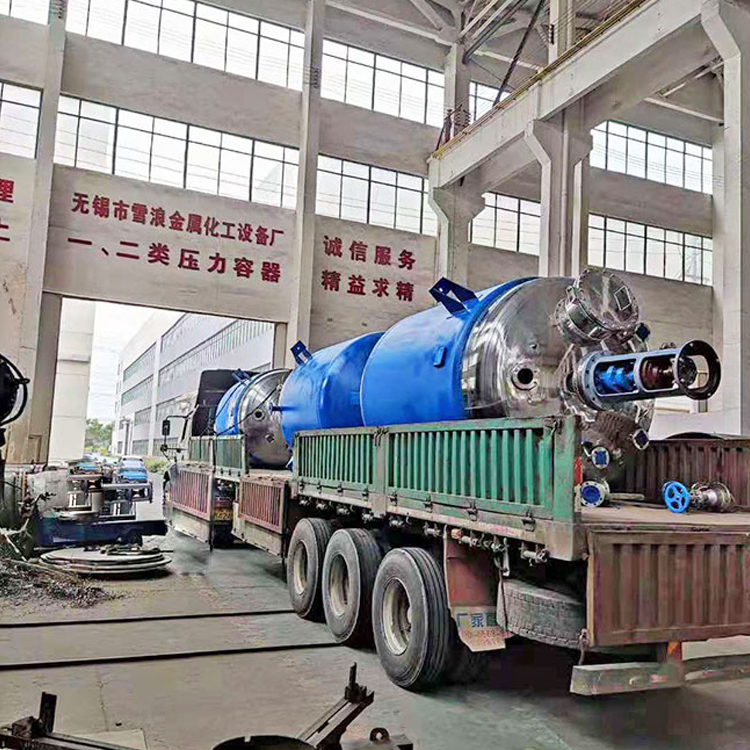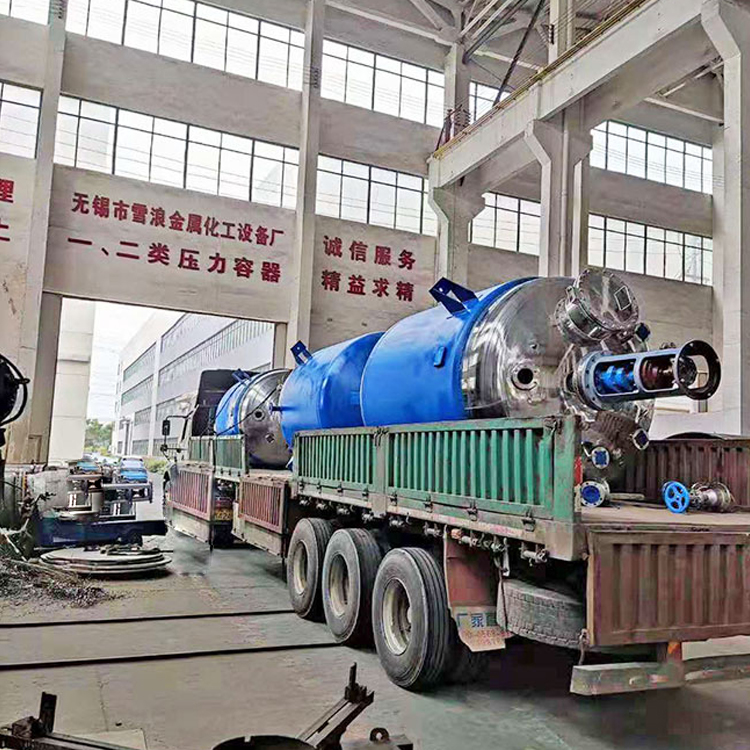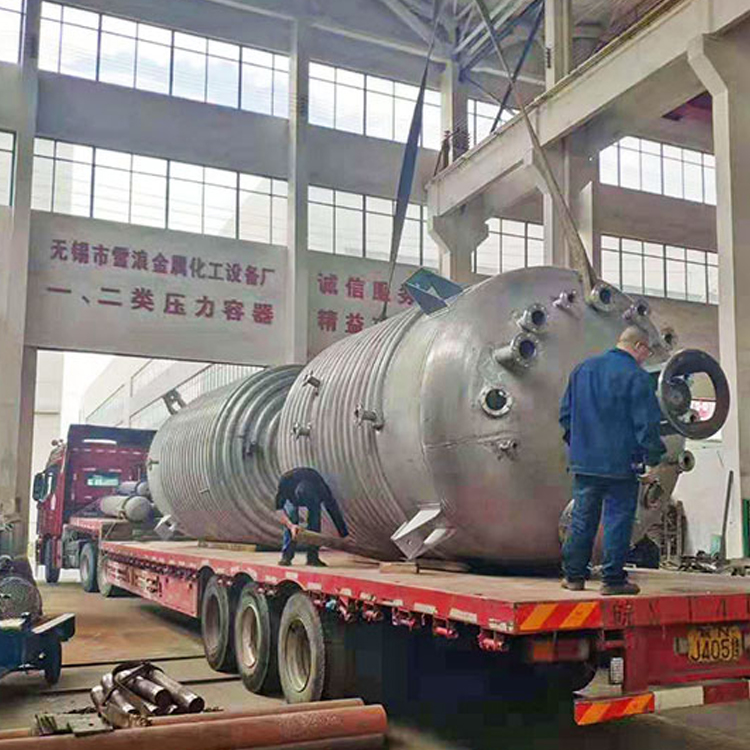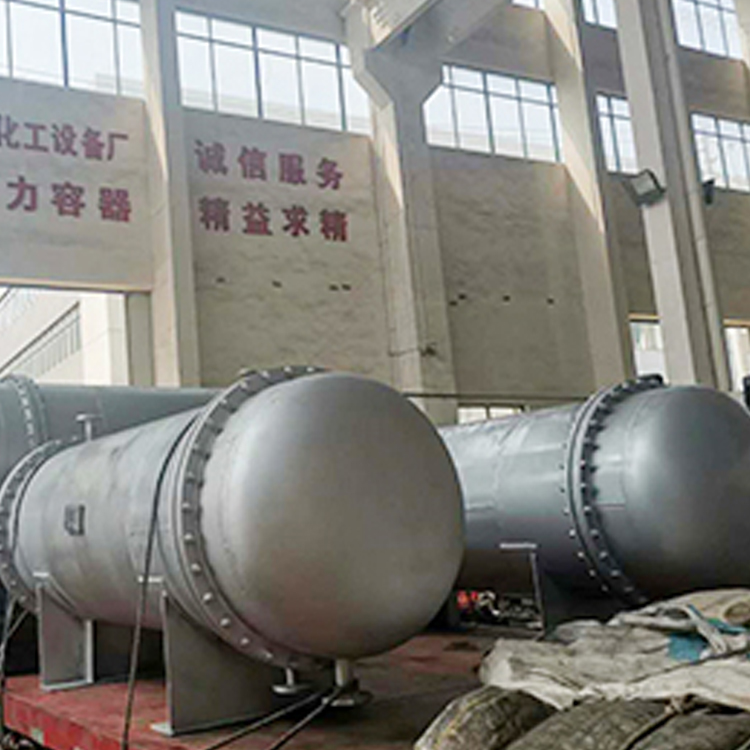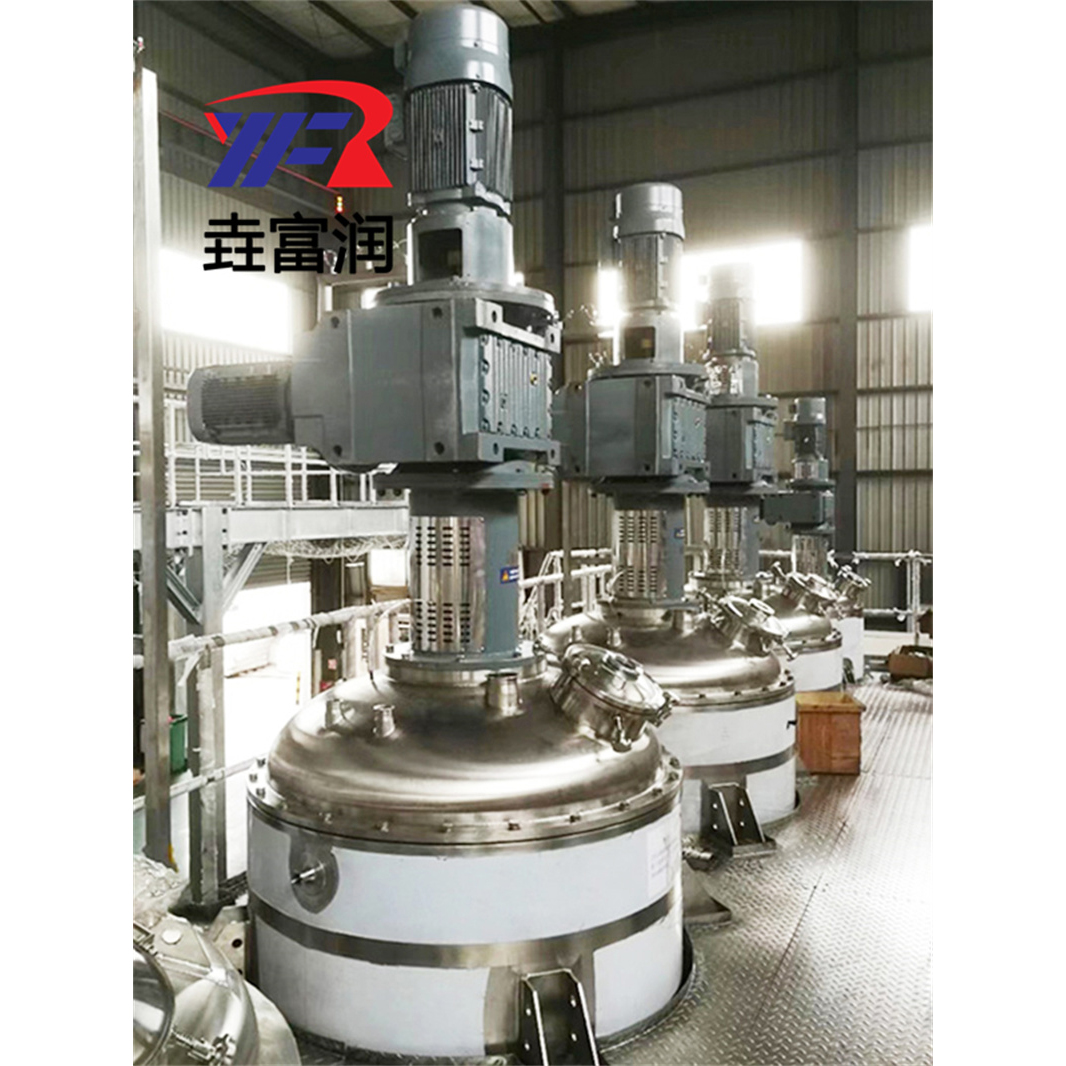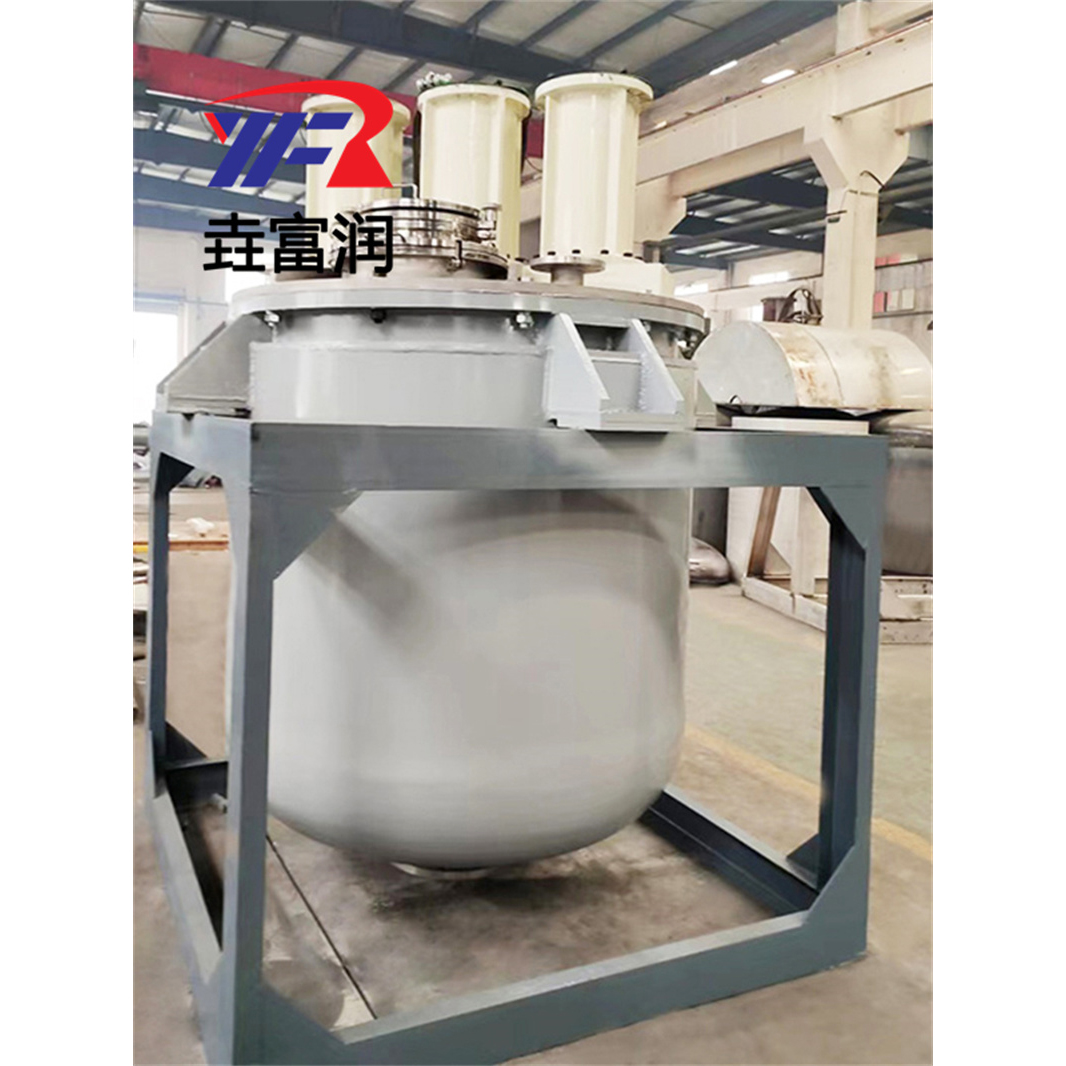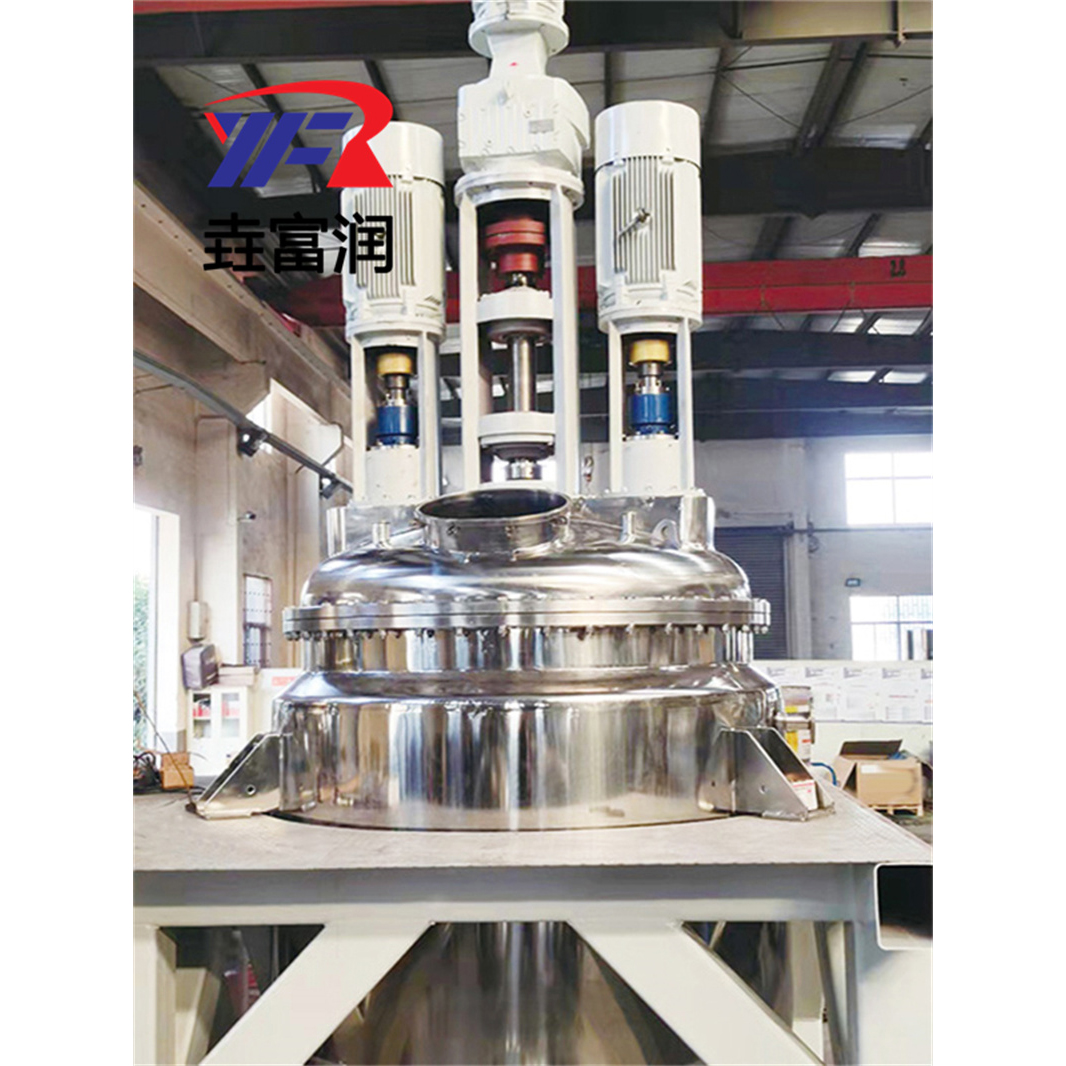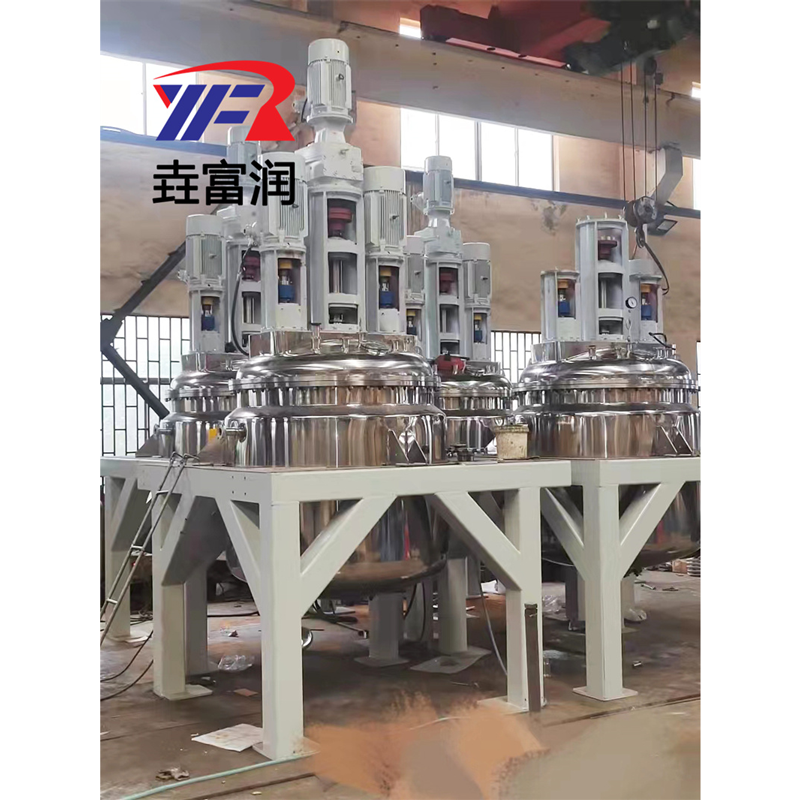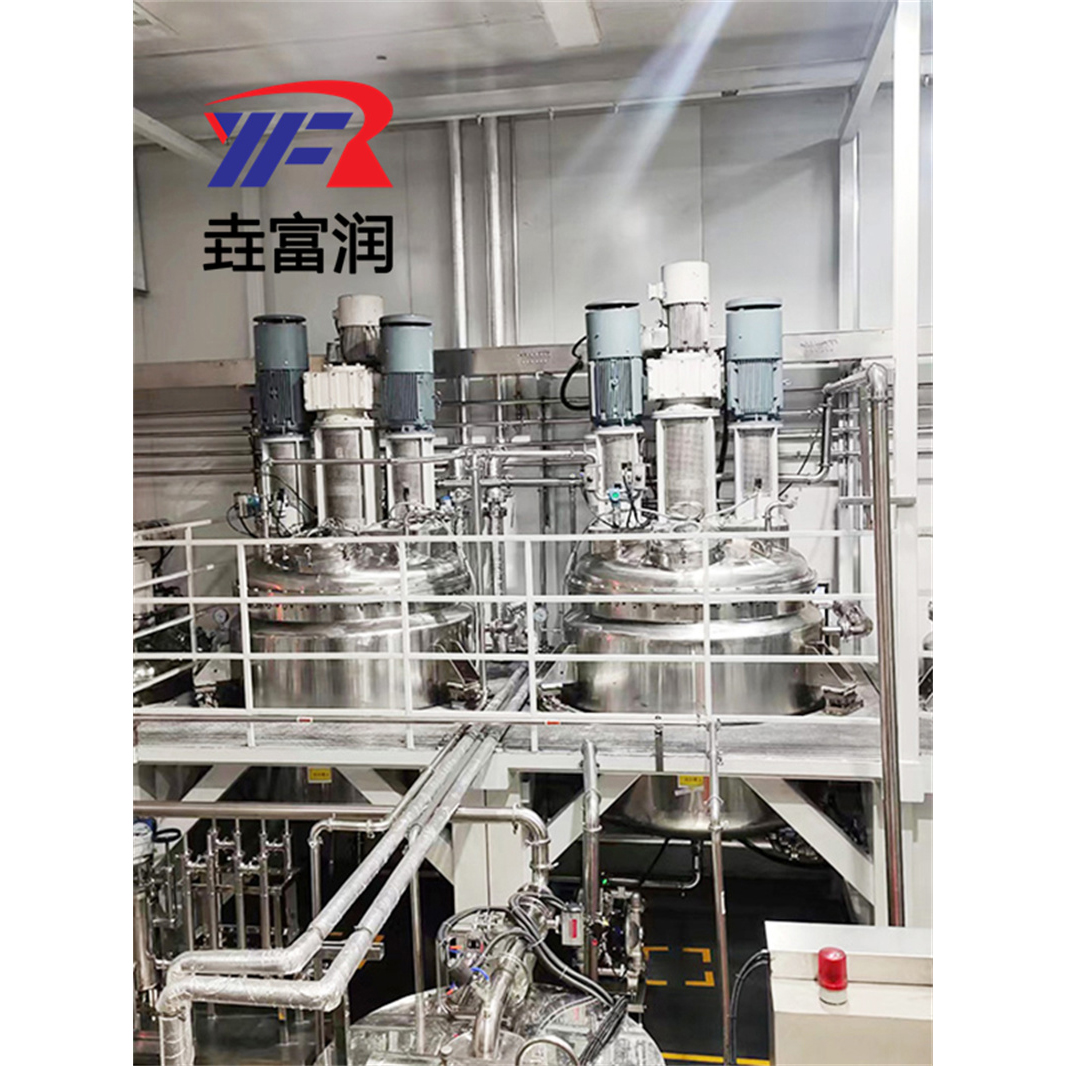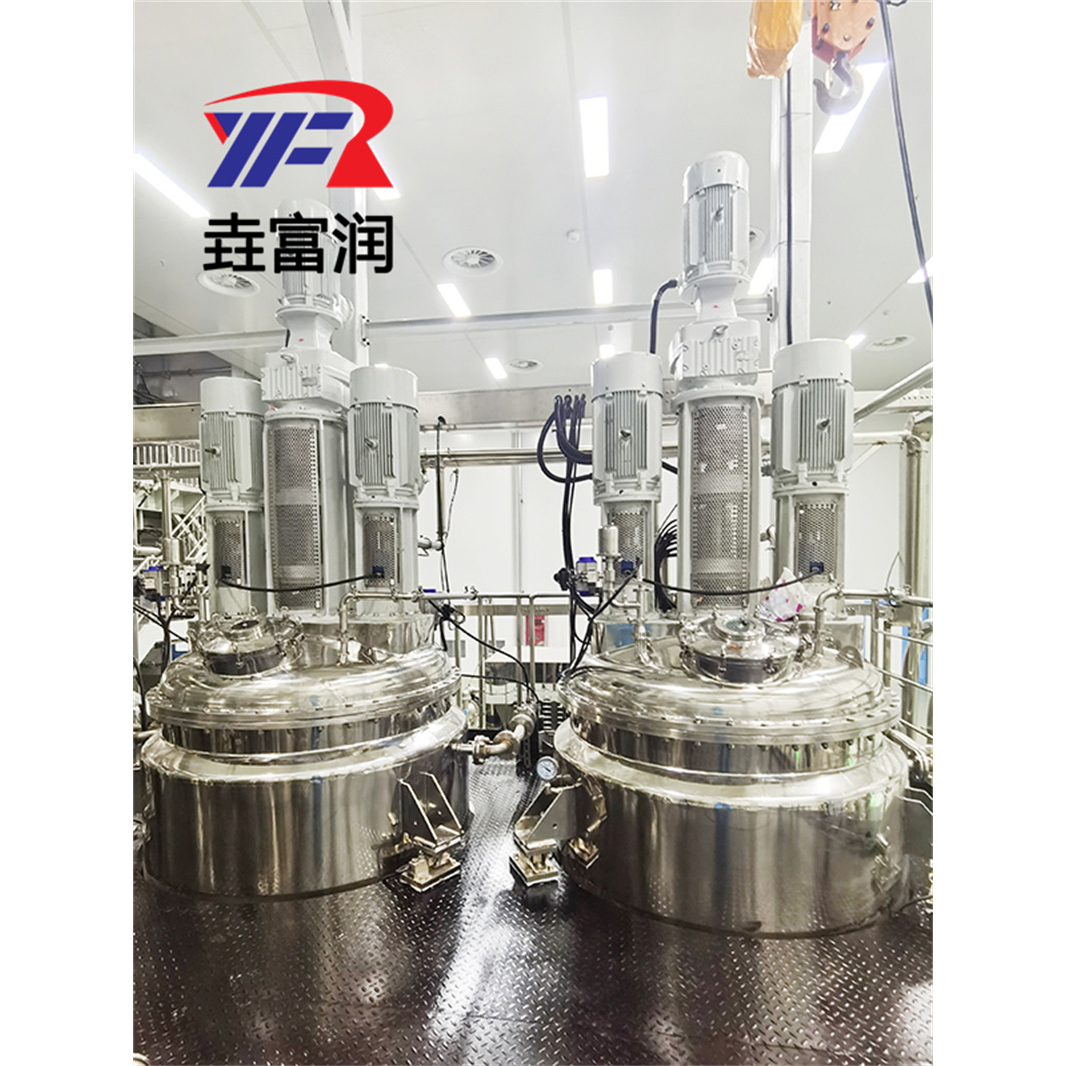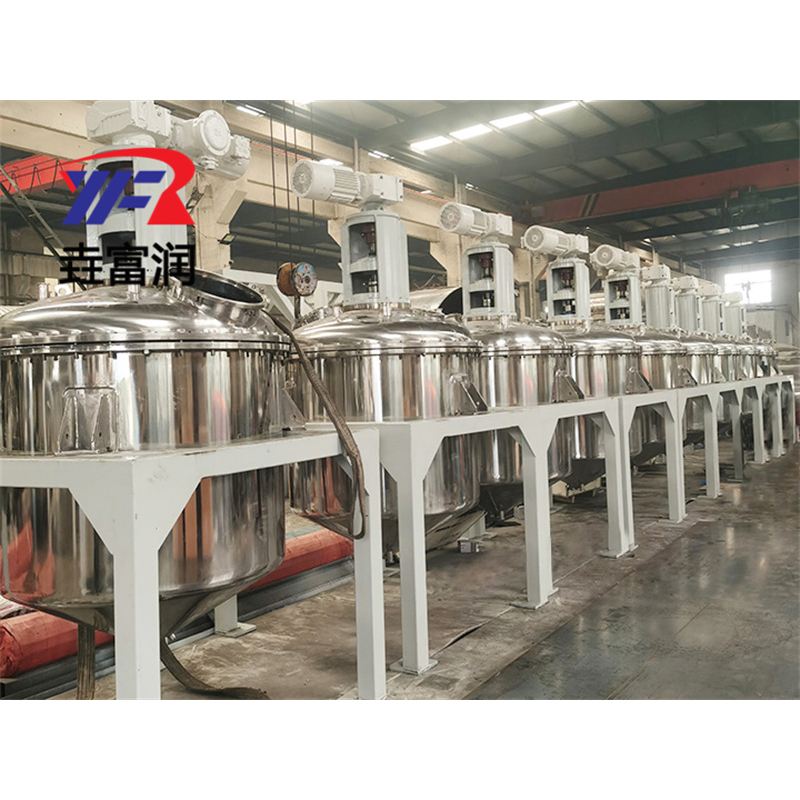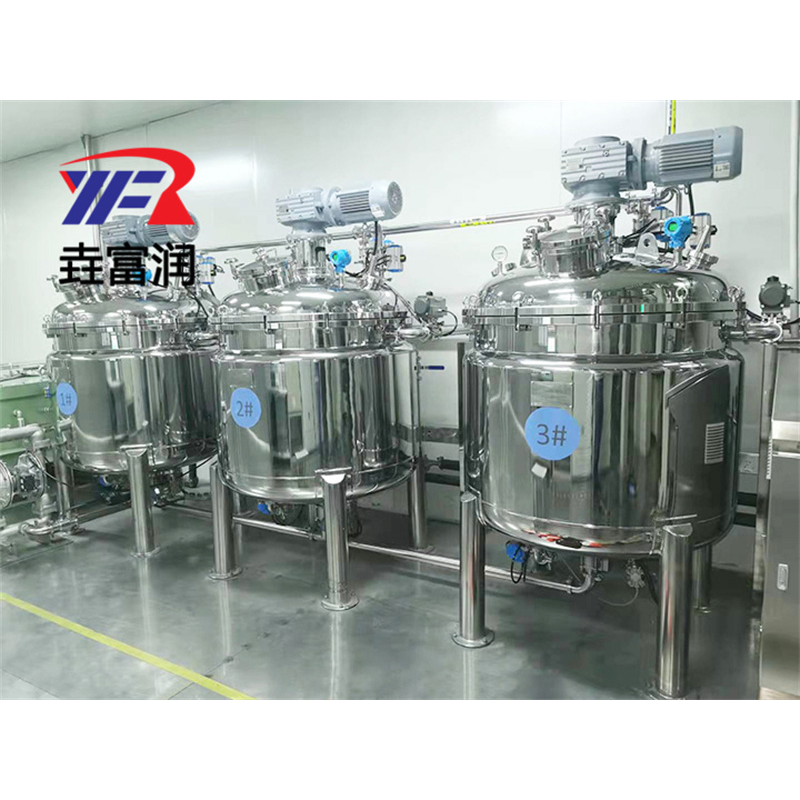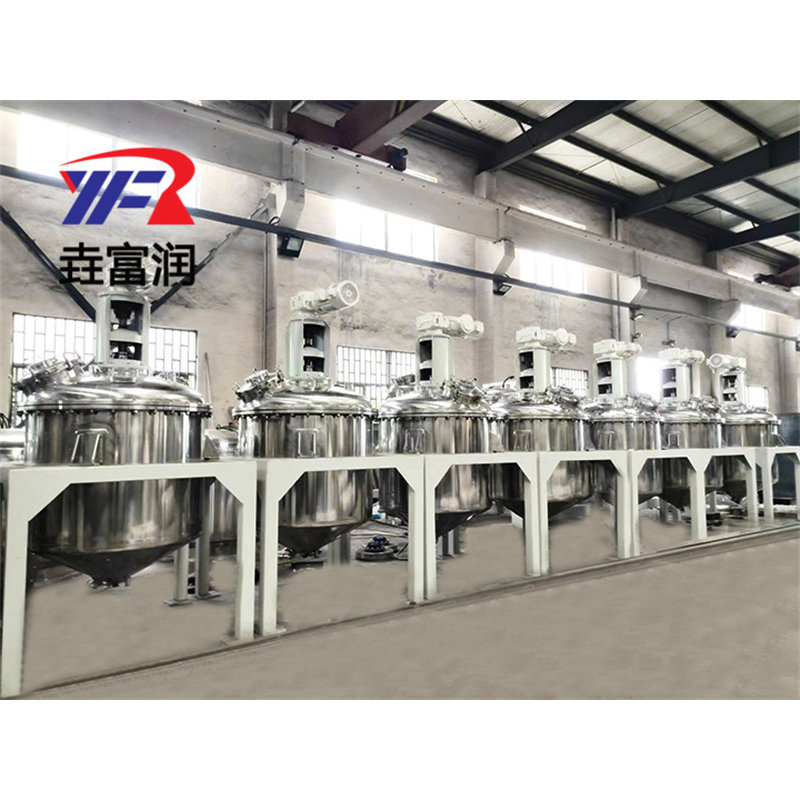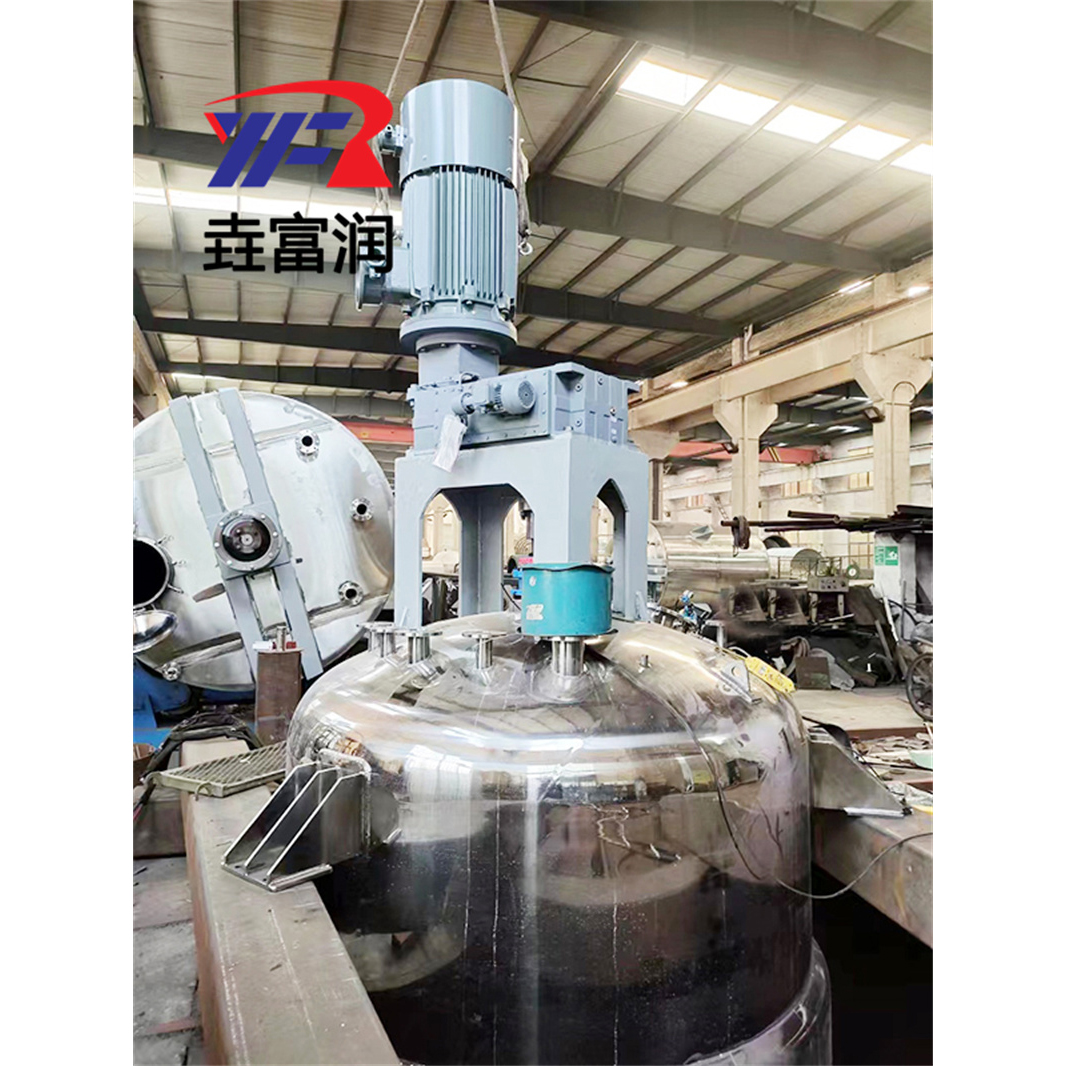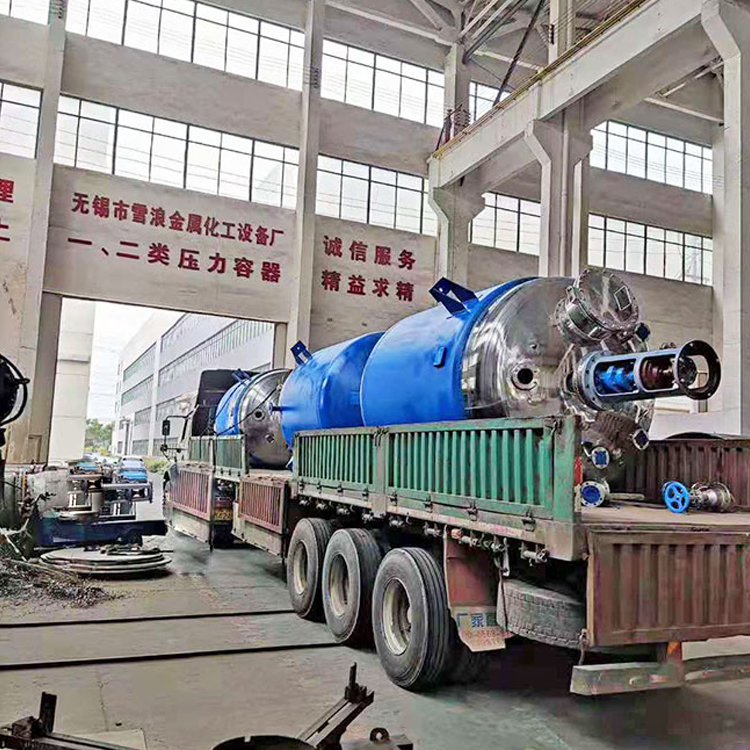

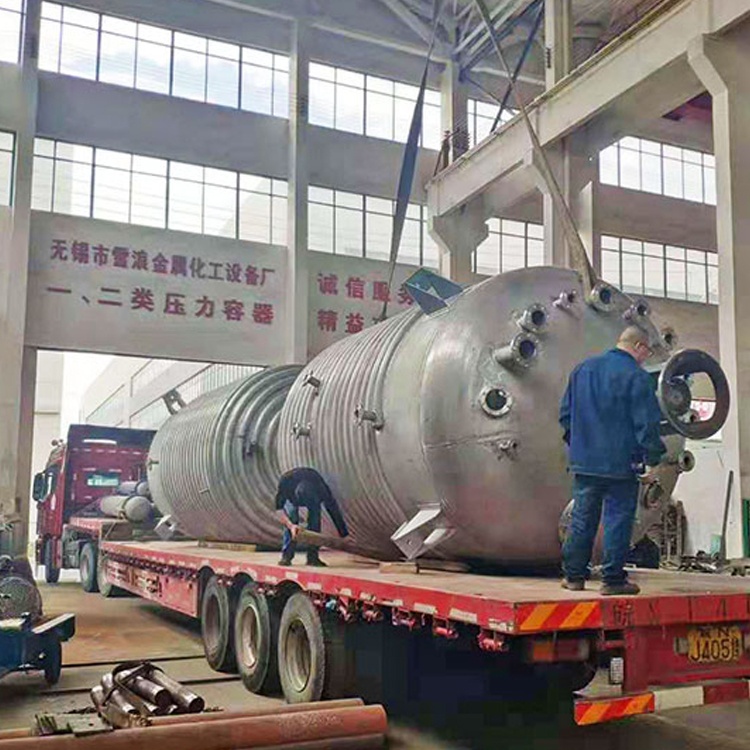


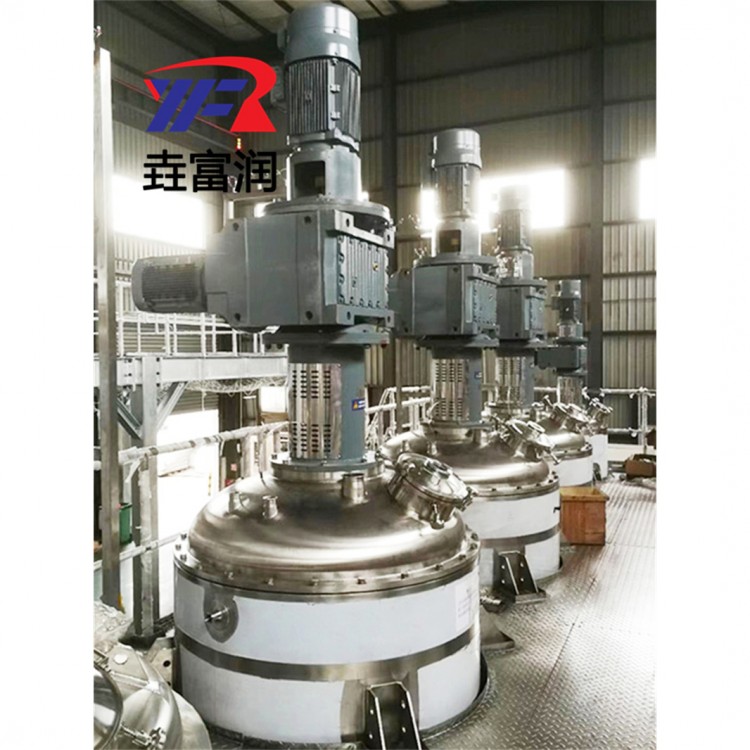
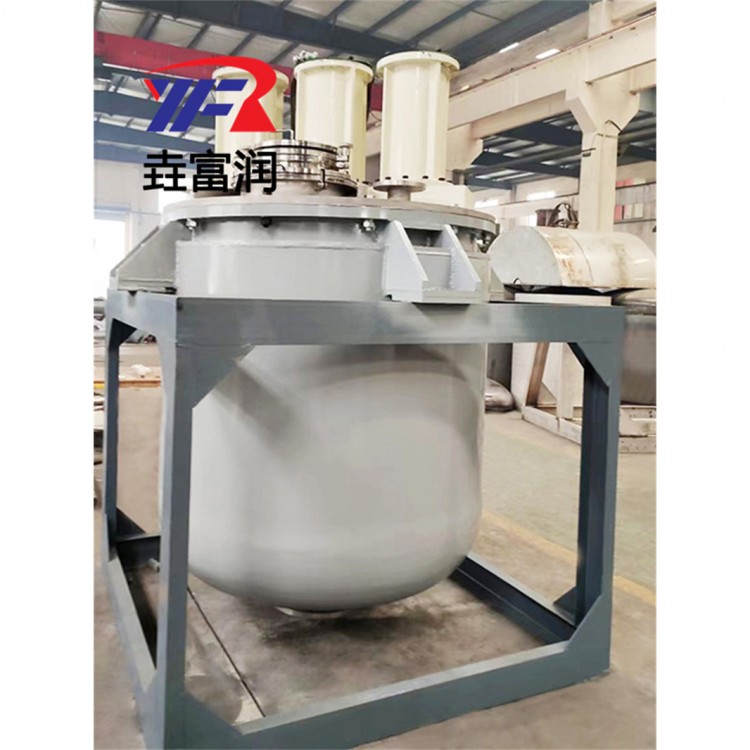
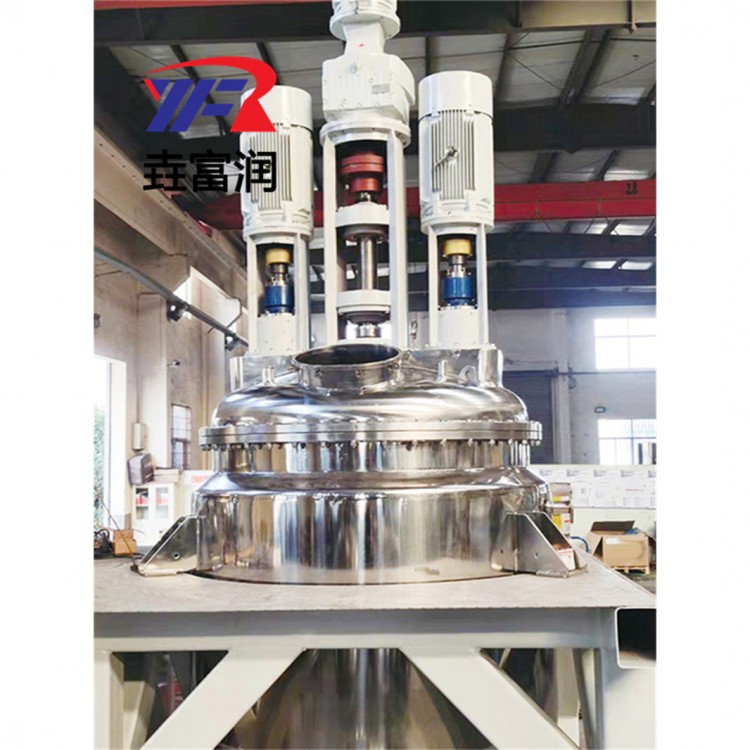
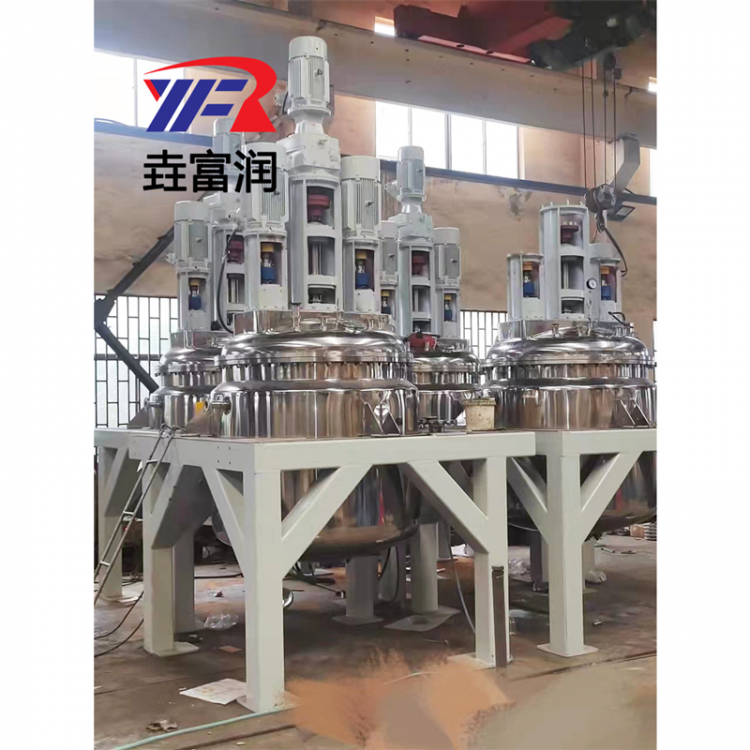
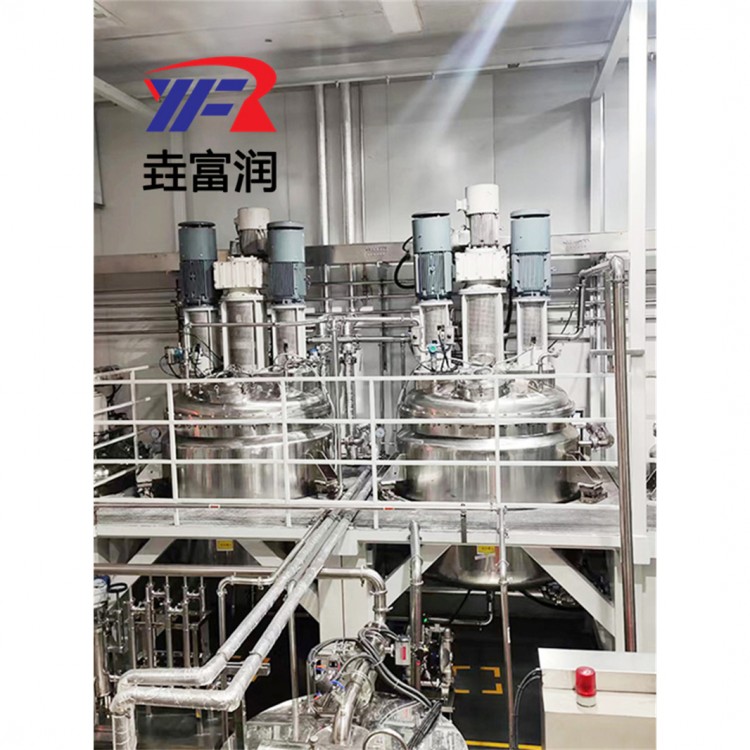





Scope of adaptation of stainless steel reaction kettle:
Stainless steel reaction vessels are widely used in petroleum, chemical, rubber, pesticide, dye, and food industries to complete processes such as vulcanization, nitration, hydrogenation, alkylation, polymerization, and condensation. We can customize electric heating stainless steel reaction vessels, steam heating stainless steel reaction vessels, thermal oil heating stainless steel reaction vessels, and far-infrared heating stainless steel reaction vessels according to user needs.
Introduction to Stainless Steel Reactor:
According to the reaction temperature, it can be divided into high-temperature resin reactor (150 ℃ -300 ℃) and low-temperature resin reactor (60 ℃ -150 ℃). The alkyd resin reactor belongs to high-temperature resin reactor, while the amino acid resin reactor, acrylic resin reactor and lotion reactor belong to low-temperature resin reactor.
Adaptive control system for reaction kettle:
The adaptive control system of the reaction kettle mainly consists of temperature sensors, humidity sensors, pressure transmitters, frequency converters, high-power semiconductor components, temperature controllers, paperless recorders, digital voltmeters, digital ammeters, etc. The electrical signal feedback from the sensor is displayed in the form of a curve in the paperless recorder and can be connected to an industrial computer or business computer for online monitoring through configuration software (data can be stored). Related instruments can be driven through a computer operating platform to achieve remote operation of related functions. To control the temperature, relevant data is input into the computer to drive a temperature controller and thyristor with logic control function, in order to achieve high-precision temperature control of the heater.
Advantages and characteristics of stainless steel reaction kettle:
Stainless steel material has excellent mechanical properties, can withstand high working pressure, and can also withstand the impact of solid block materials during feeding.
Good heat resistance and a wide operating temperature range (-196~600 ℃). It will not oxidize or peel at higher temperatures, so it can be used for direct fire heating.
Has good corrosion resistance and no rusting phenomenon.
The heat transfer effect is better than that of enamel reaction vessels, with faster heating and cooling rates.
Has good processing performance and can be made into various shapes and structures of reaction vessels according to process requirements. The kettle wall can be polished and polished to prevent material hanging and facilitate cleaning.