







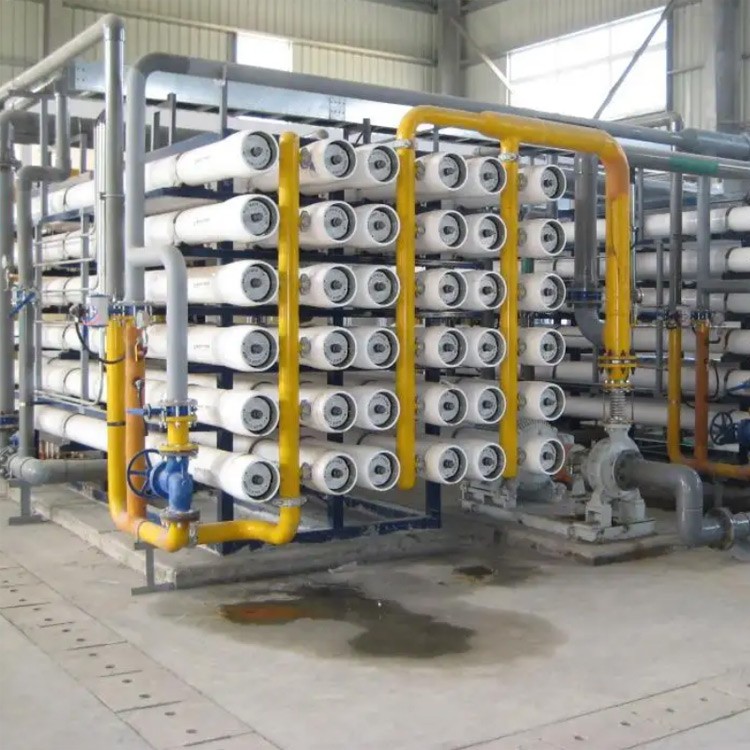
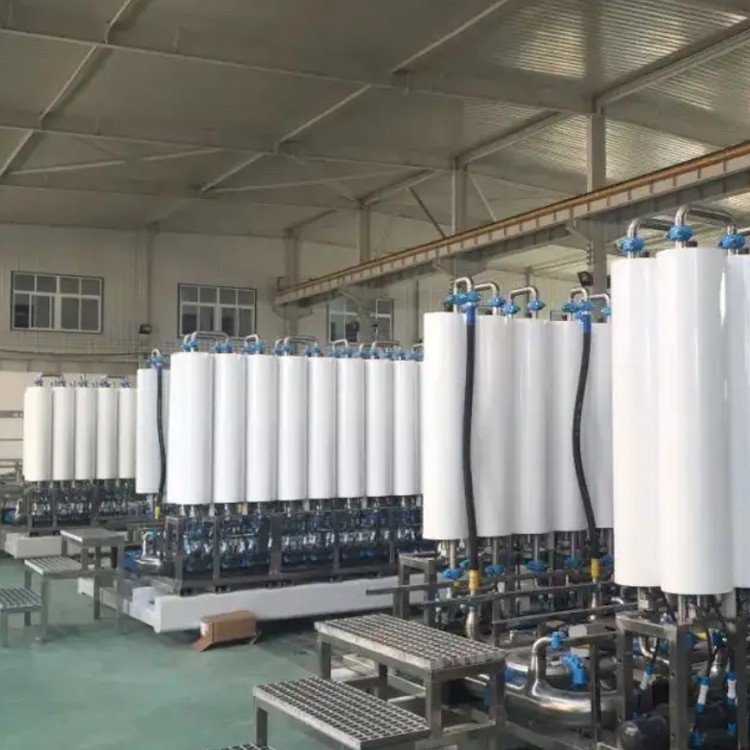
Wastewater Reuse Equipment Features & Characteristics of Cosmetic Wastewater
1. The wastewater generated by cosmetic factories typically isn't substantial, but the pollution concentration is extremely high. Even with large production volumes, the wastewater output is limited due to the production process of cosmetic manufacturing. However, both the quantity and quality of the wastewater fluctuate irregularly. Moreover, the concentrations of LAS and COD in the wastewater are much higher than in typical water quality.
The active agent in the water is present in very low quantities, which can also cause tension that degrades water quality. Moreover, during biological treatment, the active agent must not exceed 1000mg/L, as the biological treatment process, when encountering toxic substances during the aerobic stage, can produce large amounts of foam.
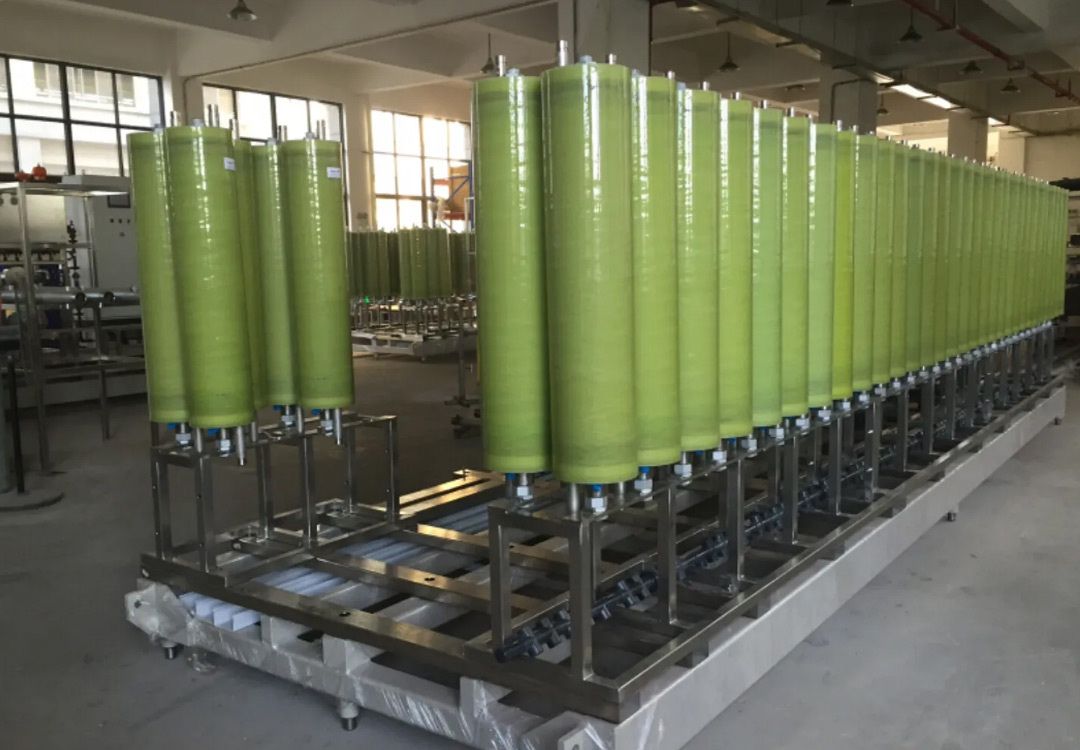
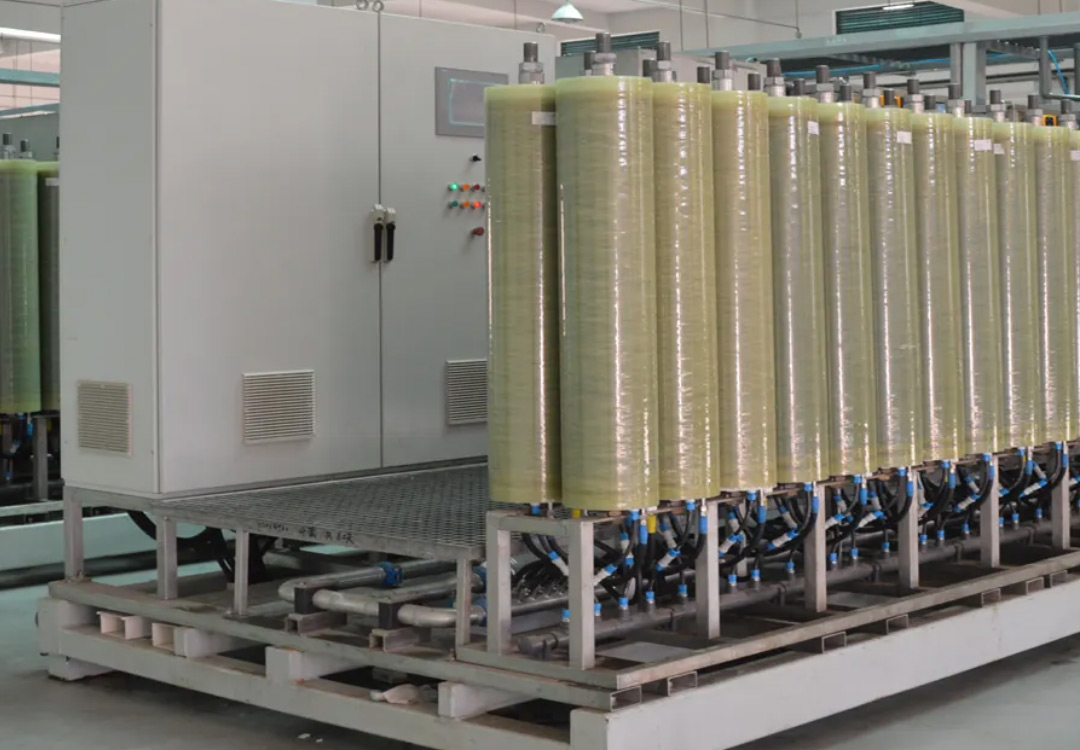
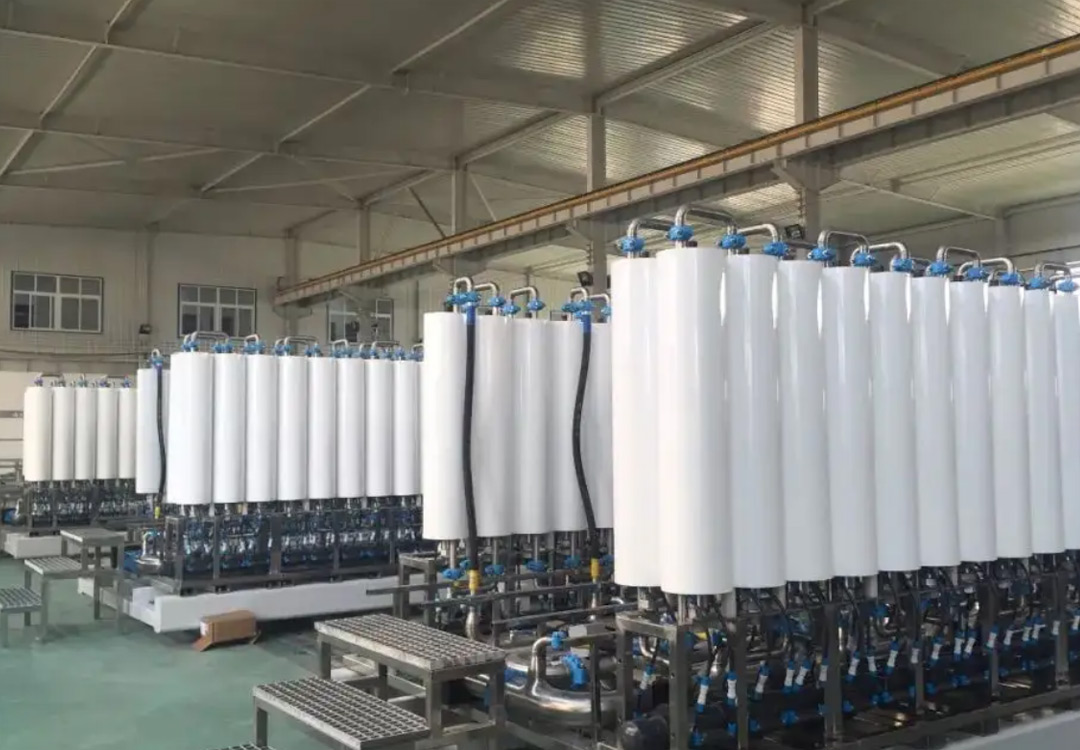
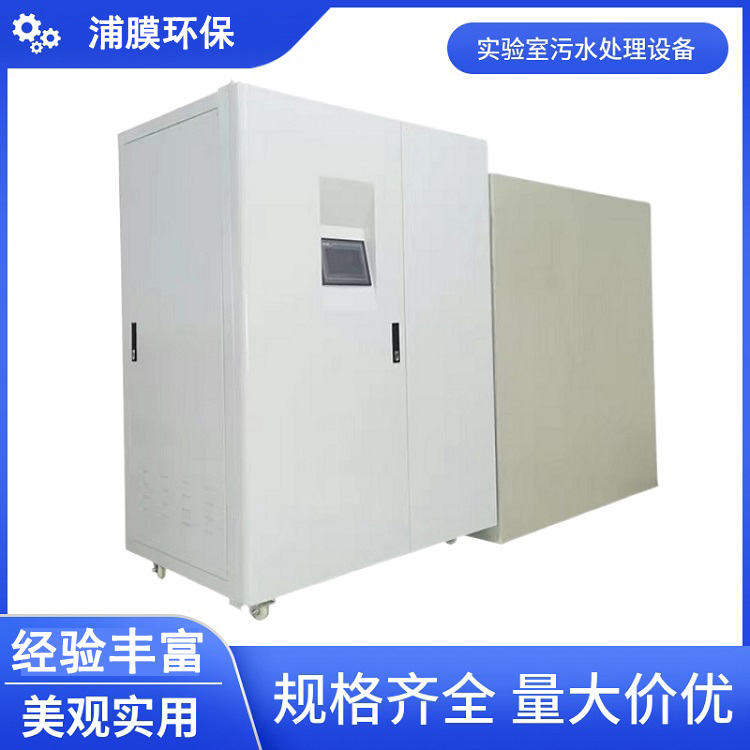
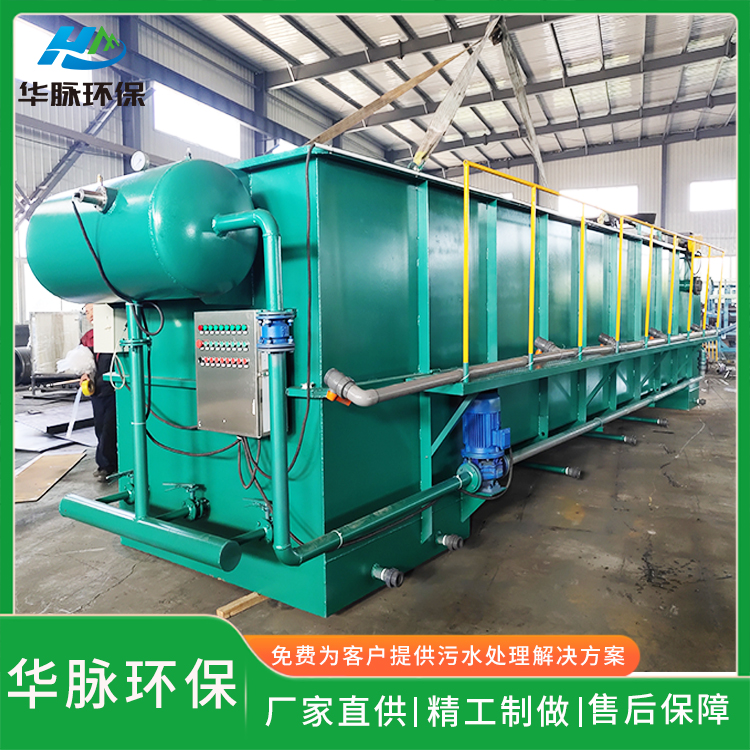
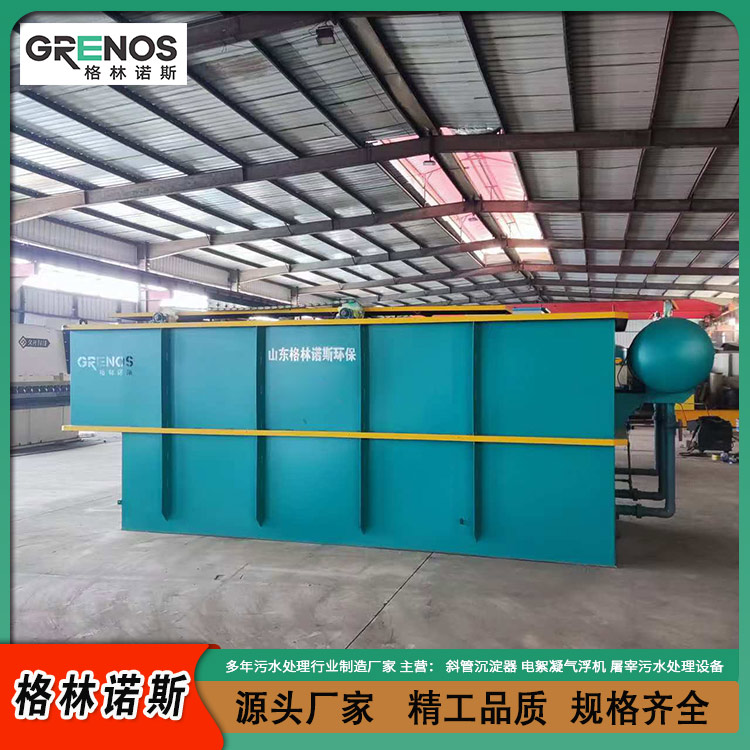
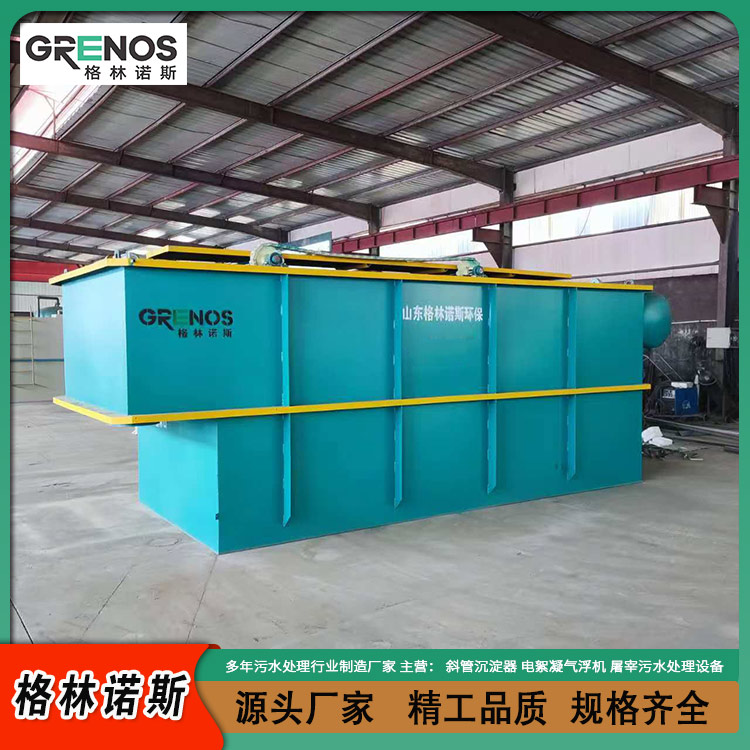
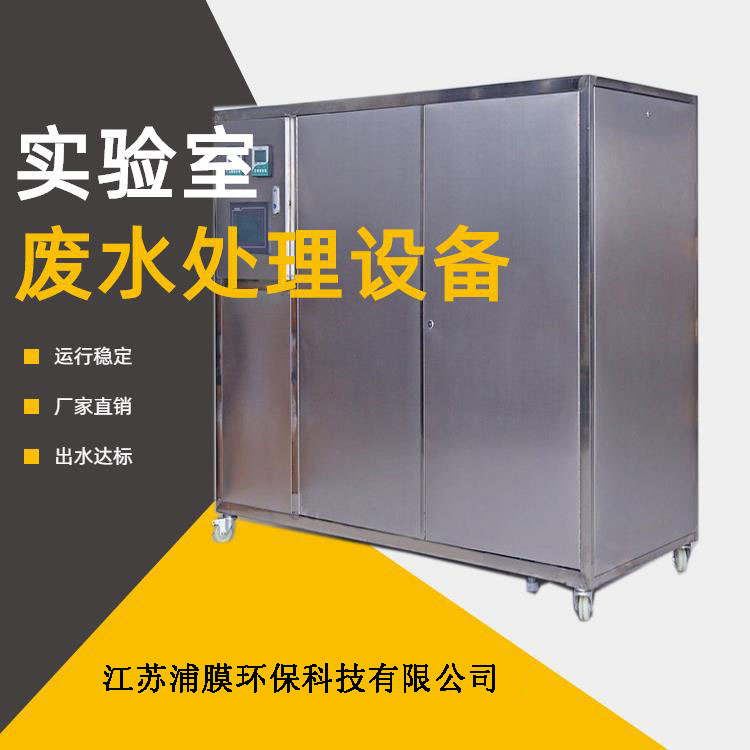
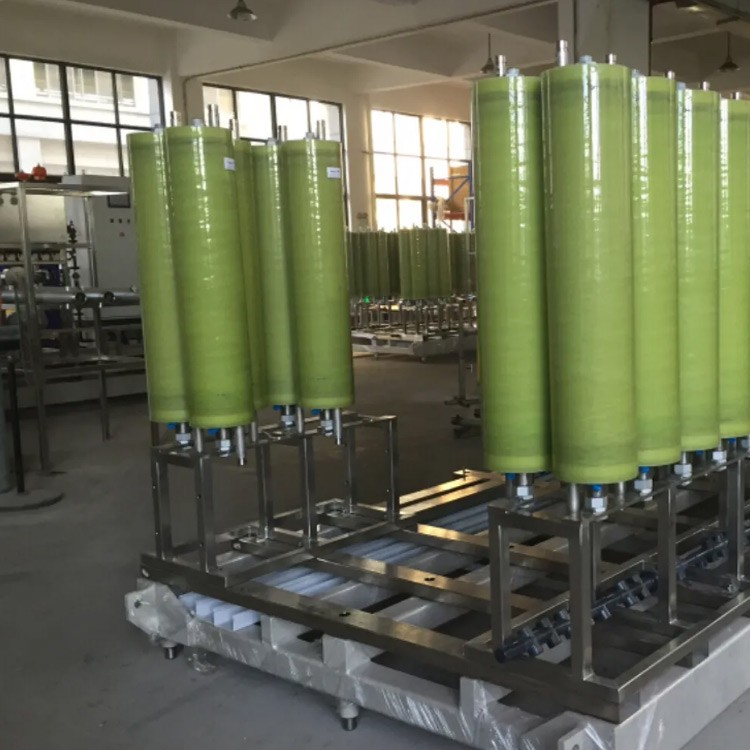
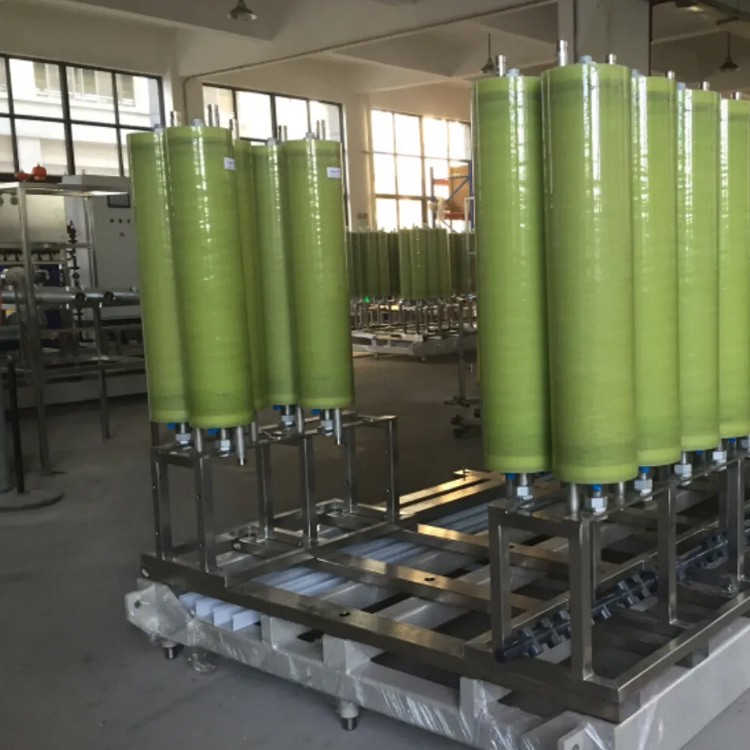
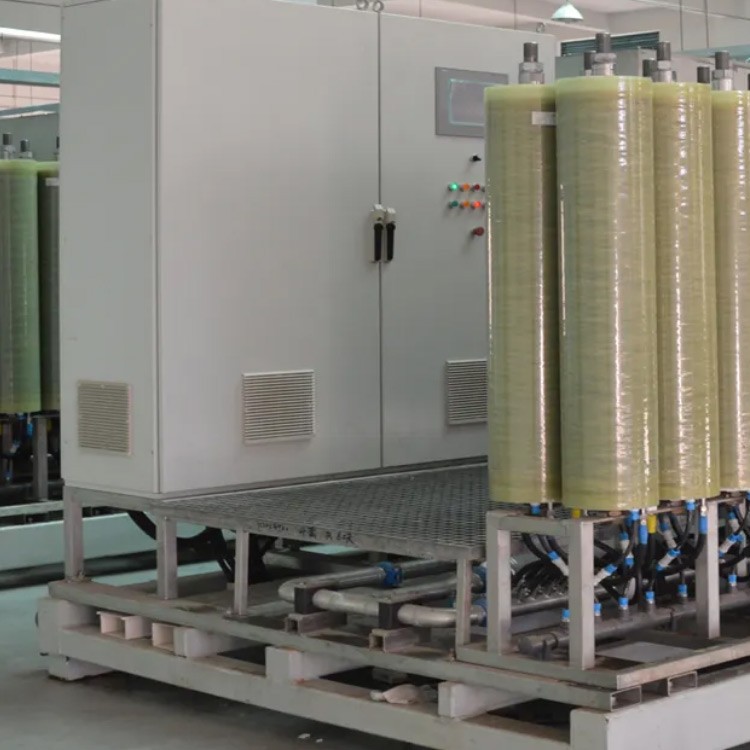
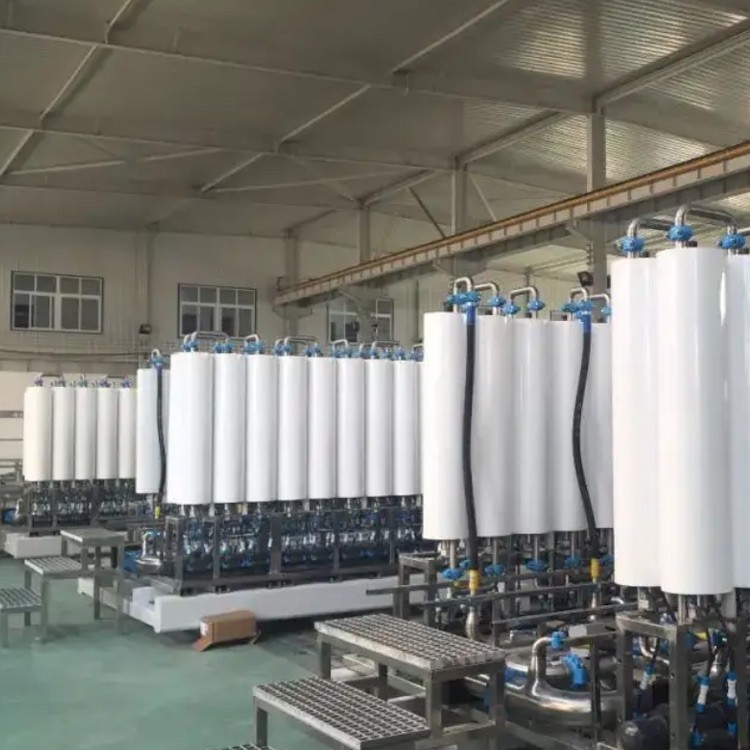
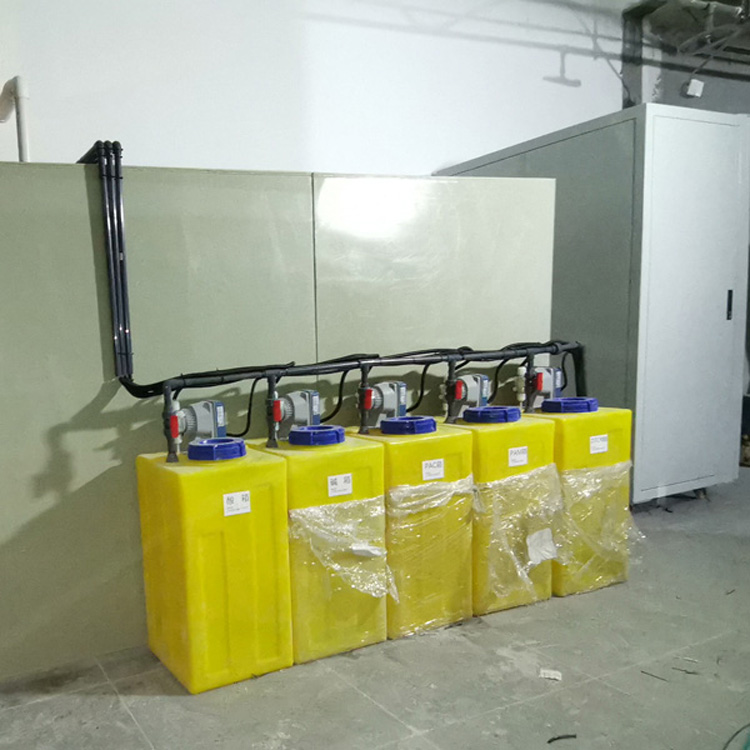
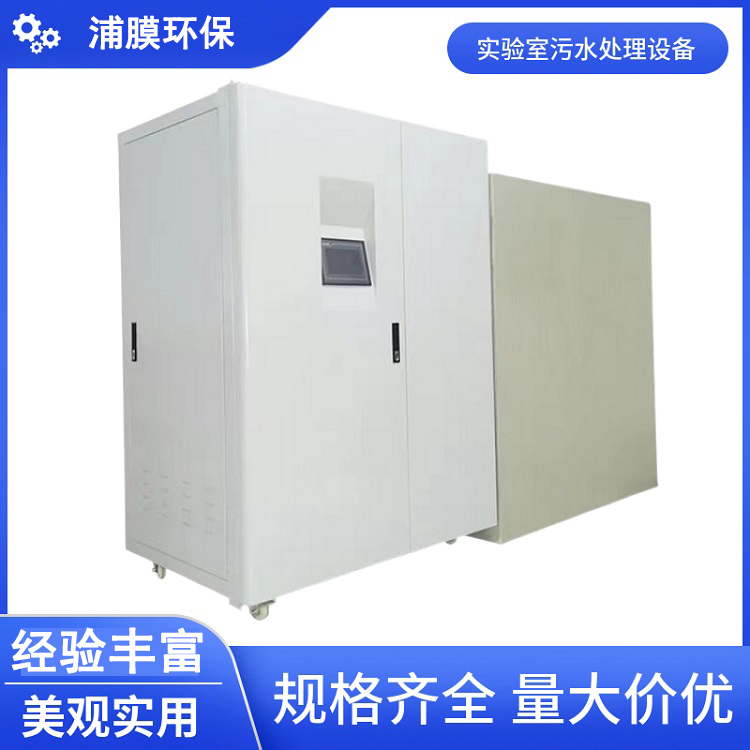
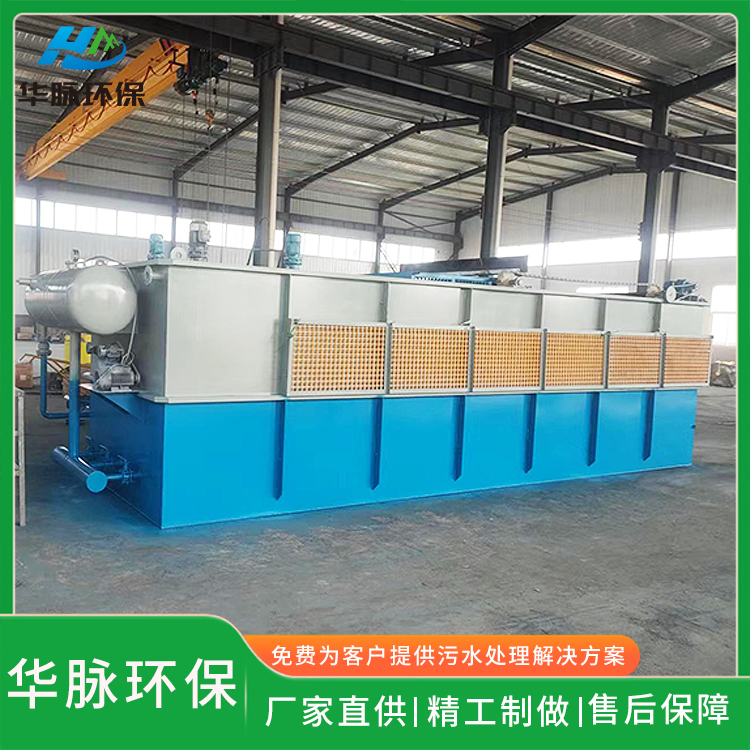
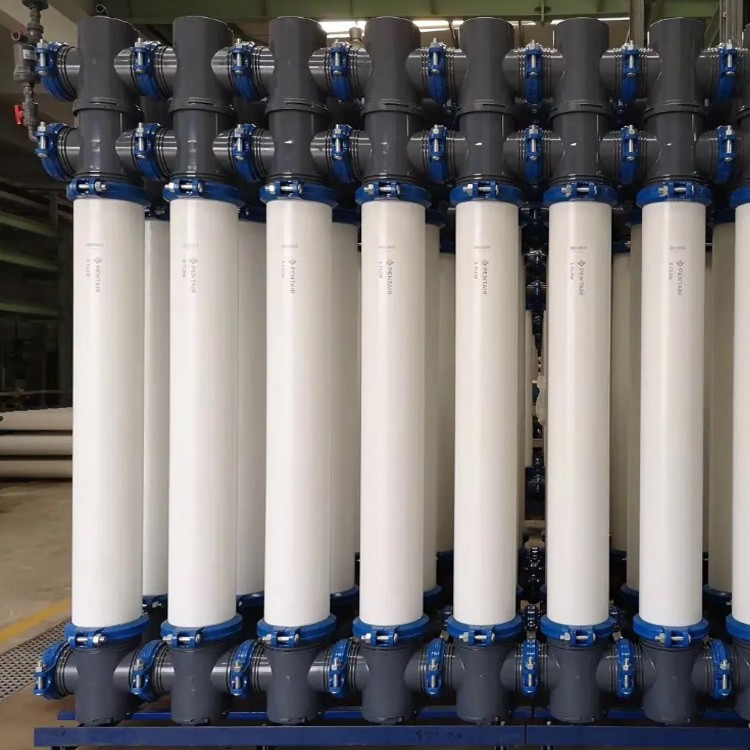
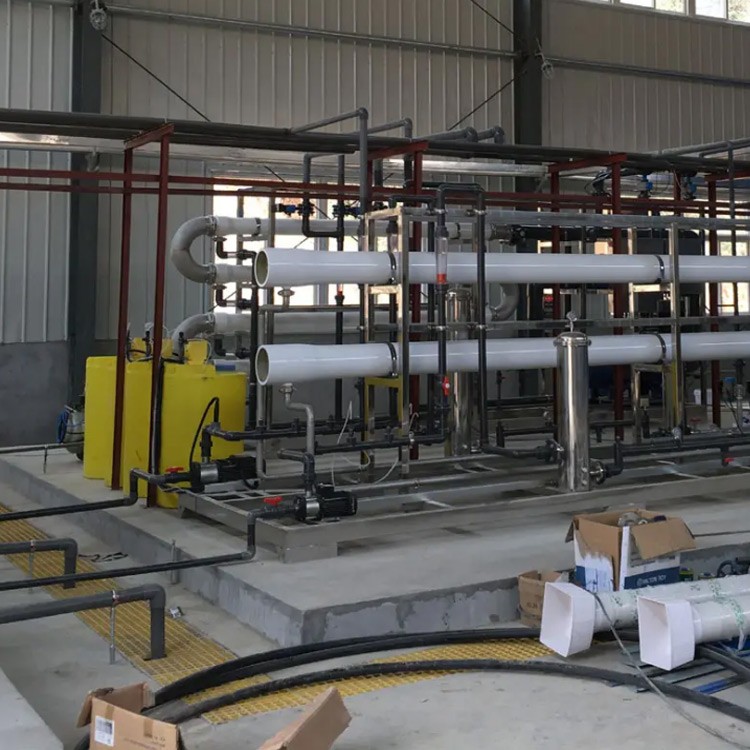
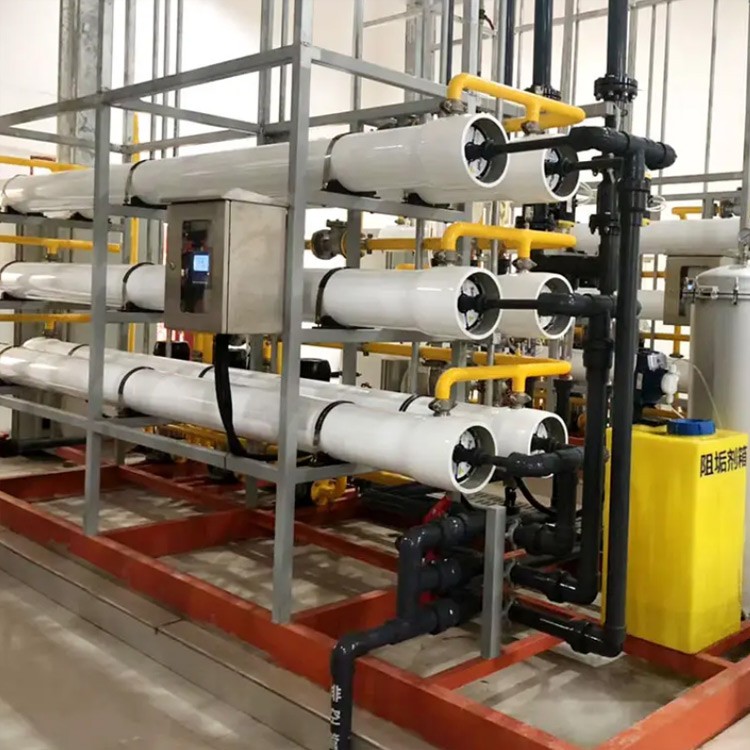
The reclaimed water recycling system is an integrated, fully automatic biomembrane reactor, also known as an MBR unit. Its biological treatment technology can completely replace traditional reclaimed water treatment processes. It can achieve standard effluent from influent water in one step, significantly reducing land use and labor. Moreover, the effluent is stable and easy to operate, effectively removing various toxic substances and bacteria from the water. The sludge produced is minimal, and the suspended solids in the water are almost zero. It also has disinfection and sterilization functions, directly treating the water to meet the standards for reclaimed water.
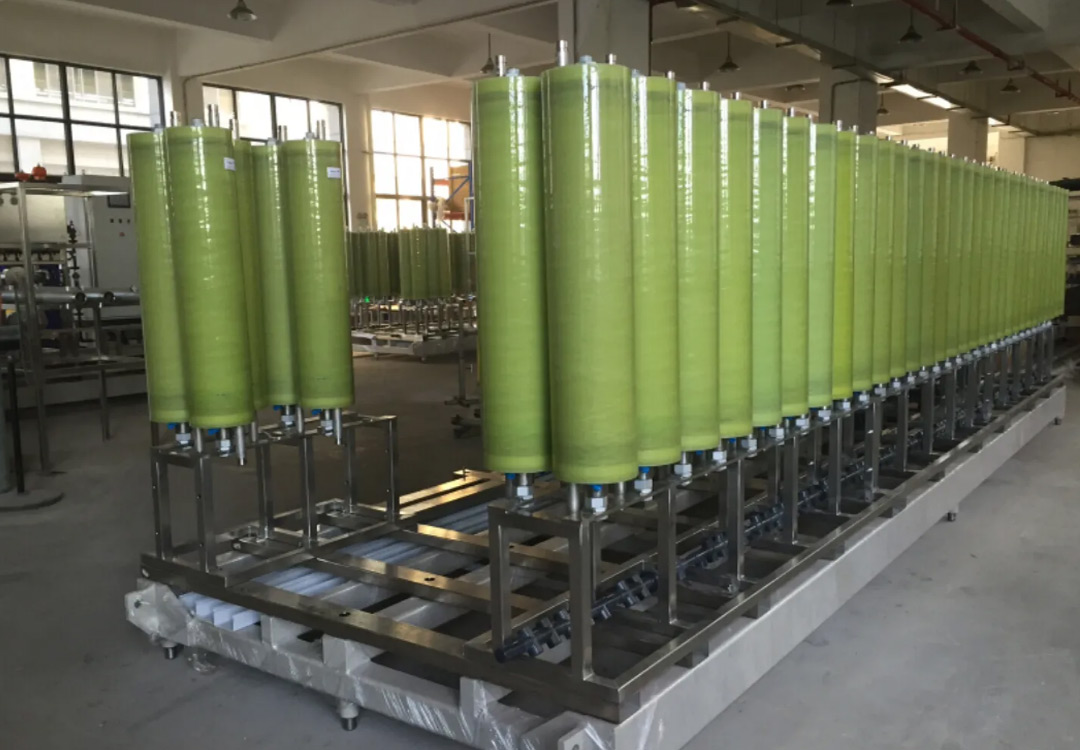
Equipment Features:
1. The equipment effectively removes colloidal matter, suspended particles, organic substances, and bacteria from water.
2. Due to the continuous improvement in equipment processing technology, the equipment achieves better treatment effects in general wastewater treatment. Its operation and process are relatively simple, which is why it is widely used in the cosmetic industry.
3. Due to the anti-loss protection of the equipment, the high-concentration organic matter in the wastewater is given the necessary time to decompose, resulting in favorable conditions for decomposition and sedimentation.
4. The equipment itself prevents the loss of beneficial microbial strains, thus greatly facilitating the growth cycle of the strains, enabling the overall process of reproduction and metabolism of beneficial bacteria in the wastewater to be completed.
5. The equipment can maintain water quality concentration during biological treatment, with a significant improvement in its shock load resistance. Additionally, it greatly reduces the retention time of wastewater, significantly reducing the total land area required, allowing for underground installation.
6. As with general material separation methods, biological membrane processing may gradually experience minor clogs after reaching a certain level of tolerance due to prolonged operation. Therefore, it is necessary to schedule regular cleaning or replacement of the biological membrane to ensure prolonged equipment lifespan and treatment efficiency.