







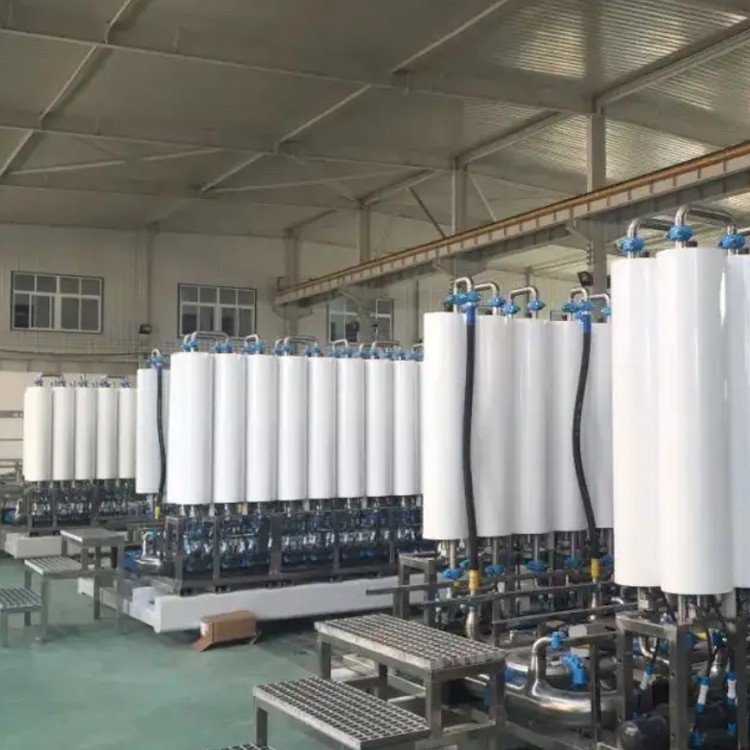
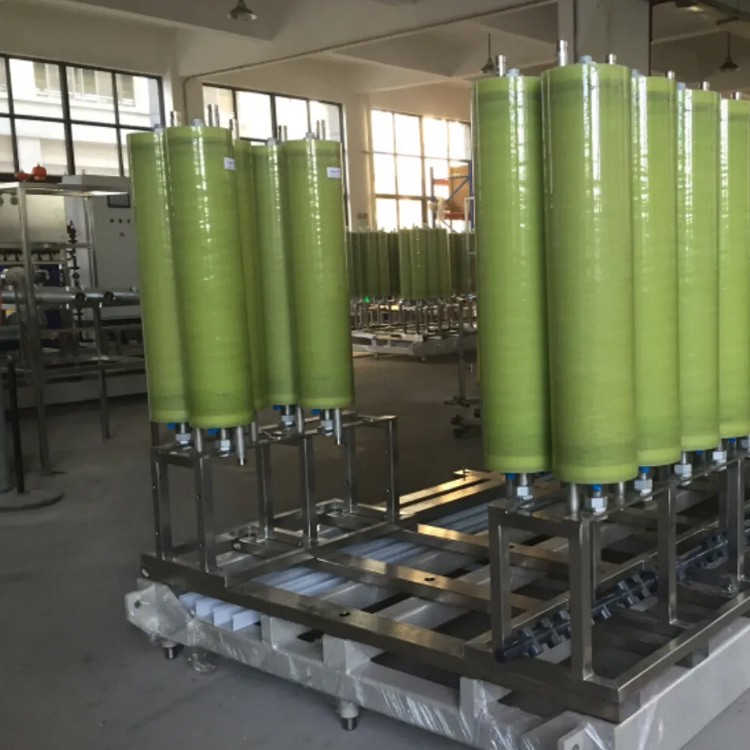
Principles and Process Selection for Wastewater Reuse Equipment
Wastewater recycling equipment processes two types of water quality: one is to treat wastewater to a potable level, which is suitable for areas severely lacking water sources, especially plateau regions. The process is complex and requires a significant investment. The other type is to treat wastewater to a non-potable level, intended for non-human contact water sources, such as toilet flushing, landscaping irrigation, and other uses. The treatment processes for raw water sources typically include the following:
1. Utilizing general mixed wastewater as the raw water source for water treatment, the process is as follows: mixed wastewater → grille layer → water regulation pool → biological treatment → sedimentation pool → filtration pool → disinfection pool → meeting emission standards
2. The second is the use of domestic wastewater effluent as the water source for reclaimed water treatment. The treatment process is: domestic wastewater effluent →格栅层 → water equalization tank → secondary biological treatment → sedimentation tank → filtration tank → disinfection tank → standard discharge
3. Utilizing wastewater from miscellaneous discharge as the source for reclaimed water treatment, the process is as follows: Miscellaneous wastewater source → Grating layer → Water regulation pool → Physical-chemical treatment → Filtration pool → Disinfection pool → Standardized discharge
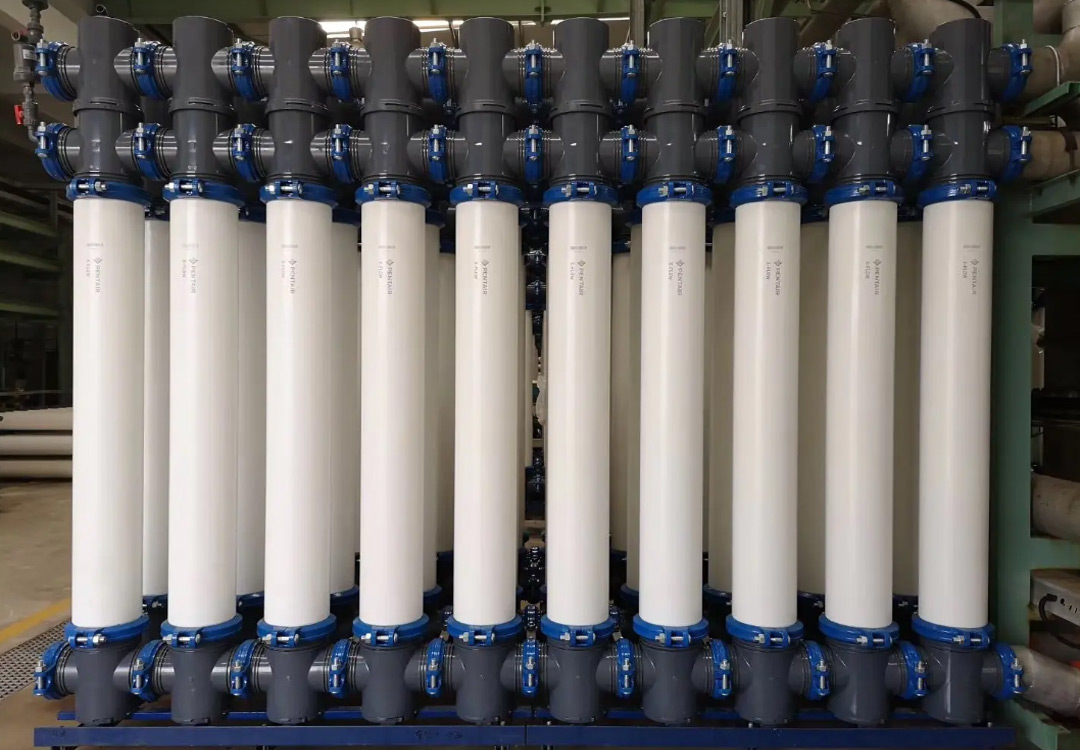
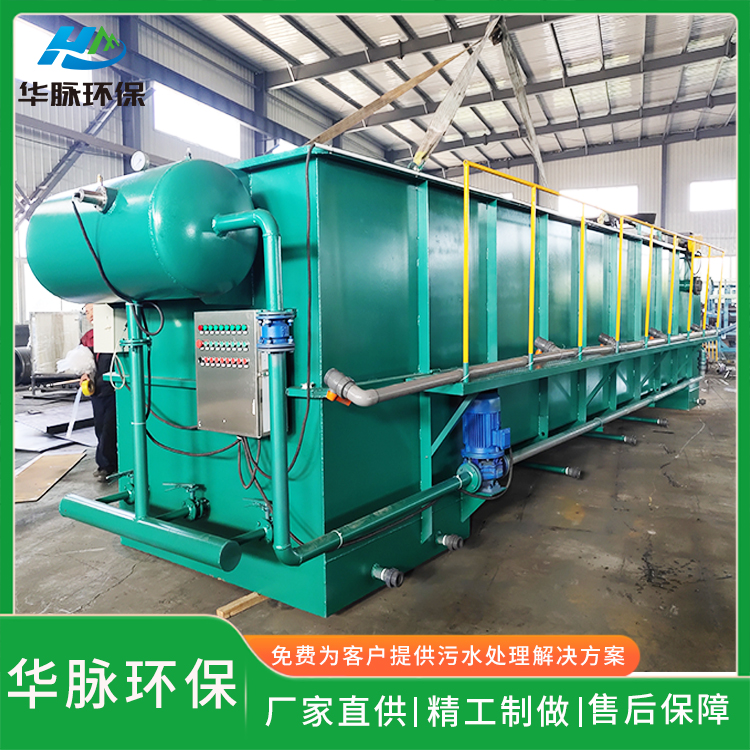
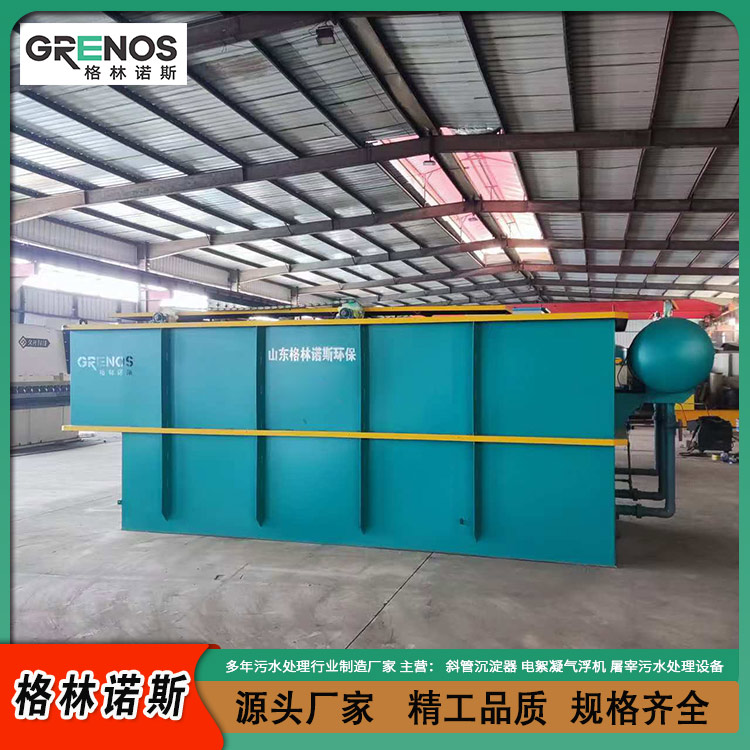
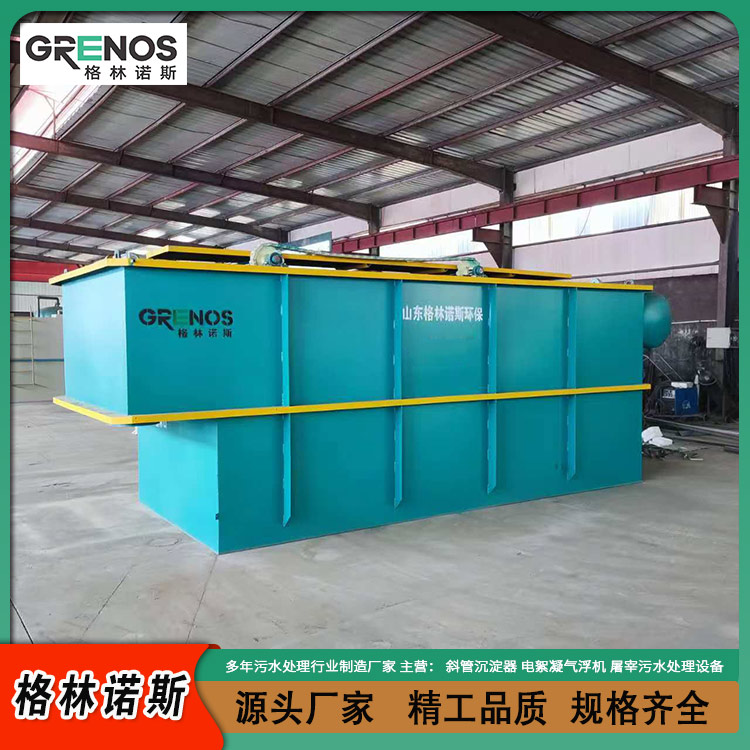
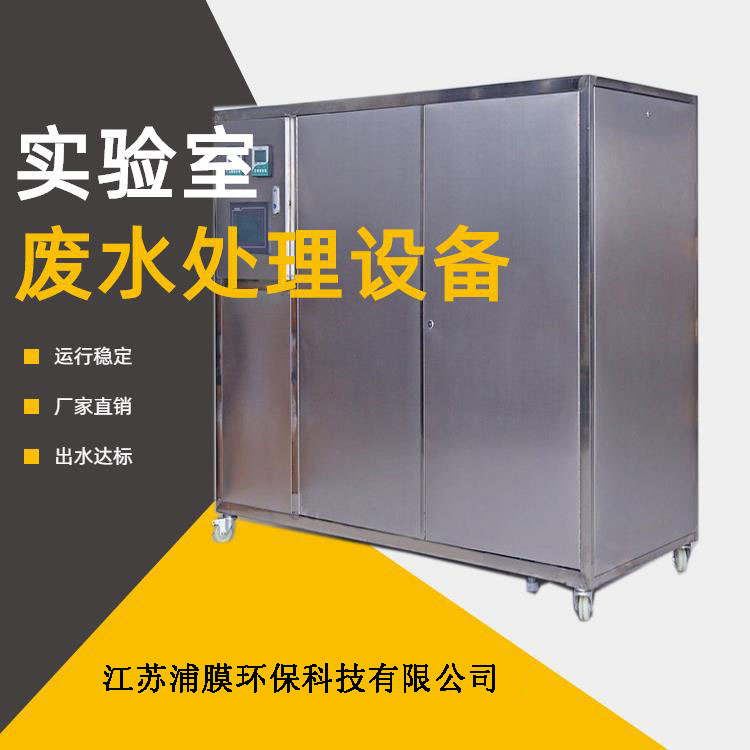
Key Features of Wastewater Reuse Treatment Equipment
1. Automation in equipment operation: Significantly reduces investment in human resources and labor costs during the automated operation of equipment.
2. The water quality of the outlet is extremely stable: the advanced equipment and fully automatic monitoring ensure a much more stable output compared to manual operation.
3. The equipment features a compact structure: The total land area required for the reclaimed water reuse equipment is small, which can reduce the need for extensive construction.
4. The equipment utilizes a blend of fillers from internationally renowned brands, which feature a strong adhesion of the biofilm and an increased surface area. In the absence of water at night, it can intermittent aeration to ensure the vitality of the organisms, and also possesses the capability to withstand shock loads.