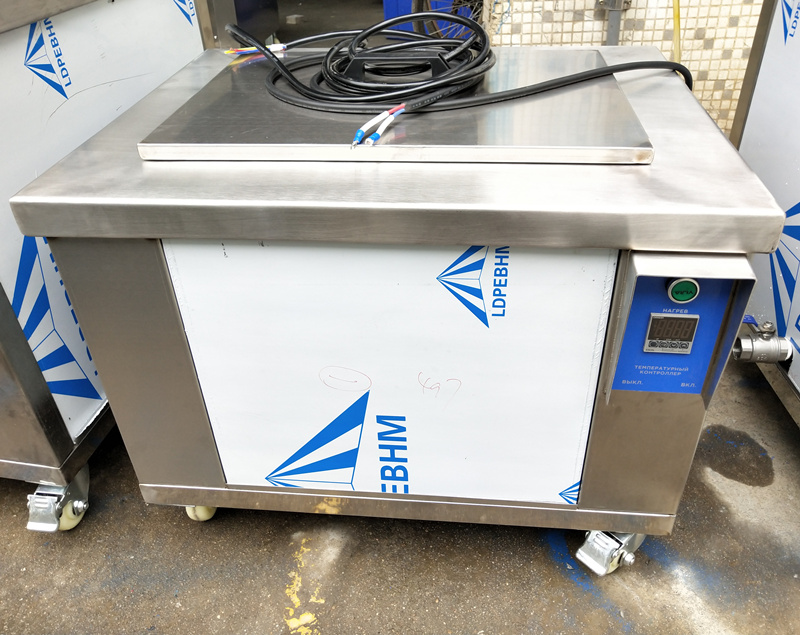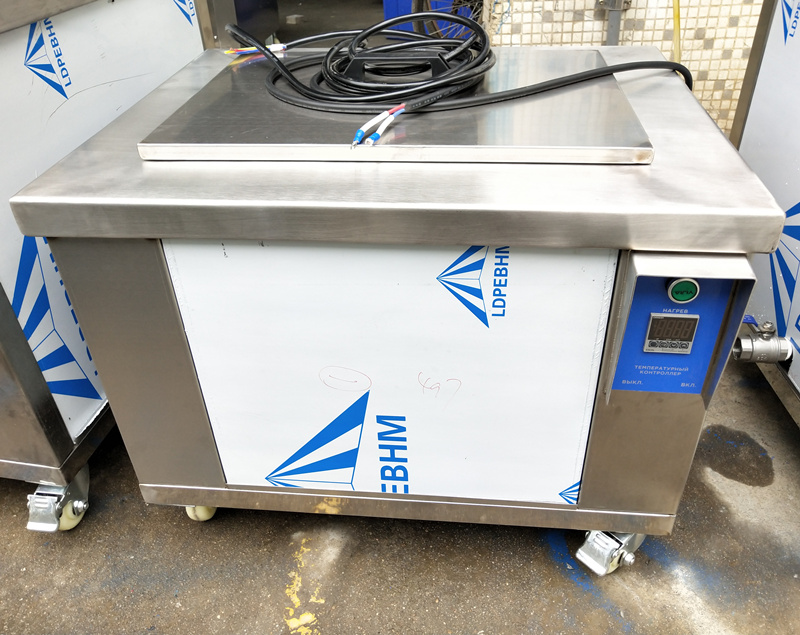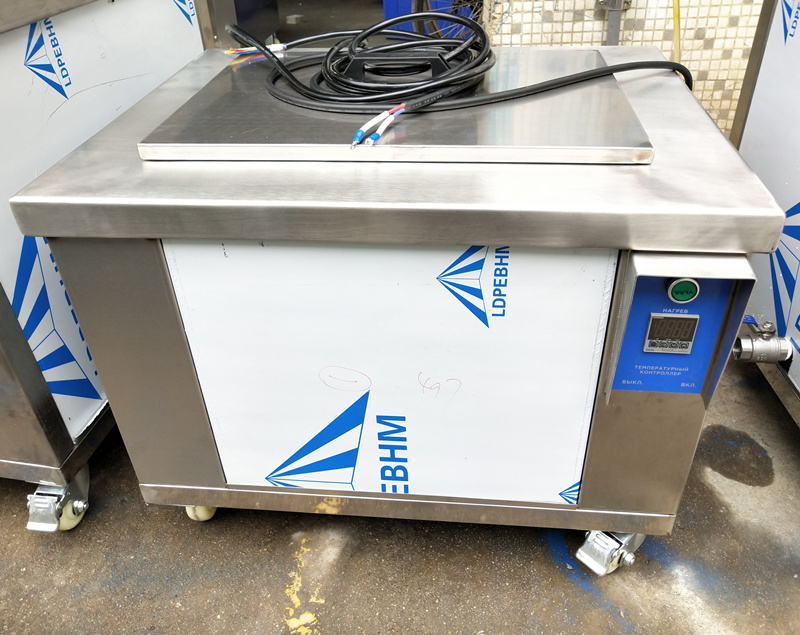









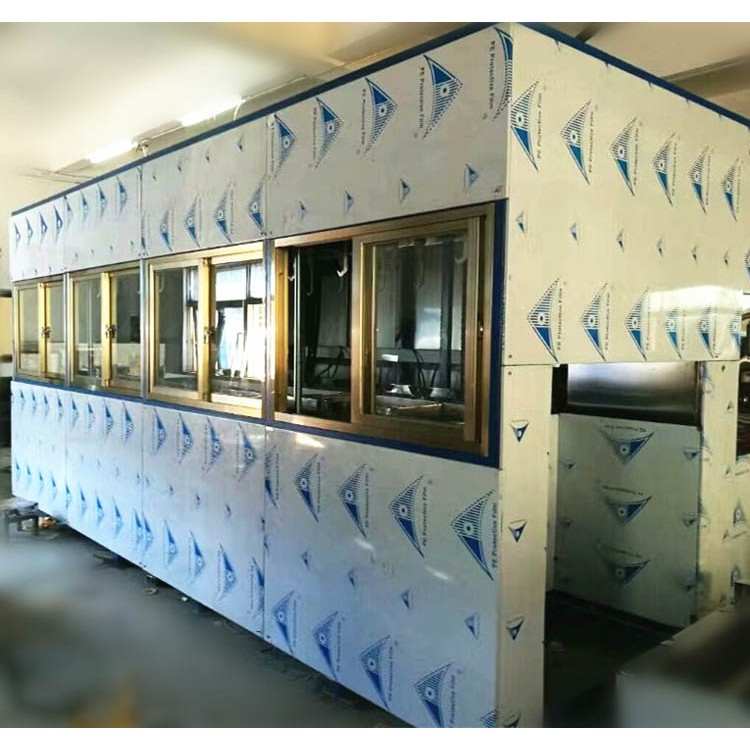
Principle of small electrolytic ultrasonic mold cleaner:
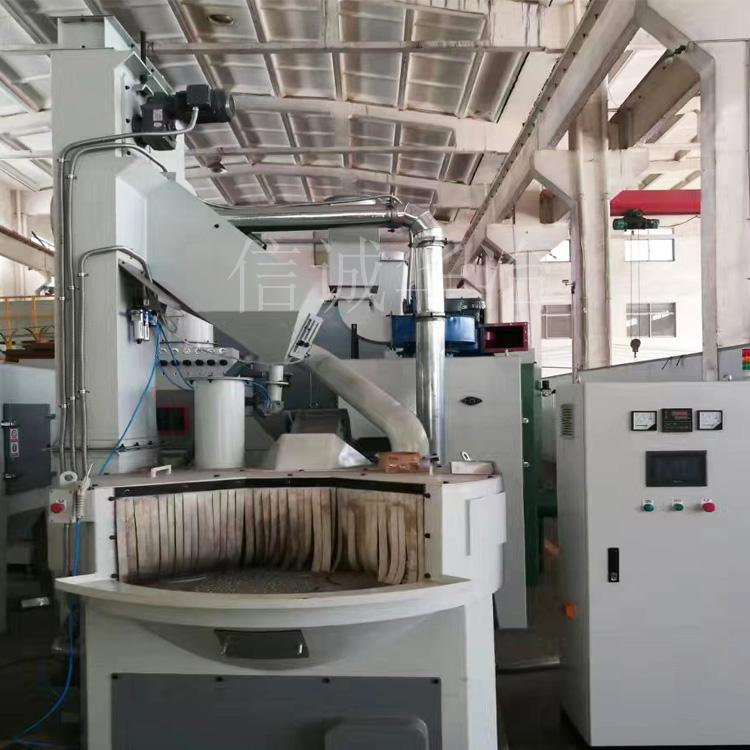
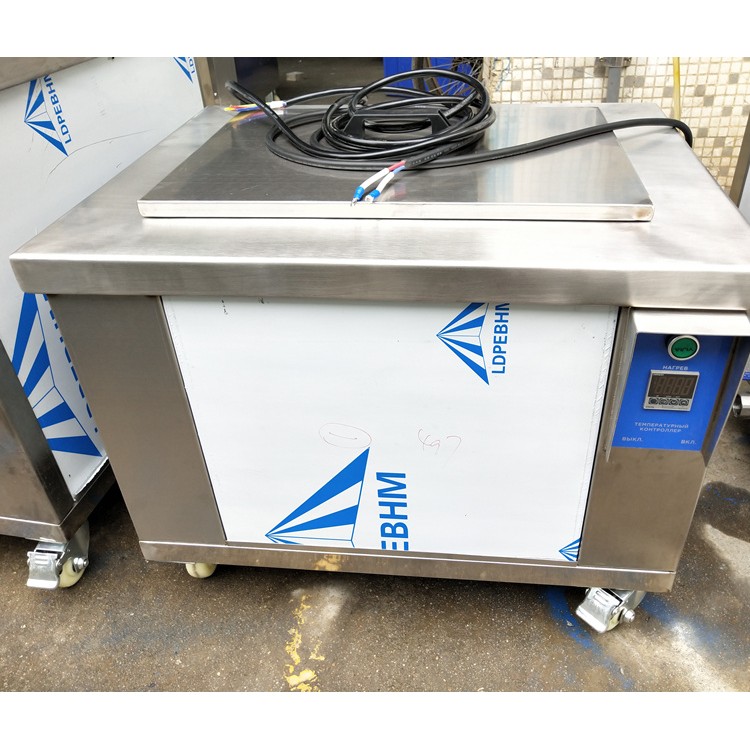
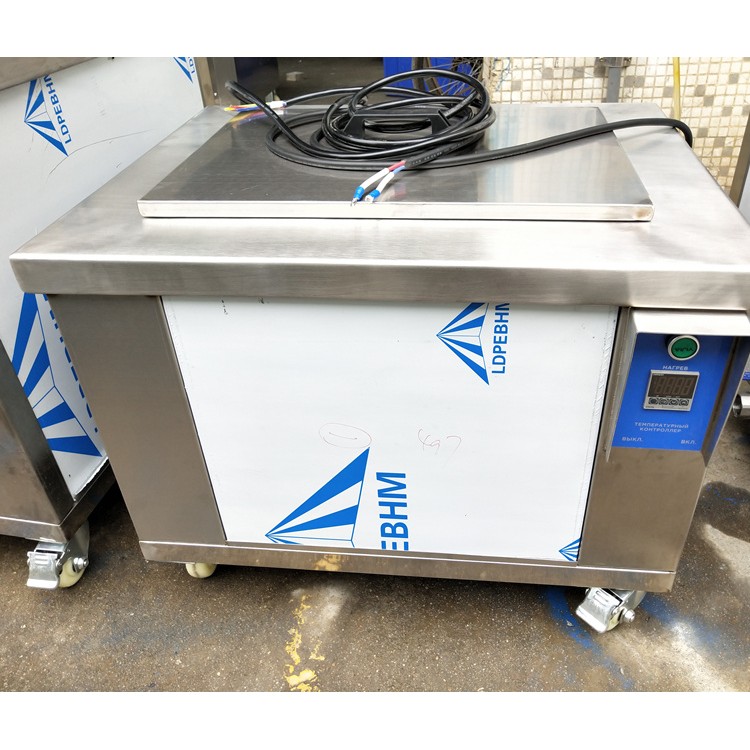
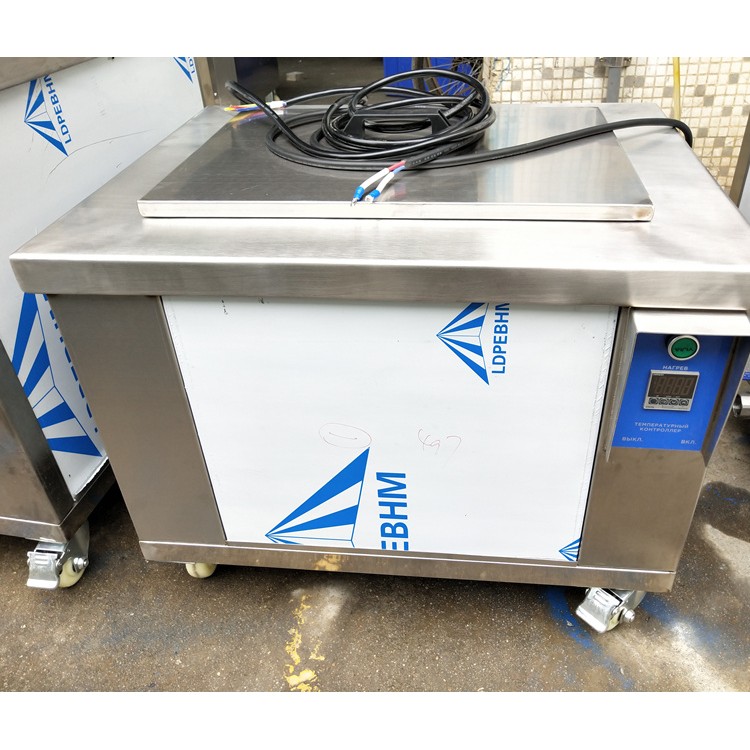
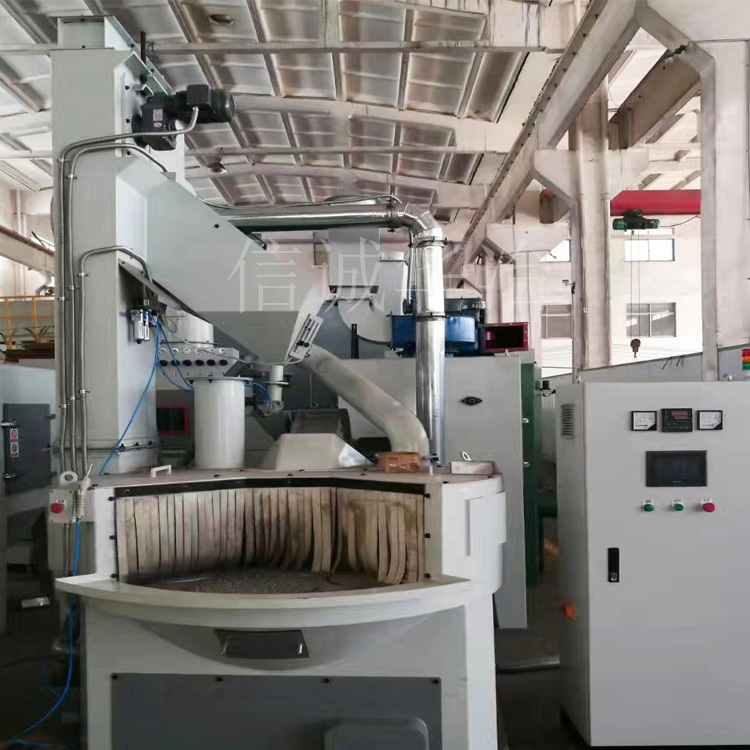
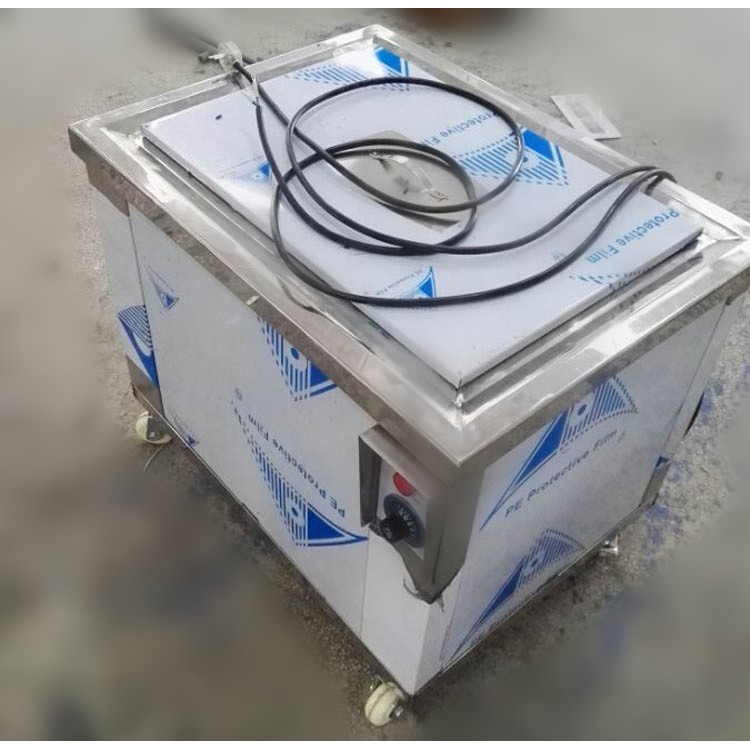
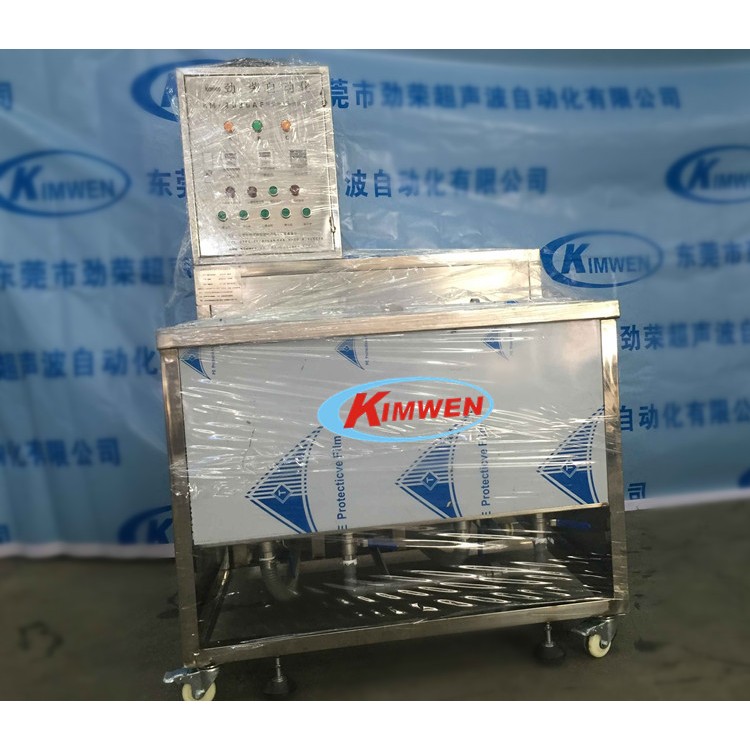
A compact electrolytic ultrasonic unit consists of an electrolytic ultrasonic cleaning tank, spray rinse tank, ultrasonic system, electrolytic circuit system, electrodes, trays, filtration recycling system, timing device, and panel electrical switch assembly.
Electrolytic cleaning is a method that uses electrolysis to remove dirt from the surface of metals; electrolysis is the process of chemical decomposition of matter under the action of electricity. During the electrolysis process, the dirt on the metal surface begins to flake off, and is accelerated in剥离 by the impact of ultrasonic waves. The metal surface may have greases, mineral oils, rust, rust spots, carbon deposits, and oxide layers. The removal of this dirt using electrolysis is called electrolytic degreasing.
When an electric current passes through a water solution containing a special electrolyte formula, oxygen is produced near the positive electrode of the electrolytic cell, while hydrogen is produced at the negative electrode. Place the metal parts to be cleaned in the positive electrode of the electrolytic cell. During the electrolysis process, fine hydrogen bubbles are generated on the metal surface, which help to dislodge dirt from the metal.
Ultrasonic cleaning utilizes a 40KHZ high-frequency power source to convert electrical energy into mechanical energy, during which the transducer transfers tremendous energy to the cleaning solution in the tank. This creates positive and negative pressure zones in the liquid, forming thousands of cavity bubbles that continuously explode, impacting the surface of the metal item being cleaned, allowing the dirt on the metal surface to be quickly removed.
3. The recirculation system consists of a corrosion-resistant American Mini-Giant magnetic pump and filters, forming an automatic recirculation. This quickly isolates the washed-off dirt through the cotton cores of the filters, reducing the floating debris on the liquid surface. Additionally, it accelerates the electrolysis of the solution. It purifies the solution, enhancing the utilization rate of the solution.