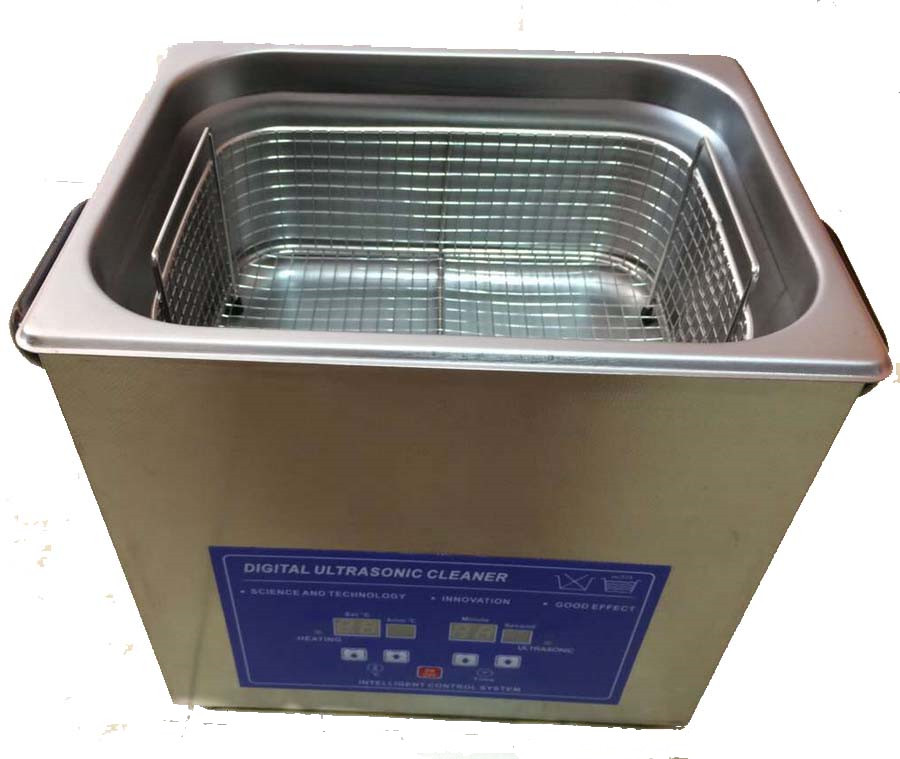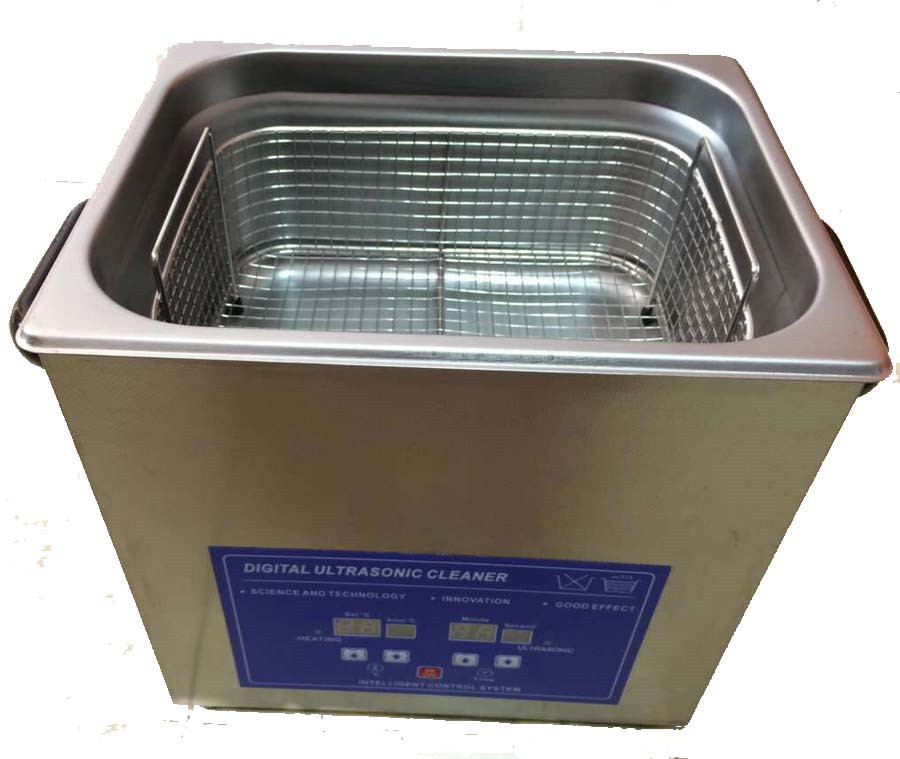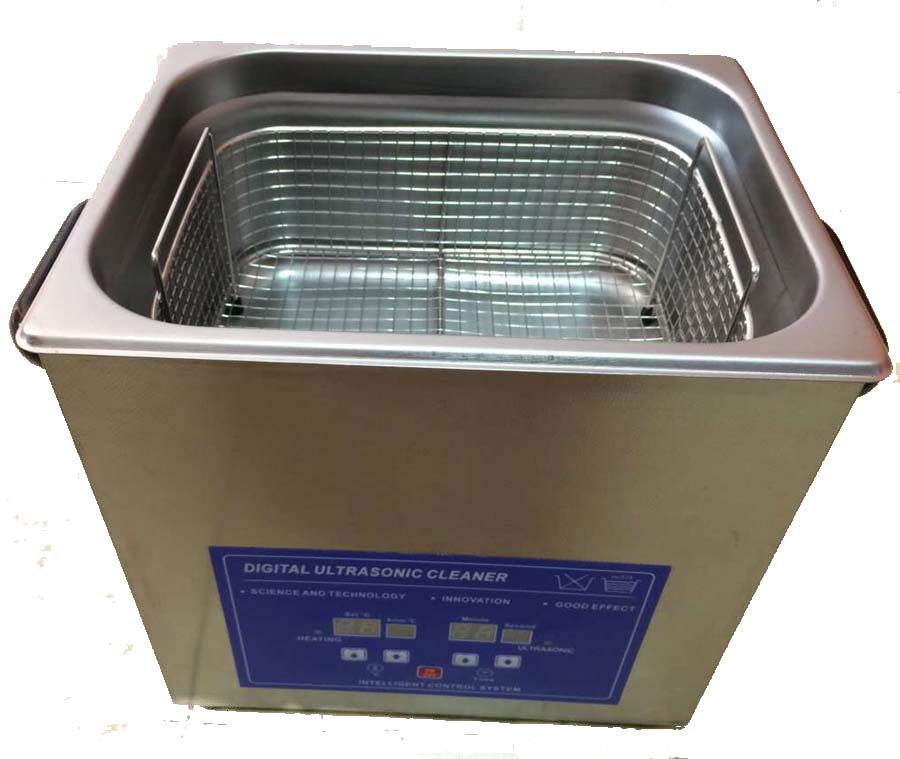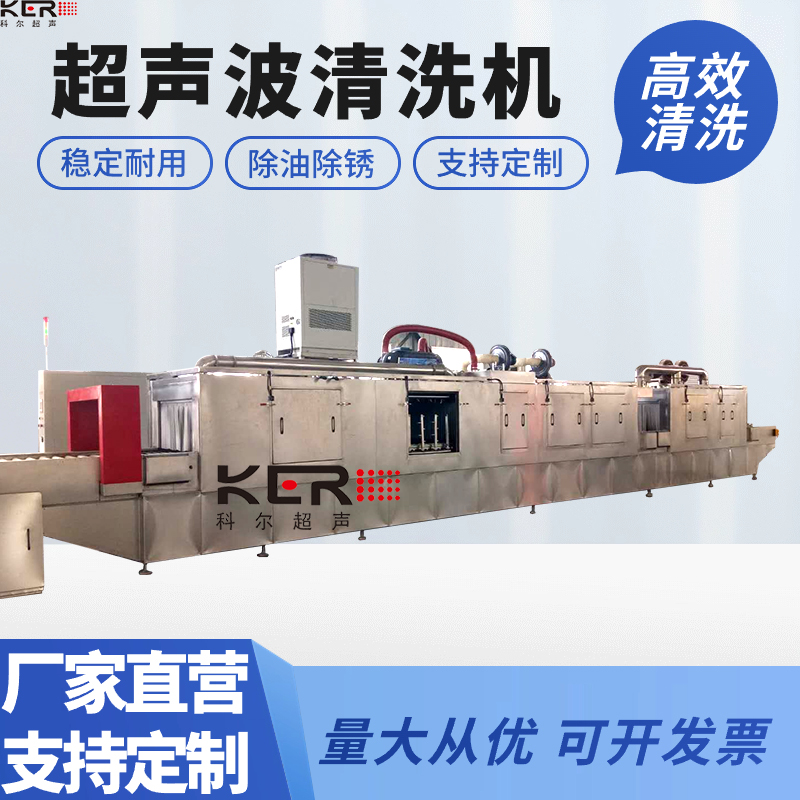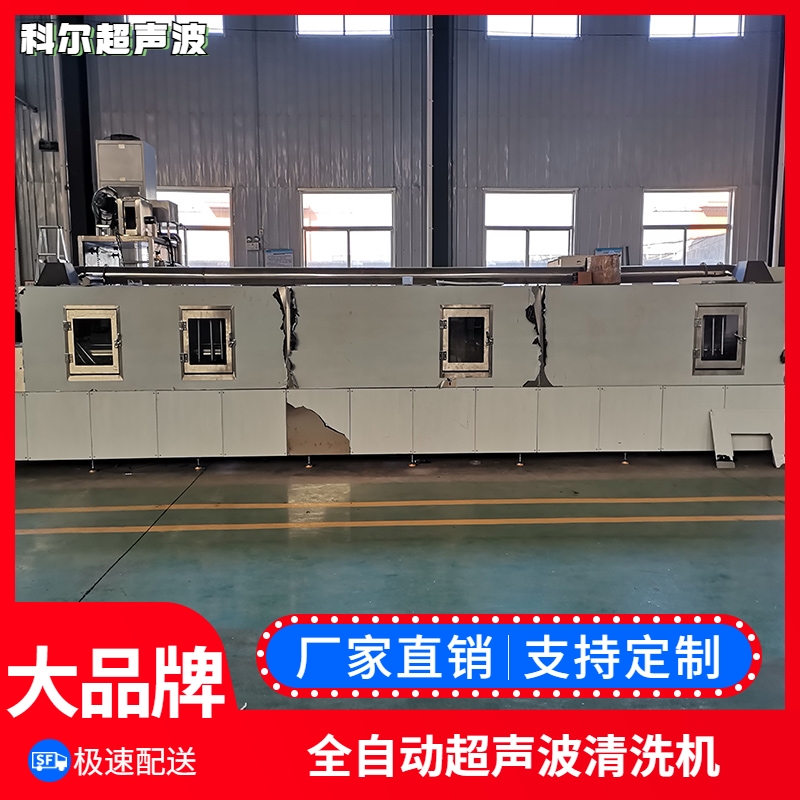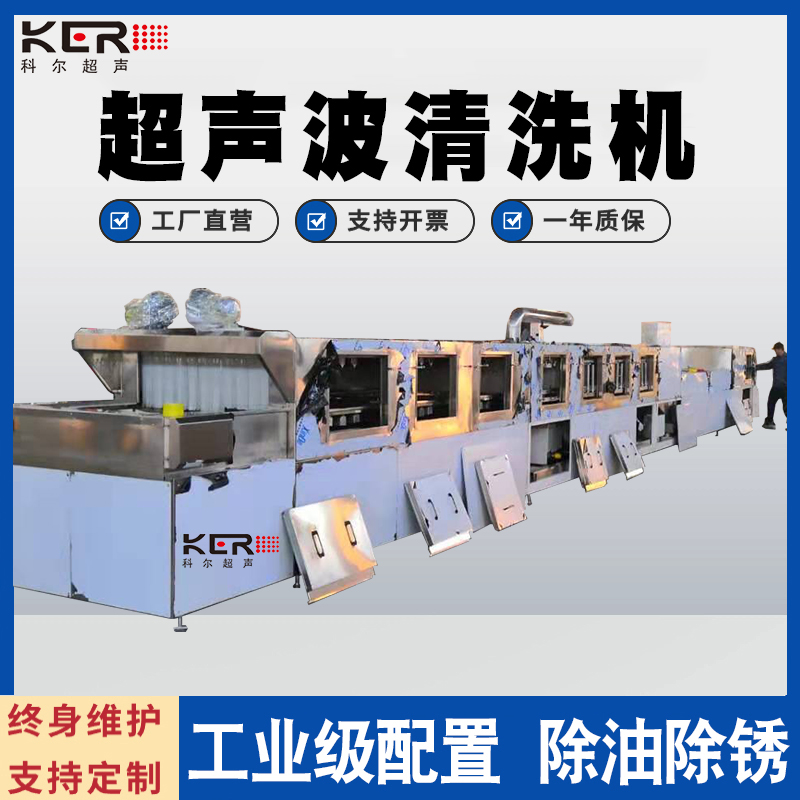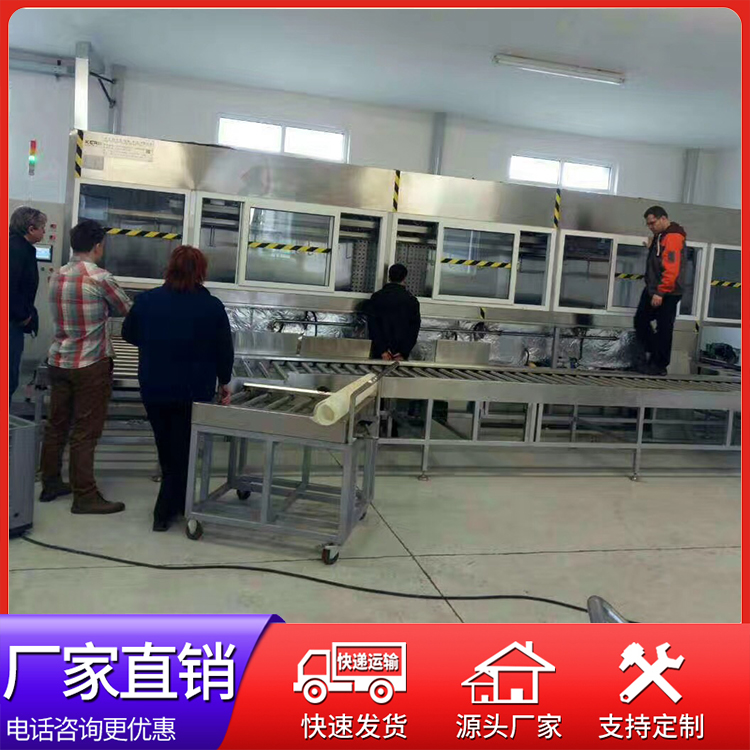









Operation Instructions for an Ultrasonic Cleaning Machine
The power supply and electric heater power for the cleaning machine must have a good grounding device.
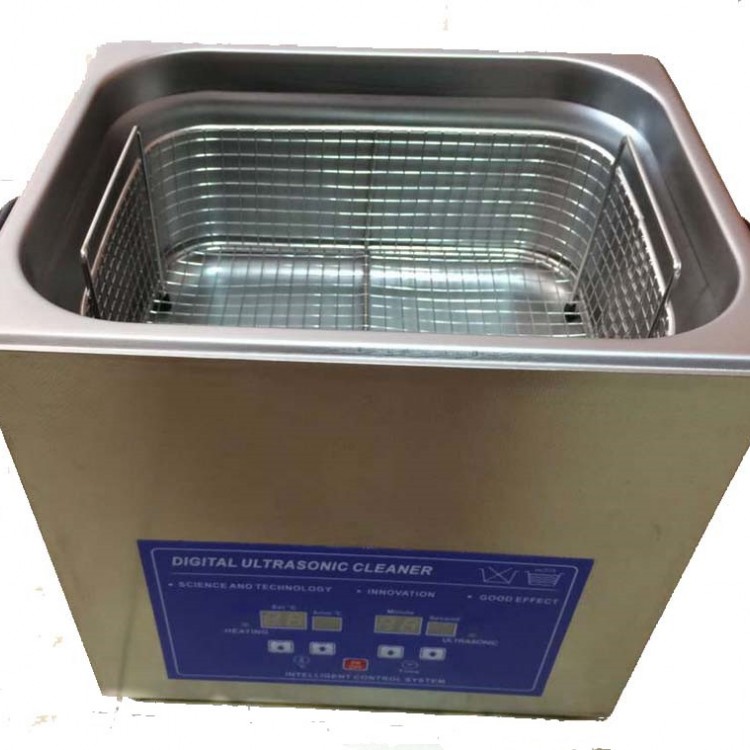
(2) Do not start the machine if there is no water or solvent in the trough; this can cause empty vibration, leading to the damage or failure of the vibration head.
(3) Do not turn on the heating switch when the cleaning equipment for the heating system is without liquid.
(4) Do not strike the bottom of the cleaning tank to prevent damage to the energy converter chip.
(5) The ultrasonic generator should be powered by a separate 220V/50Hz circuit and be equipped with a voltage stabilizer of 2000W or more.
(6) Regularly flush and clean the bottom of the cleaning tank.
(7) Do not place your fingers in the cleaning tank during the operation of the washer; otherwise, you may feel a stinging or discomfort.
(8) Replace the liquid each time, and only wash the items after the ultrasonic starts.
(9) Use clean water or water solutions as cleaning agents. Prohibit the use of alcohol, gasoline, or any flammable gases as cleaning agents added to the cleaning machine, as such actions may cause fires or other accidents.
(10) For optimal ultrasonic cleaning, maintain the cleaning tank temperature between 30-50°C and select the appropriate cleaning agent based on the item being cleaned. Cleaning agents are generally categorized into water-based (alkaline) cleaners, organic solvent cleaners, and chemical reaction cleaners. Water-based cleaners are most commonly used, and the cleaning time should be chosen based on the level of contamination and nature of the dirt on the item being cleaned.
Another consideration for ultrasonic cleaning is the design of the loading and unloading equipment or the fixture used to place the items to be cleaned. When items are in the ultrasonic cleaning tank, neither the items nor the baskets should touch the bottom of the tank. The total cross-sectional area of the items should not exceed 70% of the tank's cross-sectional area. Rubber and non-vulcanized plastics absorb ultrasonic energy, so caution is advised when using these materials for fixtures. Special attention should also be given to insulated items. Poorly designed fixture baskets or excessively heavy items can significantly reduce the efficiency of even the most advanced ultrasonic cleaning systems. Hooks, racks, and beakers can all be used to support items for cleaning.
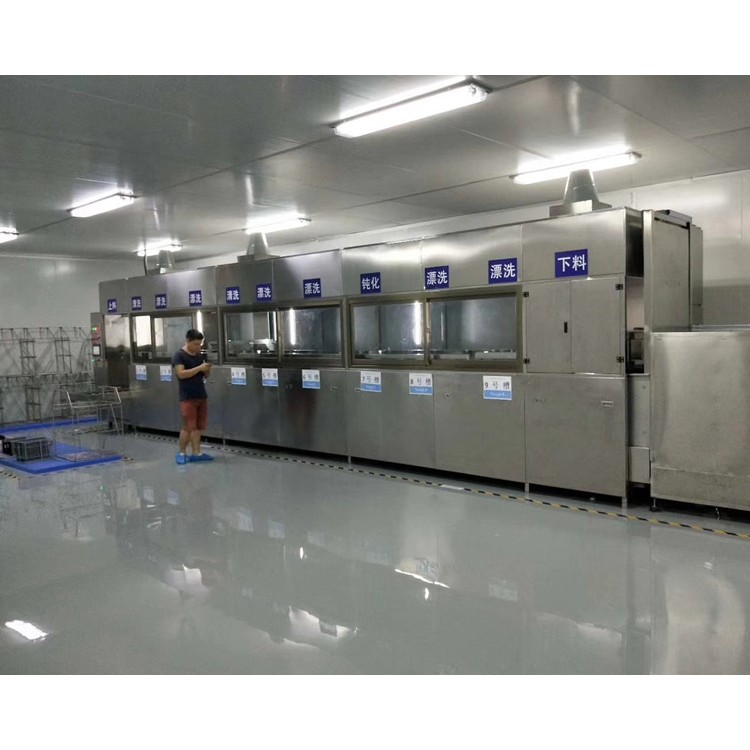
Washing time, part types, and quantity considerations for machine operation mode adoption, whether fully automatic, semi-automatic, or manual. Machine size, cost.
Other: Parts with heavy dirt usually require immersion or jet washing for pre-cleaning. After most of the dirt is removed, using ultrasonic cleaning for the remaining dirt yields better results. When cleaning small items or complexly shaped parts, using a cleaning net or rotating the item while it vibrates and is exposed to ultrasonic radiation can achieve uniform cleaning.