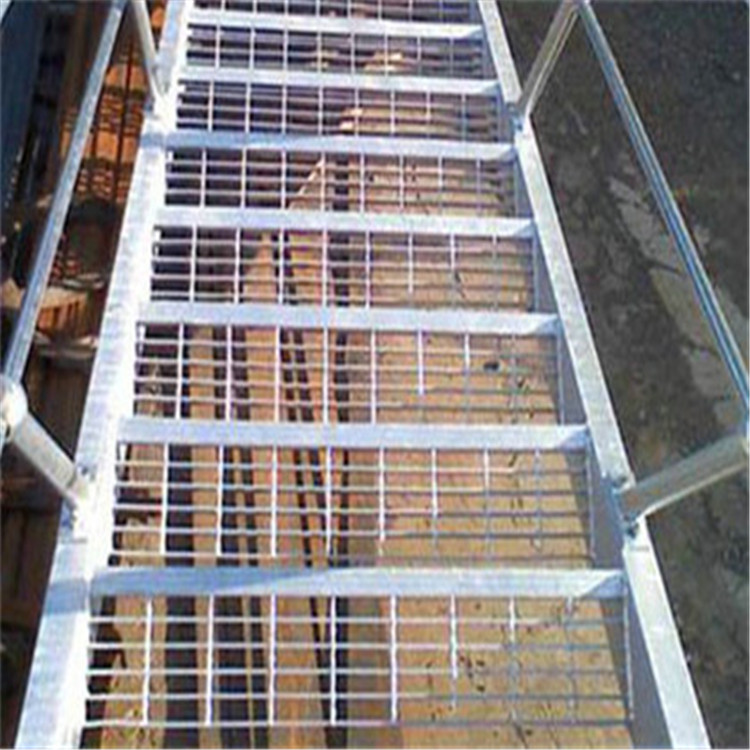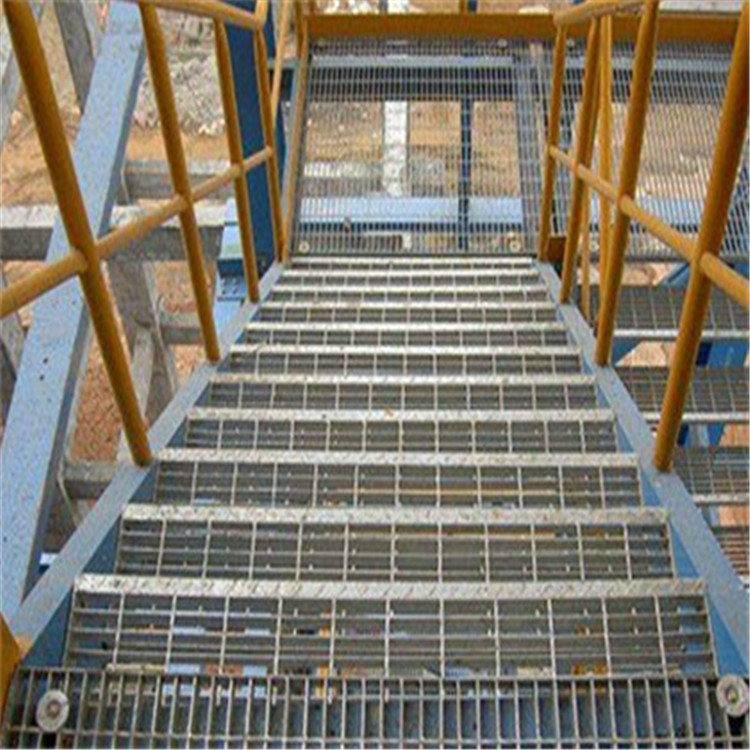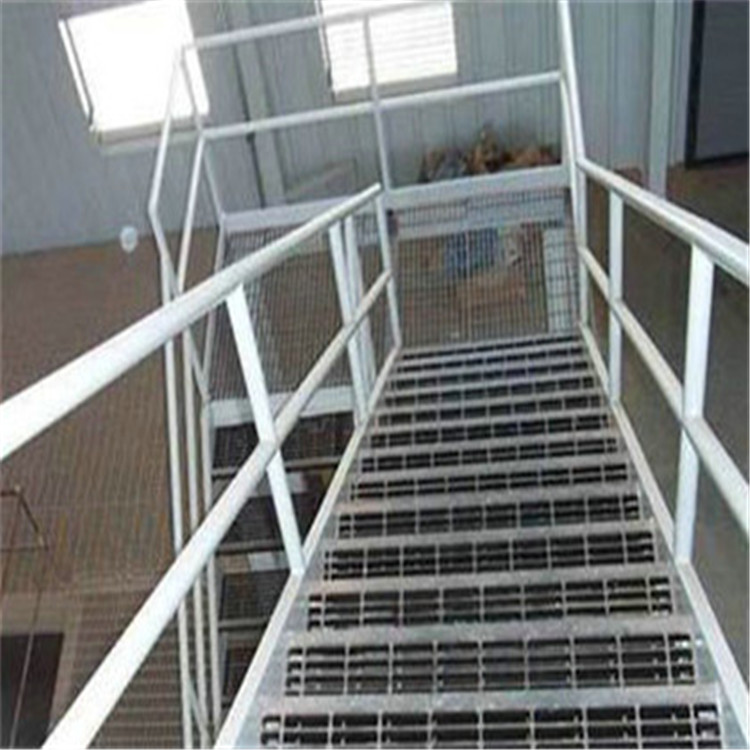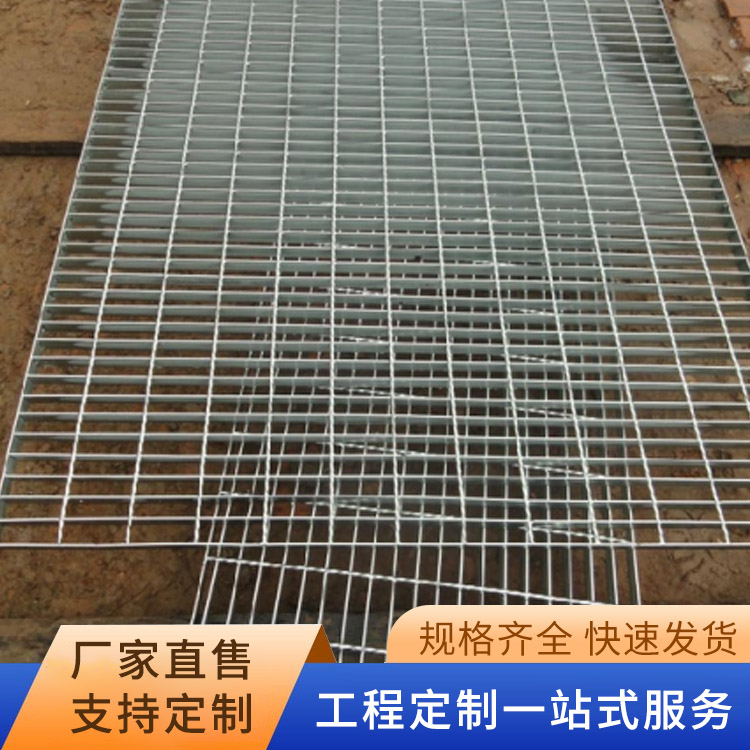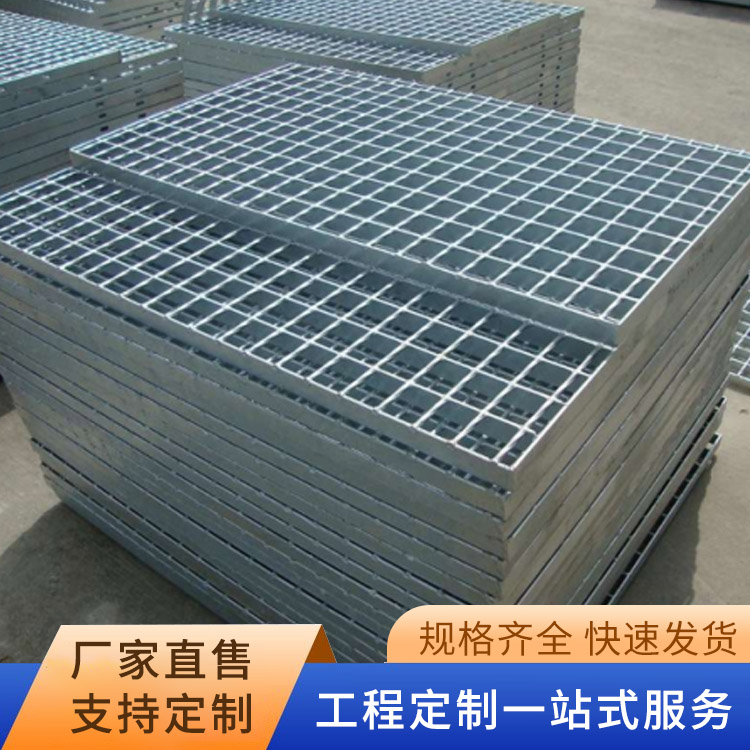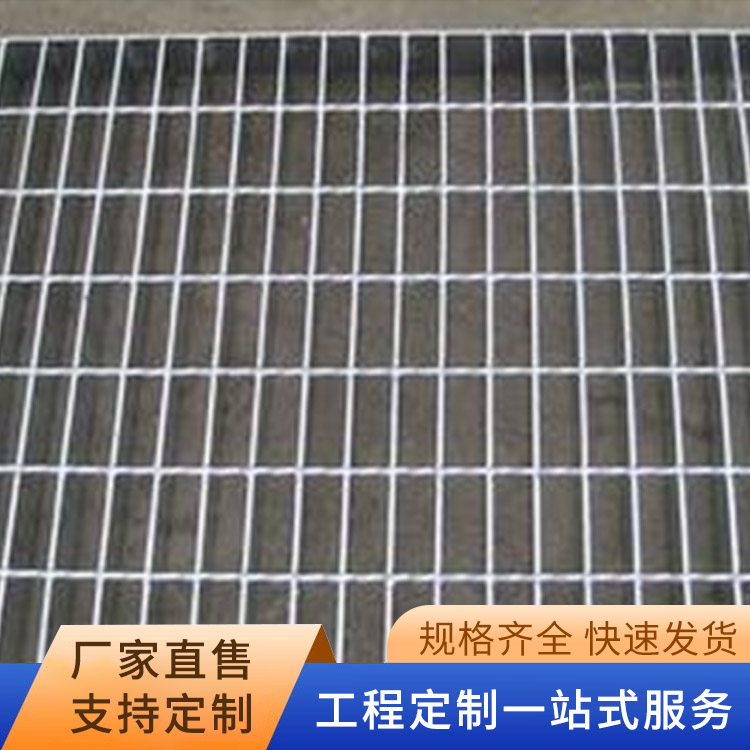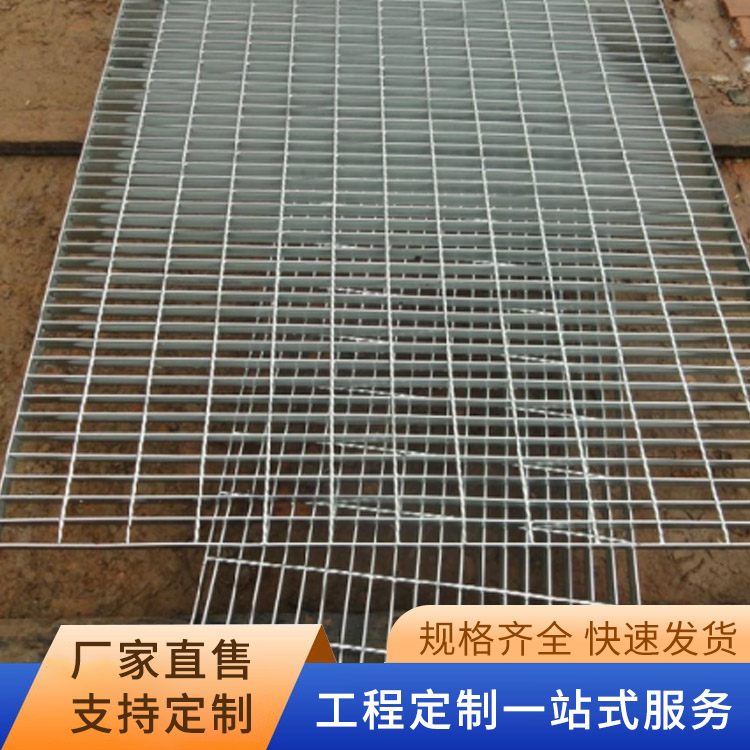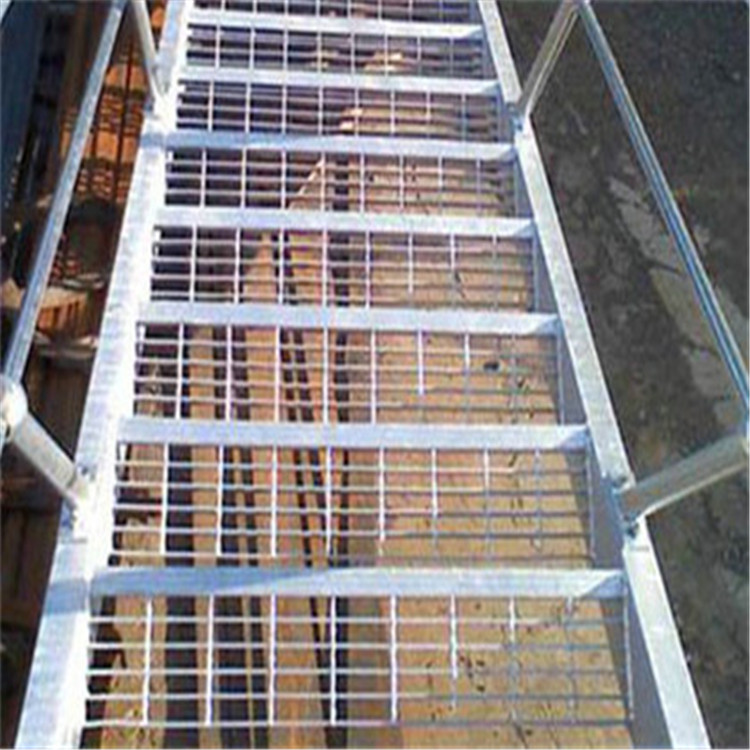

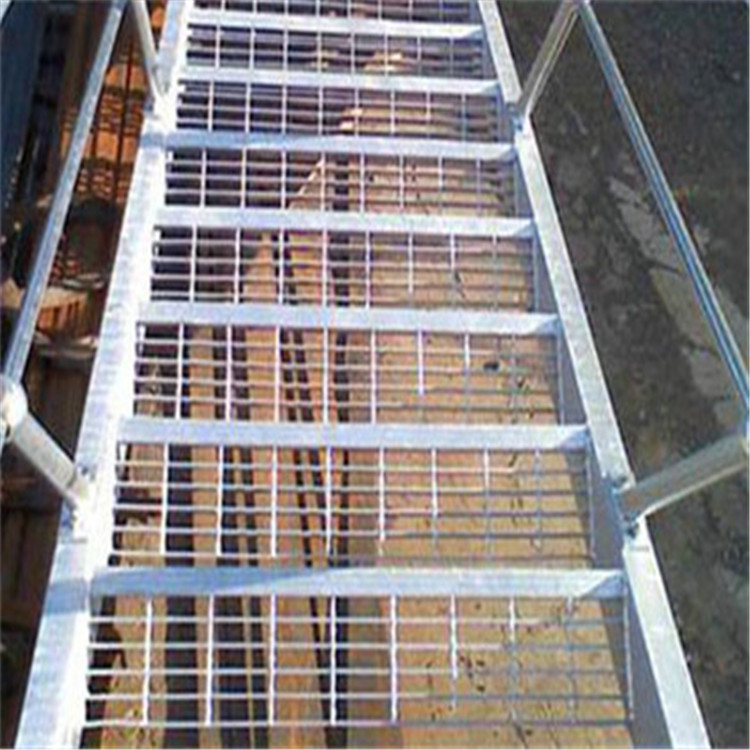
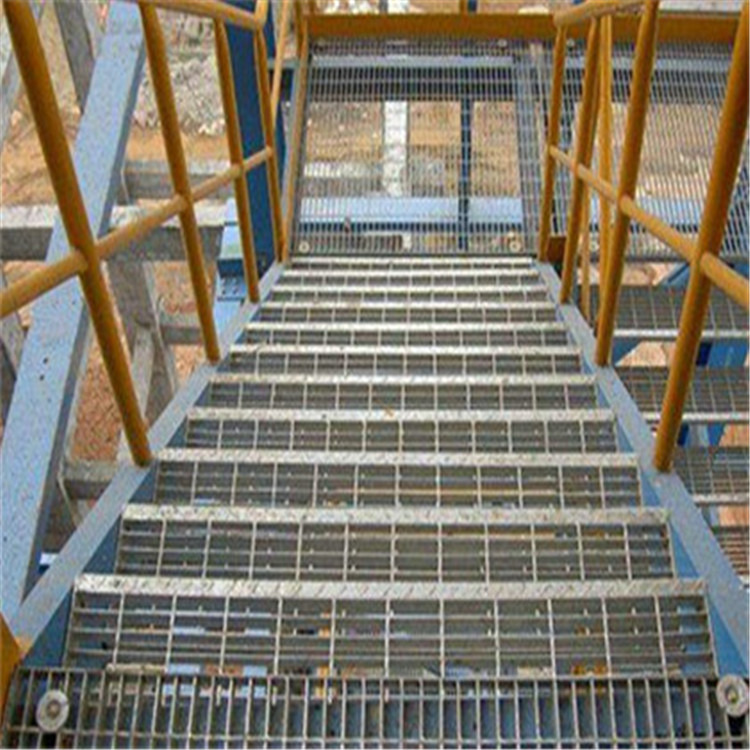
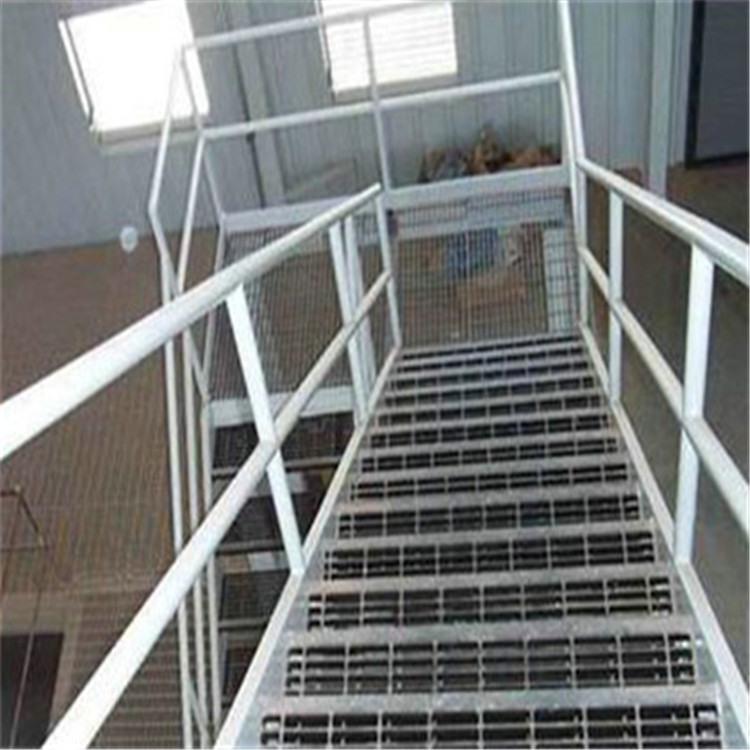


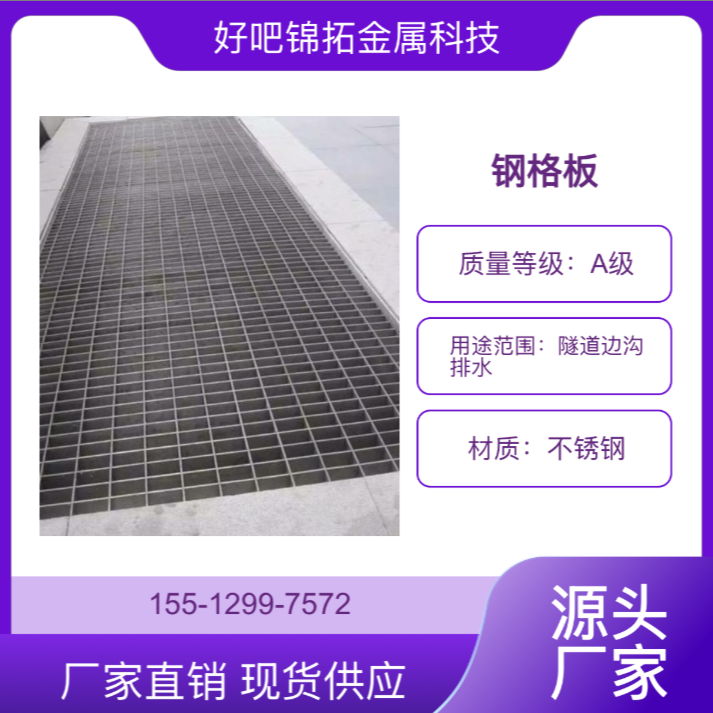
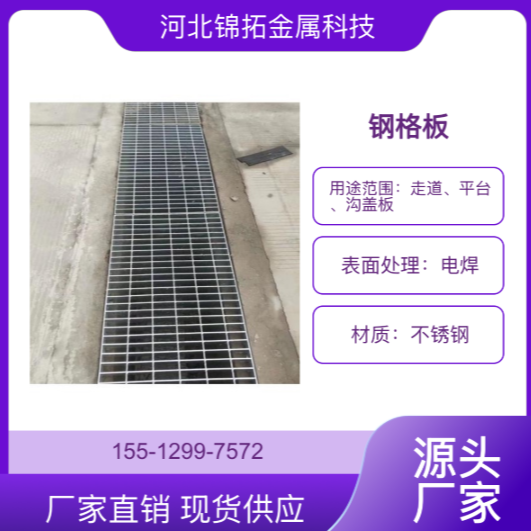
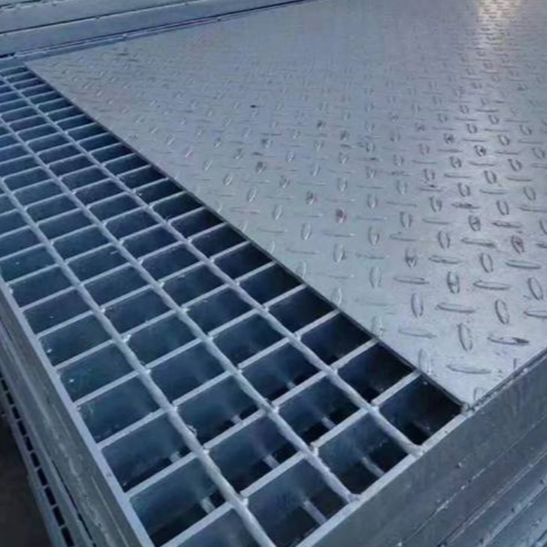
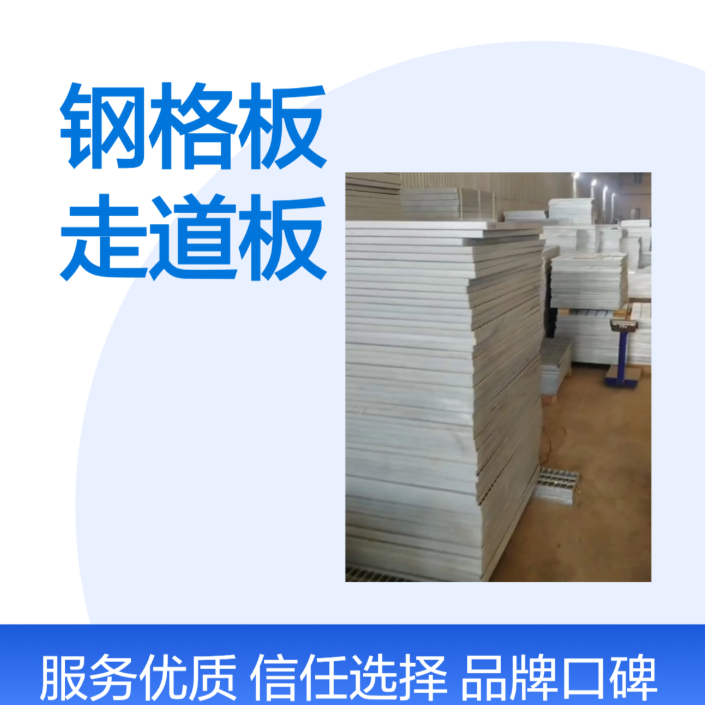





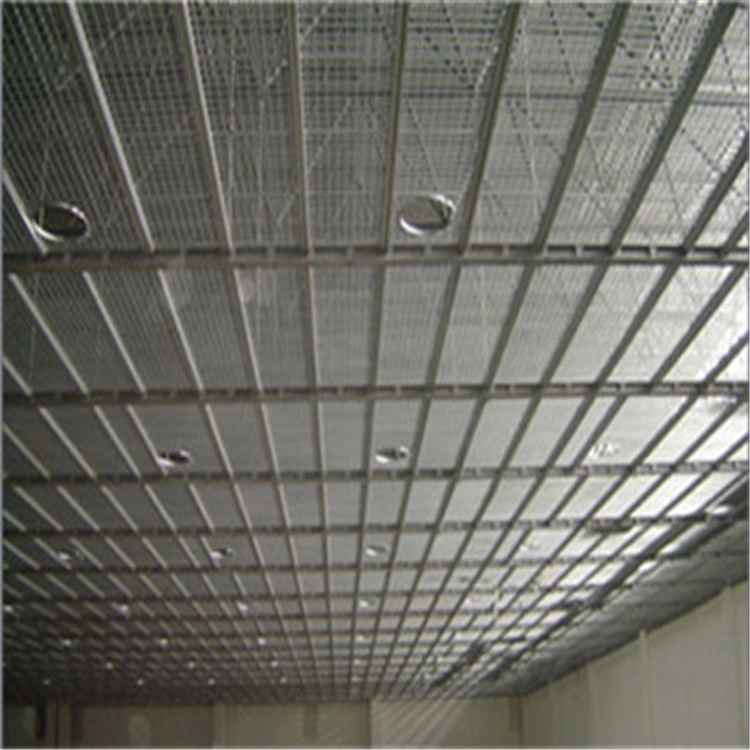
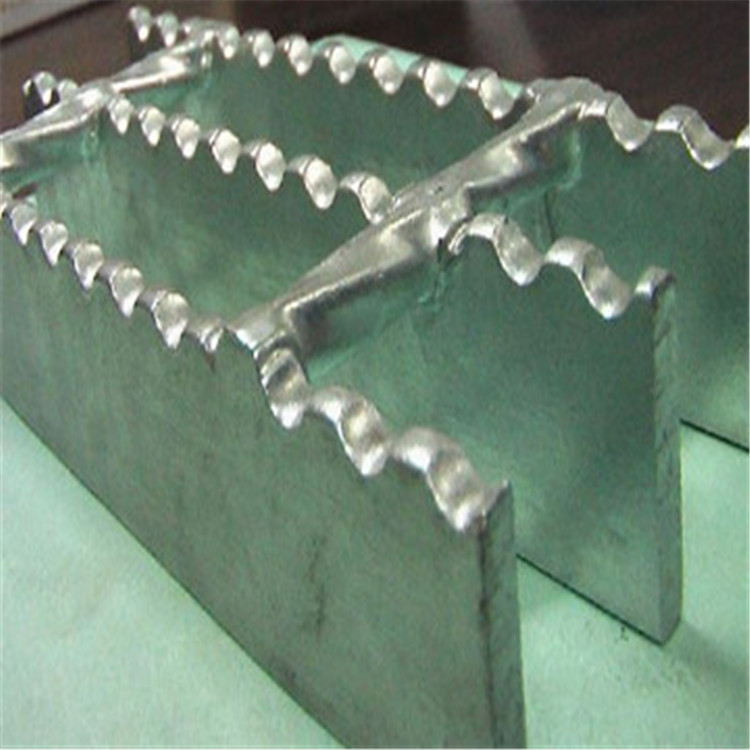
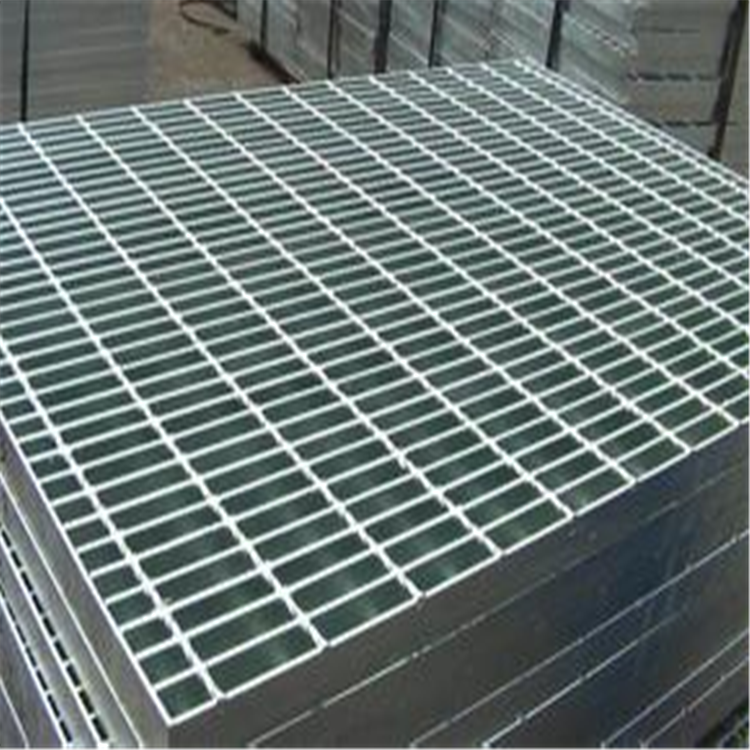
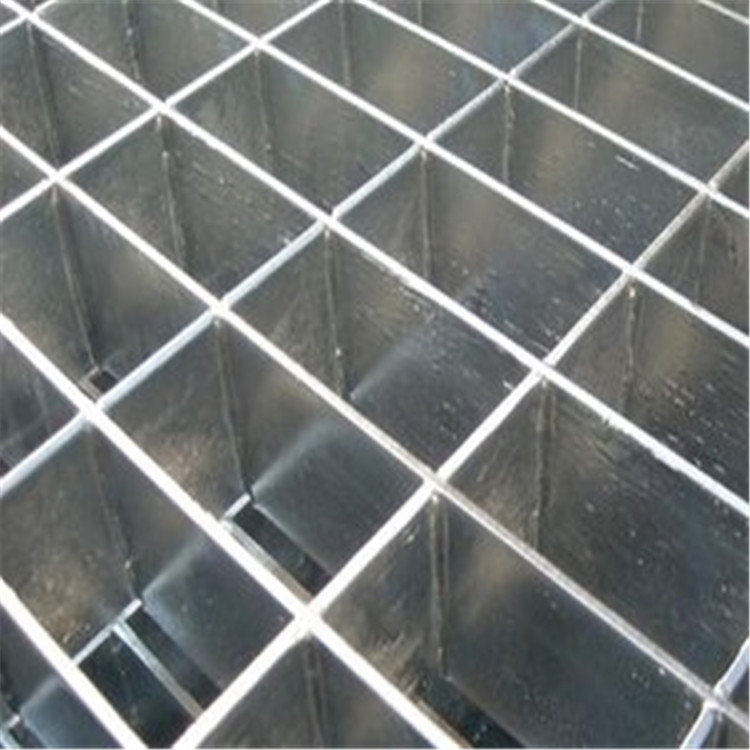
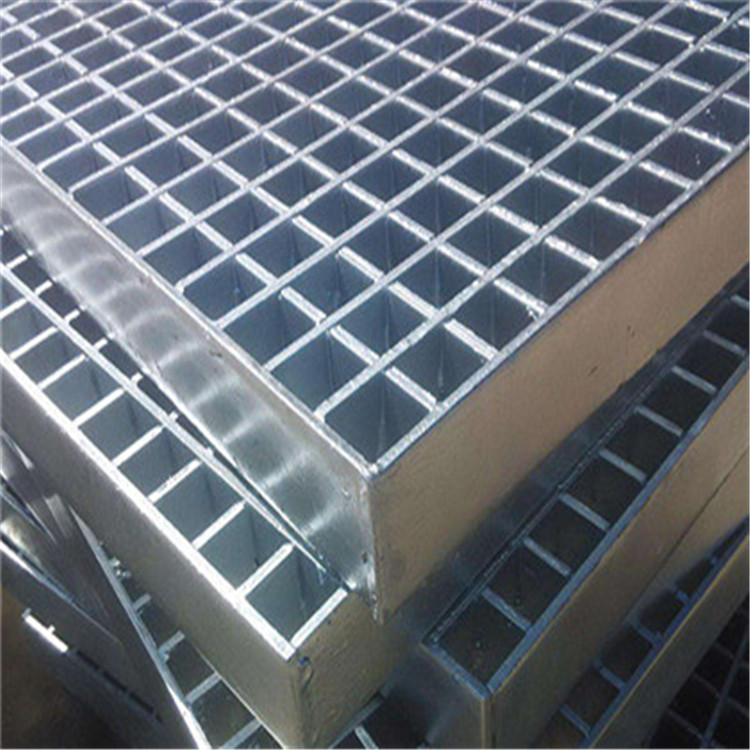
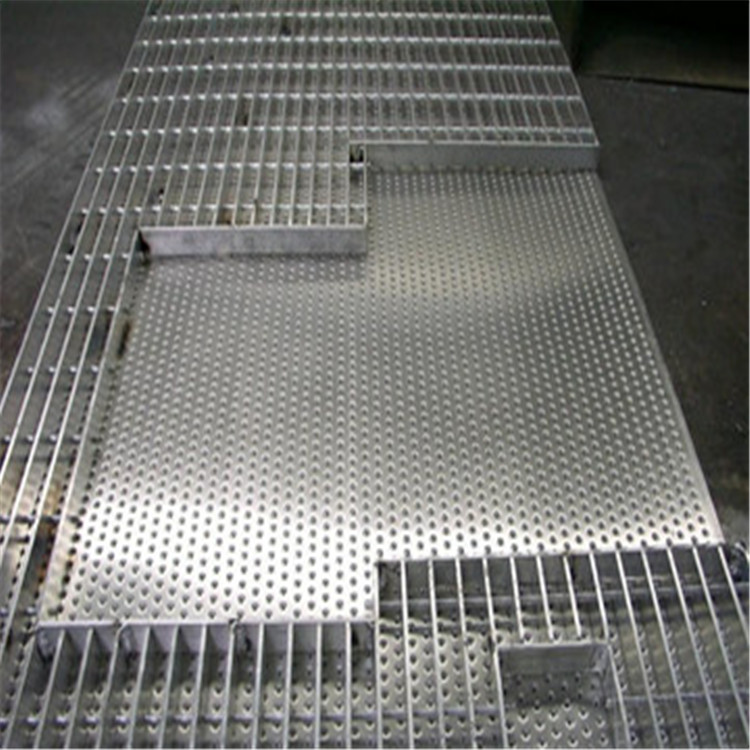
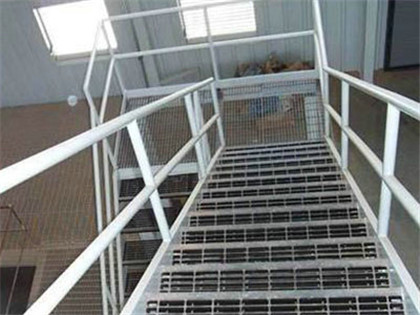
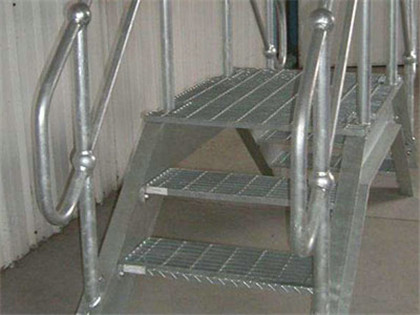
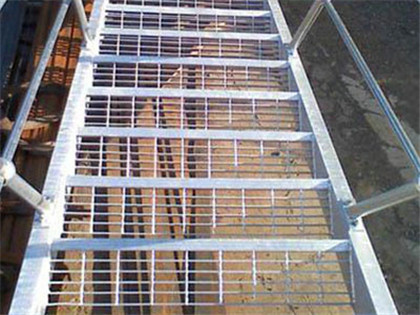
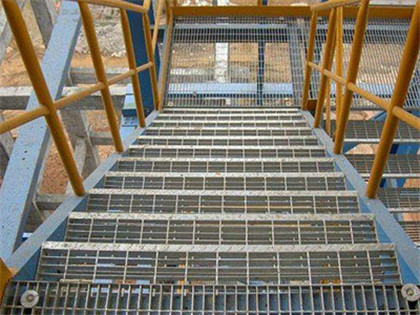
The stair tread plates are made from steel grating (which is a type of steel product formed by crossing flat steel bars at specific intervals with crossbars and welded into a square grid pattern). The surface of this product is typically treated with hot-dipped galvanizing or electro-galvanizing.
Product Dimensions:
T1 to T4, 30mm spacing: 125, 155, 185, 215, 245, 275, 305
T1 to T2 40mm spacing: 125, 165, 205, 245, 285, 325
T3 to T4 with 40mm spacing: 115, 155, 195, 235, 275, 315
T1 to T2 spacing: 60mm, 185, 245, 305
T1 to T2 spacing of 60mm: 155, 215, 275
From an economic perspective, it is recommended to use lengths in multiples of 100mm, such as 500, 600, 700, 800, 900, 1000, 1200mm, etc., with modular widths (Series 1: 125, 155, 185, 215, 245, 275mm; Series 2: 125, 165, 205, 245, 275mm).
The stair tread dimensions are determined based on the stairwell's opening size, depth, and height, which sets the height and width of each stair tread, the length and width of the stair flight, as well as the platform width, among other specifications.
Product Types:
1. Tread plates are categorized into welded and bolted types. The welded tread plates are known as steel grating, while bolted types require the addition of 65x5mm flat steel as side panels.
2. Treads are divided into two types based on anti-slip requirements: those with a front guard (patterned plate or strip steel) and those without a front guard. T325/30/100 (for tread widths between 215mm and 305mm) T255/30/100 (for tread widths between 215mm and 305mm)
Product Application:
Industrial platforms, ladder steps, guardrails, walkway floors, railway bridge side tracks, high-altitude tower platforms, drain covers, manhole covers, road grates, multi-level parking lots, fences for government agencies, schools, factories, companies, sports fields, gardens, and villas. Also suitable for residential windows, balcony railings, highway and railway guardrails.