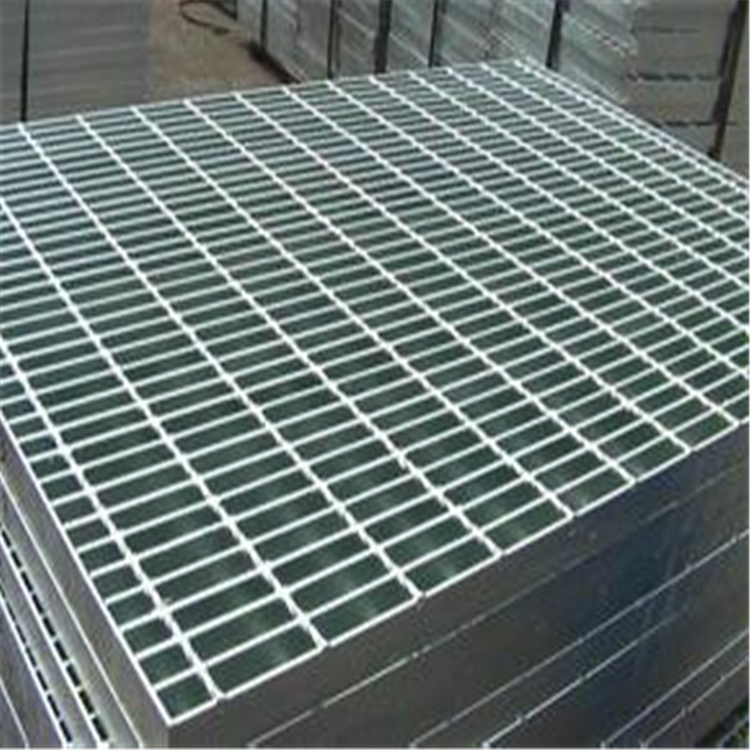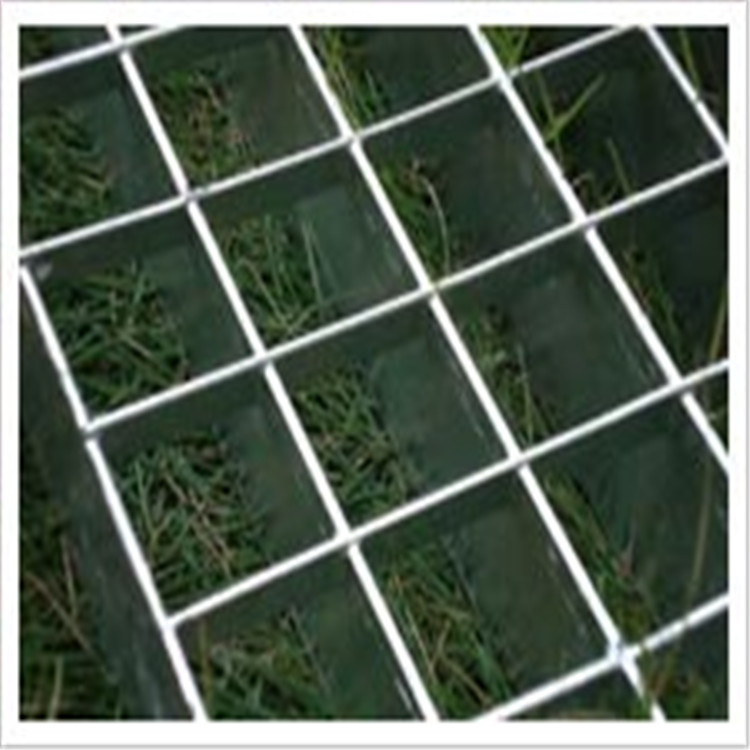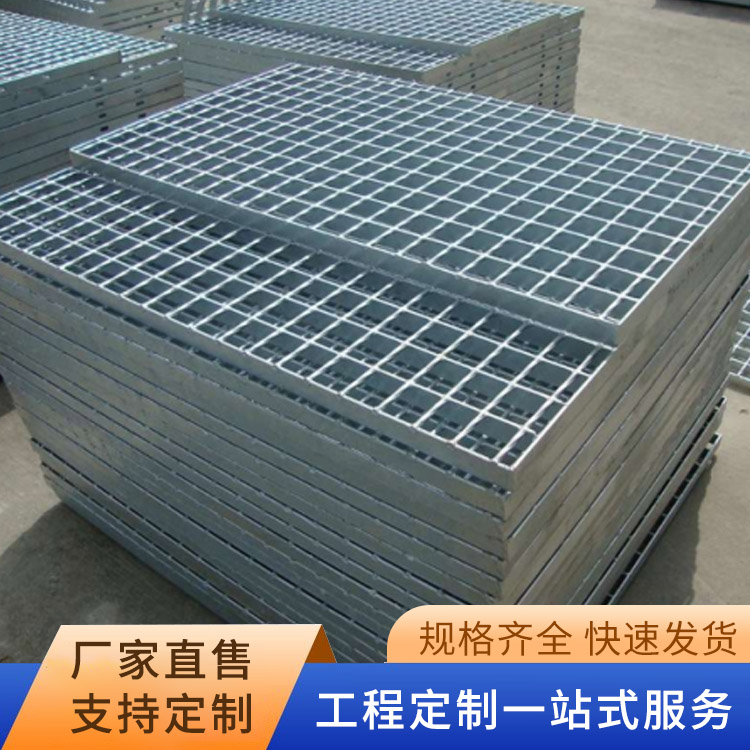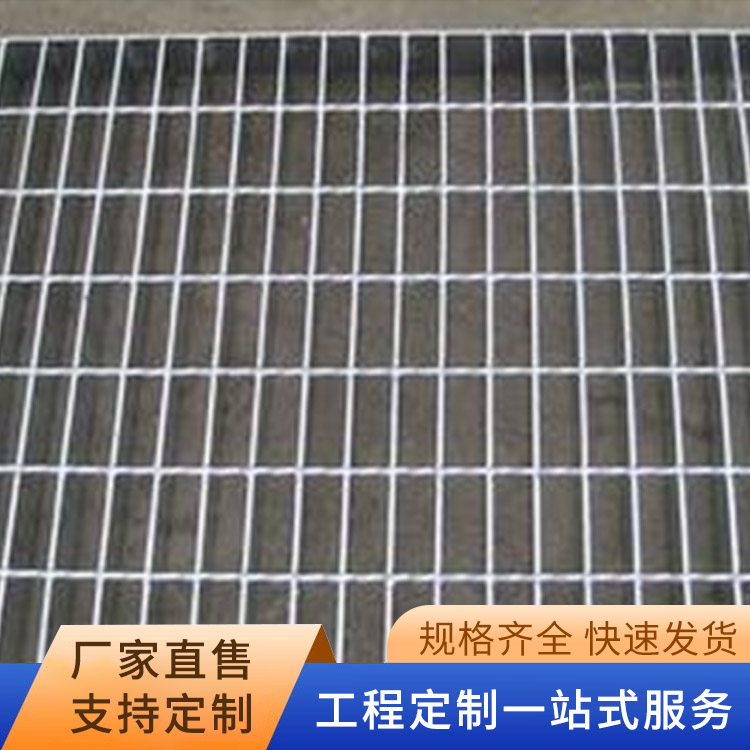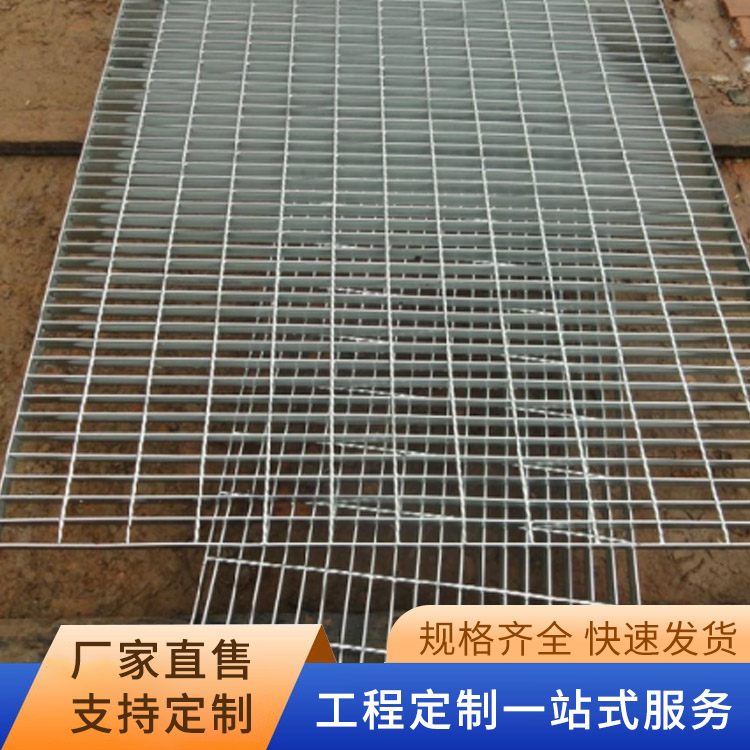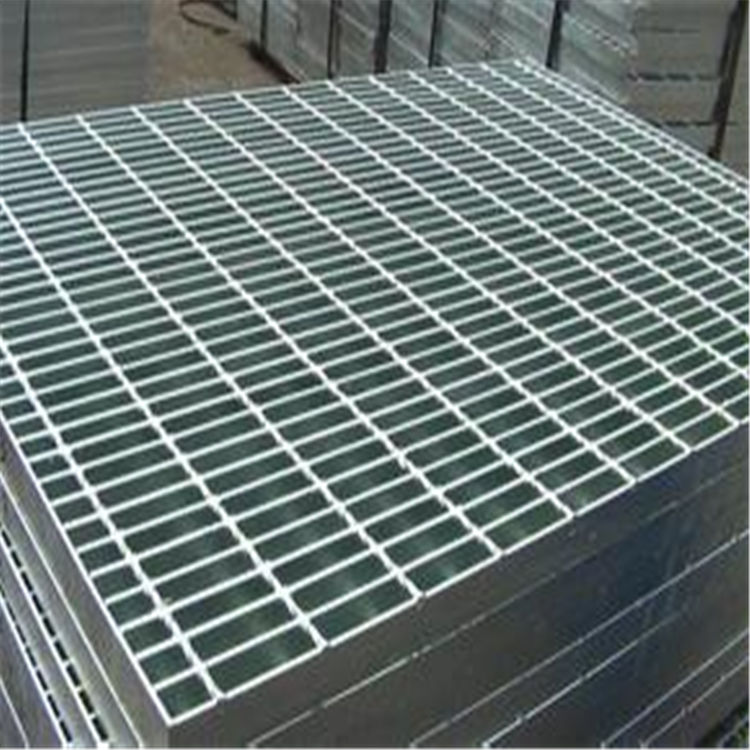

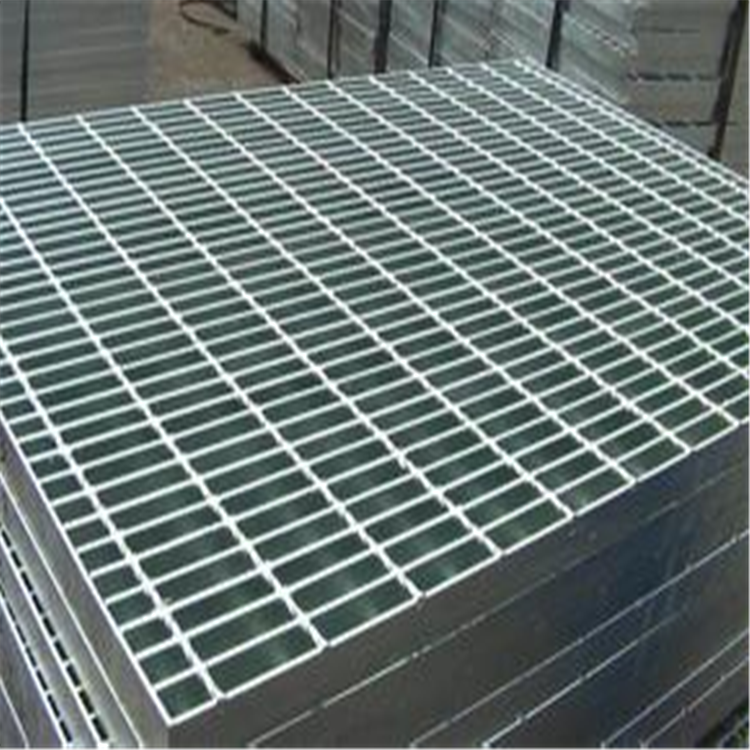
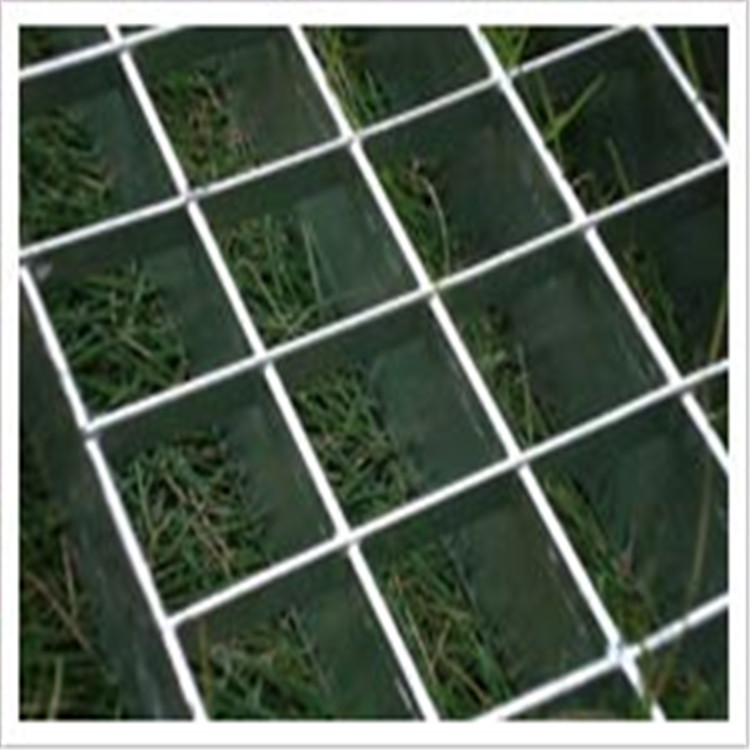


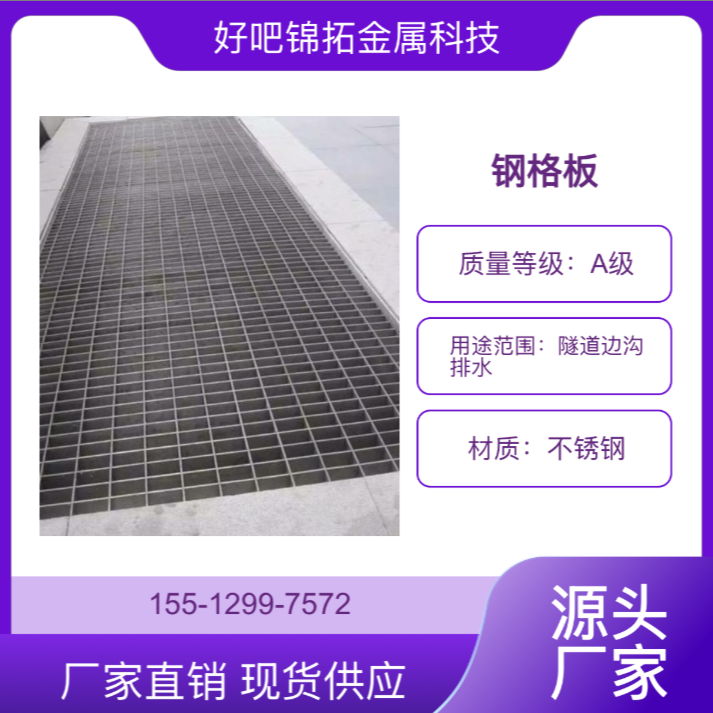
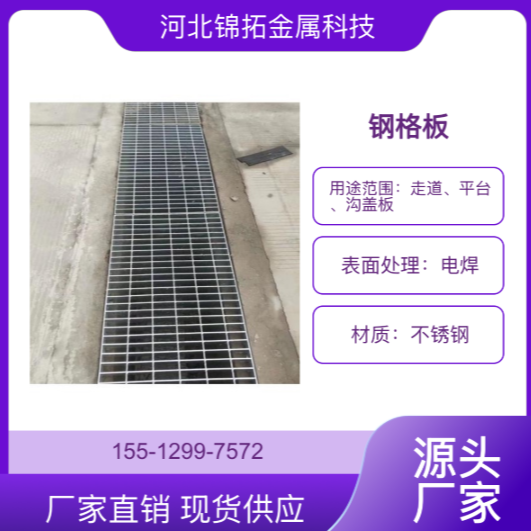
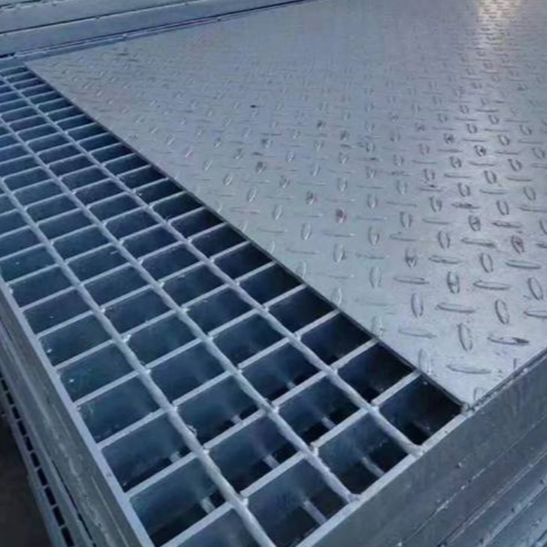
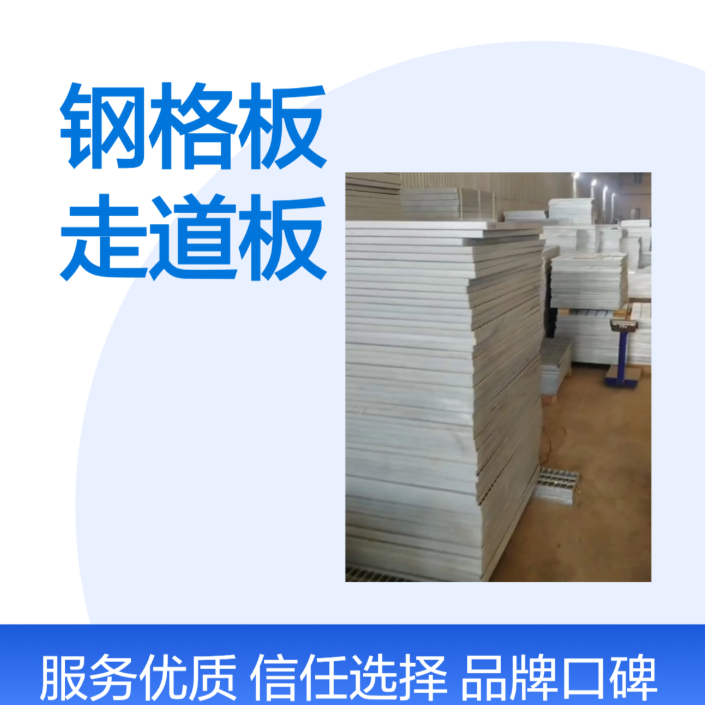





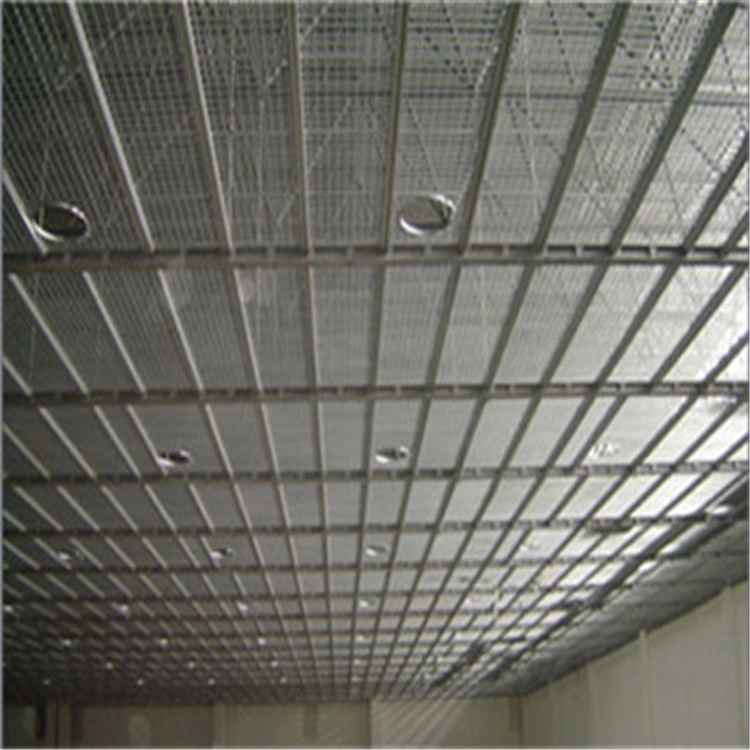
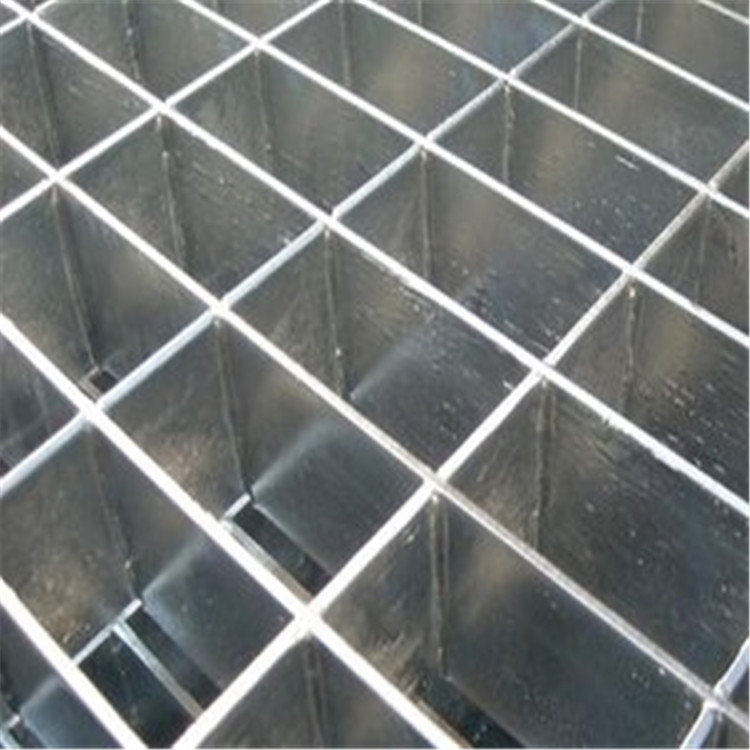
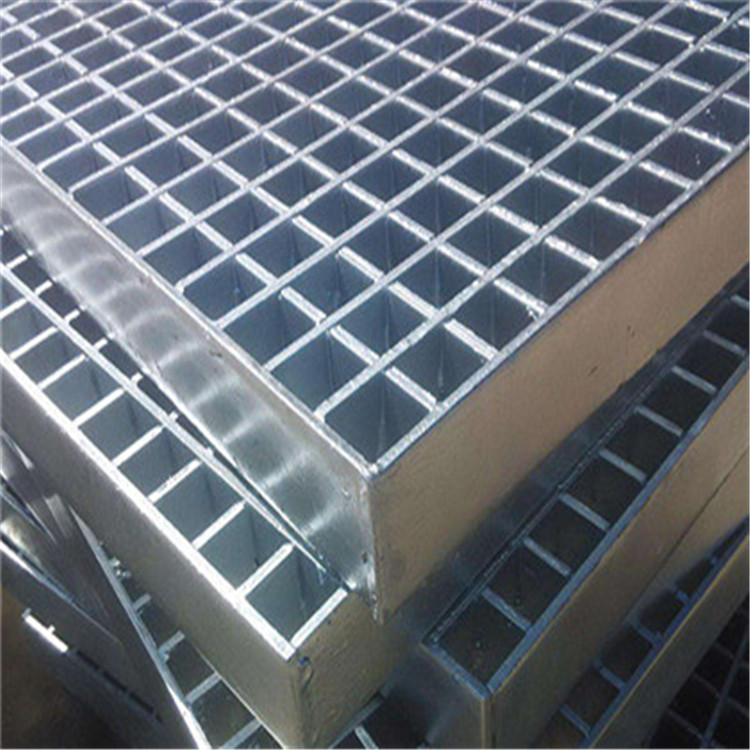
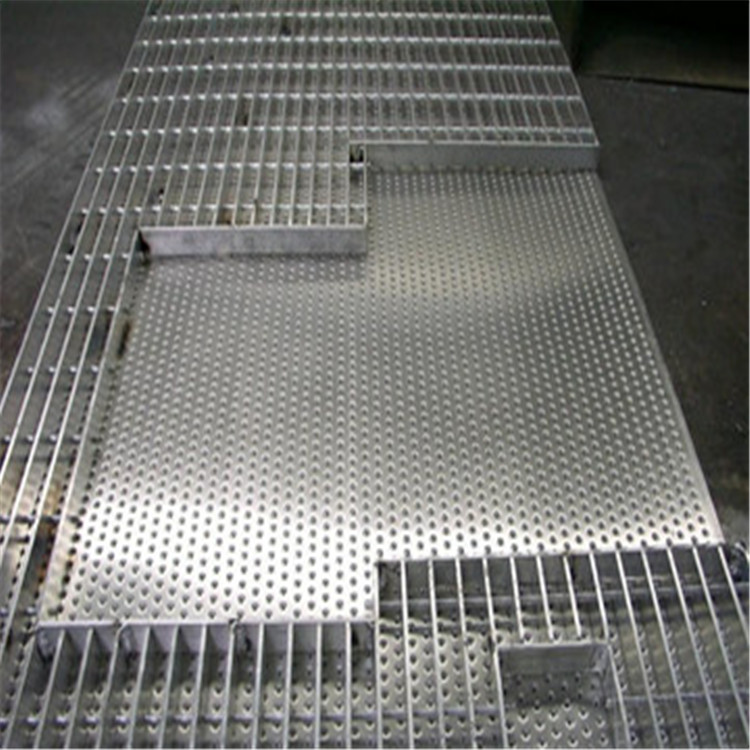
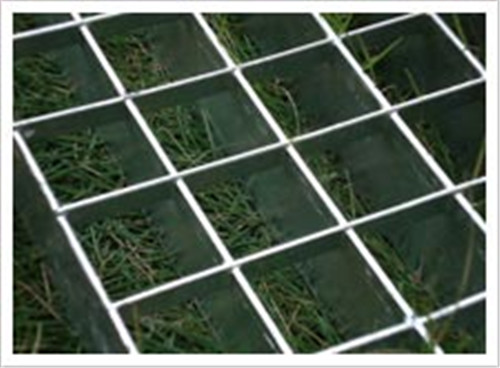
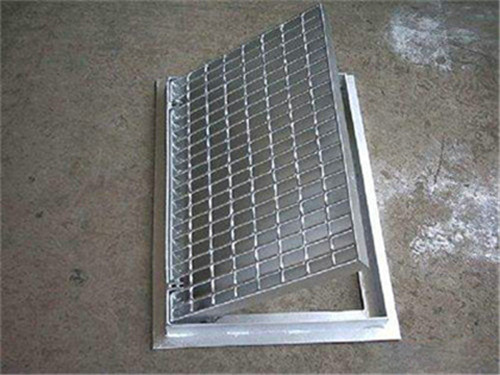
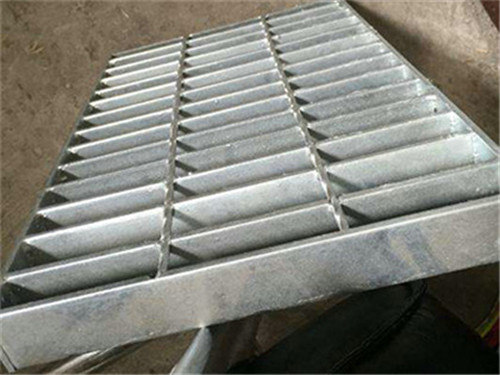
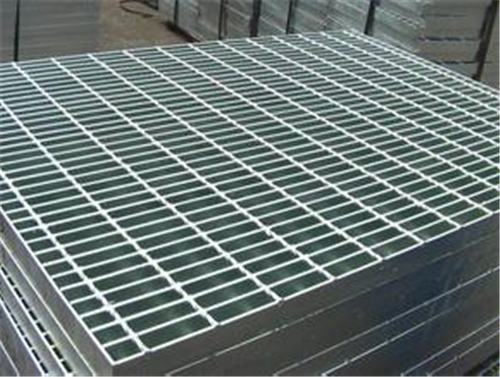
Hot-dip galvanized steel grating is a type of steel grating that undergoes anti-rust treatment after production. It comes in two types: hot-dip galvanized and electro-galvanized.
Galvanized steel grating panels are categorized by manufacturing process into pressure-welded hot-dipped galvanized and pressure-locked hot-dipped galvanized steel gratings.
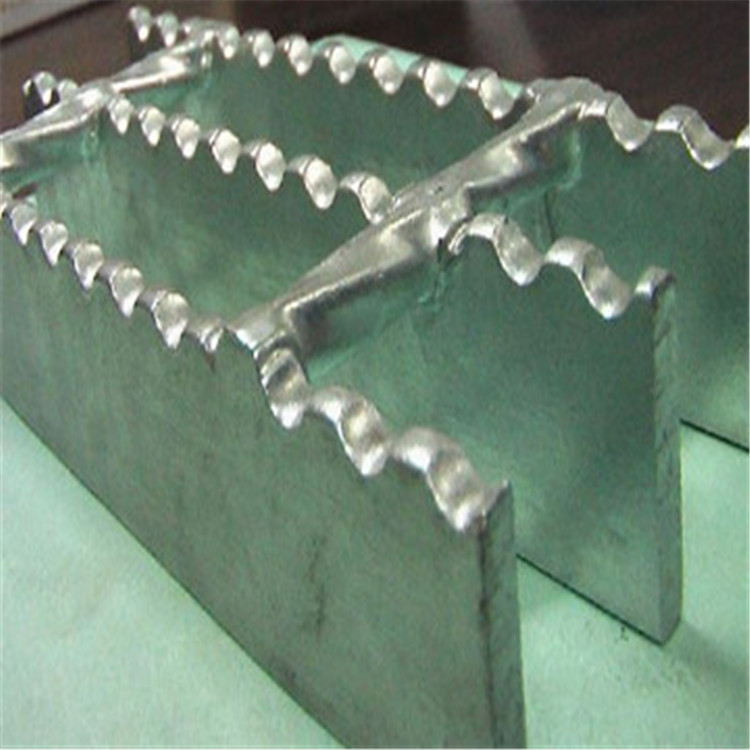
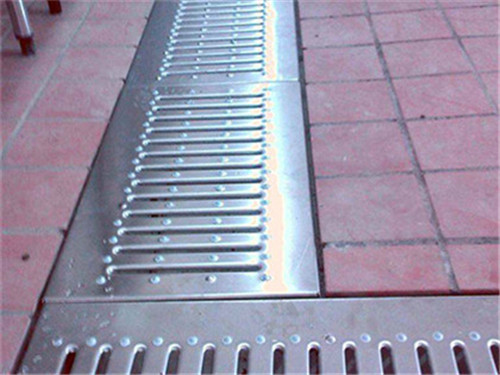
Hot-dip galvanized flat steel gratings are categorized by the surface shape into toothed, flat, I-shaped, and composite types.
Galvanized marking is designated by letter "G" and can be omitted in the steel grating code. The standard for hot-dip galvanizing is: GB/T 13912-2008
Product Features:
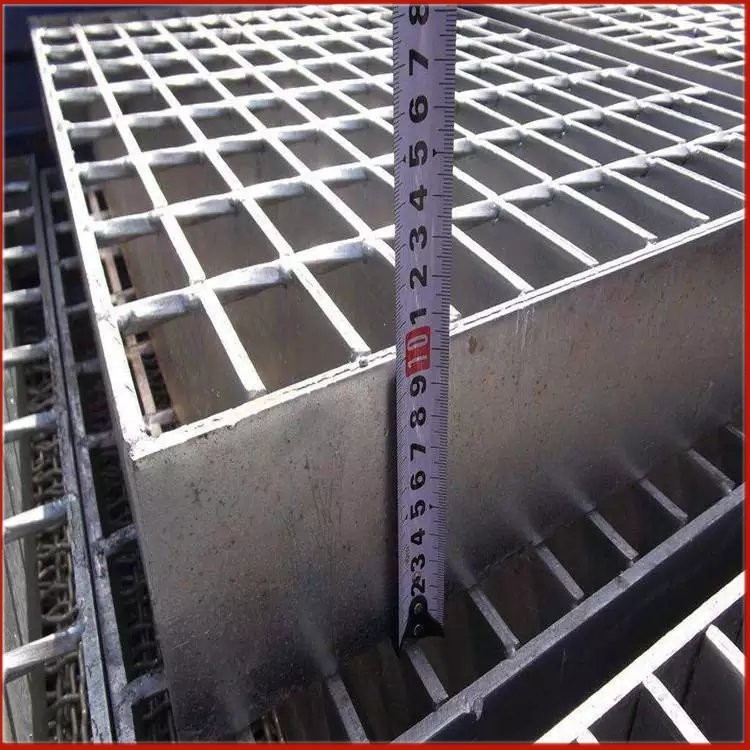
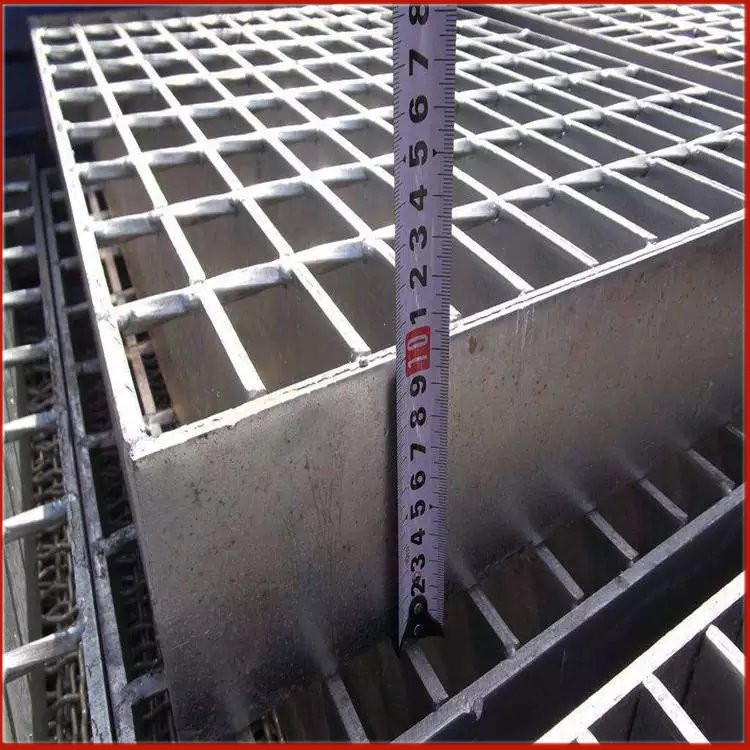
1. Hot-dip galvanized grating (bar spacing of 30mm) - Grating with a bar spacing of 30mm is a widely used variety in the industrial field. Within the series of commonly used hot-dip galvanized grating, it boasts strong resistance to surface impact. Hot-dip galvanized grating,焊接 with flat bars ranging from 65mm to 200mm wide and 5mm to 20mm thick, is suitable for large cargo yards, docks, coal mines, roads, bridges, and can bear the passage of heavy trucks.
2. Hot-Dipped Galvanized Grating (40mm Spacing) The hot-dipped galvanized steel grating with a 40mm spacing is an **economic and lightweight** option. It is **ideal** for applications with smaller spans. Suitable for various uses, especially for walkways, observation platforms, etc.
3. Hot-Dip Galvanized (60mm Steel Bar Spacing) - Steel bars spaced 60mm apart and crossbars at 50mm, this hot-dip galvanized material is suitable for mining industries, solving the problem of mineral splashing on the surface. Commonly used in processing factories in the mining industry.
Product Applications:
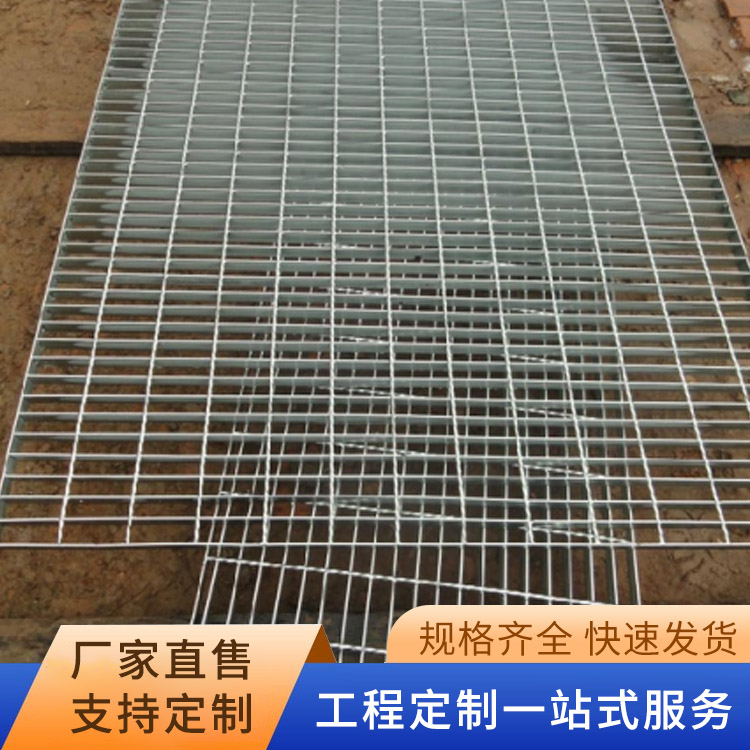
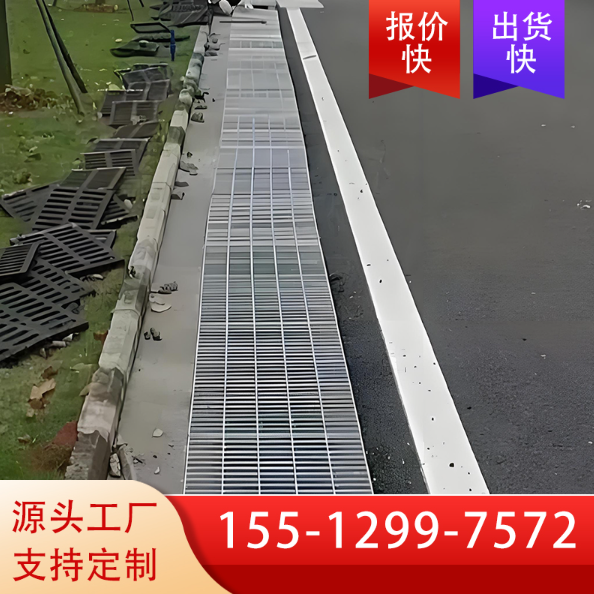
Aesthetically pleasing and durable: Hot-dip galvanized surface treatment provides excellent corrosion resistance and a glossy, attractive finish; good ventilation, lighting, heat dissipation, and anti-slip properties to prevent accumulation of dirt. Widely used in platforms, walkways, gangways, manhole covers, grates, ladders, fences, and railings in industries such as petrochemicals, power plants, waterworks, wastewater treatment plants, municipal engineering, and environmental protection projects.