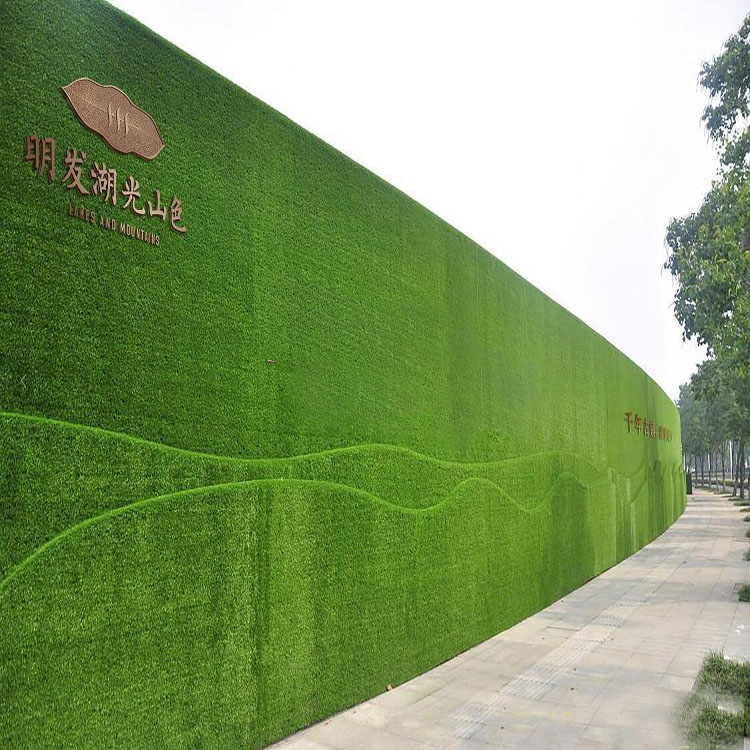

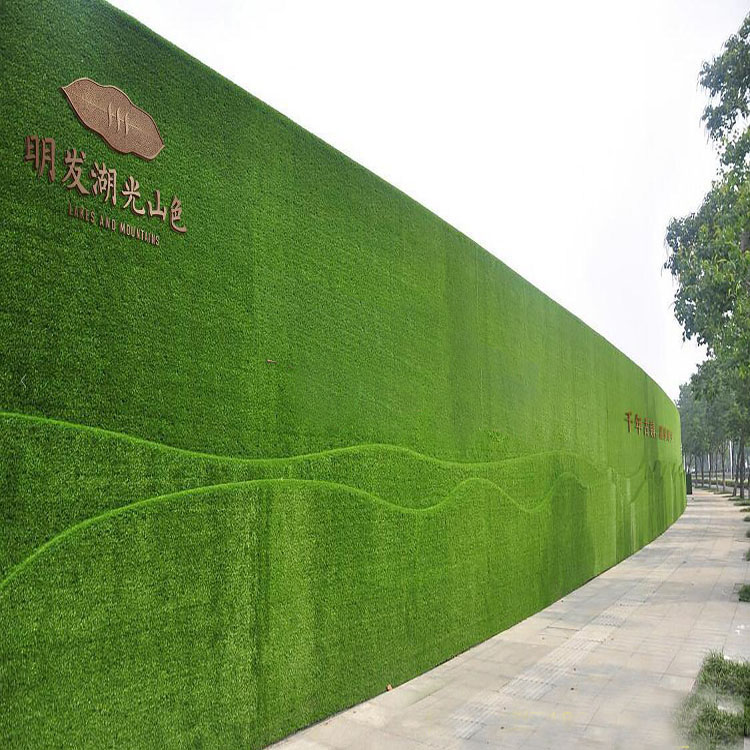










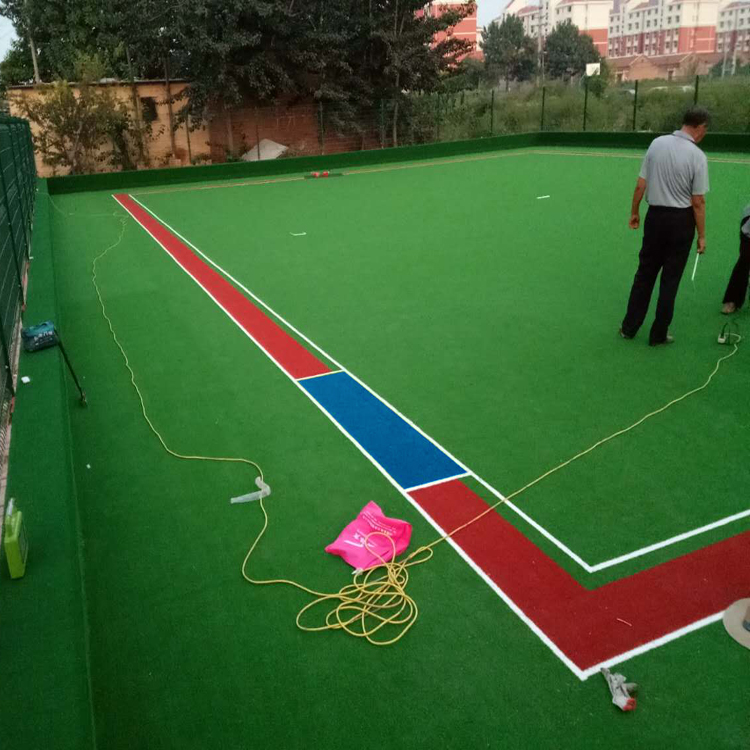
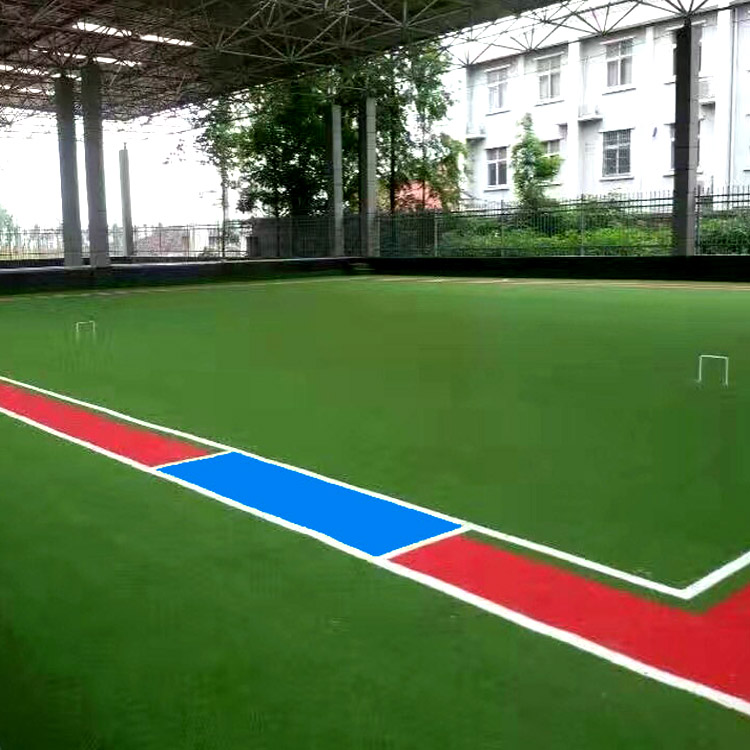
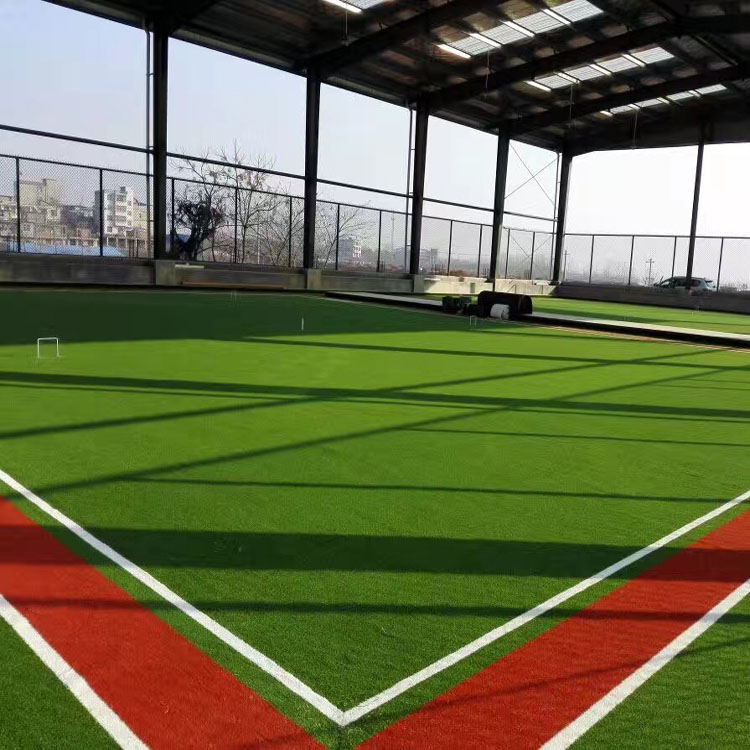
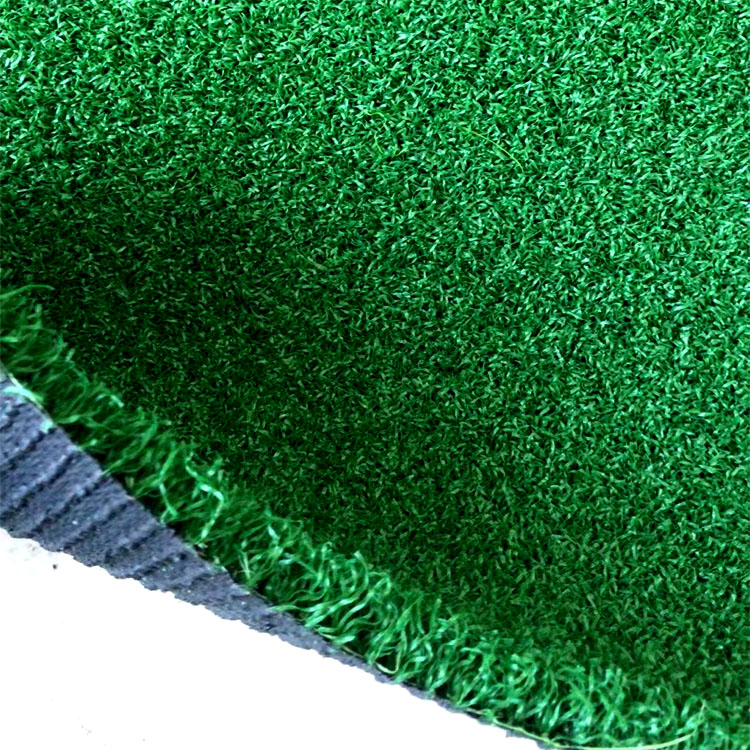
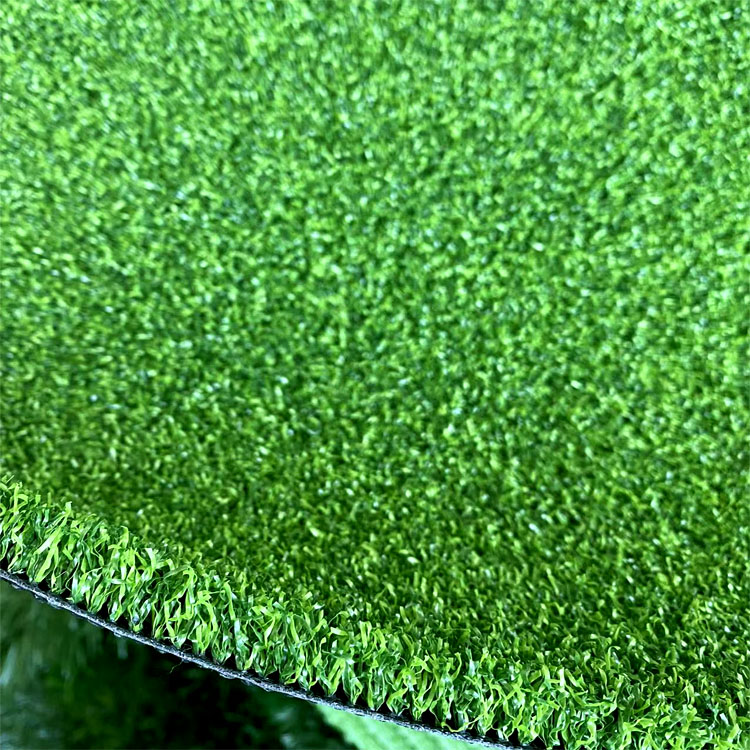
Green barrier with artificial grass refers to a green barrier created by adding artificial grass to brick walls, PVC fences, metal sheet fences, and wire mesh. This barrier is widely favored for its environmental friendliness and aesthetic appeal, allowing people to enjoy a sense of travel just by passing by! It is primarily used for on-site greening and environmental protection against dust and noise, temporary construction greening, large-scale event scenery, real estate development and launch, green barrier landscaping, green storage area fencing, and achieving standards for civil city construction.
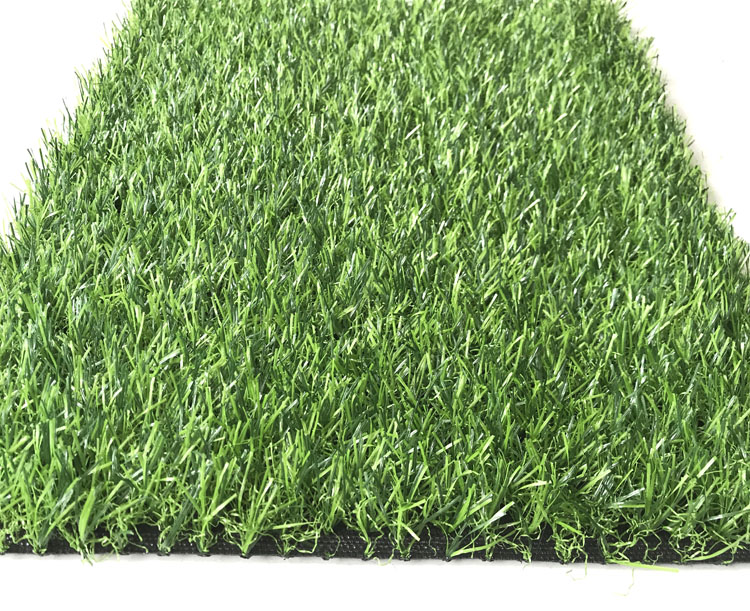
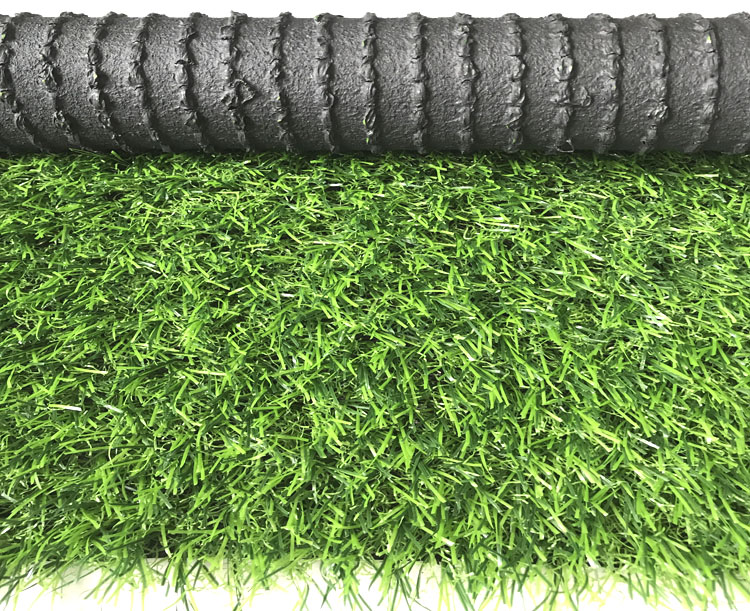
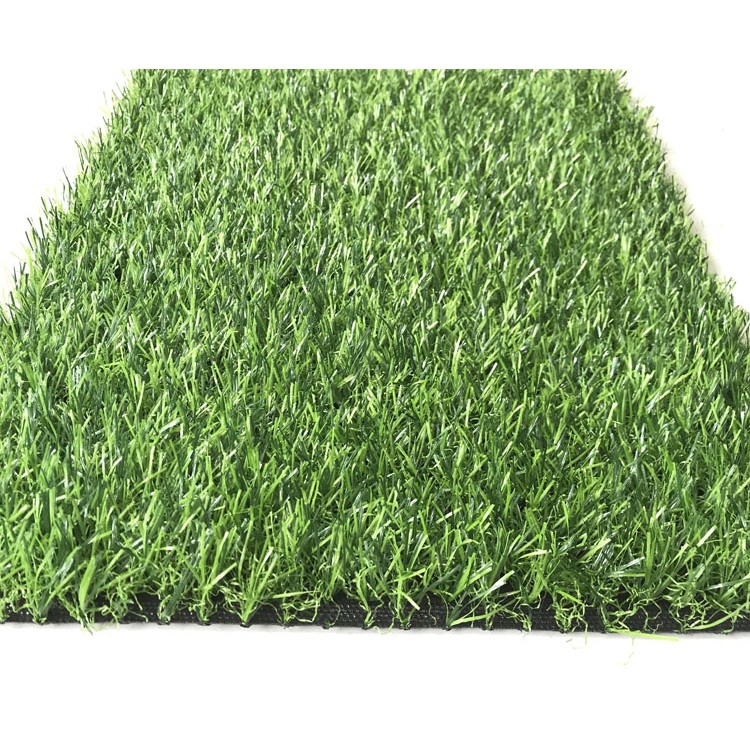
The retaining wall grass is primarily made of polypropylene or polyethylene, the same as the material used in our common cling film. It is environmentally friendly, odorless, and tasteless. Installing green grass on the retaining wall gives it a sense of life, making it feel vibrant and brightening the scene. It is categorized into: woven grass, single-strand grass, and tricolor straight and curved mixed grass, etc.
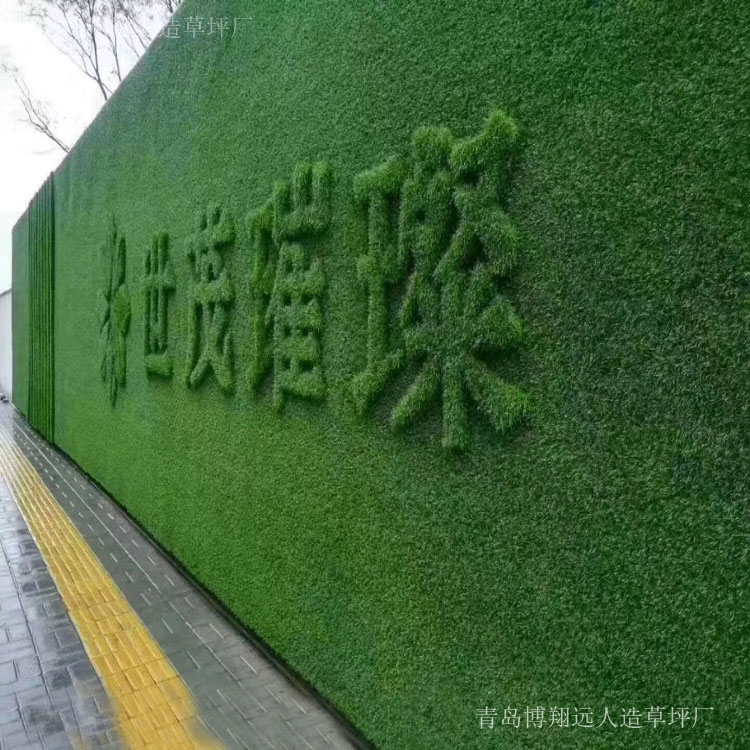
Fence Green Turf Height: 10mm~20mm. Artificial Turf Density: 40,000~60,000 needles. Qingdao Baoxiangyuan Artificial Turf Factory is a manufacturer of fence green turf, offering a variety of types and full ranges at low prices. It is eco-friendly, can be shaped into various designs, enhances corporate image, beautifies urban landscapes, and is cost-effective, easy to install, and requires no maintenance. It is commonly used in construction sites, road sides, sales offices, schools, billboards, highways, and any place requiring greening. Rational greening of walls preserves the original function of the fence while also beautifying the urban environment and improving the city's ecology. By greening the fence with turf, it introduces a touch of nature into the bustling city, bringing a new urban expression to the area.

In the construction of perimeter fences for various applications, the installation of the fence walls, i.e., the wall mounting, poses a challenge in artificial grass projects. Due to the considerable weight of each roll of artificial grass, it's difficult to securely attach it to a smooth wall with glue, thus placing a significant demand on the construction crew in practice.
Step 1: Preparation - Prior to construction, clean any debris from the walls and ensure the surface is dry, leaving no moisture. Maintain a flat and even wall surface to avoid uneven areas. Before starting, keep the environmental temperature above 5 degrees Celsius, and lay out the lawn 20 hours prior to commence work to prevent wrinkles.
Step Two: Secure the joists. The key to constructing a temporary fence around a lawn lies in the secure placement of the joists, making their fixation a crucial aspect. First, manually secure the joists to the wall, then mark the spots where nails should be driven. Subsequently, use the appropriate tools to firmly attach the joists to the wall at the marked locations.
Three Steps: Attach Artificial Turf, when constructing a barrier for artificial turf, it is often necessary to cut the turf to the appropriate size. This applies to the construction of the barrier as well. The artificial turf should be cut according to the wall's dimensions to prevent affecting its appearance. Use nails to secure the cut turf to the framing, then apply glue to the edges of the turf for bonding. Note that bonding should be done in one continuous stroke without any deviation.
Four Steps: Turf Stabilization - The stabilization process for artificial turf installation is essentially a test of its strength. Generally, after the artificial turf installation is complete, the stabilization can be achieved within three days. However, a second inspection is required on the 10th day. During the stabilization period, it is crucial to avoid any movement of the artificial turf or external forces to ensure optimal results.
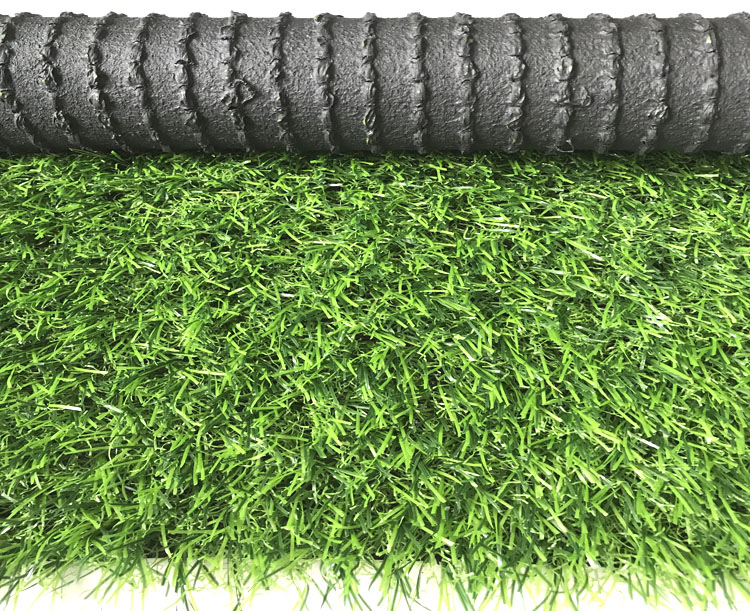
Although the construction requirements for artificial turf are high, demanding a high level of construction expertise, once the artificial turf installation is completed, the perimeter fencing of the lawn isAesthetic enhancements to the environment can make a dazzling impression, an effect that is hard to achieve naturally. Moreover, the lifespan of the perimeter grass is over a decade, so...Its value remains quite high.