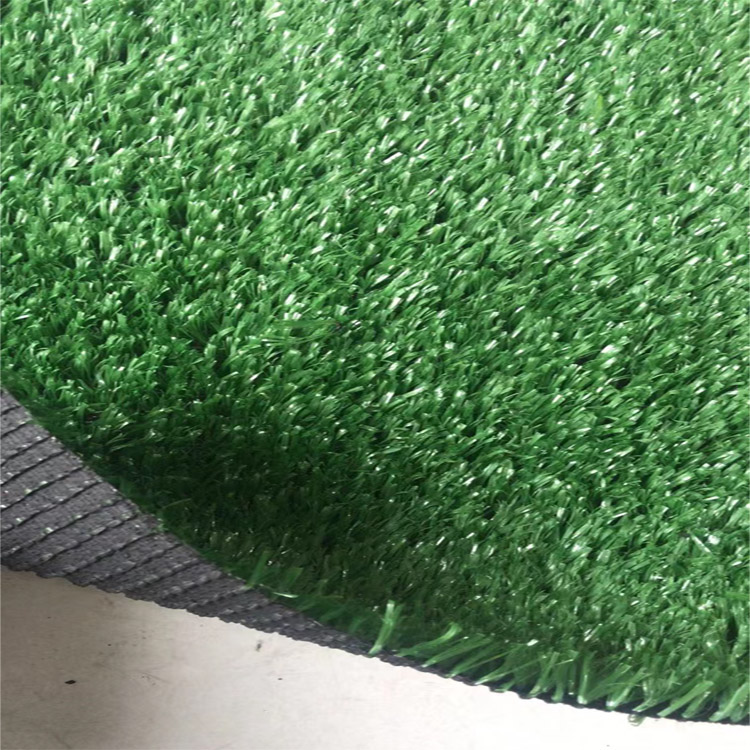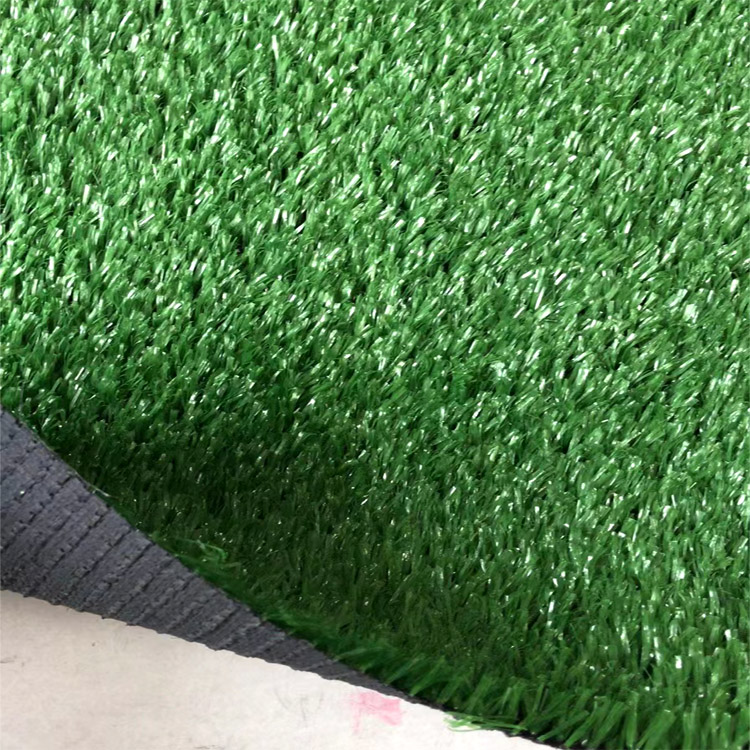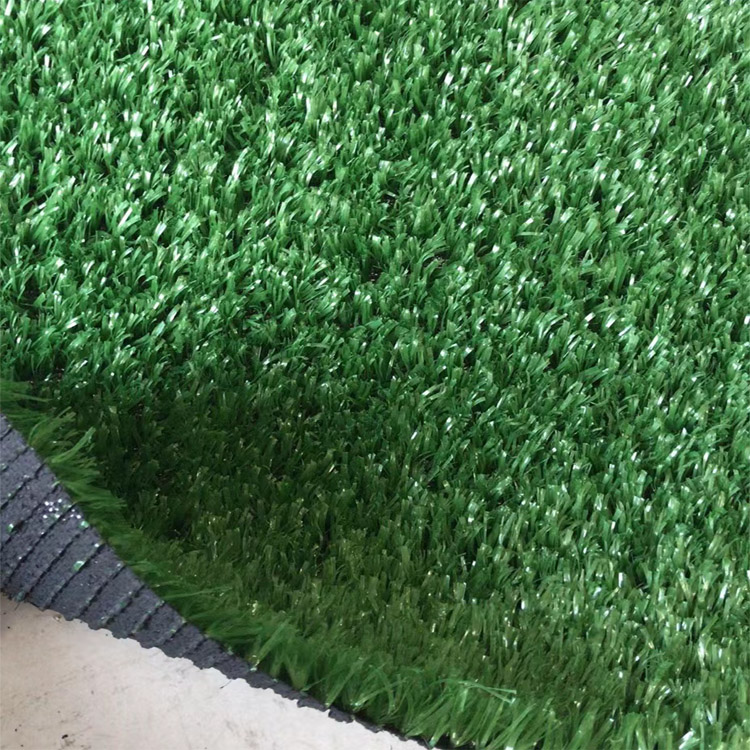


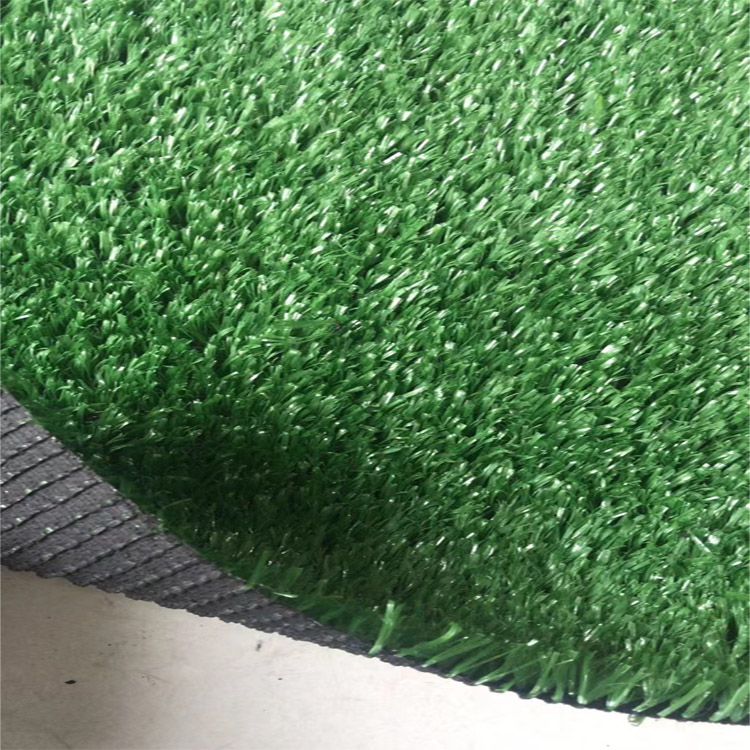
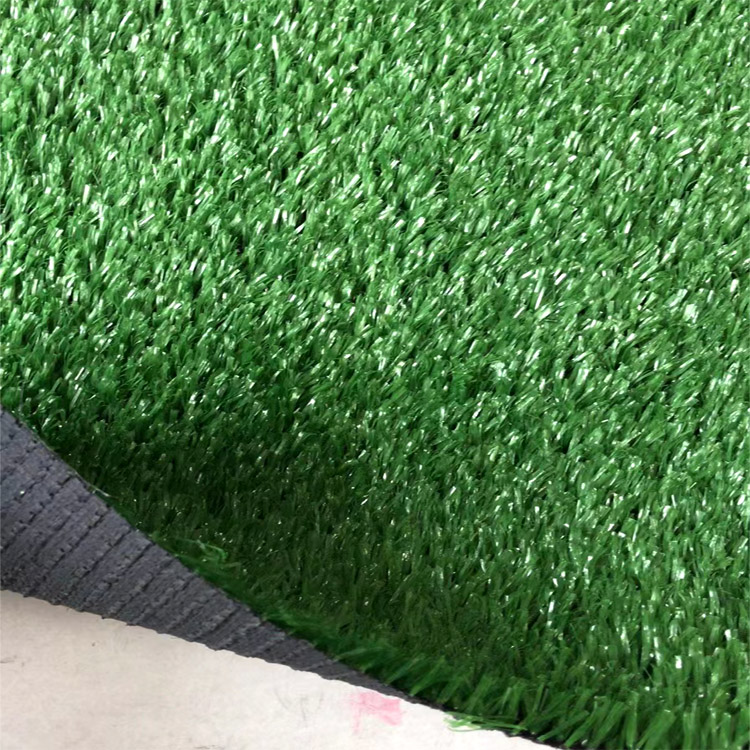











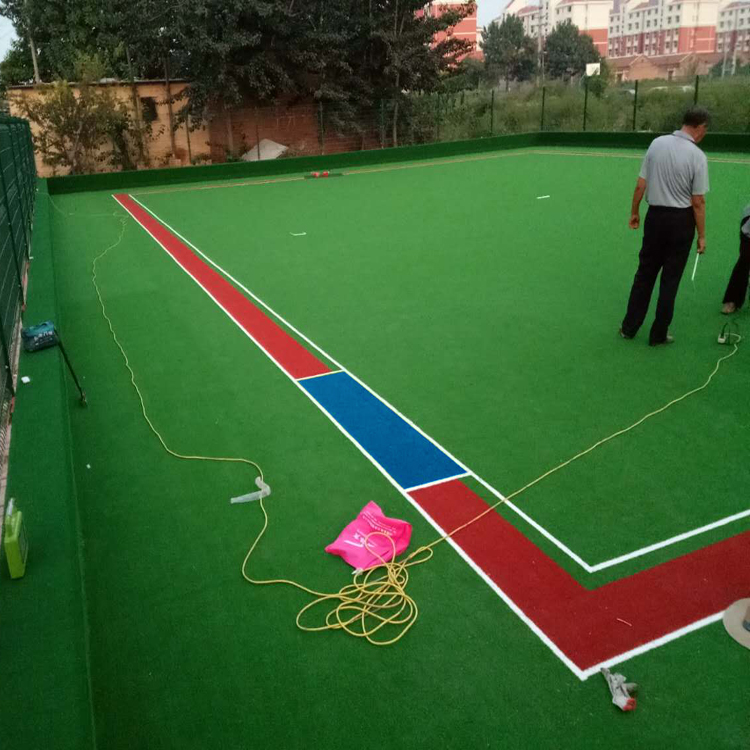
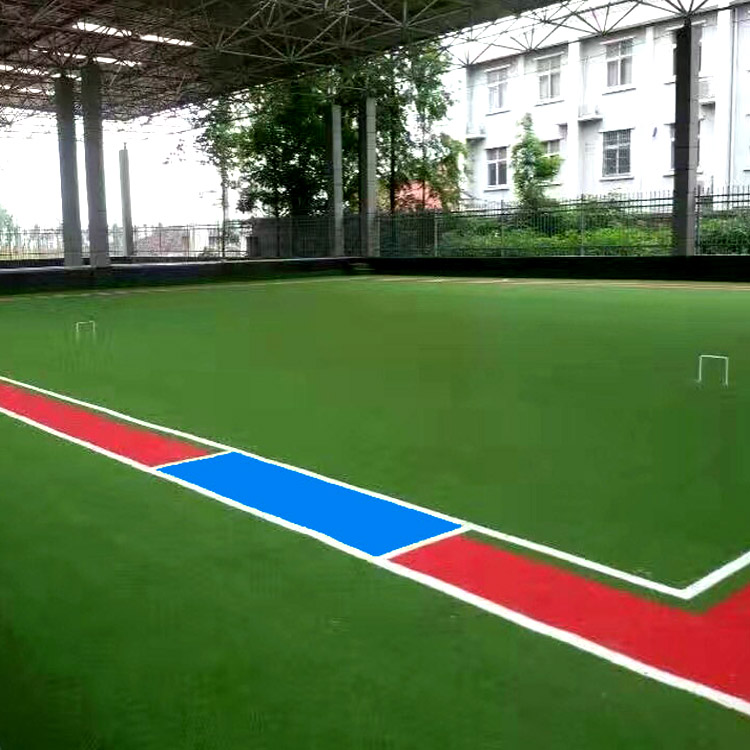
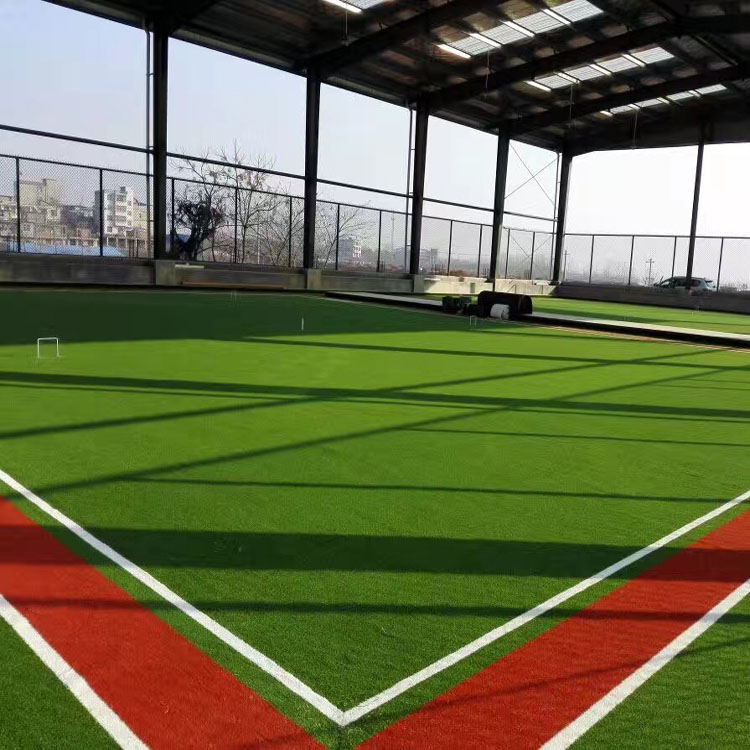
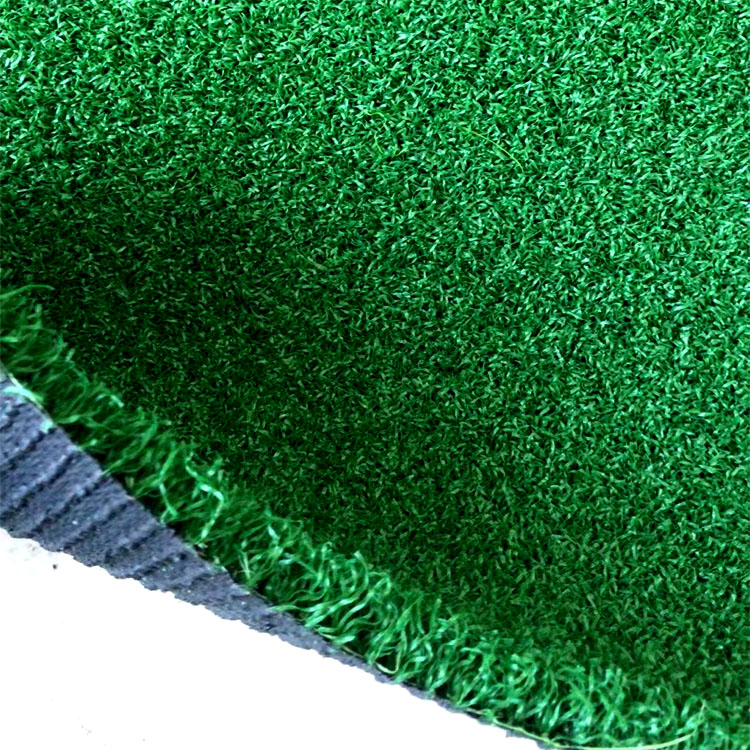
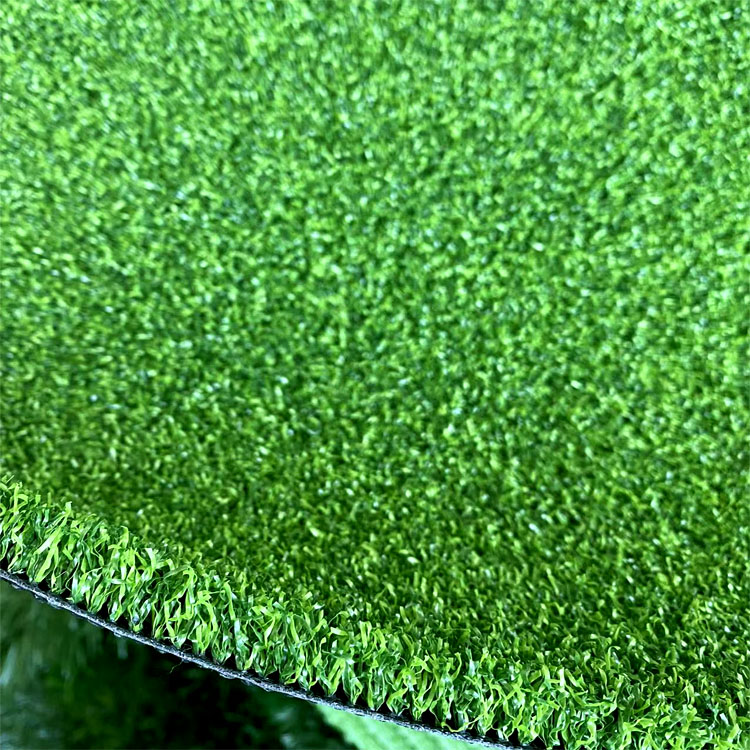
Model: BXC1530hoardingSynthetic Turf
Height: 15mm
Line spacing: 3/16 inch
Material: PP
Density: 63,000 clusters/sq. ft.
Adhesive Backing: Styrene-Butadiene Rubber
Base fabric: Grid base fabric
Width: 2-4 meters
Transportation: Logistics Distribution
Color: Olive Drab or Forest Green
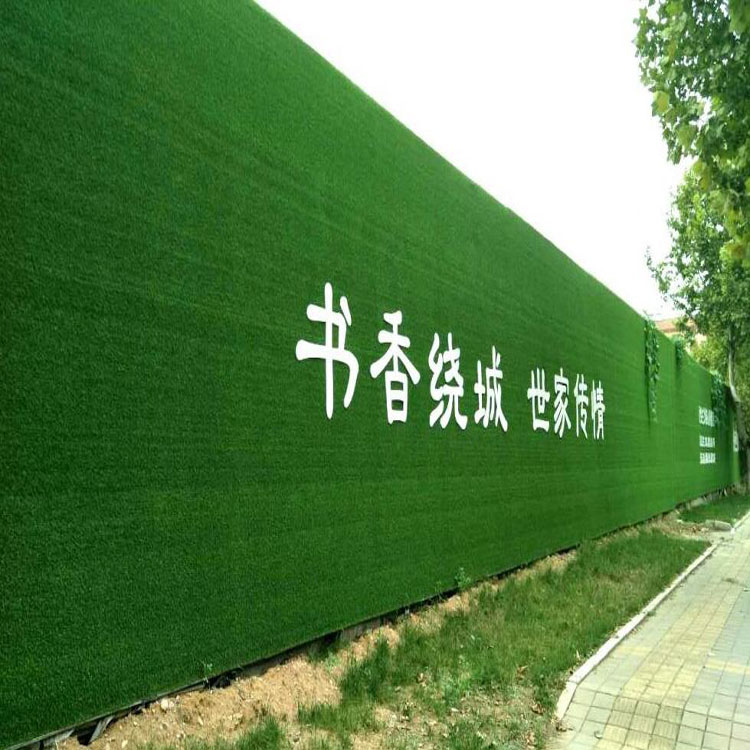
Artificial turf hoarding billboards are commonly used at construction sites. This vibrant green wall not only occupies less space and saves materials and costs, but also has a significant effect on greening and beautifying the cityscape, noise reduction and dust prevention, air purification, and temperature regulation, making it very popular. They are mainly used for safety isolation, turning the construction site into a relatively enclosed space by isolating it from the external environment, and preventing unauthorized personnel from entering the site. The main structure is usually made of steel structures and metal covers welded together, or constructed with various masonry materials. Artificial grass hoarding billboards make full use of the space and location on the original hoarding structure, hanging advertising banners at larger locations to serve both promotional and landscaping purposes. Hoarding billboards are also outdoor advertising, and require approval from relevant authorities before publication.
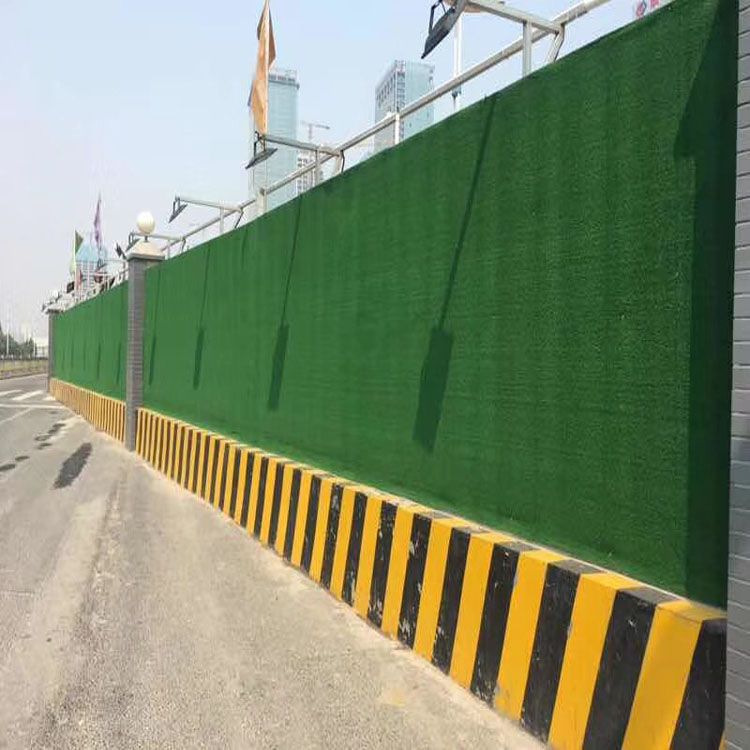
In the construction of artificial turf for various applications, the installation of the perimeter, specifically the wall-mounted structures, poses a challenge. Due to the significant weight of each roll of artificial turf, it's difficult to secure it to a smooth wall with glue, thus placing considerable demands on the construction crew in practice.
Step 1: Preparation
Before starting construction, clean any foreign objects from the walls and ensure the surface is dry, leaving no moisture. Maintain the wall's flatness to avoid uneven surfaces. Prior to construction, keep the environmental temperature above 5 degrees Celsius and lay out the lawn 20 hours before beginning work to prevent wrinkles.
Step 2: Secure the studs
The key to artificial turf installation lies in the secure attachment of the frame, making the frame's attachment a crucial aspect of the enclosure construction. First, manually secure the frame to the wall, then mark the spots where nails should be driven. Subsequently, use the appropriate tools to firmly attach the frame to the wall at the marked locations.
Step 3: Bond Turf
When installing artificial turf, it is often necessary to cut the turf to the appropriate size, and the construction of the fence is no exception. The artificial turf should be cut according to the dimensions of the wall to prevent affecting the appearance. Use nails to secure the cut turf to the frame, then apply glue to the edges of the turf for bonding. At this point, note that the bonding must be done in one direct application without deviation.
Four Steps: Grass Paving固化
The curing process of artificial turf installation is essentially a test of its strength. Generally, after the artificial turf installation is completed, the curing can be achieved within three days. However, a second inspection is required on the tenth day. During the curing period, it is crucial to avoid any movement of the artificial turf or external forces to achieve optimal results.
Although the construction requirements for the temporary fencing around artificial turf are stringent and demand a high level of technical expertise, once the artificial turf is installed, the aesthetic appeal of the fenced-in area enhances the environment significantly, creating a visually striking effect that is hard to achieve naturally. Moreover, the lifespan of the fenced-in artificial turf exceeds a decade, making its value quite substantial.