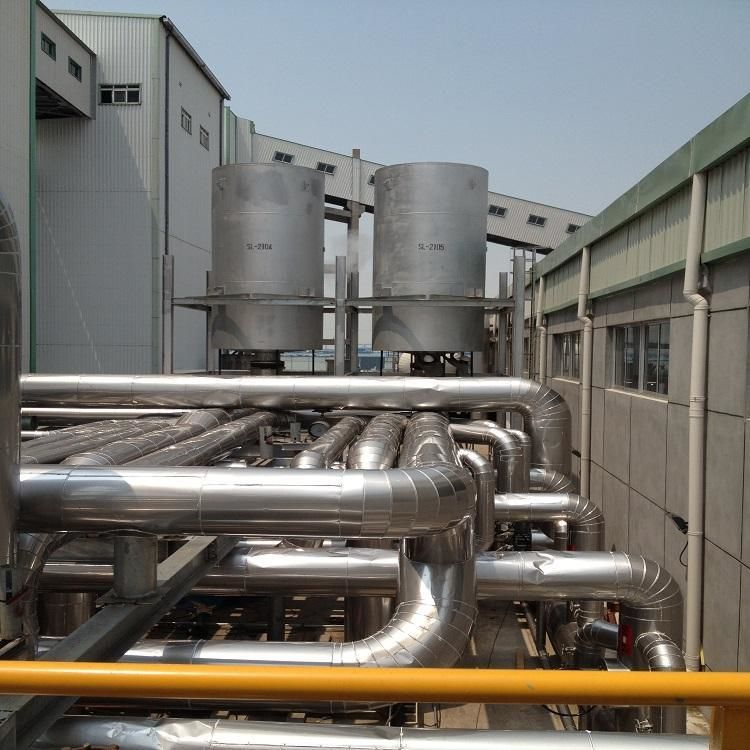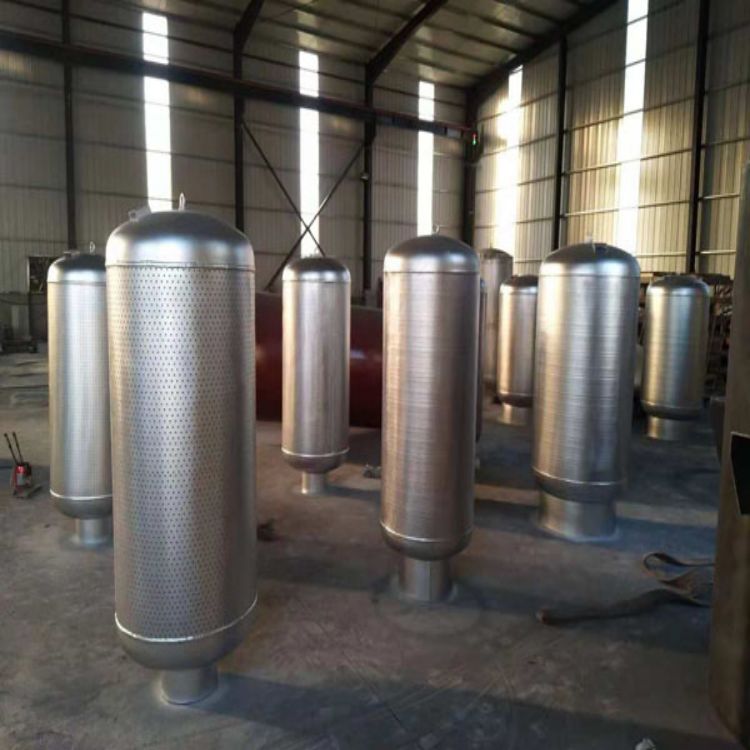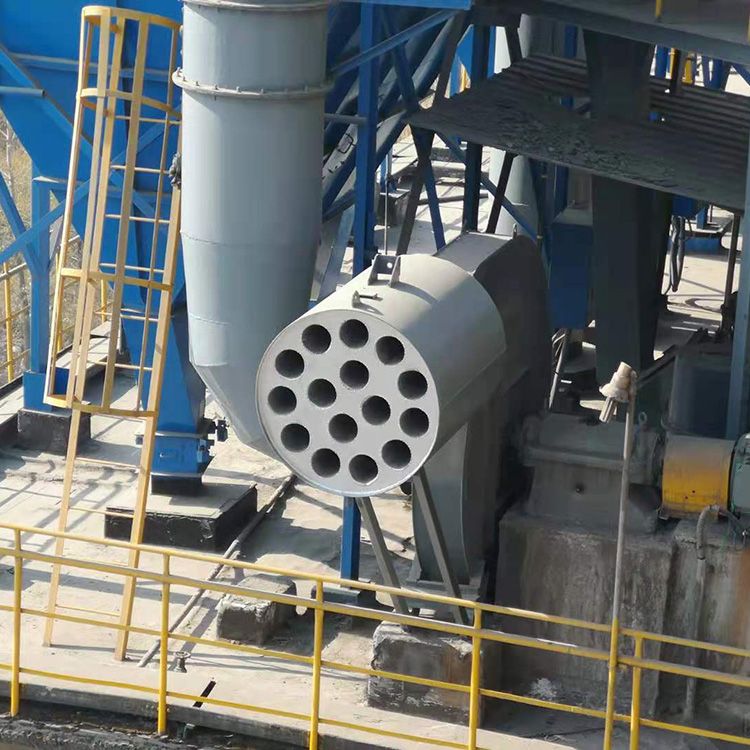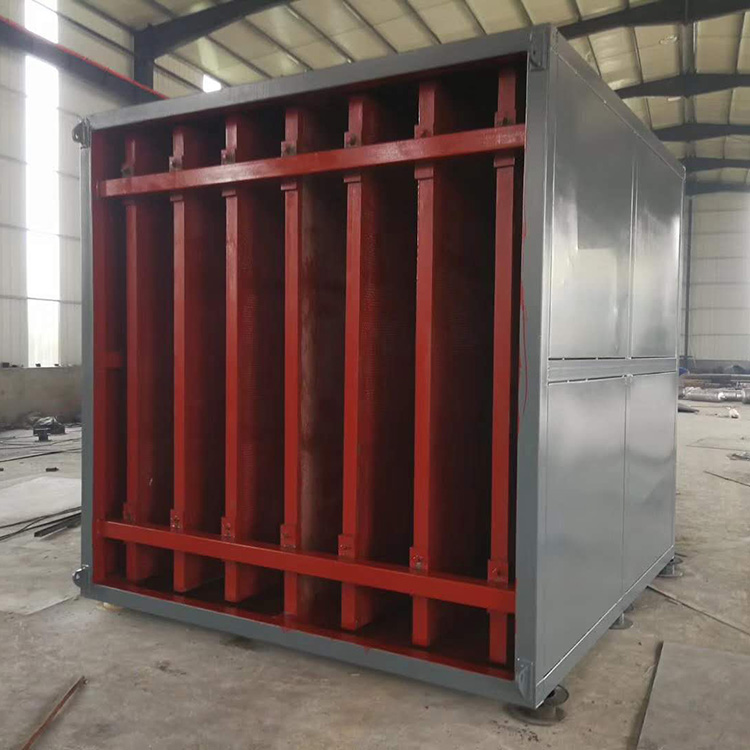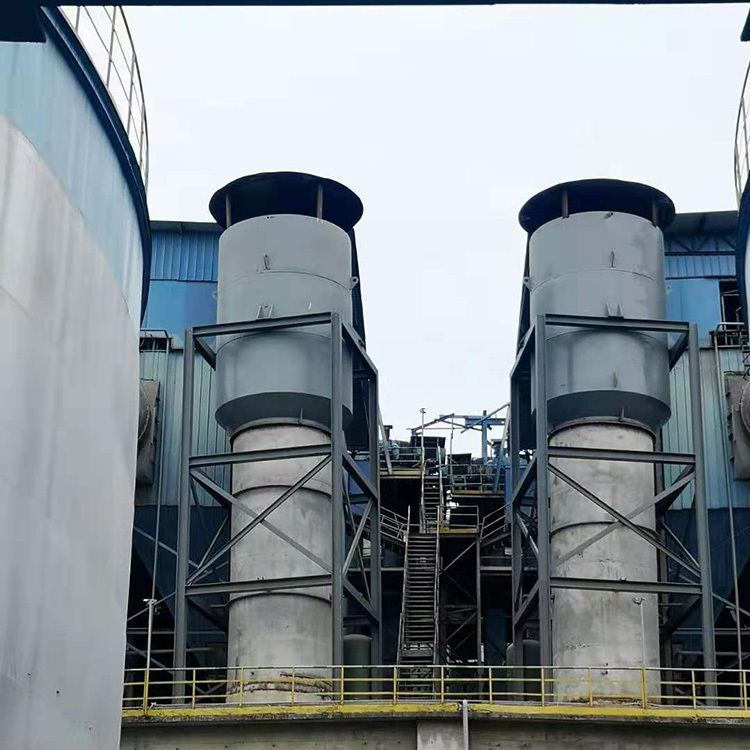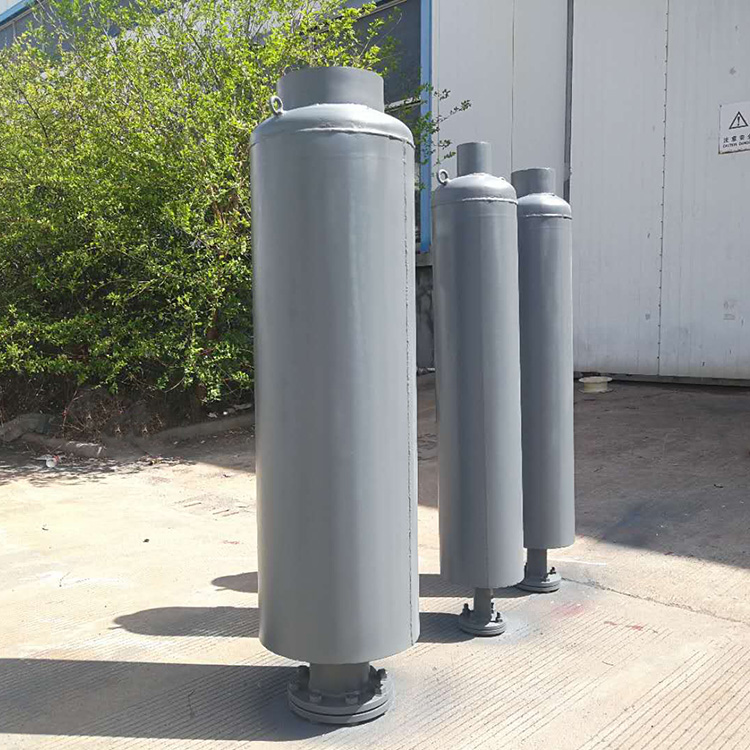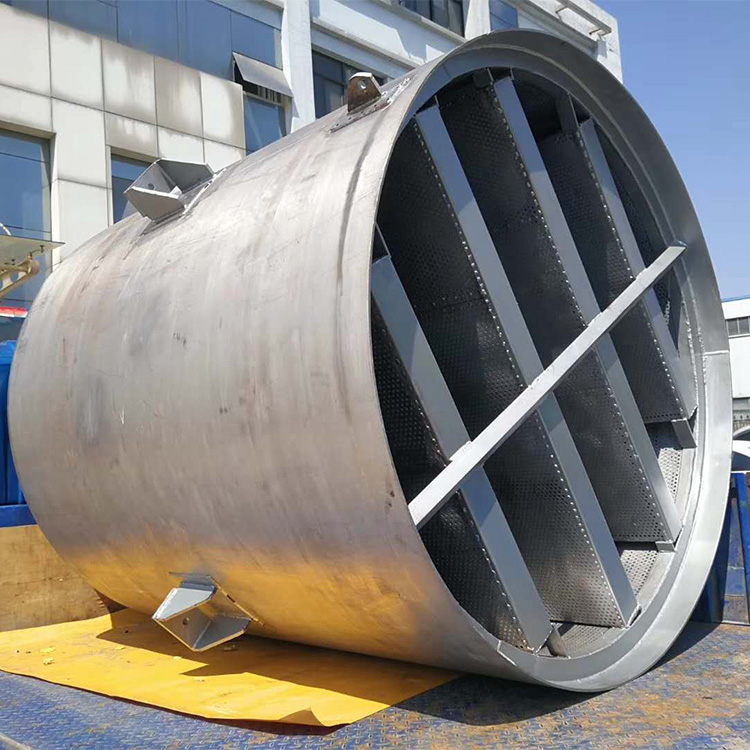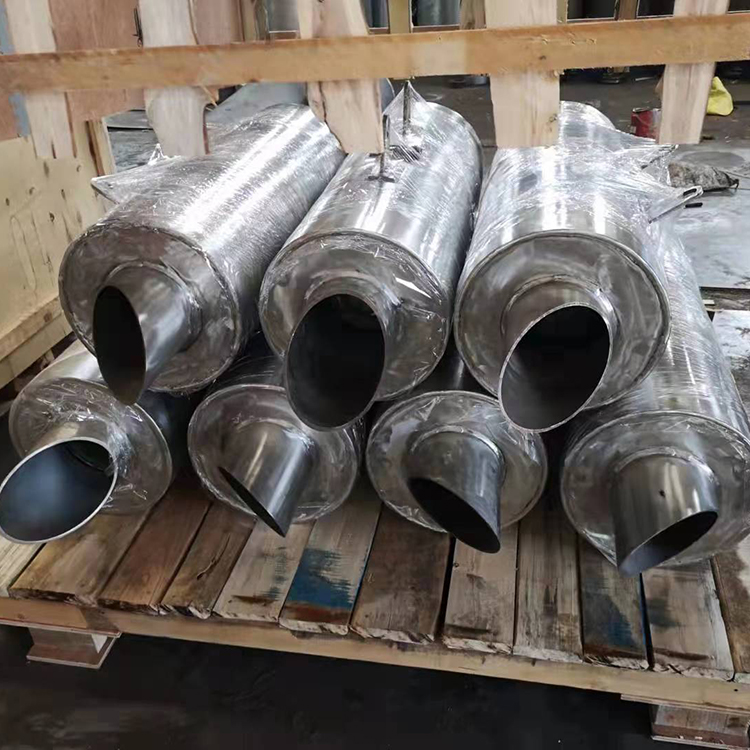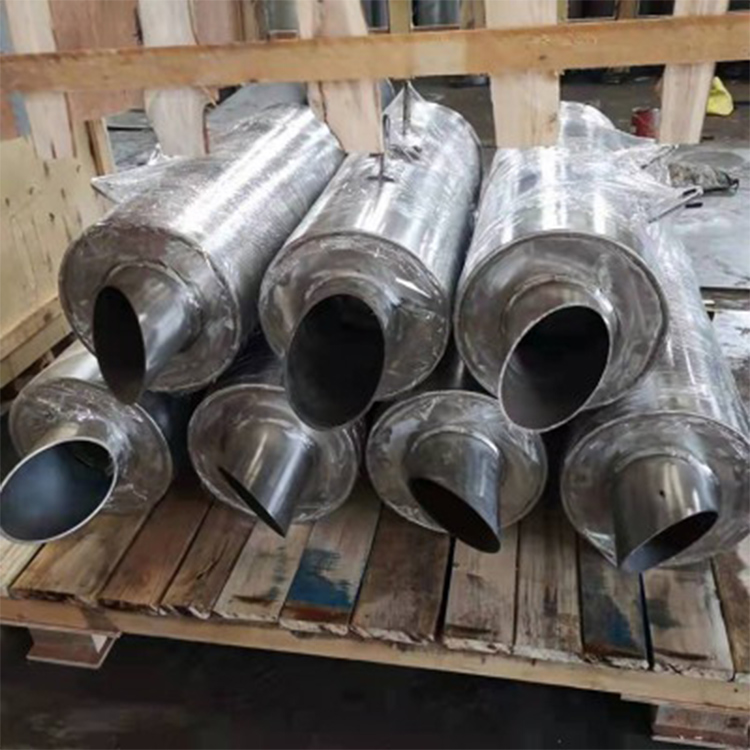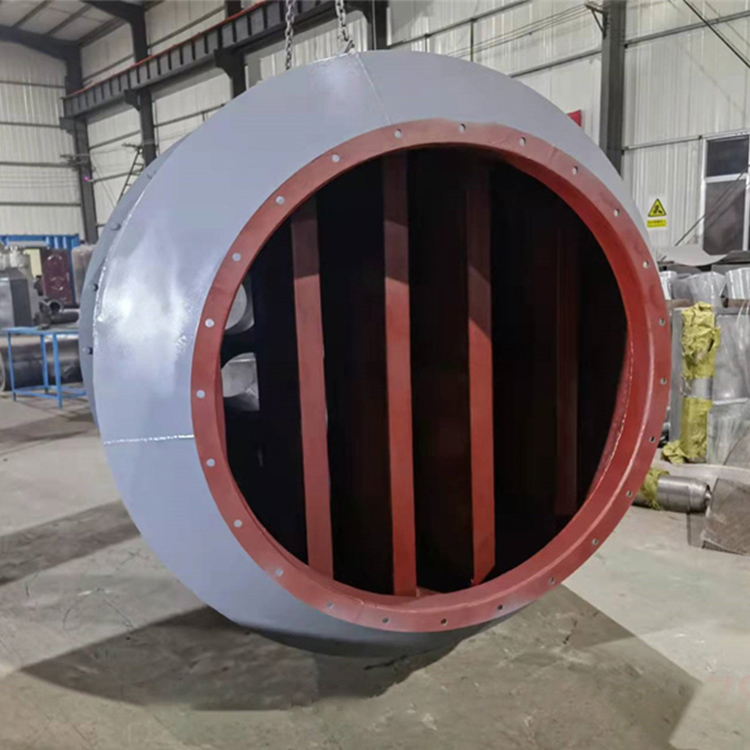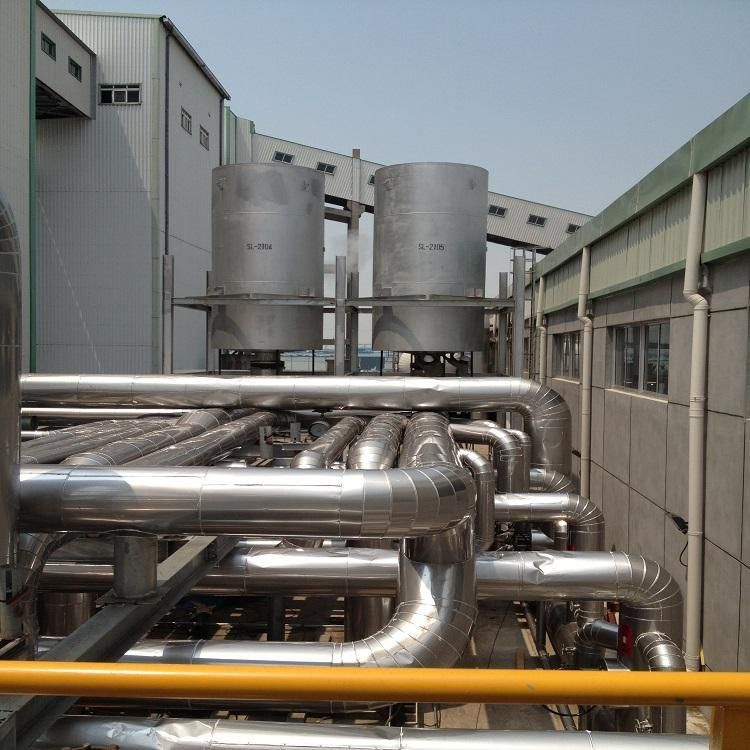

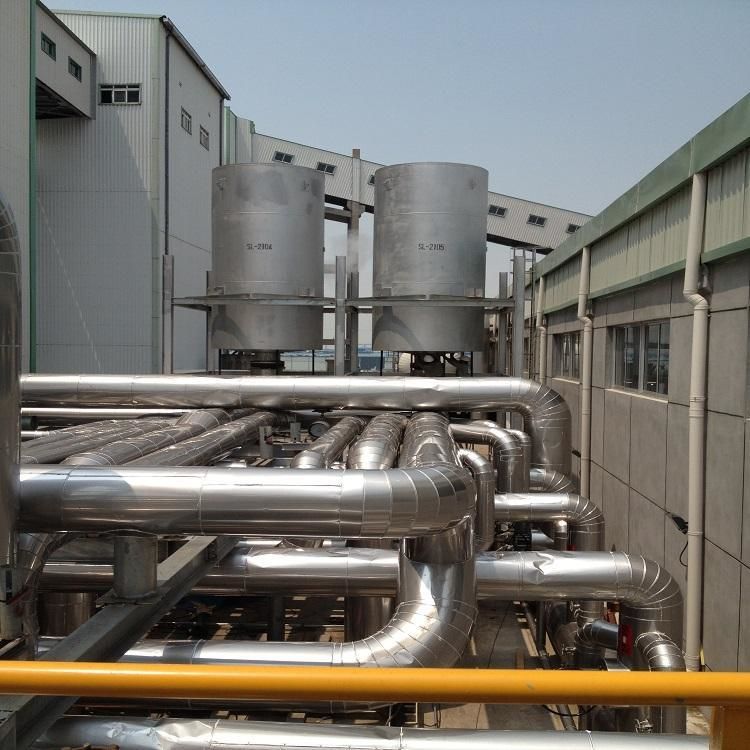



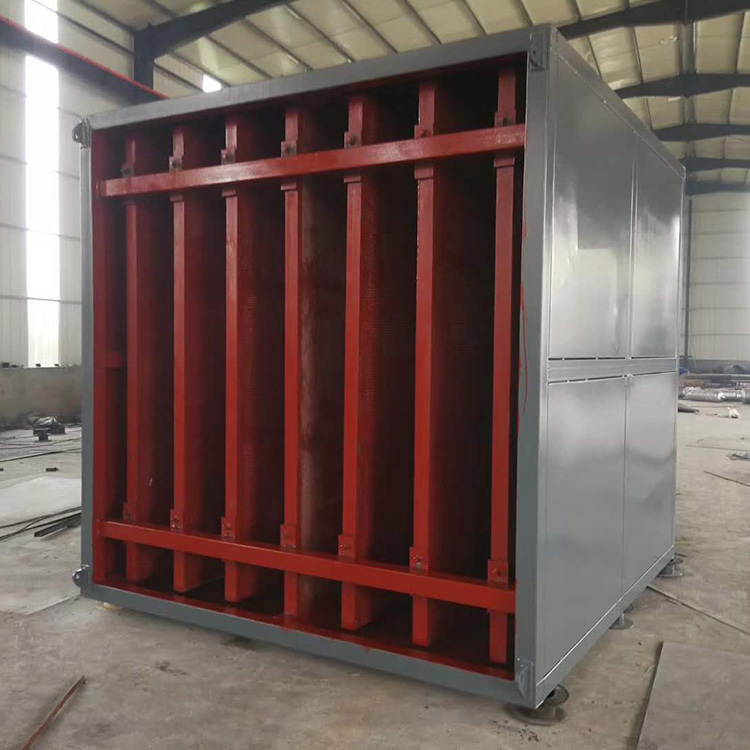






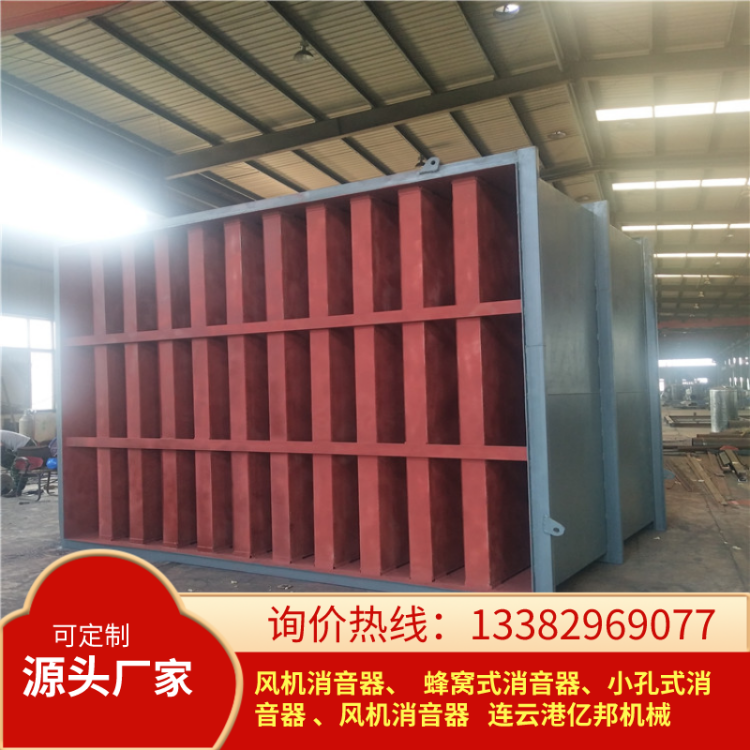
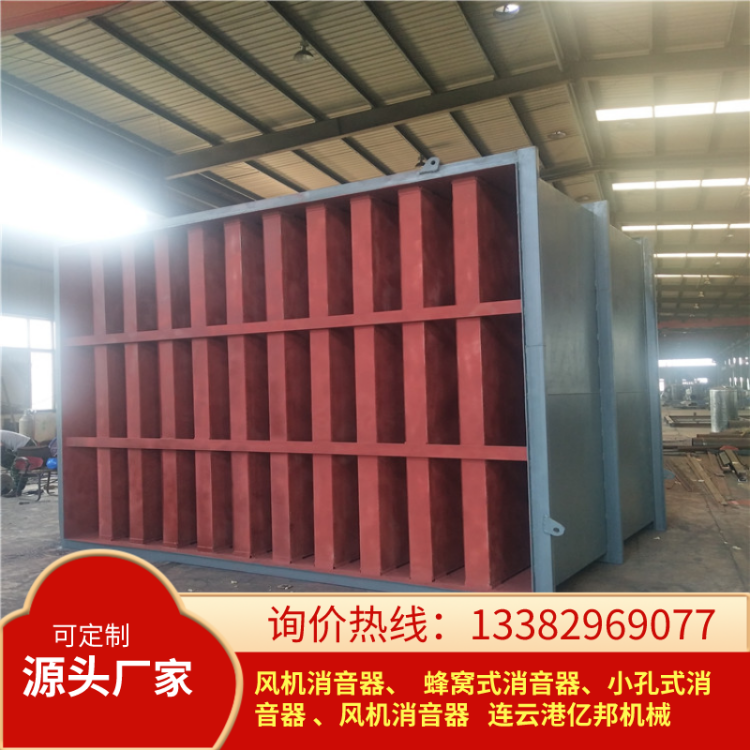
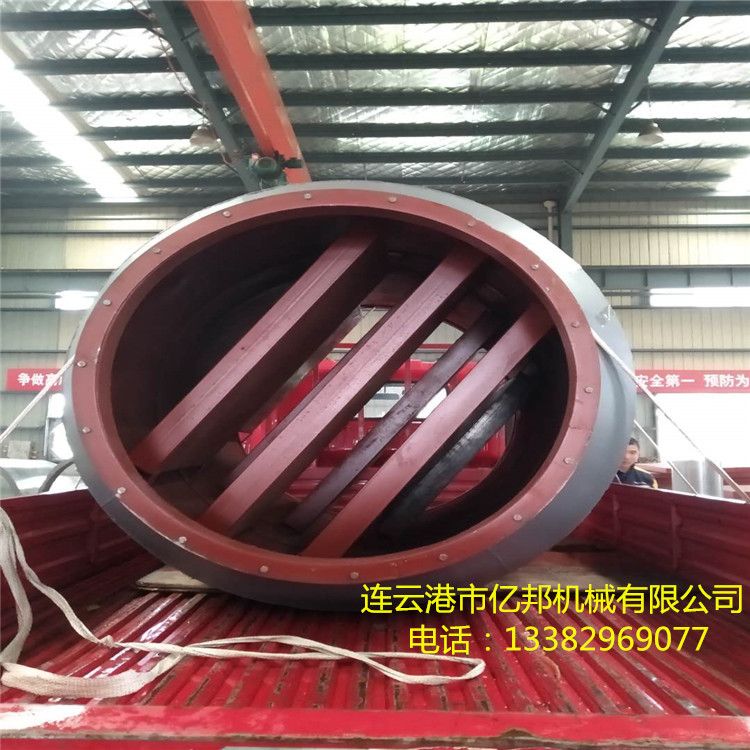
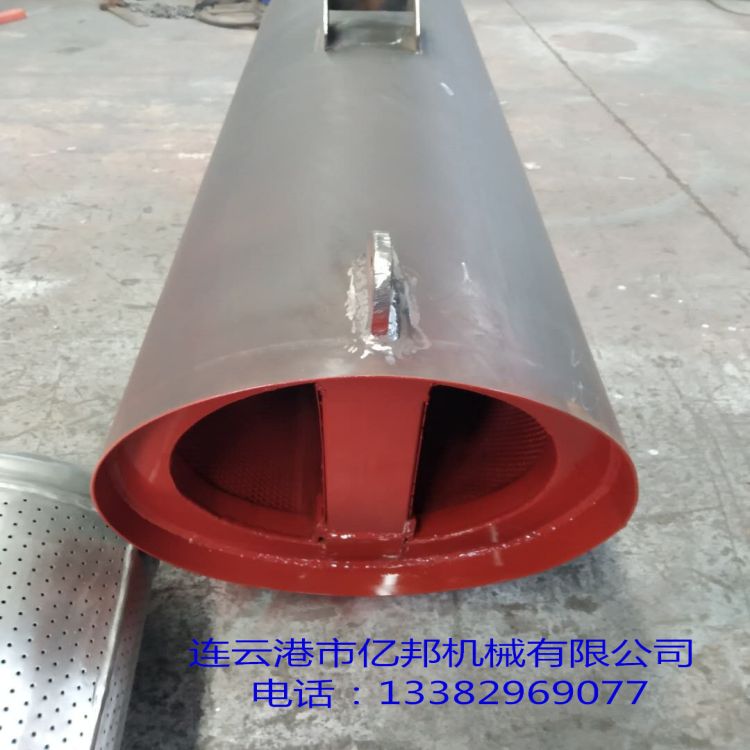
The muffler's noise reduction principle involves the appropriate combination of cavities and tubes to achieve noise reduction through two functions:
Firstly, by utilizing the abrupt change in pipe cross-section (i.e., the change in acoustic impedance), the sound waves propagating along the pipe are reflected back towards the sound source, thereby causing the acoustic energy to be reflected back to its original location.
Secondly, by utilizing reflections across several interfaces, the original forward-traveling sound wave returns to its starting point and then reflects forward again. This point meets with the two other forward-traveling sound waves that have not yet been reflected. The two waves have equal amplitudes and a phase difference of an odd multiple of 180 degrees, resulting in interference and cancellation.