








Wastewater Treatment Equipment Technology
Overview:
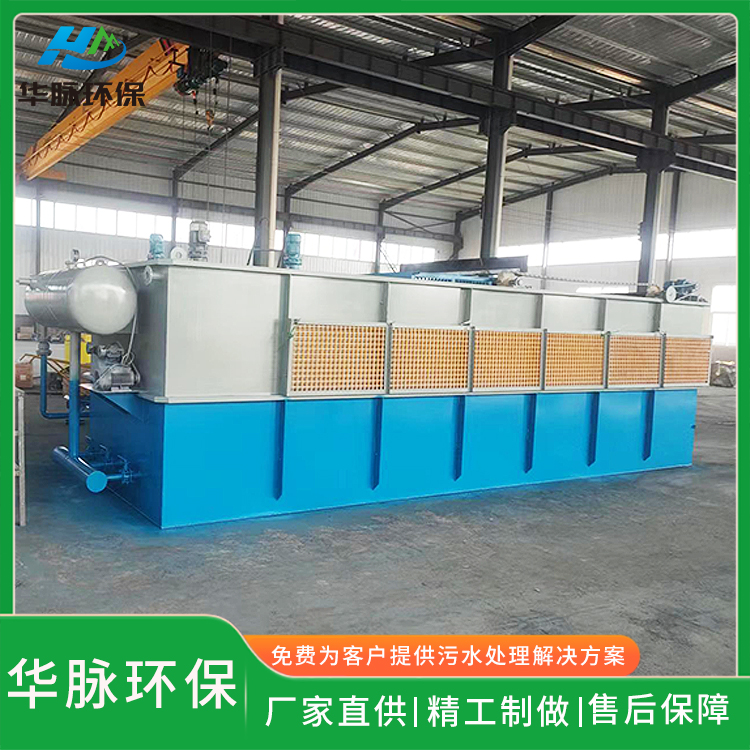
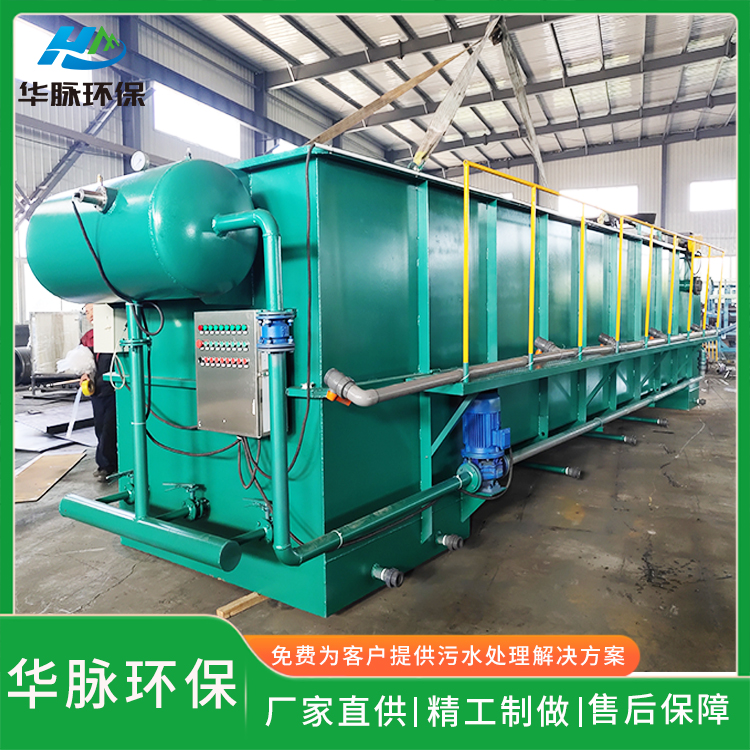
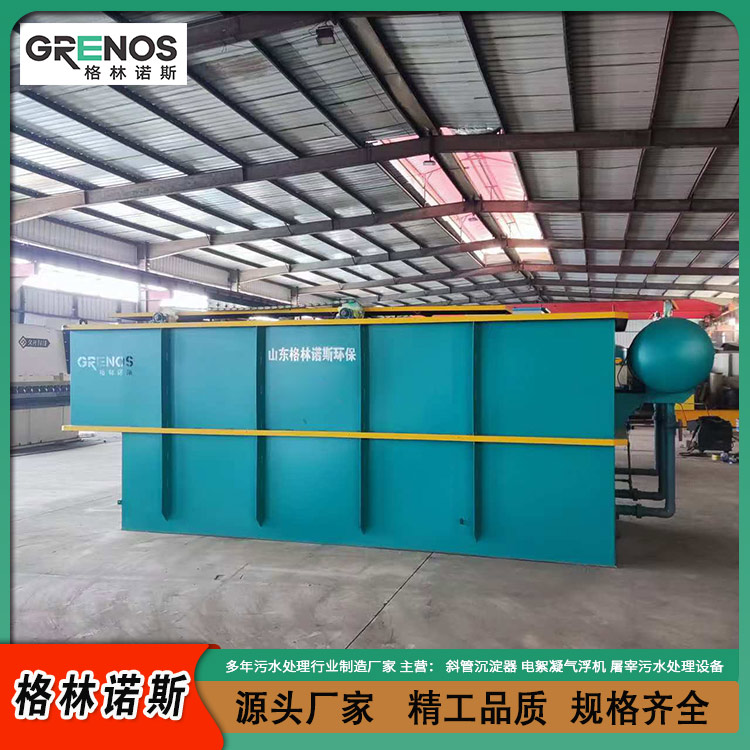
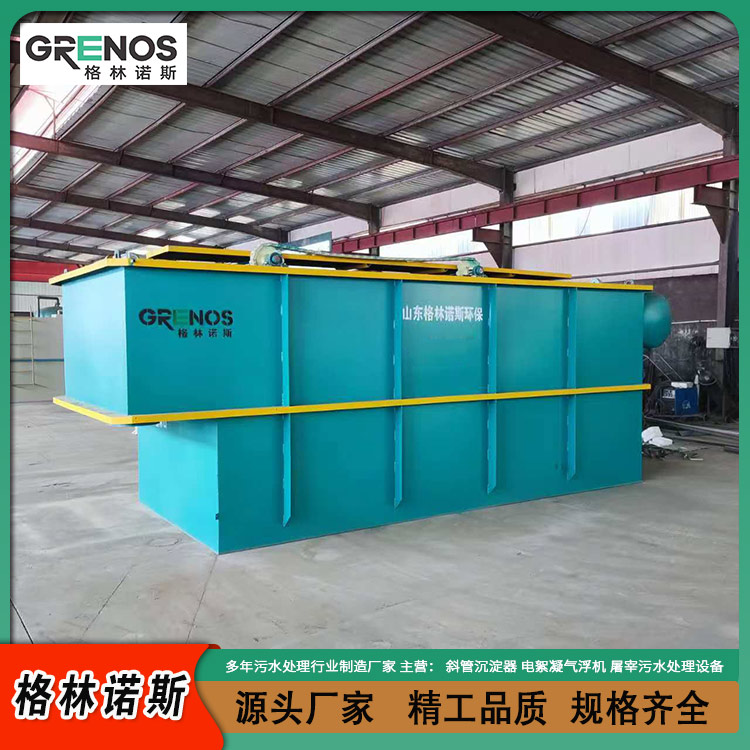
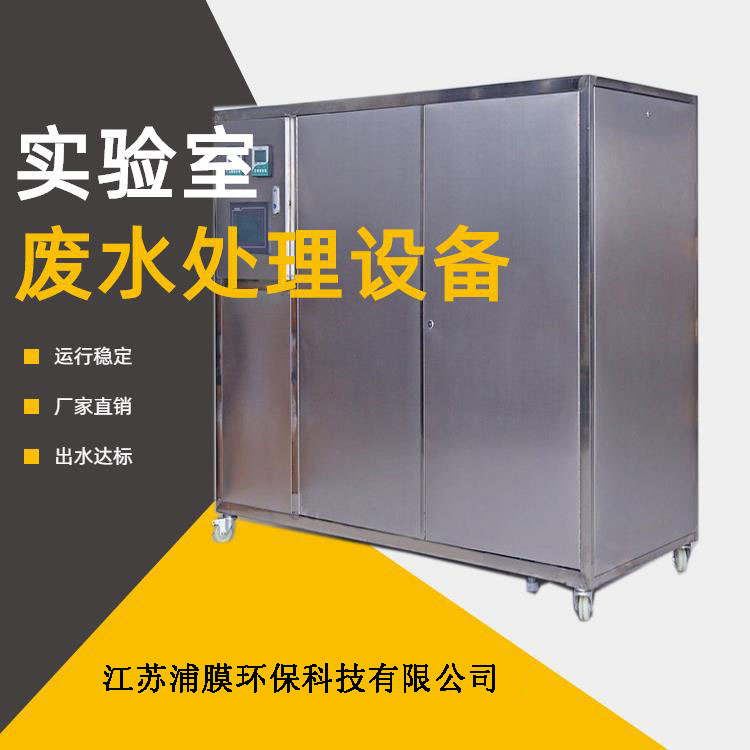
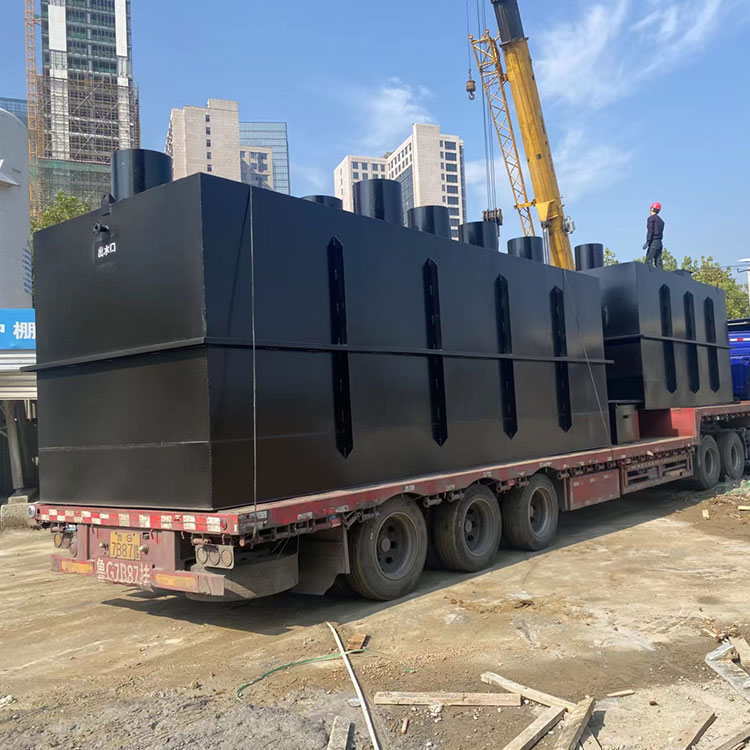
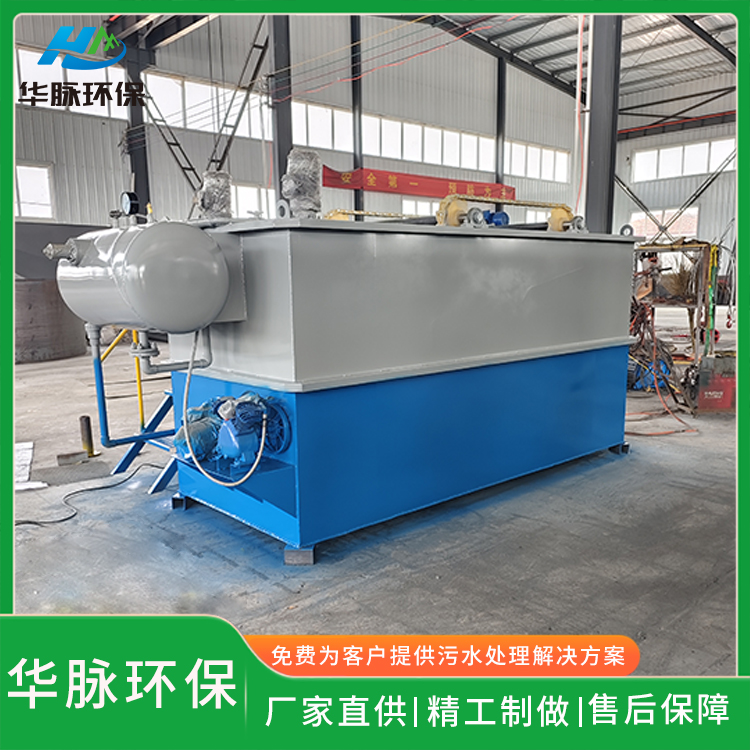
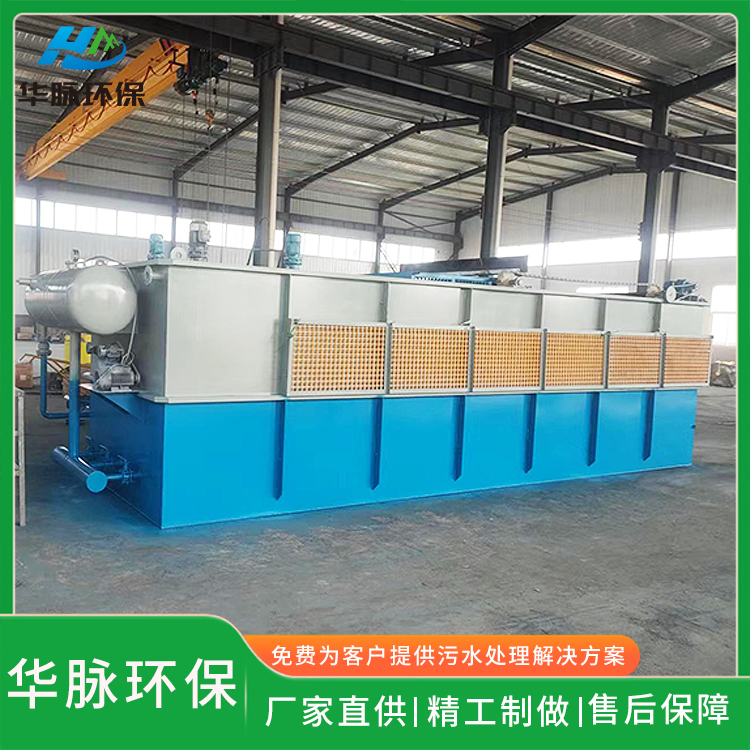
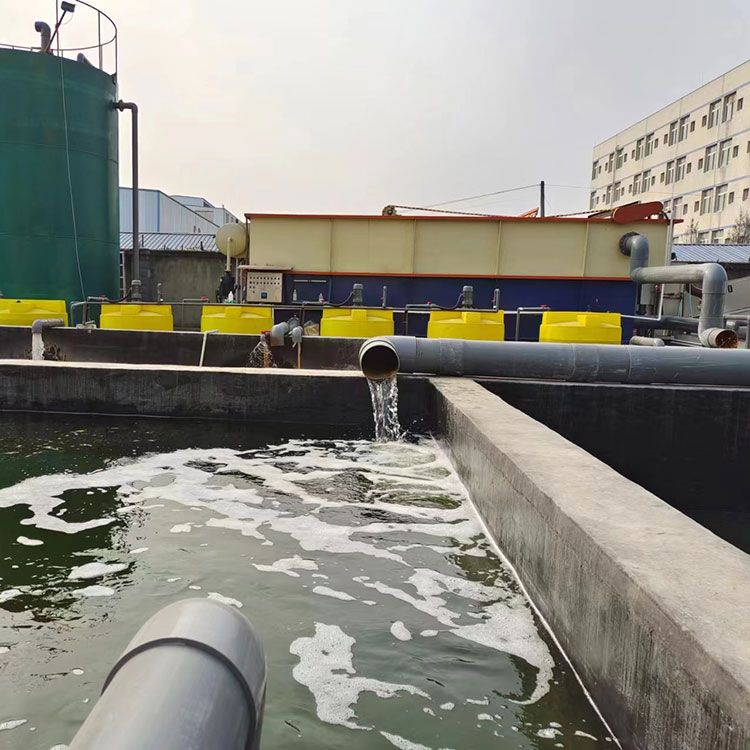
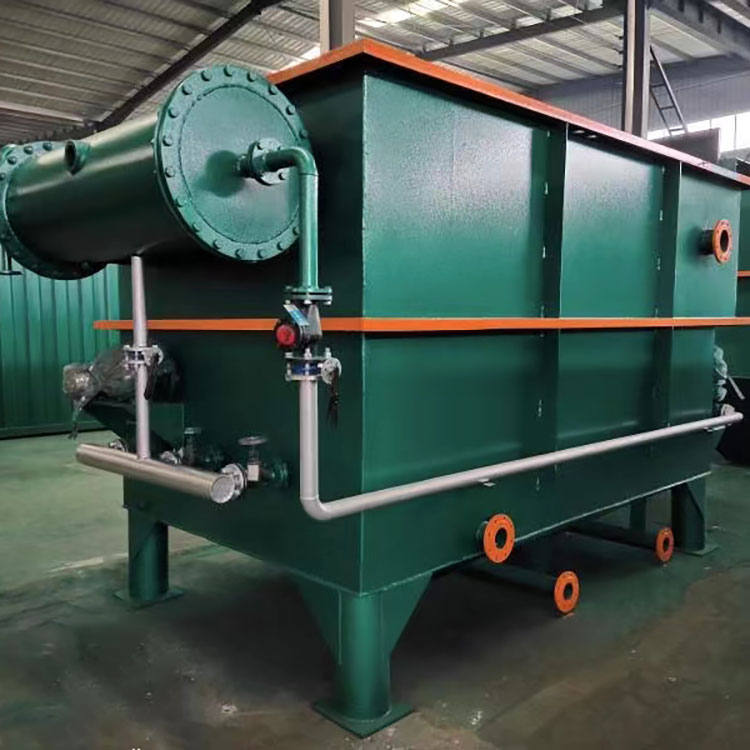
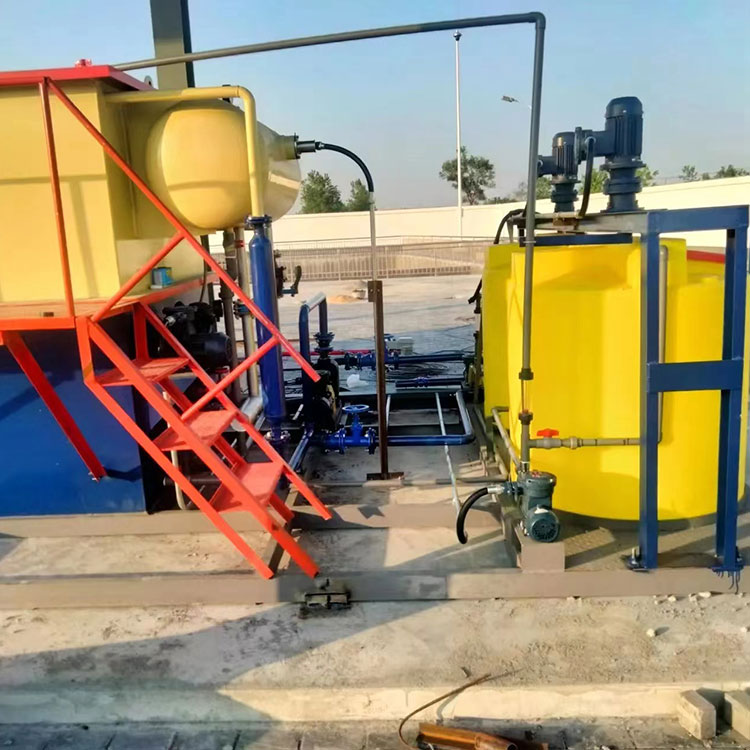
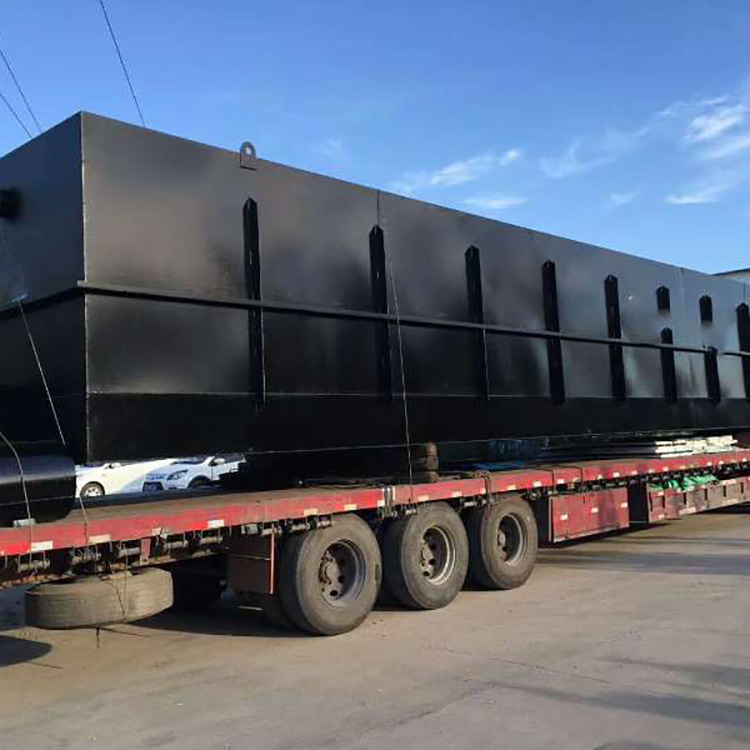
Wastewater treatment equipment, widely applicable across various industries, used in oil, chemical, dyeing, papermaking, refining, leather, steel, machinery processing, starch, food, and other wastewater treatment. High efficiency, minimal land usage.
I. Application
Reduce COD, BOD, ammonia nitrogen and other substances in water, and also serve as a deep treatment after the physical-chemical treatment unit, thereby purifying the water body and protecting the ecological environment.
Section II: Features
1. High capacity, high efficiency, and low land requirement.
2. The process and equipment structure are simple, easy to use and maintain.
3. Eliminates sludge expansion.
4. Strong decomposition capabilities, easy to cultivate active sludge, with high sludge concentration.
5. Utilizing advanced A/A/O and A/A/O/O processes, equipped with a PLC full-automatic control system, truly achieving full automatic operation.
Section 3: Installation, Commissioning, and Precautions
(1) Installation
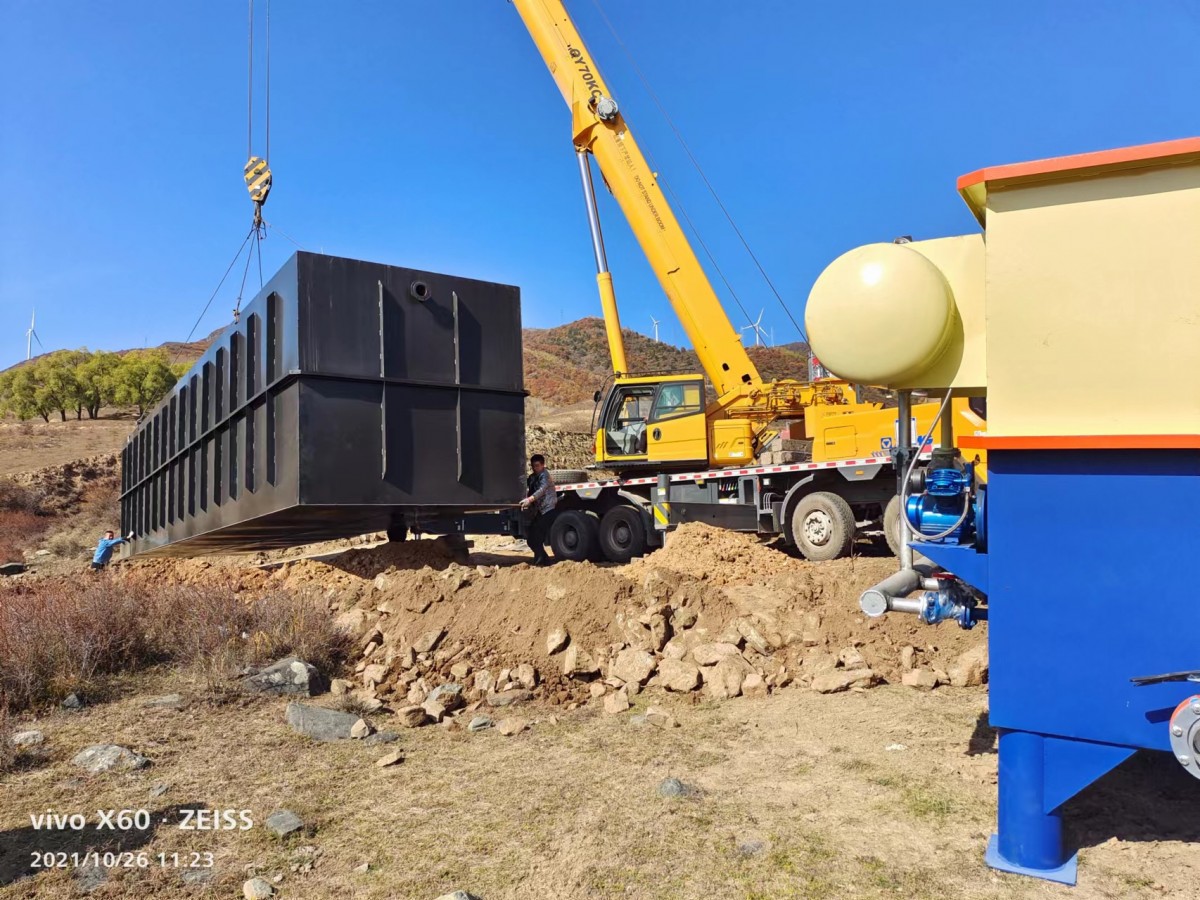
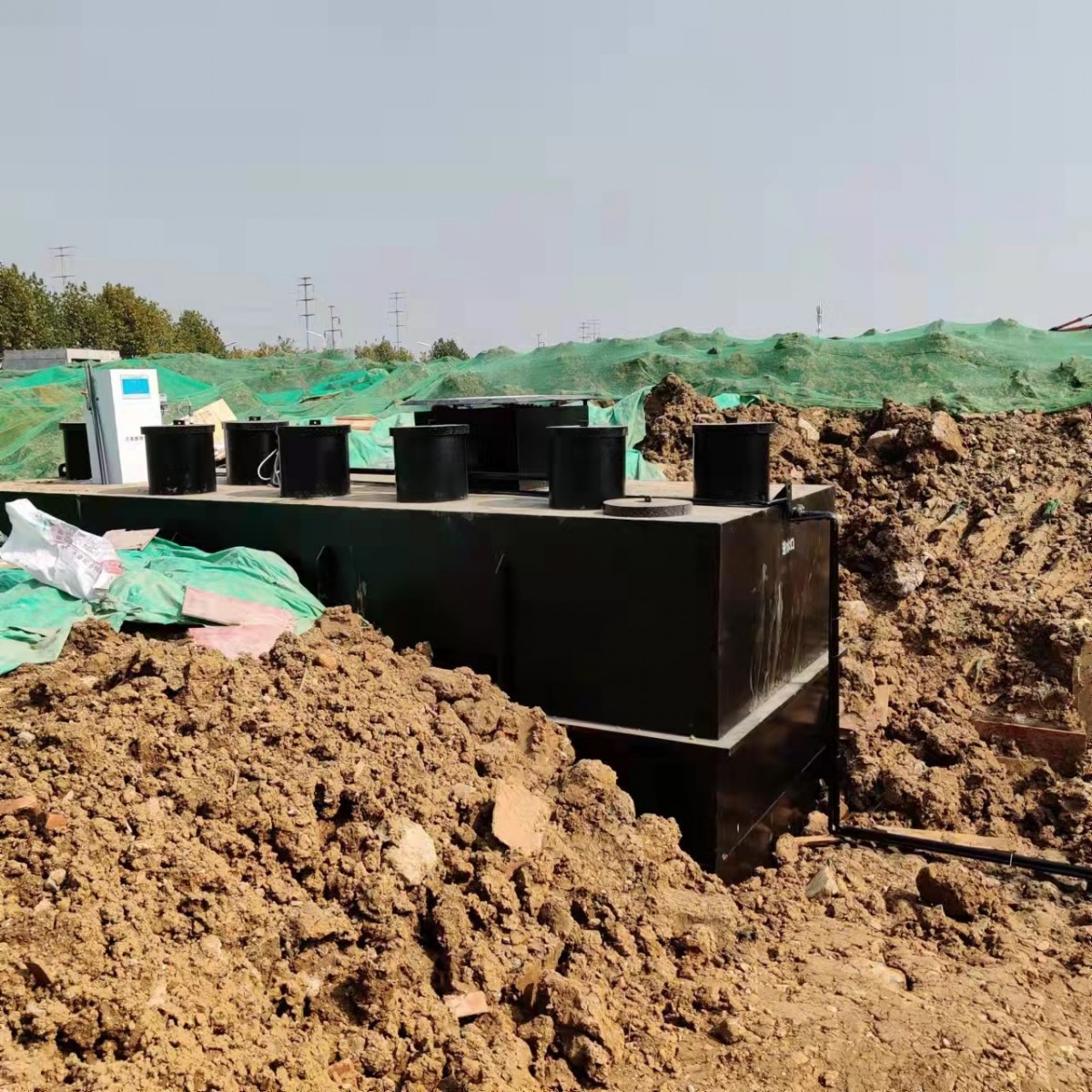
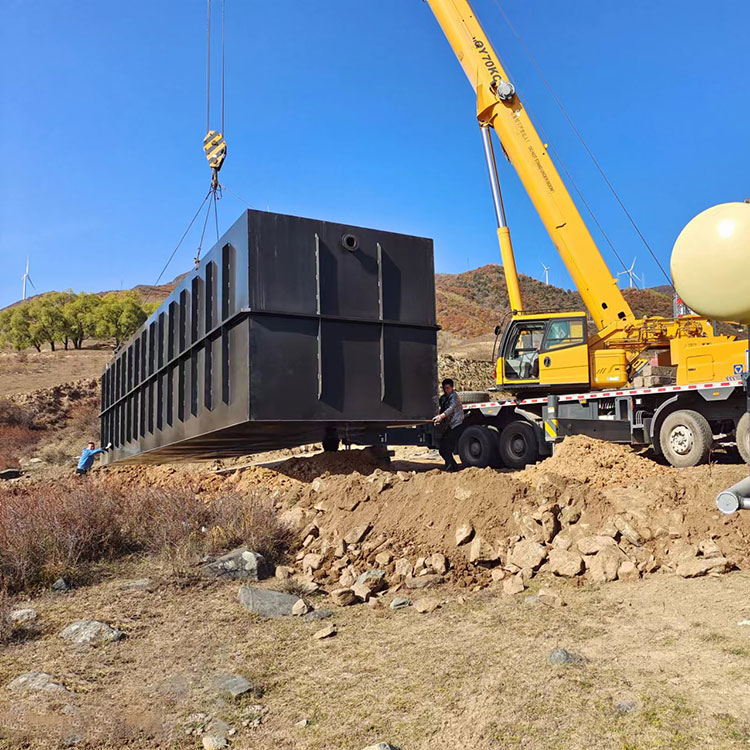
1. Prior to equipment installation, the foundation must be firmly compacted and raised by 100-150mm using concrete mortar. Alternatively, an overhead installation can be considered, provided the base is capable of supporting the weight of the equipment during operation.
2. The equipment must be leveled after it is in place.
3. The equipment should be equipped with a drainage system for cleaning, which can be either an open channel or a direct pipeline to the regulating pond for the purpose of draining the water from the flotation pond.
4. The connection pipeline between the wastewater inlet and the reaction pond should be as short as possible to prevent the flocs from being damaged in the pipeline.
5. Clear water出口 can be connected to the drain for disposal. If further processing is required, it can be directly connected to the subsequent processing equipment.
6. Sludge exports can be connected to sludge pits or sludge treatment equipment.
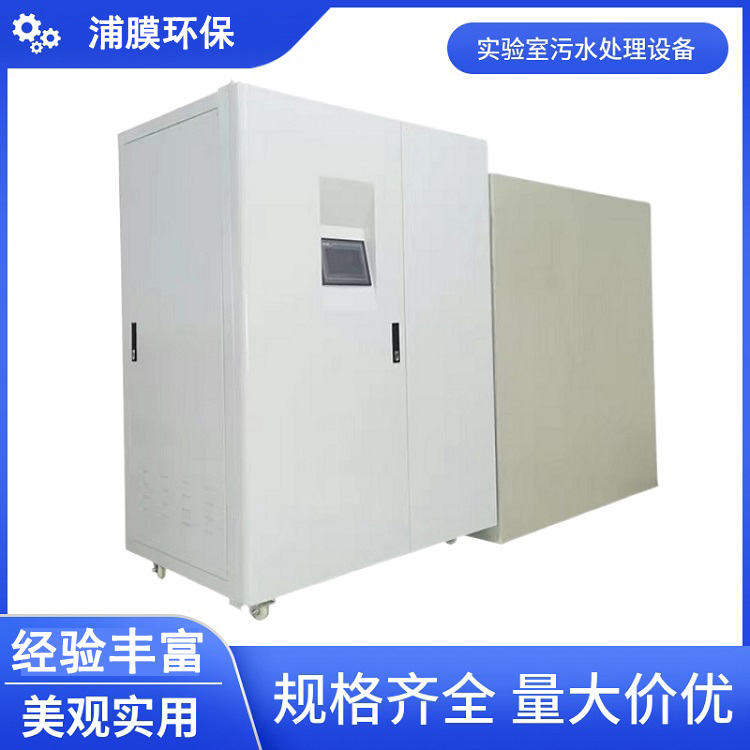
7. Electrical cabinets should generally be placed on the side of the escalator, with a clean and hygienic environment.
(II), Adjustment:
A. Prior to equipment debugging, the following preparations should be made:
1. Clean all debris and trash from the pool.
2. lubricate and oil the necessary parts of pumps and fans, etc.
3. Power on, start the pump, and verify that the direction of rotation matches the arrow. Manually activate the air compressor, and check for proper operation; promptly investigate any anomalies.
B. Pilot Run
1. Prior to operating the wastewater treatment equipment, ensure that all valves are in the correct positions—open for those designed to be open, and closed for those designed to be closed. Check for any leaks or blockages in the piping, as well as the normal operation of the mechanical and electrical components and motor insulation. Verify that the lubrication systems of all mechanical transmission points meet the required standards.
2. The system's main control component is a microprocessor, facilitating user management and operation.
3. Prior to starting the electromechanical equipment, first check if the system is live. Then, close the main power switch inside the control cabinet. Once the system's self-check with power on is normal, proceed to the operational state.
4. When manually performing related process operations, click on the corresponding equipment name to manually start a specific piece of equipment or manually cycle through equipment start/stop operations. For example: Click on "Aeration Machine" to manually adjust the aeration time of a particular aeration machine, or to start or stop it.
5. During operation, the sewage and filter lifting pumps are controlled for start and stop by the liquid level. The aeration machine operates under automatic control for start, stop, and during operation, if abnormal phenomena such as tripping, arc burning, or failure to start the equipment are found, immediately shut off the main power switch and notify the relevant personnel (electrician) for inspection or contact the equipment manufacturer.
6. Pools should be periodically cleaned of debris, and it is recommended to skim the surface oil or scum from the grille suction well once a week.
7. Dredging and sediment removal, determine the interval based on actual conditions (usually every 6 to 10 months).
8. The system generally does not require manual operation; it is only used for trial runs after system debugging or equipment repair. Simply switch to "Manual" to individually start the required running equipment.