








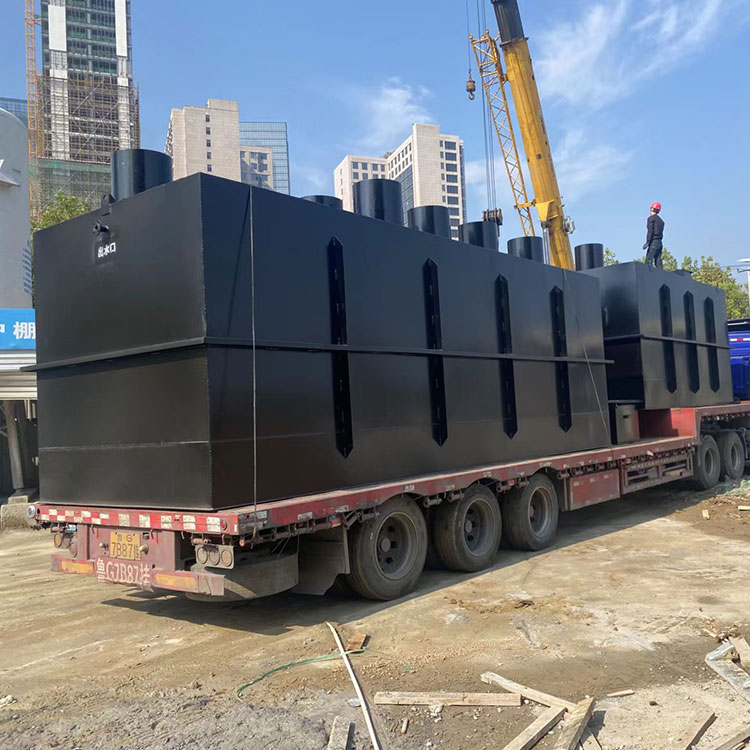
Industrial Wastewater Treatment Process
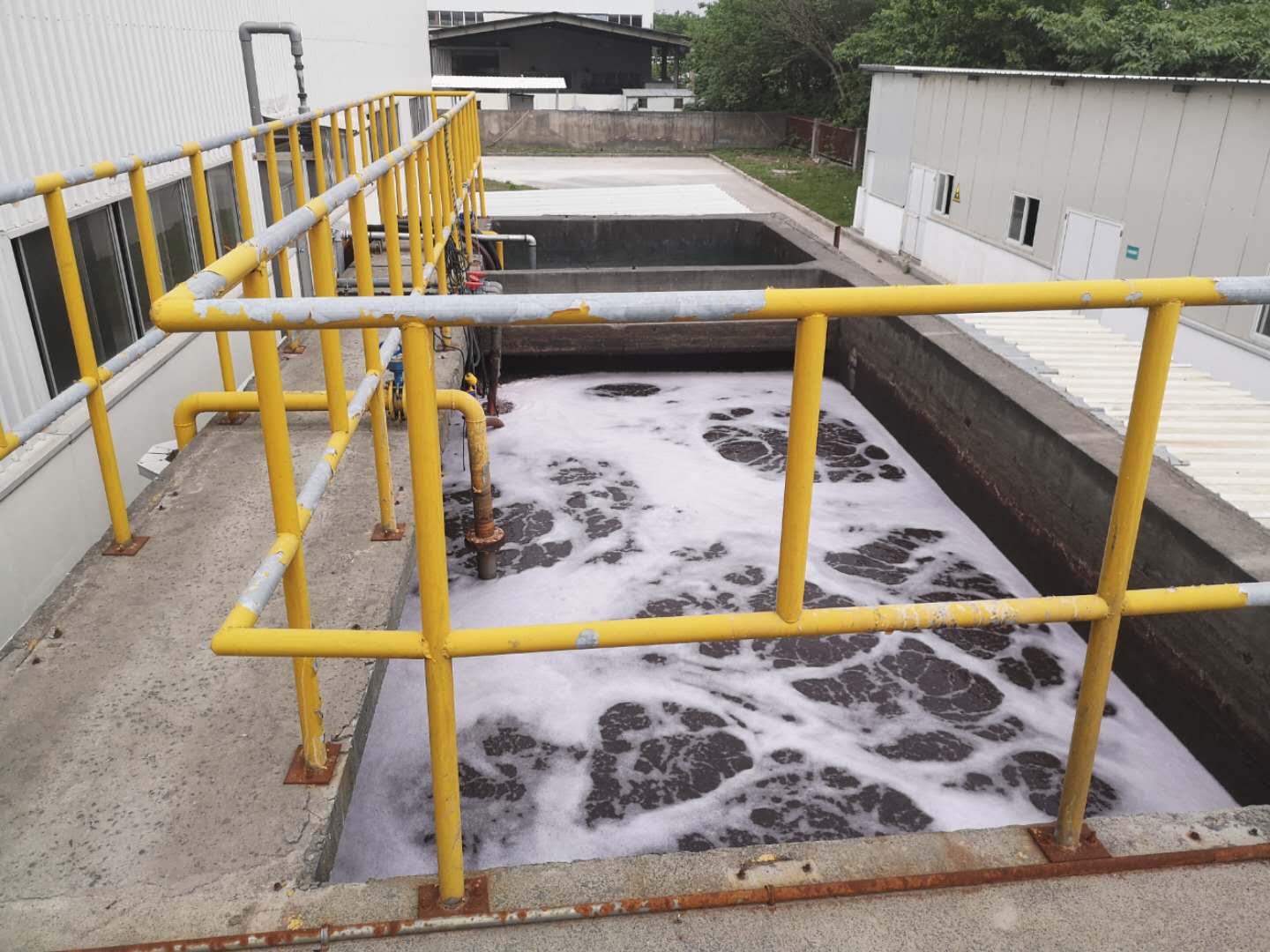
Shandong Guangshengyuan Environmental Engineering Co., Ltd. boasts a significant technical advantage in chemical wastewater treatment. In recent years, the company has invested heavily in research and implementation of various wastewater treatment projects, including refined cotton, cottonseed protein, starch, papermaking black liquor, leather, PVC, food, juice, coking, power plant, and domestic wastewater treatment for reuse. It has resolved the wastewater treatment challenge for many chemical enterprises, ensuring compliance with standards or reuse, and has been recognized as a pioneer in the Shandong wastewater treatment industry by some Shandong environmental protection departments. Particularly, it has reached a relatively high level in the treatment of intermediate wastewater, cotton protein wastewater, refined cotton wastewater, cottonseed protein wastewater, PVC wastewater, and the reuse of paper mill black liquor and starch wastewater.
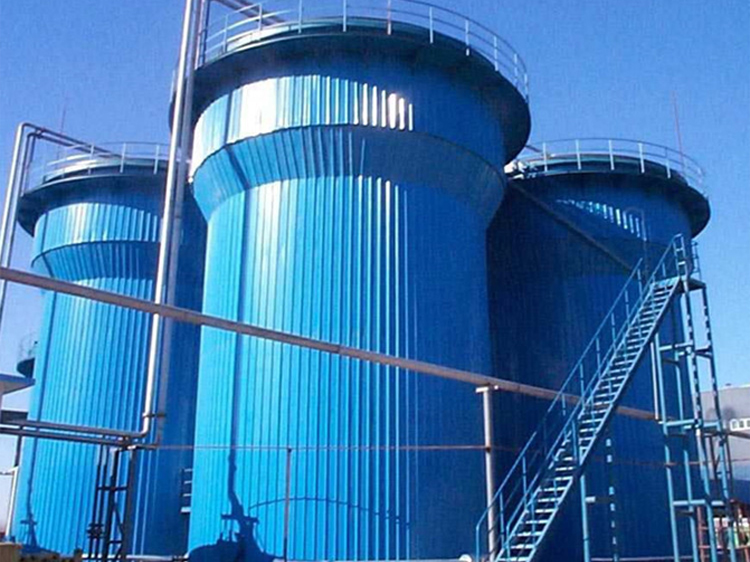
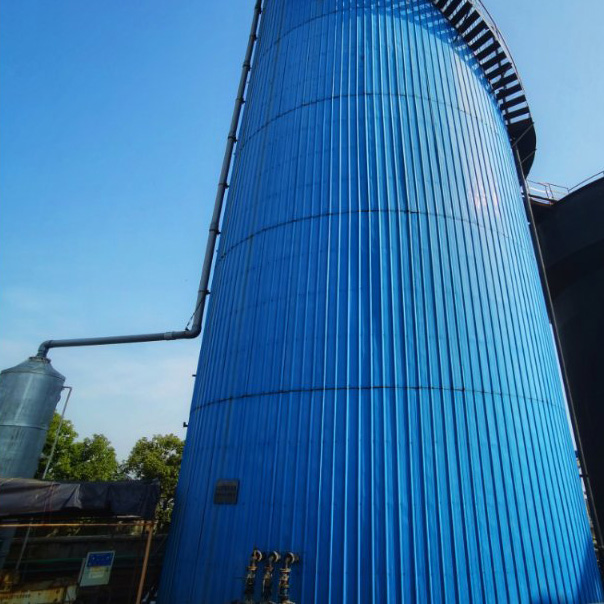
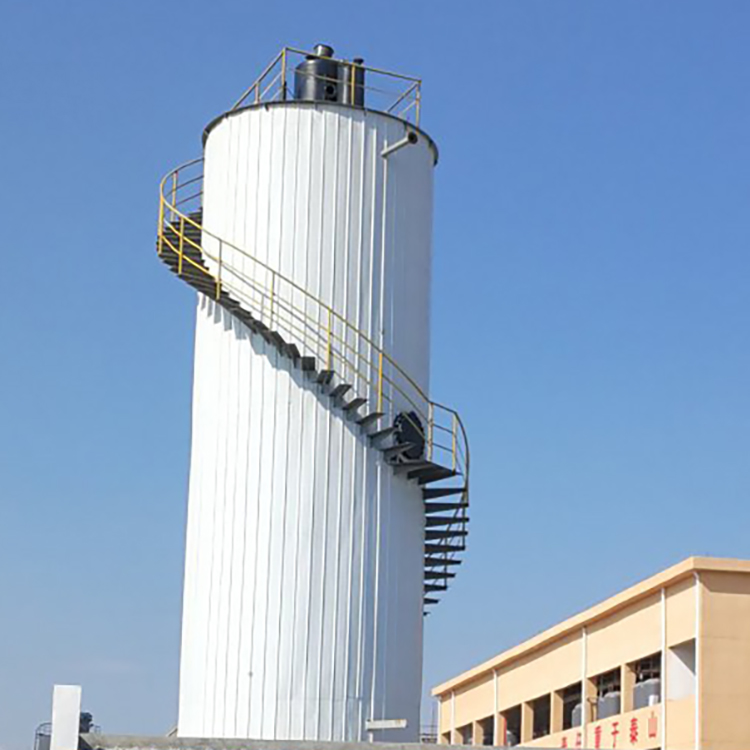
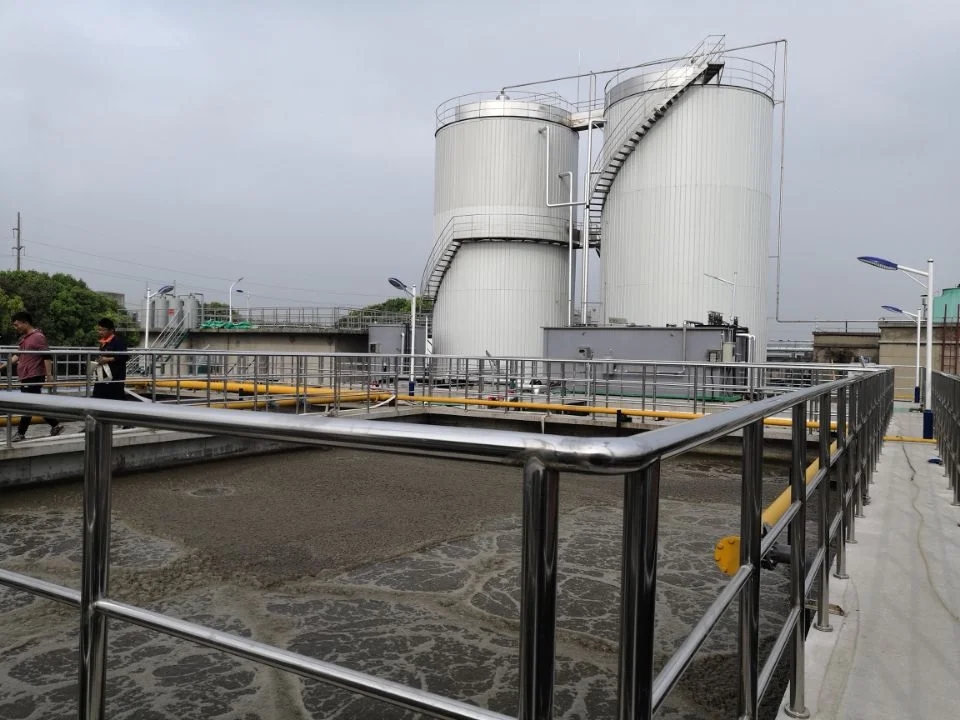
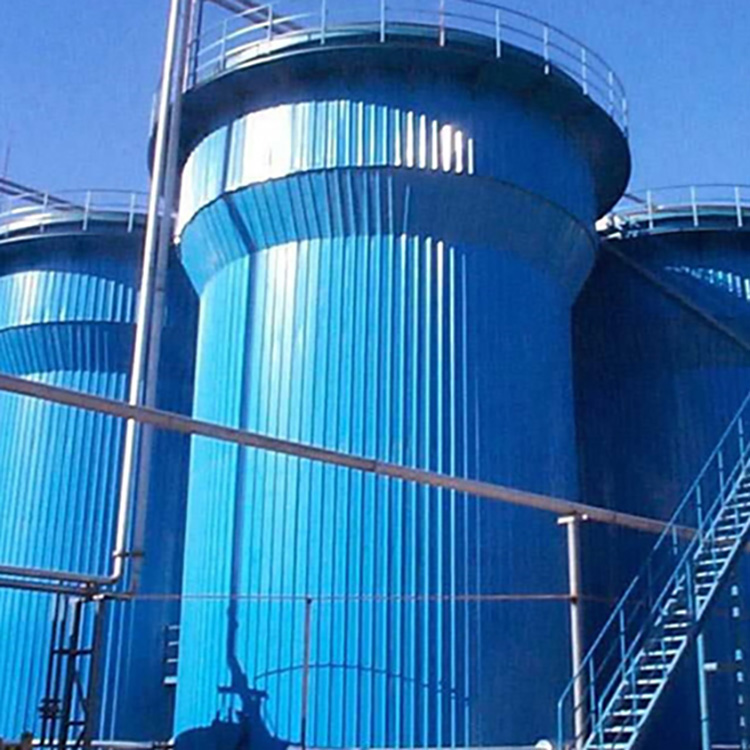
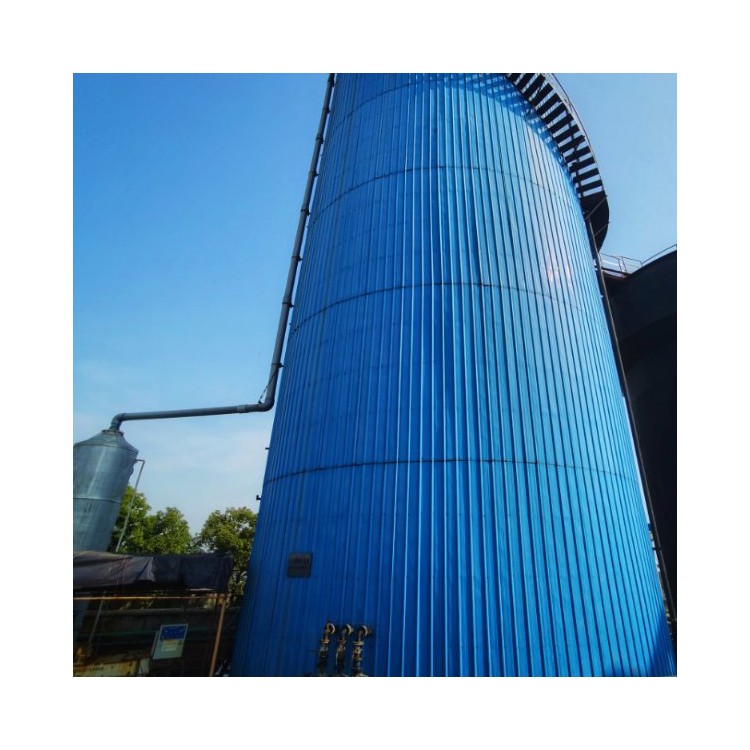
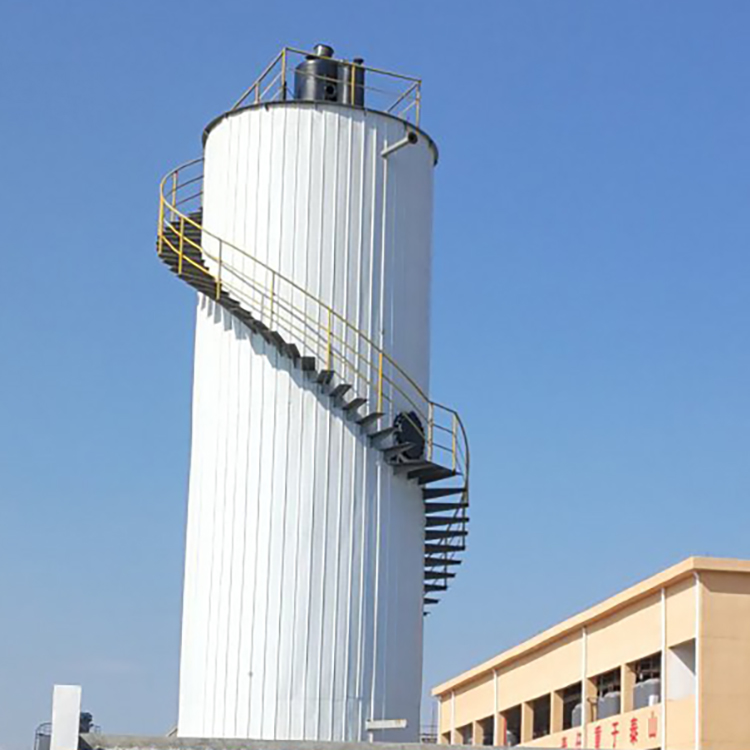
The IC anaerobic reactor is a new type of anaerobic reactor following the UASB and EGSB. It divides the reactor into upper and lower chambers through two gas collection hoods, which are combined by an internal circulation device. Most of the organic matter entering the IC anaerobic reactor is digested in the lower chamber, and the produced biogas is collected into a riser pipe, where it is separated from the fermentation liquid due to the density difference between the liquid inside and outside the riser. The separated biogas then returns to the lower chamber, creating a continuous circulation of the fermentation liquid. As the internal circulation occurs in the lower chamber, it has a higher hydraulic load, and the high hydraulic and gas production loads allow for thorough mixing of sludge and organic matter, leading to an expanded sludge state, high mass transfer rates, and significantly increased anaerobic digestion rates and organic load. The upper chamber is the low-load area of the reactor, handling only a small amount of undigested organic matter from the lower chamber, with minimal biogas production. The low gas production load and hydraulic load in the upper chamber promote sludge settling and retention, maintaining a higher sludge concentration within the reactor. Since anaerobic digestion rate depends on sludge concentration and mass transfer rate, and factors affecting mass transfer are gas production load and hydraulic load—they are both crucial for enhancing mass transfer and the primary cause of sludge loss—the IC anaerobic reactor, with its internal circulation device, alters the impact of gas production and hydraulic loads, preventing sludge loss under high loads. This achieves a certain degree of "separation of high load and sludge loss," making the IC anaerobic reactor capable of higher organic load than UASB and EGSB.
1. High volumetric loading rate. The IC anaerobic reactor, with its strong internal circulation, excellent mass transfer, and large biomass, has a much higher influent loading rate than a standard UASB reactor, typically around three times higher. For treating high-concentration organic wastewater, when the COD is between 10,000-15,000 mg/L, the volumetric loading rate can reach 15-30 kgCOD/m³.
2. Strong resistance to shock load. Due to the internal circulation achieved by the IC reactor, the circulation rate can reach 10-20 times the incoming water. As the recycled water and incoming water are fully mixed at the bottom of the reactor, the organic concentration at the bottom is reduced, thereby enhancing the reactor's ability to withstand shock loads: Additionally, the large water volume allows the sludge at the bottom to expand, ensuring thorough contact and reaction between organic matter in the wastewater and microorganisms, thus increasing the treatment load.
3. Excellent stable effluent performance. The IC reactor operates in series like two UASB reactors stacked vertically, with the lower reactor handling high organic loading for primary treatment, and the upper reactor with lower loading for secondary treatment, ensuring good and stable effluent quality.