








Food Factory Wastewater Treatment Company, Food Additive Wastewater Treatment Environmental Unit, High Oil Content COD Wastewater Treatment Enterprise
Food Waste Treatment System, COD Degradation, Environmental Certification Company, Professional Food Additive Waste Treatment, Oil-Contaminated Waste Treatment Equipment, High COD Treatment Capacity, Food Waste Treatment Expert, Environmental Technology, COD Waste Treatment, Environmental Workshop, Equipment for Food Waste Treatment, Environmental Unit, Professional High COD Waste Treatment Service, Trusted Environmental Workshop Choice for Food Additive Waste Treatment, Professional Food Waste Treatment, Environmental Standard Solution, COD Degradation Equipment, Environmental Workshop Waste Treatment Expert, Environmental Unit, Oil-Contaminated High COD Waste Water Treatment Enterprise
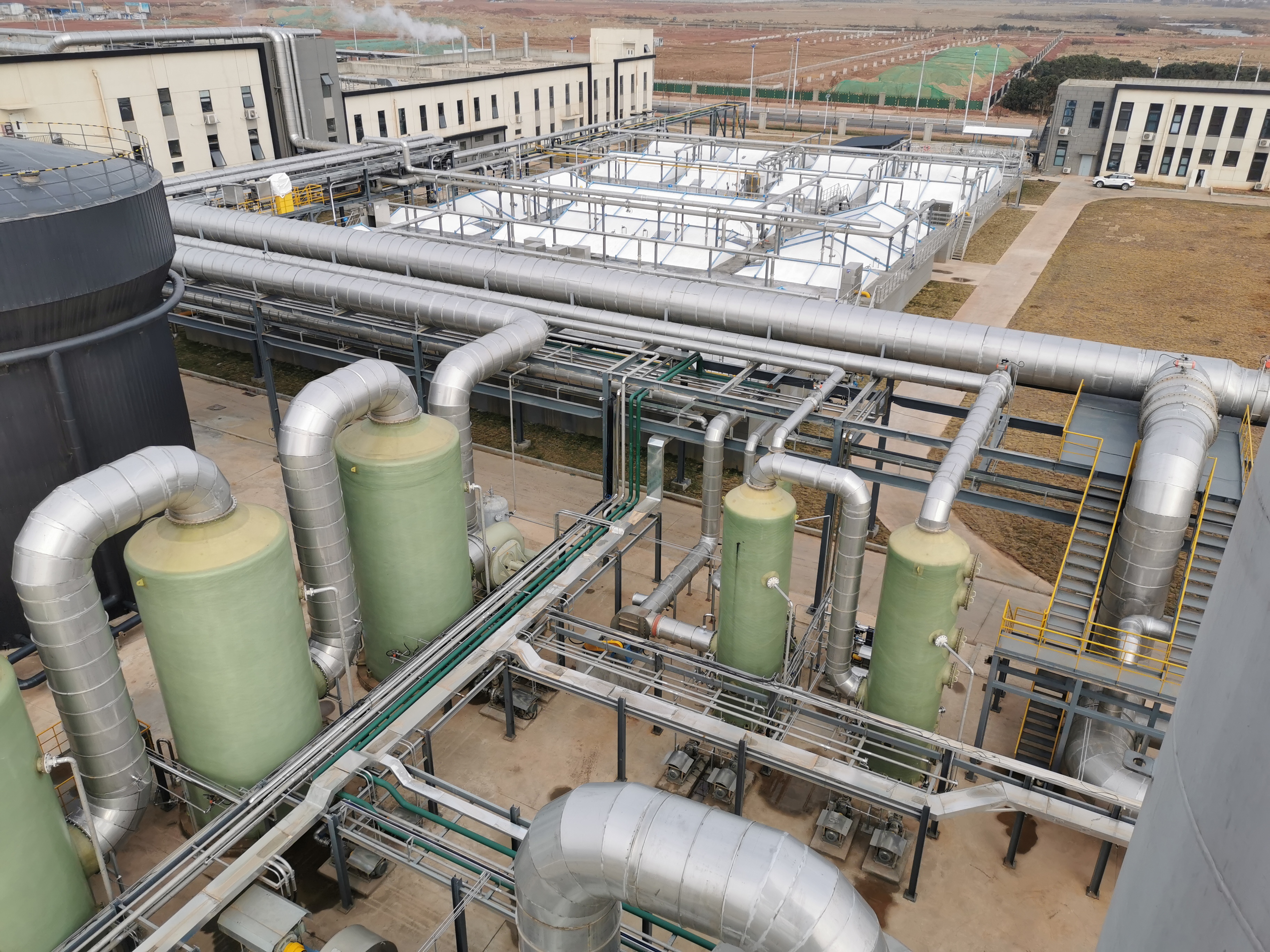
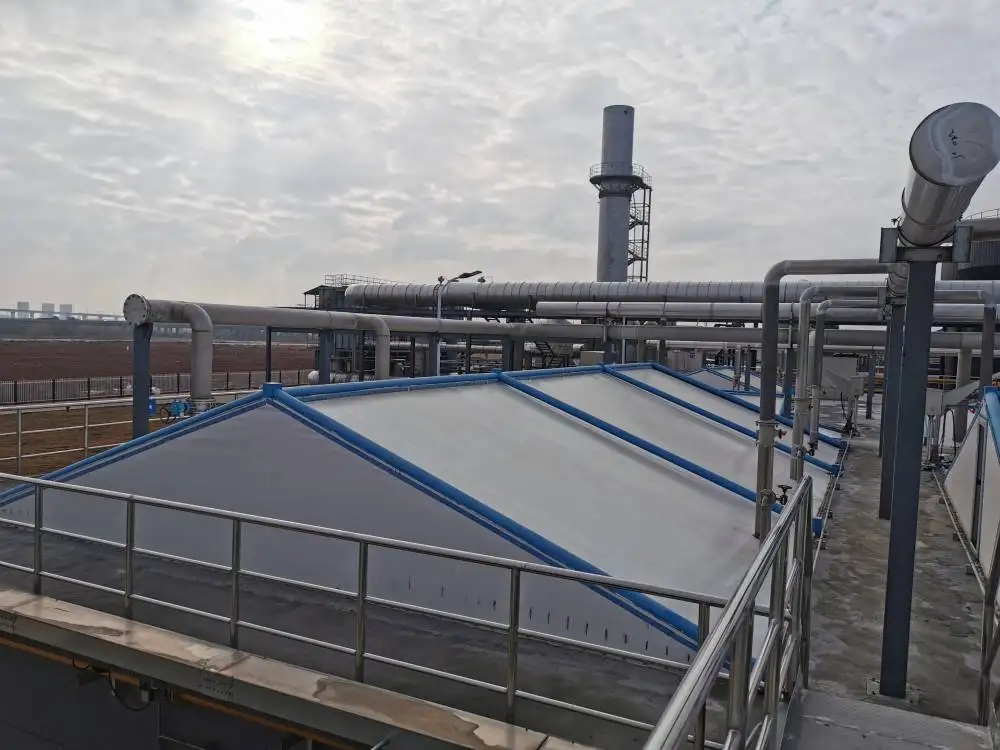
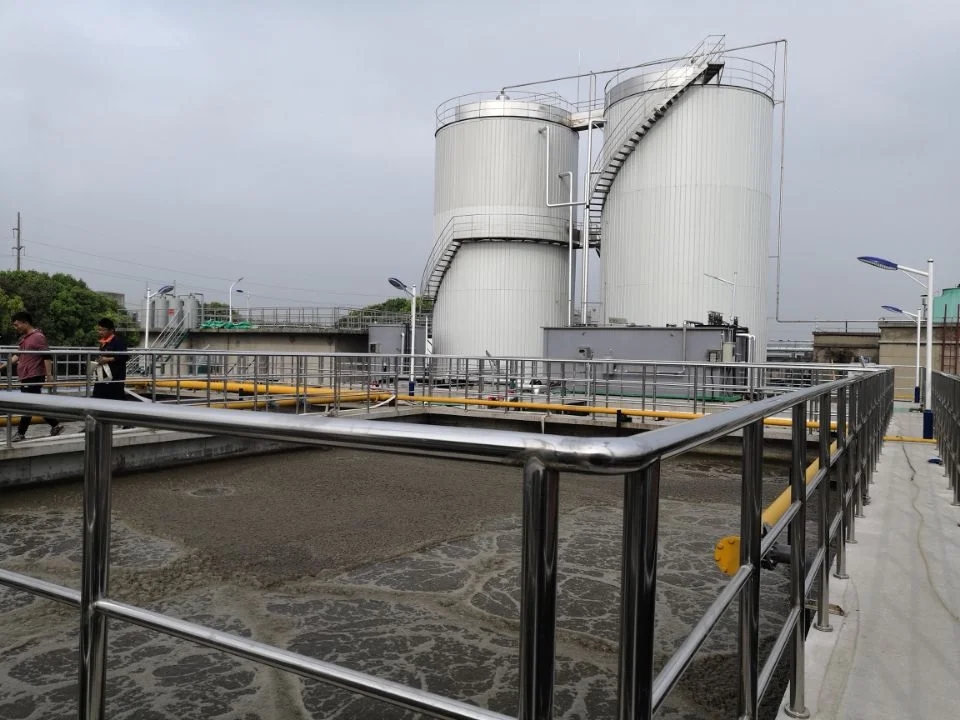
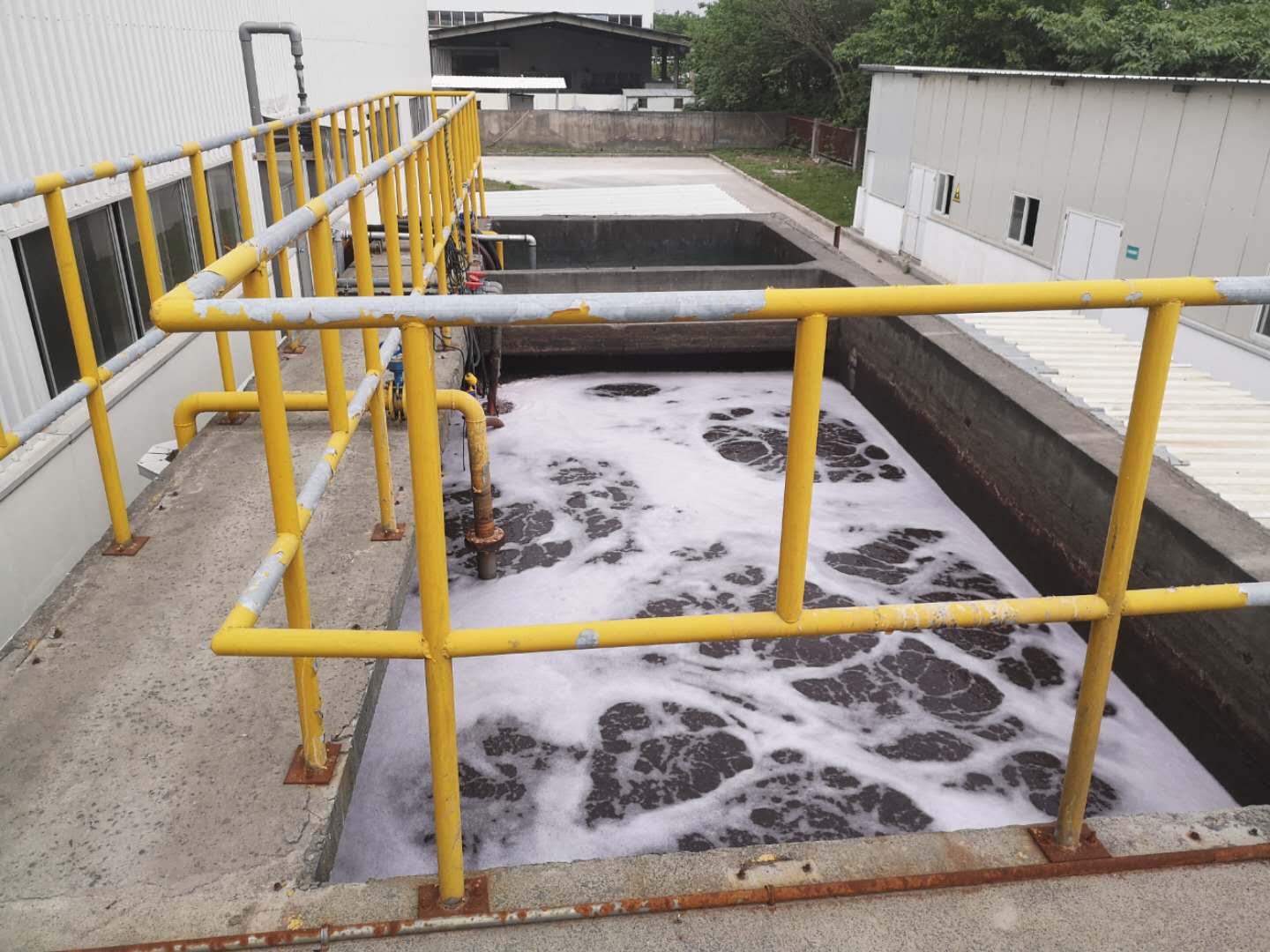
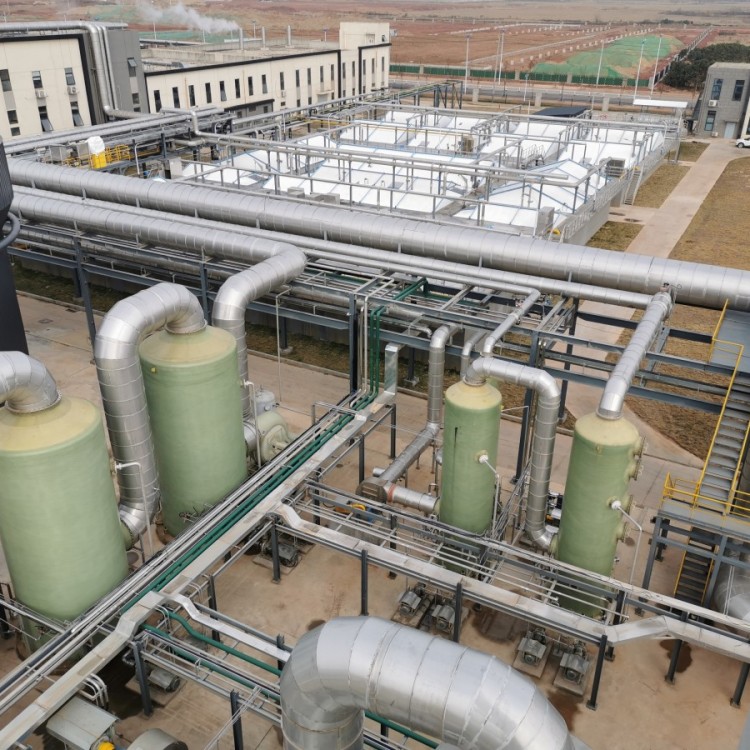
In treating high-oil COD wastewater from food factory workshops, a series of environmentally friendly treatment processes are employed to ensure the effluent meets discharge standards while achieving resource recycling.
I. Processing Procedure
Pre-treatment stage
Grease trap: Utilizes gravity to remove floating oil and most suspended solids from wastewater.
Coagulation Flotation Tank: Adds coagulant to form flocs of suspended solids and oils, which are then separated out by the flotation device.
2. Biochemical Treatment Stage
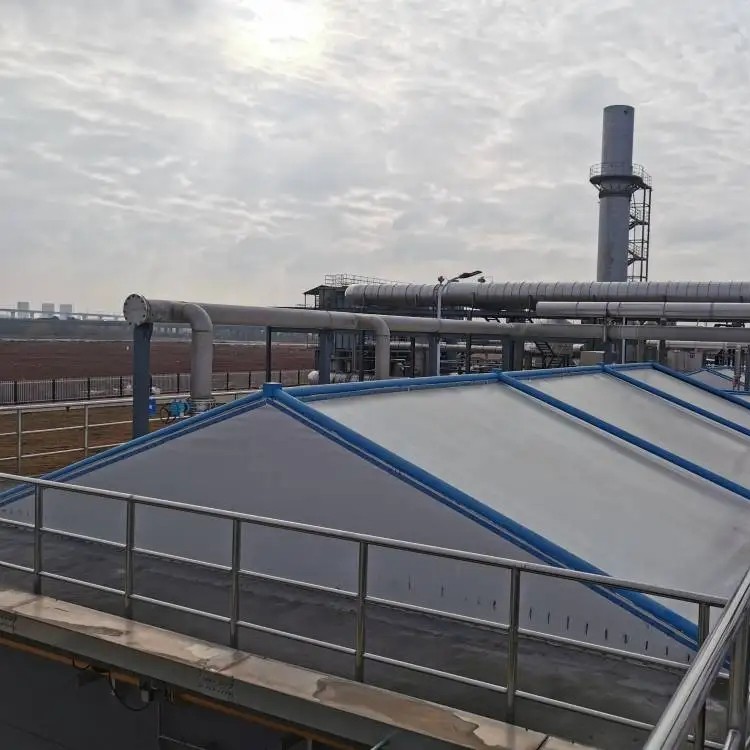
Anaerobic Treatment: Utilizing UASB reactors to convert organic matter into methane and carbon dioxide, reducing COD concentration.
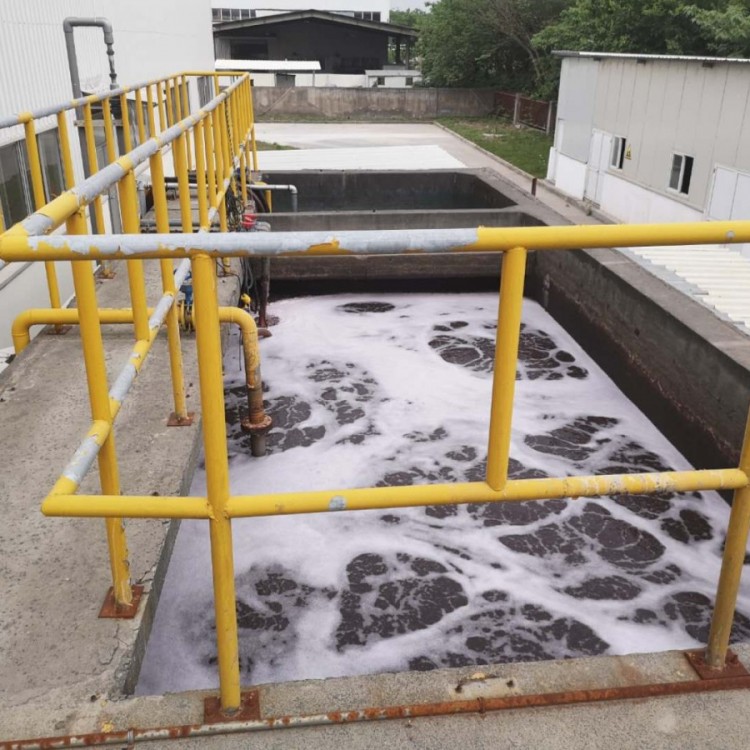
Aerobic Treatment: Utilizes A/O process or activated sludge method to further degrade organic matter, while achieving nitrogen and phosphorus removal.
3. Deep Processing Stage
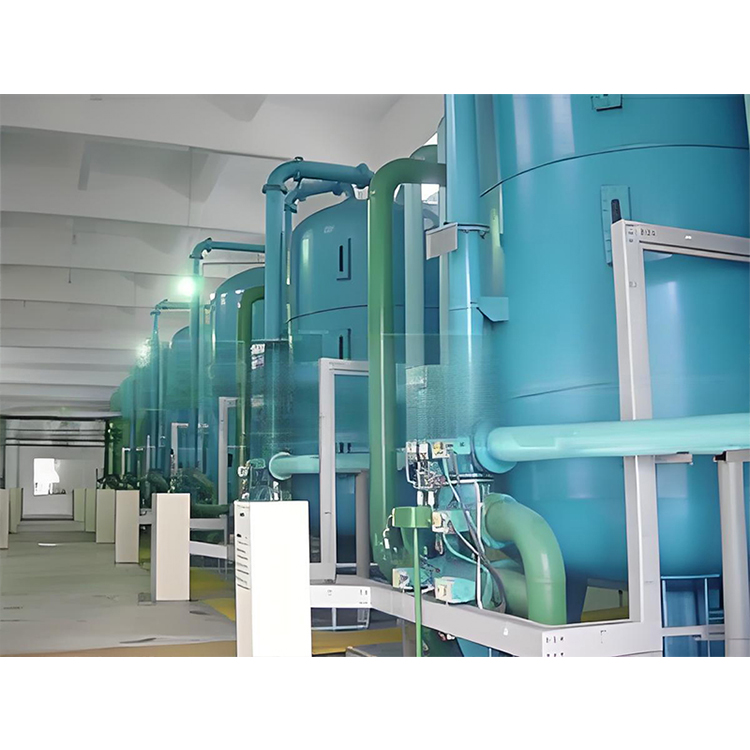
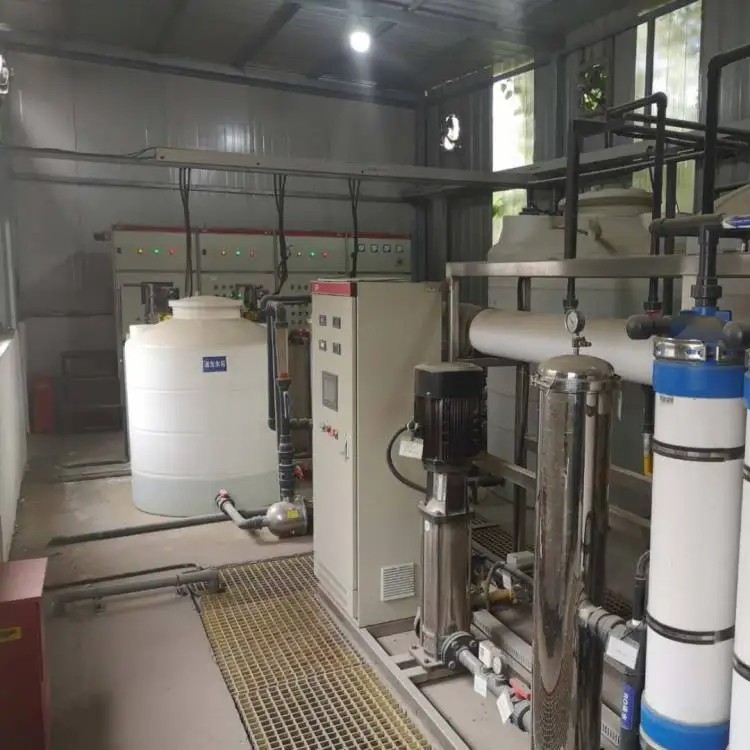
Sand filtration: Removes fine suspended particles from wastewater.
Activated Carbon Filtration: Adsorbs residual organic matter in wastewater, enhancing water quality.
Disinfection: Utilizes ultraviolet or Lv disinfection to eliminate pathogenic microorganisms, ensuring safe water output.
II. Processing Effect
After the above treatment process, the oil content in the wastewater is significantly reduced, with the COD removal rate exceeding 90%, resulting in clear and transparent effluent quality that meets both national and local discharge standards.
Section 3: Technical Advantages
Energy-saving: Adopting advanced processing technology and equipment to enhance efficiency and reduce energy consumption.
Environmental Protection: No secondary pollution during the process, ensuring environmental safety.
Easy to operate: High level of automation reduces manual operations and cuts operational costs.